✍️ Authors
-
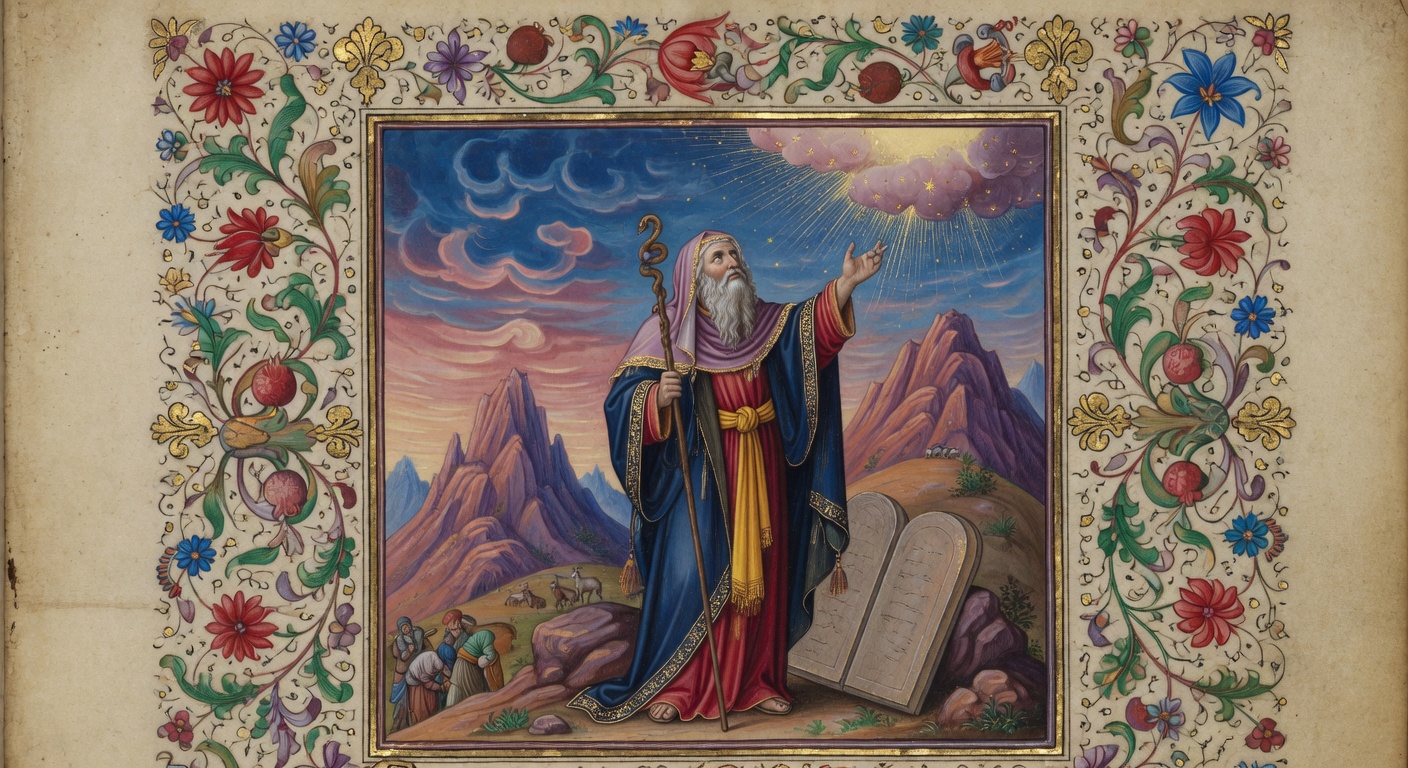
Moses
Raised in the courts of Pharaoh yet called by God from the burning bush, Moses became the instrument through whom the Lord delivered His people from Egyptian bondage and established them as a covenant nation at Sinai. As prophet and lawgiver he received the commandments, mediated the covenant, and interceded for the Israelites throughout their wilderness wanderings toward the promised land. Traditionally credited with writing the first five books of Scripture, Moses occupies a central place in the redemptive narrative as the one who revealed God's law and foreshadowed the greater Deliverer to come.
Books: Genesis, Exodus, Leviticus, Numbers, Deuteronomy
-
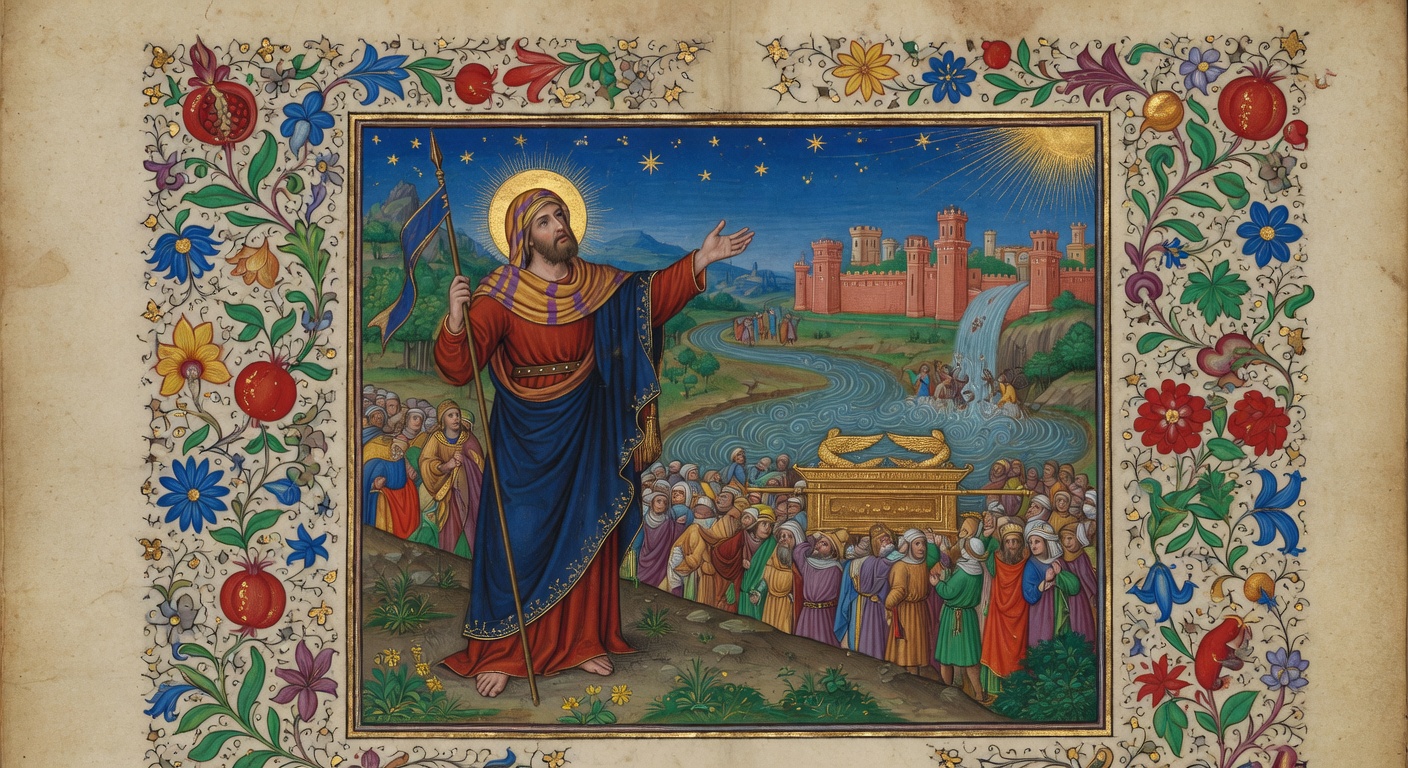
Joshua
Serving as the appointed successor to Moses, Joshua led the children of Israel into the land promised to their forefathers. His leadership brought about the crossing of the Jordan, the fall of Jericho, and the division of Canaan among the tribes as recorded in the book bearing his name. This account reveals the unfolding of God's redemptive plan through faithful obedience, marking the transition from wilderness wandering to settled inheritance in the territory granted by divine covenant.
Books: Joshua
-
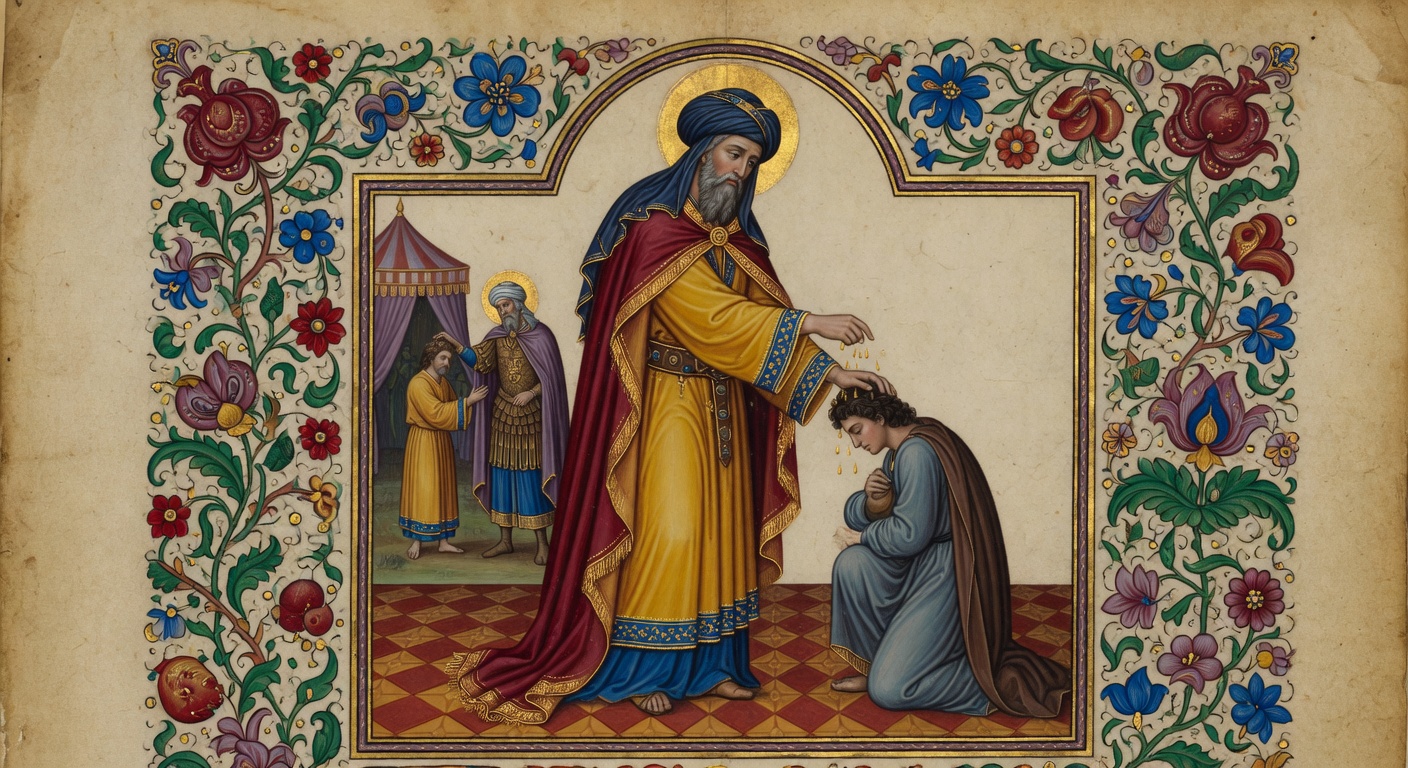
Samuel
Samuel served as both prophet and judge during a pivotal time in Israel's history, bridging the era of the judges with the establishment of the monarchy. Dedicated to the Lord from his youth, he heard God's call as a boy in the tabernacle and later anointed Saul and then David as kings, setting the stage for the royal line through which the Messiah would come. Traditionally credited with authoring Judges, Ruth, and the early parts of the books that bear his name, Samuel exemplified faithful intercession and obedience, reminding the people that true security lay not in earthly rulers but in covenant faithfulness to God.
Books: Judges, Ruth, 1 Samuel, 2 Samuel
-
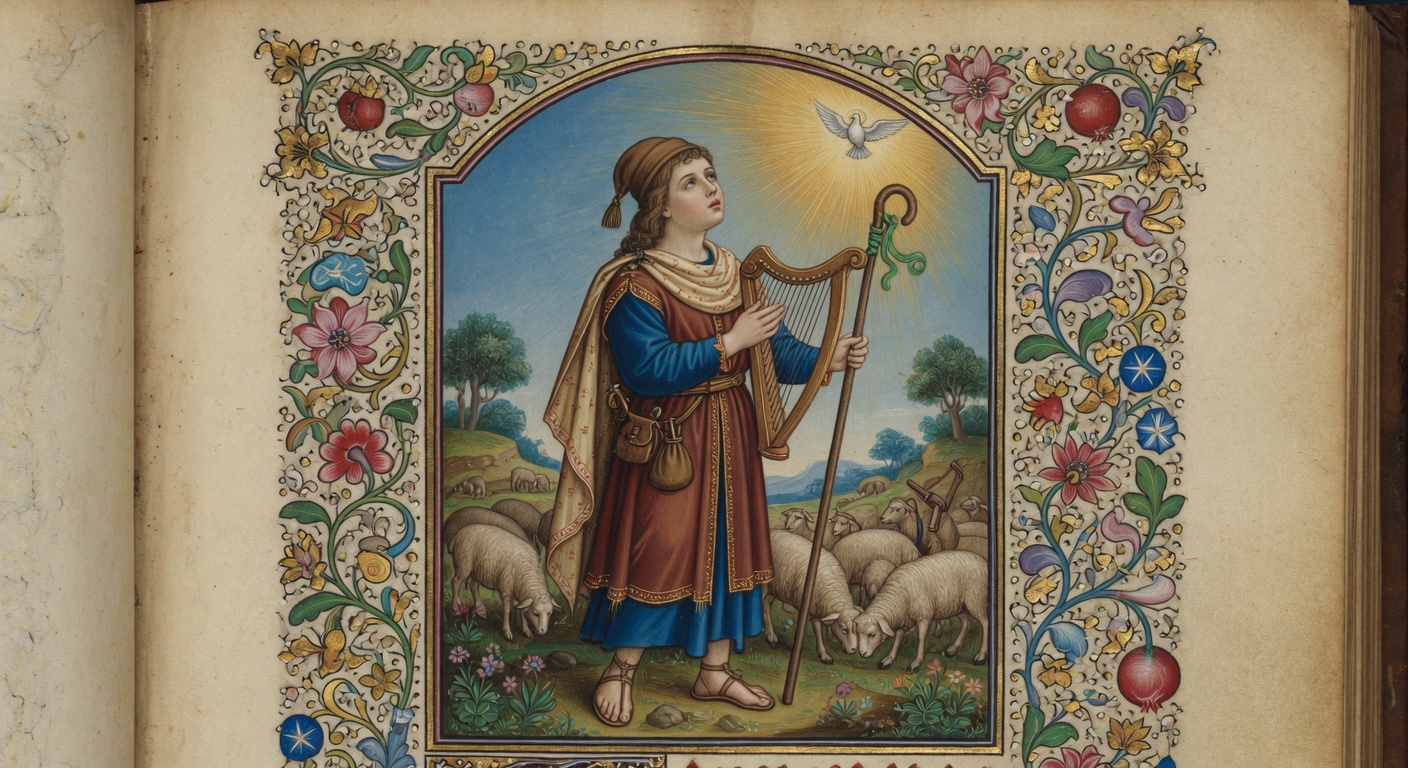
David
From the fields where he tended his father's sheep, David was called to shepherd the nation of Israel as its anointed king, a man after God's own heart whose life wove together triumph, failure, and steadfast trust. Through the Psalms he composed, he poured out his soul in praise, lament, confession, and hope, giving voice to the full range of human experience before the living God and shaping the prayer and worship of his people. As the forefather of the promised Messiah, his reign and his songs advance the redemptive story, pointing toward the eternal kingdom that would fulfill the covenant made with his line.
Books: Psalms
-
Solomon
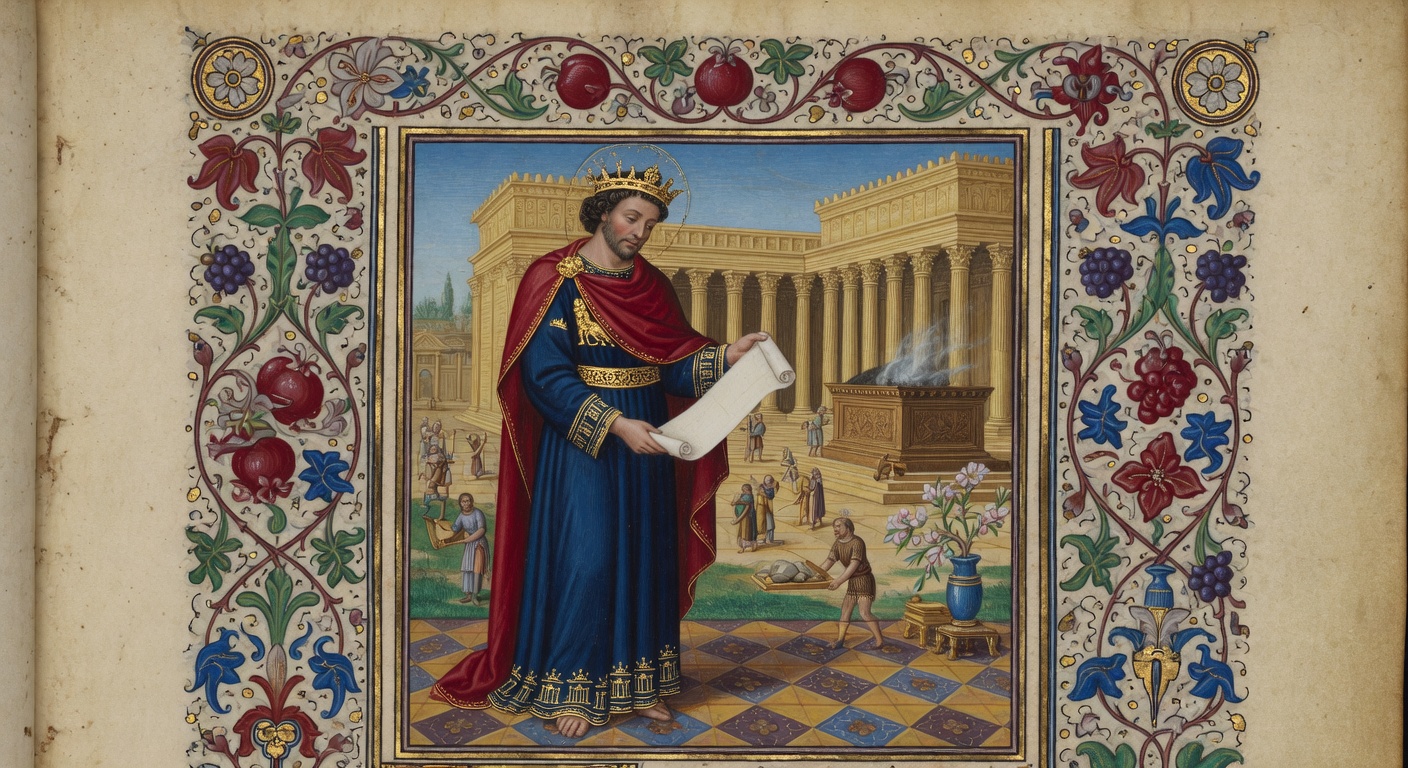
The son of David who ruled Israel at the height of its power, Solomon received from the Lord an unparalleled gift of wisdom that shaped his reign and writings for generations to come. In Proverbs he sets forth the fear of the Lord as the beginning of knowledge, guiding believers toward practical righteousness, while Ecclesiastes soberly examines the emptiness of earthly pursuits apart from God and the Song of Solomon celebrates the beauty of covenant love. His building of the temple established a lasting center for worship and sacrifice, advancing the redemptive story by providing a visible sign of God's dwelling with his people until the coming of Christ.
Books: Proverbs, Ecclesiastes, Song of Solomon
-
Isaiah
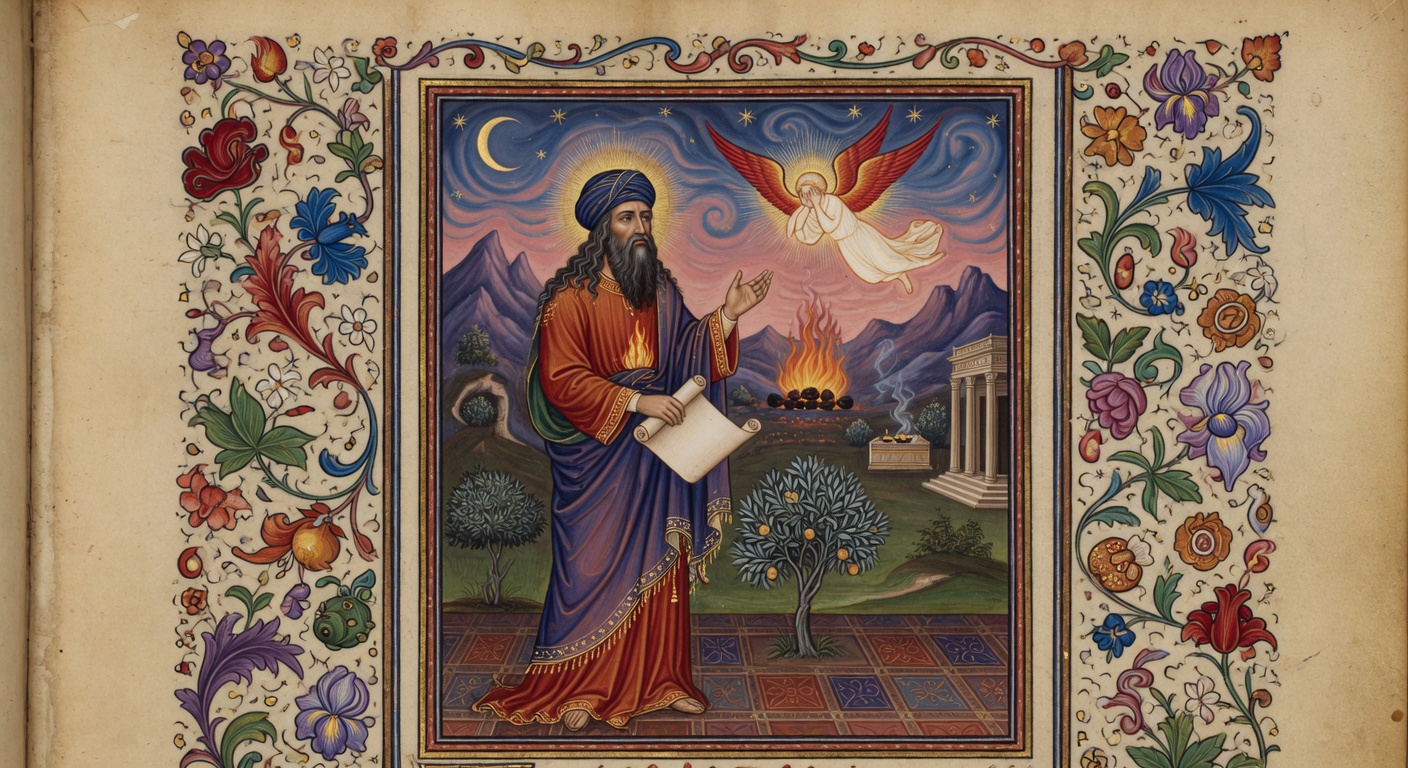
Serving as God's spokesman in the kingdom of Judah through the reigns of four successive kings, Isaiah conveyed urgent calls to repentance alongside glorious promises of future deliverance. His encounters with the divine majesty, including a vision of the Lord enthroned in the temple, shaped his message of holiness and judgment upon sin. At the heart of his prophecies stands the revelation of the Messiah, whose coming would bring salvation to both Israel and the nations, revealing the depth of God's redemptive purposes across the ages.
Books: Isaiah
-
Jeremiah
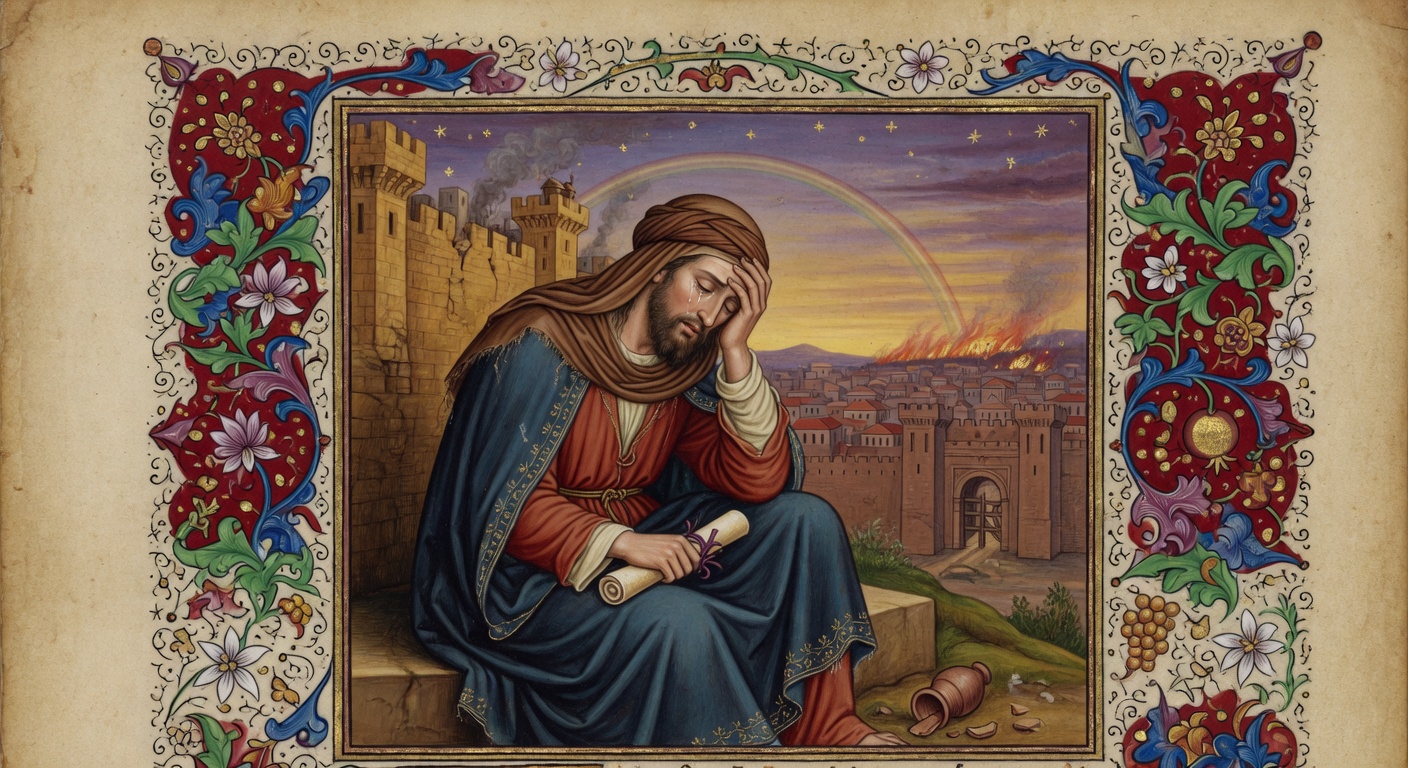
Serving as God's spokesman in the turbulent years leading to Jerusalem's fall, Jeremiah endured rejection and suffering as he urged the people of Judah to turn from their idolatry. His tears over their impending judgment through exile have marked him as the weeping prophet, whose words in the book that bears his name include the promise of a new covenant of grace. He also penned Lamentations, pouring out his grief over the city's destruction while affirming the steadfast love of the Lord that never ceases.
Books: Jeremiah, Lamentations
-
Ezekiel
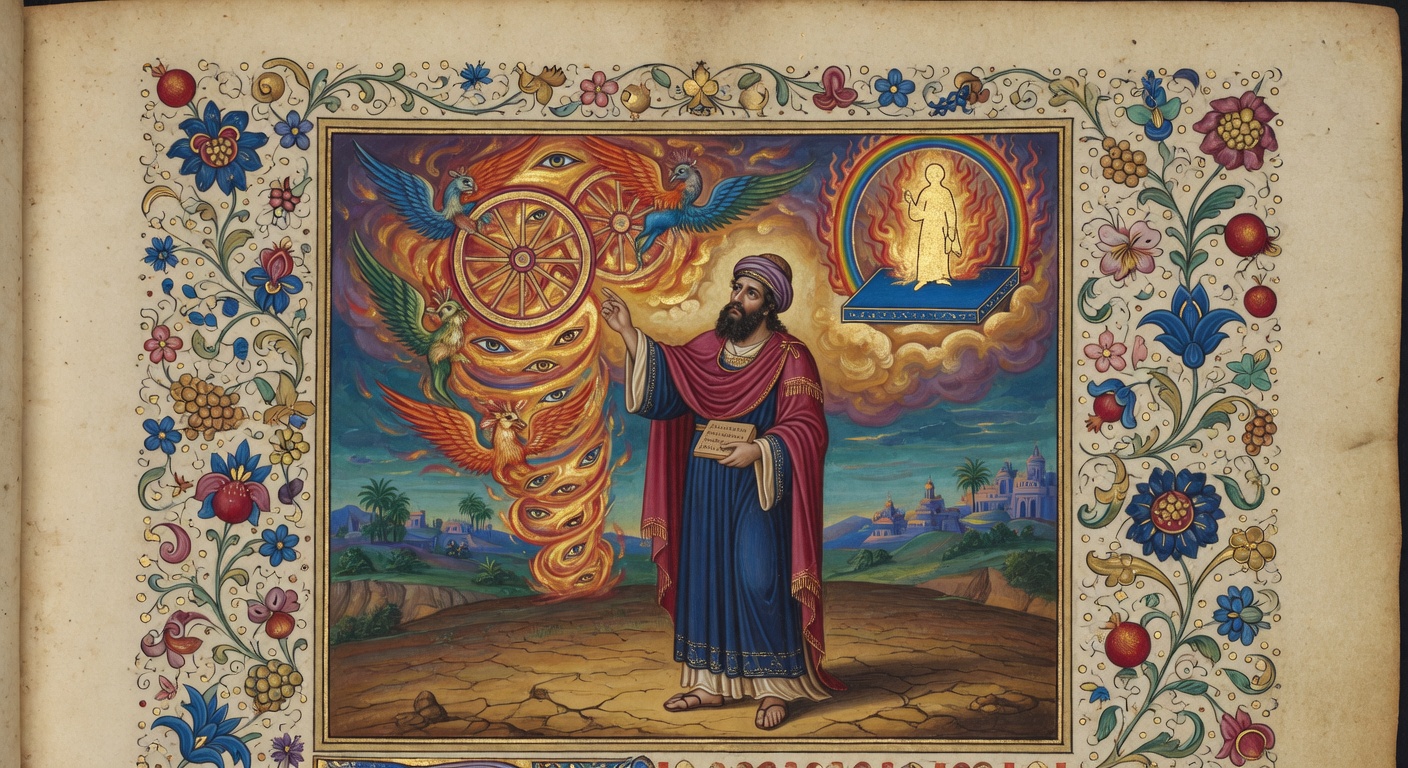
As a priest and prophet called to minister among the Jewish exiles in Babylon, Ezekiel bore witness to both the Lord's righteous judgment upon a rebellious nation and His unwavering commitment to restore a remnant. His ministry unfolded through dramatic symbolic acts and extraordinary visions, most notably the valley of dry bones revived by the breath of God and the detailed revelation of a new temple where divine glory would once again dwell. These revelations affirm God's sovereign power to bring life from death and to fulfill His redemptive purposes for Israel and ultimately for all creation.
Books: Ezekiel
-
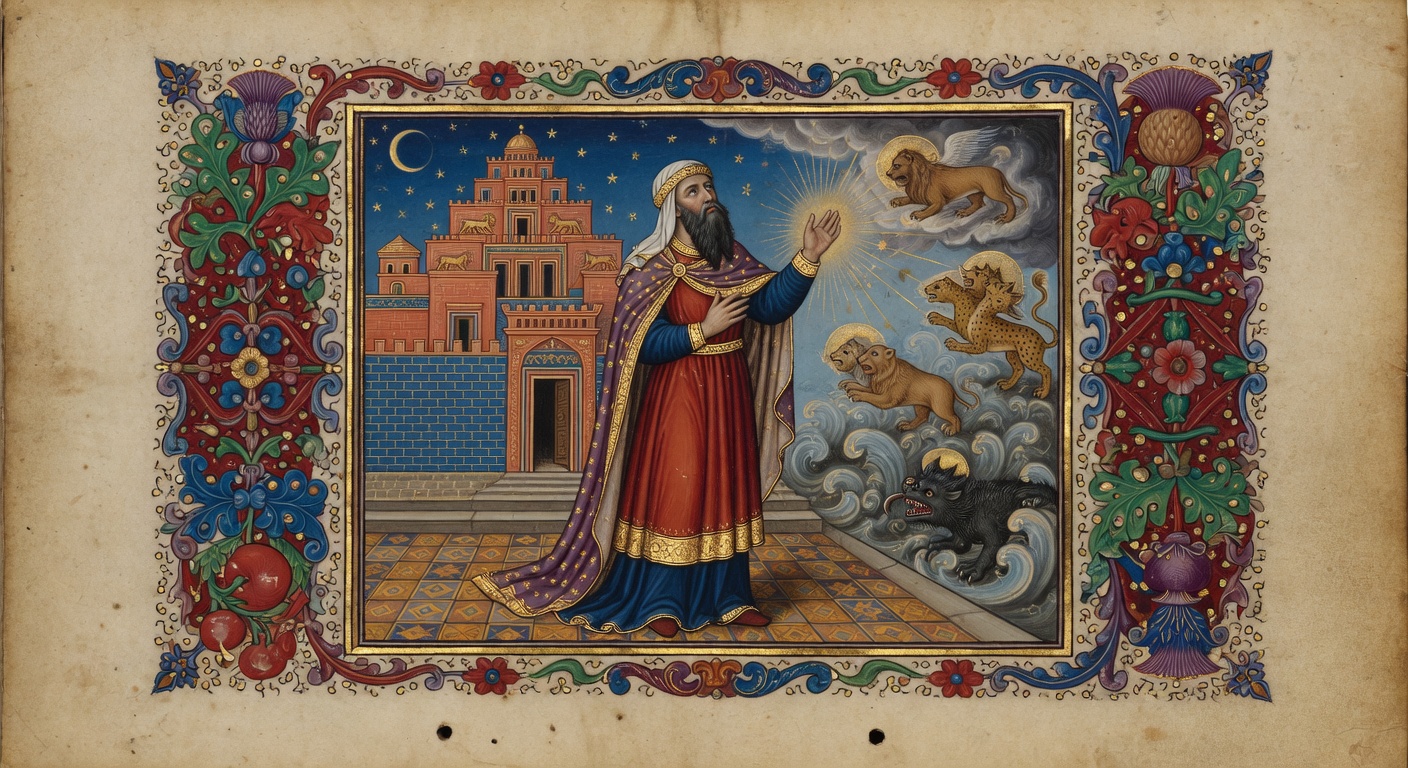
Daniel
Exiled as a young man to Babylon, Daniel distinguished himself in the royal courts of that empire and later Persia by interpreting dreams and signs through wisdom from God, thereby revealing the transient nature of human kingdoms. His courageous stand in matters of faith, such as his deliverance from the lions' den, highlighted God's protective care for those who honor him above earthly rulers. His recorded visions further illuminate the redemptive arc of history, pointing to God's everlasting dominion established through the Messiah.
Books: Daniel
-
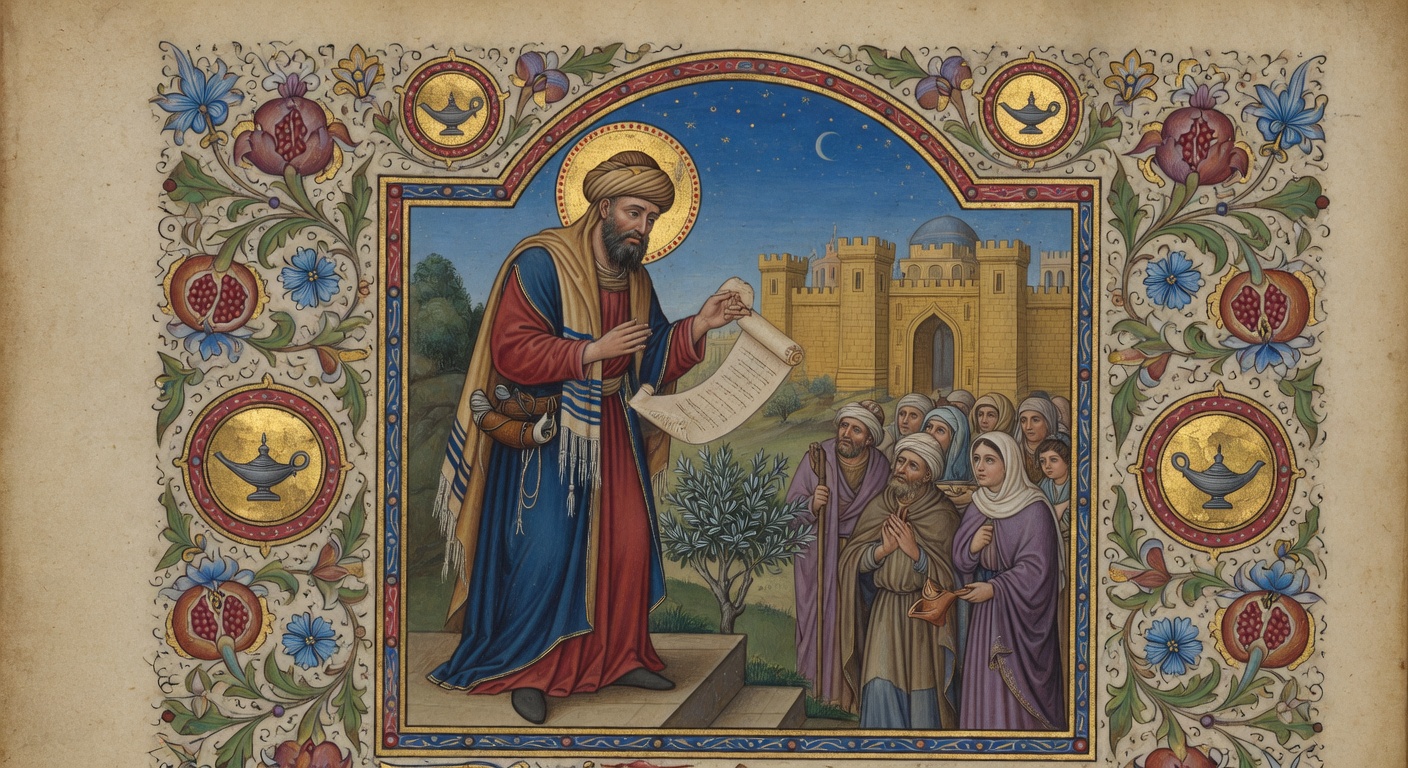
Ezra
In the aftermath of Israel's exile, Ezra emerges as a pivotal figure in the restoration of God's people, serving as both priest and scribe who guided a remnant back to Jerusalem to reestablish worship according to the law. His leadership not only facilitated the physical return but also emphasized the renewal of covenant faithfulness through the teaching of Scripture, underscoring the enduring role of the written word in the redemptive narrative. Traditionally credited with authoring the book that bears his name as well as the Chronicles, Ezra's contributions helped preserve the historical and spiritual heritage of Israel for future generations.
Books: Ezra, 1 Chronicles, 2 Chronicles
-
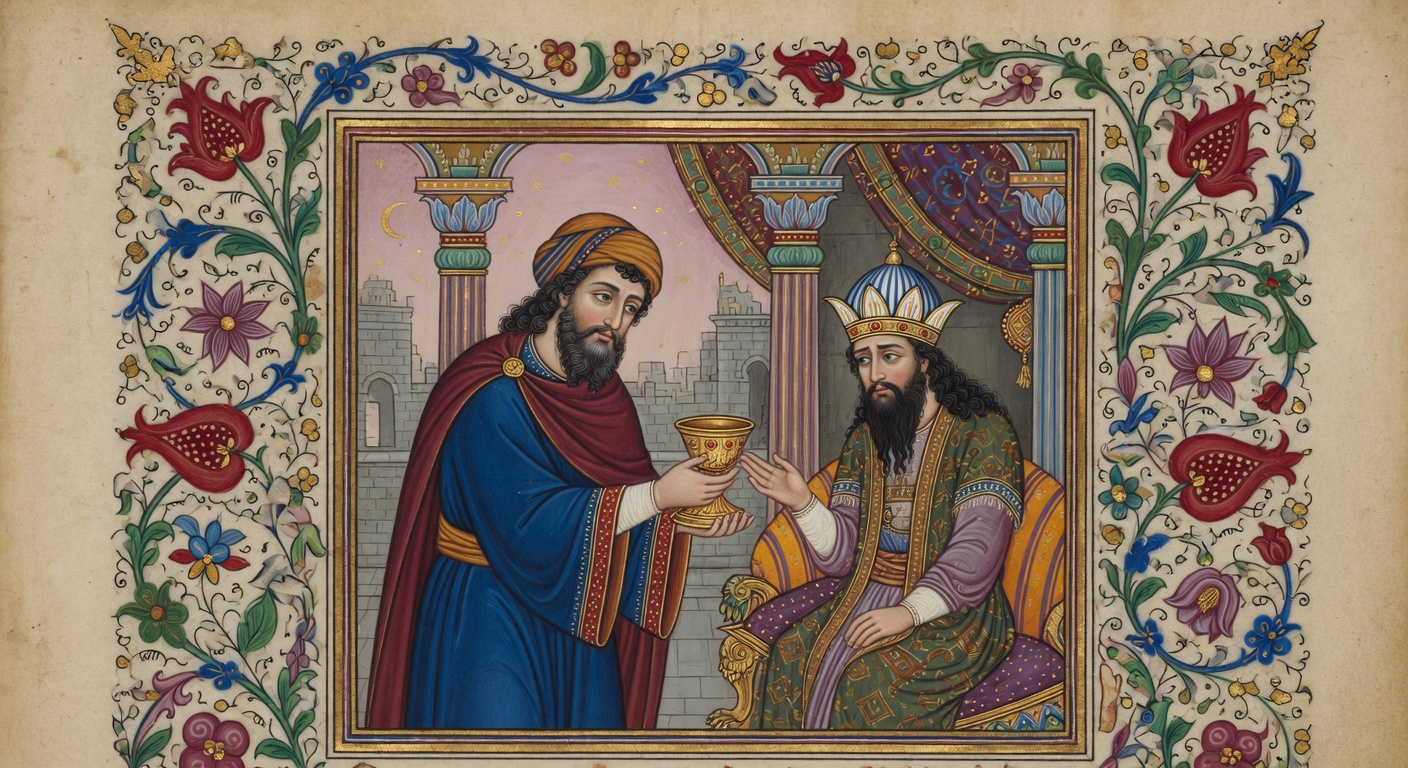
Nehemiah
Nehemiah served as cupbearer to Artaxerxes when news of Jerusalem's broken walls moved him to prayer and a request to rebuild. With prayerful resolve he led the people in restoring the walls amid opposition, exemplifying courageous leadership. His book also recounts the spiritual revival that followed as the community embraced God's law anew, advancing the redemptive purposes for Israel.
Books: Nehemiah
-
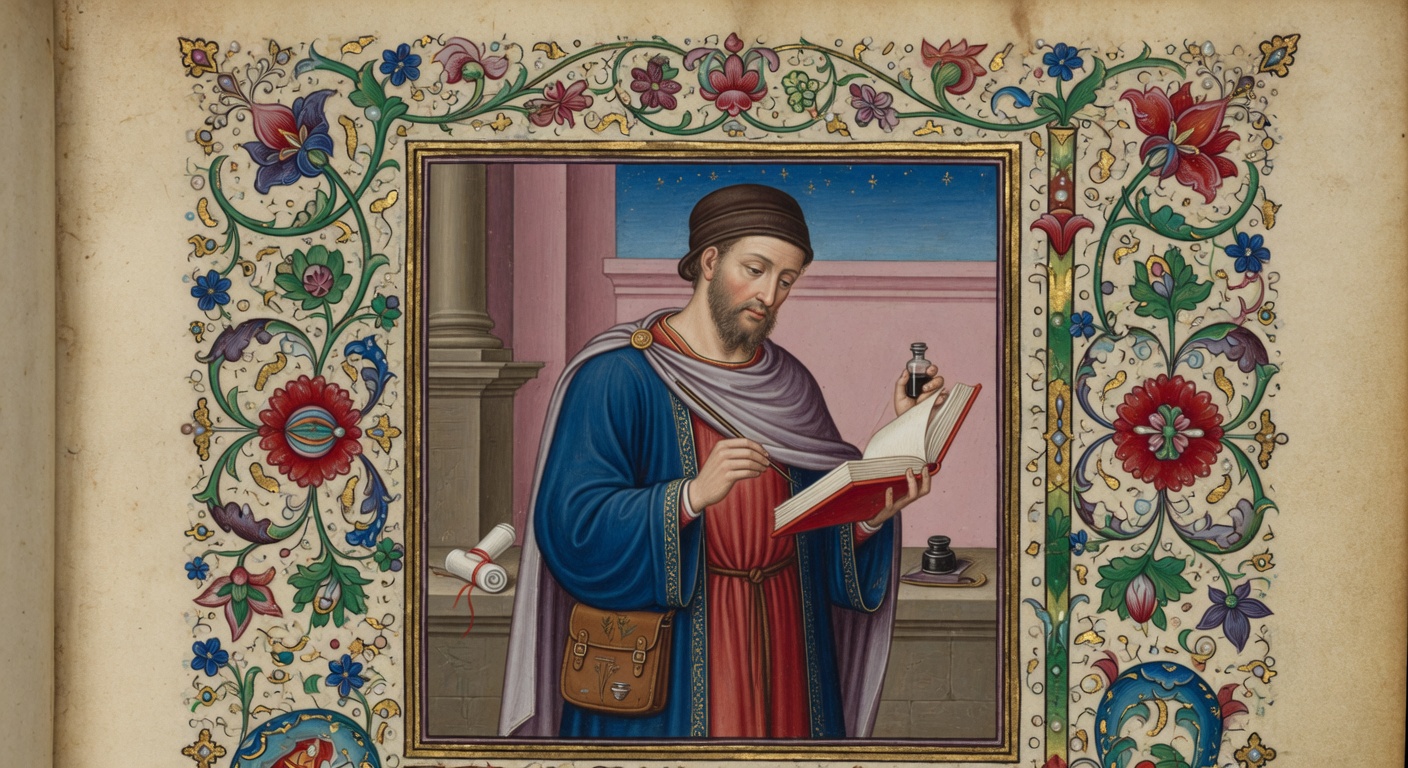
Luke
As the physician who traveled with Paul, Luke penned the detailed accounts of Jesus' life and the acts of the apostles that together form a unified history of redemption. His methodical approach ensures a trustworthy record that highlights divine compassion for the lowly and the extension of grace to all peoples through the risen Christ and the outpouring of the Spirit. In this way his writings illuminate the unfolding of God's kingdom from its fulfillment in Israel to its mission among the nations.
Books: Luke, Acts
-
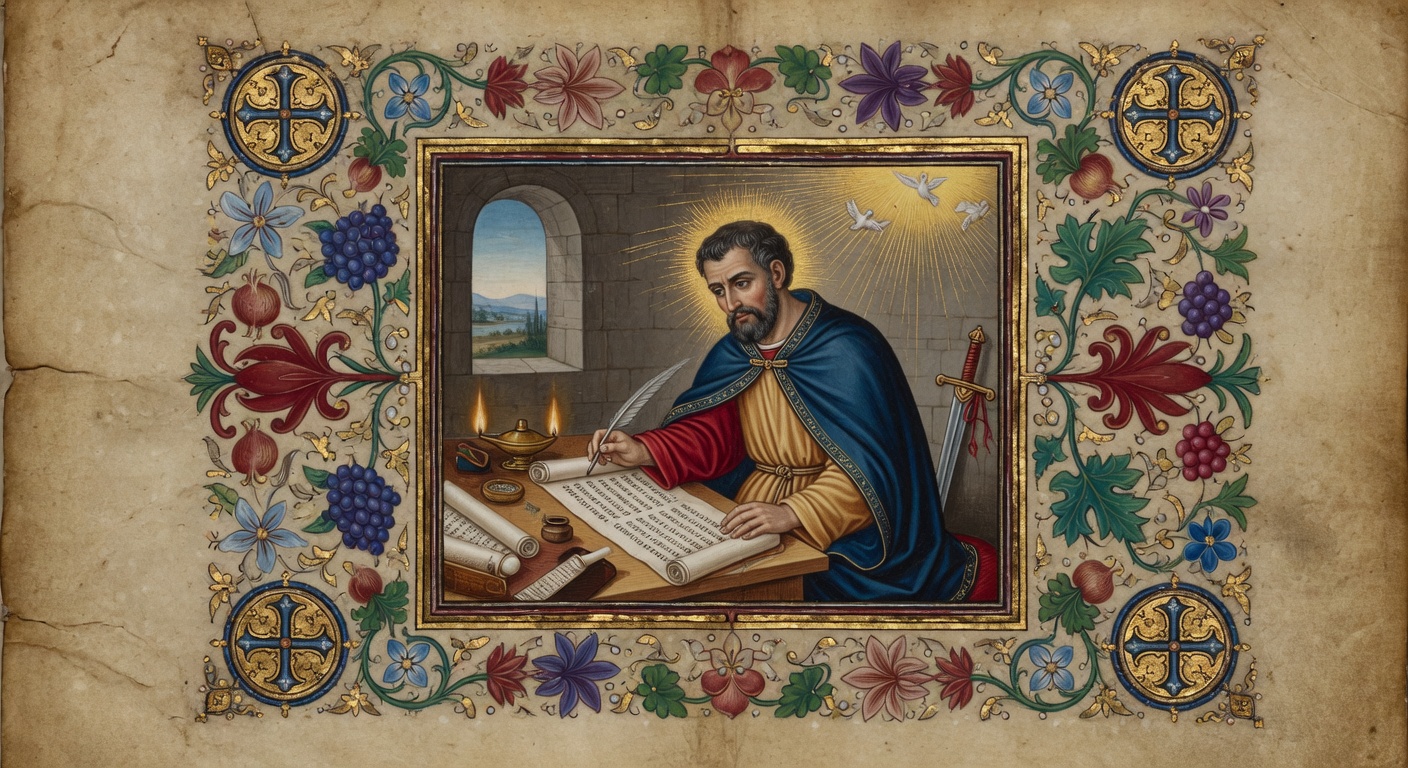
Paul
Once a persecutor of the faith, Paul was called by the risen Lord to become the apostle to the Gentiles, proclaiming the gospel across the Roman world. His thirteen epistles form the doctrinal core of the New Testament, unfolding the riches of grace, the mystery of the church, and the believer's life in Christ. In God's redemptive plan these letters demonstrate how justification by faith unites all peoples under one Savior, providing timeless instruction for the body of Christ.
Books: Romans, 1 Corinthians, 2 Corinthians, Galatians, Ephesians, Philippians, Colossians, 1 Thessalonians, 2 Thessalonians, 1 Timothy, 2 Timothy, Titus, Philemon
-
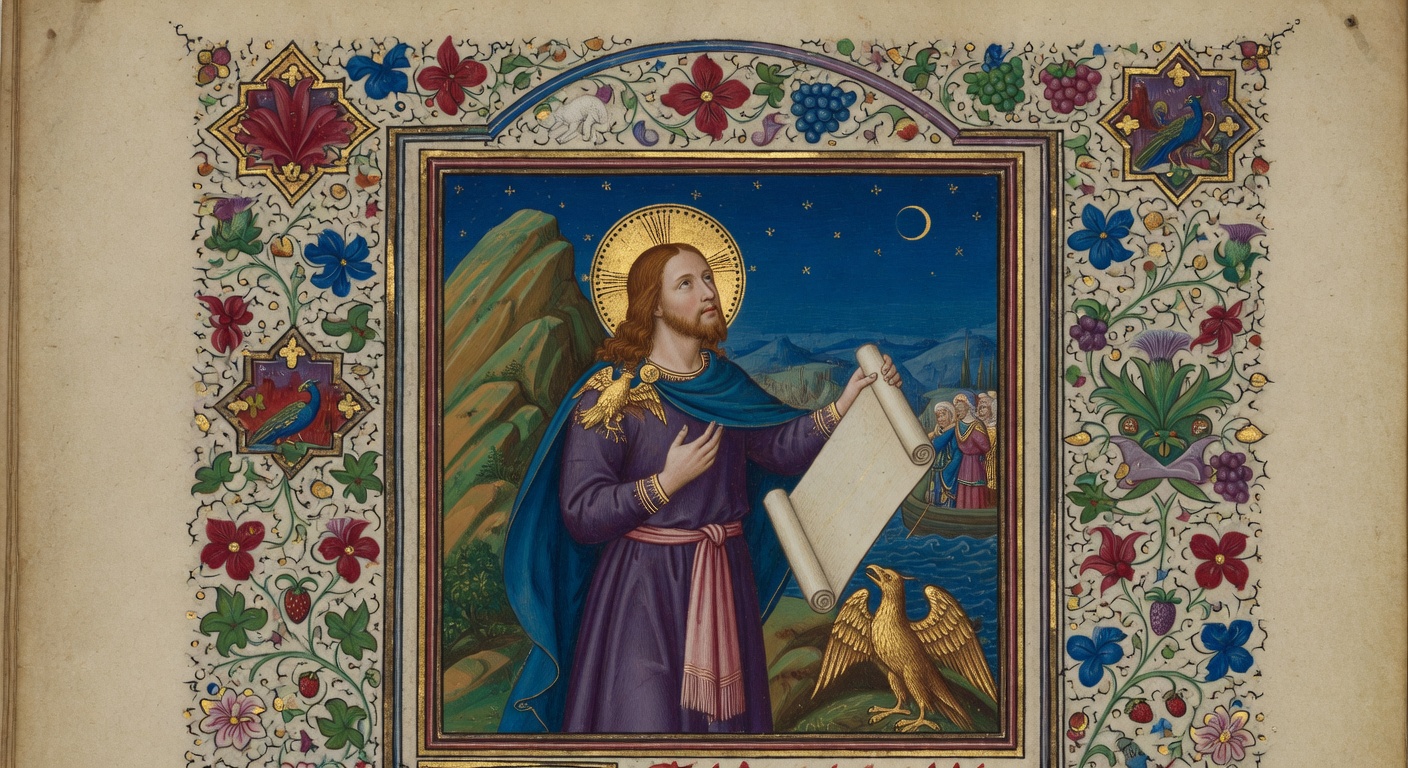
John
The beloved disciple John followed Jesus from the shores of Galilee to the cross of Calvary, where the Savior committed his mother into his keeping, and later received visions of the risen Lord on the isle of Patmos. His Gospel presents the deity of Christ through profound signs and discourses that lead souls to faith in the Son of God, while his letters call the church to walk in light and love as evidence of true fellowship with the Father. The book of Revelation crowns his testimony by disclosing the victory of the Lamb and the renewal of all things, strengthening believers to endure until the Lord returns.
Books: John, 1 John, 2 John, 3 John, Revelation
-
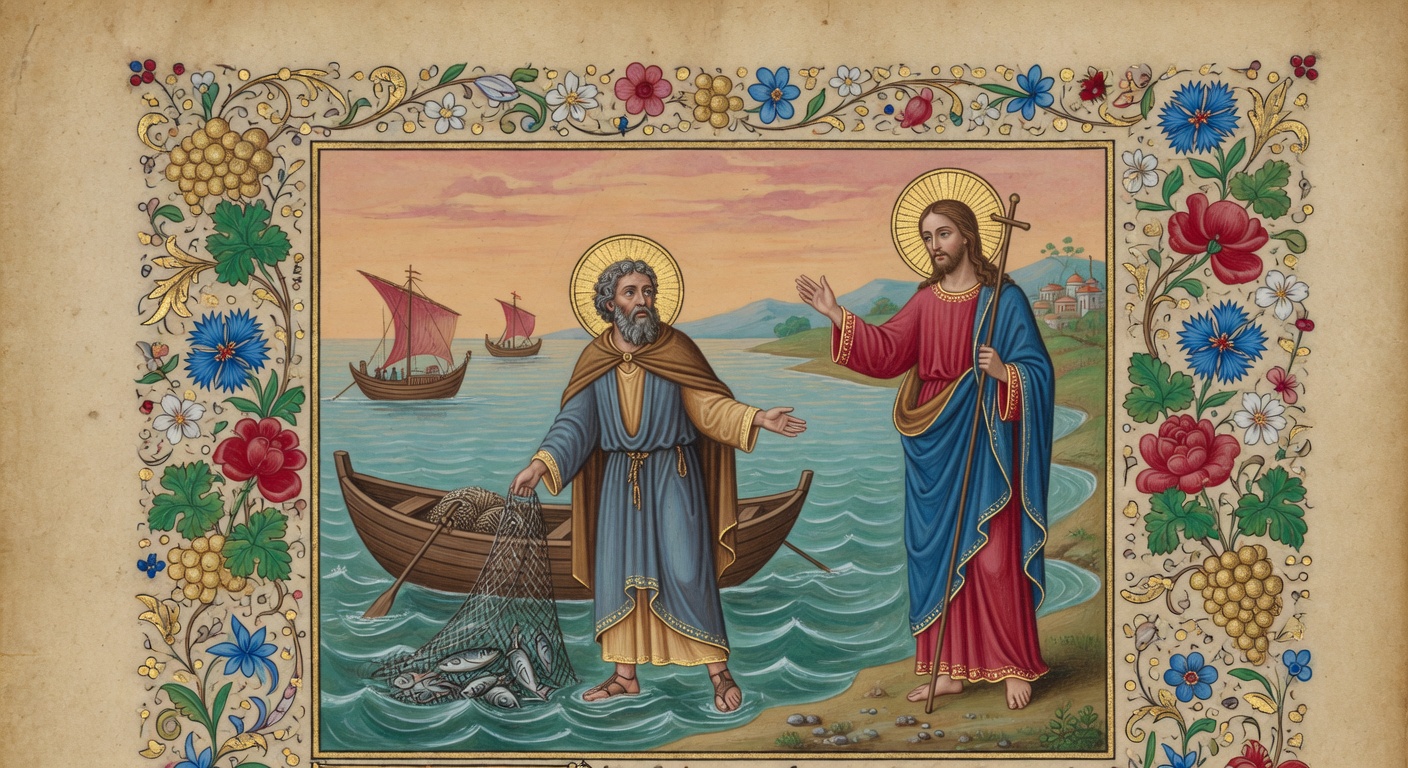
Peter
Once a fisherman on the shores of Galilee, Peter was called by the Lord to become a fisher of men and emerged as a foundational leader among the apostles. His journey from bold confession to painful denial and gracious restoration highlights the transformative power of Christ's forgiveness, equipping him to strengthen the brethren. In his epistles, he offers words of hope to believers facing trials and cautions against deceptive teachings that threaten the faith, underscoring his enduring role in guiding the early church through persecution and doctrinal challenges.
Books: 1 Peter, 2 Peter
-
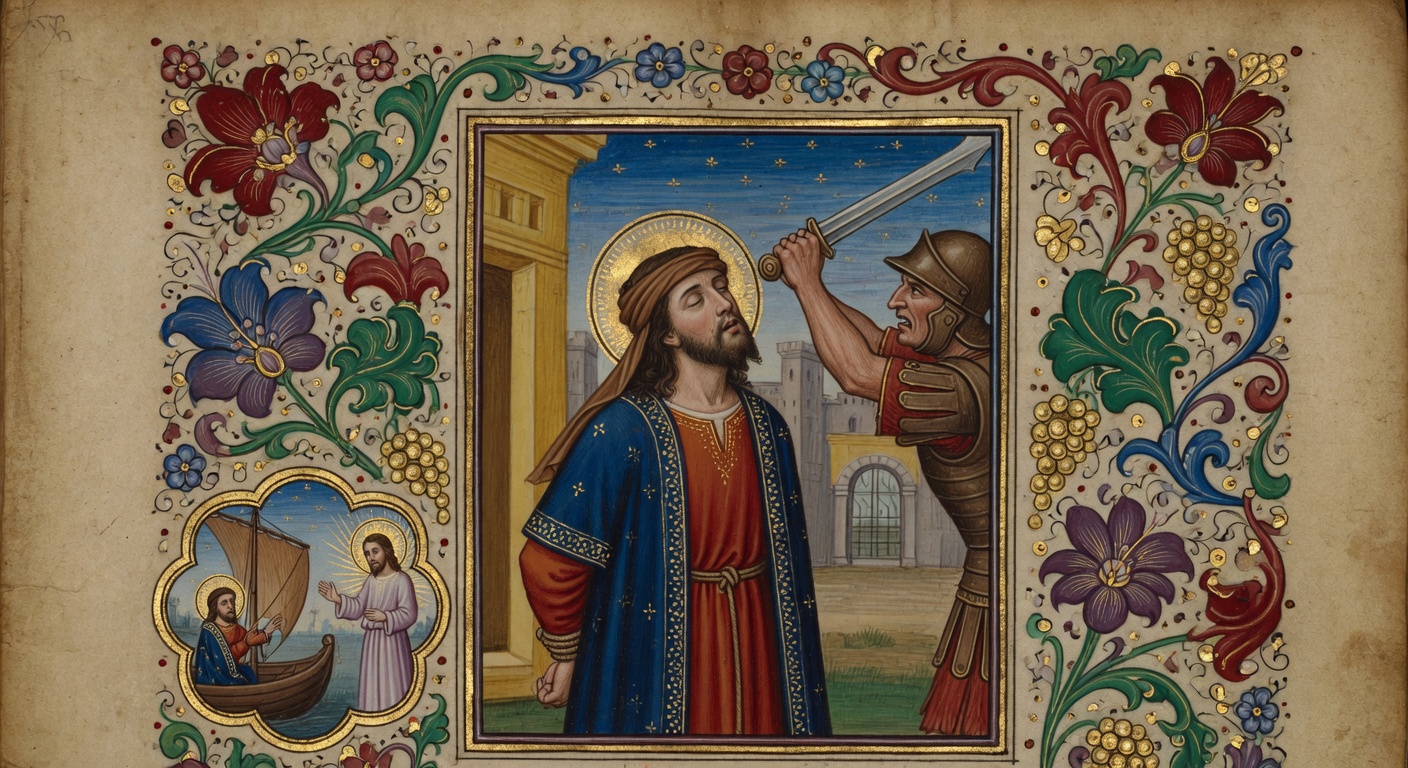
James
As the brother of Jesus who rose to lead the Jerusalem church after the resurrection, James played a pivotal role in guiding the early believers through the tensions of Jewish tradition and the expanding Gentile mission. His epistle stands as a clarion call to live out authentic faith, insisting that true wisdom comes from above and that profession without obedient works remains lifeless in the sight of God. Within the redemptive narrative, this letter anchors the church in practical holiness, urging endurance amid trials and impartial love that reflects the royal law of Christ.
Books: James
-
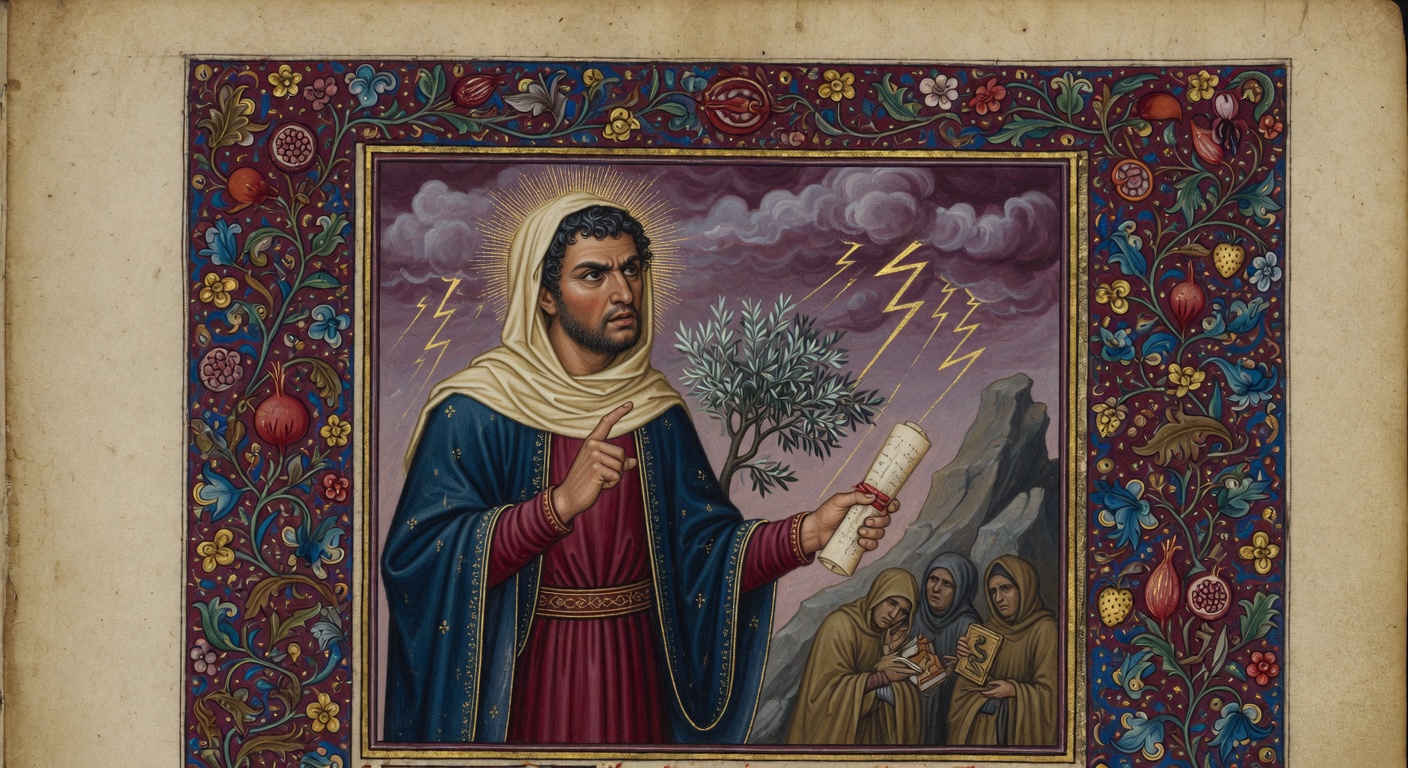
Jude
As the brother of James and a half-brother to Jesus, Jude identified himself simply as a servant of Christ when he wrote his compact epistle to warn the early church against ungodly men who had crept in unawares, turning the grace of God into lasciviousness. His urgent message draws on vivid Old Testament judgments to remind believers of the need to contend earnestly for the faith once delivered to the saints while building themselves up in holy faith and looking for the mercy of the Lord unto eternal life. Within the redemptive narrative this brief letter serves as a steadfast guardrail, urging the church to preserve doctrinal purity and compassionate witness in the face of creeping apostasy.
Books: Jude
-
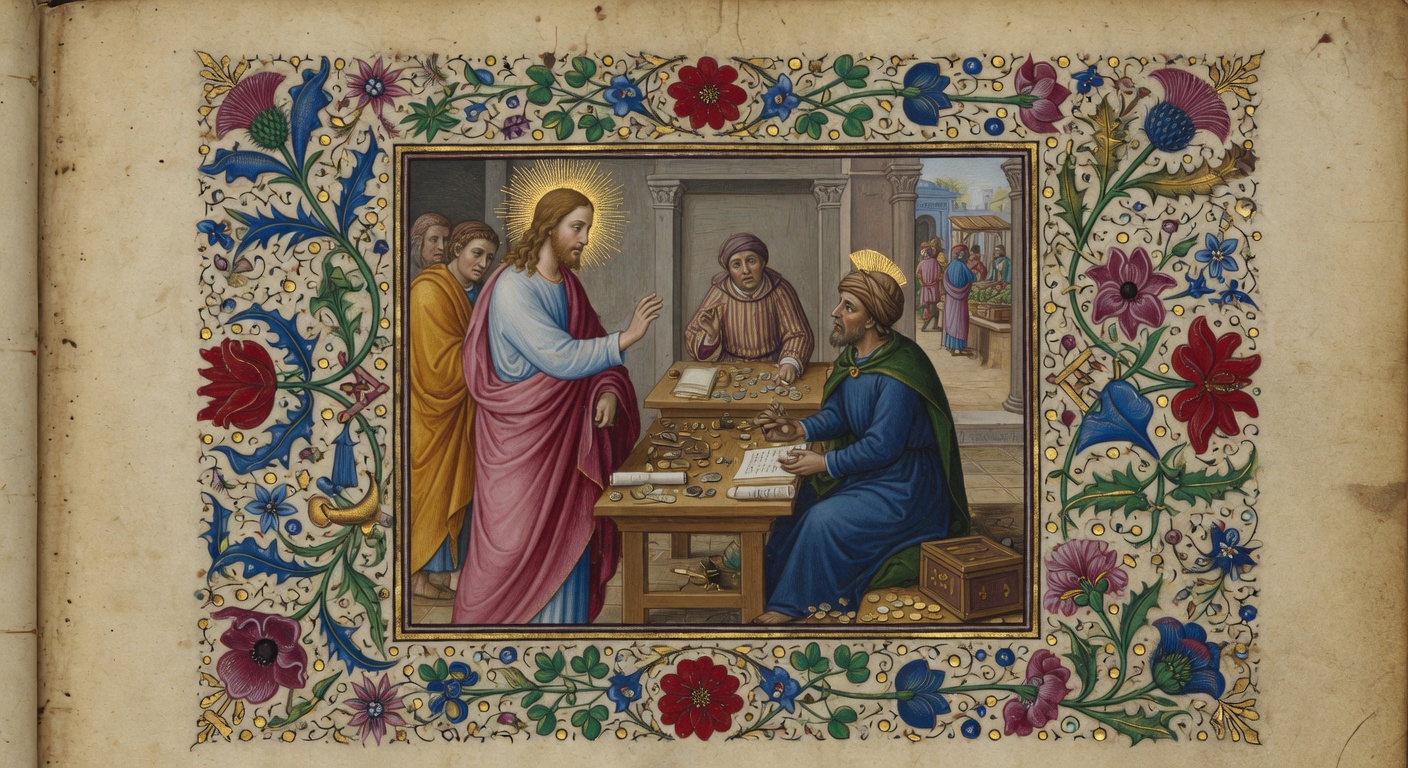
Matthew
Once a tax collector at the receipt of custom, Matthew heeded the call of Jesus to follow him and was numbered among the twelve apostles. His Gospel, directed especially toward a Jewish audience, opens with the royal genealogy of Christ and weaves throughout the thread of fulfilled prophecy to reveal Jesus as the promised Messiah and King of Israel. In this way Matthew contributes to the unfolding redemptive story by showing how the ancient Scriptures point directly to the Savior whose kingdom shall have no end.
Books: Matthew
-
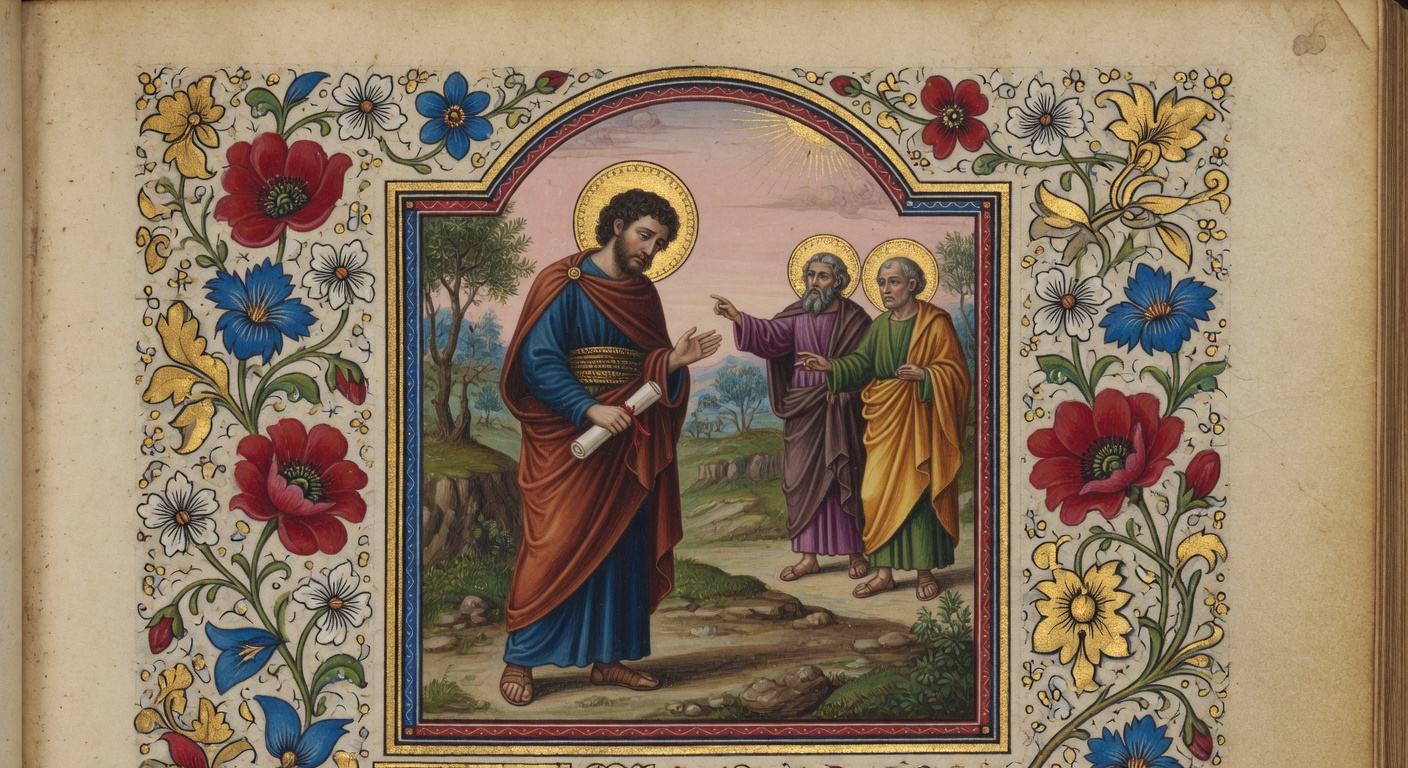
Mark
Mark served as a valuable companion to both Peter and Paul during the early days of the church, relying on apostolic testimony to craft the shortest and most fast-paced Gospel. His account emphasizes Jesus' powerful deeds and journey toward suffering, vividly portraying the Lord as the obedient servant who gives his life as a ransom for many. Through this focus the book contributes an essential perspective to the redemptive narrative, highlighting the necessity of the cross and inviting believers to count the cost of discipleship in light of Christ's example.
Books: Mark
-

Unknown/Multiple
Scripture includes books like Job, Esther, and Hebrews whose authors are unknown or multiple, yet these texts profoundly contribute to the biblical account of redemption. Job grapples with the mystery of suffering under God's sovereign rule, Esther illustrates divine providence in preserving His chosen people, and Hebrews presents Christ as the perfect high priest who mediates a new and better covenant. Such anonymity highlights how the focus remains on God's word and its power to guide believers through trials toward eternal hope.
Books: Esther, Job, Hebrews
-
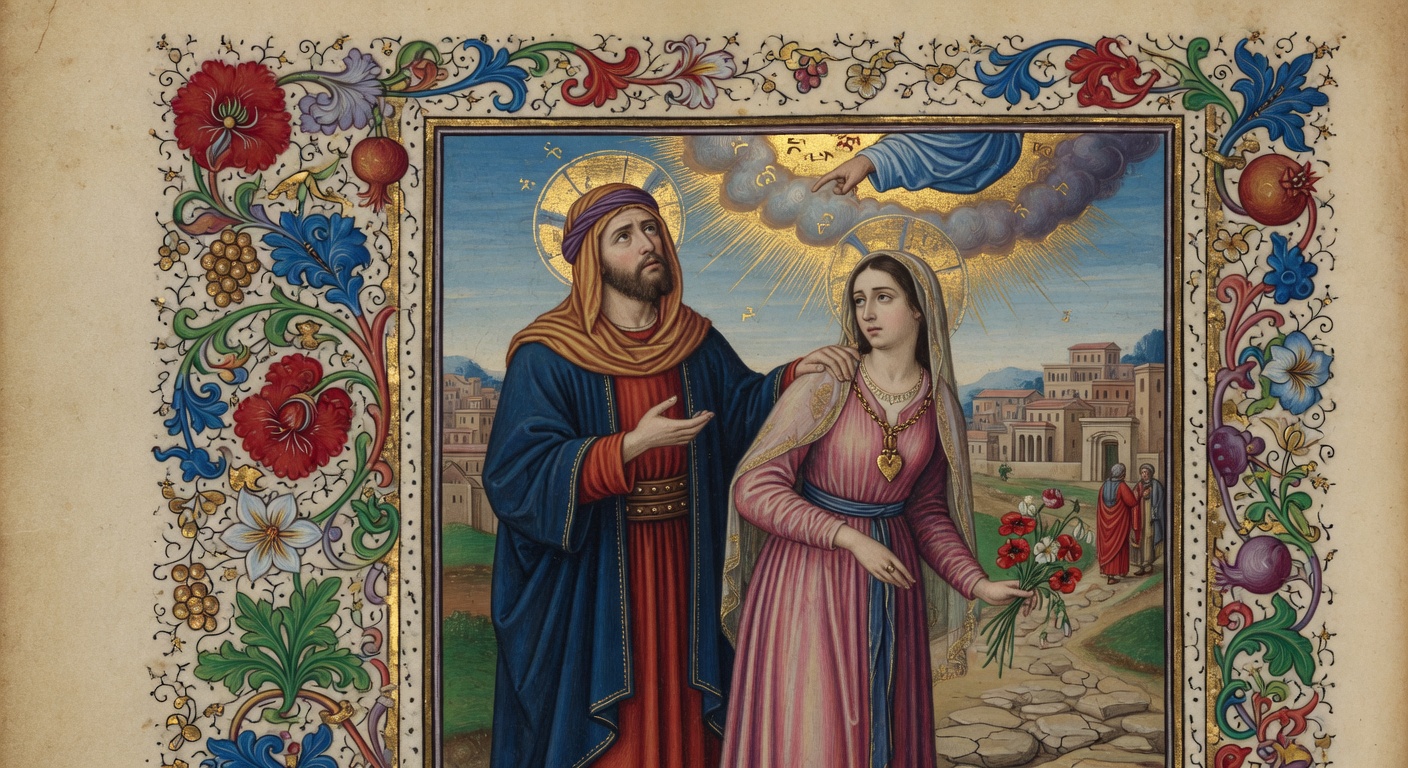
Hosea
The prophet Hosea was instructed by the Lord to take an unfaithful wife whose actions served as a vivid illustration of Israel's idolatry and departure from the covenant. In this personal experience of betrayal and redemption, he demonstrated the steadfast love of God who pursues his people even in their waywardness and promises restoration after discipline. His prophecies underscore the tension between judgment and mercy in the divine character, highlighting how God's faithfulness ultimately triumphs to bring about reconciliation and renewal for those who return to him.
Books: Hosea
-
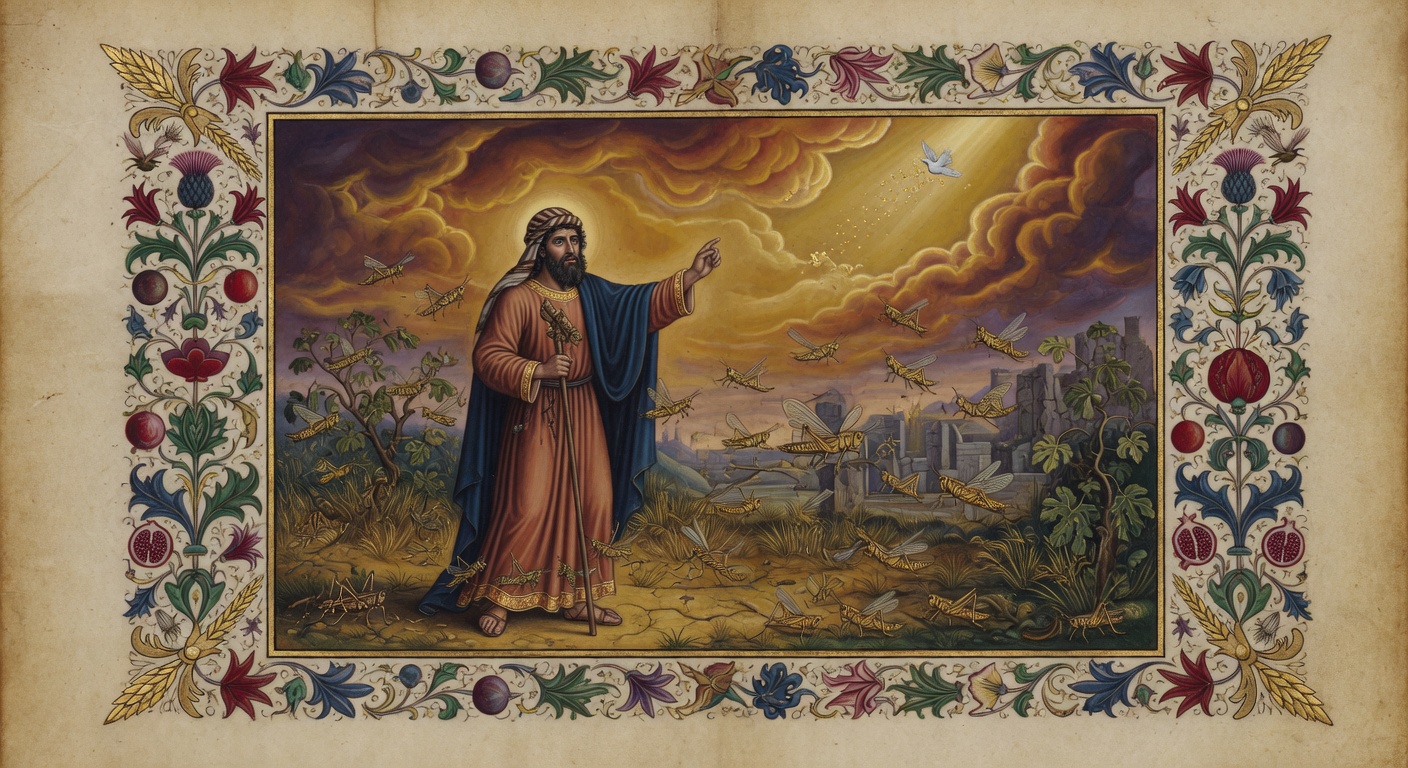
Joel
The prophet Joel interprets a devastating locust plague as a harbinger of greater judgment, urging the nation to return to the Lord with fasting and mourning. He proclaims the coming Day of the Lord, when divine wrath will fall upon the unrepentant yet mercy will be extended to those who call upon his name. In a pivotal promise, he foretells the outpouring of God's Spirit on all people, highlighting the prophet's role in revealing both impending doom and the hope of spiritual renewal within the redemptive narrative.
Books: Joel
-
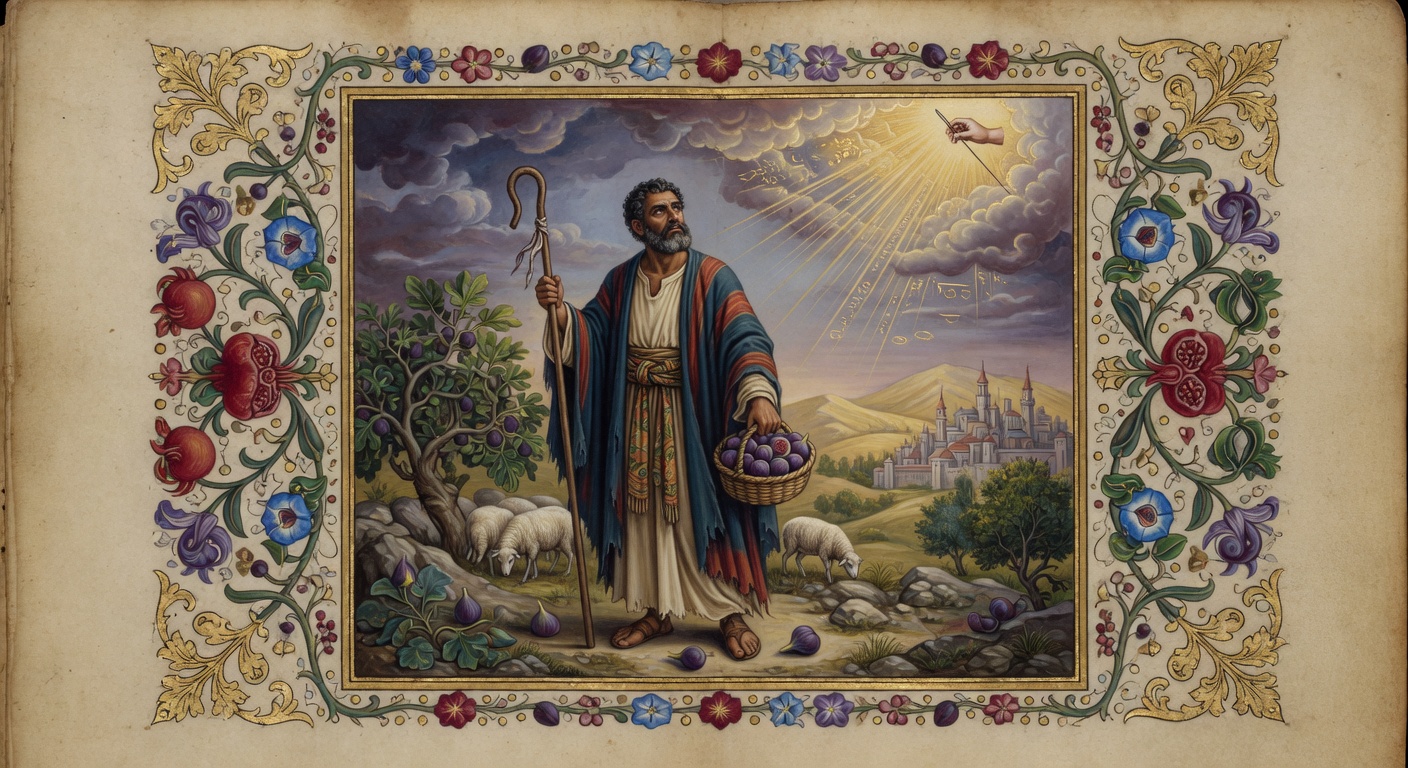
Amos
Called from his life as a shepherd and fig farmer in Judah, Amos was sent to denounce the sins of the northern kingdom of Israel. His messages highlighted how social oppression and hollow worship provoked divine judgment, urging a return to genuine righteousness that reflects God's character. Within the redemptive narrative, his book marks an important prophetic stand against complacency, pointing ahead to the ultimate justice and restoration brought by the Messiah.
Books: Amos
-
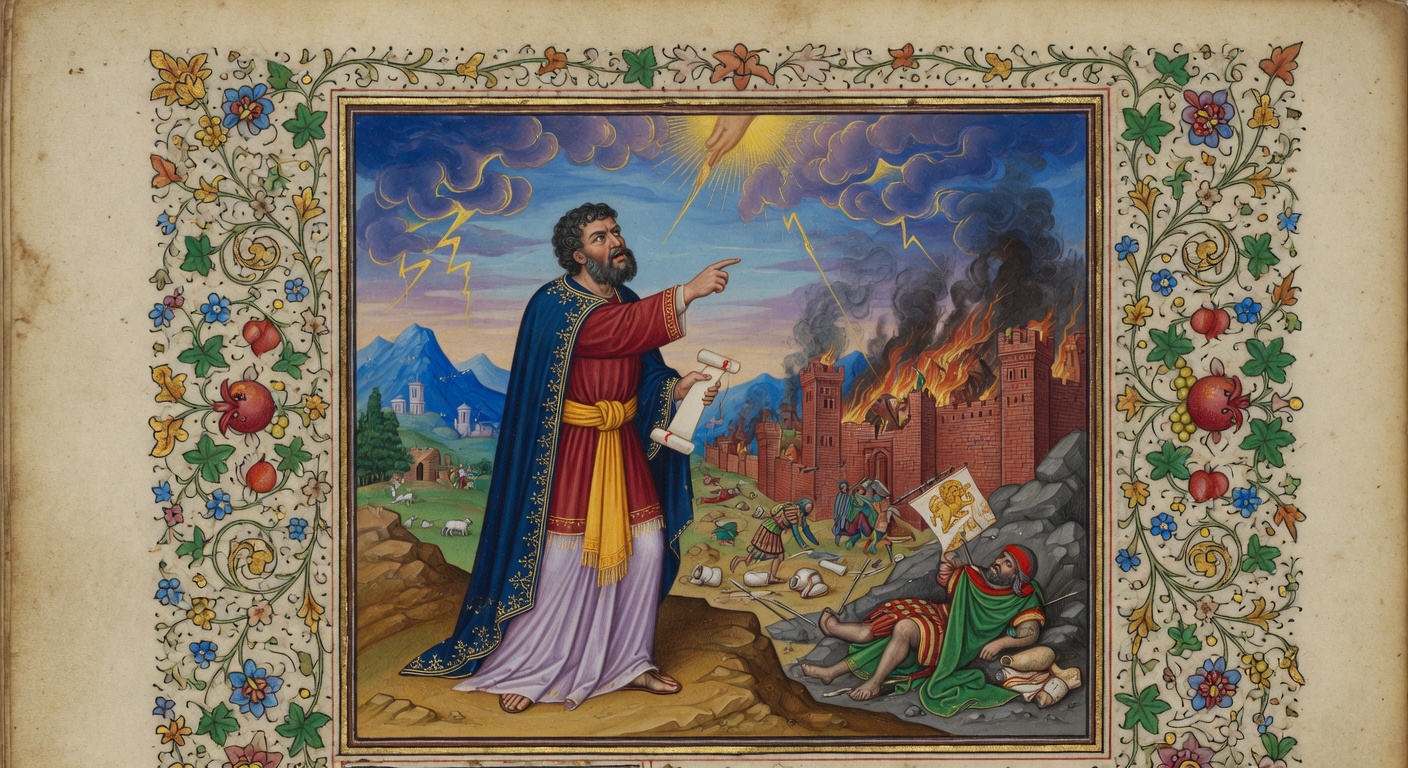
Obadiah
Obadiah delivered the shortest prophetic book in Scripture, a stern warning to Edom concerning its pride and cruel actions against its brother Israel in times of distress. Through imagery of Edom's lofty heights brought low, the prophecy reveals the Lord's commitment to justice and the vindication of His people. Within the redemptive story, this word reminds that no nation escapes divine accountability and that the kingdom shall belong to the Lord.
Books: Obadiah
-

Jonah
The prophet Jonah was commissioned by the Lord to proclaim judgment against the great city of Nineveh, yet he initially resisted this divine call by attempting to flee across the sea. Through his dramatic encounter with the storm and the great fish that swallowed him, Jonah experienced God's sovereign power and mercy, leading him to fulfill his mission and witness the repentance of an entire Gentile population. His account reveals the breadth of God's redemptive purposes, extending compassion beyond the borders of Israel and underscoring the theme of divine forgiveness available to all who turn from their wickedness.
Books: Jonah
-
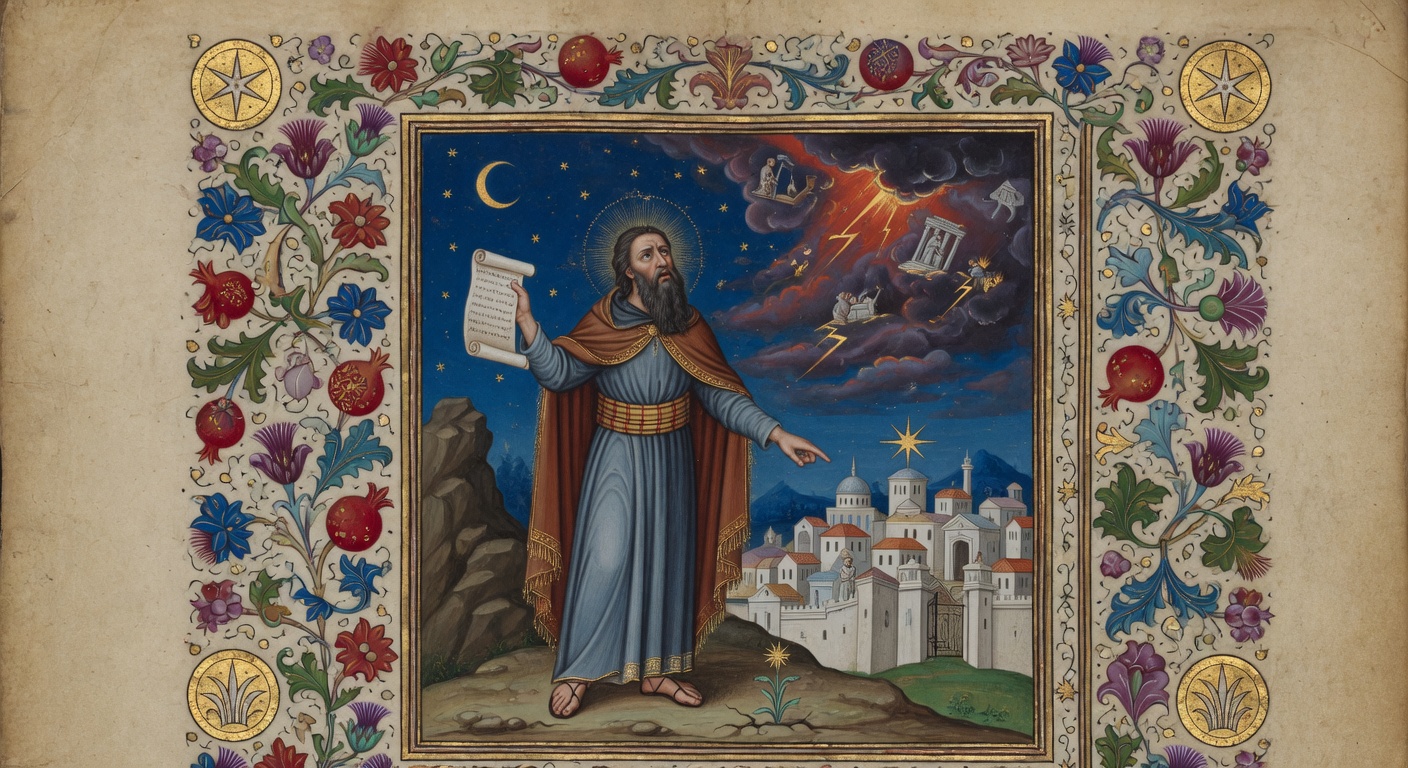
Micah
Serving as a voice from the rural regions of Judah during a time of moral decay, Micah boldly confronted the injustices perpetrated by the nation's leaders and religious figures alike. His prophecies not only warned of impending judgment but also illuminated the path to redemption by foretelling the birth of the Messiah in the humble town of Bethlehem, a promise that would echo through the ages as a beacon of hope. In this way, Micah's words underscore the enduring call for justice, mercy, and humble walking with God, weaving his message into the larger tapestry of God's redemptive plan for humanity.
Books: Micah
-
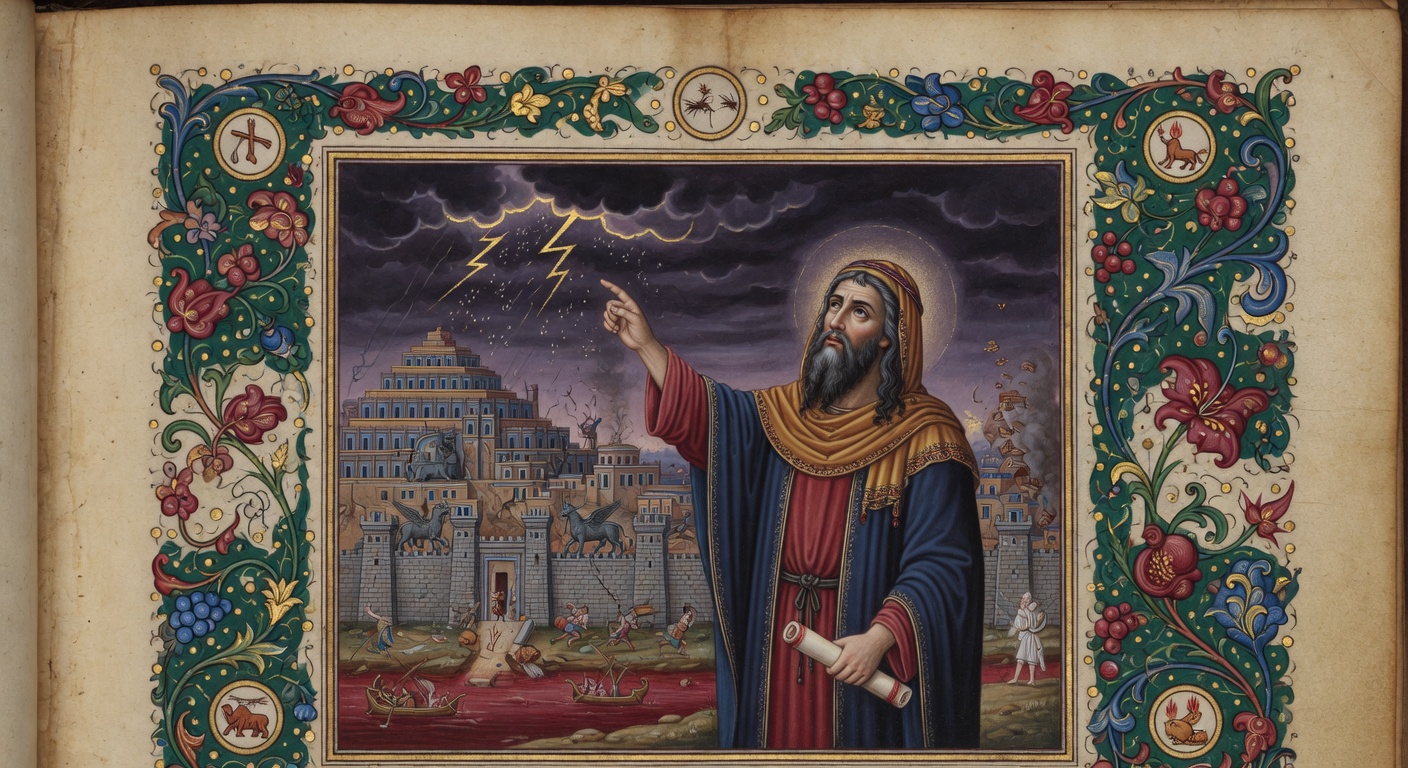
Nahum
The prophet Nahum brought a message of divine judgment upon the mighty city of Nineveh, revealing God's response to the Assyrian Empire's relentless cruelty and oppression of other nations. His words offered profound comfort to the people of Judah by assuring them that the Lord, who is slow to anger yet great in power, would not leave the wicked unpunished. In the unfolding story of redemption, Nahum's prophecy underscores God's sovereignty over all earthly powers and His commitment to vindicate His chosen ones through acts of justice that pave the way for ultimate deliverance.
Books: Nahum
-
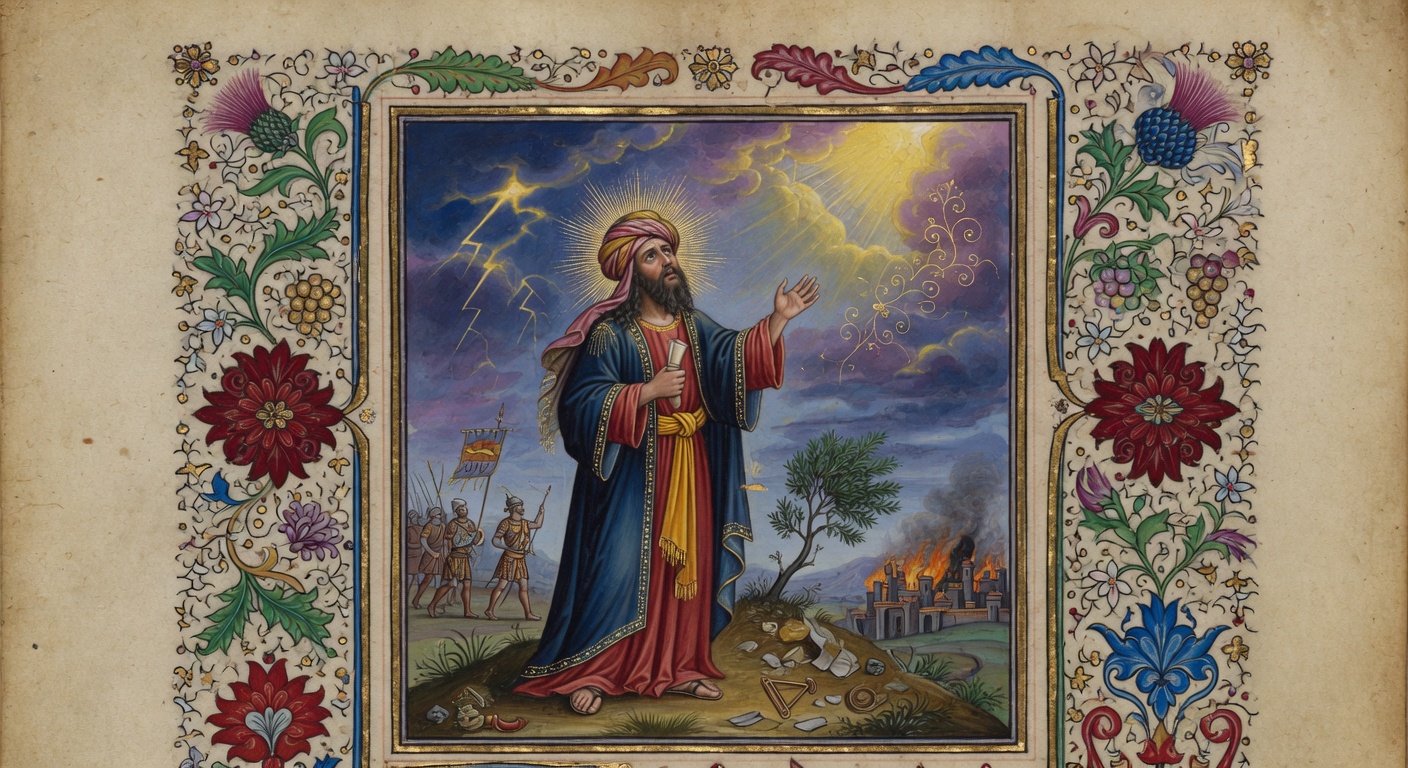
Habakkuk
In the book bearing his name, Habakkuk stands as a prophet who boldly brings his questions before the Lord concerning the prevalence of wickedness among his people and the seeming silence of heaven. Through a series of divine responses, he learns that God will raise up the Chaldeans as instruments of judgment, yet the righteous are called to live by faith amid such upheavals. This dialogue culminates in a profound hymn of trust, where Habakkuk affirms that even if all earthly provisions fail, he will rejoice in the God of his salvation, underscoring the enduring call to faithful perseverance within God's redemptive purposes.
Books: Habakkuk
-
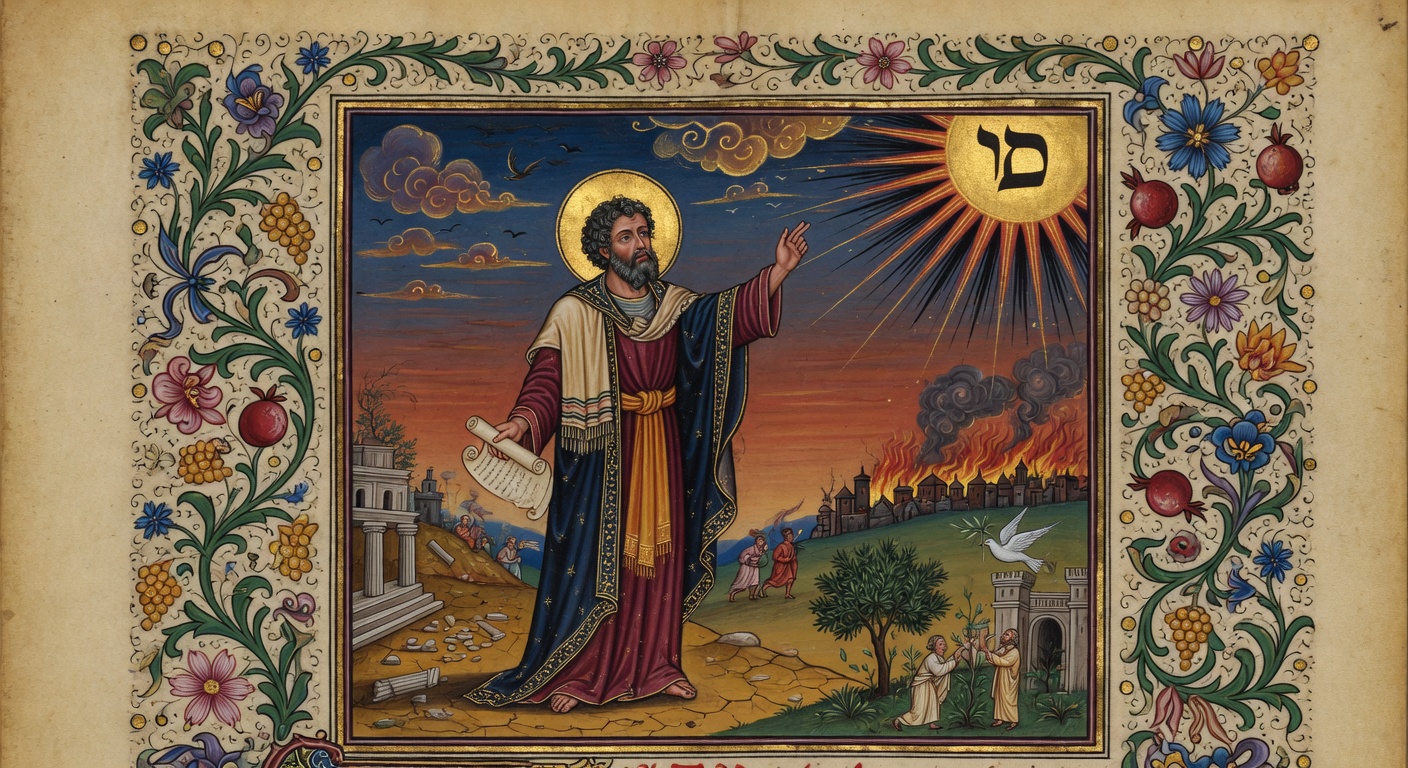
Zephaniah
Descending from Judah's royal line, Zephaniah prophesied in the days of King Josiah, urging the nation to humble itself before the coming day of the Lord that would bring judgment upon all the earth. His oracle reveals both the severity of divine wrath against idolatry and sin and the tender promise of salvation for those who seek righteousness and meekness. Within the redemptive narrative, his message highlights how God's judgment serves to purify a remnant that will one day dwell securely in the joy of restored fellowship with their God.
Books: Zephaniah
-
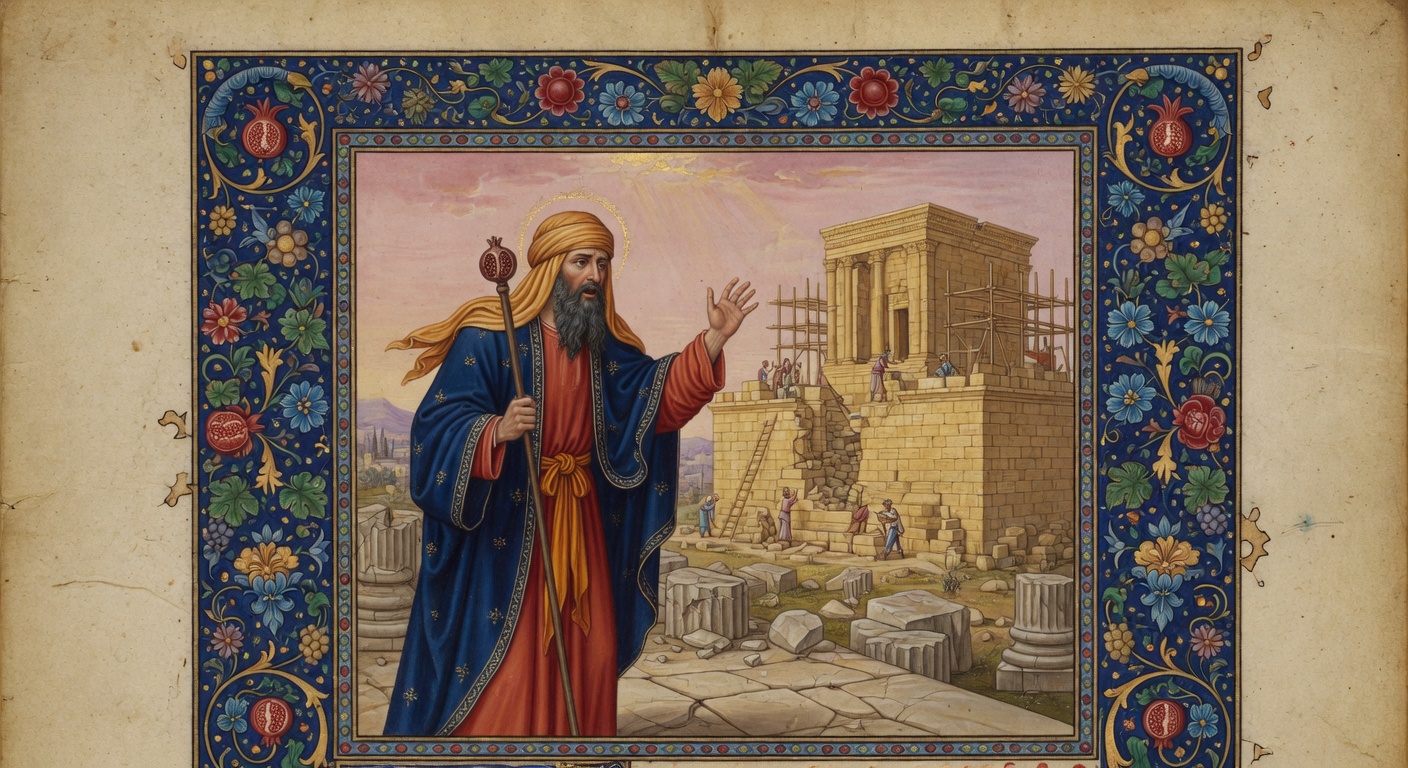
Haggai
In the period after the Babylonian exile, the prophet known as Haggai called the returned remnant to rebuild the temple of the Lord in Jerusalem rather than attending first to their own comforts. His words exposed the misplaced priorities that had led to drought and hardship, reminding the people that true blessing flows from seeking the kingdom of God above all else. By spurring the leaders to resume construction, Haggai advanced God's redemptive purposes, restoring the temple as the center of Israel's worship and covenant hope.
Books: Haggai
-
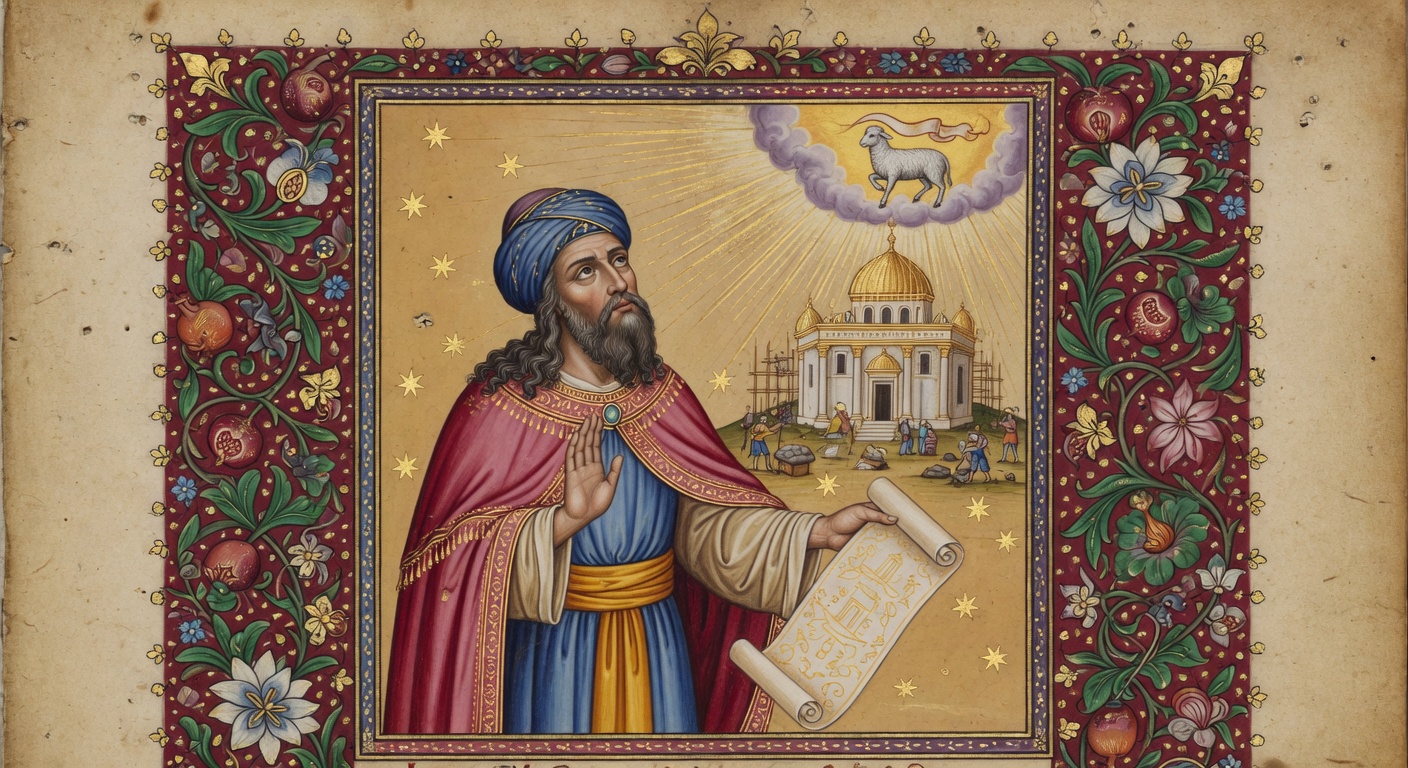
Zechariah
Serving as both prophet and priest after the return from Babylonian exile, Zechariah delivered a series of striking visions that urged the people to rebuild the temple and renew their covenant faithfulness. His words blend urgent calls to repentance with vivid promises of divine protection and future glory, showing how the restored community fit into God's larger plan of redemption. Through images of a coming Branch, a pierced Savior, and a universal kingdom, the prophecy directs hearts toward the Messiah who would accomplish full deliverance for Israel and the nations.
Books: Zechariah
-
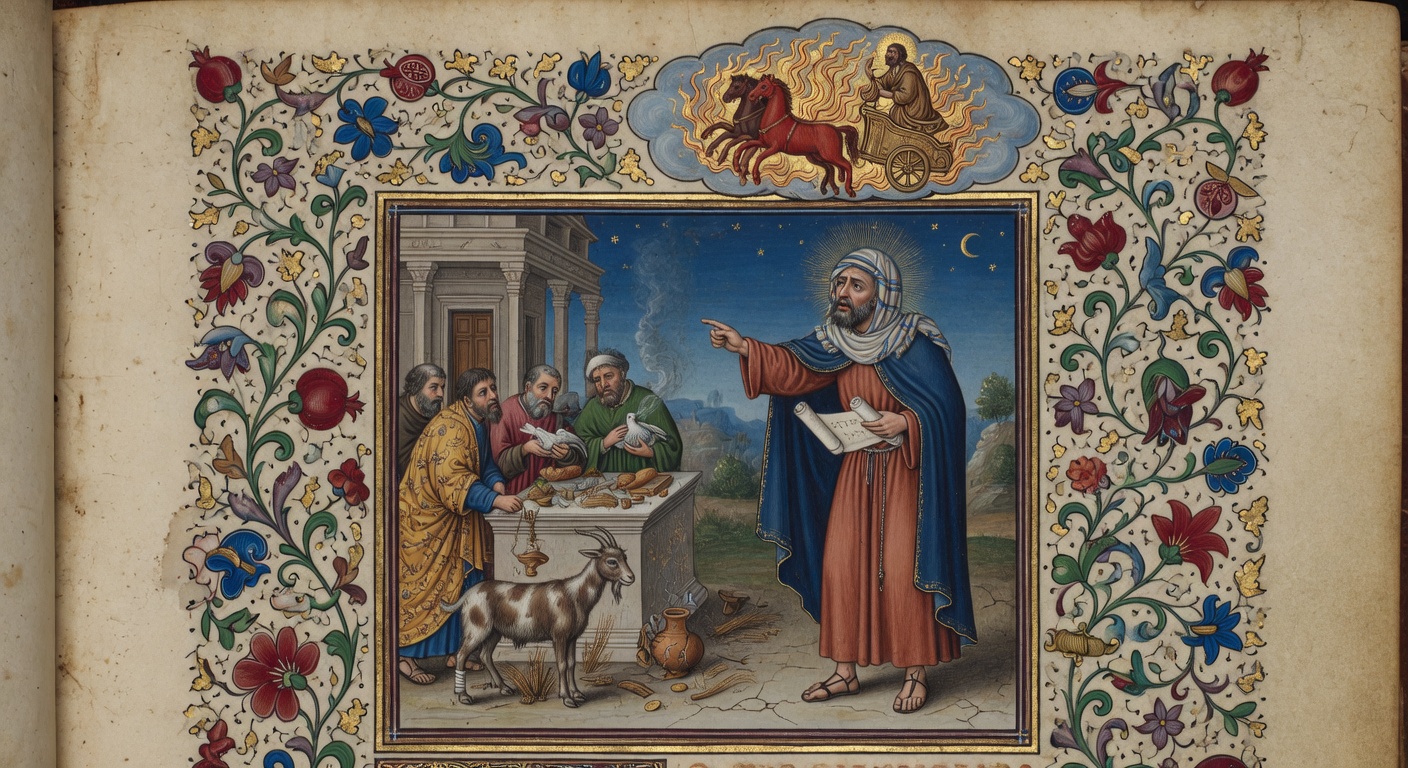
Malachi
Serving as the final prophetic voice of the Old Testament, Malachi confronted the spiritual apathy that had settled over Israel following the return from exile, urging renewed reverence in worship and fidelity to the covenant. His oracles exposed the people's compromised offerings and neglected responsibilities while affirming God's steadfast love and impending judgment upon the unfaithful. In the redemptive narrative, Malachi stands as a vital bridge, directing hearts toward the coming messenger who would prepare the way of the Lord and herald the dawn of messianic fulfillment.
Books: Malachi