🤝 Covenants
-
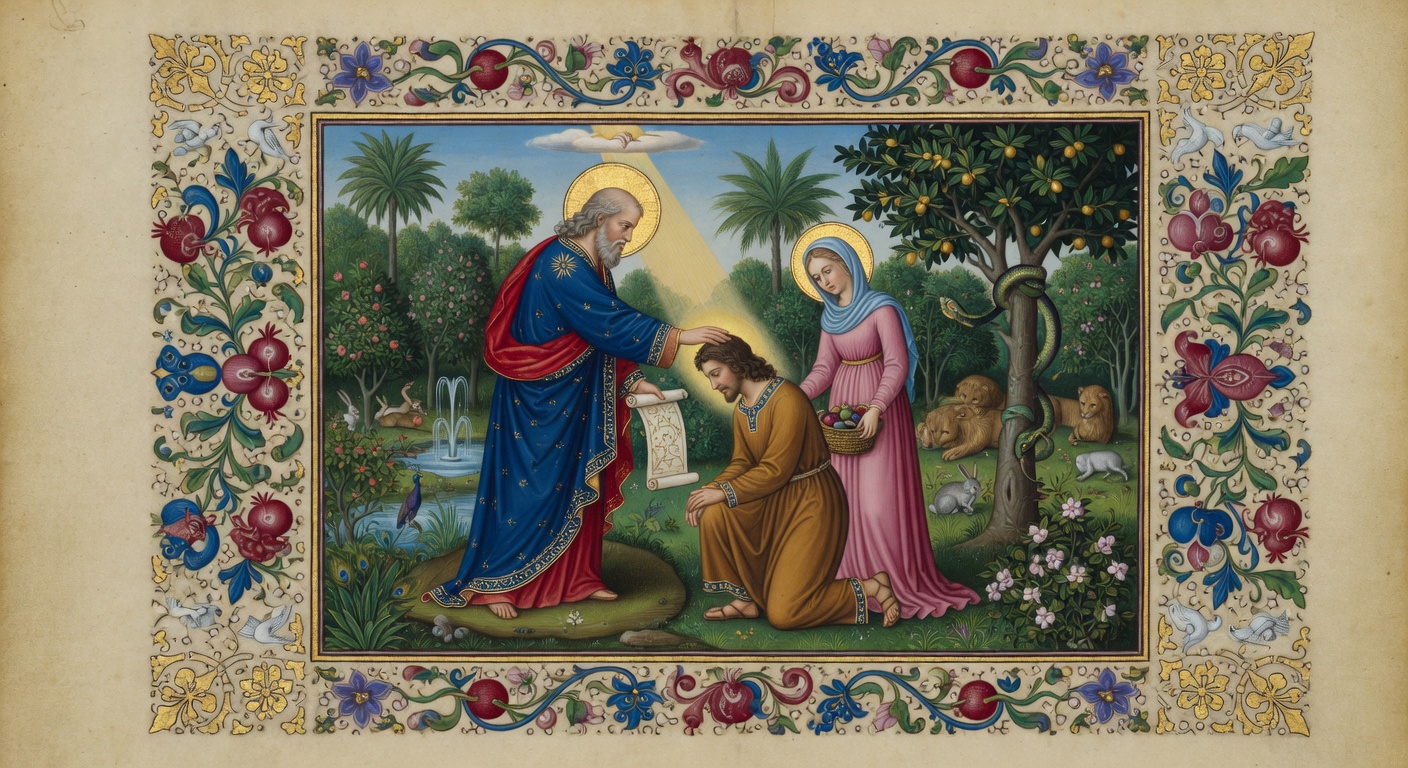
Adamic/Edenic Covenant
God established his first covenant with Adam as the federal head of humanity, entrusting him with dominion over the creatures of the earth and the care of the Garden of Eden. This sacred bond carried the command to be fruitful and multiply while forbidding the eating of the tree of knowledge, thereby defining the terms of life and fellowship with the Creator. In the broader redemptive narrative, this Edenic arrangement reveals humanity's original dignity and purpose, which the fall would disrupt and later covenants would seek to restore.
Parties: God and Adam (representing all humanity)
-
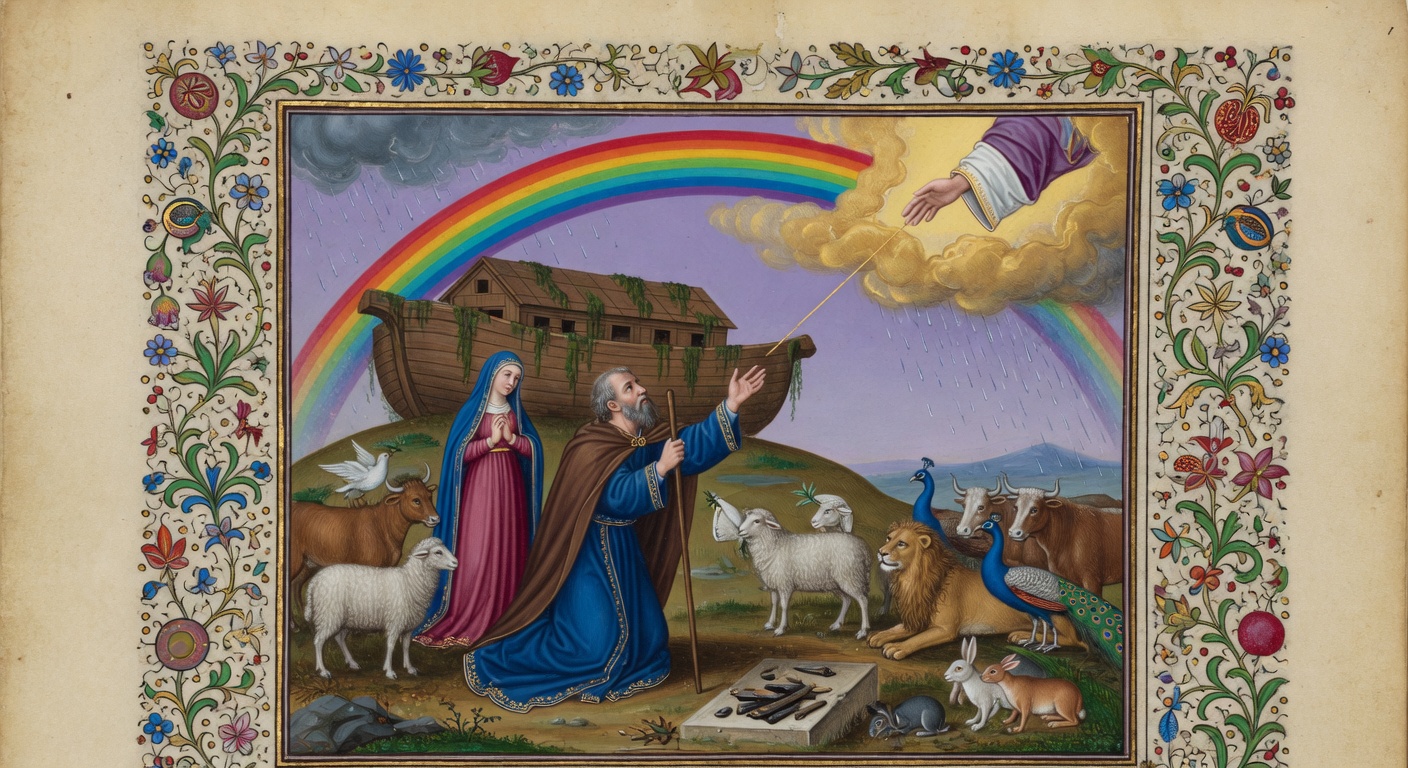
Noahic Covenant
Following the flood's judgment upon human wickedness, God established an unconditional covenant with Noah as the representative of all living creatures, pledging never again to destroy the earth with water and thereby preserving the created order for future generations. This divine commitment, marked by the rainbow as its enduring sign, upholds the sanctity of human life as made in God's image while permitting the eating of meat, though with the restriction against consuming blood. In the unfolding redemptive story, the covenant reveals God's merciful restraint, allowing humanity to multiply and the earth to endure until the promised seed would come to address sin more fully.
Parties: God and Noah (representing all living creatures)
-
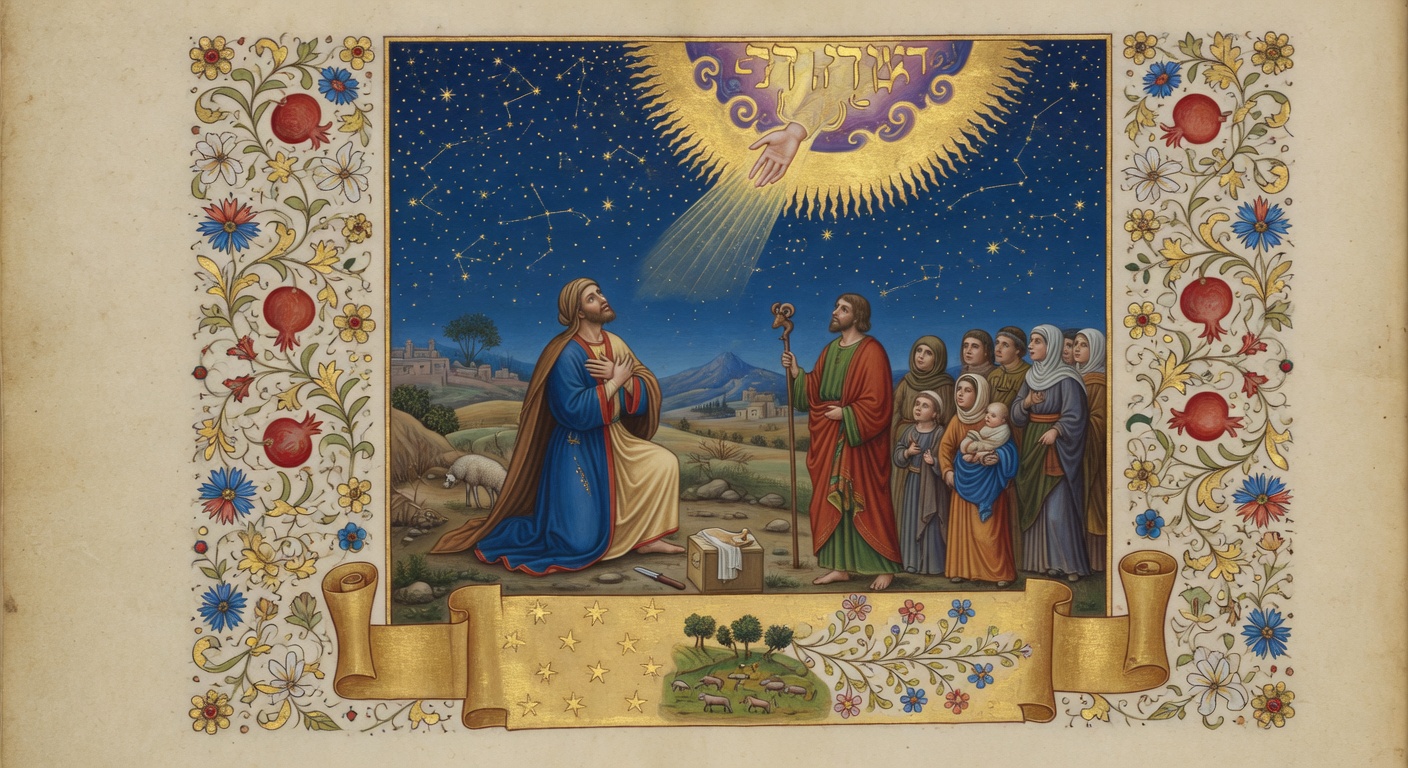
Abrahamic Covenant
When the Lord called Abram to depart from his kindred, He bound Himself in covenant to grant the land to his seed and to make that seed as numerous as the stars. This was confirmed through a divine ceremony in which God passed between the sacrificial pieces, and later by the sign of circumcision upon Abraham and his household. In this way the covenant secured the lineage through which all nations would ultimately be blessed, forming the bedrock of God's plan to redeem humanity.
Parties: God and Abraham (and his descendants)
-
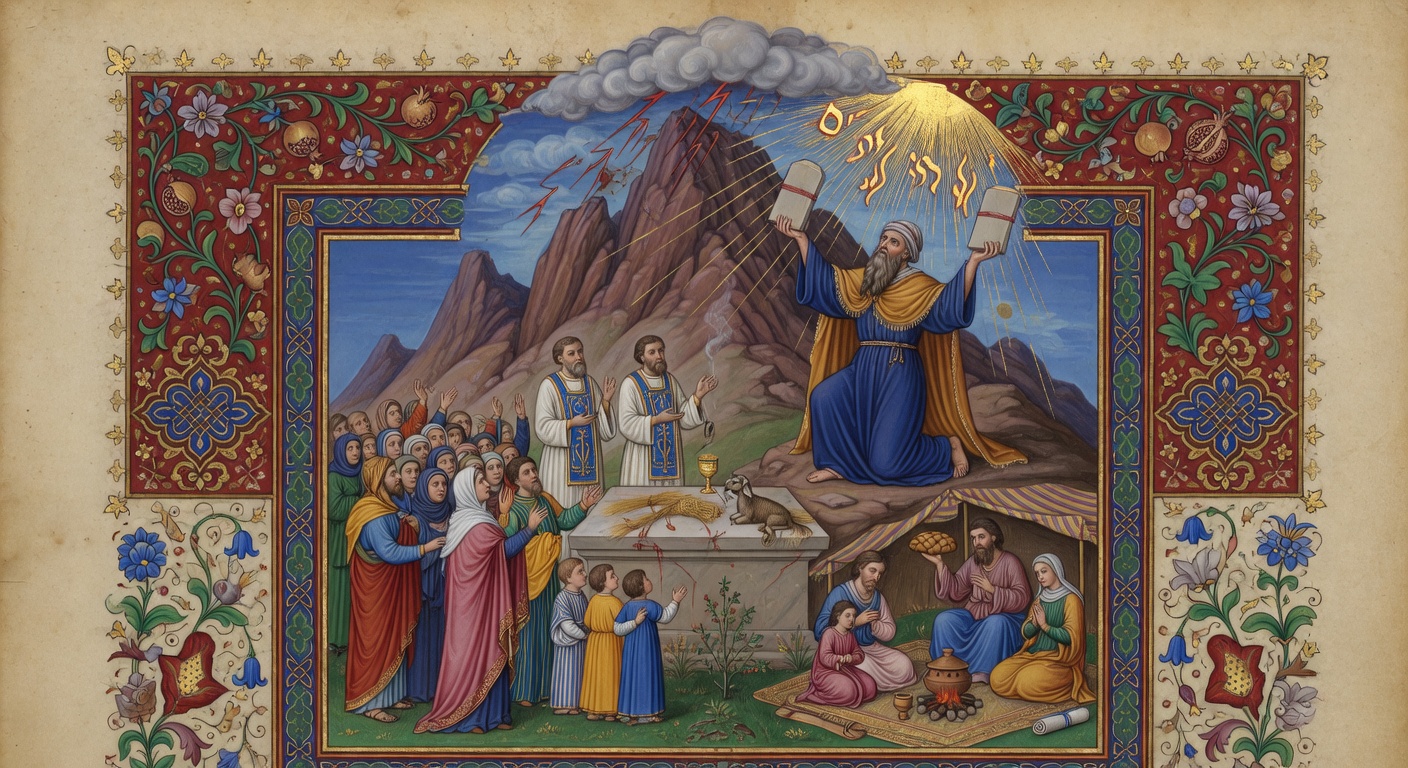
Mosaic/Sinai Covenant
At Mount Sinai the Lord proposed a covenant to the nation of Israel through Moses, setting forth the law as the condition for their relationship with him. The people consented to obey all his words, and the agreement was ratified by the sprinkling of sacrificial blood upon the book and the people. This covenant defined Israel as a holy nation and kingdom of priests, with obedience bringing blessing and disobedience bringing curse, serving in the redemptive story to reveal God's holiness and the need for greater grace.
Parties: God and the nation of Israel
-
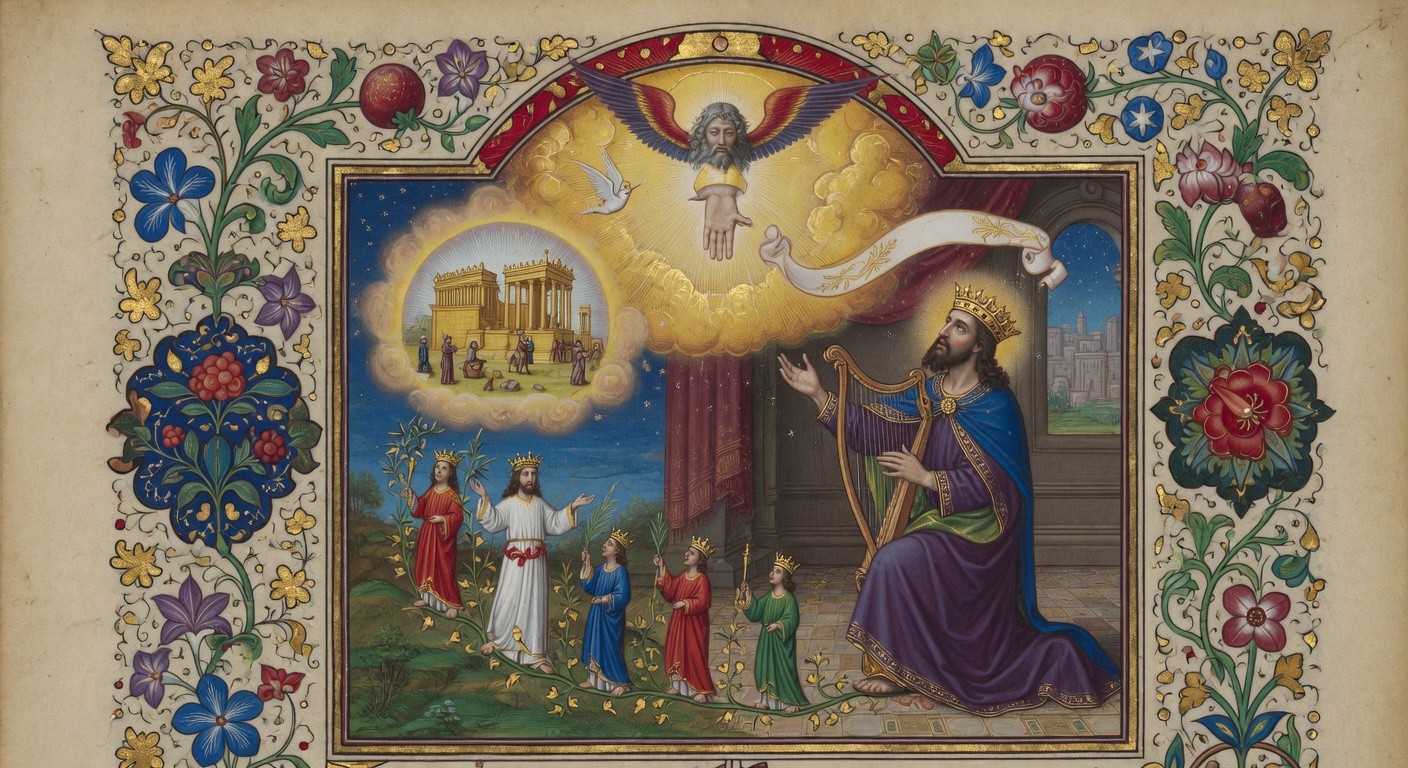
Davidic Covenant
In the Scriptures the Lord establishes an unconditional covenant with David and his royal line, promising that his throne will endure forever and that one of his offspring will build a house for God's name. Delivered through the prophet Nathan, this assurance reveals God's sovereign commitment to maintain an everlasting kingdom from David's line, advancing the redemptive story from the patriarchs toward the Messiah. Its significance lies in securing the royal lineage through which Jesus Christ, the son of David, fulfills the promise by establishing an eternal reign that shall never end.
Parties: God and David (and his royal line)
-
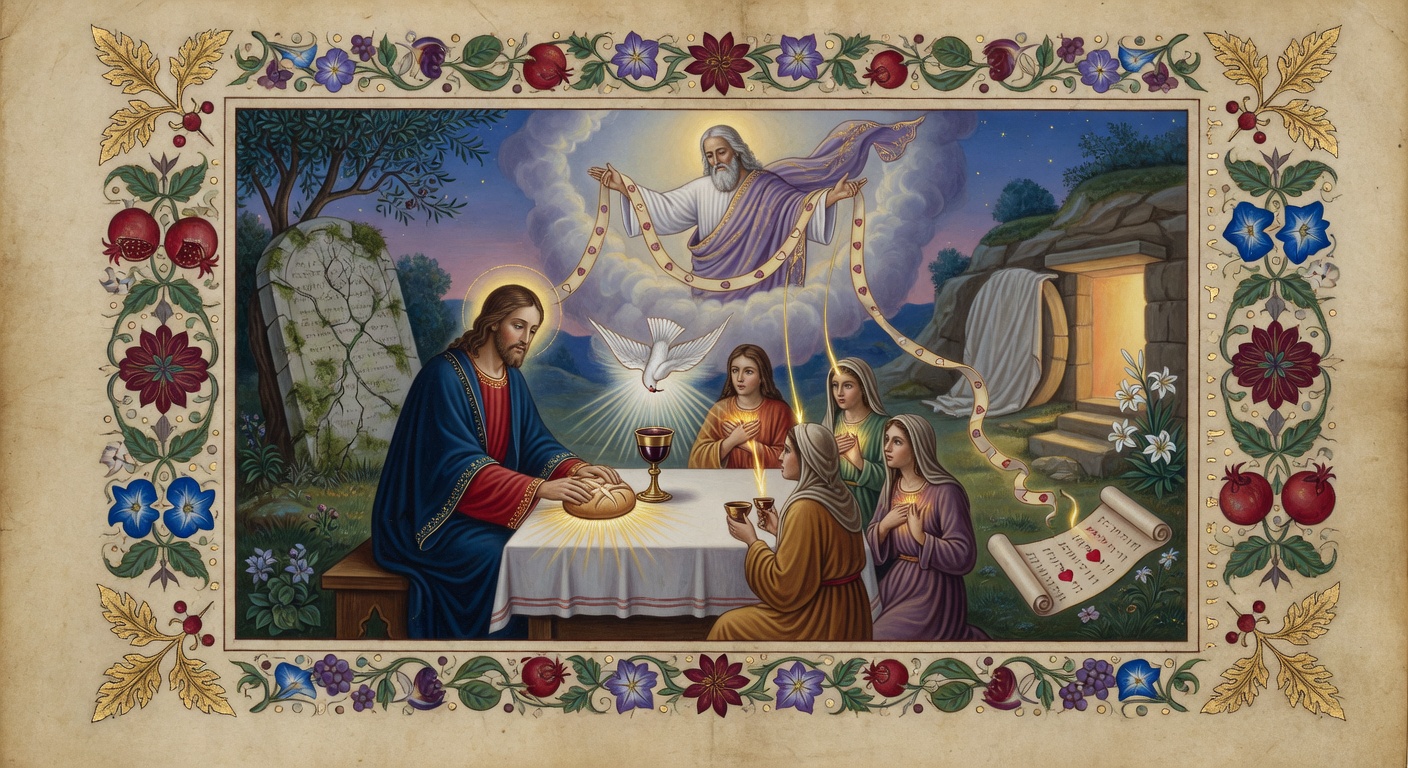
New Covenant
In the unfolding of God's redemptive plan, the new covenant emerges as the fulfillment of ancient promises, where the Lord binds Himself to all who place their faith in Jesus Christ. Through the shedding of Christ's blood, this covenant establishes an intimate relationship in which God's law is inscribed upon the hearts of believers rather than on tablets of stone, granting complete remission of sins and the indwelling presence of the Holy Spirit. Unlike previous arrangements, it offers a superior way of grace that transforms lives from within and secures eternal fellowship with God.
Parties: God and all who believe in Jesus Christ
-
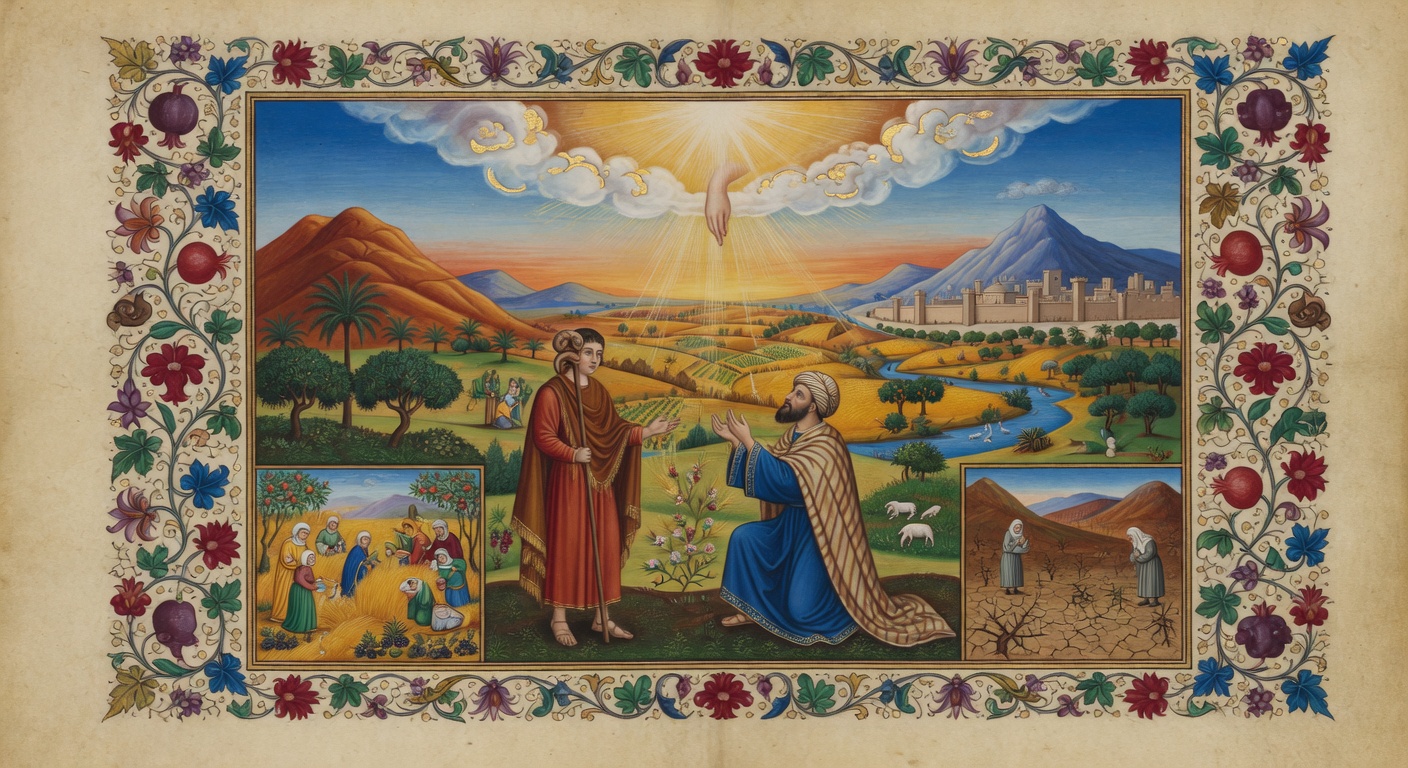
Palestinian (Land) Covenant
The Palestinian Covenant, also known as the Land Covenant, refers to God's unconditional promise recorded in Deuteronomy 30 to grant the land of Canaan to the descendants of Abraham, Isaac, and Jacob as an eternal possession. This covenant expands upon the earlier Abrahamic promises by detailing the conditions for blessing and cursing within the land, including provisions for Israel's future restoration after periods of disobedience and exile. Its significance lies in affirming the enduring right of the Jewish people to the territory despite historical dispersions, underscoring themes of divine faithfulness and eventual national repentance in biblical prophecy. This covenant remains central to understanding scriptural teachings on Israel's relationship to the Promised Land and God's sovereign purposes.
Parties: God and Israel
-
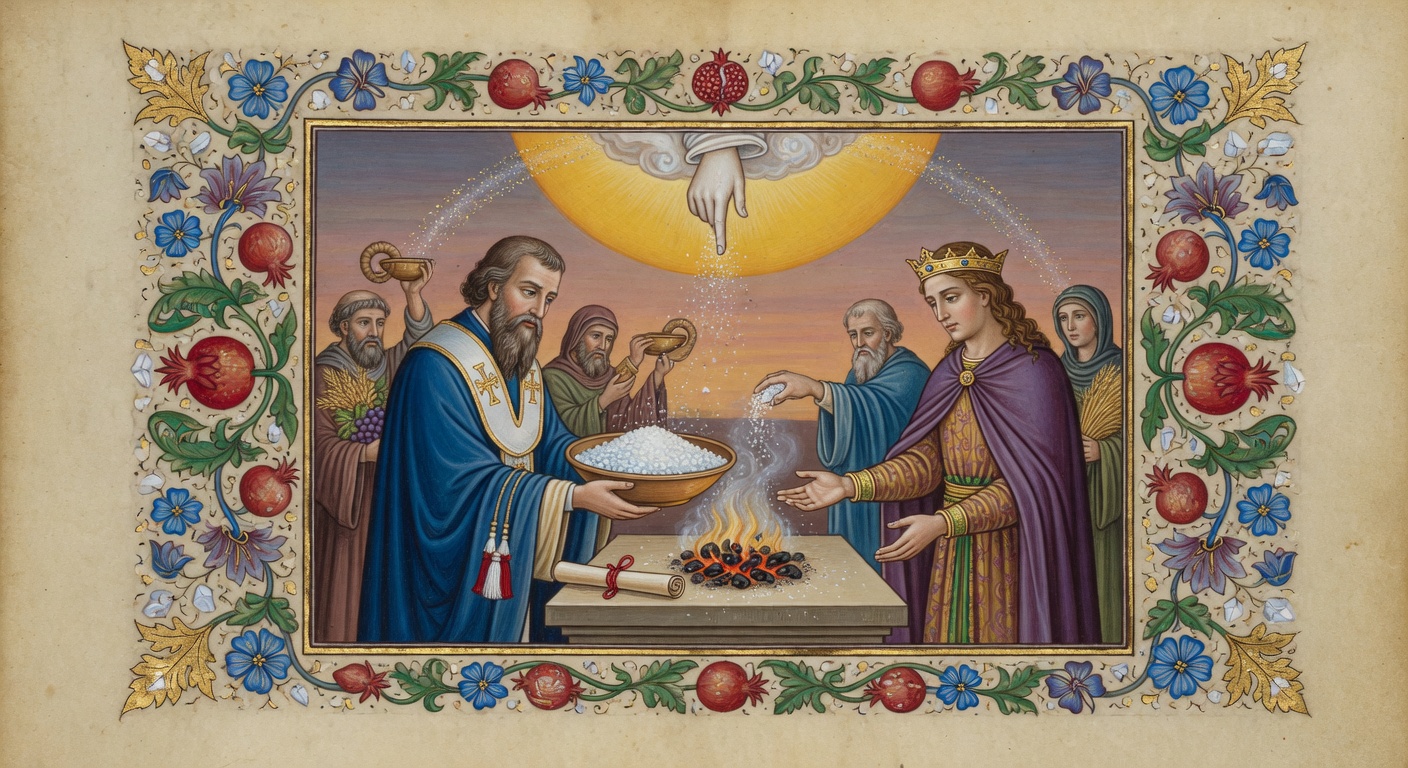
Covenant of Salt
The covenant of salt embodies God's solemn and everlasting commitment to the priests of Levi and to David along with his descendants, ensuring their appointed roles would endure without fail. This agreement draws upon salt as its vivid emblem of preservation and fidelity, qualities that affirm the unchanging reliability of divine promises amid the unfolding story of redemption. Through these bonds the Lord secures both sacred service and the royal line leading to the Messiah.
Parties: God and the priests/David