Prayers
Model Prayers
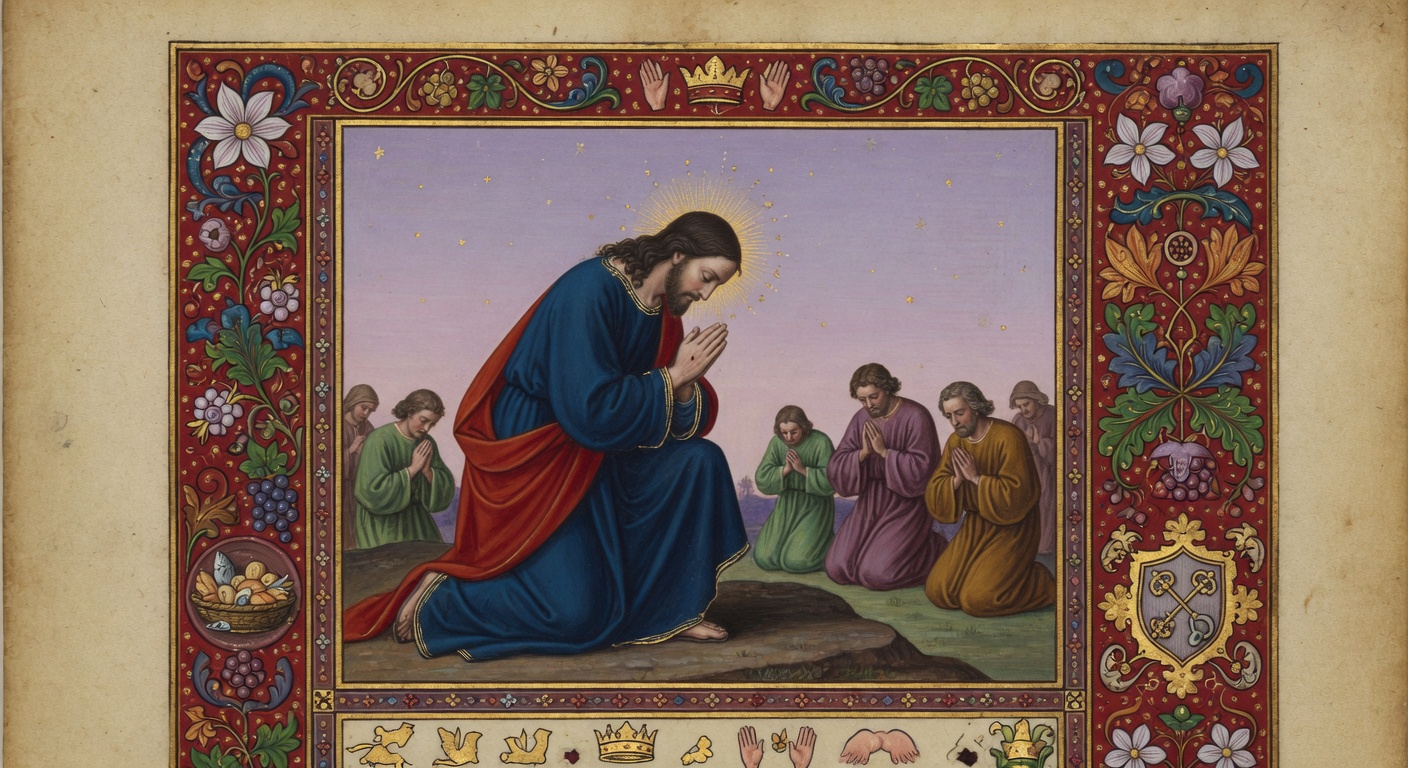
Intercession
-
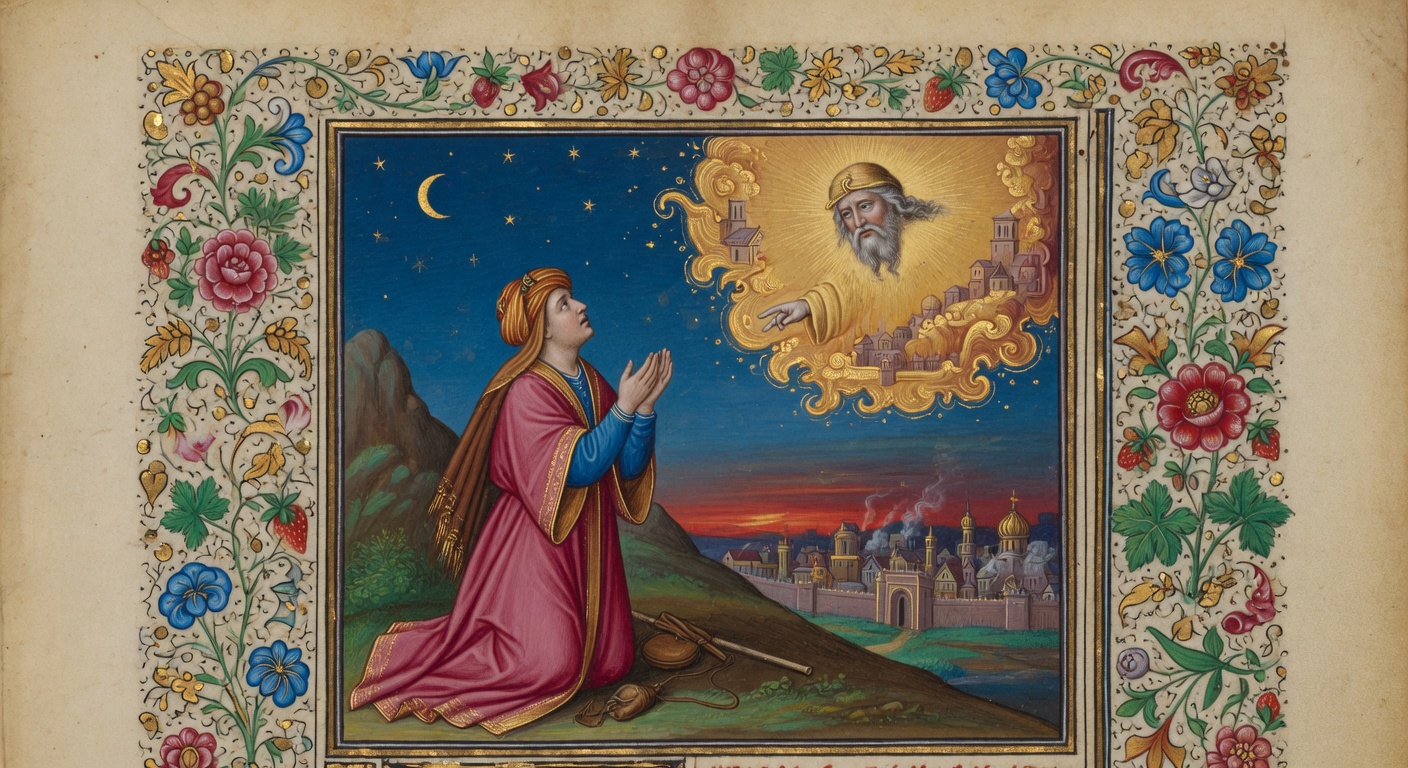
Abraham's Intercession for Sodom
Prayed by: Abraham
In the book of Genesis, Abraham learns from the Lord that Sodom and Gomorrah are to be destroyed because of their great sin. Standing before God, Abraham intercedes by repeatedly asking if the cities would be spared for the sake of a decreasing number of righteous inhabitants, from fifty down to ten. God agrees to each request, demonstrating His mercy and justice in responding to persistent prayer. This account is significant in Scripture as it illustrates the role of intercession by the righteous and God's relational engagement with humanity.
-
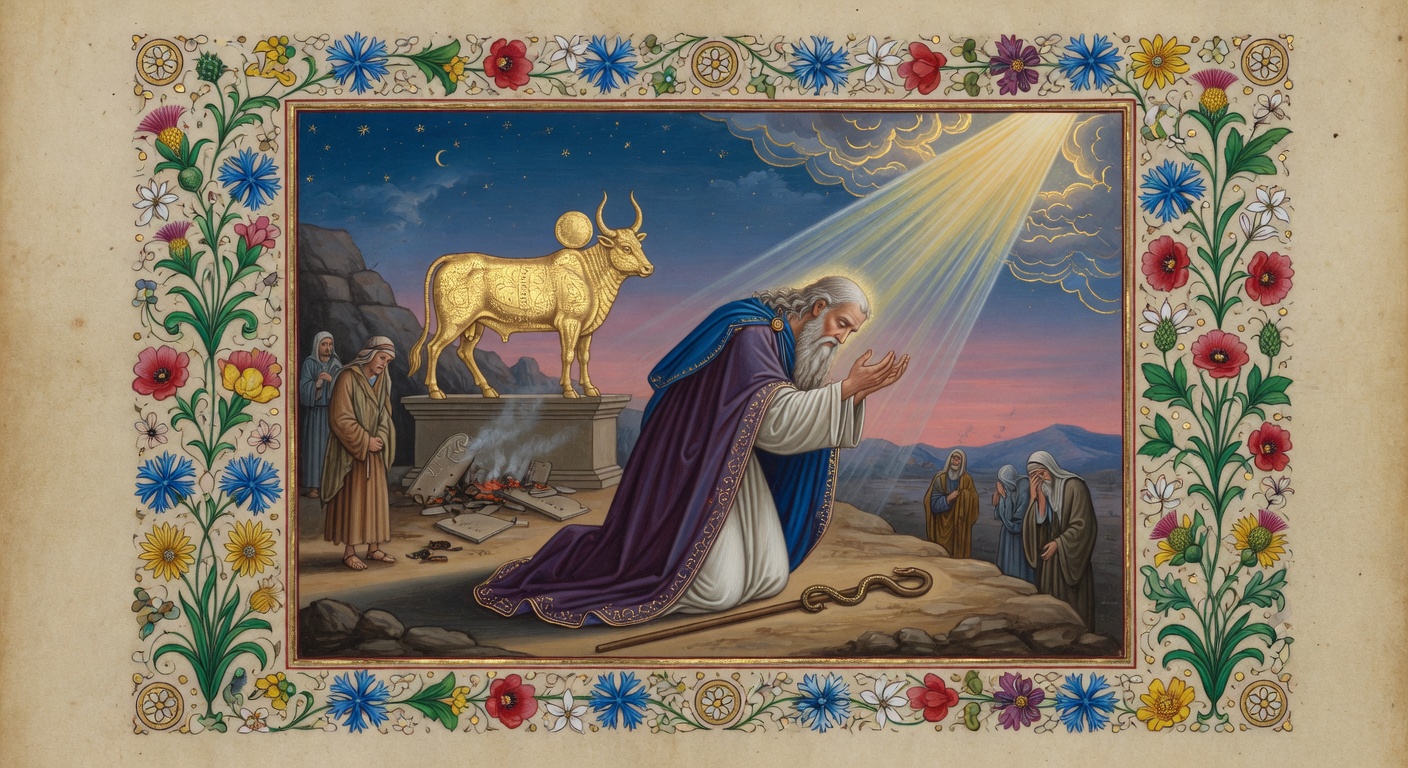
Moses' Prayer After the Golden Calf
Prayed by: Moses
After the Israelites fashioned and worshiped a golden calf at the base of Mount Sinai while Moses received the law from God, divine judgment threatened to destroy the entire nation for violating the covenant. Moses responded by interceding on their behalf, pleading for mercy and offering to have his own name removed from God's book of life if it would spare the people. This prayer led God to relent from immediate destruction, preserving Israel's future despite their idolatry. The account in Exodus 32 illustrates the power of faithful mediation, the consequences of covenant unfaithfulness, and early biblical themes of substitution that later connect to broader scriptural patterns of atonement and restoration.
-
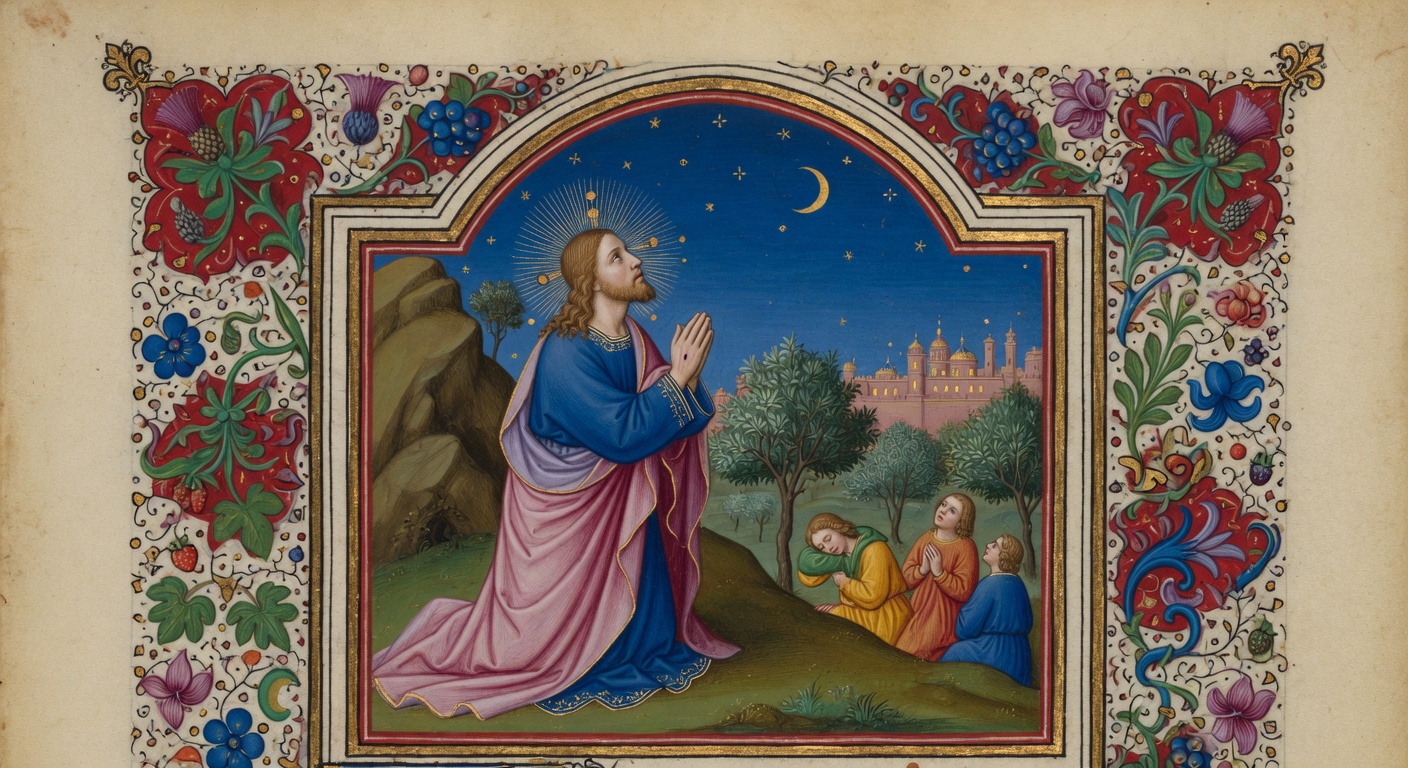
Jesus's High Priestly Prayer
Prayed by: Jesus
In the Gospel of John chapter 17, Jesus delivers his High Priestly Prayer immediately after the Last Supper and before his arrest in Gethsemane, marking one of the longest recorded prayers in the New Testament. He petitions the Father first for his own glorification to complete his redemptive mission, then for the protection and sanctification of his immediate disciples, and finally for all future believers to be united in the same love and truth that binds him to the Father. This intercession highlights Jesus acting in his priestly role, emphasizing themes of divine protection, holiness, and ecclesial oneness amid impending persecution. Its significance rests in providing a scriptural foundation for Christian unity, perseverance, and witness, shaping doctrines of the church and intercession across centuries.
-
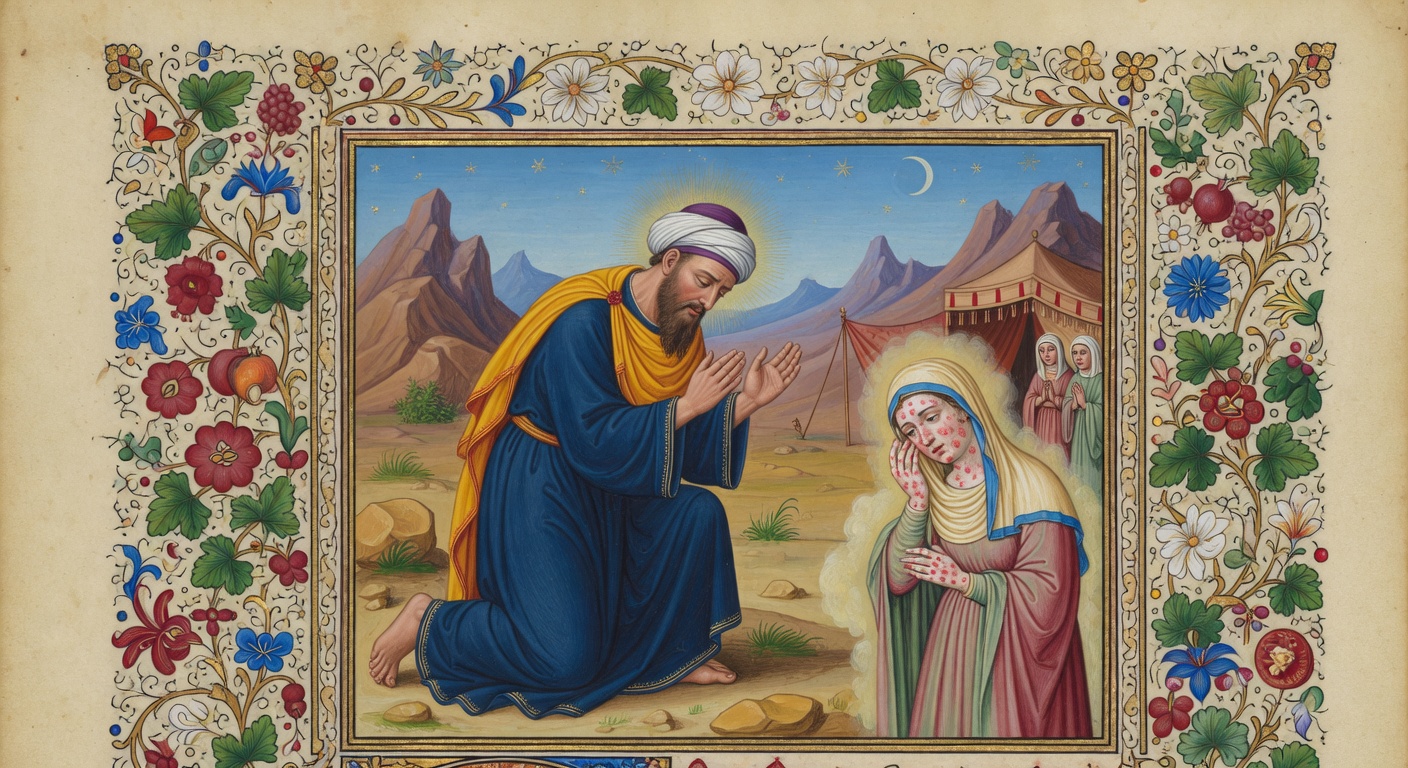
Moses' Prayer for Miriam
Prayed by: Moses
In the Book of Numbers, Miriam and Aaron challenged Moses' unique authority from God, resulting in Miriam being struck with leprosy as divine discipline while Aaron was spared. Moses immediately interceded with a concise plea, "Please, God, heal her," showing his humility and refusal to retaliate despite the personal attack. God responded with both mercy and measured justice by requiring a seven-day period of isolation before restoring Miriam, after which the community could proceed. This account emphasizes the power of intercessory prayer in Scripture, the consequences of speaking against God's chosen leaders, and the balance of accountability with compassion in divine dealings.
-
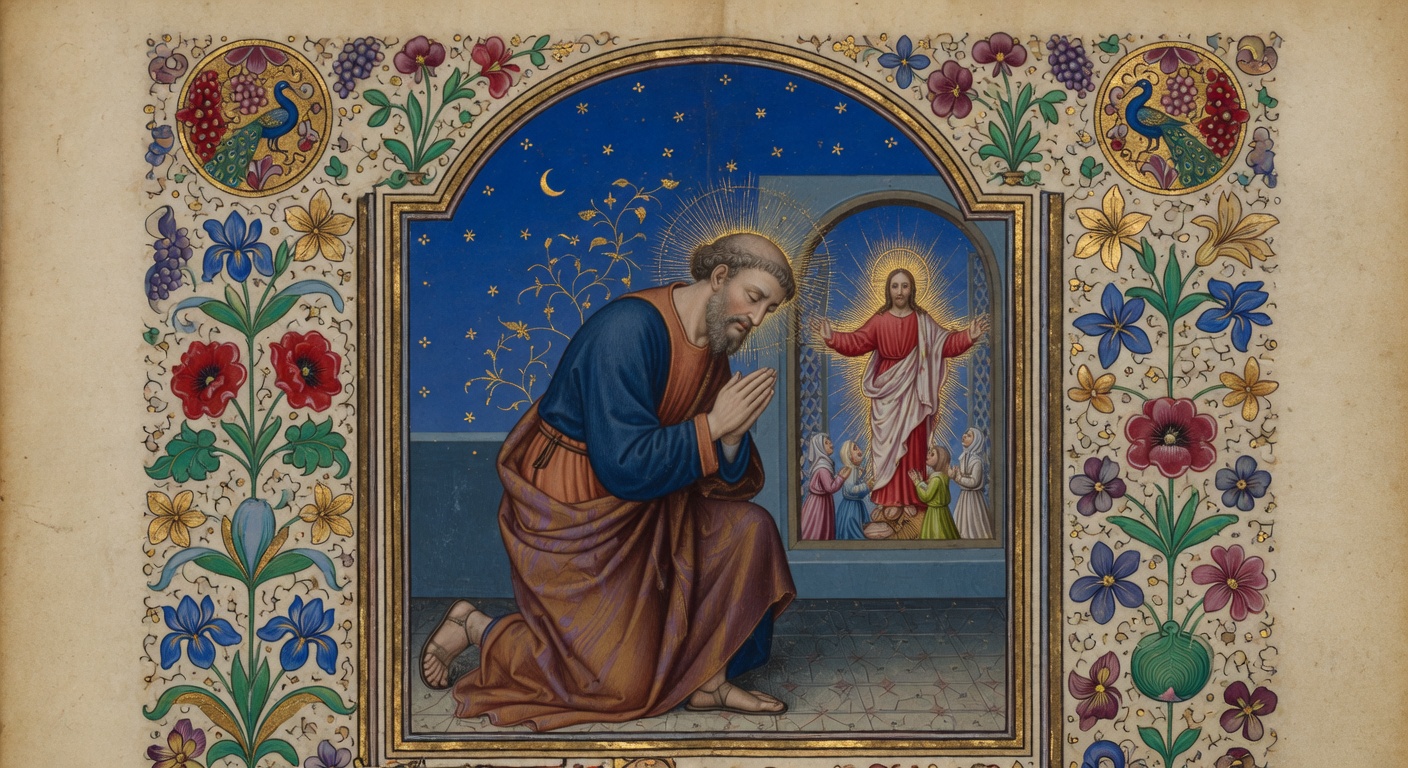
Paul's Ephesians 3 Prayer
Prayed by: Paul
In the book of Ephesians, the apostle Paul, writing from Roman imprisonment around 60-62 AD, offers this intercessory prayer for the Gentile believers in Ephesus amid his broader discussion of the church's unity in Christ. He petitions God the Father to strengthen them inwardly through the Holy Spirit, root them in love, and grant them power to grasp the immeasurable breadth, length, height, and depth of Christ's love that surpasses knowledge. This prayer matters because it models how believers should prioritize spiritual empowerment and intimate comprehension of divine realities over mere external circumstances or trials. Its significance in Scripture lies in revealing the transformative goal of being filled with God's fullness, influencing Christian theology on prayer, sanctification, and the boundless nature of redemptive love.
Petition
-
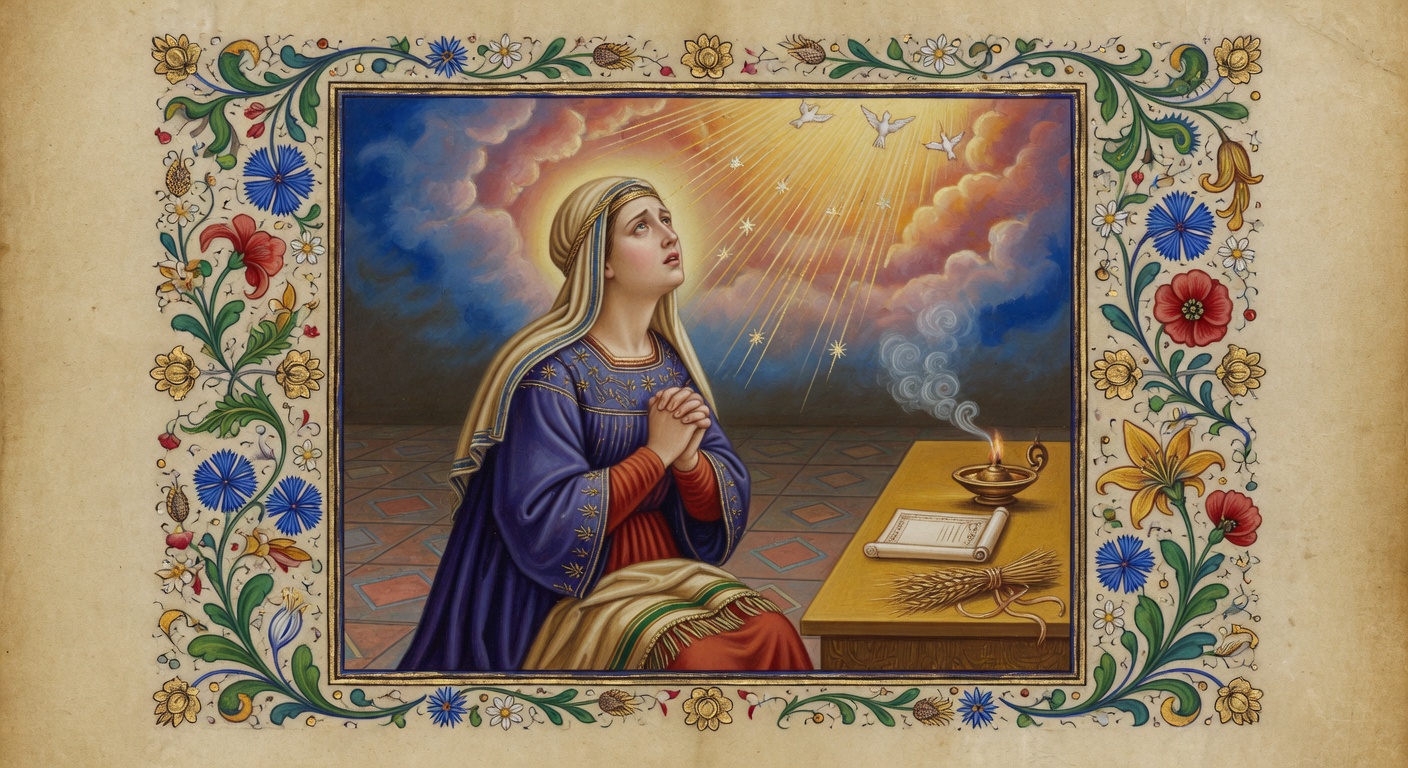
Hannah's Prayer
Prayed by: Hannah
In the book of 1 Samuel, Hannah endured prolonged barrenness and social reproach as one of Elkanah's wives, prompting her to travel to the sanctuary at Shiloh where she prayed with deep anguish and tears. She vowed that if God granted her a son, she would dedicate him wholly to divine service as a Nazirite, a pledge the priest Eli eventually affirmed after initially mistaking her fervor for drunkenness. God answered her petition with the birth of Samuel, whom Hannah presented to the tabernacle for lifelong ministry, and she later returned with a song of thanksgiving that celebrates God's reversal of human circumstances. This narrative illustrates the efficacy of heartfelt prayer in Scripture and establishes Samuel's foundational role as prophet and judge in Israel's history.
-
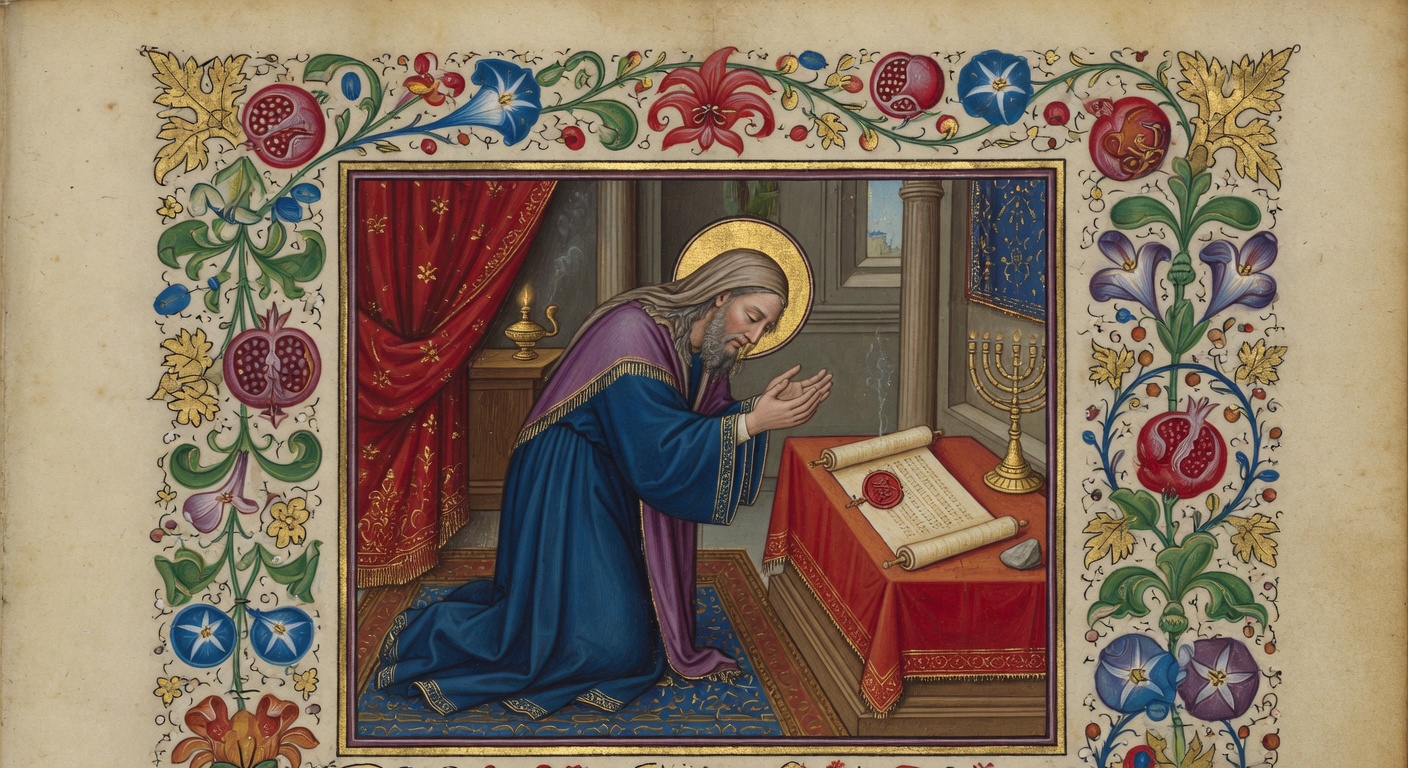
Hezekiah's Prayer for Deliverance
Prayed by: Hezekiah
In the face of an impending Assyrian invasion led by King Sennacherib, Hezekiah, the king of Judah, received a threatening letter that mocked the God of Israel and demanded surrender. Hezekiah responded by taking the letter into the temple, spreading it out before the Lord, and offering a heartfelt prayer for divine intervention and deliverance of his people. This act of faith resulted in God sending the prophet Isaiah with a message of assurance, followed by the miraculous destruction of the Assyrian army, highlighting the power of prayer and trust in God's sovereignty as recorded in the books of 2 Kings and Isaiah.
-
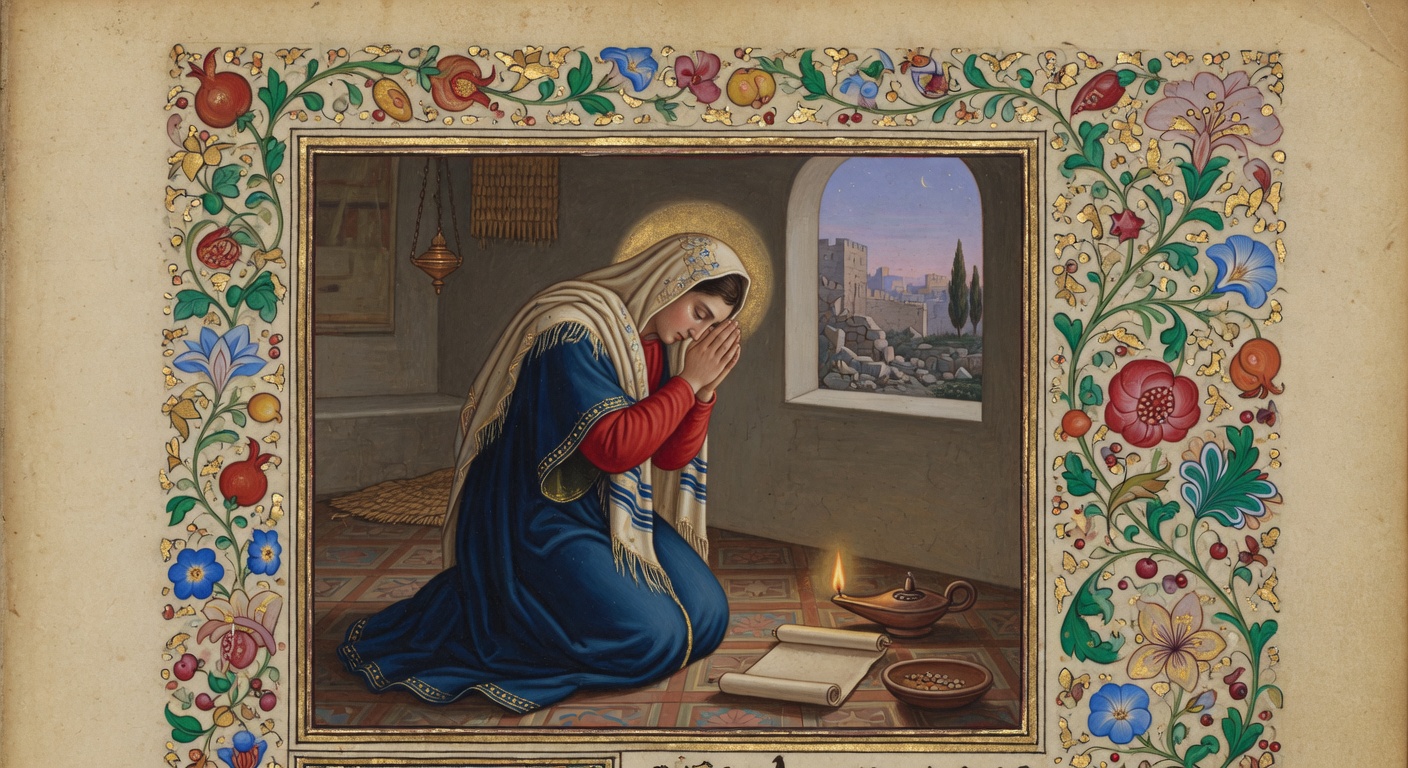
Nehemiah's Prayer for Jerusalem
Prayed by: Nehemiah
Nehemiah, serving as a cupbearer in the Persian court, learns of the broken walls and burned gates of Jerusalem following the Babylonian exile. In response, he mourns, fasts, and offers a prayer that confesses the sins of Israel while appealing to God's covenant promises for mercy and restoration. This prayer seeks divine favor to approach King Artaxerxes for permission to return and rebuild the city walls. Its significance lies in modeling heartfelt intercession and repentance as essential steps toward national renewal, highlighting themes of faithfulness and divine providence in the post-exilic period.
-
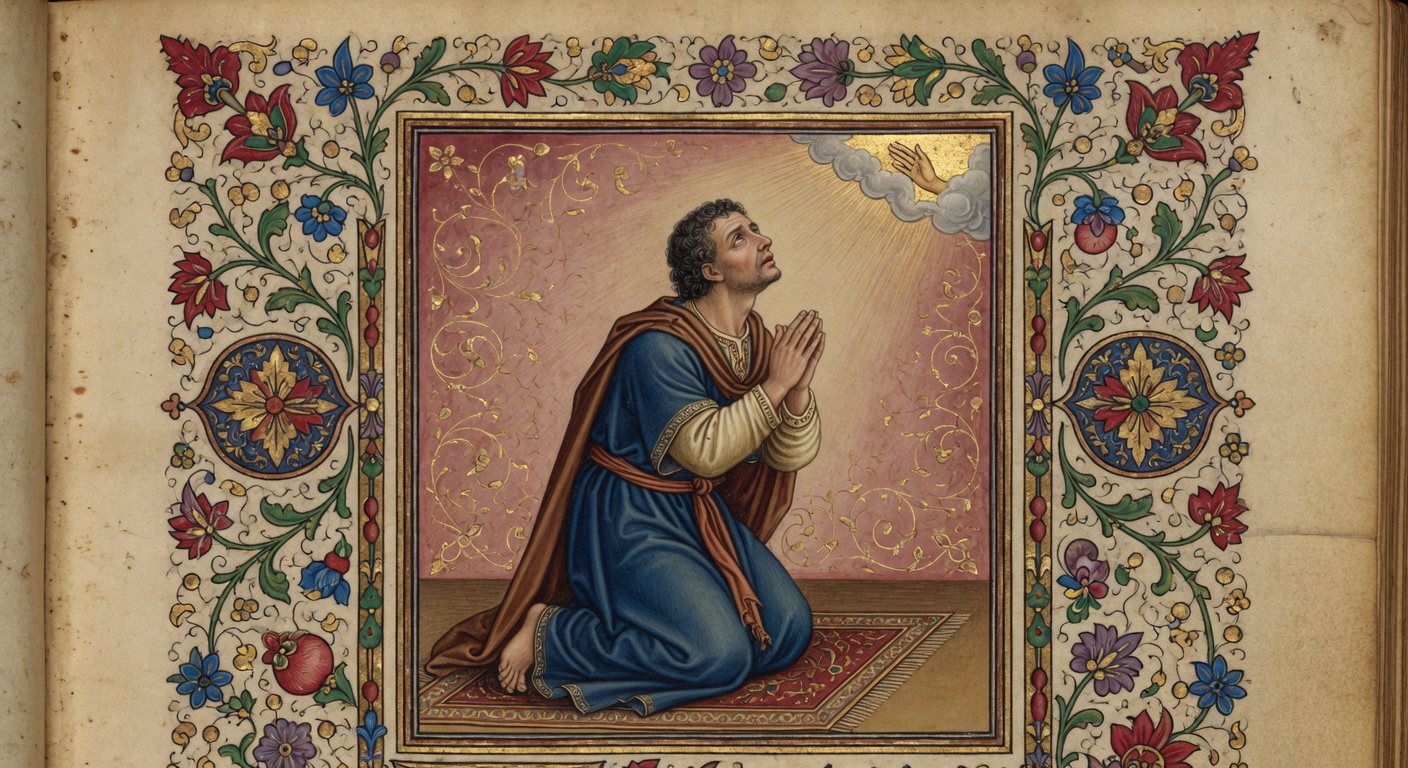
The Prayer of Jabez
Prayed by: Jabez
The Prayer of Jabez appears in 1 Chronicles 4:9-10 amid lengthy genealogies of Judah, where Jabez is singled out as more honorable than his brothers and linked to a name meaning pain due to his mother's difficult labor. He offered a brief prayer requesting that God bless him, enlarge his territory, keep His hand upon him, and protect him from evil and harm, after which Scripture states that God granted the request. This brief account stands out in its Old Testament context by showing how one person's faithful petition can interrupt routine historical records and receive direct divine response. Its significance lies in modeling bold, specific prayer for blessing and guidance that has influenced later teachings on seeking God's active involvement in daily life.
-
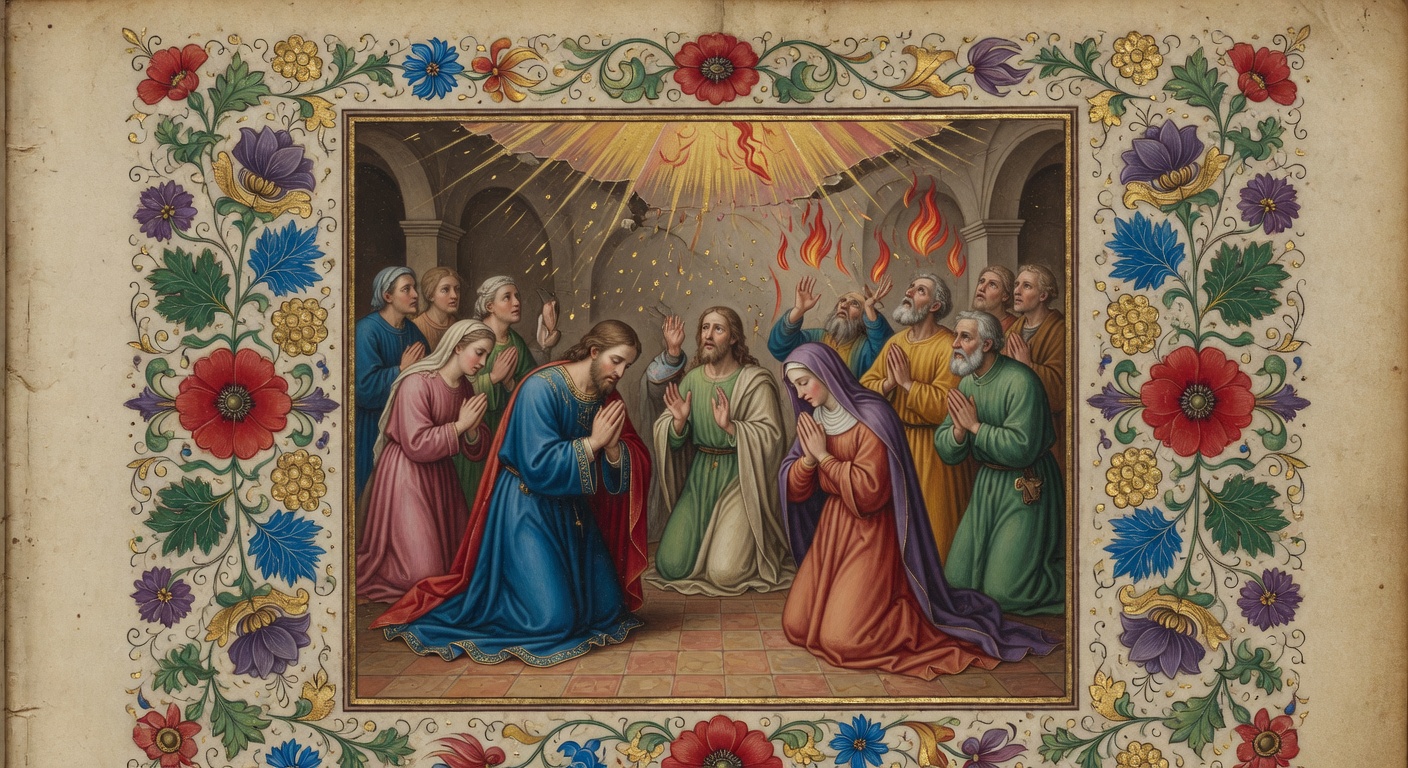
The Early Church's Prayer for Boldness
Prayed by: Early Church
In the Book of Acts, following the healing of a lame man at the temple, Peter and John faced threats from the Sanhedrin to cease preaching about Jesus. Upon their release, the early church assembled to pray specifically for boldness to proclaim God's word amid persecution. In response to their unified prayer, the place where they were meeting was shaken, and they were all filled with the Holy Spirit, enabling them to speak the word of God with great courage. This account illustrates the power of collective prayer and divine empowerment in sustaining the church's mission during times of opposition.
Worship & Praise
-
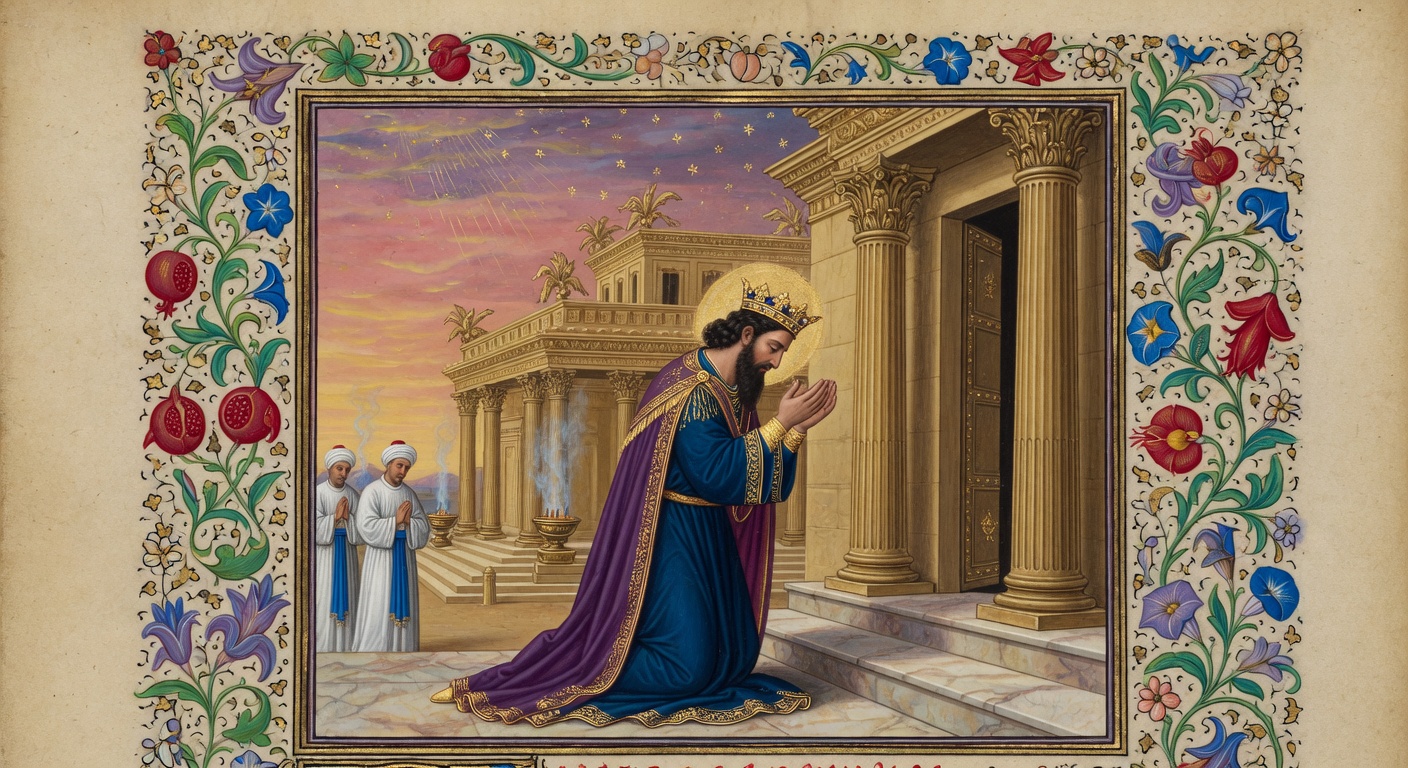
Solomon's Temple Dedication
Prayed by: Solomon
Solomon dedicated the newly constructed temple in Jerusalem with a lengthy prayer recorded in the books of Kings and Chronicles. In this prayer, he petitioned God to listen to the supplications of His people whenever they directed their prayers toward this holy site, particularly during times of adversity, sin, or national crisis. This event marked the culmination of King David's vision and Solomon's extensive building project, establishing the temple as the central place of worship for the Israelites. Its significance lies in reinforcing the covenant relationship between God and Israel, emphasizing themes of repentance, divine mercy, and the temple's role as a house of prayer for all nations.
-
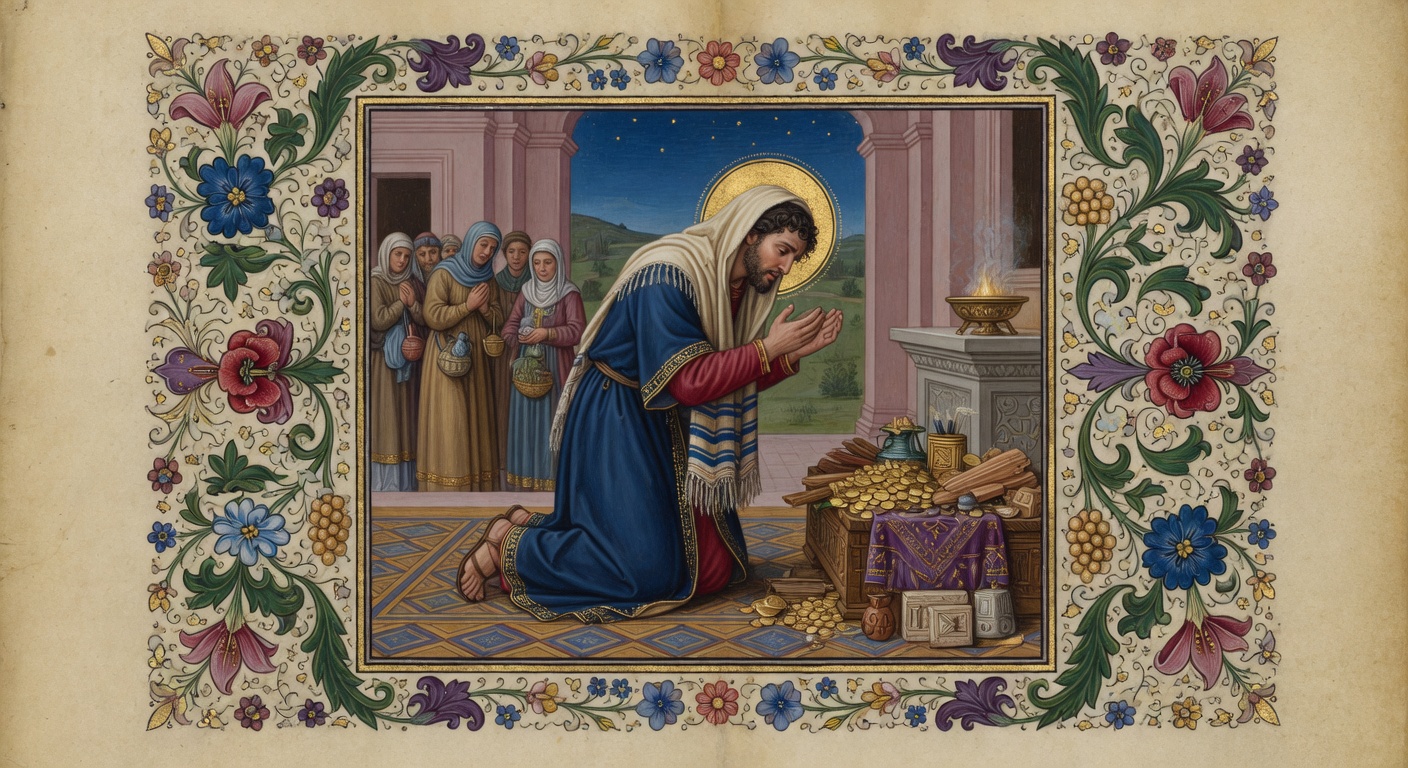
David's Prayer of Thanksgiving
Prayed by: David
David's Prayer of Thanksgiving, recorded in 1 Chronicles 29, occurred near the end of his reign as he prepared to transfer leadership to Solomon and finalize plans for the temple's construction. After the Israelite leaders and people responded with exceptionally generous offerings of gold, silver, and other materials, David offered this public prayer of praise, explicitly crediting God as the true owner of all resources and affirming that their contributions came solely from what God had first provided. The prayer underscores themes of divine sovereignty, human stewardship, and gratitude, highlighting that no one can give to God anything that does not already belong to Him. Its inclusion in Scripture serves as a model for acknowledging God's ultimate authority over possessions and encourages believers to approach giving with humility and recognition of His provision.
-
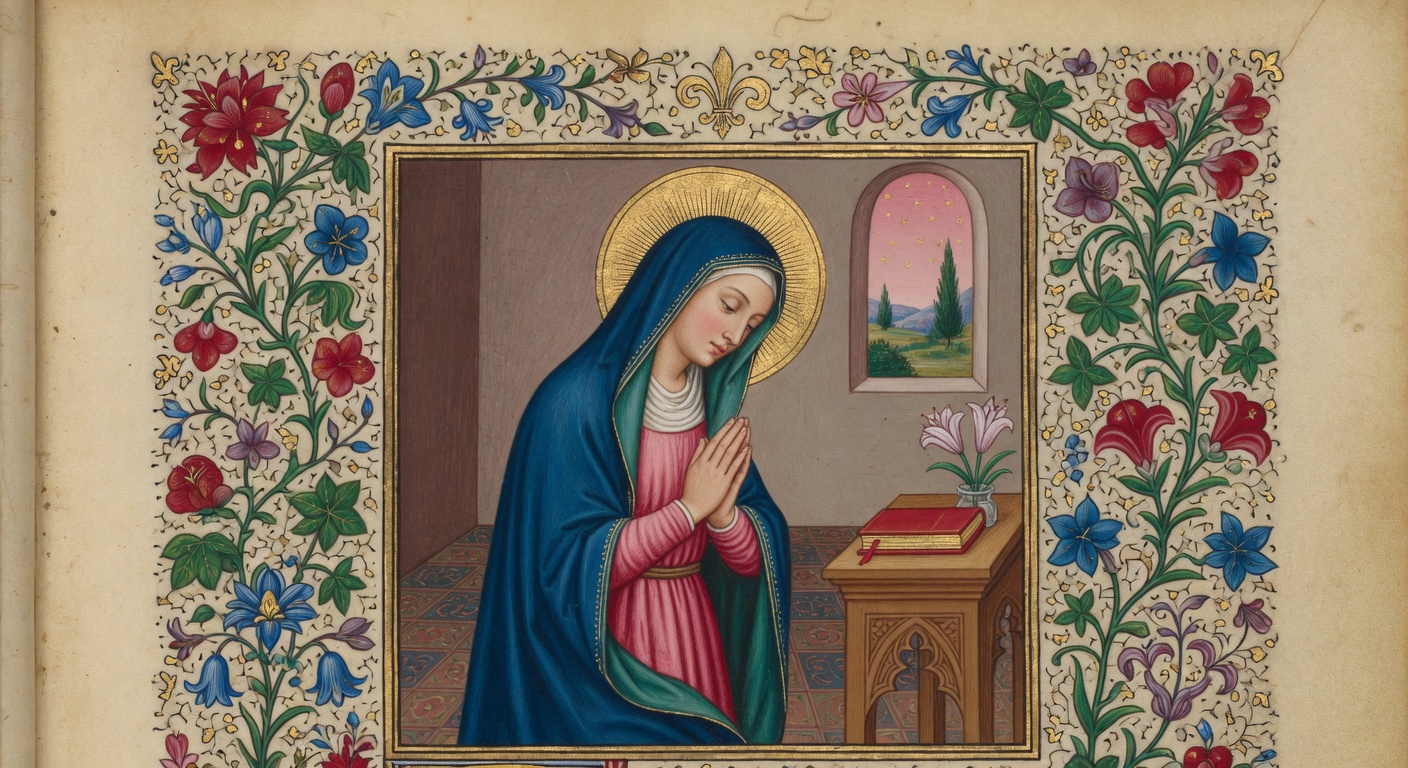
Mary's Magnificat
Prayed by: Mary
Mary's Magnificat, recorded in Luke 1:46-55, is the song of praise uttered by the Virgin Mary upon visiting her relative Elizabeth after the Annunciation. In it, Mary glorifies God for selecting her, a humble handmaid, to bear the promised Messiah and for His faithfulness to Israel. The prayer emphasizes how God exalts the lowly, scatters the proud, and satisfies the hungry while showing mercy across generations. This canticle holds significance in Scripture as it highlights themes of divine reversal and humility that resonate throughout the Gospel message.
-
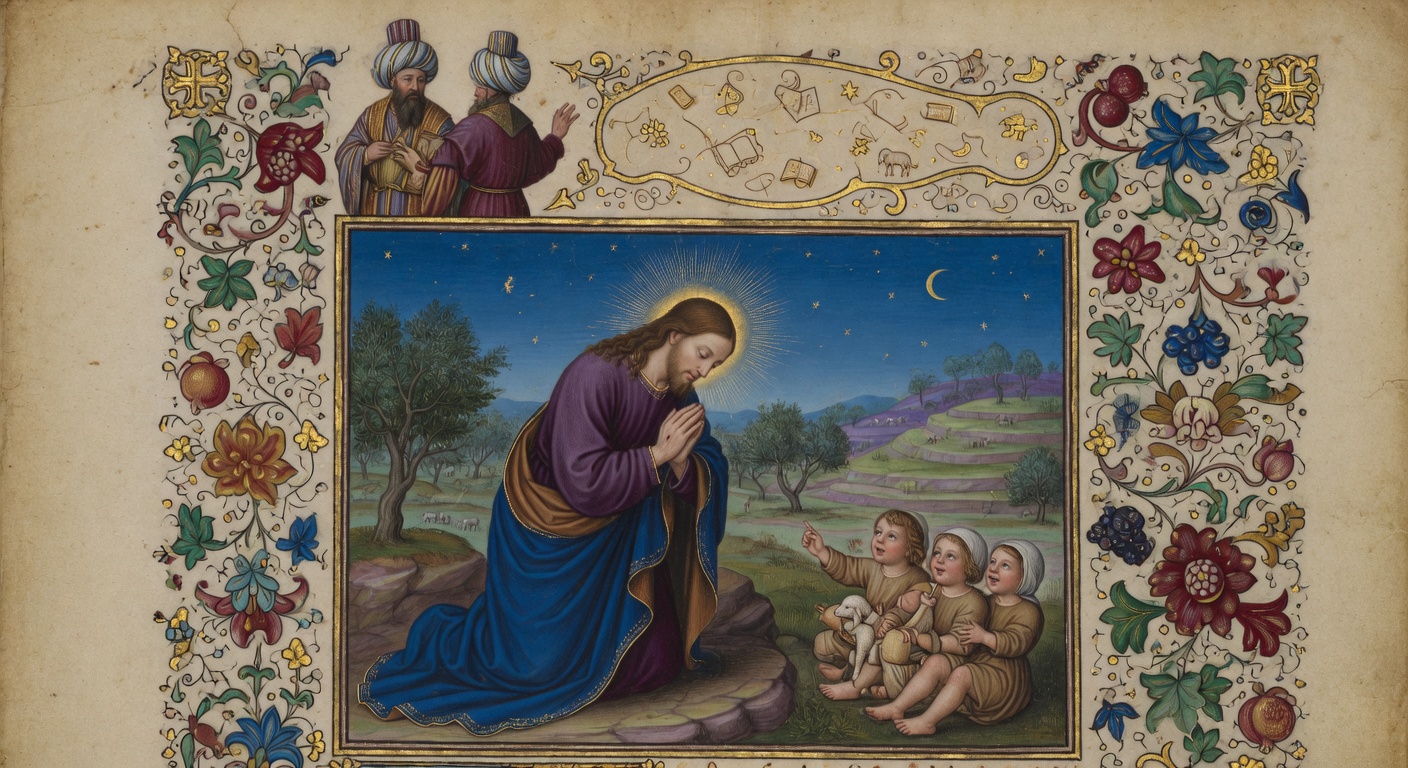
Jesus' Prayer of Thanksgiving
Prayed by: Jesus
In the Gospel accounts of Matthew and Luke, Jesus offers this prayer of thanksgiving during his ministry after many religious leaders and the intellectually proud rejected his message while ordinary people embraced it. He specifically thanks the Father, Lord of heaven and earth, for hiding the truths of the kingdom from the wise and learned while revealing them to the childlike, underscoring God's sovereign control over spiritual insight. This moment highlights that genuine understanding of divine realities stems from God's gracious will rather than human achievement or status, fostering humility in those who follow Christ. Its significance in Scripture lies in establishing a recurring biblical theme that God often bypasses the self-sufficient to disclose himself to the dependent, as echoed in passages like 1 Corinthians 1:27.
Faith
-
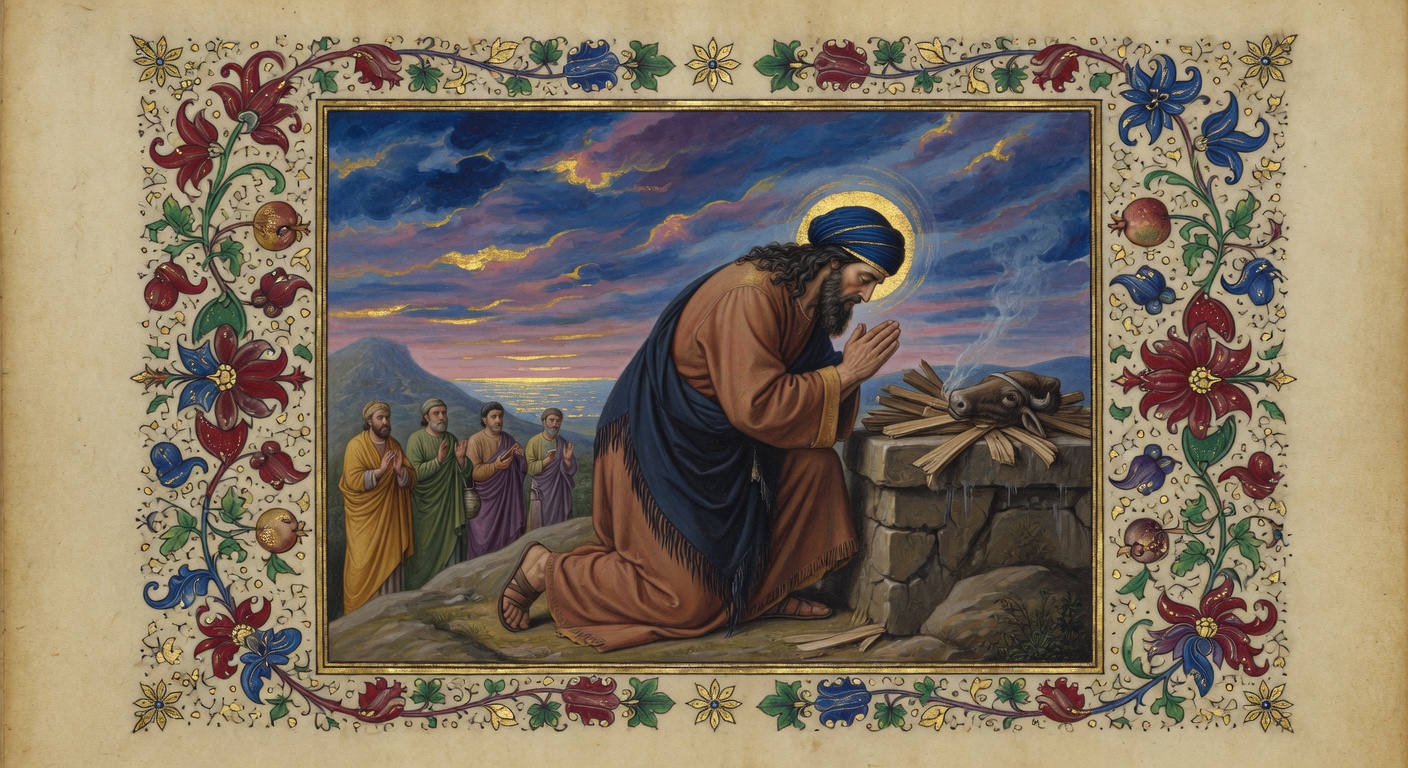
Elijah's Prayer on Mount Carmel
Prayed by: Elijah
In the midst of Israel's widespread idolatry during King Ahab's reign, the prophet Elijah called the people to Mount Carmel to confront the prophets of Baal. There, Elijah offered a concise prayer requesting that God send fire from heaven to consume the sacrifice, thereby demonstrating His supremacy and drawing the hearts of the Israelites back to true worship. God responded immediately with fire, leading the people to proclaim that the Lord is God and resulting in the execution of the false prophets. This event underscores the effectiveness of faithful prayer and serves as a key demonstration of divine intervention in the biblical narrative of 1 Kings 18.
-
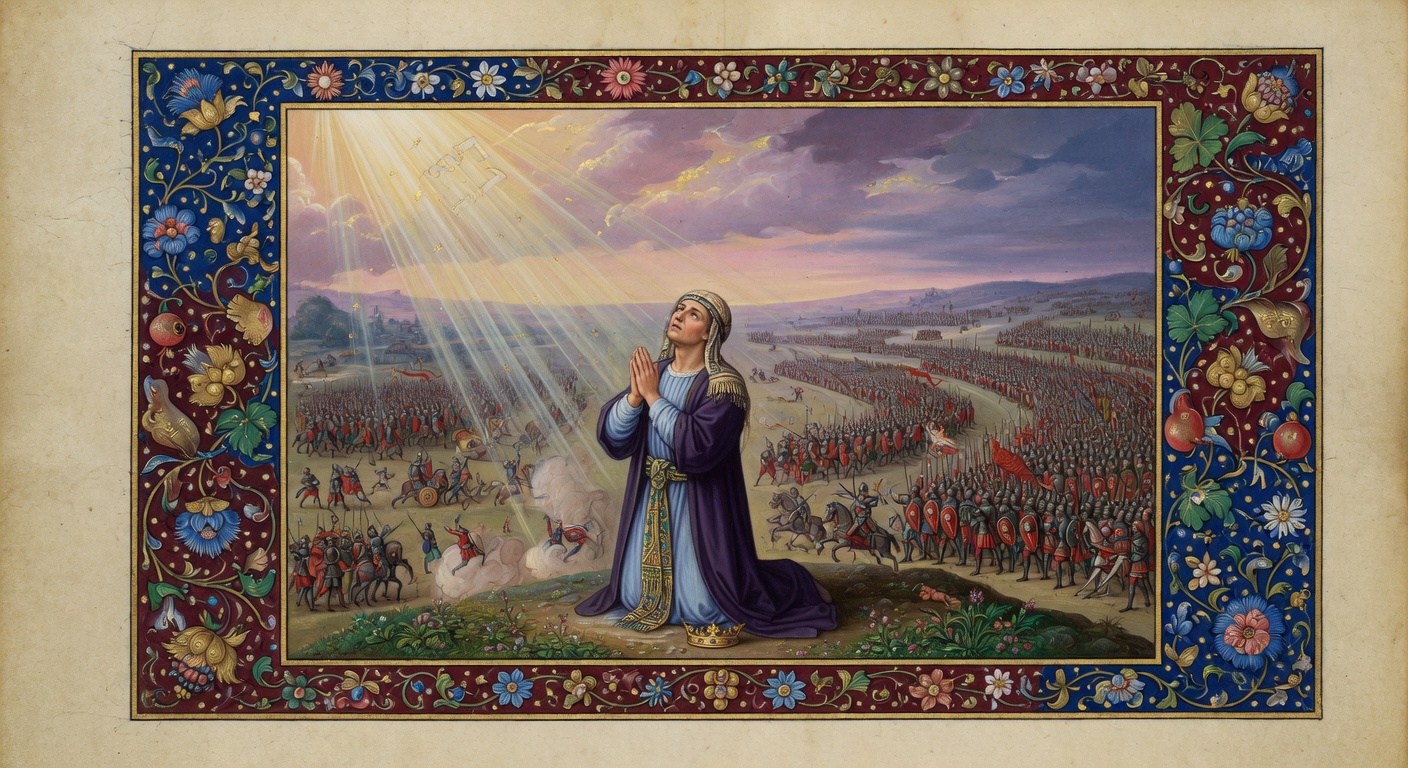
Asa's Prayer Before Battle
Prayed by: Asa
King Asa of Judah confronted a massive invasion led by Zerah the Ethiopian, whose forces numbered one million troops supported by three hundred chariots, far outmatching Judah's defenses. Asa responded by praying directly to the Lord, acknowledging that divine help requires no human strength and placing his full trust in God's ability to deliver the weak. The Lord answered by striking the Cushite army with panic, enabling Judah to achieve a complete victory and seize abundant spoils. This account in 2 Chronicles 14 highlights the scriptural pattern of answered prayer through faith, demonstrating God's faithfulness to those who rely on Him amid impossible odds during Asa's early reforms.
Confession
-
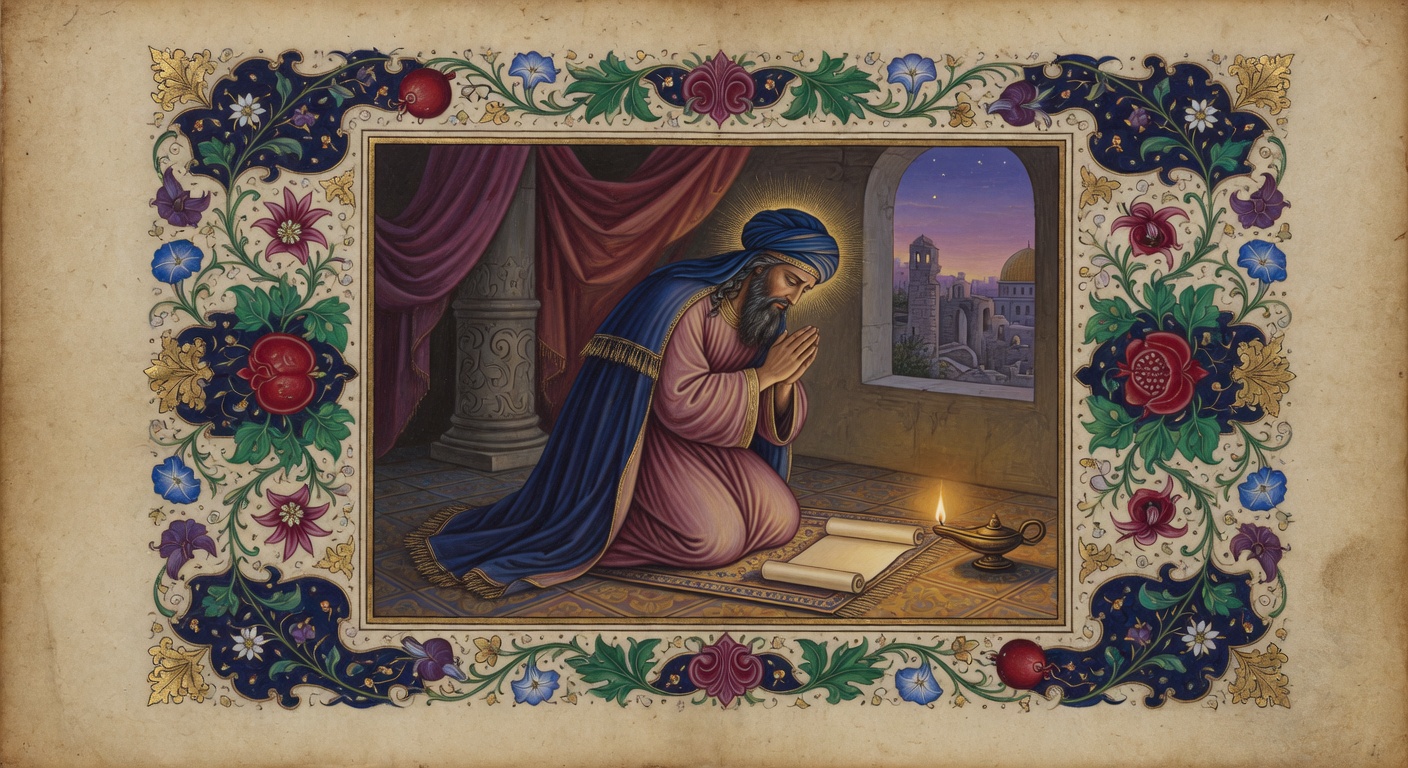
Daniel's Prayer of Confession
Prayed by: Daniel
Daniel's prayer occurs in the context of the Babylonian captivity, where he recognizes through Jeremiah's prophecy that the seventy years of exile are nearing completion. In response, he offers a heartfelt confession of Israel's repeated disobedience and rebellion against God while affirming divine justice in the judgment. Daniel then intercedes for the forgiveness and restoration of Jerusalem and the temple, appealing to God's mercy and covenant promises. This prayer holds significance in Scripture as it precedes the revelation of the seventy weeks prophecy and exemplifies effective intercession based on repentance and reliance on God's character.
-
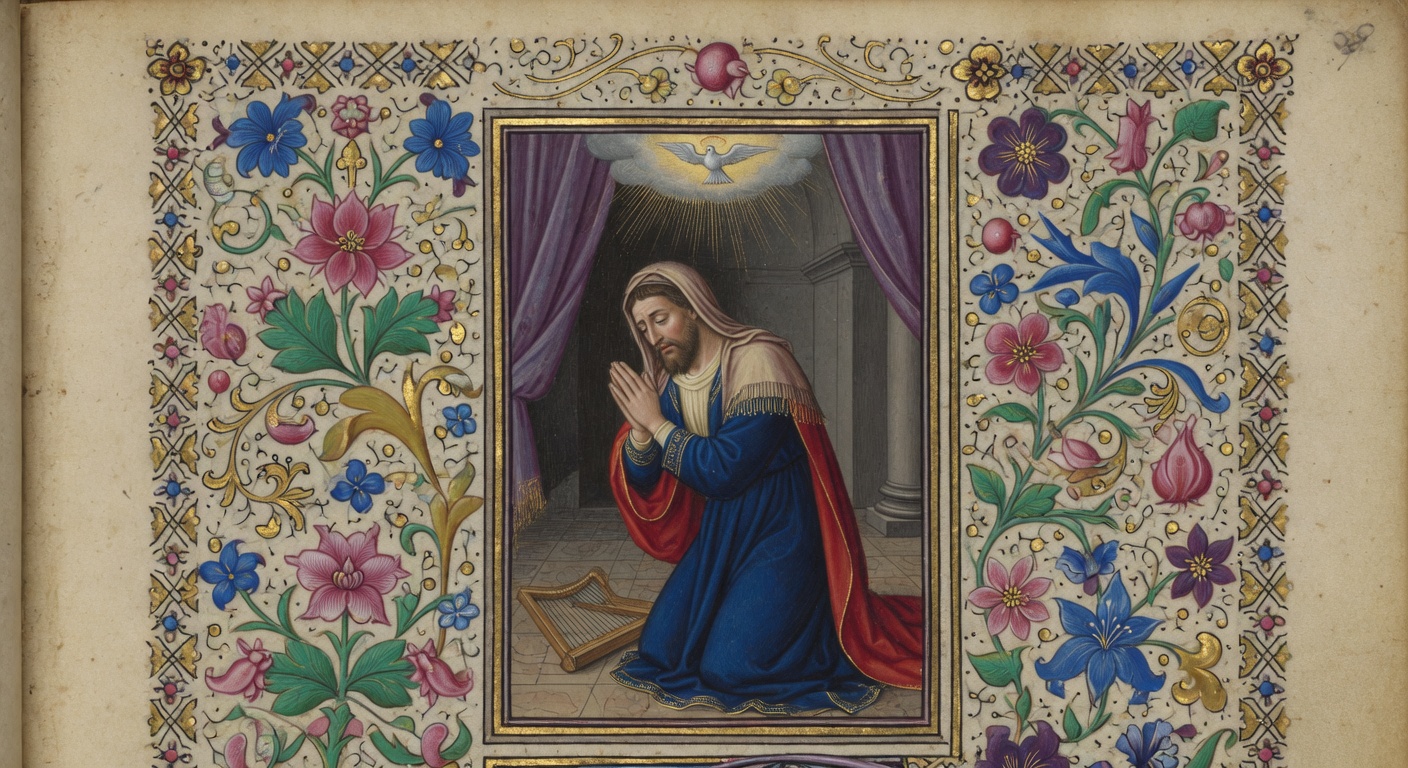
Psalm 51 - Create in Me a Clean Heart
Prayed by: David
Psalm 51 is traditionally attributed to King David after the prophet Nathan confronted him about his adultery with Bathsheba and the arranged death of her husband Uriah, events recorded in 2 Samuel 11-12. The psalm records David's plea for God to cleanse him from sin, create a pure heart, renew a steadfast spirit, and restore the joy of salvation rather than casting him away. This penitential prayer illustrates that even a leader chosen by God remains accountable for moral failure and that sincere confession can lead to divine mercy and inner renewal. Its enduring place in Scripture has made it a foundational text for Jewish and Christian practices of repentance, confession, and spiritual restoration.
-
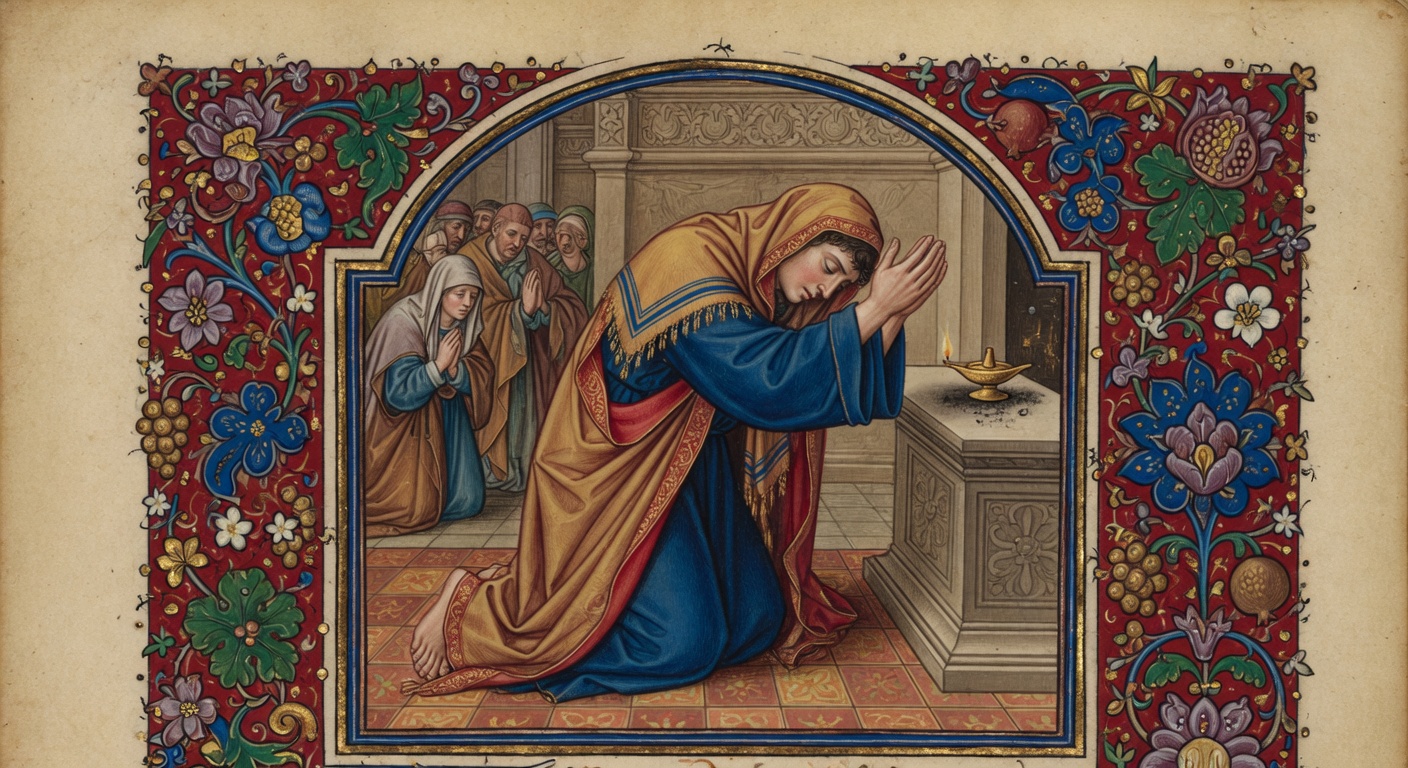
Ezra's Prayer of Confession
Prayed by: Ezra
Ezra's Prayer of Confession occurs in Ezra 9 after the Jewish exiles return from Babylon and discover that priests, Levites, and laypeople have intermarried with surrounding pagan nations, directly violating Mosaic law. Ezra responds by tearing his clothes and falling on his knees to recite a corporate prayer that recounts Israel's history of rebellion, admits the people's current guilt, and appeals to God's prior mercy in preserving a remnant. The prayer matters because it models public acknowledgment of sin without excuse and prompts national repentance, including the dissolution of unlawful marriages. In Scripture it illustrates the covenant pattern of judgment followed by restoration when leaders lead the community back to faithfulness.
Distress
-
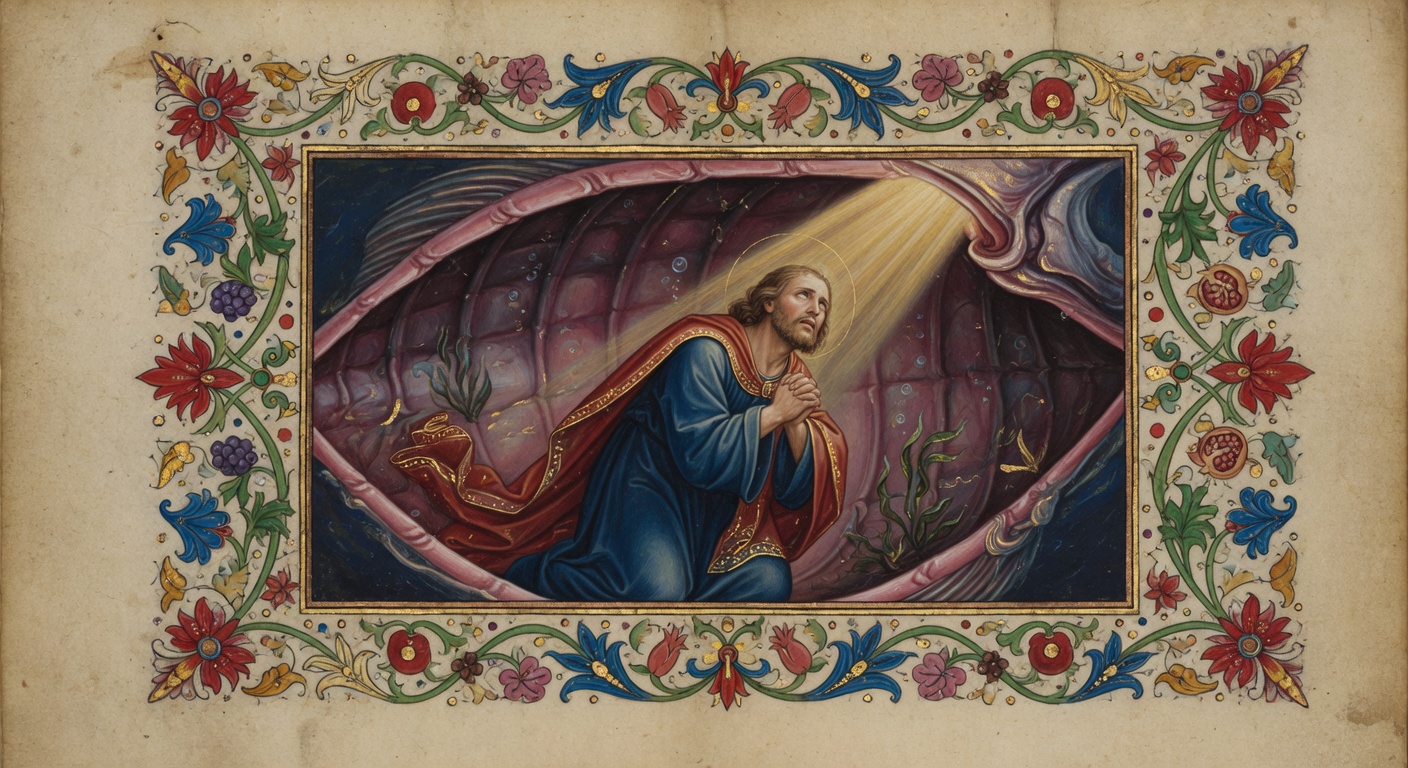
Jonah's Prayer from the Fish
Prayed by: Jonah
Jonah uttered this prayer while trapped in the belly of the great fish after being thrown overboard during a storm that arose when he attempted to flee God's command to preach to Nineveh. In the prayer recorded in Jonah chapter 2, the prophet expresses thanksgiving for divine deliverance from drowning and renews his commitment to obey and proclaim God's word. This episode underscores key biblical themes of repentance, God's sovereignty over creation and human plans, and the possibility of second chances following disobedience. The account also serves as an Old Testament parallel to resurrection motifs referenced later in the New Testament.
-
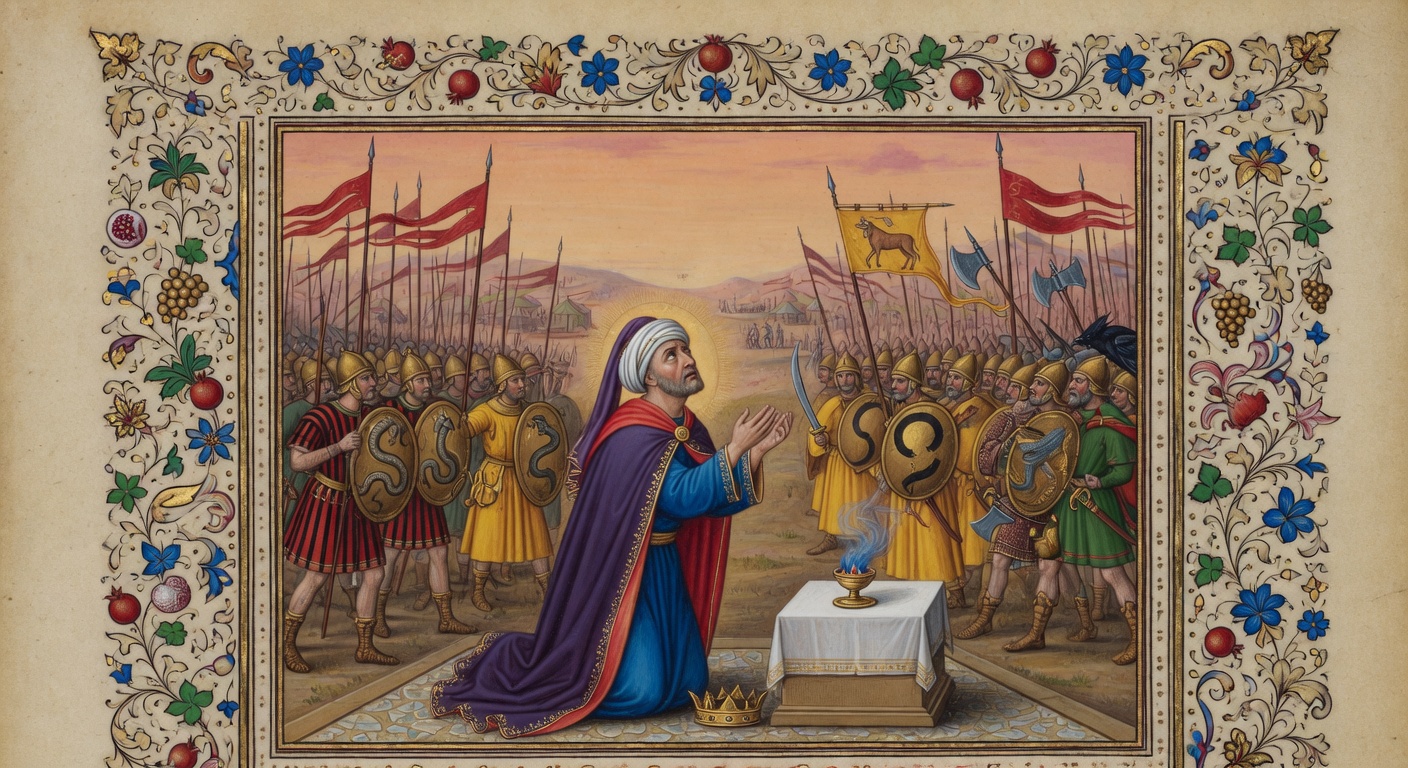
Jehoshaphat's Prayer of Helplessness
Prayed by: Jehoshaphat
In the Old Testament account from 2 Chronicles 20, King Jehoshaphat of Judah faced an overwhelming coalition of invading armies from Moab, Ammon, and Mount Seir that threatened the nation's survival. Rather than relying on military strength, he gathered the people to seek divine help through a public prayer that openly confessed Judah's powerlessness and complete dependence on God for guidance and deliverance. God responded through the prophet Jahaziel, assuring victory without combat, and the enemies ultimately destroyed one another, leaving Judah to collect the spoils. This episode stands as a scriptural model of faith-driven prayer in crisis, illustrating how acknowledgment of human limitation can lead to divine intervention and reinforcing themes of trust that recur throughout the Bible.
Submission
Forgiveness
-
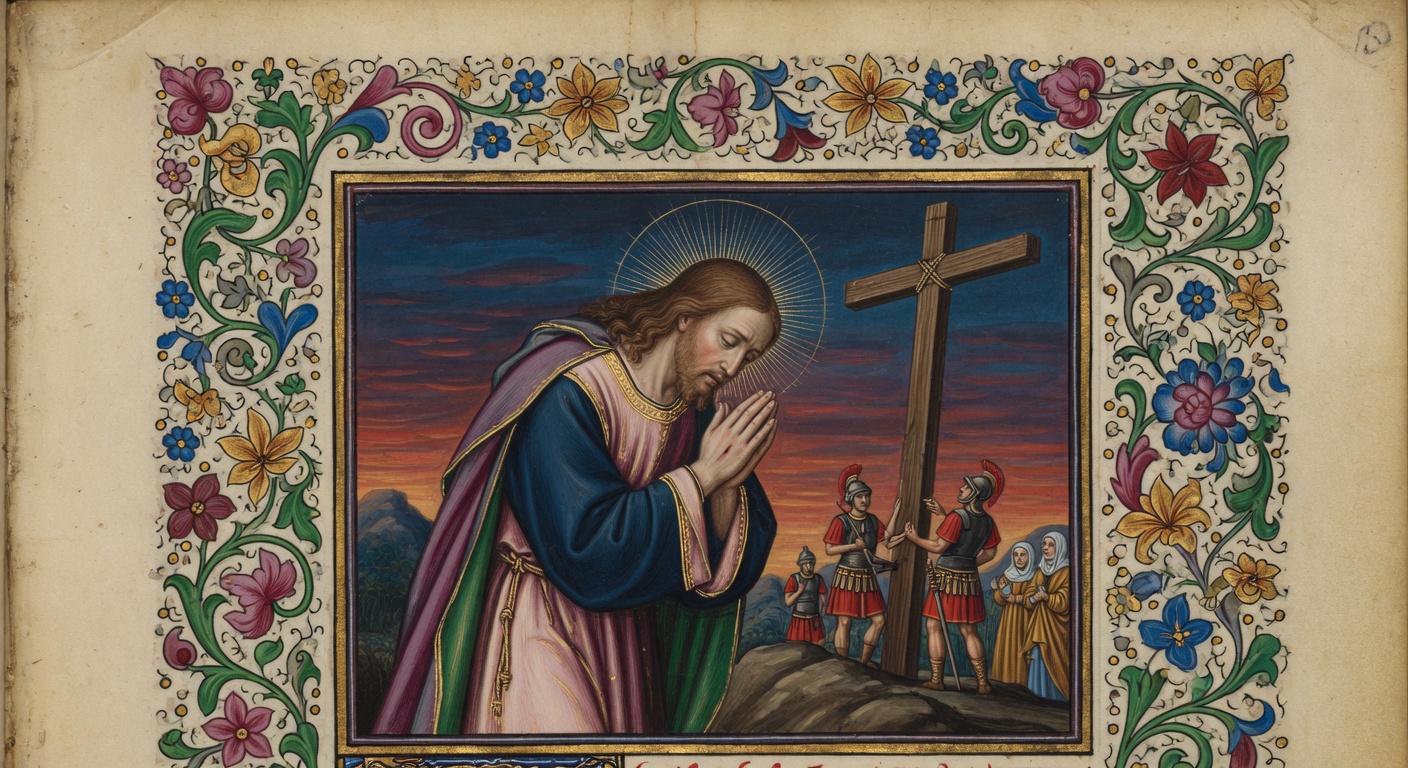
Jesus's Prayers from the Cross
Prayed by: Jesus
During his crucifixion, Jesus spoke several times from the cross, including two notable prayers recorded in the Gospel of Luke. He first asked God to forgive his executioners, stating they did not know what they were doing, and later, as he died, he committed his spirit into the hands of the Father. These prayers highlight Jesus' emphasis on forgiveness even in suffering and his complete trust in God at the moment of death. They hold significance in Scripture as examples of Christ's compassion and obedience, influencing Christian teachings on mercy and surrender to divine will.
-
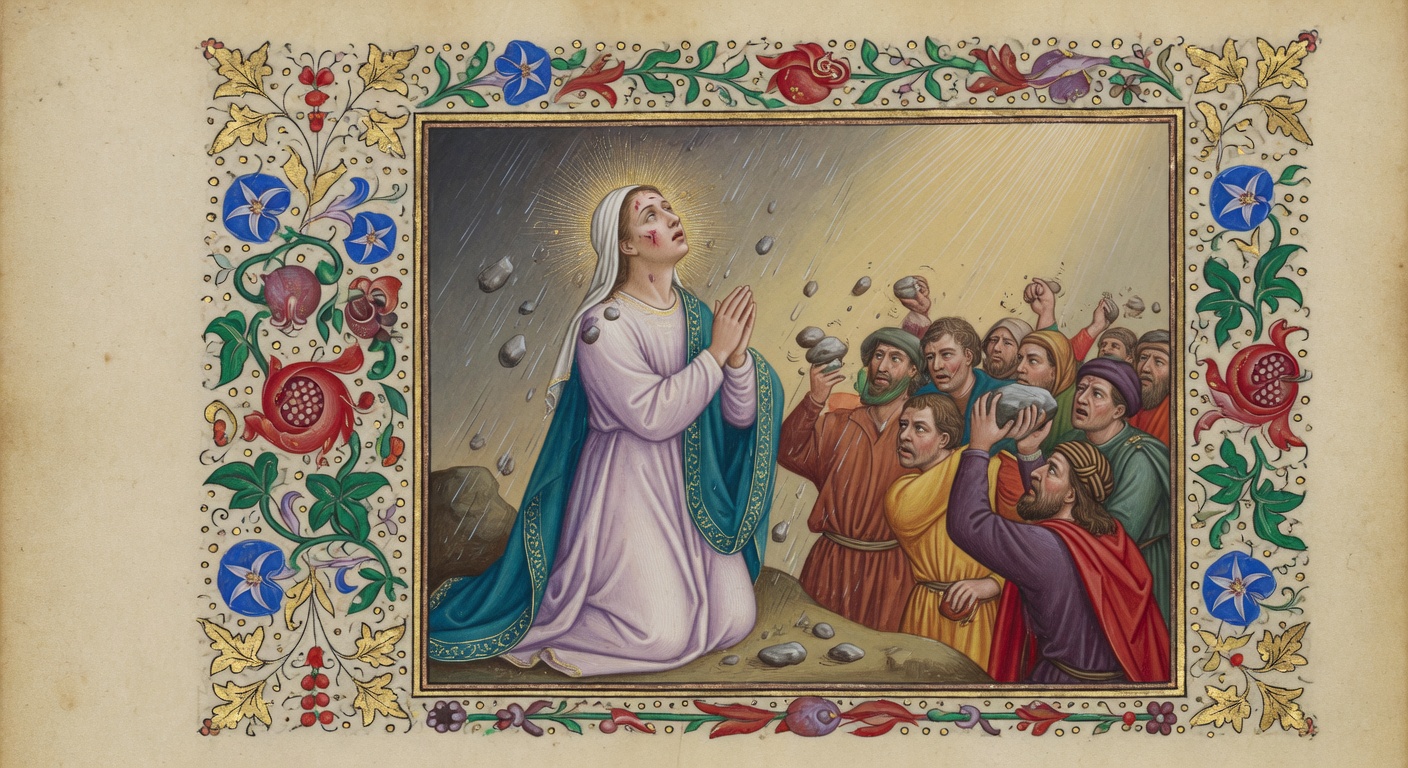
Stephen's Final Prayer
Prayed by: Stephen
Stephen, one of the seven deacons in the early Jerusalem church, was seized and tried before the Sanhedrin for proclaiming Jesus as the Messiah, leading to his condemnation and execution by stoning outside the city. As stones struck him, he prayed for God to forgive his attackers, repeating words nearly identical to Jesus’s plea from the cross. Recorded in Acts 7, the account marks the first martyrdom in Christian history and illustrates the immediate spread of persecution following Jesus’s resurrection. The episode reinforces scriptural themes of forgiveness, the cost of faithful witness, and the parallel between Christ’s death and that of his followers.
Trust
-
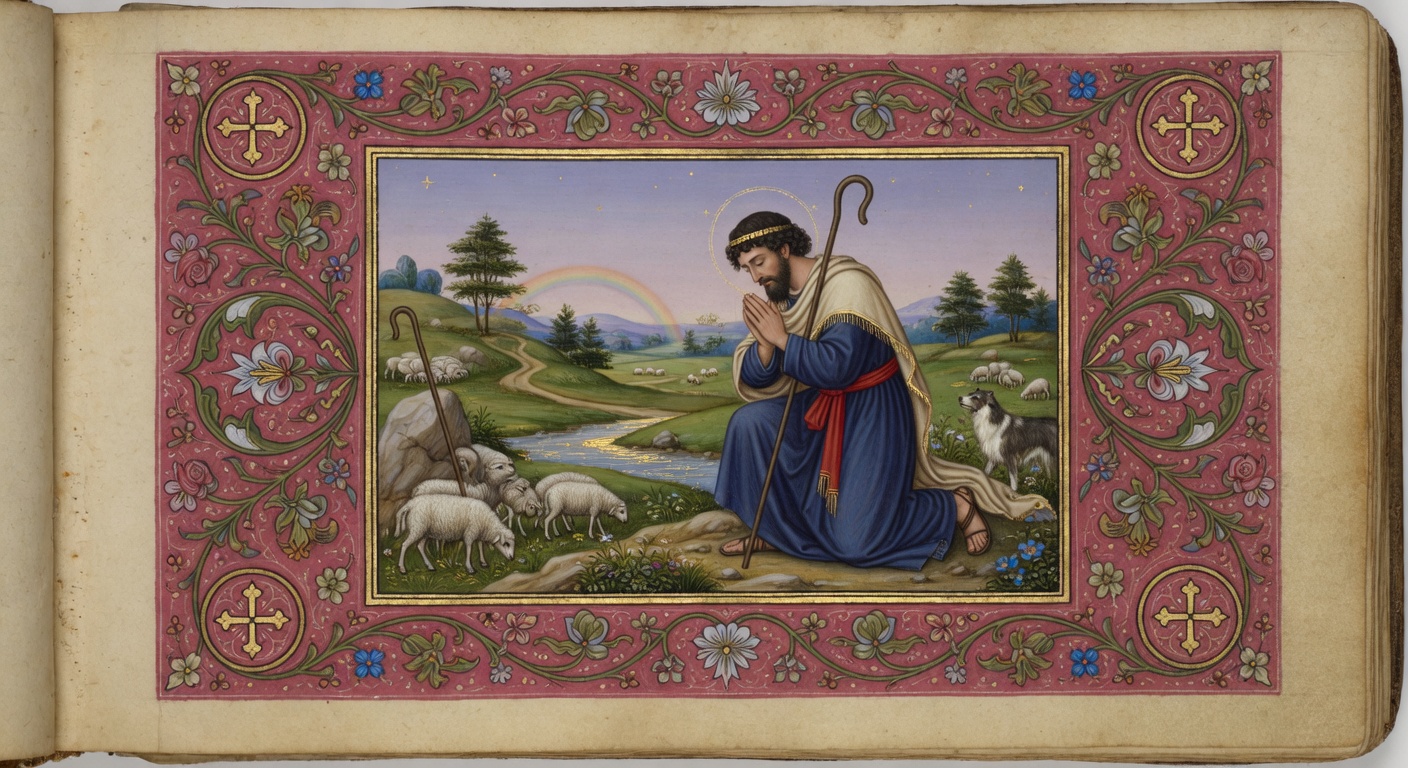
Psalm 23 - The Lord is My Shepherd
Prayed by: David
Psalm 23, traditionally attributed to King David, portrays God as a caring shepherd who provides for and protects His flock. Drawing from David's own experiences as a shepherd, the psalm expresses unwavering trust in divine guidance through life's challenges, including the valley of the shadow of death. Its vivid imagery of green pastures, still waters, and an overflowing cup has made it a cornerstone of biblical literature, offering reassurance of God's presence and goodness. This psalm holds profound significance in Scripture as it encapsulates the intimate relationship between God and believers, influencing countless prayers, hymns, and reflections throughout history.
-
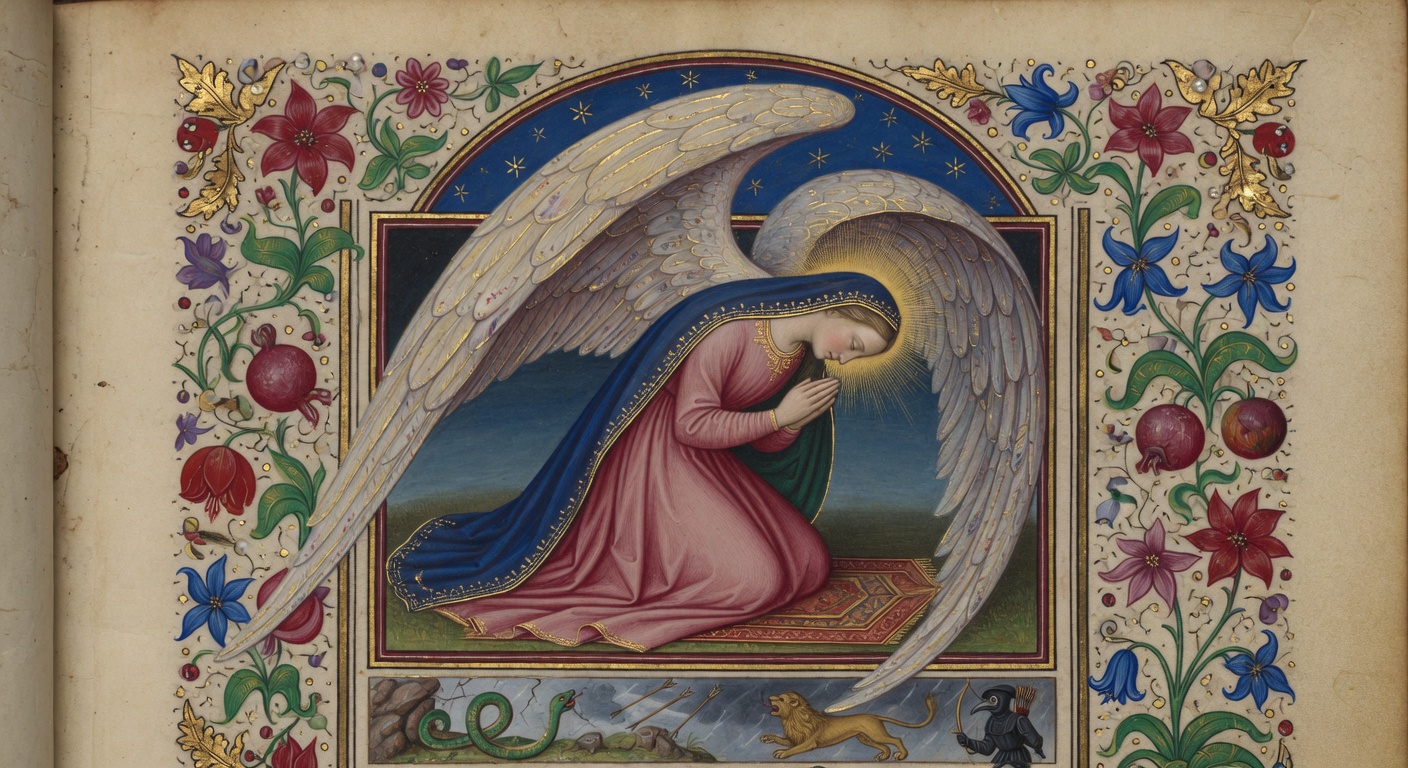
Psalm 91 - Under His Wings
Prayed by: Unknown
Psalm 91, often titled "Under His Wings," is a poetic declaration of trust in God as a refuge and fortress, assuring protection from plagues, arrows, night terrors, and other perils for those who dwell in the Most High. Attributed traditionally to Moses, the psalm outlines specific promises of angelic deliverance and victory over enemies, rooted in wholehearted reliance on divine shelter rather than human strength. Its significance appears in the New Testament when Satan quotes verses 11-12 during Jesus' wilderness temptation, underscoring the psalm's authority in spiritual conflict and testing. This passage has long served as a scriptural foundation for prayers of safety and faith amid danger.
-
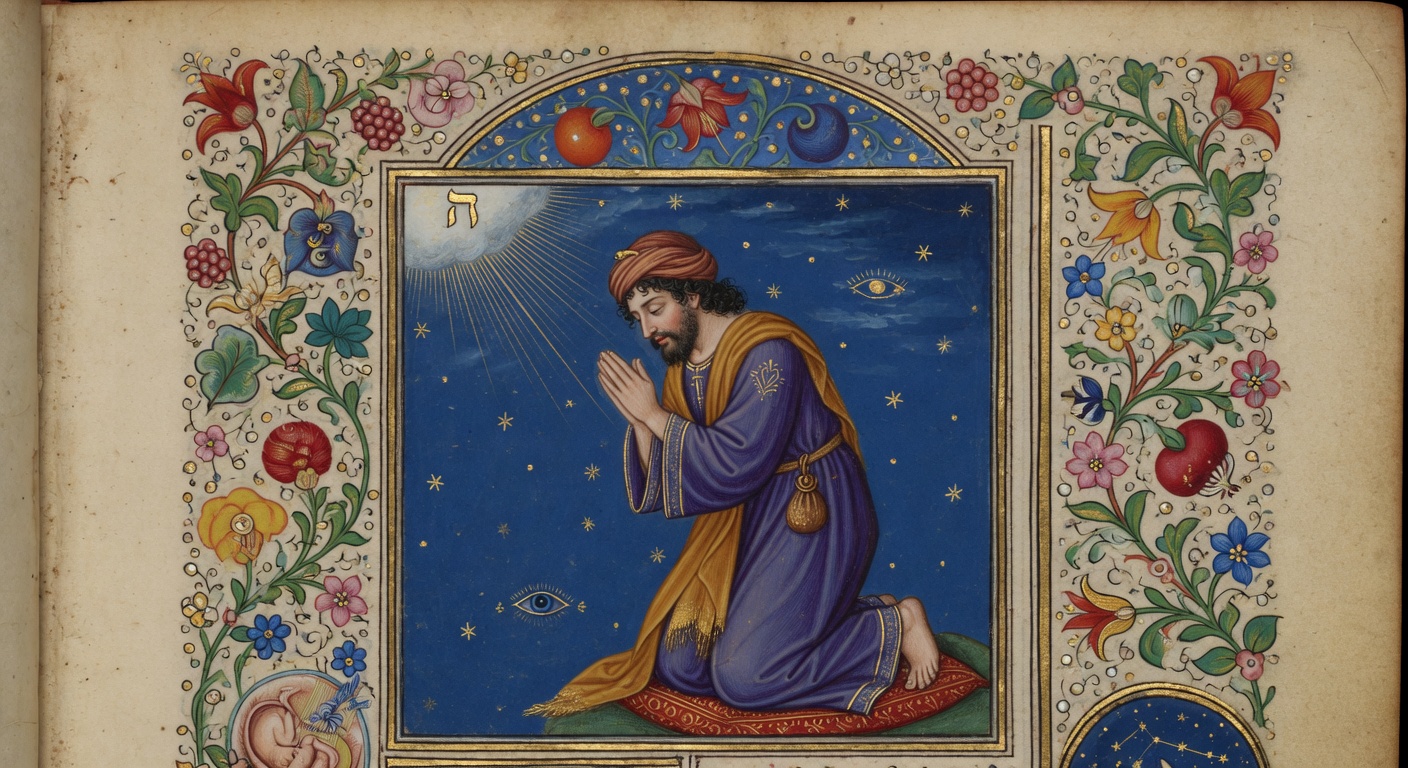
Psalm 139 - You Have Searched Me
Prayed by: David
Psalm 139, traditionally attributed to King David, expresses profound awe at God's intimate and exhaustive knowledge of an individual's life, encompassing every thought, action, and moment from conception onward. In the psalm, David reflects on being fearfully and wonderfully made by God in the womb, underscoring divine craftsmanship amid human vulnerability. This prayer matters because it affirms God's omnipresence and omniscience, providing comfort that no one is hidden from divine care while also prompting self-examination and a desire for God's guidance away from sin. Its significance in Scripture lies in highlighting the personal relationship between Creator and creation, themes echoed throughout the Bible regarding God's sovereignty and human dignity.
Personal
-
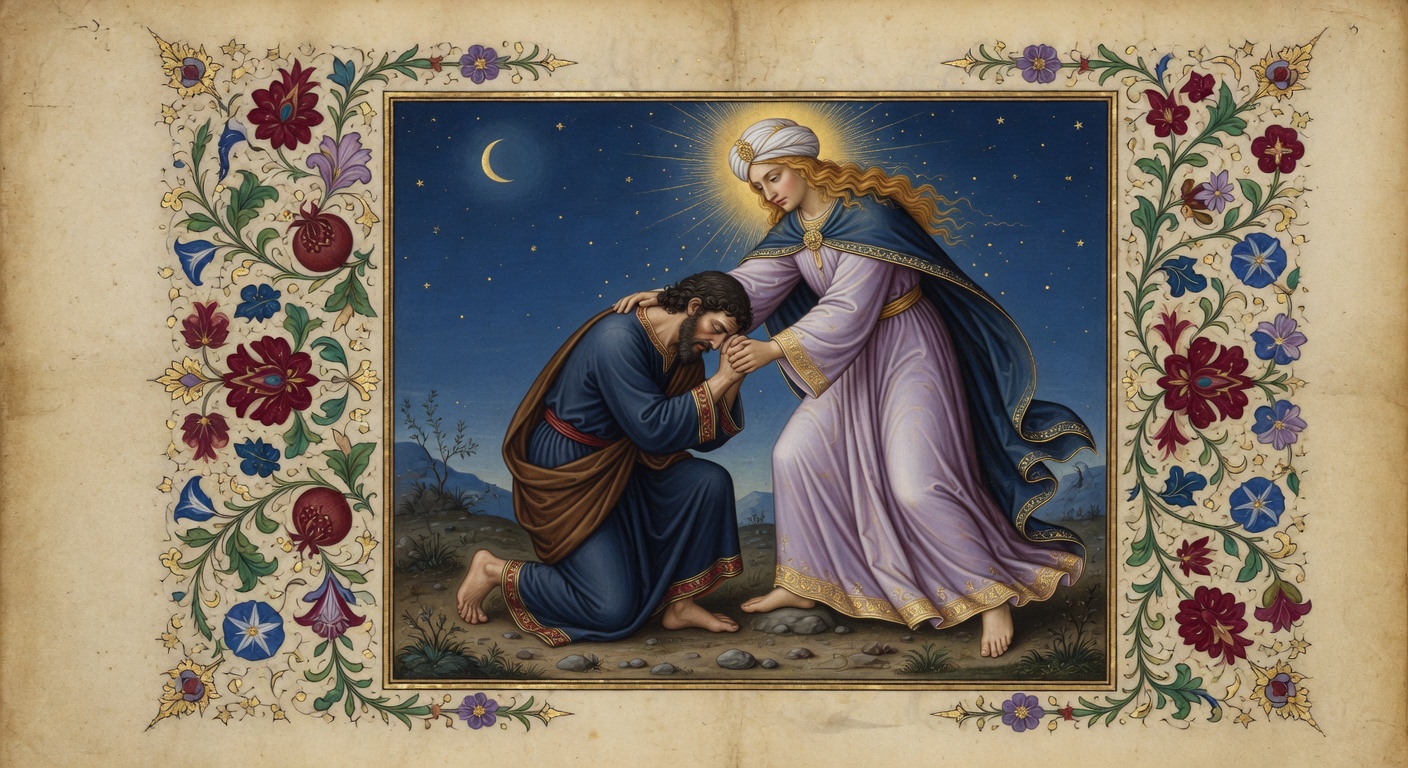
Jacob Wrestling with God
Prayed by: Jacob
In the quiet hours before facing his estranged brother, Jacob finds himself alone and engaged in a mysterious struggle that lasts until dawn. Clinging to his opponent despite injury, he demands a blessing and receives both a new name and a lasting reminder of divine encounter. This pivotal moment transforms the deceiver into Israel, one who prevails with God, marking a turning point in the patriarch's life and the unfolding promise to his descendants.
-
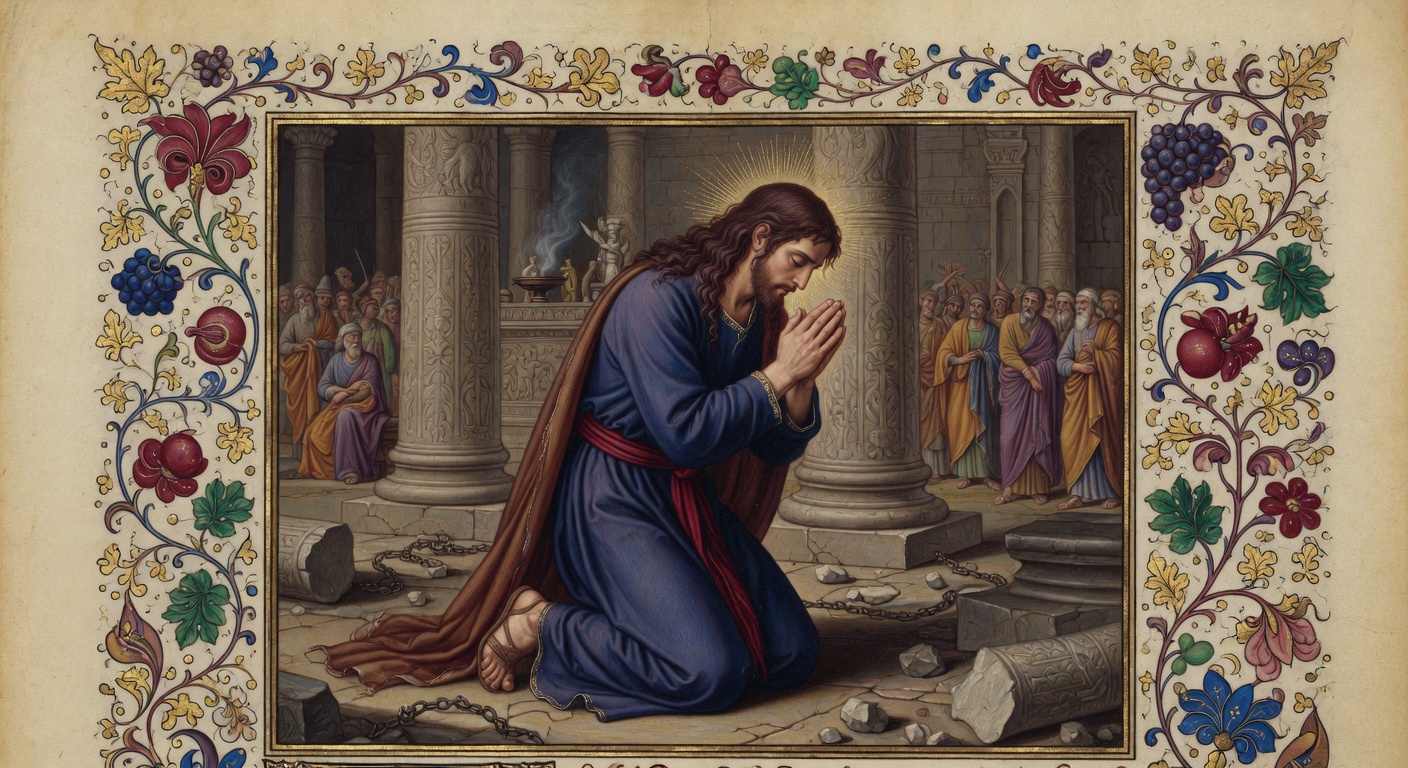
Samson's Final Prayer
Prayed by: Samson
Samson's final prayer arises from the depths of captivity and blindness, as he turns once more to the Lord who had set him apart from birth. Beseeching God for strength to strike a decisive blow against the Philistines, he grasps the central pillars of their temple and brings the structure crashing down upon the idolatrous crowd and himself. This climactic moment underscores God's willingness to hear the cry of a repentant heart and to fulfill His redemptive purposes through even the most flawed instruments, securing a measure of deliverance for Israel.