✨ Miracles
Nature
-
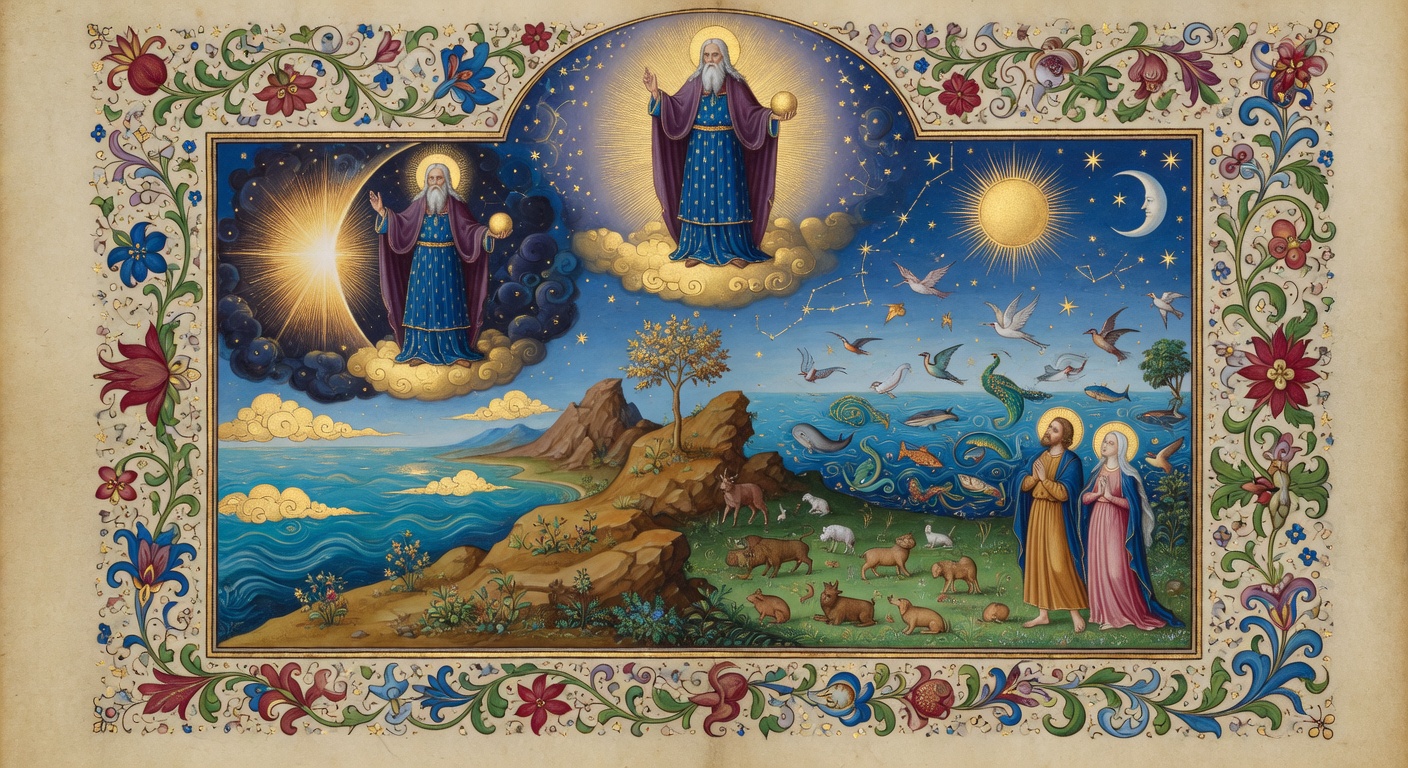
Creation
God
In the book of Genesis, God creates the heavens and the earth along with all living creatures over the course of six days, culminating in the formation of humanity in his image on the sixth day. This account establishes the foundation for understanding the universe as intentionally designed by a sovereign Creator rather than arising by chance. The narrative underscores the inherent goodness of creation, as God repeatedly declares his work to be good, and it introduces the concept of the Sabbath rest on the seventh day. Its significance in Scripture lies in affirming God's authority over all things and providing the theological basis for human stewardship and worship.
-
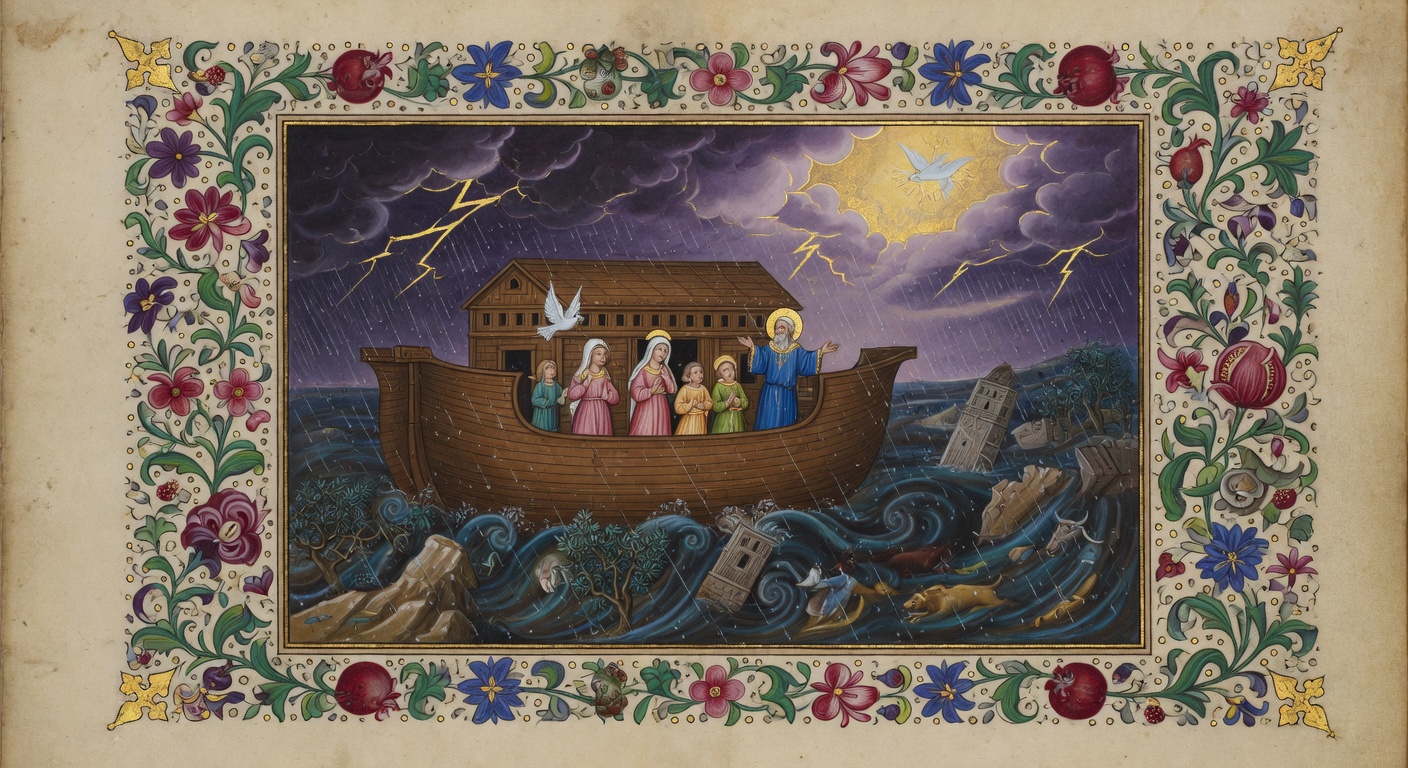
The Great Flood
God
In the biblical narrative found in Genesis, God observes the pervasive wickedness and corruption among humanity and resolves to judge the earth with a catastrophic flood while extending mercy to the one righteous man, Noah. Following divine instructions, Noah constructs a large ark and enters it with his family and representatives of all animal species, allowing them to survive as waters cover the mountains and eradicate all other life. This event highlights Scripture's themes of divine justice against sin and salvation through faithful obedience, ultimately leading to God's covenant with Noah, sealed by the rainbow, which promises never again to destroy the world by flood.
-
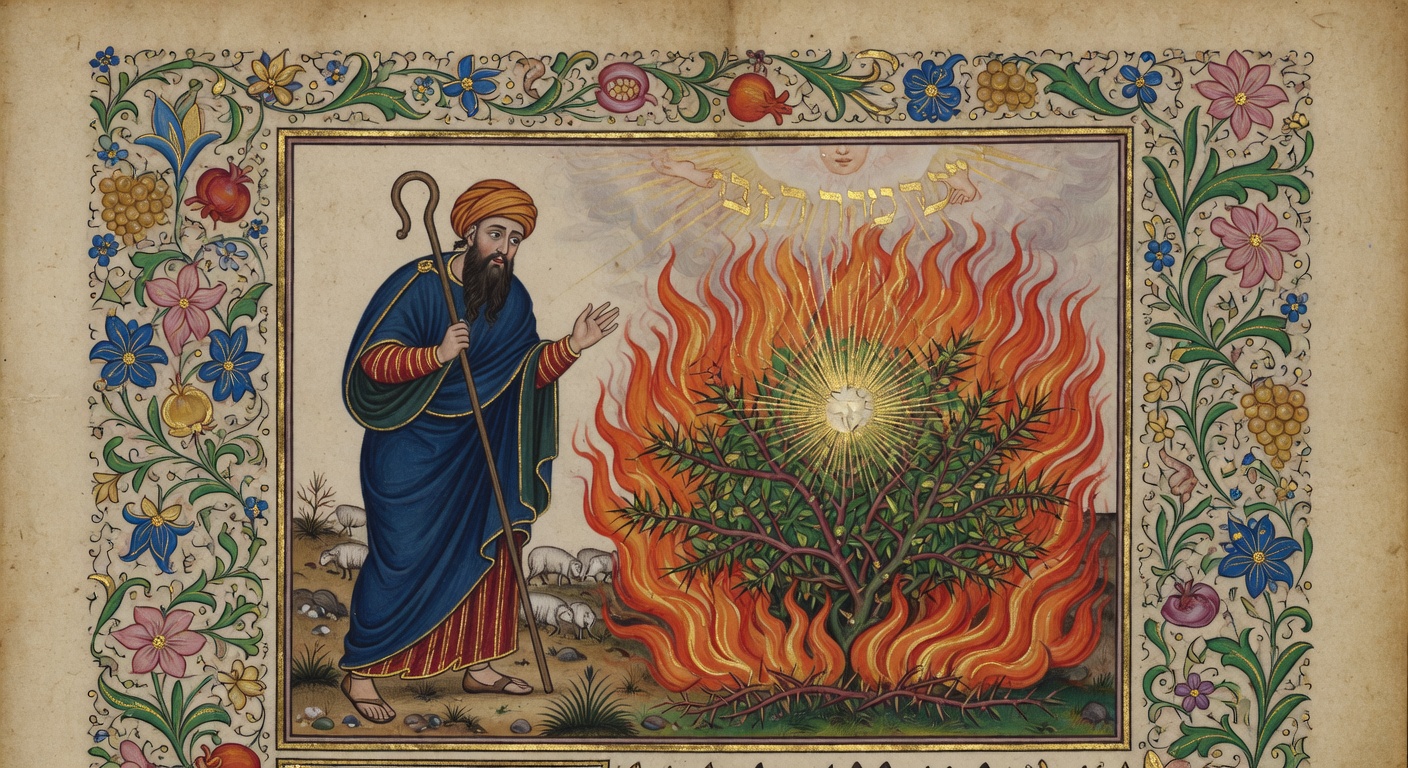
The Burning Bush
God
In the Book of Exodus, while tending his father-in-law's flock near Mount Horeb, Moses encountered a bush that burned with fire yet remained unconsumed. From within the bush God addressed Moses directly, identifying Himself as the God of Abraham, Isaac, and Jacob, disclosing the divine name "I Am" or Yahweh, and commissioning Moses to return to Egypt and lead the Israelites out of bondage. This theophany marks a pivotal moment in Scripture by initiating the Exodus narrative and establishing God's covenant faithfulness through miraculous intervention. The event highlights themes of divine holiness, revelation, and the call of a reluctant leader to fulfill promises made to the patriarchs.
-
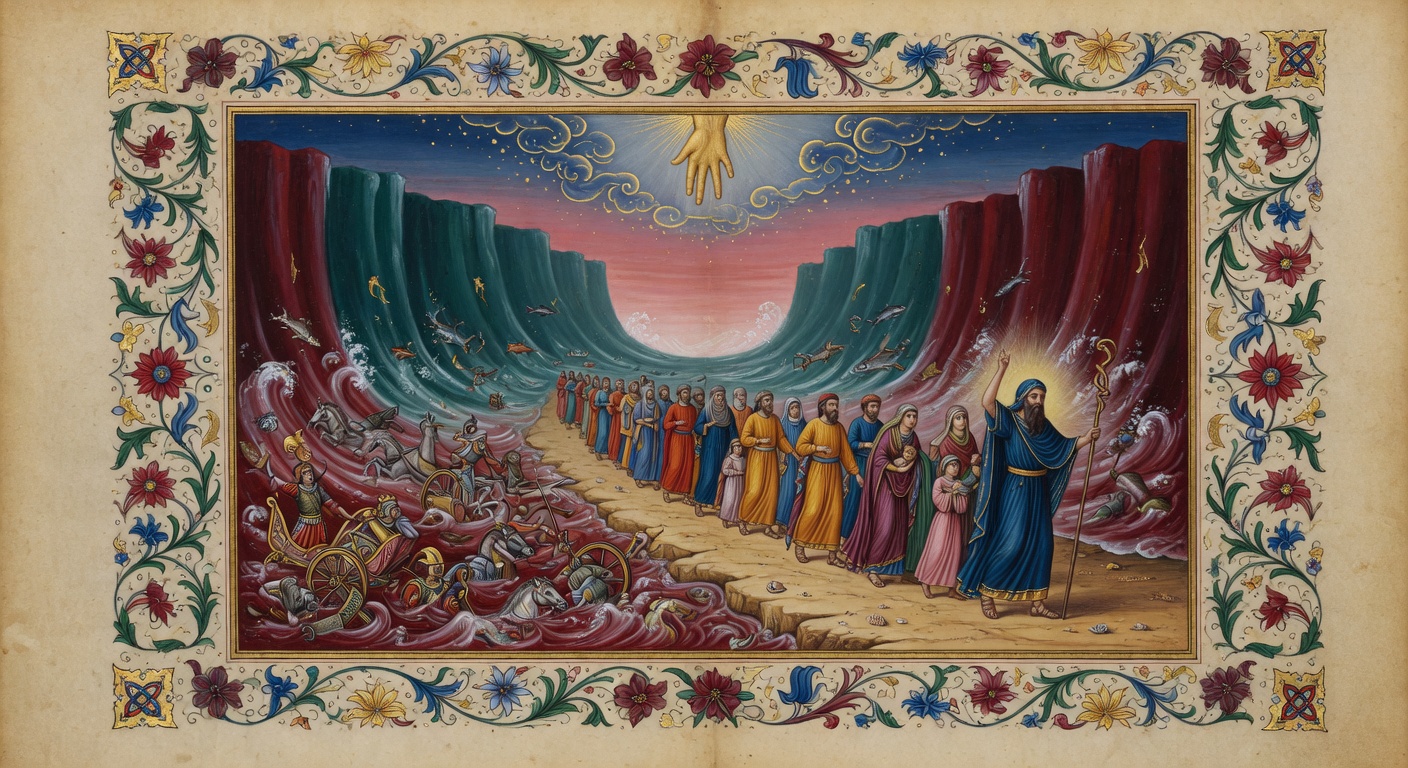
Parting of the Red Sea
God through Moses
In the book of Exodus, as the Israelites fled slavery in Egypt under Moses' leadership, they became trapped between the pursuing Egyptian army and the Red Sea. God commanded Moses to stretch out his staff, parting the waters to create a dry path flanked by walls of water, enabling the people to cross safely. Once the Israelites reached the far shore, the waters returned and drowned Pharaoh's forces, eliminating the immediate threat of recapture. This miracle holds central significance in Scripture as a demonstration of God's sovereign power and covenant faithfulness, frequently referenced as a paradigm of divine deliverance and salvation.
-
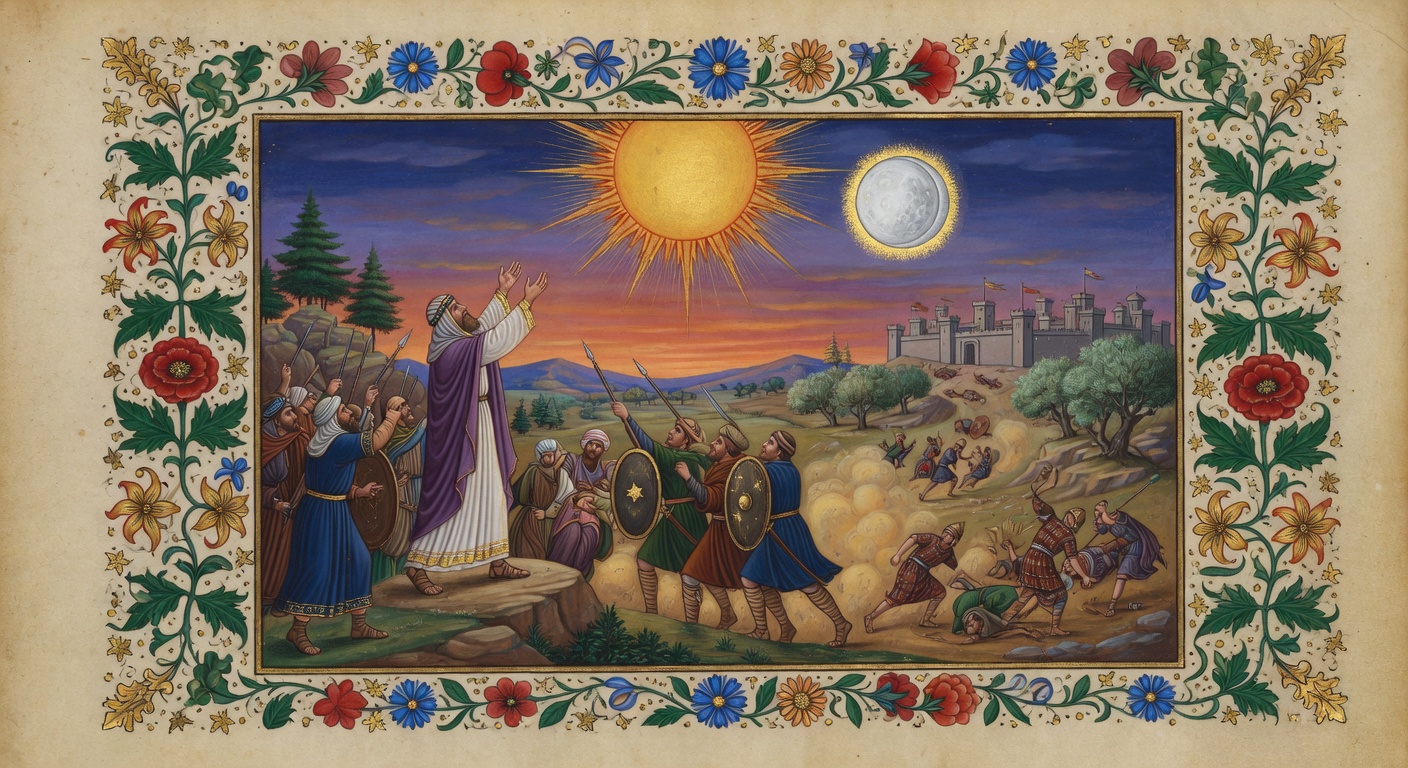
Sun Stands Still
God through Joshua
In the Book of Joshua, during Israel's conquest of Canaan, Joshua prayed for the sun to stand still over Gibeon and the moon over Aijalon while battling a coalition of five Amorite kings who had attacked the Gibeonites. According to the biblical account, these celestial bodies halted their movement for approximately a full day, providing extended daylight that allowed the Israelites to secure a complete victory and pursue their enemies. This event is presented as a direct response to Joshua's prayer, illustrating God's willingness to intervene supernaturally in support of His covenant people. Its significance in Scripture lies in affirming divine sovereignty over creation and underscoring the faithfulness of God's promises during the establishment of Israel in the Promised Land.
-
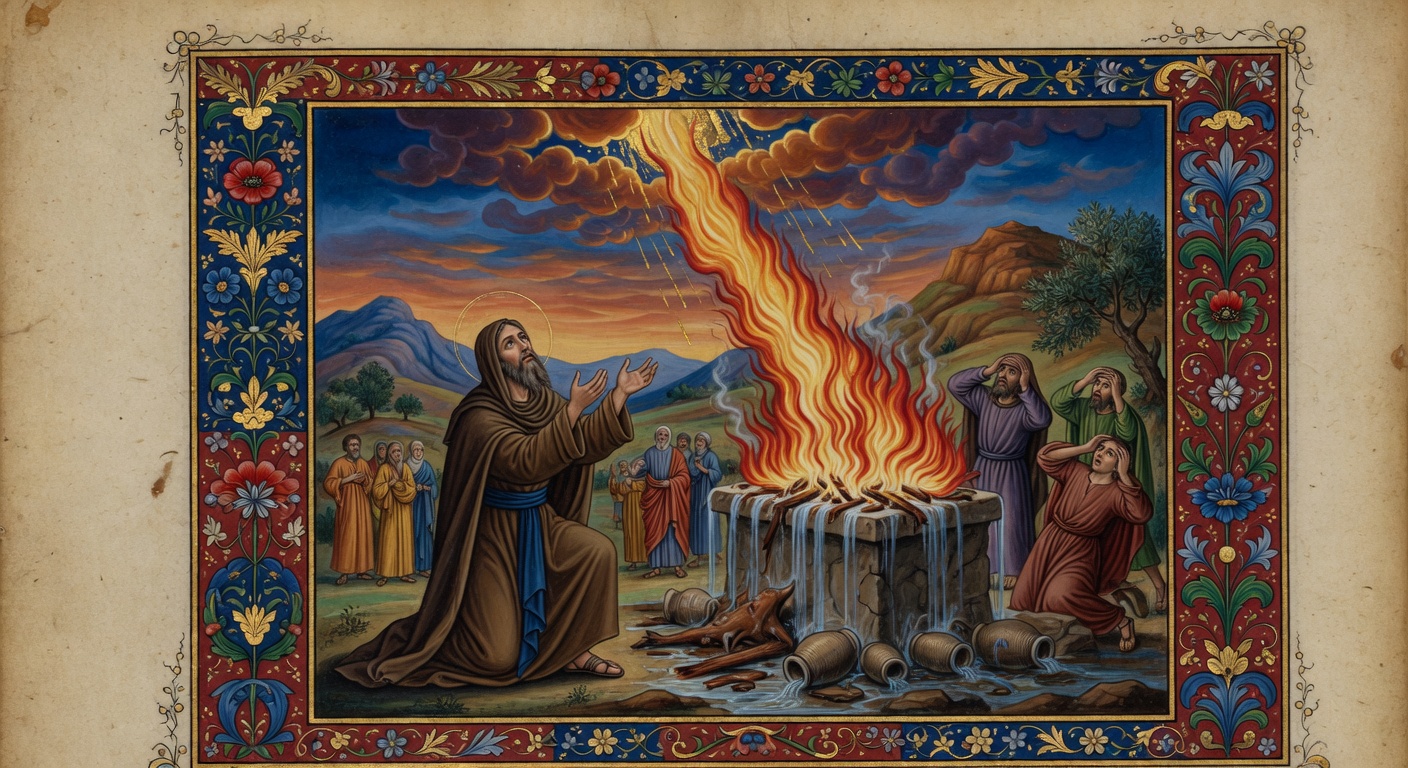
Fire from Heaven on Mount Carmel
God through Elijah
In the midst of a severe drought and widespread idolatry under King Ahab, the prophet Elijah confronted 450 prophets of Baal on Mount Carmel to determine the true God of Israel. The prophets of Baal failed to summon fire for their sacrifice despite frantic appeals, after which Elijah drenched his altar with water three times before praying to the Lord. Fire then descended from heaven, consuming the sacrifice, wood, stones, and water in an instant, prompting the people to acknowledge the Lord as God and leading to the execution of the false prophets. This event, recorded in 1 Kings 18, underscores God's supremacy over pagan idols and serves as a pivotal demonstration of divine power that restored Israel's covenant faithfulness.
-
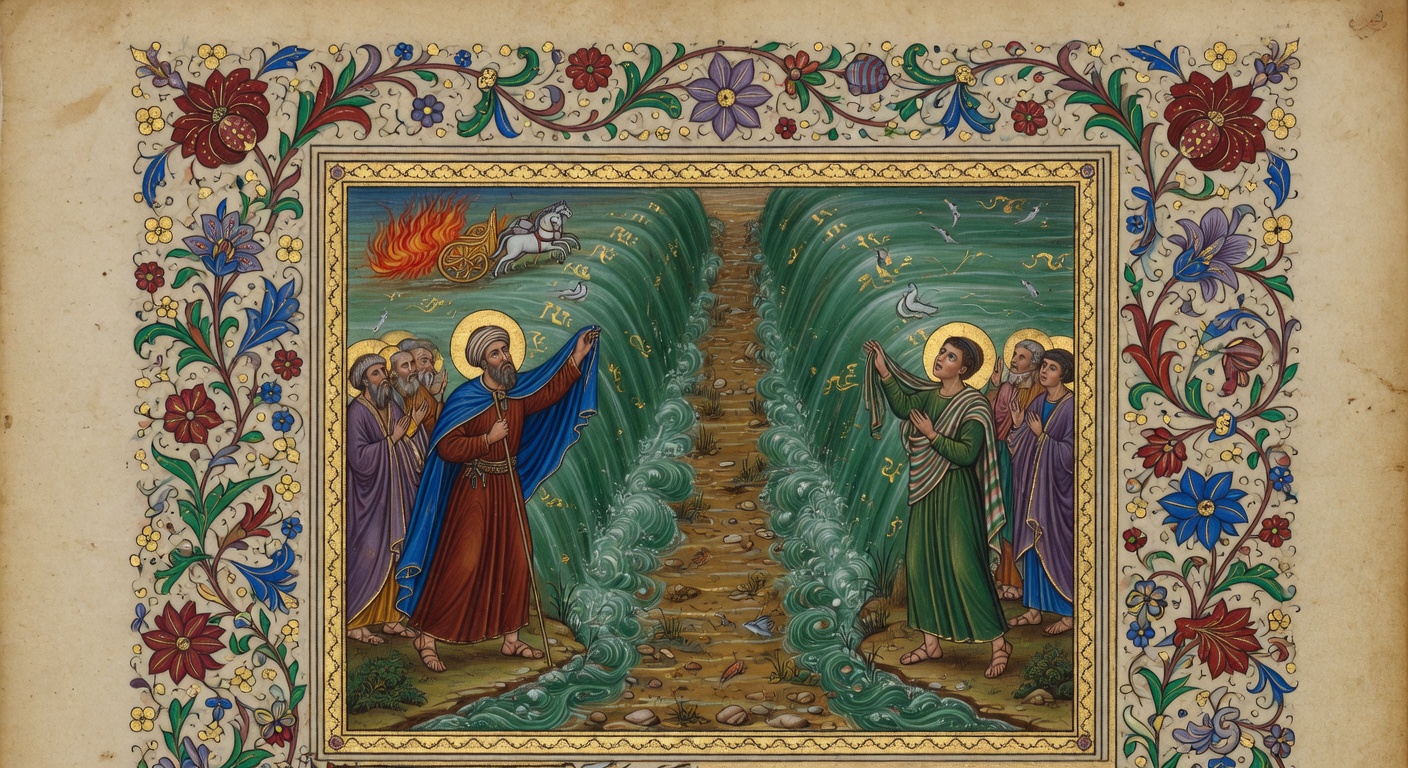
Parting of the Jordan River
God through Elijah/Elisha
The miracle of the parting of the Jordan River occurs in 2 Kings 2, where the prophet Elijah strikes the water with his mantle, causing the river to divide so that he and his successor Elisha can cross on dry ground. Shortly after Elijah's ascension to heaven, Elisha repeats the action with the same mantle, again parting the waters as confirmation that a double portion of Elijah's prophetic spirit has passed to him. This event matters because it directly parallels Moses' parting of the Red Sea, affirming God's continued power to deliver His people and validating the transfer of prophetic authority. In Scripture it underscores themes of faith, divine empowerment, and the unbroken line of God's messengers from Moses through Elijah to Elisha.
-
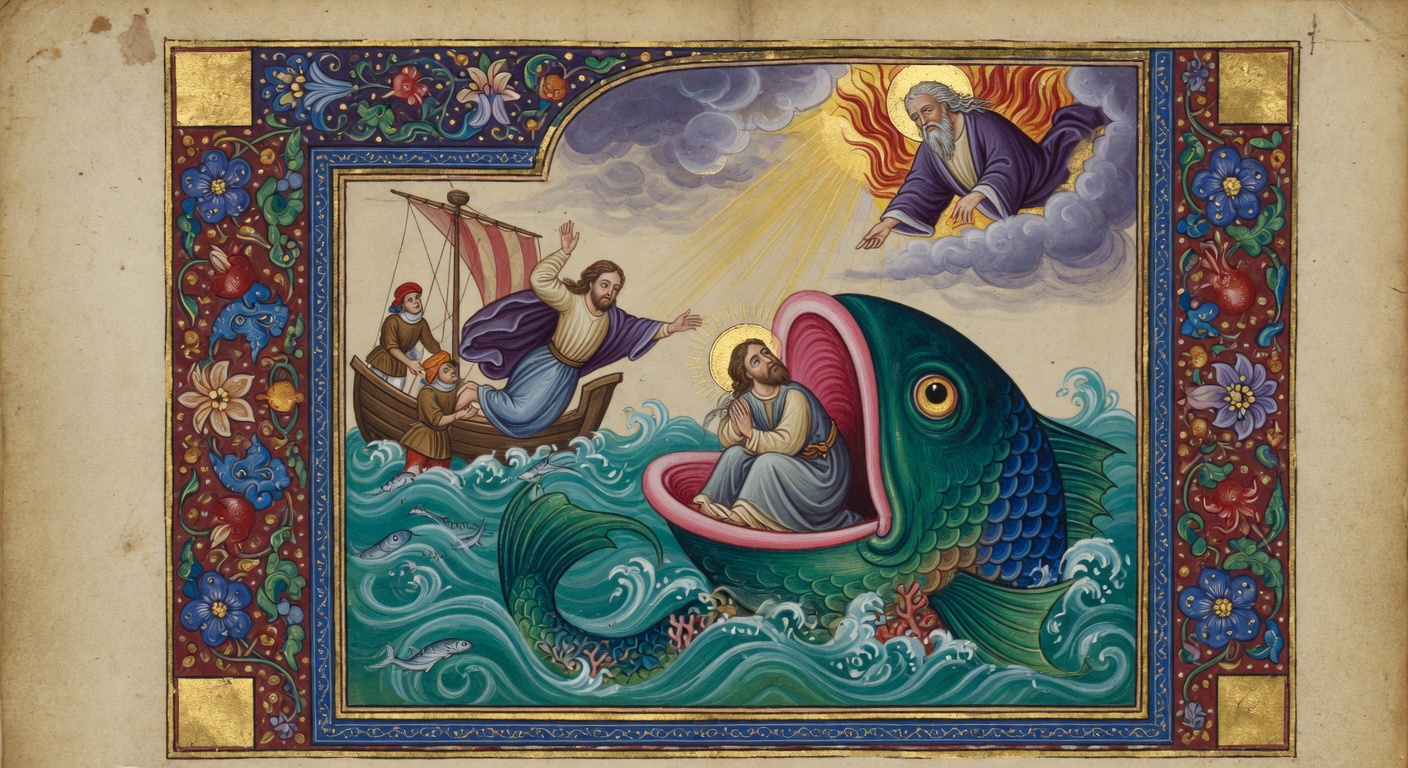
Jonah and the Great Fish
God
In the biblical account, the prophet Jonah attempted to flee God's command to preach repentance to the people of Nineveh by boarding a ship, prompting a divine storm that led the crew to cast him into the sea. God then appointed a great fish to swallow Jonah, where he remained for three days and nights in a state of preservation while praying in repentance, after which the fish delivered him safely onto dry land. This miracle underscores God's sovereignty over creation and His mercy toward both the reluctant prophet and the pagan city of Nineveh. In Scripture, it serves as a pivotal demonstration of divine intervention and is later cited by Jesus as a sign foreshadowing His own death and resurrection.
-
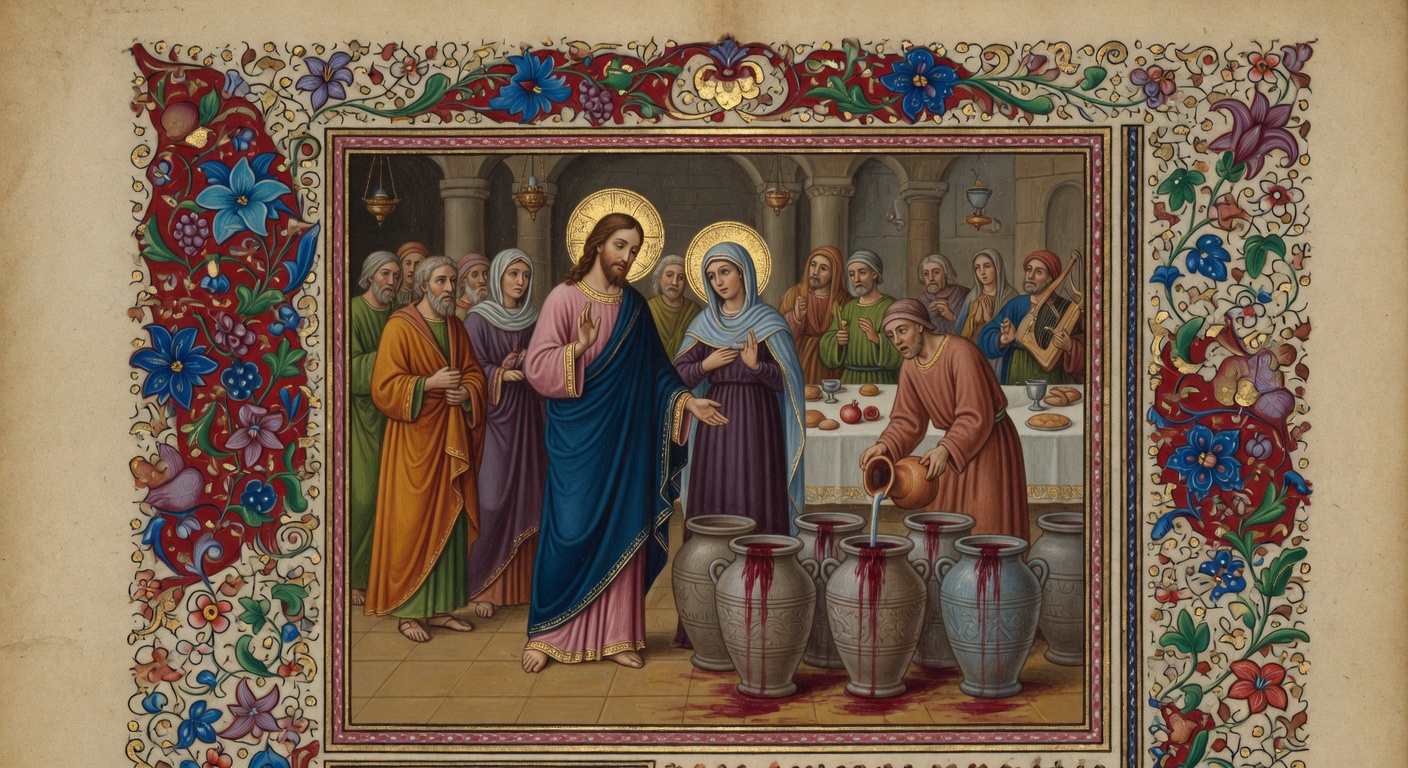
Water Turned to Wine
Jesus
At the wedding feast in Cana, when the supply of wine unexpectedly ran out, Jesus directed the servants to fill six large stone jars with water and then draw some out for the master of the banquet, who found it transformed into superior wine. This act, prompted by his mother Mary, marked the first recorded sign of Jesus' public ministry in the Gospel of John and displayed his compassion for ordinary human needs. The miracle revealed his divine glory and authority over creation, leading his disciples to place their faith in him as the Messiah. In Scripture it also symbolizes the abundance and transformation brought by the new covenant, contrasting ritual purification water with the joy of messianic celebration.
-
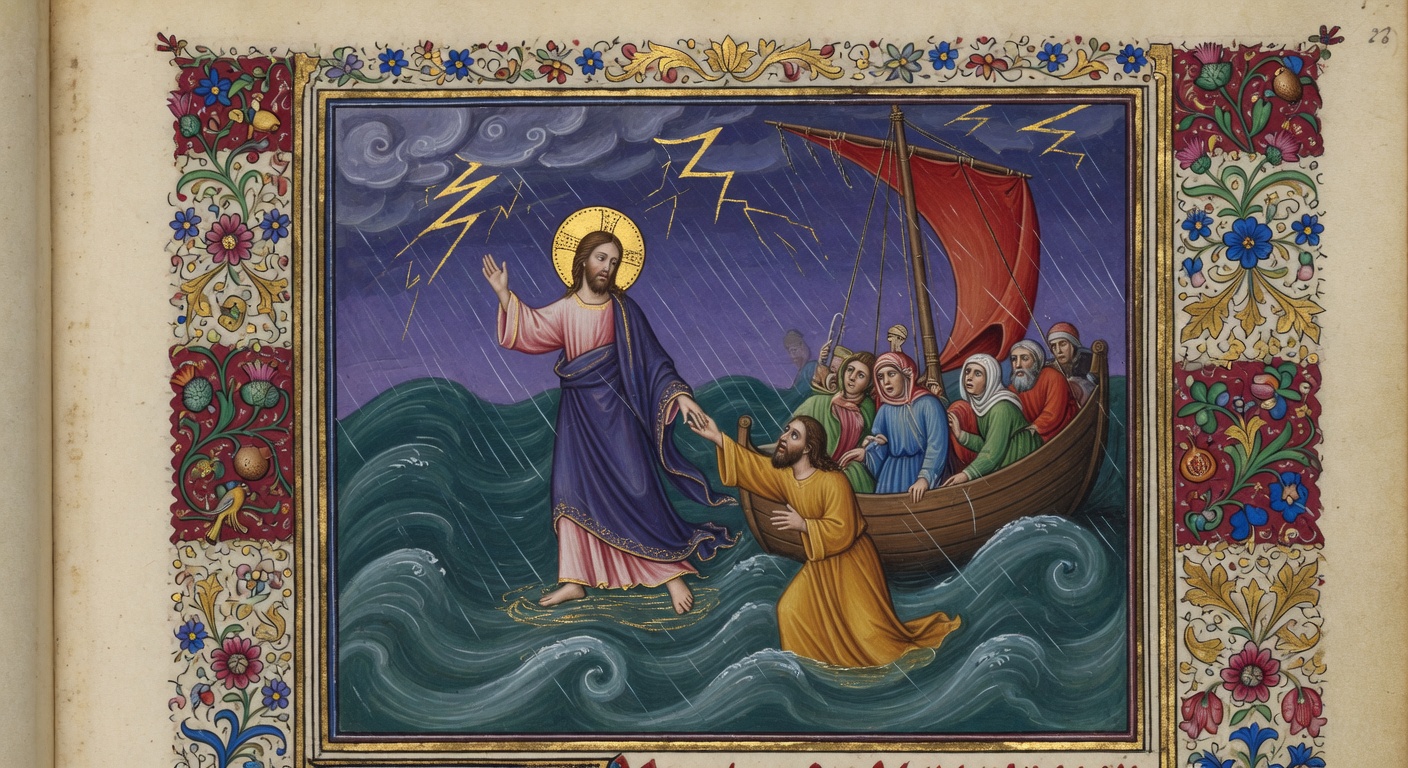
Walking on Water
Jesus
In the Gospel accounts, following the feeding of the five thousand, Jesus sent his disciples ahead by boat across the Sea of Galilee while he prayed alone on the mountain. A violent storm arose during the night, and Jesus approached them walking on the water, revealing his identity with the words "It is I" before inviting Peter to step out of the boat. Peter walked briefly toward Jesus but began to sink when fear and doubt overcame his faith, leading Jesus to rescue him and question the weakness of his trust. This event highlights Jesus' divine sovereignty over nature, reinforces the call to steadfast faith amid trials, and strengthens the disciples' understanding of his messianic identity in Scripture.
-
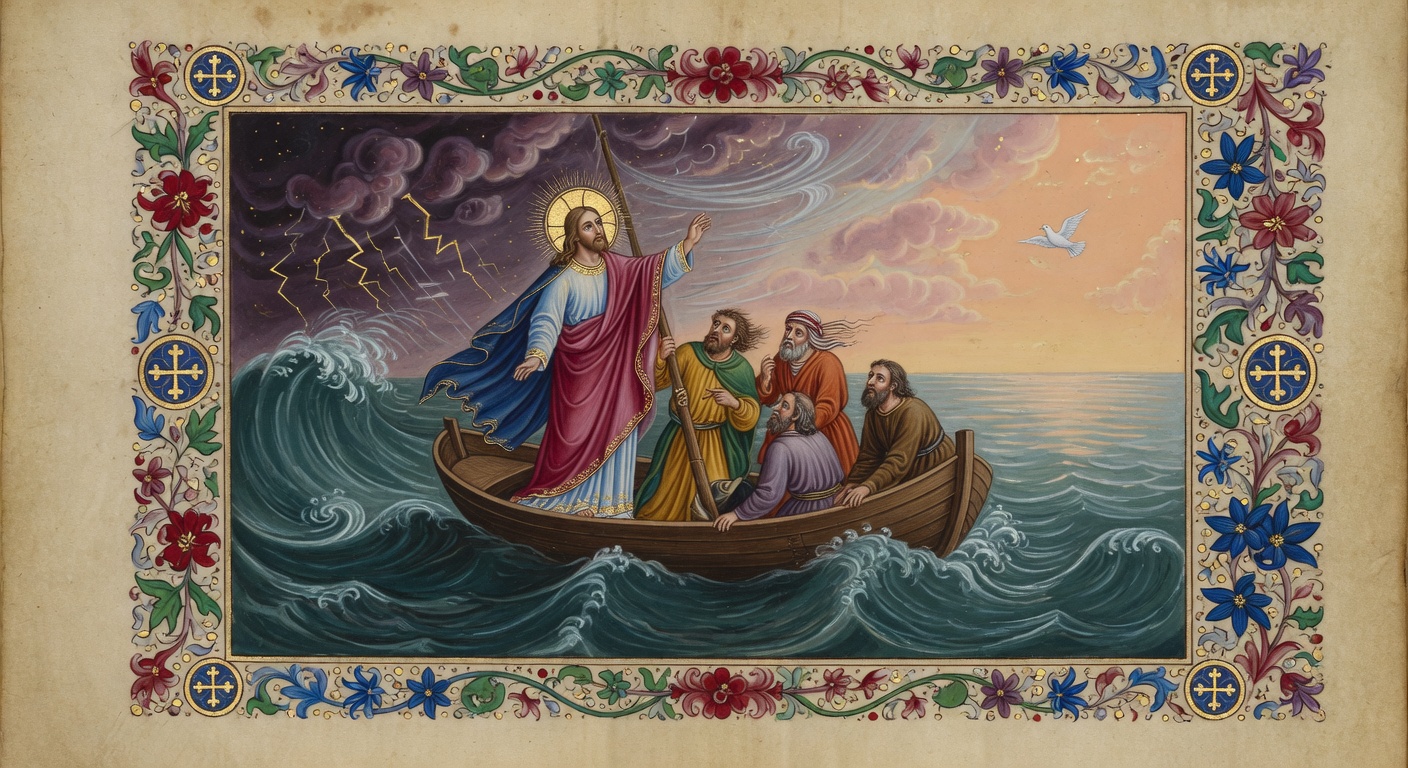
Calming the Storm
Jesus
In the Gospels, Jesus and his disciples encounter a fierce storm while crossing the Sea of Galilee, causing the disciples to fear for their lives. Jesus, who had been sleeping, awakens and rebukes the wind and waves, resulting in an immediate great calm that demonstrates his divine authority over creation. This miracle underscores Jesus' identity as the Son of God and serves to strengthen the faith of his followers by revealing his power to bring peace amid chaos. In Scripture, the event highlights themes of trust in God's sovereignty and is recorded in multiple accounts to affirm Christ's lordship over nature.
-
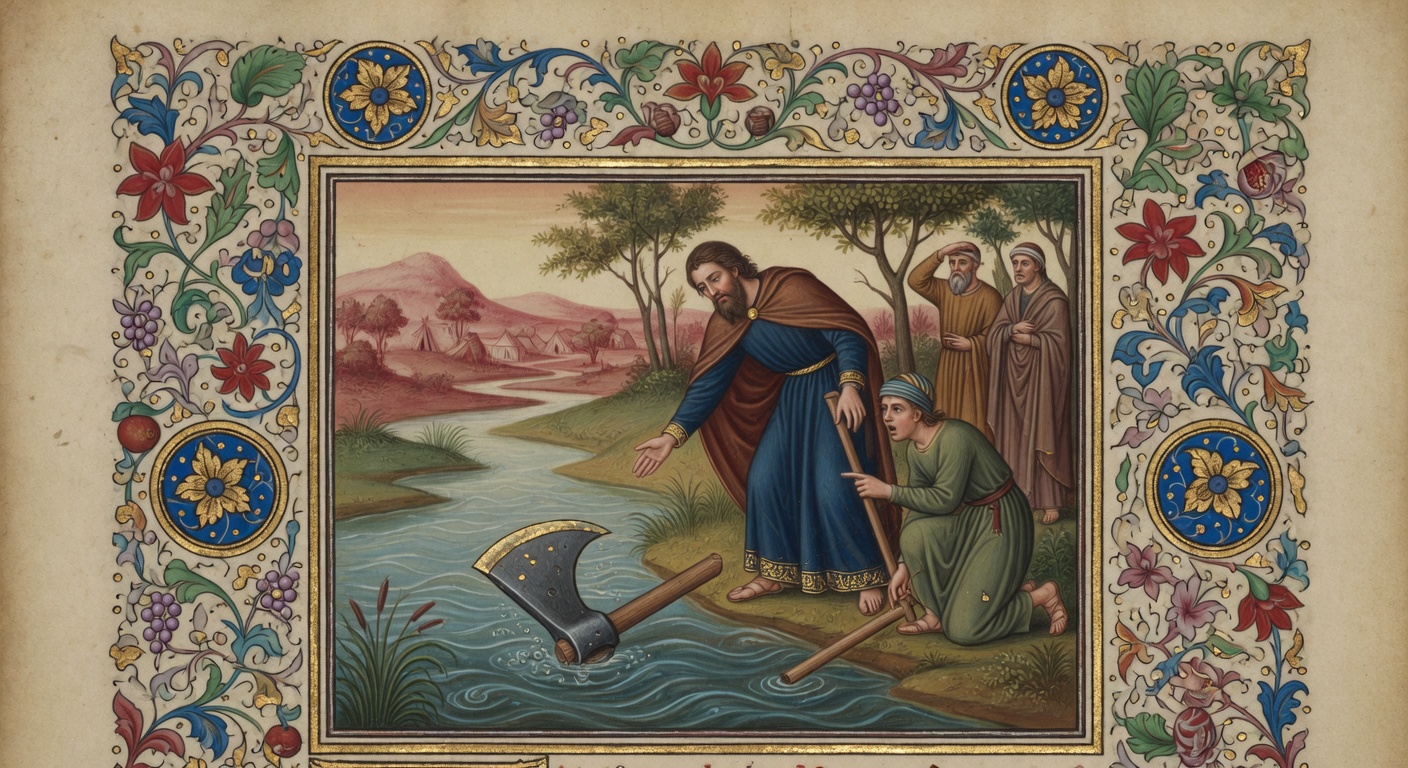
Axe Head Floats
God through Elisha
In the biblical account from 2 Kings 6, a group of prophets cutting wood near the Jordan River to expand their dwelling lost a borrowed iron axe head that sank into the water, creating an urgent problem since the tool had to be returned. The distressed borrower appealed to Elisha, who cut a stick, threw it into the river, and caused the heavy iron to float to the surface so it could be recovered. This event matters because it reveals God's attentive care for ordinary human needs and obligations, even in seemingly minor matters. In Scripture, the miracle affirms Elisha's prophetic authority as a successor to Elijah and illustrates divine power over nature to provide for faithful servants.
-
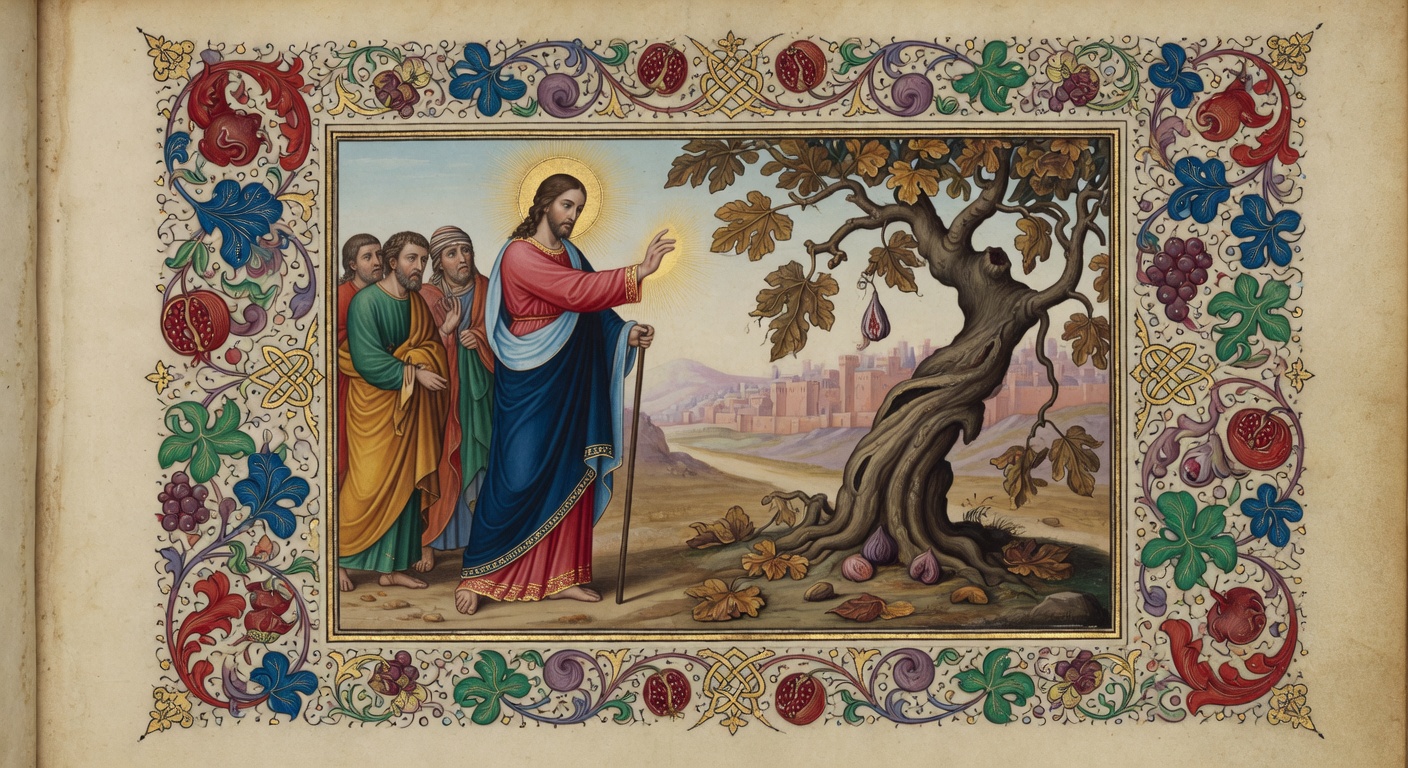
Fig Tree Withered
Jesus
In the Gospel accounts, Jesus approaches a fig tree full of leaves but bearing no fruit and curses it for its barrenness, causing it to wither immediately from the roots as his disciples watch. This event occurs during the final week of Jesus' ministry in Jerusalem, shortly after his triumphal entry, and serves as an enacted parable of divine judgment on outward religiosity without genuine spiritual fruit. The miracle highlights the principle that God expects productive faith from his people, echoing Old Testament imagery of Israel as a fig tree or vineyard subject to judgment for unfaithfulness. It also reinforces Jesus' subsequent teaching on the power of believing prayer and forgiveness as essential to effective faith.
-
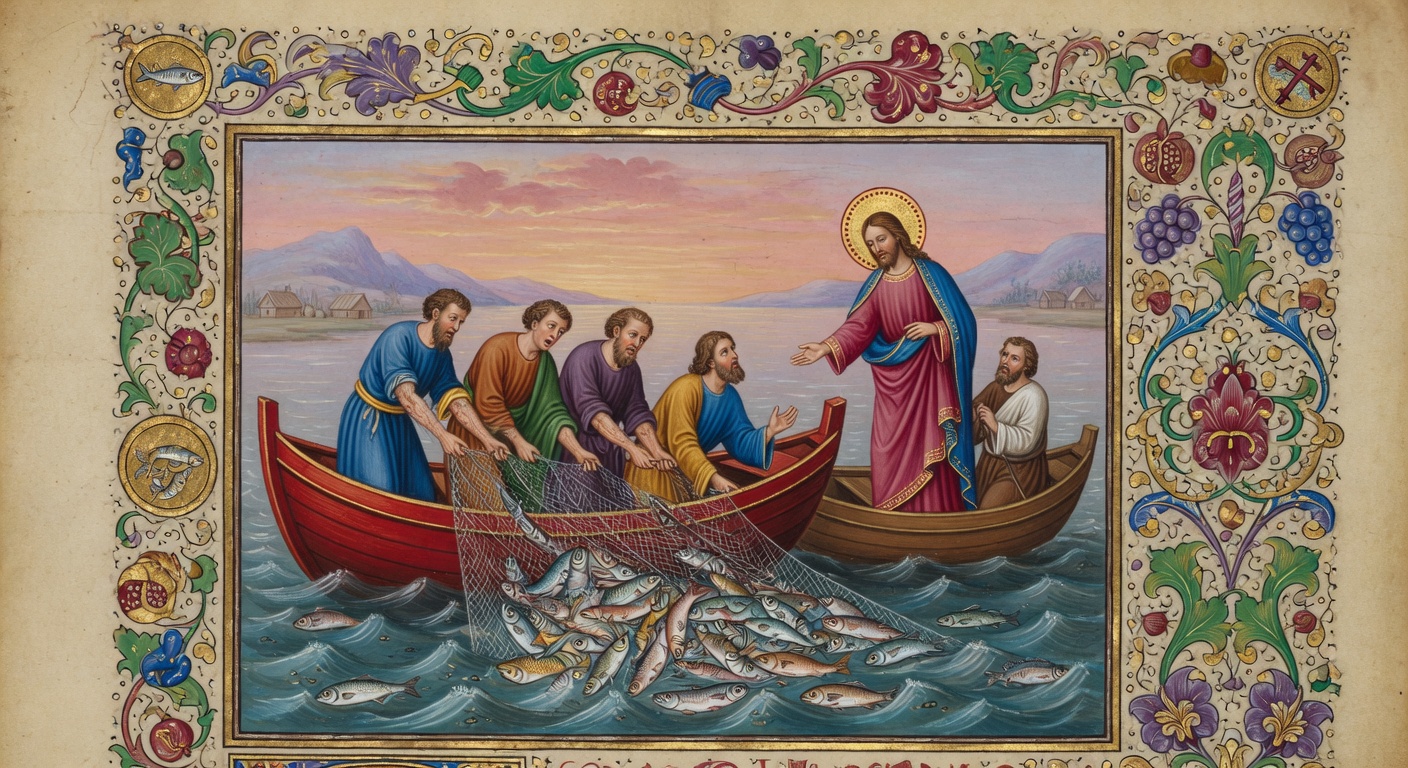
Great Catch of Fish
Jesus
In the Gospel of Luke, Simon Peter and his partners had fished all night on the Sea of Galilee without success. At Jesus' command to lower the nets again in deep water, the resulting catch was so abundant that the nets began to tear and both boats started to sink under the weight. Peter responded by falling at Jesus' knees and acknowledging his own sinfulness, after which Jesus declared that the fishermen would now catch people instead. This event demonstrated Jesus' authority and directly led to the calling of Peter, James, and John as his first disciples.
-
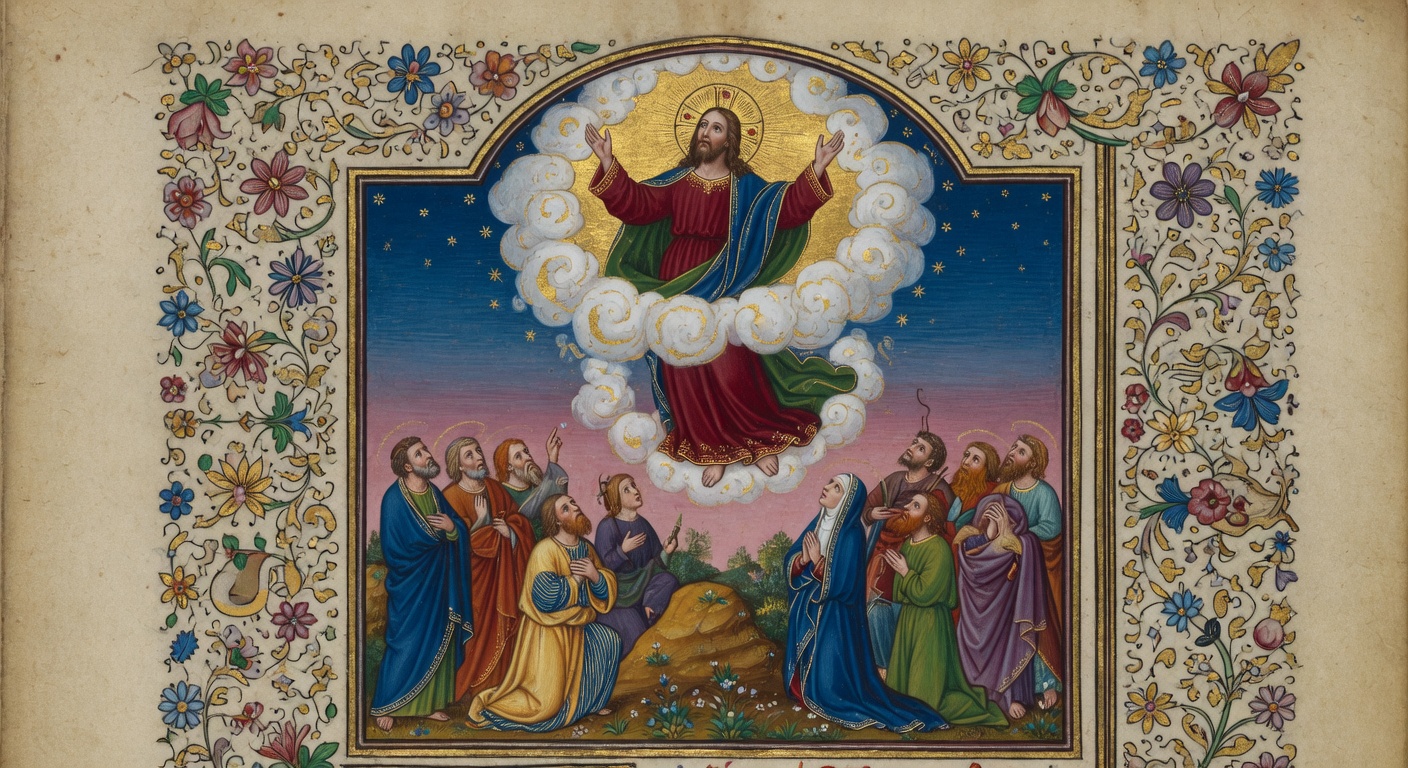
The Ascension
Jesus
Following his resurrection and forty days of appearances to his followers, Jesus led the disciples to the Mount of Olives where he blessed them and was taken up bodily into heaven as they watched, with a cloud receiving him from their sight. This event, recorded in Acts 1:9-11, marked the conclusion of Jesus' physical presence on earth after completing his redemptive work. The ascension holds significant importance in Scripture as it fulfills Old Testament prophecies, enables the sending of the Holy Spirit at Pentecost, and assures believers of Christ's visible return in the same manner he departed. It underscores Jesus' divine authority and the transition to the age of the Church empowered by the Spirit.
-
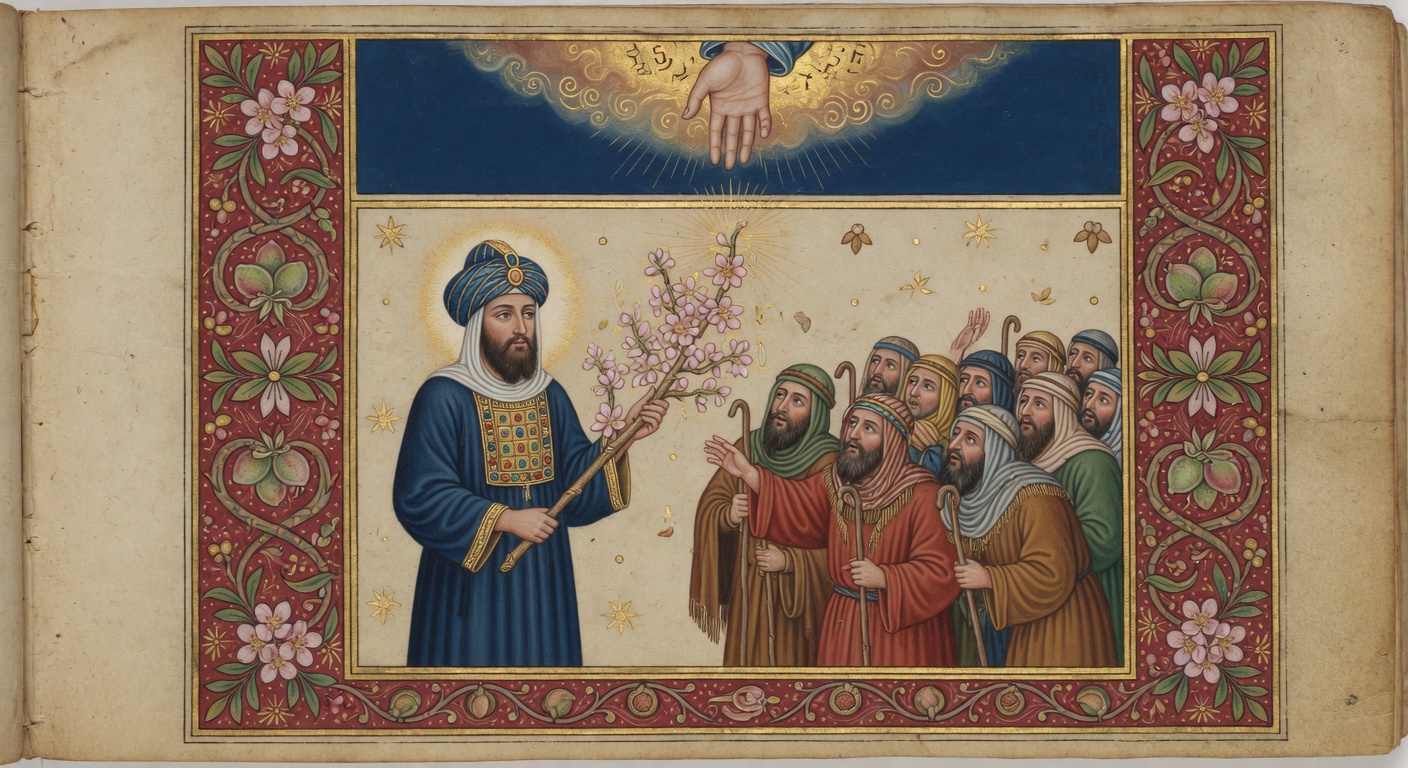
Aaron's Rod Buds
God
In the aftermath of Korah's rebellion against Moses and Aaron's authority, God instructed that one rod from each of the twelve tribal leaders, including Aaron's representing the tribe of Levi, be placed overnight in the Tabernacle to settle the dispute over priestly leadership. While the other rods remained unchanged, Aaron's rod miraculously sprouted buds, blossoms, and ripe almonds by morning, visibly demonstrating divine selection. This sign confirmed Aaron's household as the chosen priesthood for Israel, and the rod was later stored in the Ark of the Covenant as a perpetual testimony against rebellion.
-
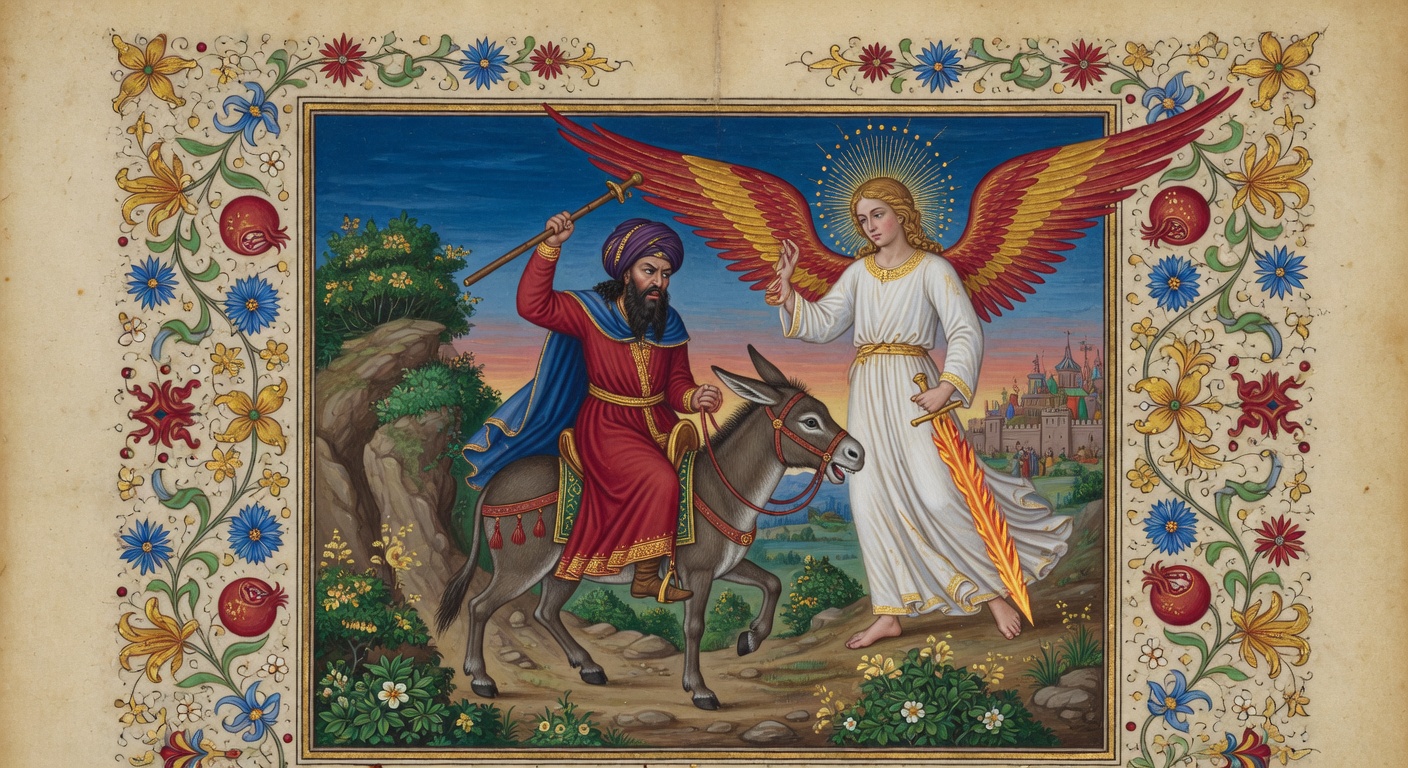
Balaam's Donkey Speaks
God
In the Book of Numbers, Balaam, a non-Israelite prophet, was summoned by King Balak of Moab to curse the Israelites but continued his journey despite God's initial warning, motivated by the offer of reward. When an angel of the Lord blocked the path. Visible only to Balaam's donkey. The animal veered aside three times to avoid the divine messenger, leading Balaam to strike it repeatedly in anger. God then enabled the donkey to speak, confronting Balaam about the beatings and prompting him to see the angel, who rebuked his disobedience and instructed him to deliver only God's message. This event illustrates divine sovereignty over creation, the protection of Israel, and the biblical theme that God can use unexpected agents to enforce obedience and reveal truth.
-
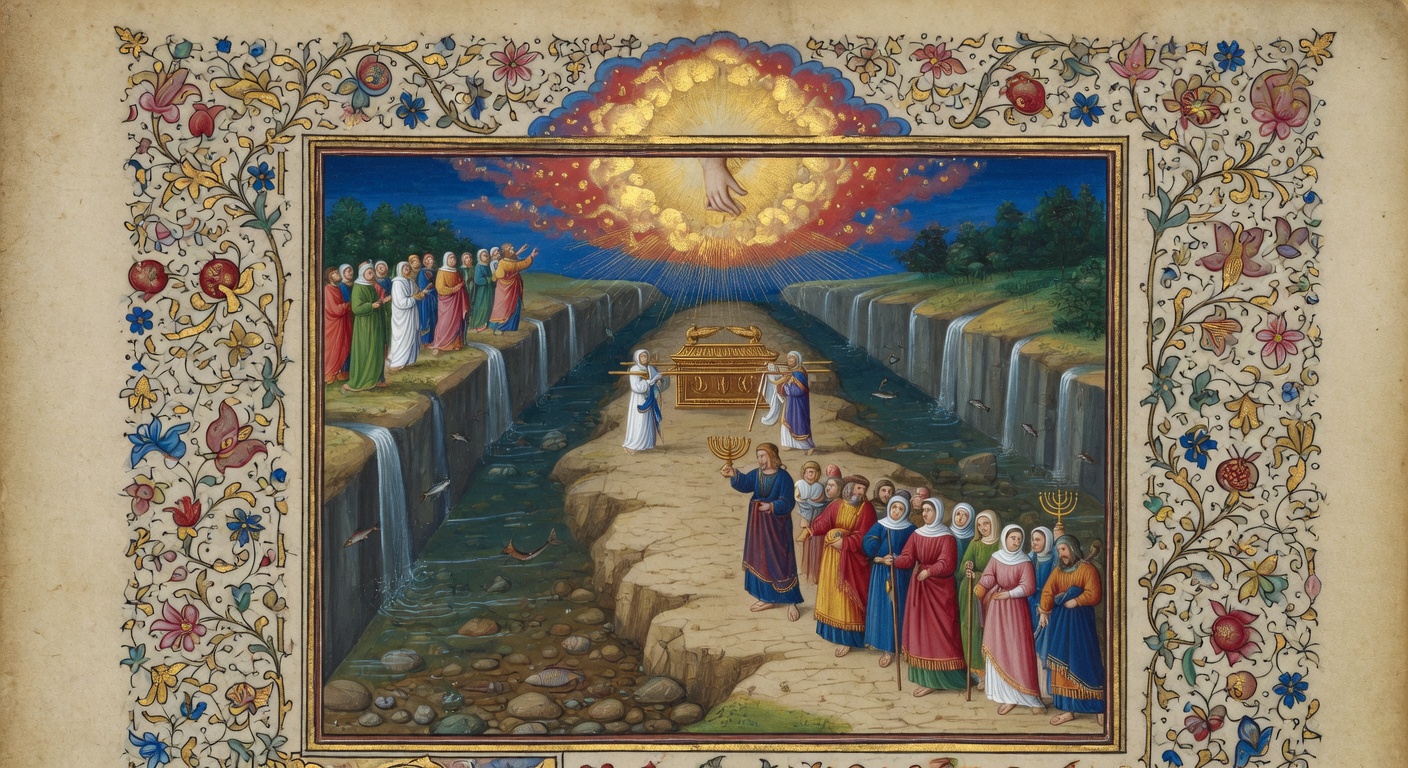
Jordan Parts for Israel
God
The parting of the Jordan River occurred as the Israelites, led by Joshua after Moses' death, prepared to enter Canaan following forty years of wilderness wandering. Priests carrying the Ark of the Covenant stepped into the flooded river, prompting God to halt its flow upstream so the entire nation could cross on dry ground opposite Jericho. This event confirmed Joshua's leadership, echoed the Red Sea miracle from the Exodus, and fulfilled God's covenant promise to give Abraham's descendants the land. In Scripture it marks the transition from nomadic life to conquest, underscoring divine faithfulness and power at the threshold of the Promised Land.
-
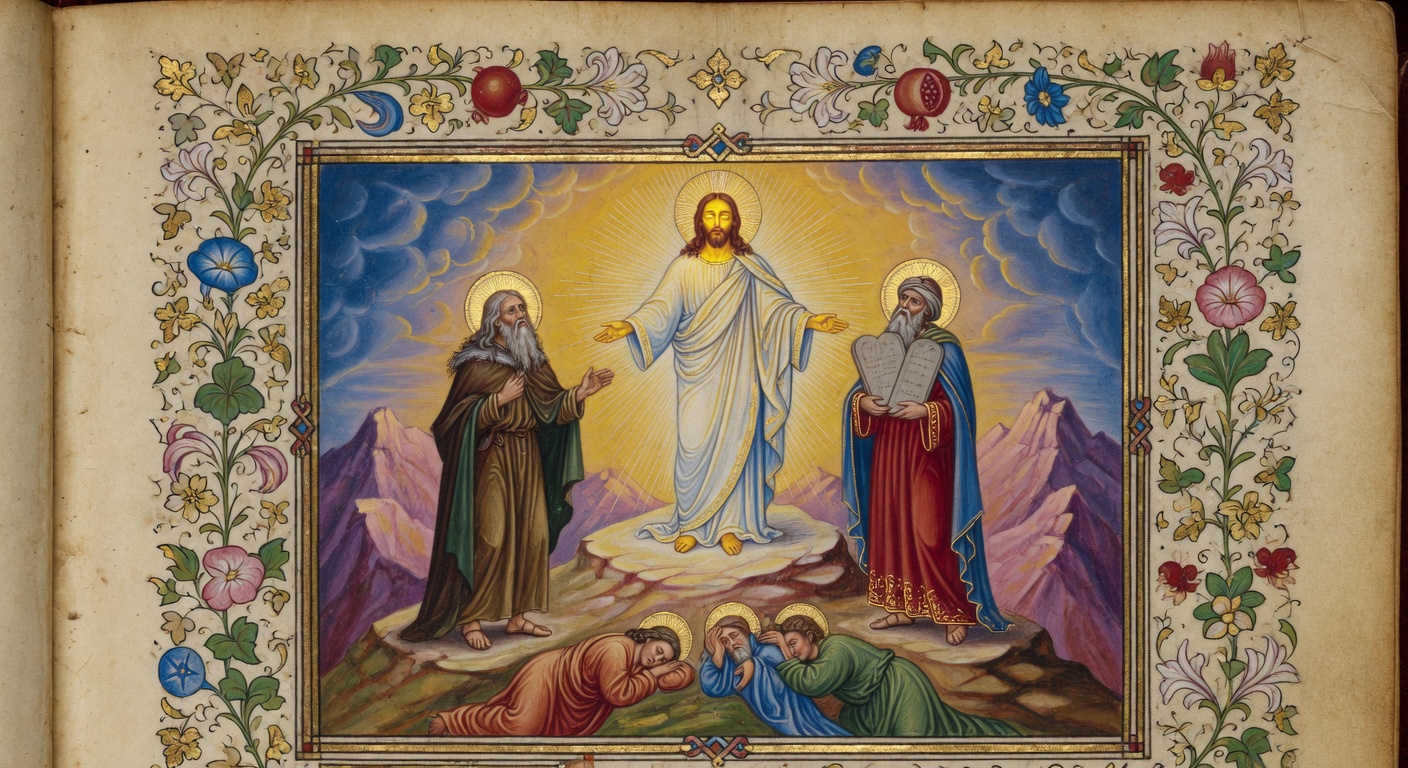
The Transfiguration
Jesus
The Transfiguration took place when Jesus led his disciples Peter, James, and John up a high mountain, where his appearance was dramatically altered so that his face shone like the sun and his clothes became intensely white. Moses and Elijah appeared alongside him, discussing his upcoming departure in Jerusalem, symbolizing the fulfillment of the Law and the Prophets in his mission. A bright cloud enveloped them as a voice from heaven declared Jesus to be God's beloved Son and commanded the disciples to listen to him, leaving them in awe and fear. This event holds key significance in Scripture by revealing Christ's divine glory, strengthening the disciples' faith ahead of his crucifixion, and affirming his unique authority as the culmination of God's redemptive plan.
-
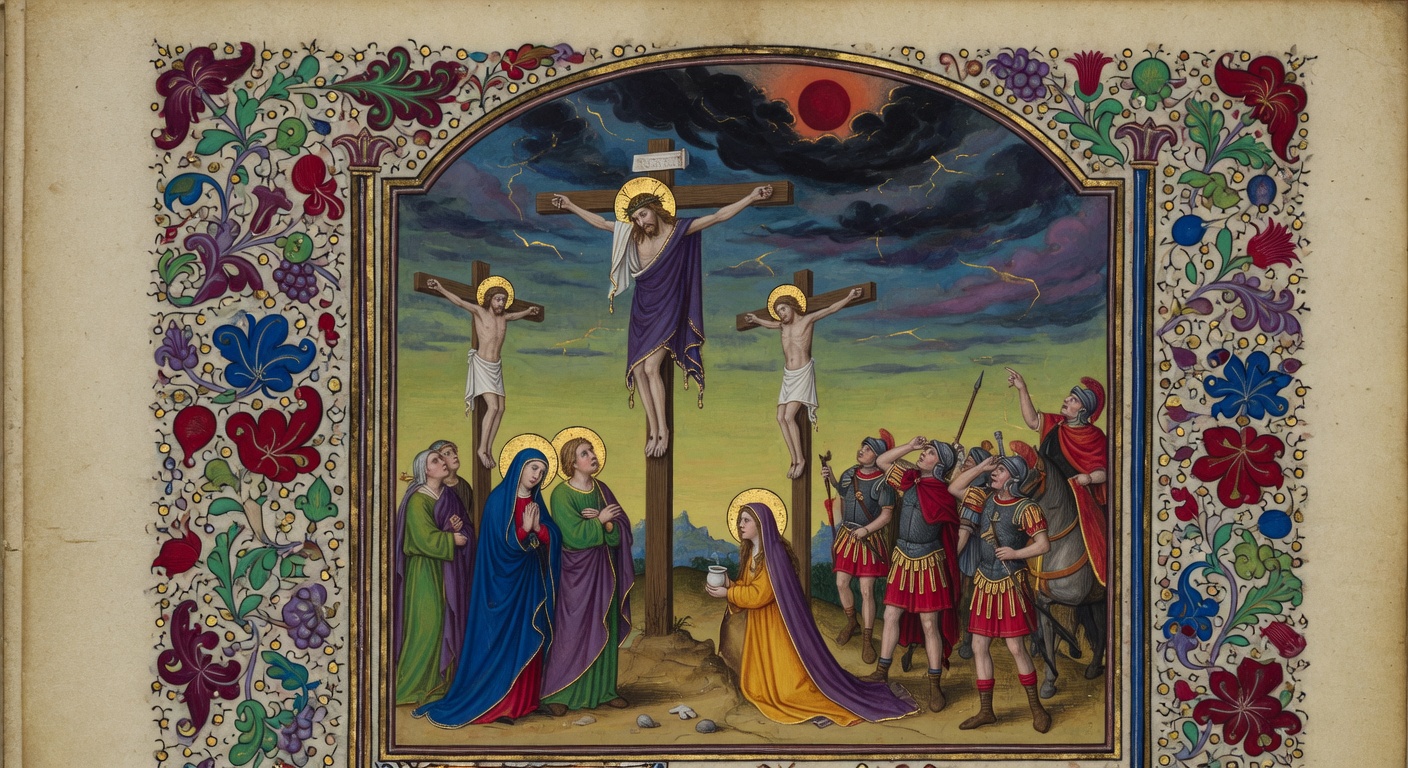
Darkness at the Crucifixion
God
The biblical account in the Synoptic Gospels records that an unusual darkness covered the land from the sixth hour until the ninth hour, or noon to 3 p.m., while Jesus hung on the cross following his trial and sentencing under Pontius Pilate. This phenomenon occurred during Passover, when a solar eclipse would have been astronomically impossible, indicating a supernatural event rather than a natural one. In Scripture the darkness functions as a sign of divine judgment on sin and the cosmic weight of the crucifixion, echoing Old Testament imagery of God's presence in thick darkness and signaling the temporary withdrawal of blessing at the moment of atonement. Its inclusion highlights the event's theological centrality, marking Christ's death as the fulfillment of prophecy and the decisive act of redemption for humanity.
-
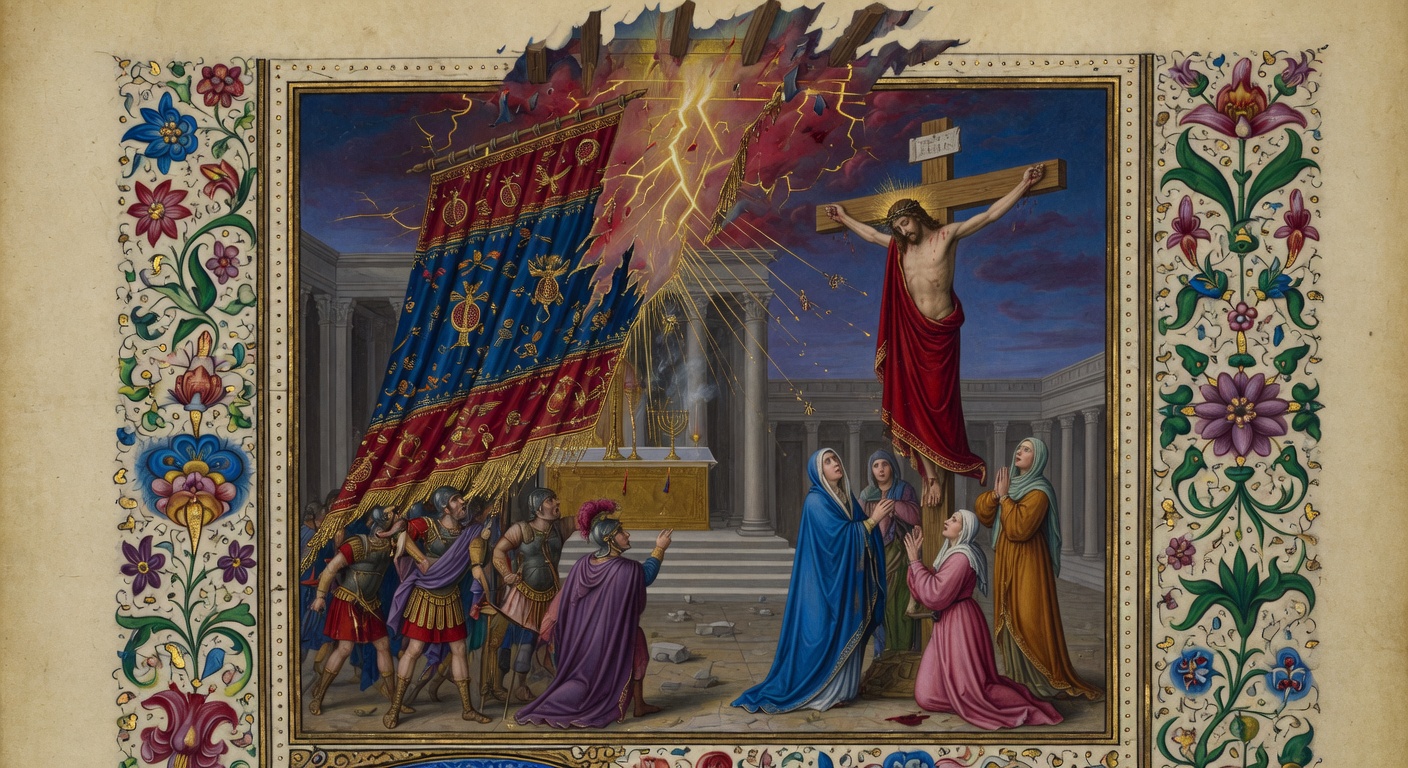
Temple Veil Torn
God
The temple veil, which separated the Holy Place from the Most Holy Place in the Jerusalem temple, was torn in two from top to bottom at the exact moment of Jesus Christ's death on the cross. This supernatural event is recorded in the Gospels of Matthew, Mark, and Luke, signifying that the barrier between God and humanity had been removed through Christ's sacrificial death. In the Old Testament system, only the high priest could enter the Holy of Holies once a year on the Day of Atonement, but the tearing of the veil from top to bottom indicated divine initiative in granting direct access to God for all believers. This miracle underscores the theological truth that Jesus' atonement fulfilled and superseded the old covenant, opening the way for a new relationship with God.
-
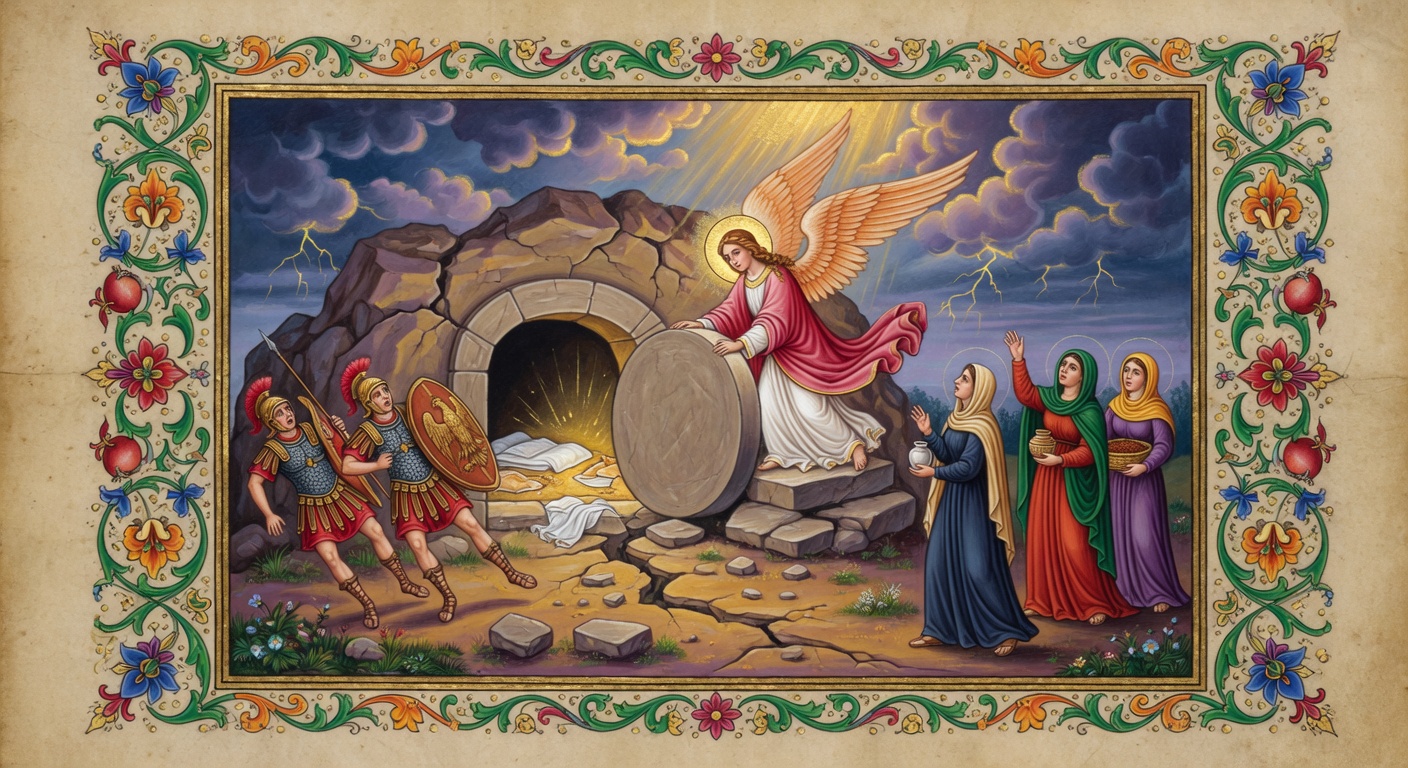
Earthquake at the Resurrection
God
The resurrection of Jesus Christ stands as the central miracle of the New Testament, confirming his victory over death and validating his claims as the Son of God. According to Matthew 28, a violent earthquake accompanied an angel descending from heaven to roll away the stone from the sealed tomb, an act that caused the Roman guards to tremble and become like dead men. This divine intervention not only opened the way for witnesses to discover the empty tomb but also demonstrated God's sovereign power over creation at the moment of Christ's rising. In Scripture, the event underscores the resurrection's historical and theological weight, serving as a sign of the new covenant and the foundation for Christian hope in eternal life.
Judgment
-
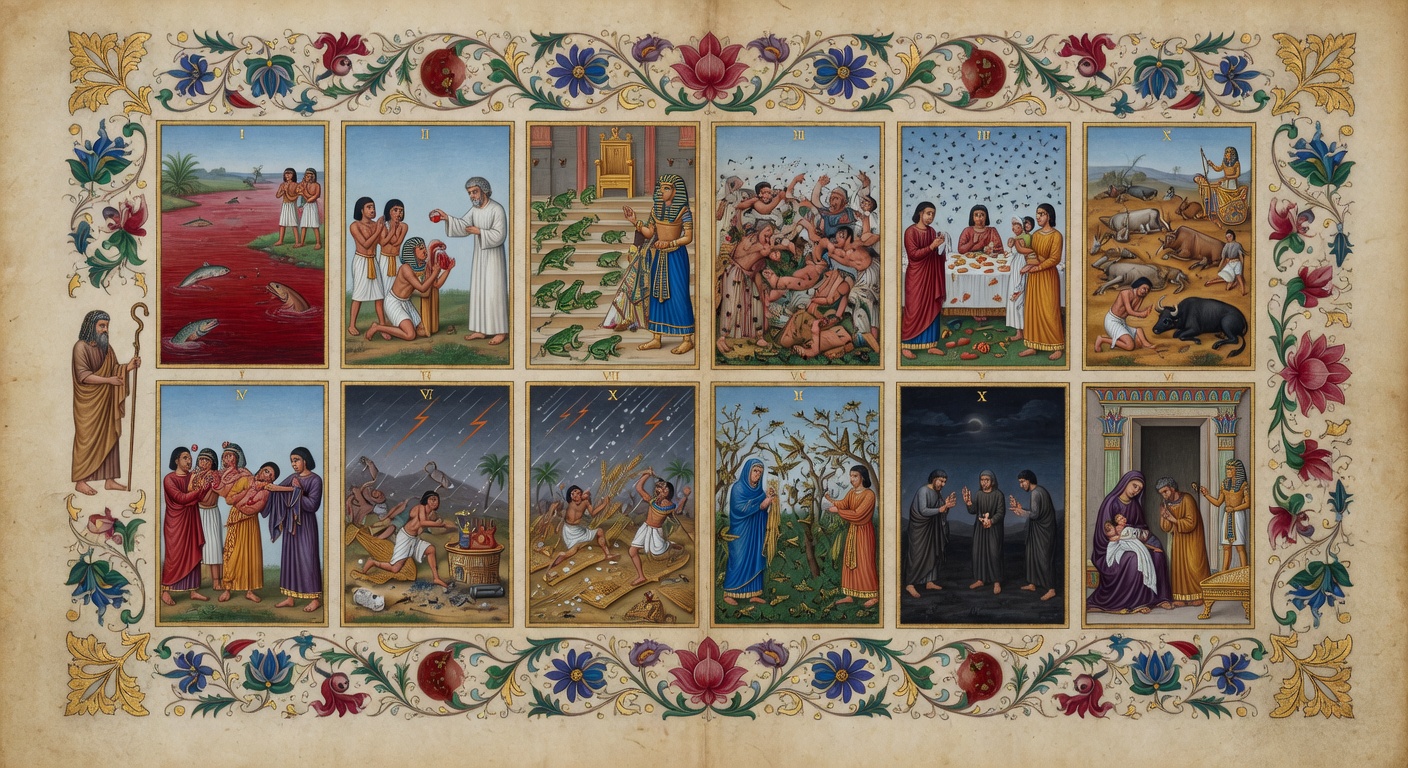
The Ten Plagues of Egypt
God through Moses
The Ten Plagues of Egypt refer to a series of divine judgments inflicted upon the land and people of Egypt as described in the Book of Exodus. These calamities, including the turning of the Nile to blood, swarms of locusts, and the death of the firstborn, were sent by God through Moses to demonstrate His supremacy over the Egyptian deities and to compel Pharaoh to free the enslaved Israelites. This event holds profound significance in Scripture as it marks the pivotal moment of Israel's liberation from bondage, establishing the foundation for the Passover celebration and underscoring themes of redemption and divine justice.
-
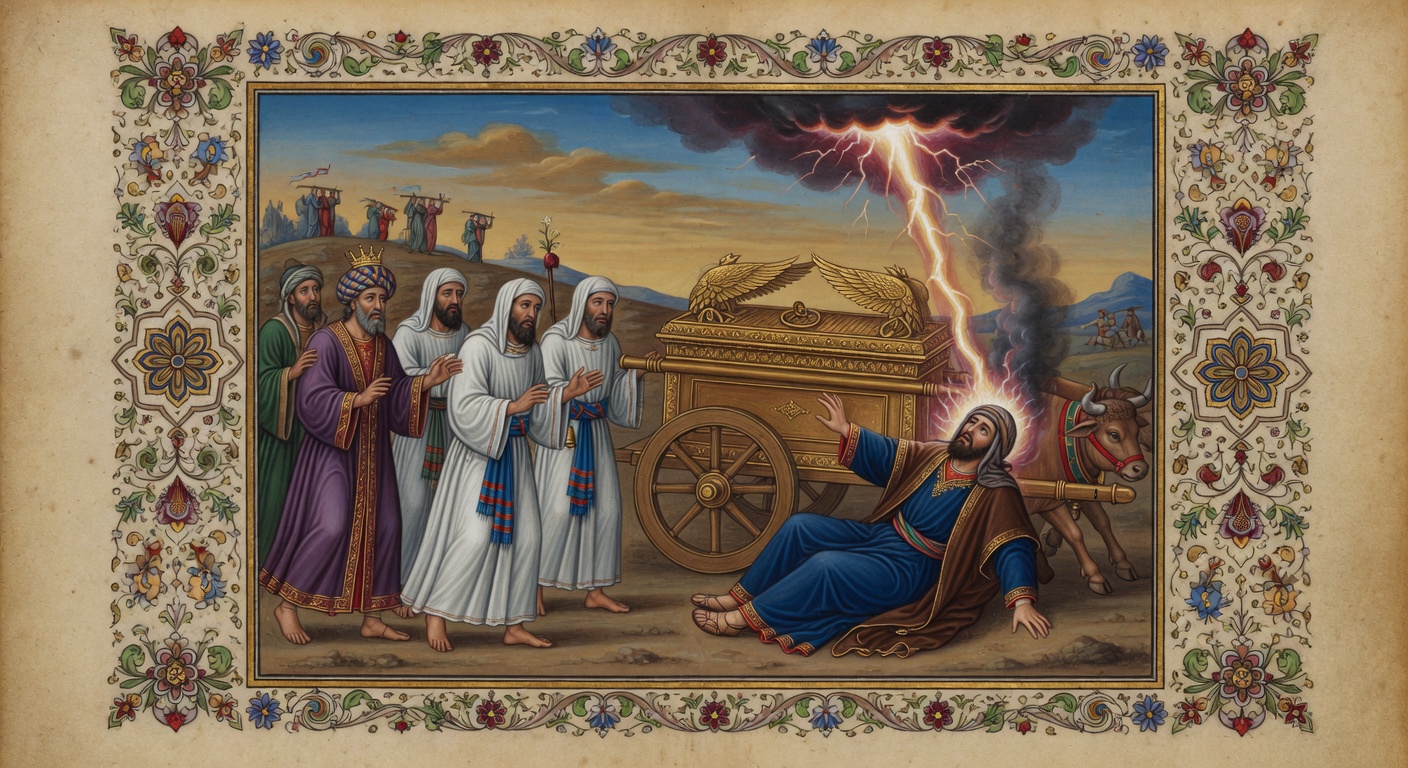
Uzzah's Death
God
During King David's effort to relocate the Ark of the Covenant from Baale-judah to Jerusalem, the sacred chest was placed on an ox-drawn cart rather than carried by Levites as prescribed in the Mosaic law. When the oxen stumbled, Uzzah reached out to steady the Ark and touched it, prompting God to strike him dead on the spot for violating the holiness requirements that reserved direct contact for authorized priests using poles. This incident halted the procession, instilled fear in David, and led to the Ark remaining at the house of Obed-edom for three months. It illustrates the scriptural emphasis on God's unapproachable sanctity and the necessity of precise obedience to His commands regarding worship.
Provision
-
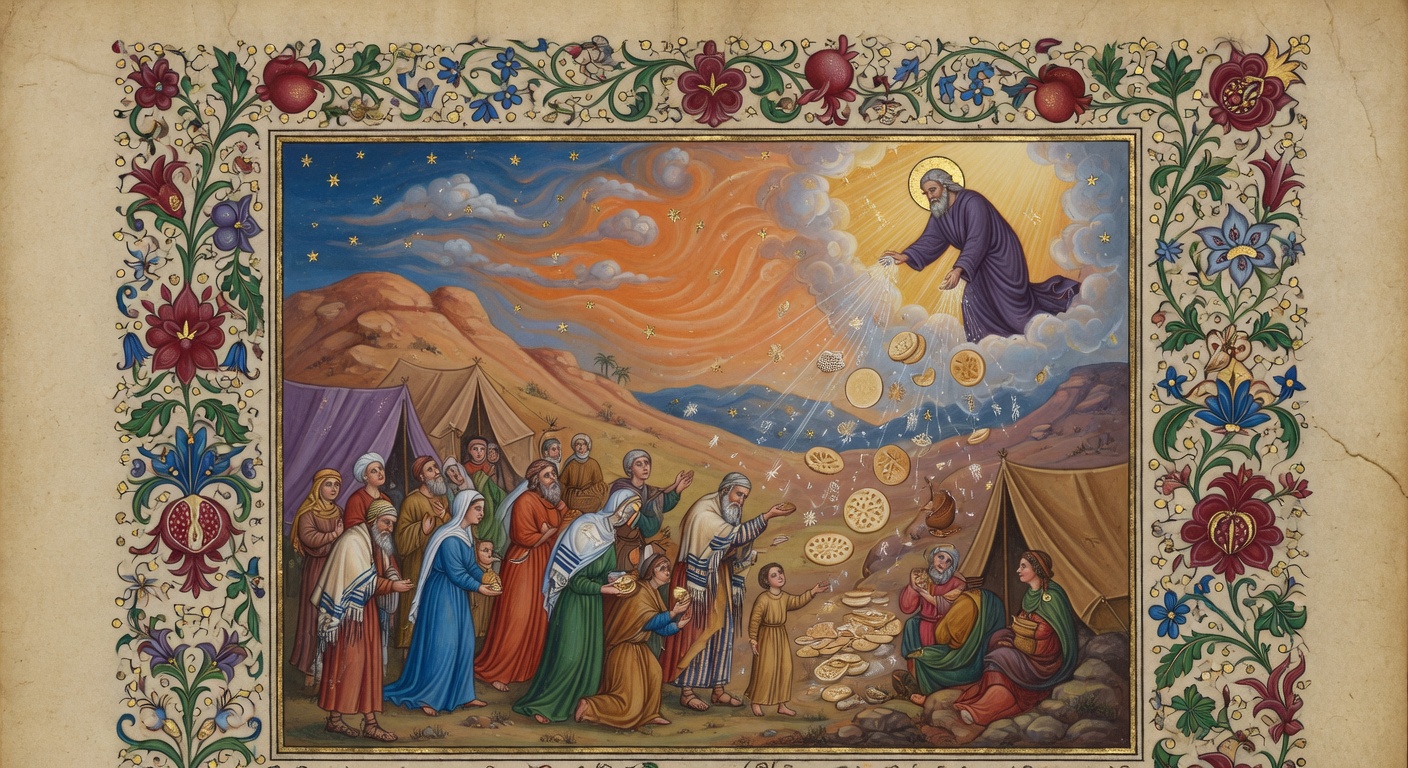
Manna from Heaven
God
In the book of Exodus, after the Israelites escaped slavery in Egypt and journeyed through the Sinai wilderness, they complained of hunger, prompting God to intervene with daily provision. Each morning for forty years, a white, flake-like substance called manna appeared on the ground, which the people gathered and prepared as bread until they entered Canaan, with specific instructions against hoarding except before the Sabbath. This sustained the entire nation through harsh conditions and tested their trust and obedience to divine commands. In Scripture, the event underscores God's faithfulness as provider and is later referenced by Jesus in John 6 to identify himself as the true bread from heaven that gives eternal life.
-
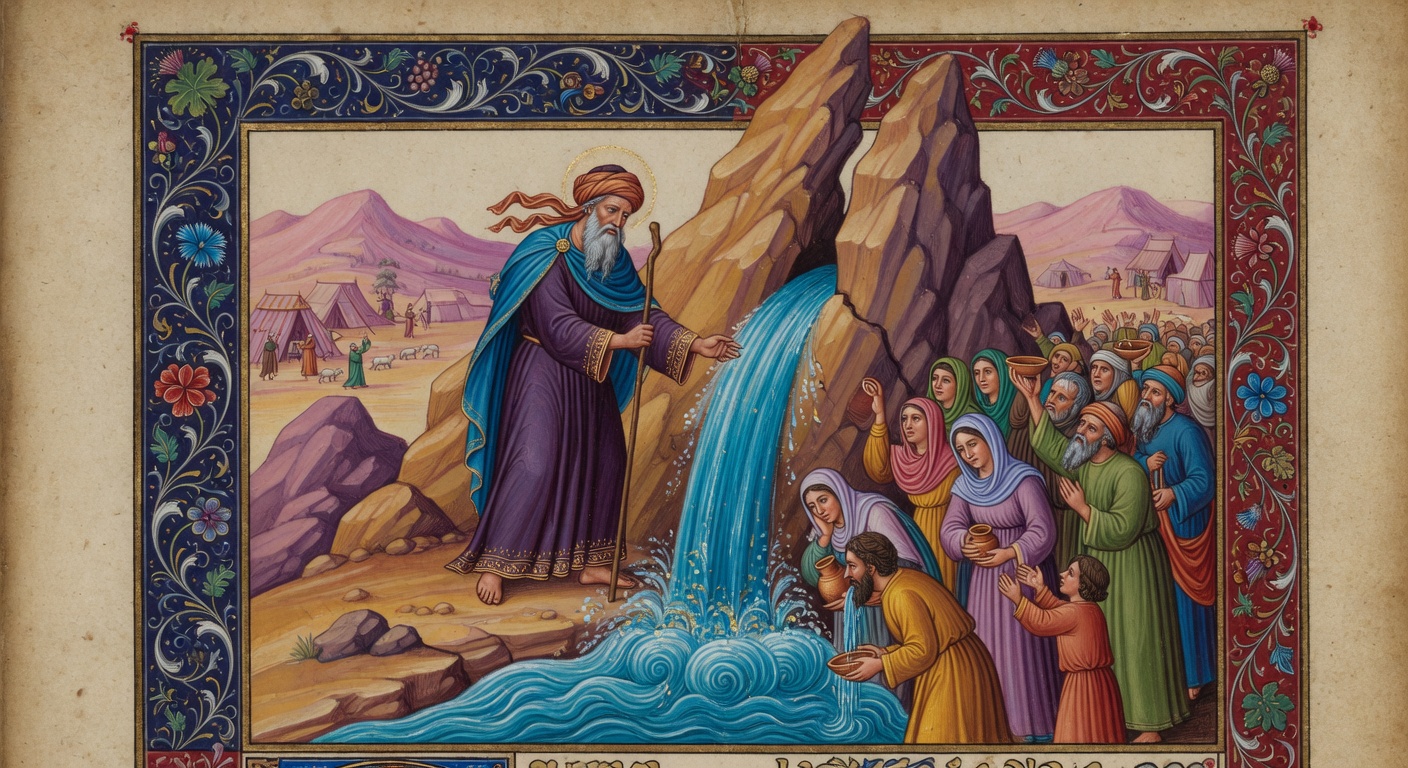
Water from the Rock
God through Moses
During the Israelites' exodus journey through the wilderness, the people faced acute thirst at Rephidim and grumbled against Moses and God, questioning whether the Lord was truly with them. Following divine instruction, Moses struck the rock at Horeb with his staff, causing abundant water to flow forth and sustain the entire congregation along with their livestock. This event demonstrated God's ongoing provision and faithfulness amid trials, while also serving as a test of Israel's trust. In later Scripture, the apostle Paul identifies the rock as a spiritual symbol of Christ, underscoring themes of divine sustenance and redemption.
-
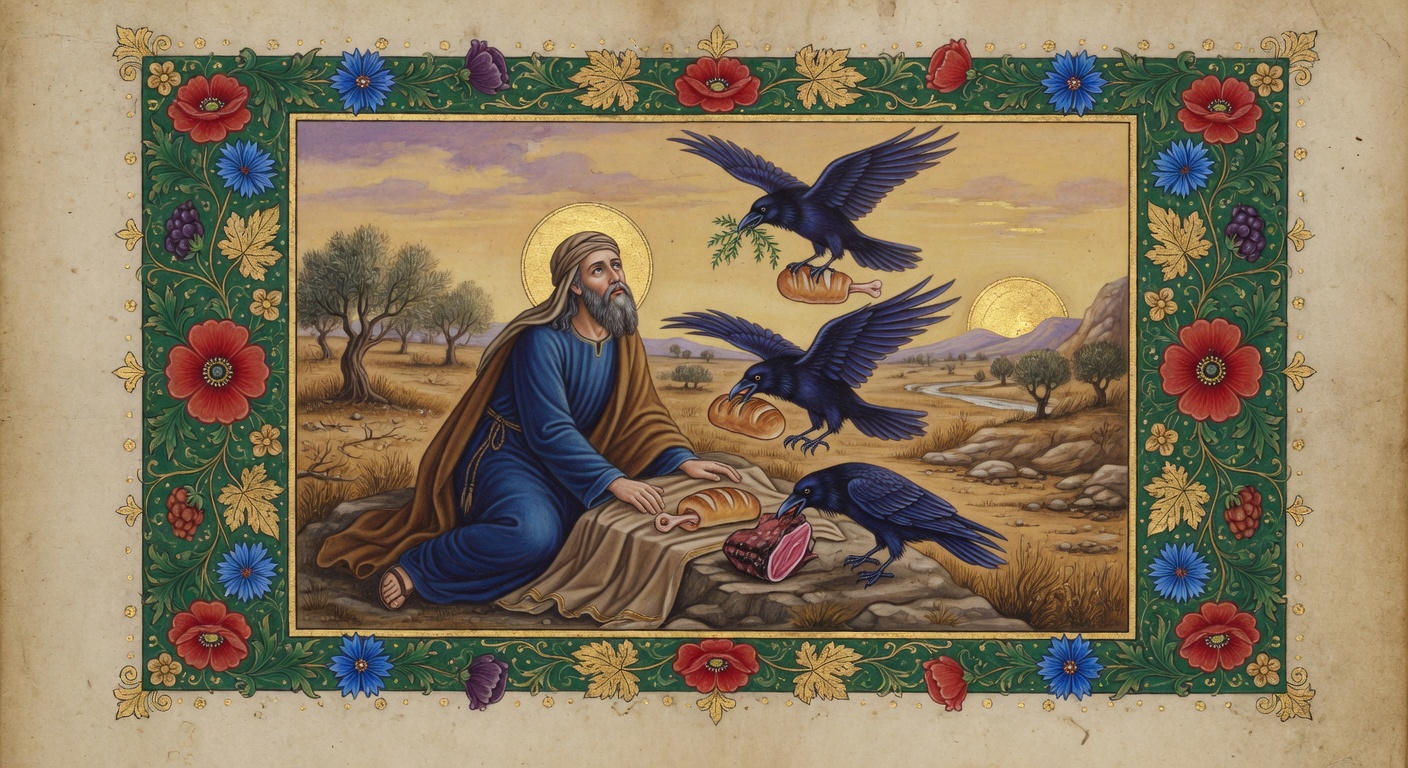
Ravens Feed Elijah
God
During a severe drought in Israel sent as divine judgment on King Ahab's idolatry, the prophet Elijah is directed by God to hide beside the Brook Cherith east of the Jordan. There God commands ravens to deliver bread and meat to Elijah each morning and evening while the brook supplies his water, sustaining the prophet in isolation. This miracle underscores God's sovereign authority over nature and his reliable care for those who obey his word. In Scripture it forms part of Elijah's early ministry, affirming his prophetic role and foreshadowing further demonstrations of divine power.
-
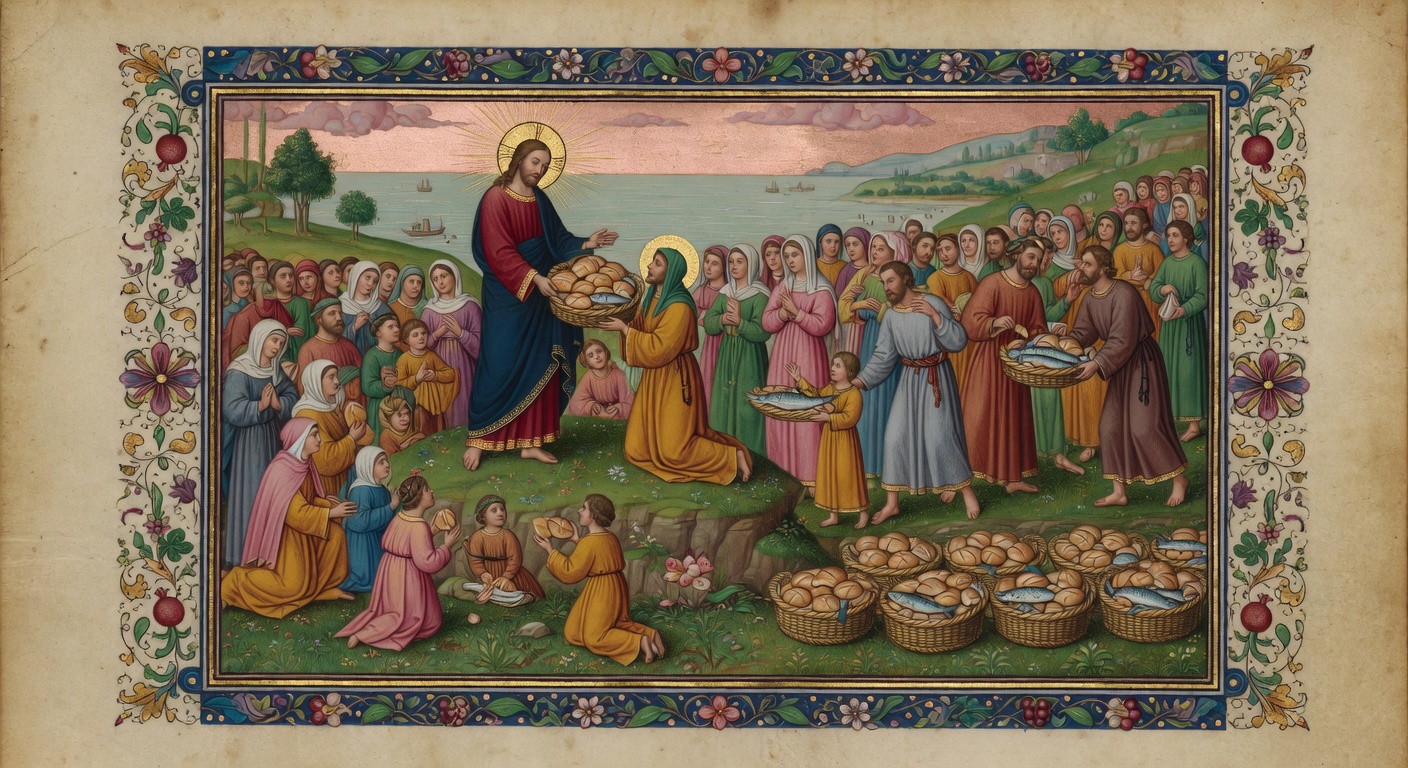
Feeding the 5,000
Jesus
In the Gospels, Jesus performed this miracle after teaching and healing a crowd that had followed him to a remote area, leaving the disciples concerned about how to provide food for the estimated 5,000 men plus women and children present. Taking five loaves and two fish offered by a boy, Jesus gave thanks, broke the bread, and had the disciples distribute it, resulting in everyone eating their fill with twelve baskets of fragments collected afterward. This event demonstrates Jesus' compassion and divine power to multiply resources, serving as a sign of his identity as the Messiah who fulfills God's provision like the manna in the wilderness and pointing to the abundance of the kingdom.
-
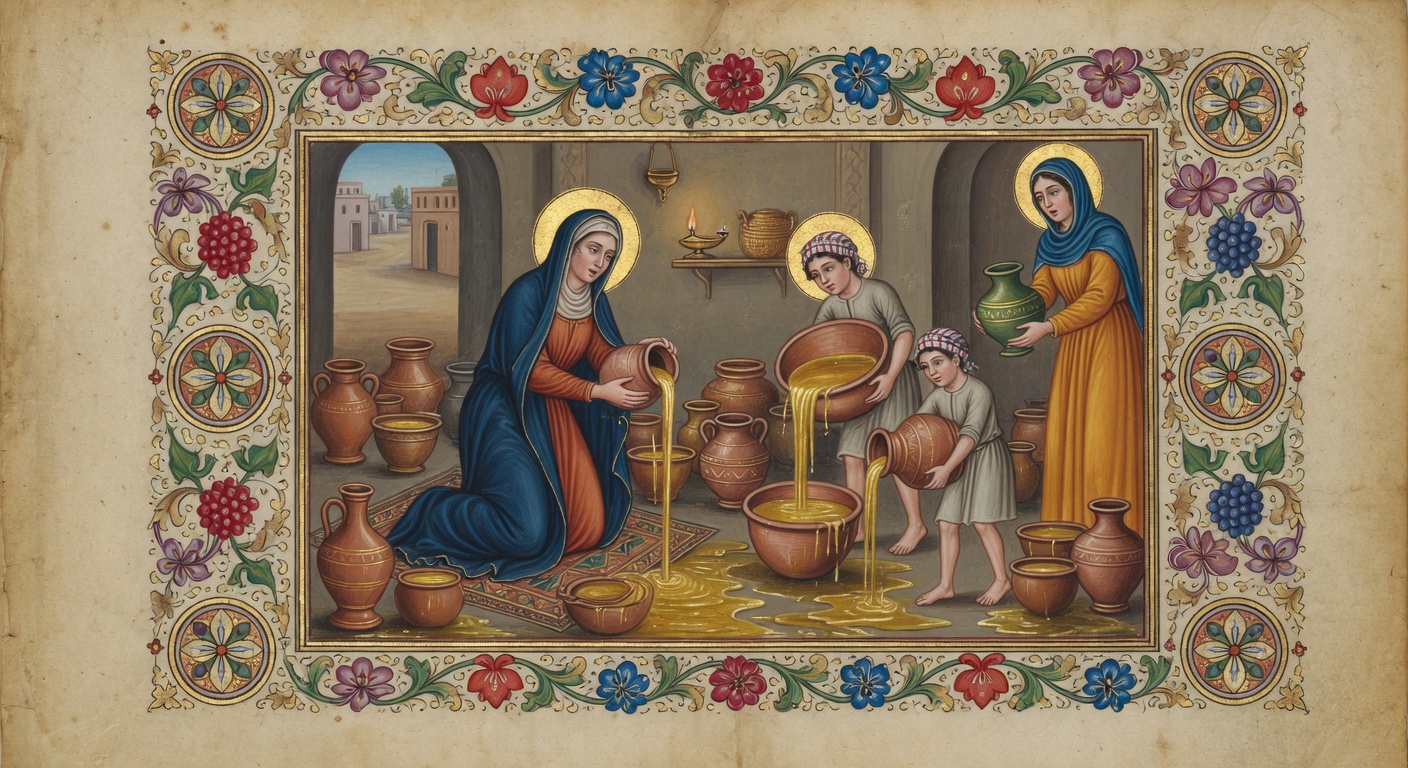
Widow's Oil Multiplied
God through Elisha
In the biblical account from 2 Kings 4, a widow of a deceased prophet faces the seizure of her two sons by creditors over unpaid debts and appeals to Elisha for aid. He directs her to borrow many empty vessels from neighbors and pour oil from her single small jar, which miraculously flows without stopping until every container is full. She then sells the abundant oil to settle her obligations and sustain her household. This event highlights God's provision for the vulnerable and affirms the authority of his prophets in demonstrating divine care and abundance through simple obedience.
-
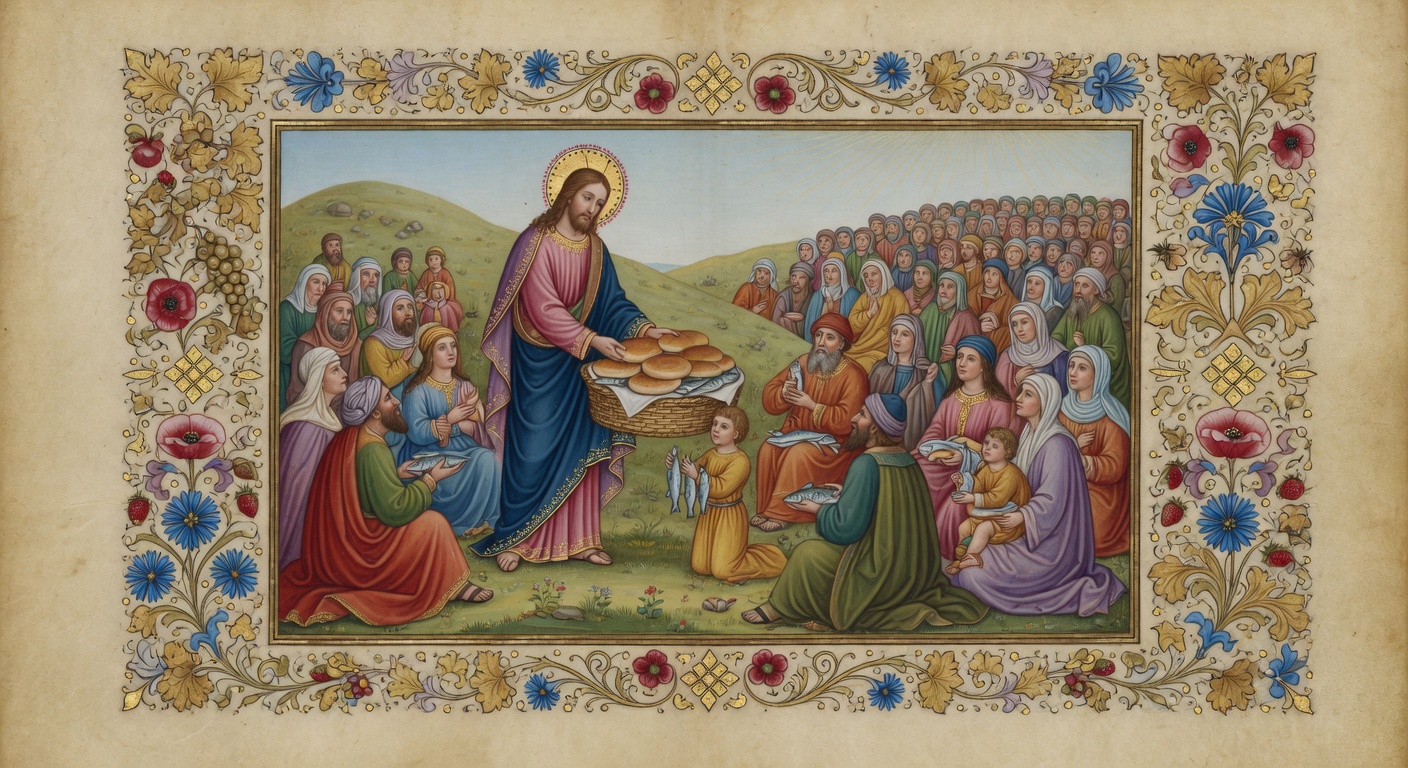
Feeding the 4,000
Jesus
Jesus, moved by compassion for a large crowd that had followed him for three days in a remote area, multiplied seven loaves of bread and a few small fish to feed about four thousand men plus women and children. The disciples distributed the food, and all ate until satisfied, after which seven baskets of leftovers were collected. This event, recorded in Matthew 15 and Mark 8, demonstrates Jesus' divine authority to provide for physical needs while revealing his messianic identity and care for both Jews and Gentiles who sought him. It reinforces scriptural themes of God's abundant provision, echoing Old Testament miracles like the manna in the wilderness and serving as a sign of the kingdom's arrival.
-
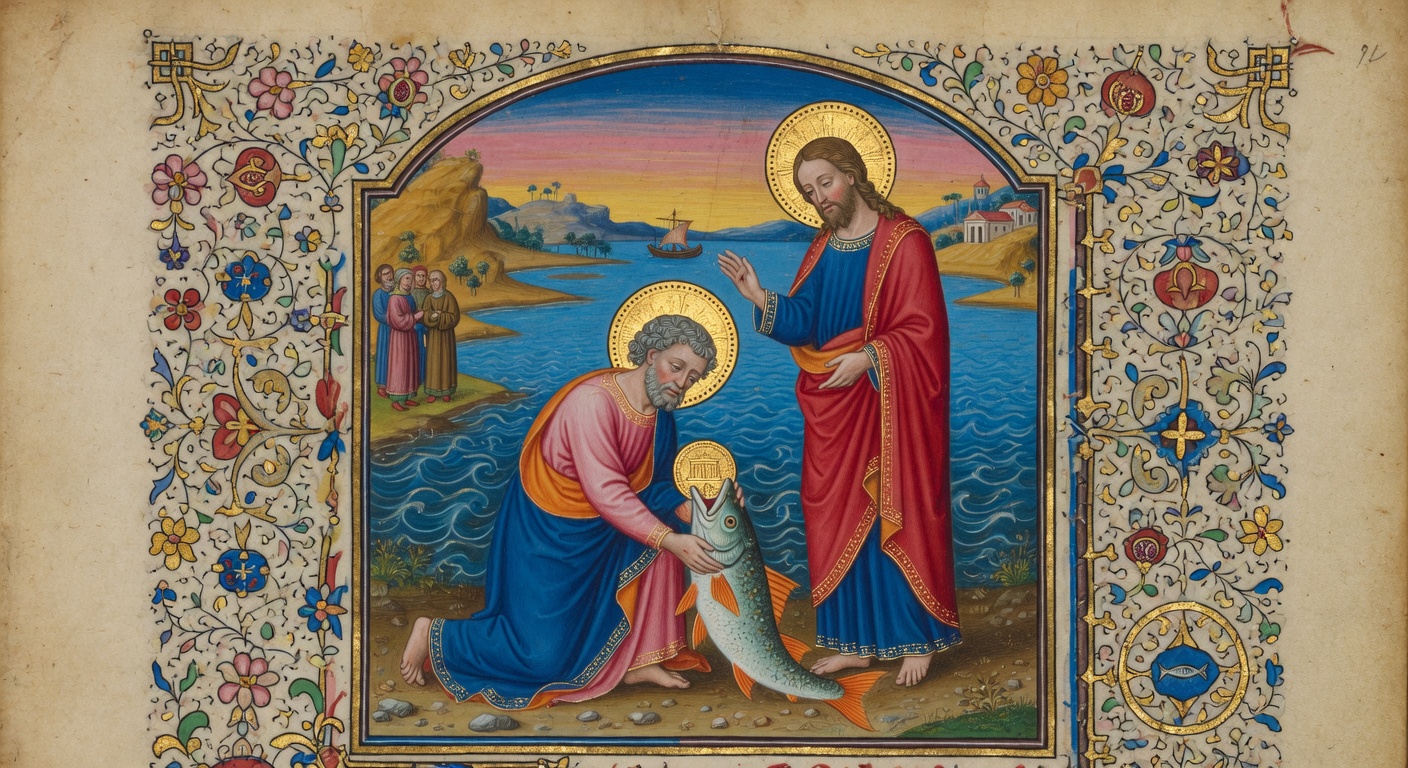
Coin in the Fish's Mouth
Jesus
In the Gospel of Matthew, collectors of the annual temple tax approached Peter in Capernaum to inquire whether Jesus paid the half-shekel levy required of Jewish men for the upkeep of the Jerusalem temple. Jesus directed Peter to cast a hook into the sea, explaining that the first fish caught would contain a stater coin in its mouth, an amount sufficient to cover the tax obligation for both Peter and himself. This event illustrates Jesus' divine foreknowledge and miraculous provision while also showing his willingness to fulfill civic and religious duties to prevent unnecessary offense. In Scripture it reinforces themes of faith, obedience, and Jesus' unique authority as the Son who transcends yet respects the temple system.
-
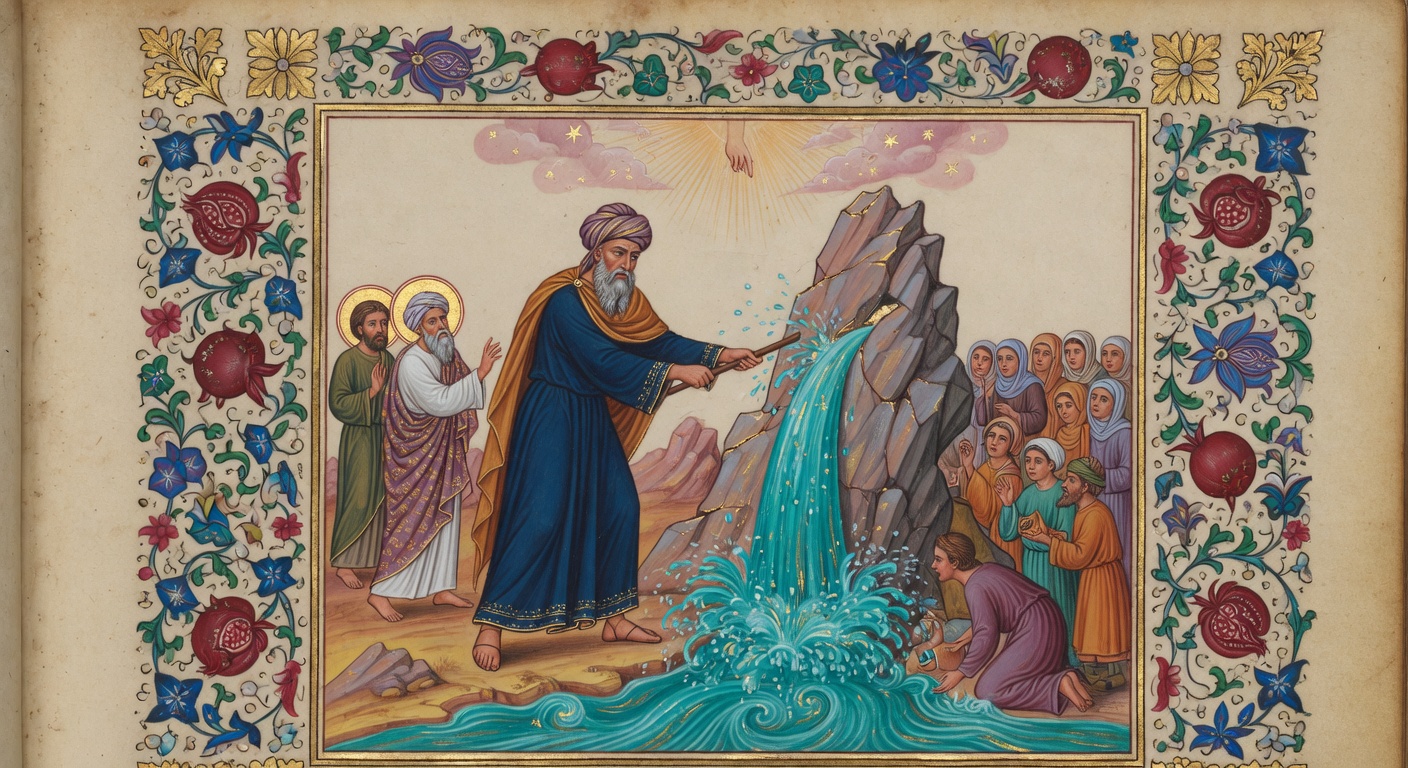
Water from Rock at Kadesh
God through Moses
During the Israelites' journey through the wilderness, the community faced a lack of water at Kadesh in the Desert of Zin, leading to complaints against Moses and Aaron. God instructed Moses to speak to a rock so that it would yield water for the people and their livestock, but Moses, in anger, struck the rock twice with his staff instead. Water miraculously flowed from the rock, quenching the thirst of the multitude, yet God declared that Moses and Aaron would not enter the Promised Land due to their failure to uphold His holiness before the Israelites. This event underscores the themes of divine provision, human frailty, and the consequences of disobedience in the biblical narrative.
Military
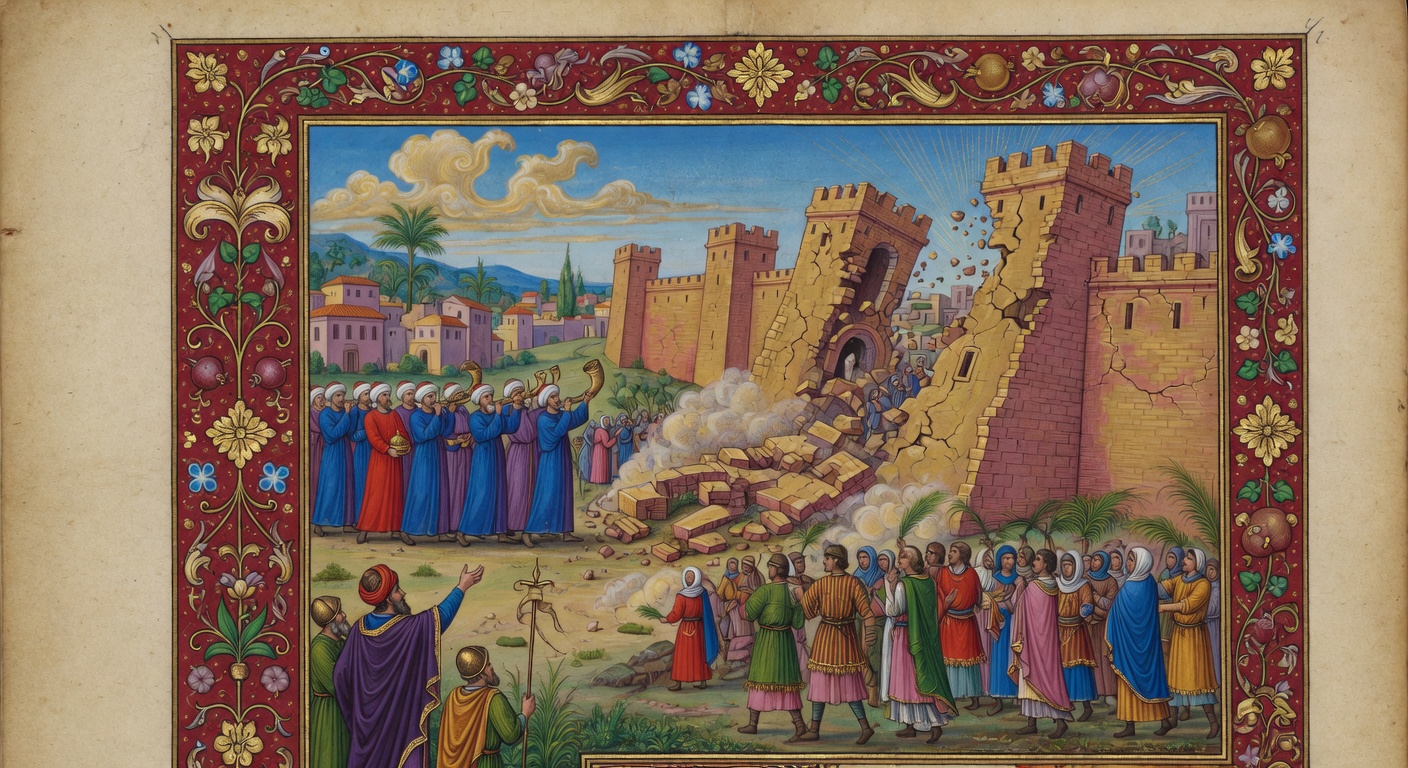
Physical
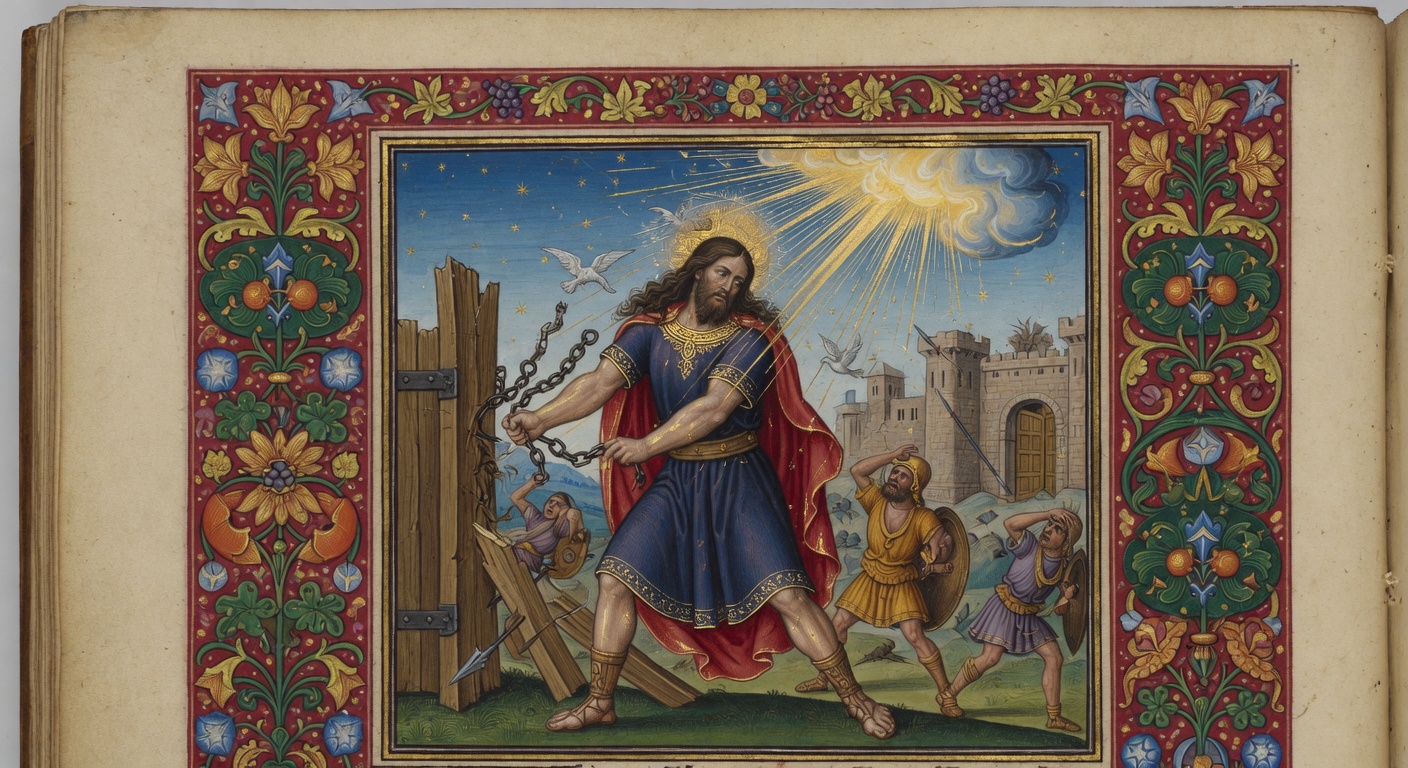
Healing
-
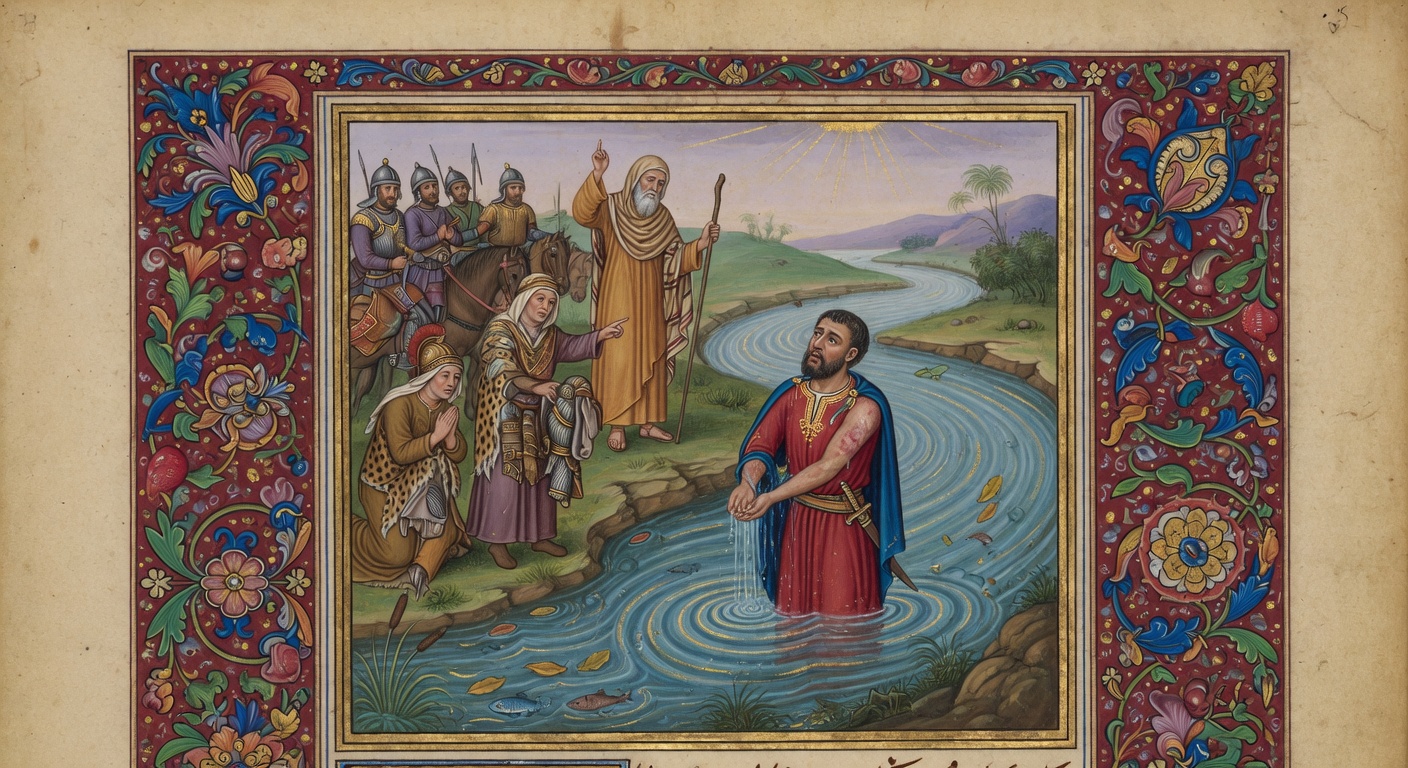
Naaman Healed of Leprosy
God through Elisha
Naaman, a respected Syrian military commander afflicted with leprosy, sought healing from the prophet Elisha after learning of him through an Israelite servant girl. Following Elisha's directive to dip himself seven times in the Jordan River, Naaman initially resisted due to pride but ultimately obeyed and was miraculously cleansed of his disease. This event underscores God's willingness to extend mercy to foreigners who humble themselves in faith, leading Naaman to recognize the sovereignty of the God of Israel. It also illustrates key biblical themes of obedience, humility, and the power of prophetic ministry beyond Israel's borders.
-
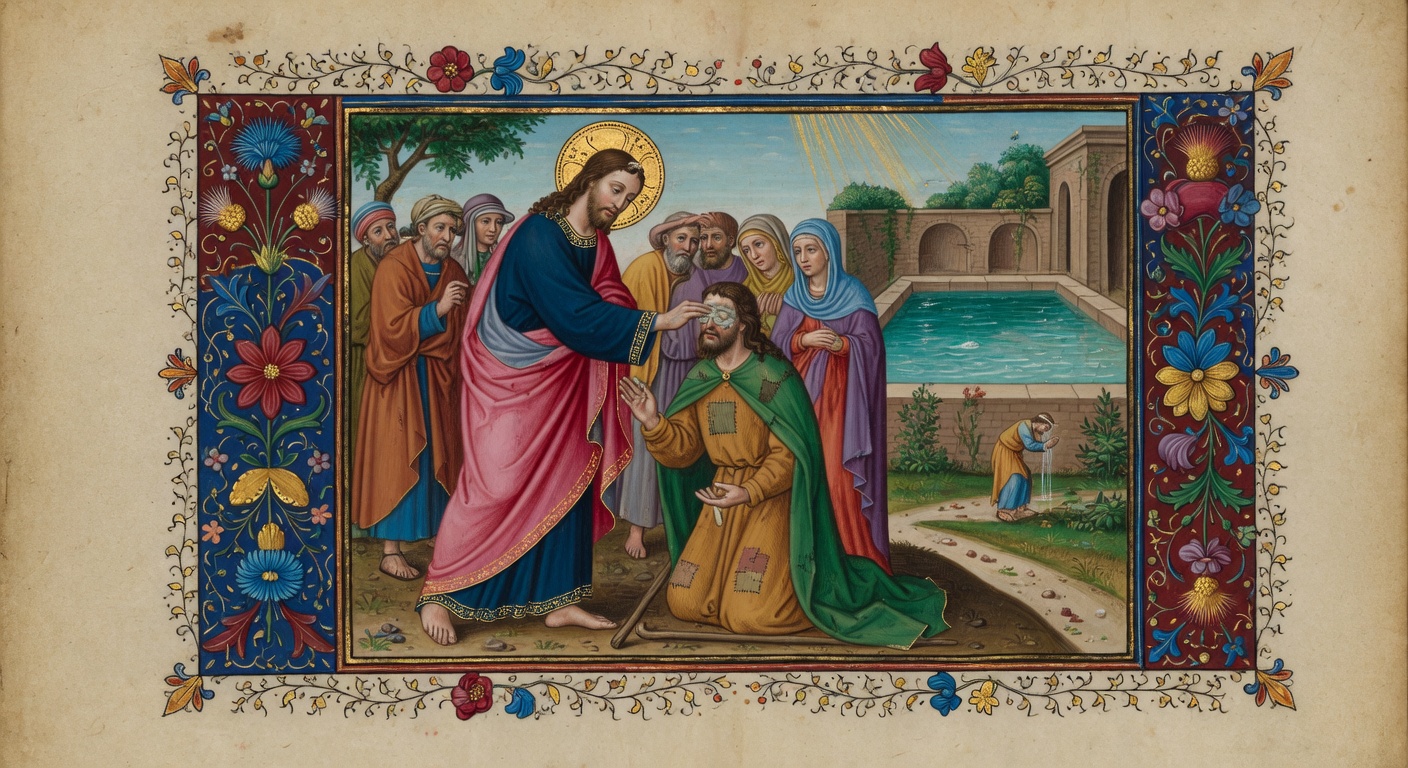
Healing the Man Born Blind
Jesus
In the Gospel of John, Jesus encounters a man blind from birth, and when his disciples inquire whether the condition resulted from the man's or his parents' sin, Jesus responds that it occurred so God's works could be revealed through him. He then mixes saliva with dirt to form clay, applies it to the man's eyes, and directs him to wash in the Pool of Siloam, after which the man returns able to see. This event underscores Jesus' identity as the light of the world, demonstrates his authority over congenital affliction long viewed as irreversible, and highlights themes of spiritual insight versus religious blindness as the healed man progresses in faith despite opposition from the Pharisees.
-
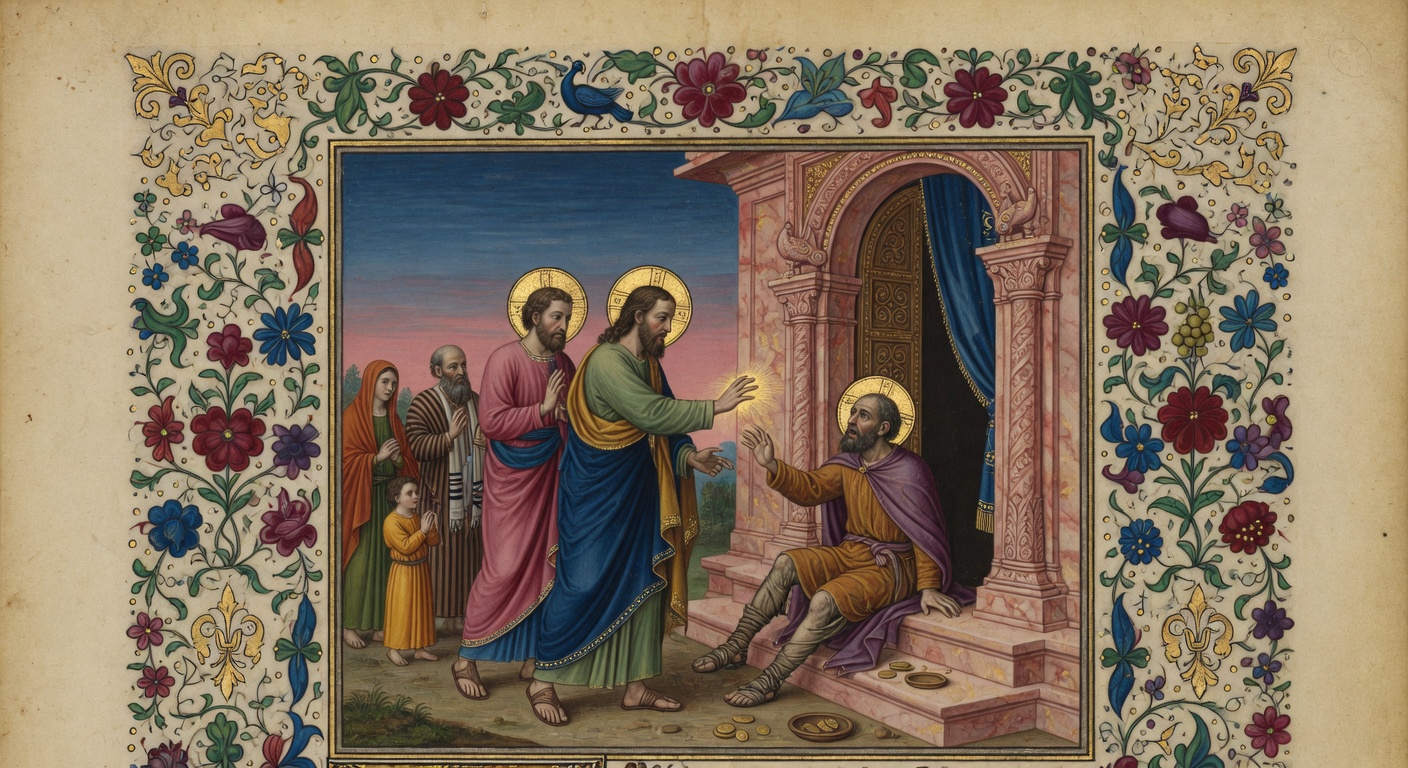
Healing the Lame Man at the Gate
God through Peter
In the early days of the church following Pentecost, as recorded in Acts 3, the apostles Peter and John encountered a man who had been lame from birth and was daily carried to beg at the Beautiful Gate of the Jerusalem temple. Peter invoked the name of Jesus Christ, commanding the man to rise and walk; taking him by the hand, he immediately enabled the beggar to stand, enter the temple courts, and leap with praise, astonishing onlookers who recognized him as the former invalid. This miracle, the first public healing performed by the apostles after Jesus' ascension, demonstrated the continuing power of the Holy Spirit through the church and prompted Peter to preach repentance, resulting in about two thousand additional converts. Its significance lies in validating the apostles' authority, fulfilling Old Testament expectations of messianic restoration, and illustrating how faith in Christ's name extends the ministry of Jesus into the new covenant community.
-
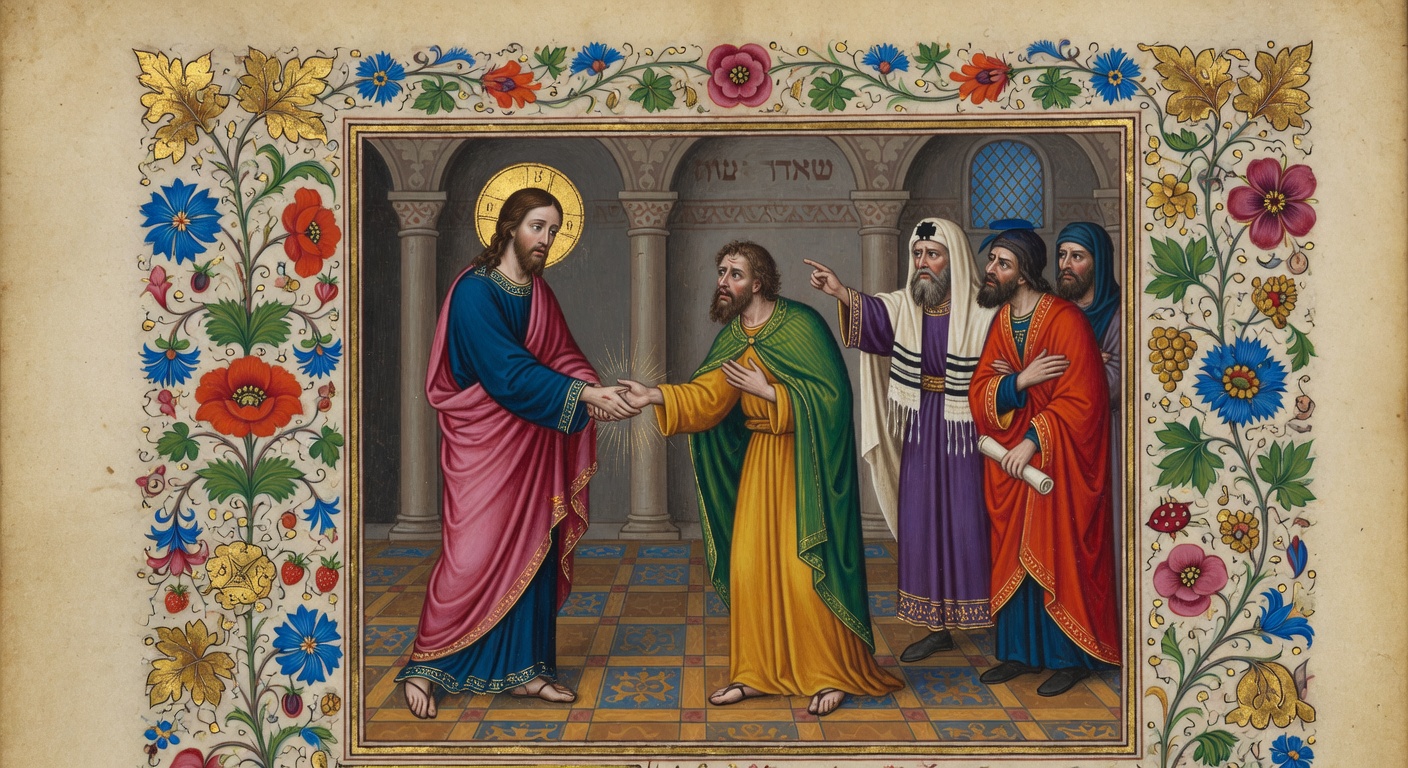
Man with Withered Hand Healed
Jesus
Jesus encountered a man with a withered hand in a synagogue on the Sabbath and restored the hand to full health by instructing the man to stretch it out. The watching Pharisees objected, viewing the act as unlawful work that violated Sabbath regulations, which prompted their anger and set the stage for direct confrontation. This event highlights Jesus' authority over the Sabbath, emphasizing mercy and human need above rigid legalism as taught in the law. In Scripture it marks an early turning point where religious leaders began plotting against him, illustrating broader themes of compassion triumphing over tradition in the Gospels.
-
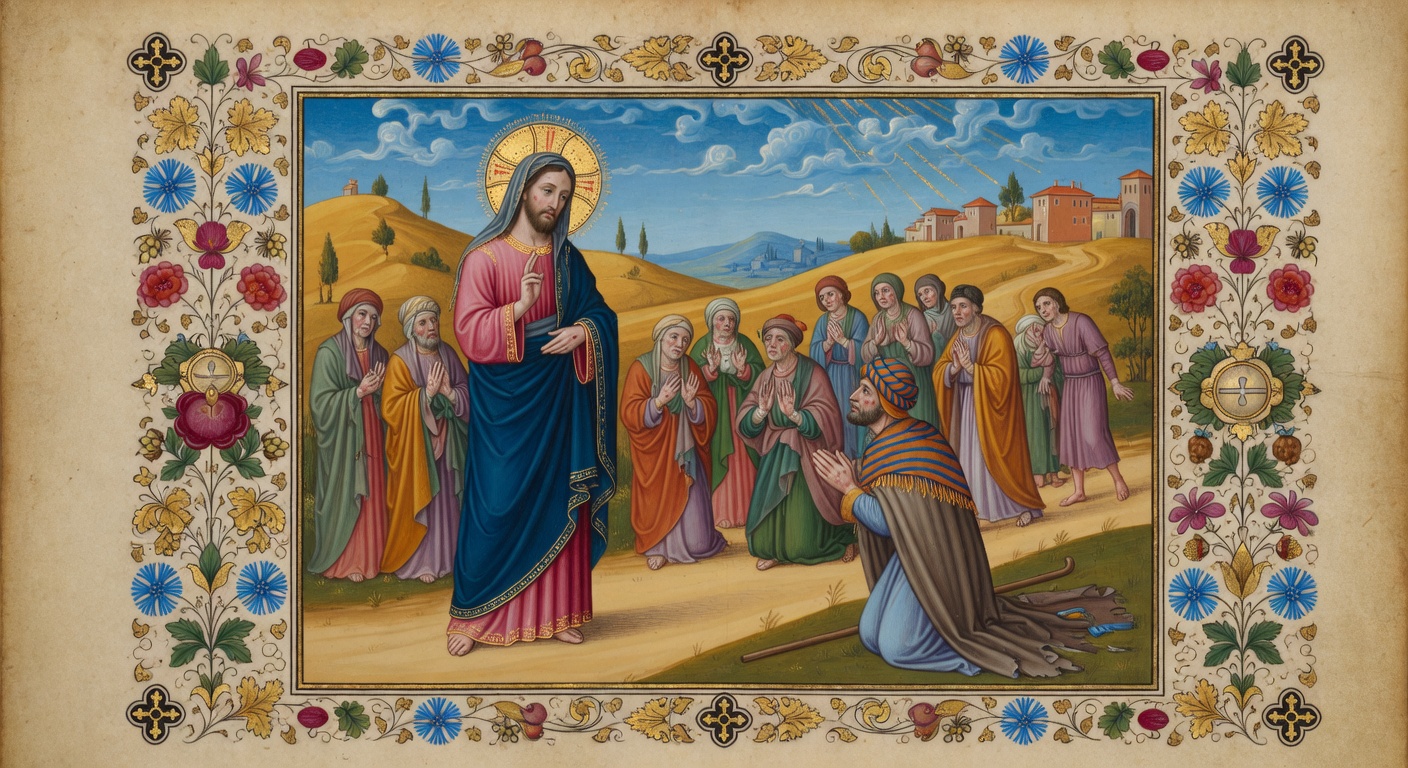
Ten Lepers Cleansed
Jesus
In the Gospel of Luke, Jesus encounters ten lepers while traveling between Samaria and Galilee, and upon their plea for mercy, instructs them to present themselves to the priests, resulting in their healing as they obey. Only one of the men, a Samaritan considered an outsider by Jewish society, returns to express gratitude and praise God, prompting Jesus to affirm that the man's faith has made him well. This account underscores the rarity of thankful response amid divine mercy and highlights how faith and healing extend beyond ethnic boundaries. It serves as a scriptural reminder of the importance of gratitude in the life of faith.
-
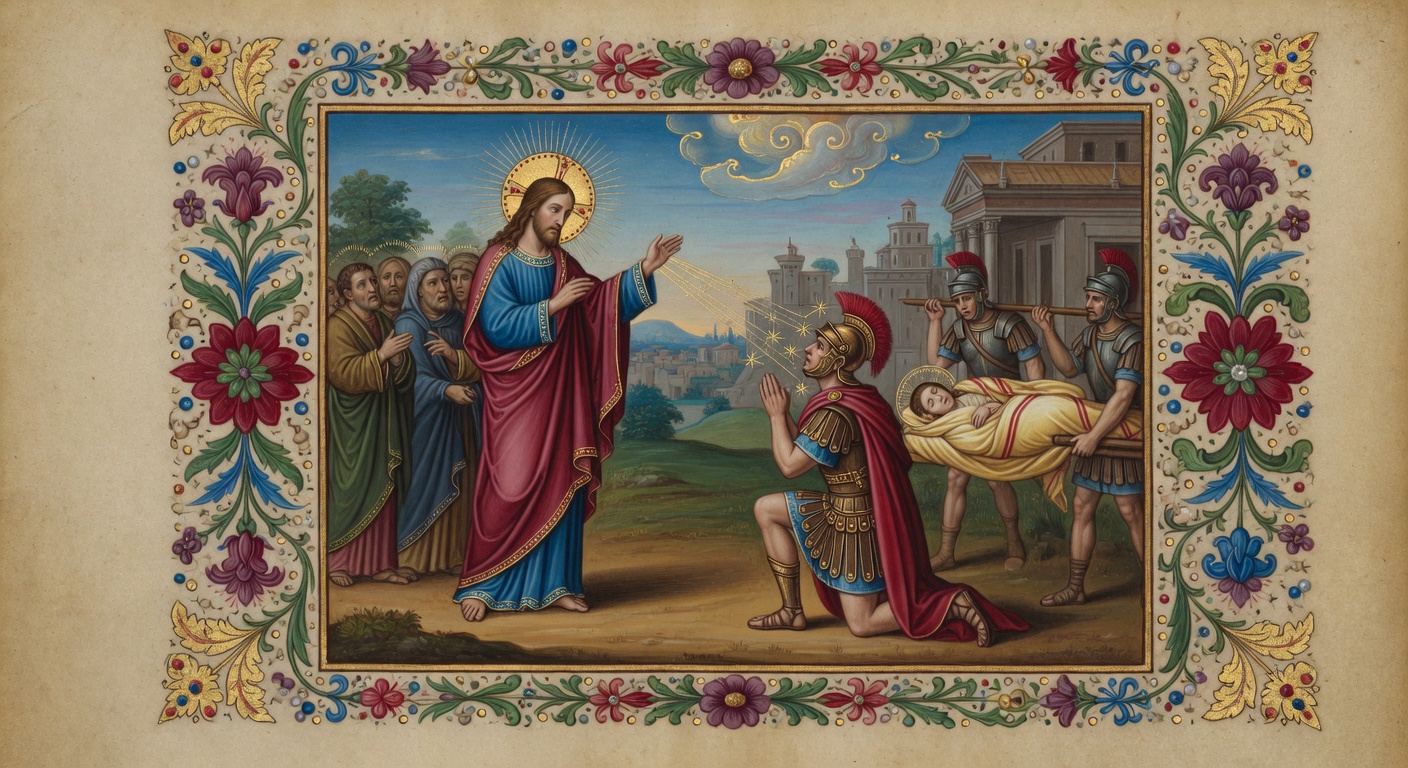
Centurion's Servant Healed
Jesus
In the Gospel accounts of Matthew and Luke, a Roman centurion in Capernaum approaches Jesus seeking healing for his paralyzed servant who is suffering greatly and near death. The centurion demonstrates remarkable faith by declaring that Jesus need only speak a word from a distance to effect the cure, comparing it to his own military authority over subordinates. Jesus marvels at this trust, noting it exceeds any he has found in Israel, and the servant is healed instantly at that moment. This event highlights Jesus' divine authority extending to Gentiles and illustrates that faith, rather than ethnic or religious status, is central to receiving God's mercy in Scripture.
-
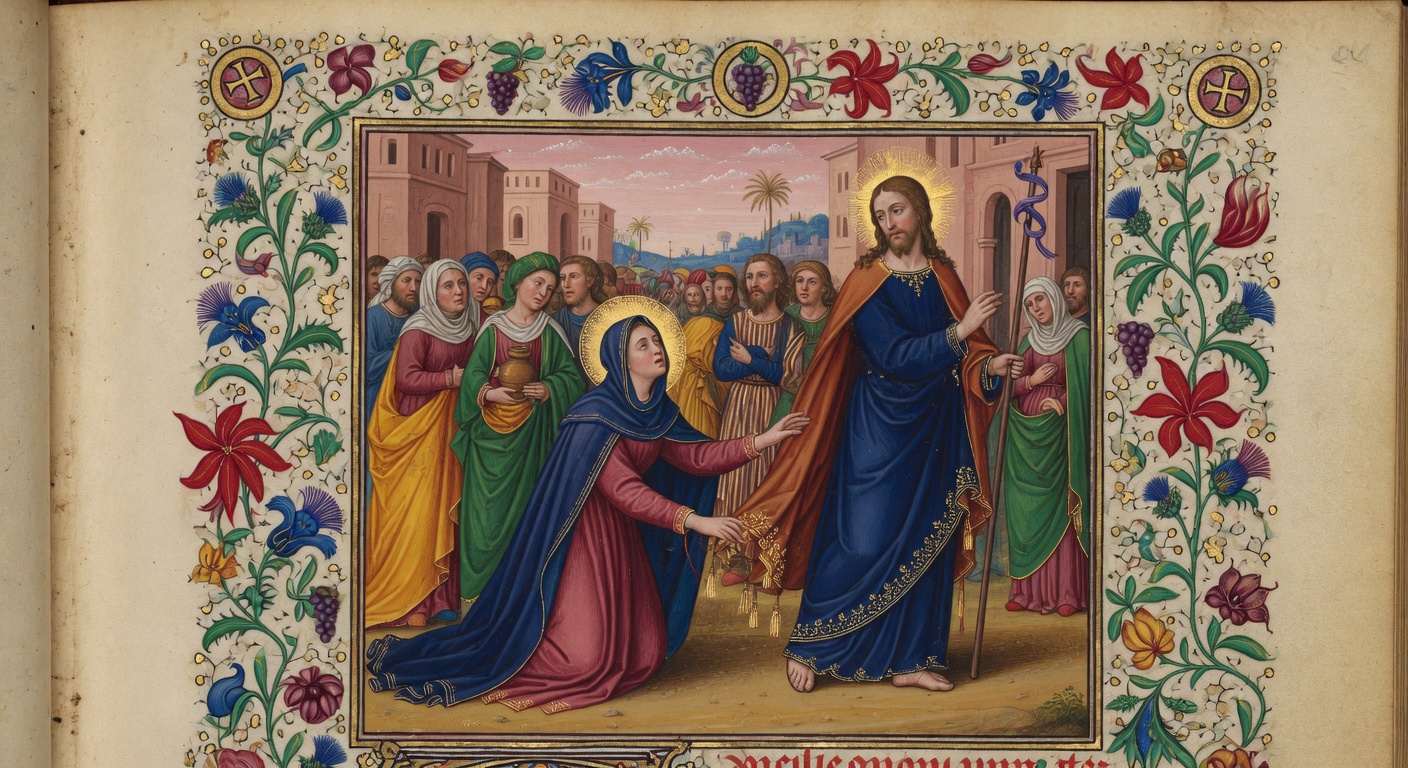
Woman with Issue of Blood
Jesus
In the Gospels, a woman suffering from a hemorrhage for twelve years approached Jesus amid a crowd, having endured failed treatments and social isolation due to Jewish purity laws that rendered her unclean. Believing that merely touching the hem of his garment would bring healing, she reached out in faith and was instantly cured of her affliction. Jesus, sensing power leave him, identified her and affirmed that her faith had made her well, publicly restoring her dignity and place in the community. This miracle underscores the theme of faith as a conduit for divine healing and Jesus' authority over both physical ailments and societal barriers in Scripture.
-
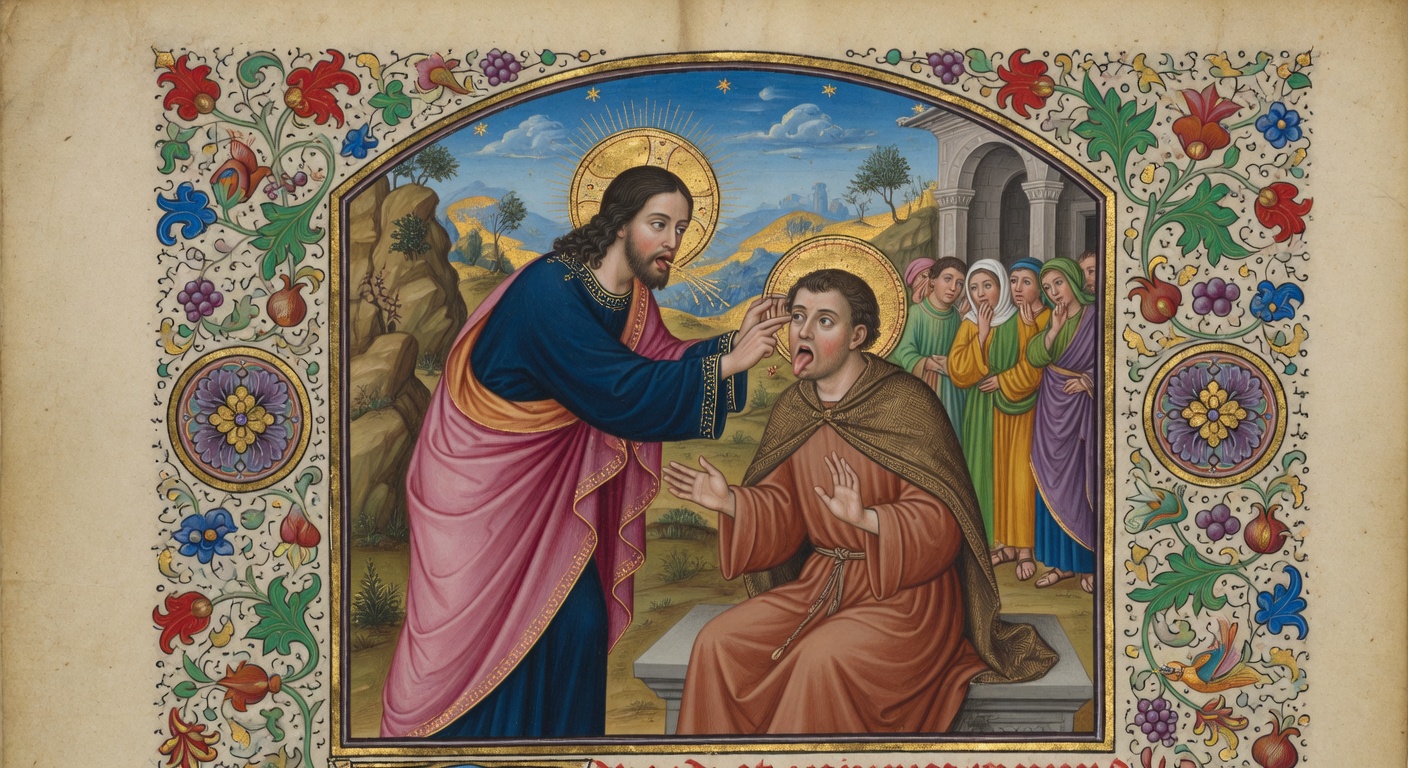
Deaf and Mute Man Healed
Jesus
In the Gospel of Mark, Jesus encounters a man who is deaf and has a speech impediment while traveling through the Decapolis region. Taking the man aside privately, Jesus places his fingers in the man's ears, spits and touches his tongue, then commands the condition to open, resulting in the man's immediate ability to hear and speak clearly. This healing fulfills Old Testament prophecies such as those in Isaiah that describe the deaf hearing and the mute speaking as signs of divine intervention. The account underscores Jesus' compassion for the physically marginalized and serves as evidence of his messianic authority in bringing restoration and the kingdom of God.
-
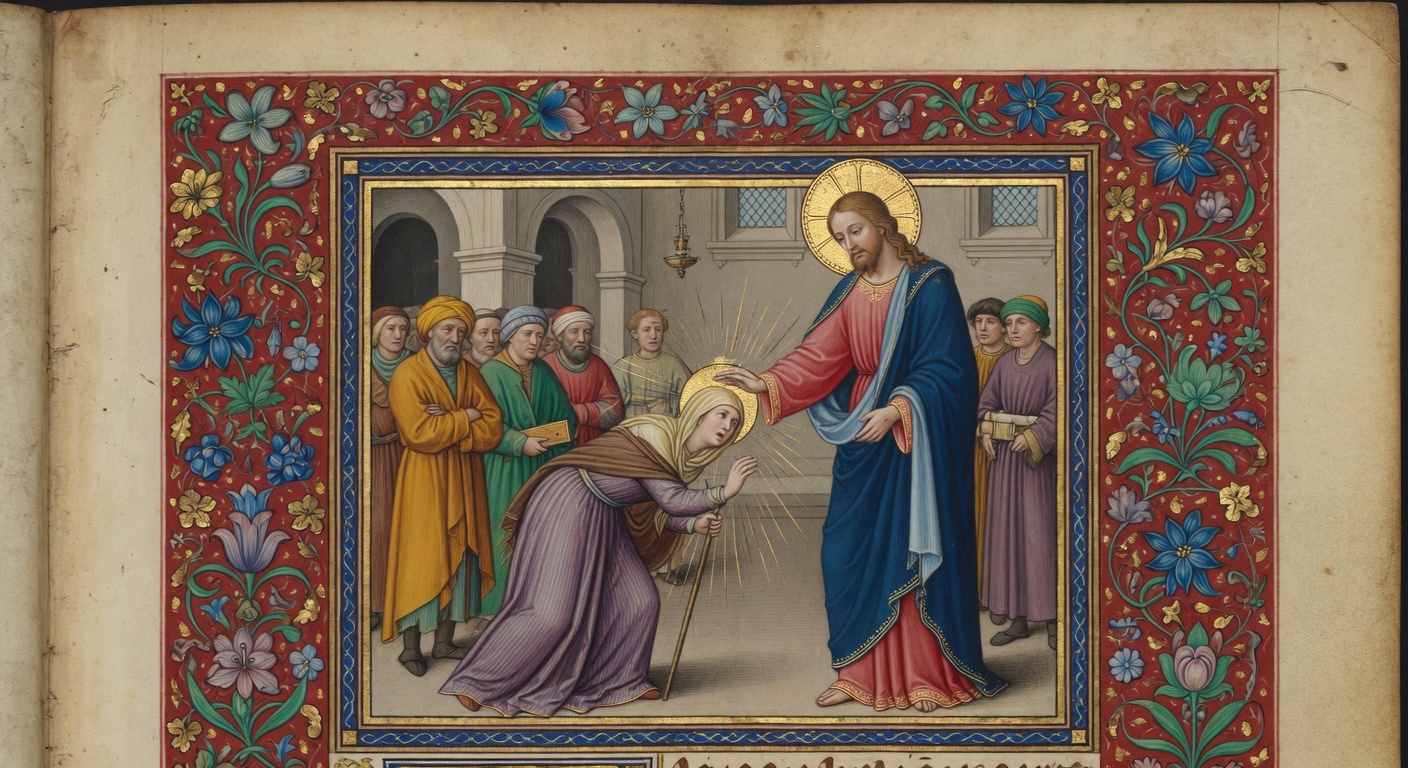
Crippled Woman Healed
Jesus
In the Gospel of Luke, Jesus encounters a woman in a synagogue who had been crippled and bent double for eighteen years due to a spirit of infirmity. On the Sabbath, he calls her forward, lays his hands on her, and instantly heals her, allowing her to stand straight and glorify God. This miracle highlights Jesus' compassion and authority over physical and spiritual afflictions, while also sparking controversy with religious leaders who objected to healing on the Sabbath. Jesus responds by pointing out the hypocrisy in their willingness to care for animals on the holy day but not a suffering human, underscoring the priority of mercy in God's kingdom.
-
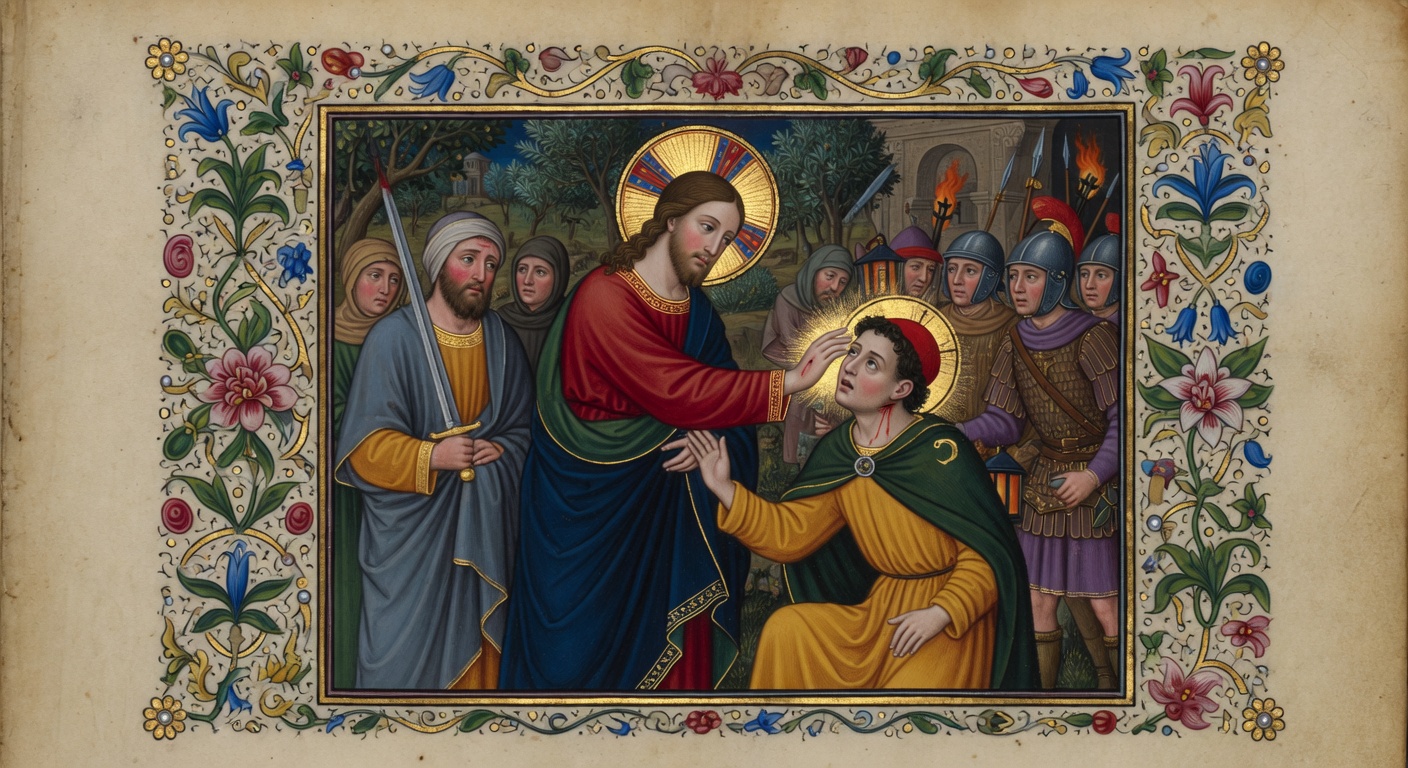
Malchus' Ear Restored
Jesus
During Jesus' arrest in the Garden of Gethsemane, as armed men seized him, the disciple Peter drew a sword and cut off the right ear of Malchus, a servant of the high priest Caiaphas. Jesus immediately rebuked the violence and touched the man's ear, restoring it completely in an act of healing. This miracle, described in Luke 22 and John 18, demonstrates Jesus' compassion toward an opponent amid betrayal and highlights his refusal to resist arrest through force. It also reinforces scriptural themes of mercy, the fulfillment of prophecy, and the nonviolent nature of his mission.
-
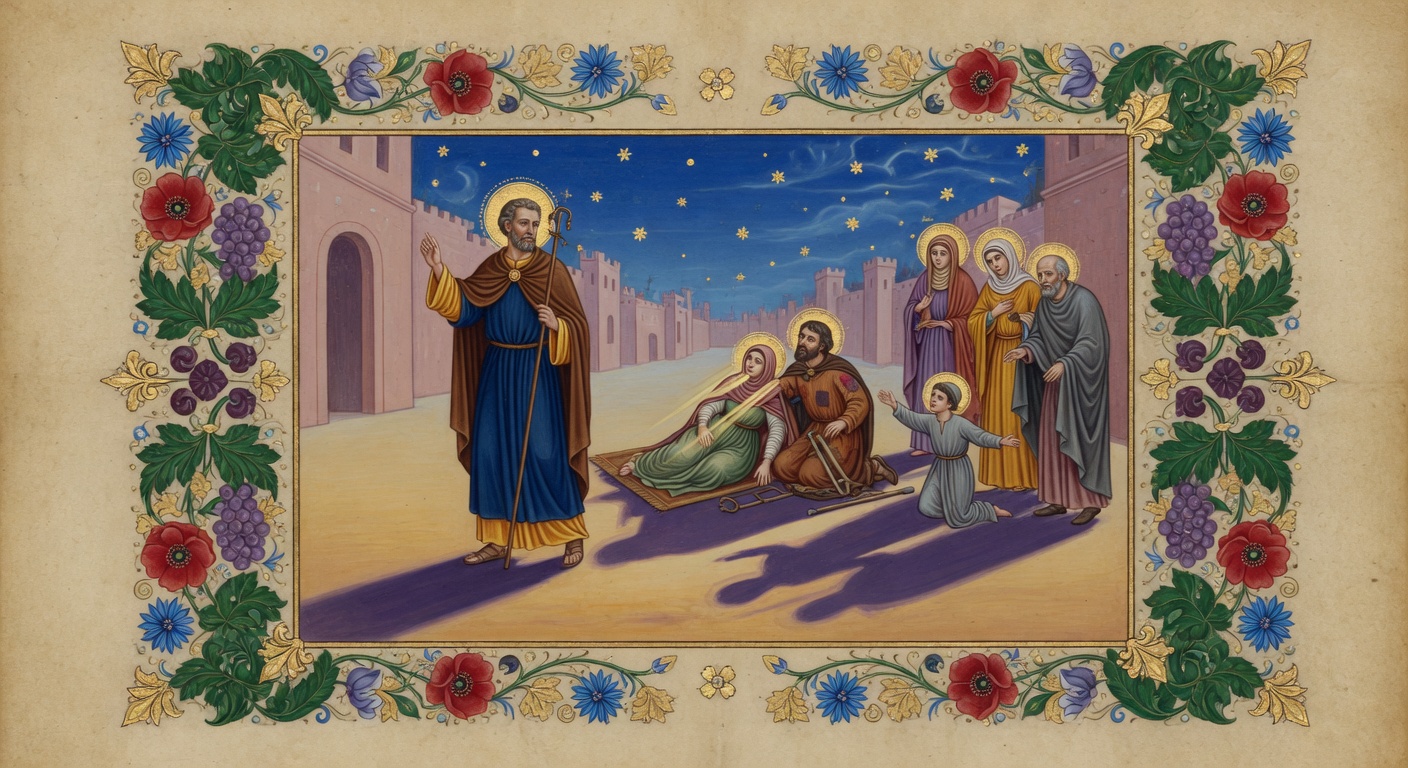
Peter's Shadow Heals
God through Peter
In the Book of Acts, following Pentecost, the apostle Peter exercised extraordinary healing power amid the growth of the early church in Jerusalem. People carried the sick into the streets on mats so that Peter's shadow might fall on them as he passed by, resulting in deliverance from diseases and evil spirits. This phenomenon reflected the continuation of Jesus' ministry through the apostles via the Holy Spirit and drew increasing numbers of believers. It affirmed apostolic authority and demonstrated how faith in God's power could operate even through indirect means, fueling the expansion of Christianity.
-
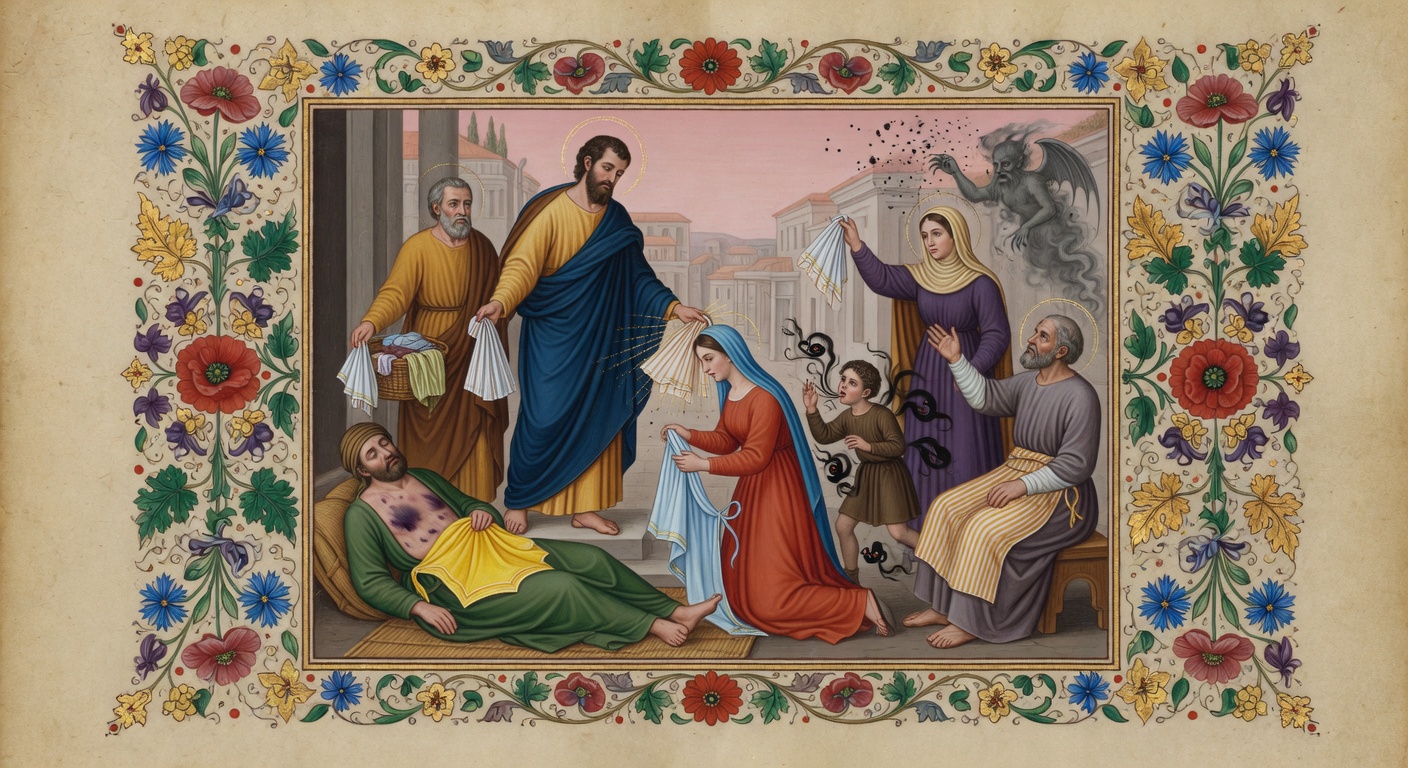
Paul's Handkerchiefs Heal
God through Paul
During Paul's extended ministry in Ephesus, as recorded in Acts 19, God performed extraordinary miracles through the apostle to confirm the gospel message amid a culture steeped in sorcery and pagan practices. Handkerchiefs and aprons that had touched Paul's skin were carried to the sick, resulting in healings and the expulsion of evil spirits. This demonstration of divine power authenticated Paul's apostolic authority and contributed to the widespread growth of the early church by showing that God's authority extended even through ordinary objects associated with his servant.
Deliverance
-
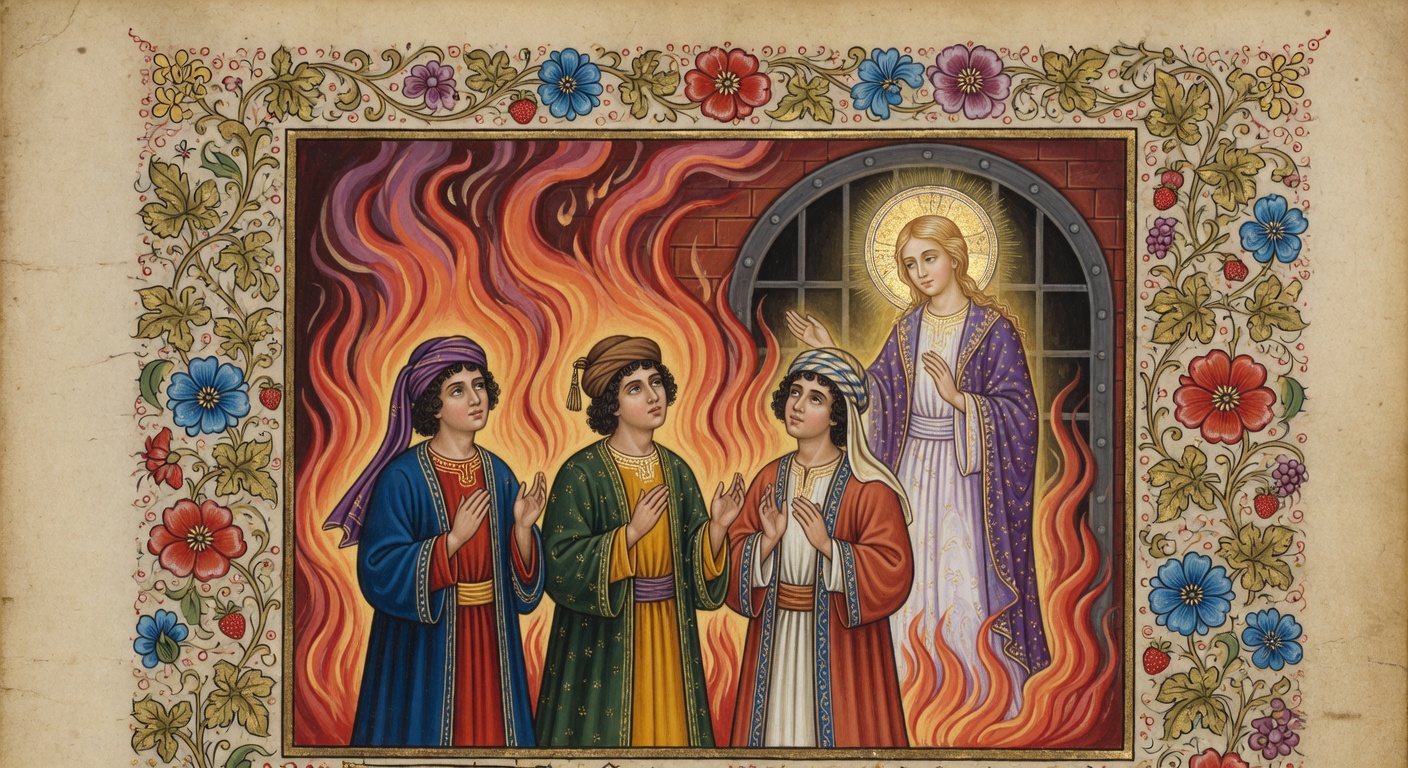
Deliverance from the Fiery Furnace
God
In the Book of Daniel, Shadrach, Meshach, and Abednego, three Jewish officials serving in Babylon, refuse King Nebuchadnezzar's command to worship a golden statue, remaining faithful to the God of Israel despite facing execution. Thrown bound into a furnace heated seven times hotter than usual, the men emerge unharmed and are joined by a fourth figure described as having the appearance of a divine being. Nebuchadnezzar witnesses the event, releases them, and publicly acknowledges their God's power by promoting the men and forbidding insults against him. The account illustrates Scripture's recurring theme of divine protection and deliverance for those who prioritize obedience to God over human authority.
-
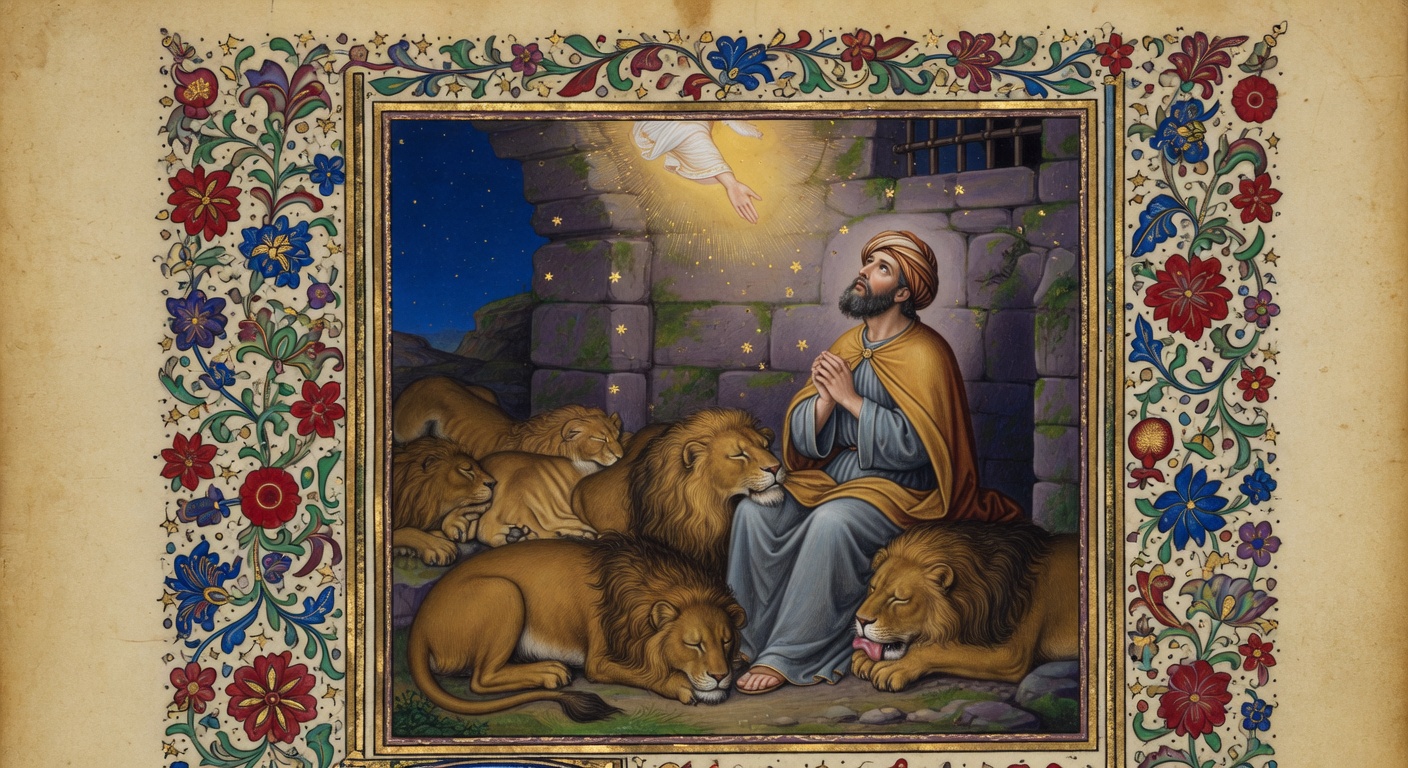
Daniel in the Lions' Den
God
In the Book of Daniel, the prophet faced a royal decree forbidding prayer to any god except King Darius, yet he continued worshiping the Lord three times daily, resulting in his punishment by being cast into a den of lions. God intervened by shutting the mouths of the animals, preserving Daniel unharmed through the night until his deliverance the next morning. This miracle underscored God's sovereign protection over the faithful amid persecution and led Darius to issue a kingdom-wide decree praising the God of Daniel as the living and eternal ruler. The account remains a key scriptural example of divine faithfulness rewarding steadfast obedience.
-
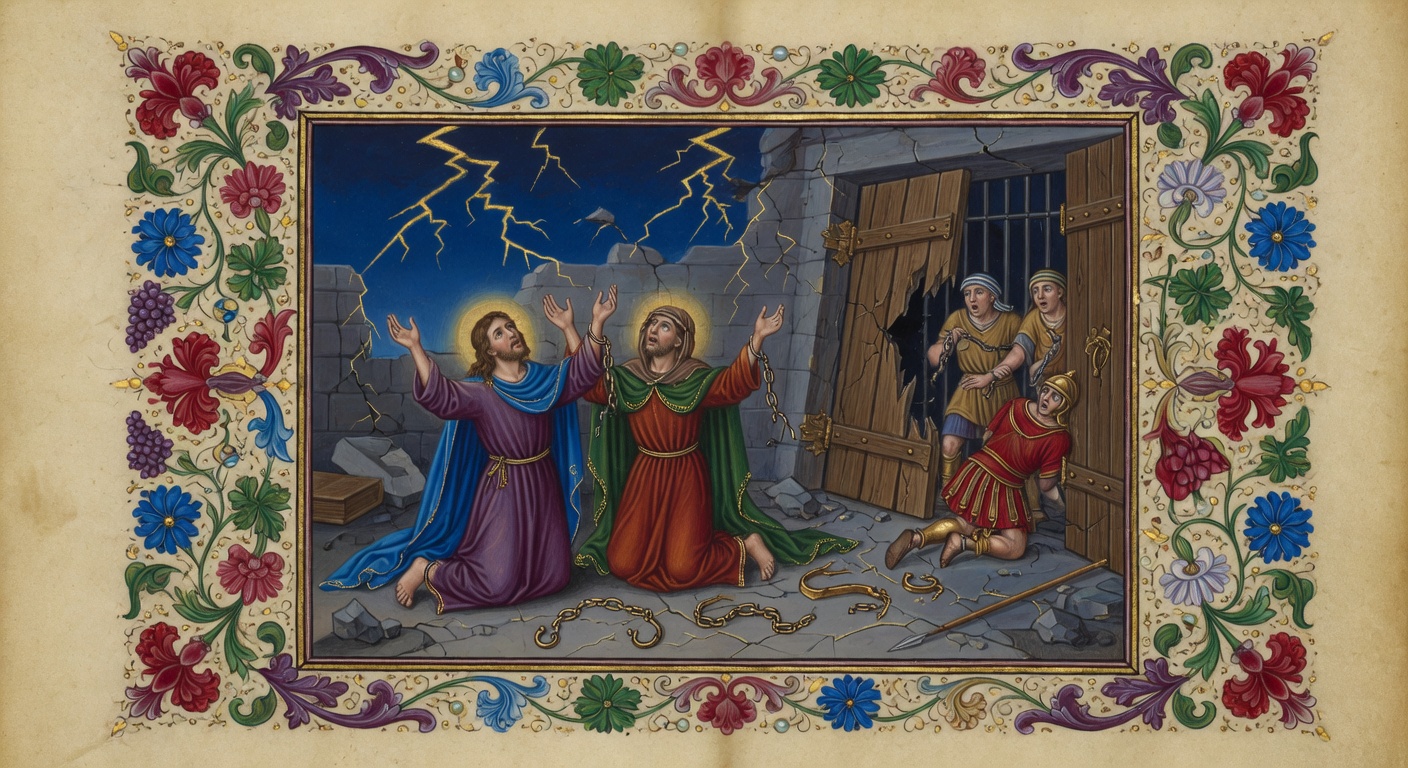
Earthquake Opens Prison
God
In the book of Acts, the apostle Paul and his companion Silas were imprisoned in Philippi after being falsely accused while spreading the Christian message. As they prayed and sang hymns to God at midnight, a sudden earthquake shook the prison, causing the doors to fly open and their chains to come loose. This event prevented their escape, stopped the jailer from taking his own life, and led to his conversion along with the baptism of his household. The account illustrates God's protection amid persecution and the role of faithful worship in advancing the early church.
Birth
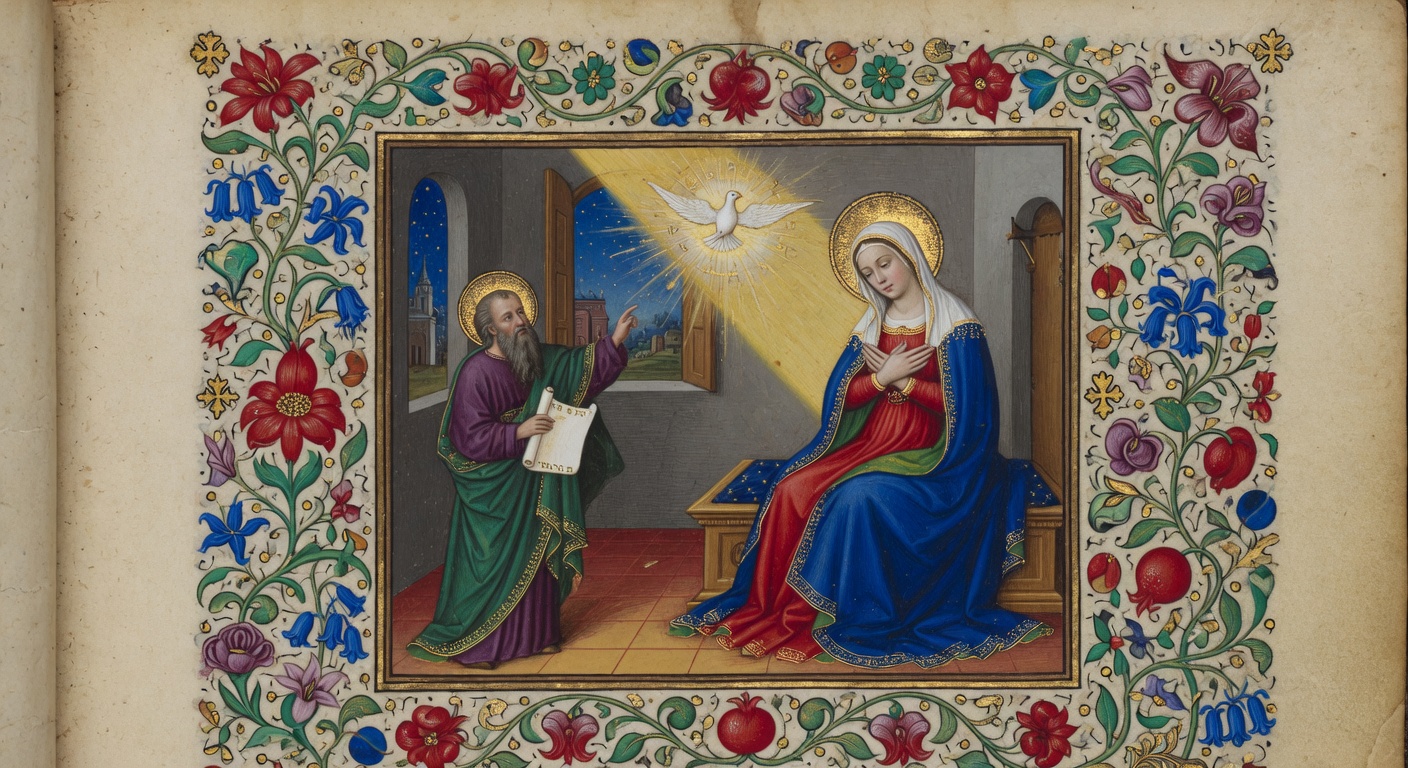
Resurrection
-
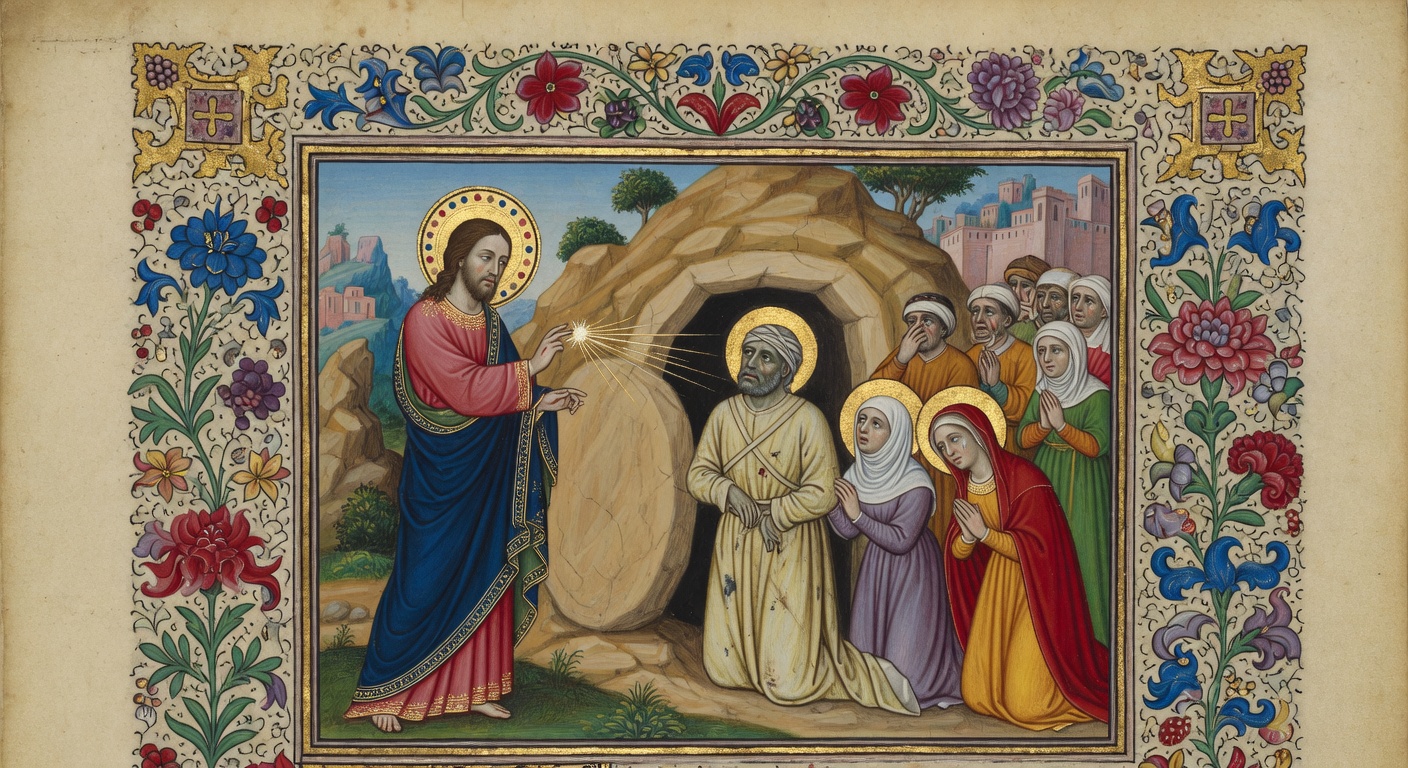
Raising of Lazarus
Jesus
In the Gospel of John, Jesus traveled to Bethany after learning that his friend Lazarus, the brother of Mary and Martha, had died and been buried for four days. Standing before the tomb, Jesus prayed publicly and then commanded Lazarus to come out, at which point the man emerged alive still wrapped in burial cloths. This miracle demonstrated Jesus’ authority over death and served as a pivotal sign confirming his identity as the resurrection and the life. It prompted many witnesses to believe in him while also intensifying opposition from religious leaders that hastened the events of the Passion.
-
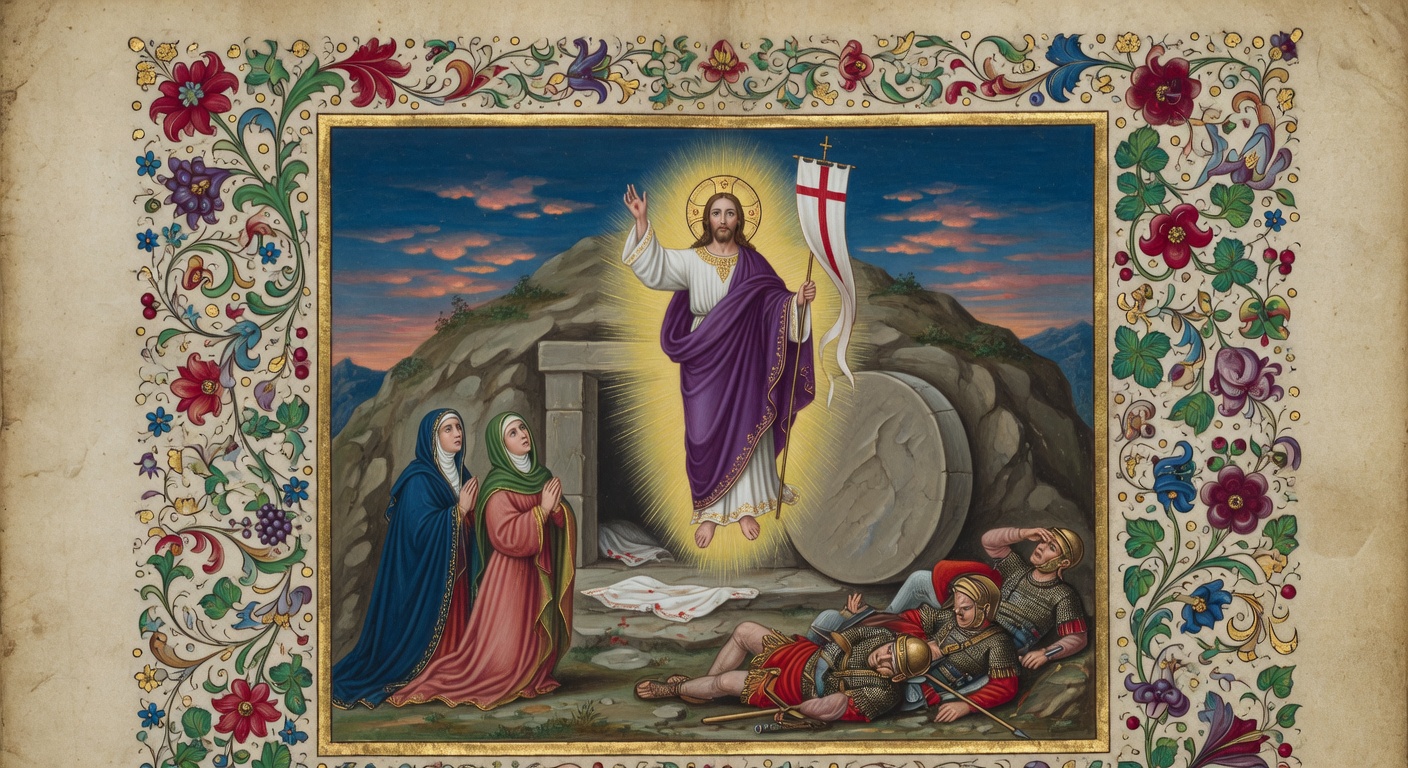
The Resurrection of Jesus
God
According to the New Testament Gospels, Jesus Christ was crucified under Pontius Pilate, died, and was placed in a sealed tomb, only to rise bodily from the dead on the third day and appear to his followers. This resurrection fulfilled Old Testament prophecies and Jesus' own predictions, demonstrating his victory over death and sin as the Messiah. It serves as the cornerstone of Christian doctrine by establishing the promise of eternal life for believers and confirming Jesus' divine authority. In Scripture, the event is presented as essential to salvation, with the apostles emphasizing its historical reality as the basis for faith and hope.
-
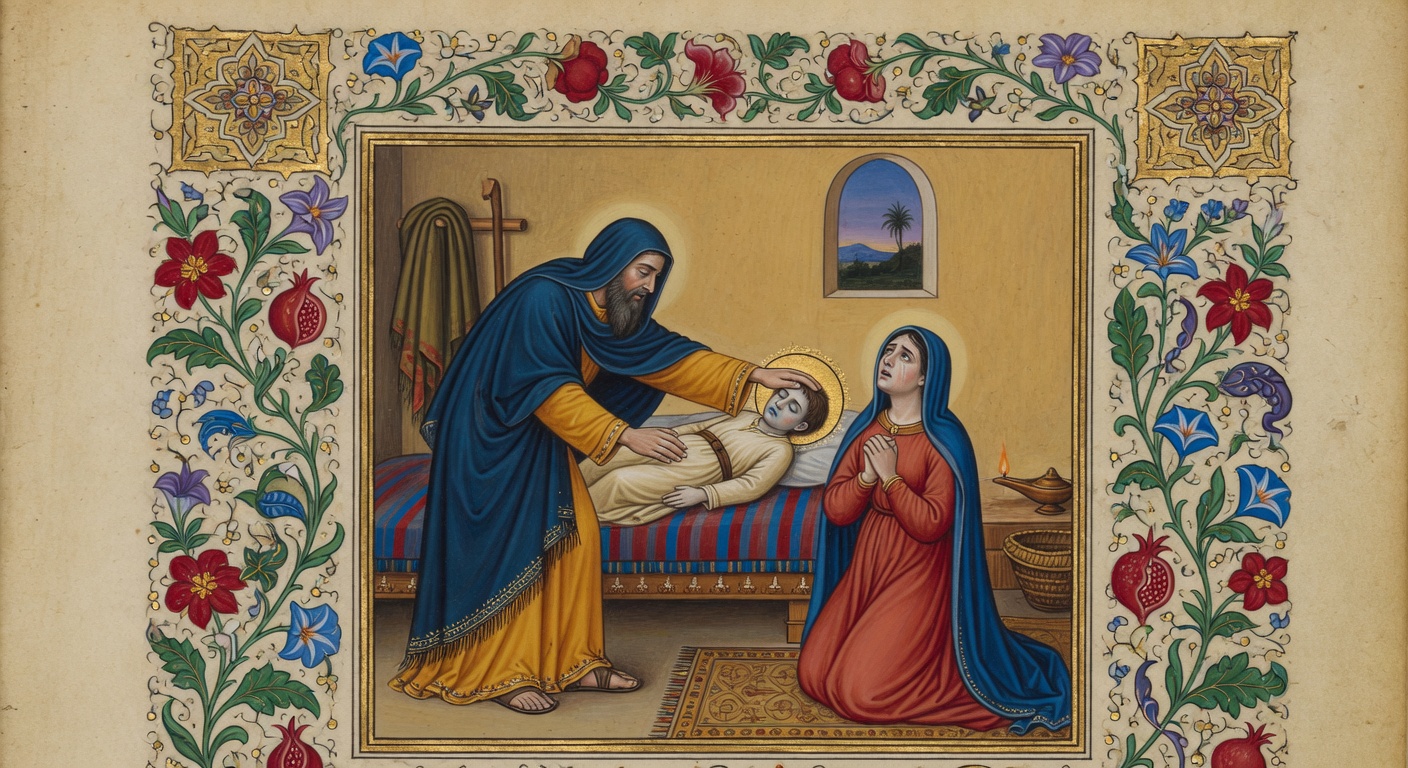
Shunammite's Son Raised
God through Elisha
The Shunammite woman, who had generously provided hospitality to the prophet Elisha, received the promise of a son in her old age as a reward for her kindness. Years later, when the boy suddenly died, she urgently sought Elisha's help; after initial attempts by his servant failed, Elisha prayed over the child, lay upon him, and restored him to life through divine power. This event, recorded in 2 Kings 4, demonstrates Elisha's prophetic authority as successor to Elijah and illustrates God's compassion toward the faithful. It holds significance in Scripture as one of several Old Testament resurrection accounts that foreshadow the greater miracles of Jesus and affirm themes of faith, prayer, and God's sovereignty over life and death.
-
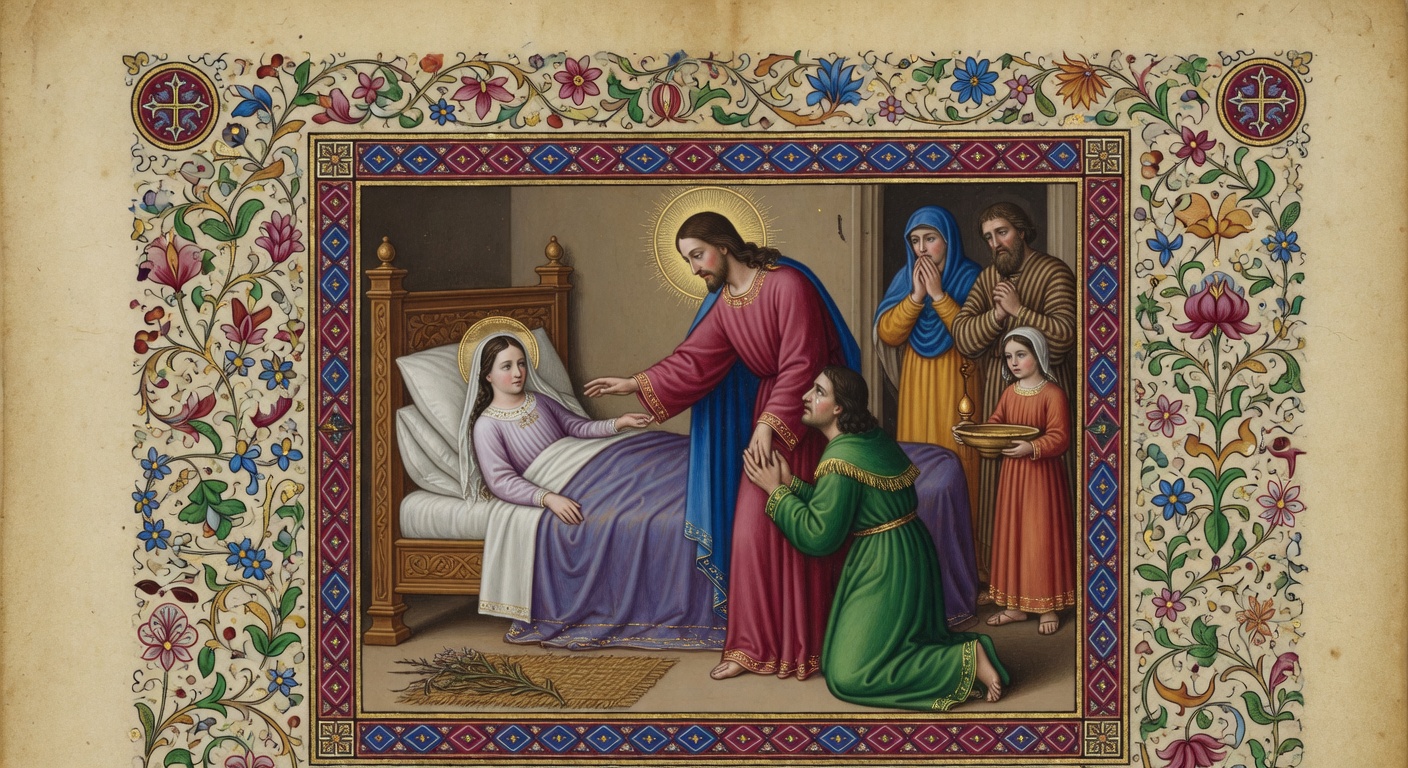
Jairus' Daughter Raised
Jesus
In the Gospel accounts, Jairus, a synagogue ruler, begged Jesus to heal his dying twelve-year-old daughter, but upon arrival at the home, the girl had already passed away. Jesus reassured the mourners by declaring that she was not dead but sleeping, then took her by the hand and commanded her to arise, after which she immediately got up and began walking. This miracle demonstrated Jesus' authority over death and served to strengthen the faith of his disciples and the girl's family. It is recorded in the synoptic Gospels as one of the key signs pointing to Jesus' divine identity and the coming of God's kingdom.
-
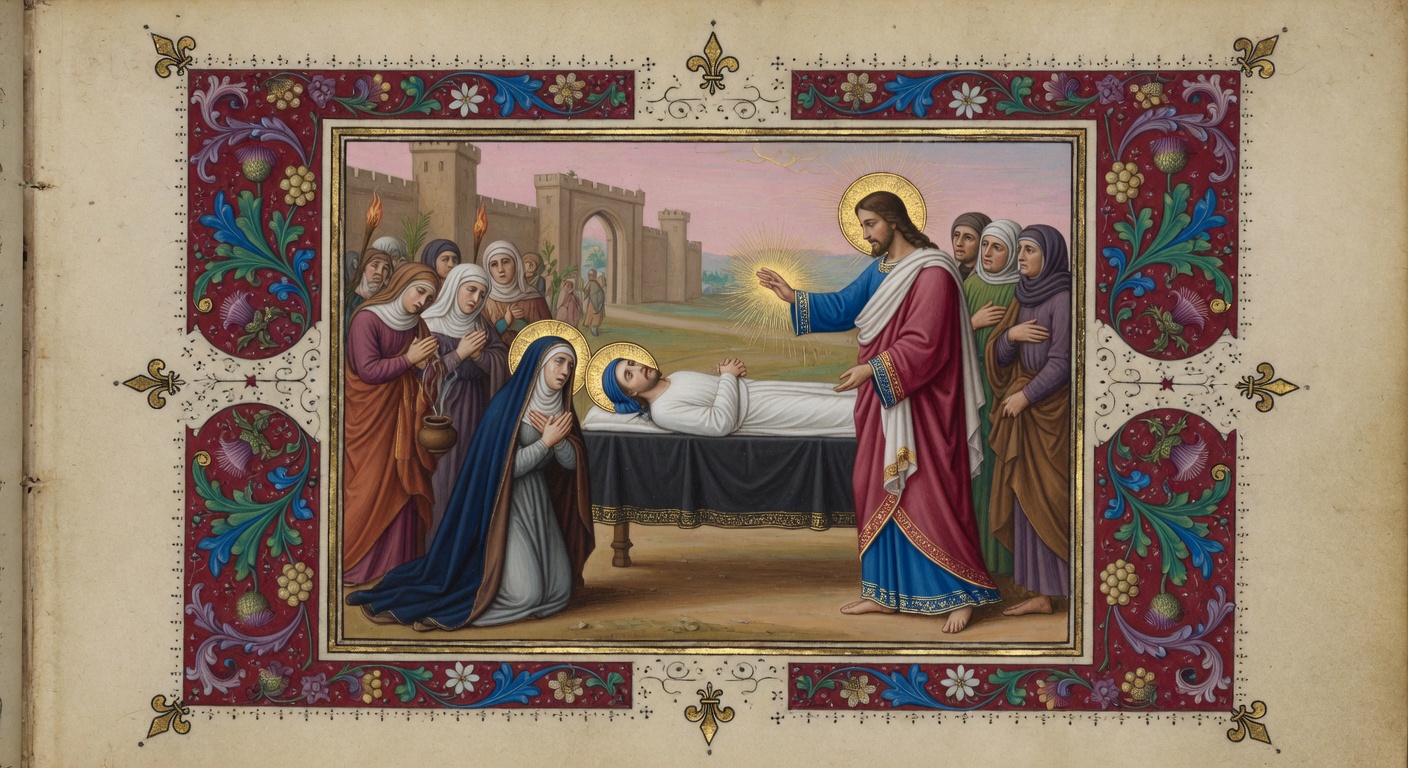
Widow's Son at Nain Raised
Jesus
In the Gospel of Luke, Jesus encounters a funeral procession outside the town of Nain, where a widow mourns the death of her only son, leaving her without support in a society that offered few protections for such women. Moved by compassion, he halts the procession, touches the bier, and commands the young man to arise, restoring him to life so that he sits up and speaks. The event reveals Jesus' unique authority over death, echoing earlier prophetic acts like those of Elijah while confirming his identity as a greater prophet and the promised Messiah. Crowds respond by glorifying God and spreading word of the miracle throughout Judea, highlighting themes of mercy for the marginalized and pointing toward the resurrection hope central to Christian Scripture.
Spiritual
-
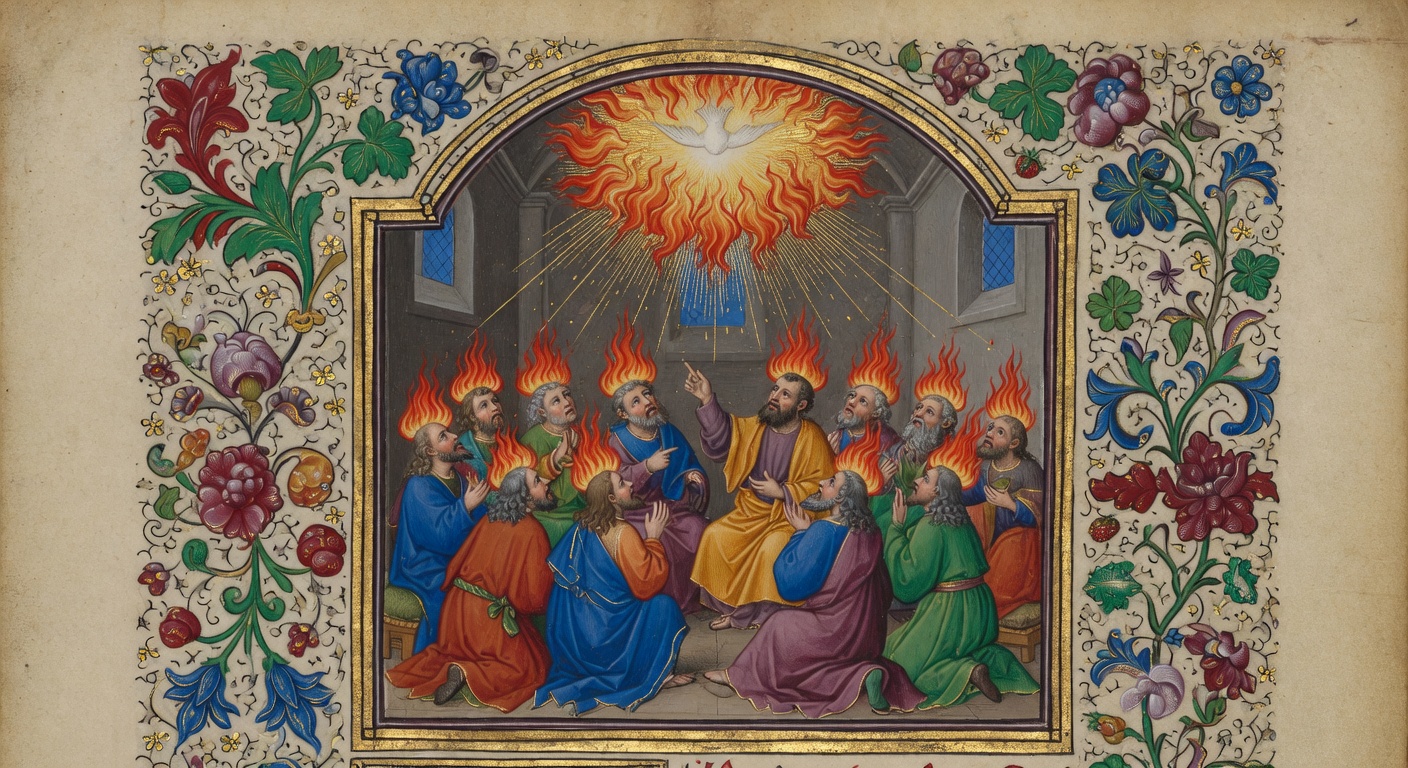
Day of Pentecost
Holy Spirit
The Day of Pentecost occurred fifty days after Jesus' resurrection as the disciples waited in Jerusalem for the promised Holy Spirit. A sound like rushing wind filled the house, tongues of fire rested on each person, and the apostles began speaking in languages understood by Jews gathered from many nations for the festival. Peter then preached a sermon explaining the event as fulfillment of Joel's prophecy, leading to the baptism of about three thousand new believers. This outpouring marks the birth of the Christian church in Acts 2, empowers witness to all nations, and reverses the language division at Babel by uniting people through the Spirit.
-
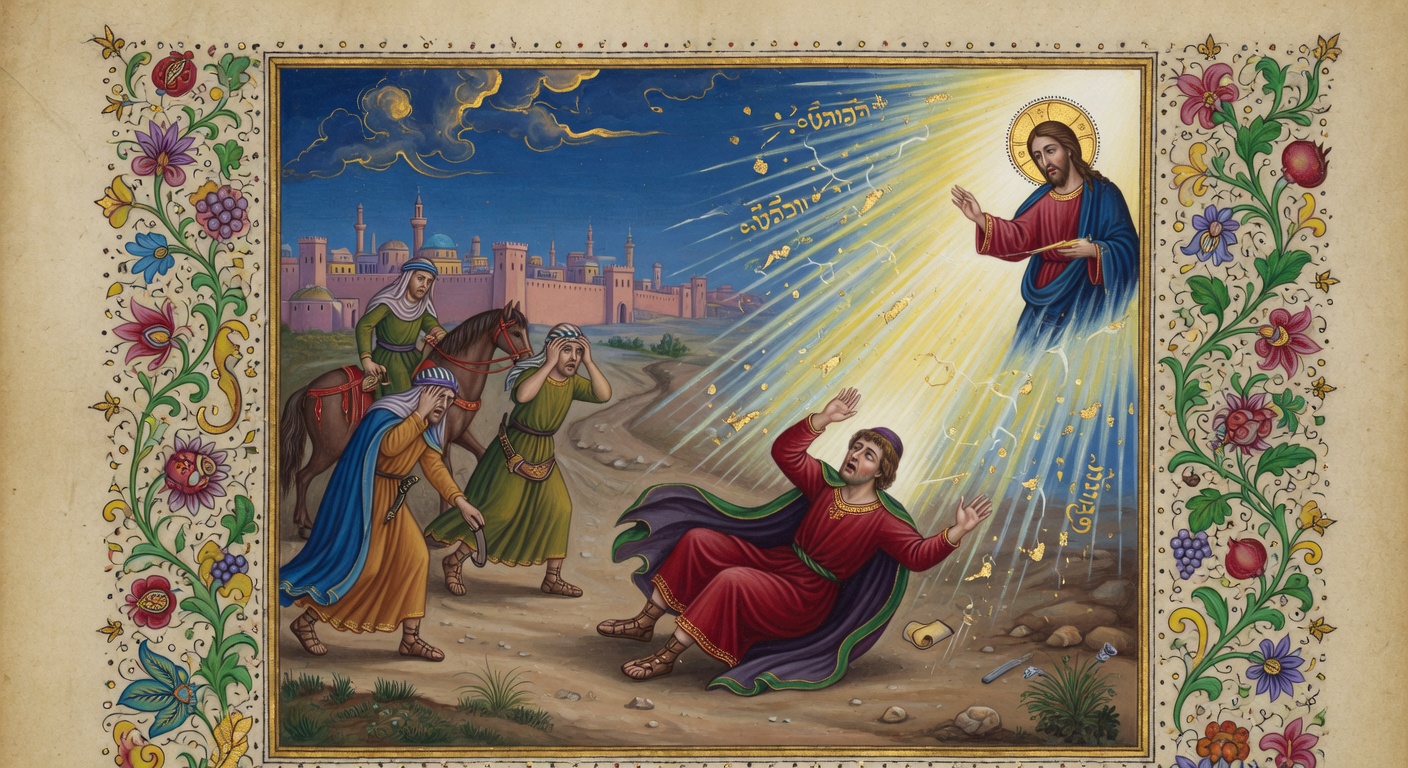
Paul's Conversion on Damascus Road
Jesus
Saul, a zealous Pharisee actively persecuting early Christians, was traveling to Damascus with letters authorizing arrests when a blinding light from heaven caused him to fall and hear the voice of the risen Jesus asking why he was persecuting the Lord. Temporarily blinded and led into the city, Saul fasted for three days until Ananias, directed by a vision, restored his sight, baptized him, and confirmed his calling. This event marked Saul's transformation into Paul, who became a leading apostle, missionary, and author of numerous New Testament epistles that shaped Christian theology. The conversion demonstrates God's sovereign grace in redeeming a chief opponent and advancing the spread of the Gospel to Gentiles.
-
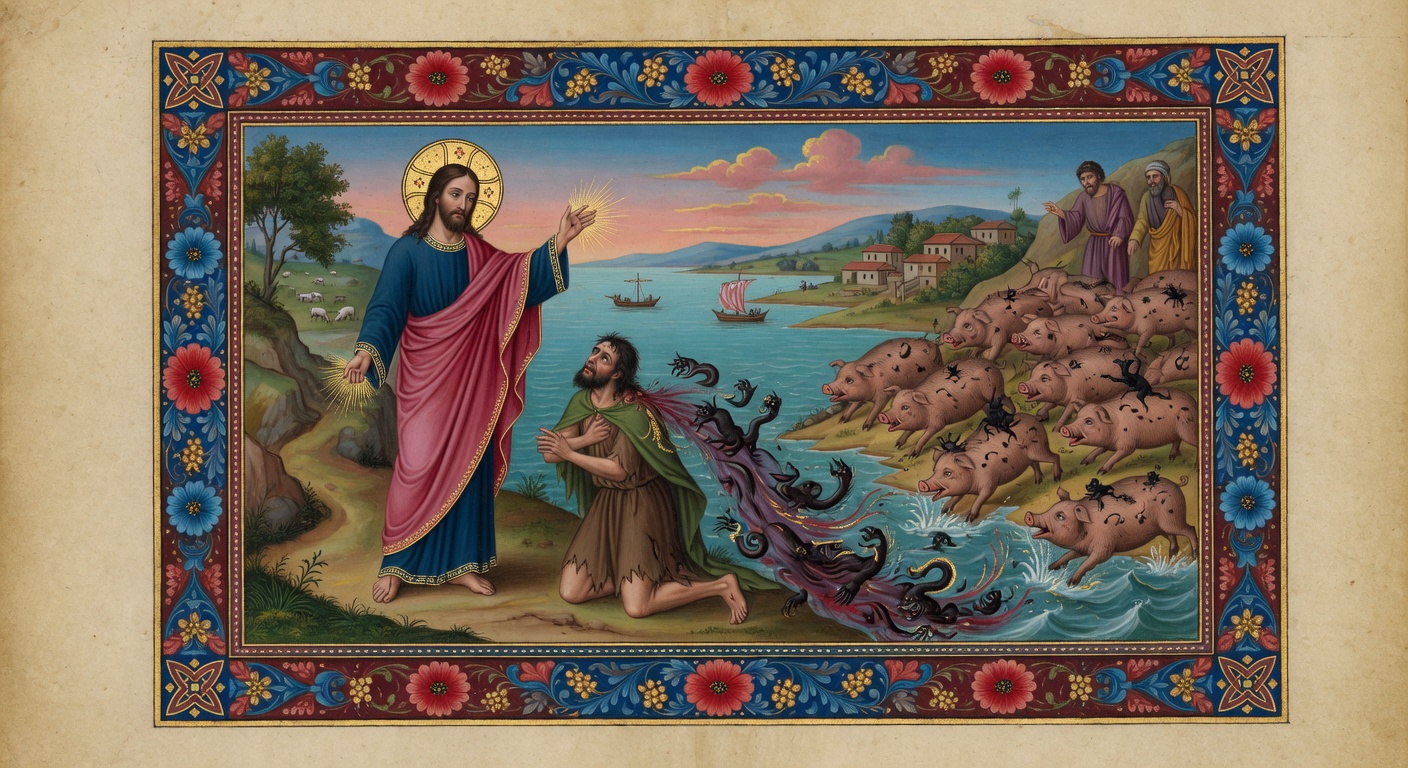
Gadarene Demoniacs
Jesus
In the Gospels, Jesus encounters a man possessed by a multitude of demons known as Legion while traveling in the region of the Gadarenes. The demons, upon recognizing Jesus' authority, request to enter a nearby herd of pigs rather than be sent into the abyss, resulting in the pigs rushing into the sea and drowning after the transfer. This miracle illustrates Jesus' supreme power over evil forces, restores the man to his right mind, and prompts the local people to ask Jesus to depart, underscoring themes of spiritual deliverance and the cost of following Christ in Scripture.