Themes
Theology
-
Love
God's love for humanity is portrayed in Scripture as unconditional and sacrificial, most profoundly demonstrated through the sending of Jesus Christ to die for sinners despite their rebellion. This theme underscores why love matters as the foundation of the Christian faith, calling believers to respond by loving God with all their heart, soul, and mind, and their neighbors as themselves, as Jesus taught in the Gospels. The apostle Paul further elaborates in 1 Corinthians 13 that love is the greatest virtue, surpassing faith and hope, and without it all other spiritual gifts are meaningless. Ultimately, this emphasis on love reflects God's own nature and serves as the defining mark of His followers in the world.
-
Faith
Faith in Scripture centers on actively trusting God's promises and unchanging character despite fear, delay, or visible obstacles. This trust is vividly illustrated through Abraham, who obeyed God's call to leave his homeland and later prepared to sacrifice Isaac, believing God could raise the dead if needed. Such faith matters because it is credited as righteousness, forms the basis for a right relationship with God, and is repeatedly presented as the means by which believers receive salvation and persevere. Throughout both Testaments, from the exodus generation to the New Testament church, this theme underscores that genuine reliance on God shapes history and fulfills his redemptive purposes.
-
Hope
In the Bible, hope refers to a confident expectation rooted in God's unchanging character and the promises He has made to His people, rather than mere wishful thinking. This theme emerges prominently after events like the Exodus, where God delivered Israel from slavery, establishing a pattern of faithful provision that believers could trust for the future. Hope matters deeply because it sustains individuals through trials and persecution, as seen in the lives of figures like Abraham and the prophets who waited on God's timing. Its ultimate significance is fulfilled in the New Testament through Christ's resurrection, which guarantees eternal life and redemption for all who believe, as emphasized in passages like Romans 15:13 and Hebrews 6:19.
-
Salvation
Salvation addresses humanity's separation from God due to sin, which originated with Adam and Eve and brought both spiritual death and physical mortality upon all people. God responded by sending Jesus Christ to live a sinless life, die on the cross as a substitute for sinners, and rise from the dead, thereby satisfying divine justice and offering forgiveness. This act forms the central narrative of Scripture, from the promises in Genesis through the prophecies of Isaiah to the fulfillment recorded in the Gospels and explained in the epistles. Its significance rests in restoring relationship with God and granting eternal life to those who receive it by grace through faith rather than personal effort.
-
Grace
In the Bible, grace refers to God's unmerited favor extended to humanity despite their sinfulness and inability to earn salvation. This concept is vividly demonstrated through the life, death, and resurrection of Jesus Christ, who paid the penalty for sin so that forgiveness could be offered freely. The significance of grace is highlighted in passages like Ephesians 2:8-9, which states that salvation is a gift from God not based on works, preventing anyone from boasting. Understanding grace matters because it transforms the relationship between God and people, emphasizing faith and humility over legalistic efforts to achieve righteousness.
-
Mercy
In the Bible, mercy describes God's compassionate choice to withhold the punishment humanity deserves for sin while offering tender care to the broken and repentant. This theme appears repeatedly, from God's sparing of the Israelites after their rebellion in the wilderness to the New Testament demonstration of mercy through Jesus' healing of the outcast and his atoning death on the cross. It matters because it reveals God's character as both just and loving, preventing deserved destruction and opening a path to relationship with him. Its significance in Scripture lies in establishing the foundation for salvation, as mercy balances judgment with grace and calls believers to extend the same compassion to others.
-
Justice
In the Bible, justice originates in God's own righteous character as the ultimate standard for moral order and equitable treatment, demanding that His people uphold fairness rather than exploit power. This theme unfolds through Old Testament laws protecting widows, orphans, foreigners, and the poor, as well as prophetic confrontations in books like Amos, Micah, and Isaiah that condemn Israel's systemic oppression and call for repentance. Its significance peaks in the New Testament, where Jesus embodies and teaches justice alongside mercy, linking it to the kingdom of God and the final judgment. This matters because it frames justice not as an optional ethic but as essential to covenant faithfulness, shaping how believers address vulnerability and inequality throughout Scripture.
-
Holiness
Holiness in the Bible refers to being set apart for God's purposes and reflecting His pure character in daily life. This theme originates in God's own nature, as seen in Old Testament declarations like Isaiah 6 and Leviticus 19:2, where He commands Israel to mirror His separateness from sin through the covenant, priesthood, and sacrificial system. The New Testament reveals its fulfillment in Christ's atoning work, which sanctifies believers and empowers them by the Spirit to pursue moral purity amid a fallen world. Its significance rests in enabling genuine relationship with God while distinguishing His people as witnesses to His redemptive plan.
-
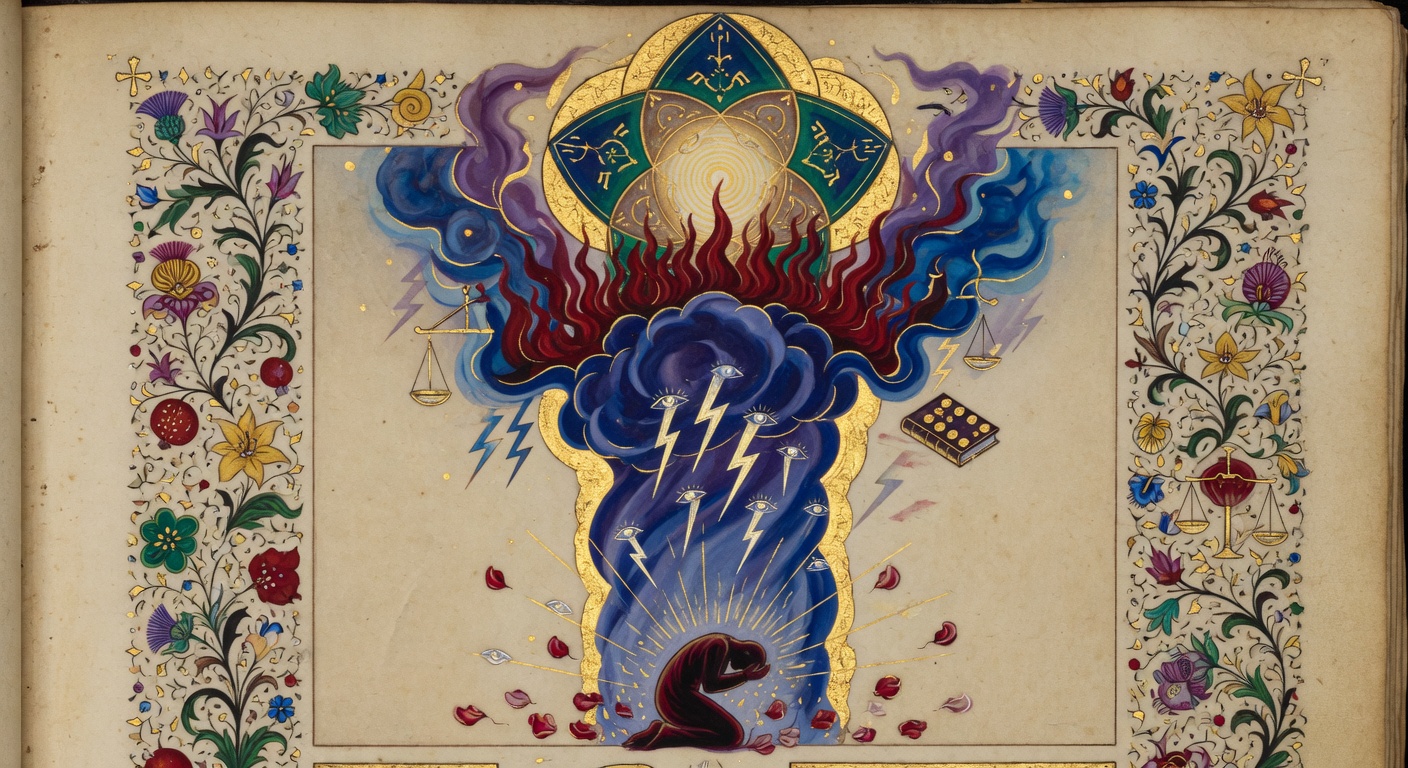
Fear of God
The fear of God in Scripture denotes a profound reverent awe and respect for the Lord's majesty, power, and holiness, distinct from mere terror. This theme emerges prominently in events such as the Israelites' encounter at Mount Sinai, where God's presence inspired both dread and covenant loyalty, underscoring why it matters as the starting point for wisdom and moral living. Passages like Proverbs 9:10 and Ecclesiastes 12:13 highlight its significance, portraying it as essential for knowledge, obedience, and avoiding evil. In the New Testament, it continues to shape discipleship by fostering humility and trust in God's redemptive authority.
-
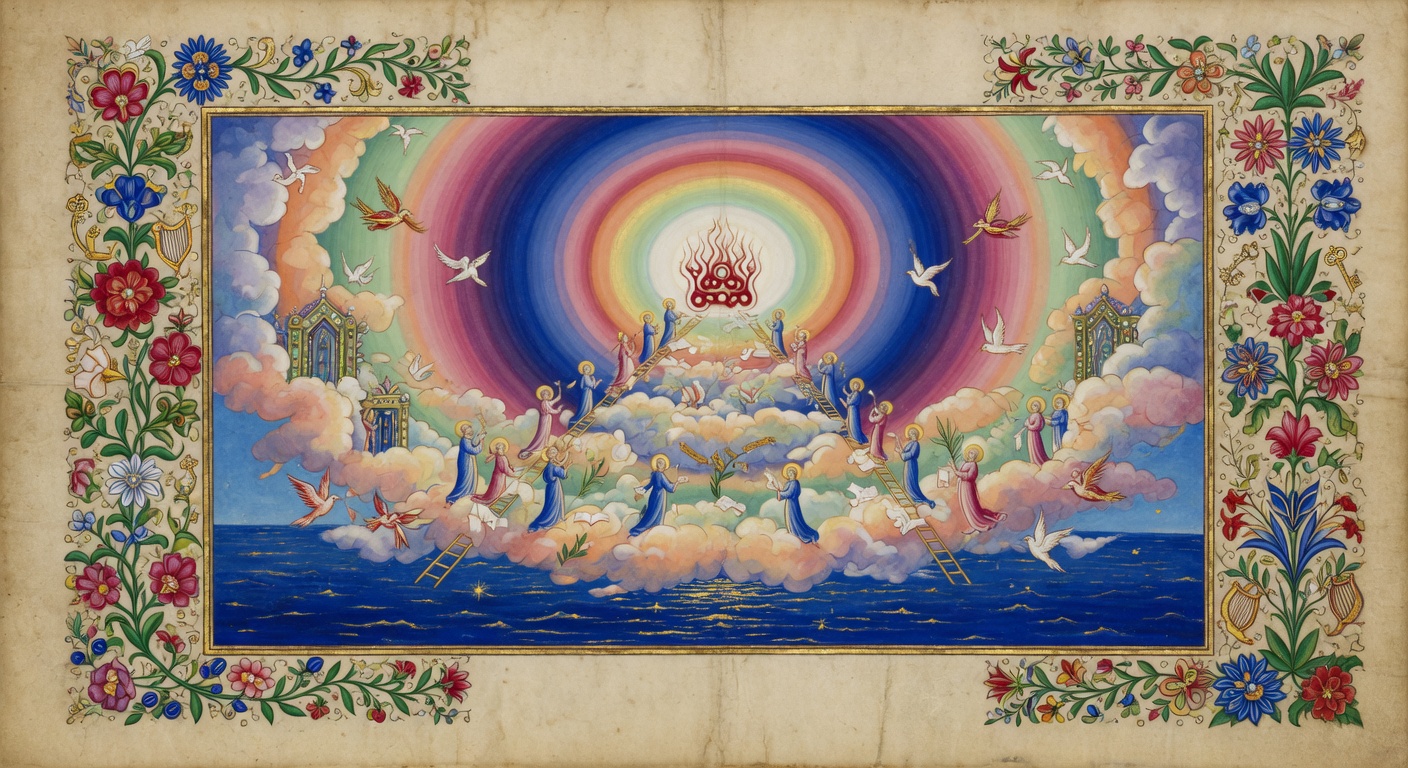
Heaven
Heaven is depicted throughout Scripture as the eternal dwelling place of God, where His glory and presence are fully revealed, from Old Testament visions of the divine throne to New Testament portrayals of the heavenly city. After humanity's fall introduced sin and separation, God promised redemption through Christ, making heaven the ultimate destination for believers who are welcomed into eternal fellowship by grace. This theme holds profound significance as it offers hope amid suffering, assures victory over death, and calls followers to live with an eternal perspective rooted in passages such as John 14 and Revelation 21.
-
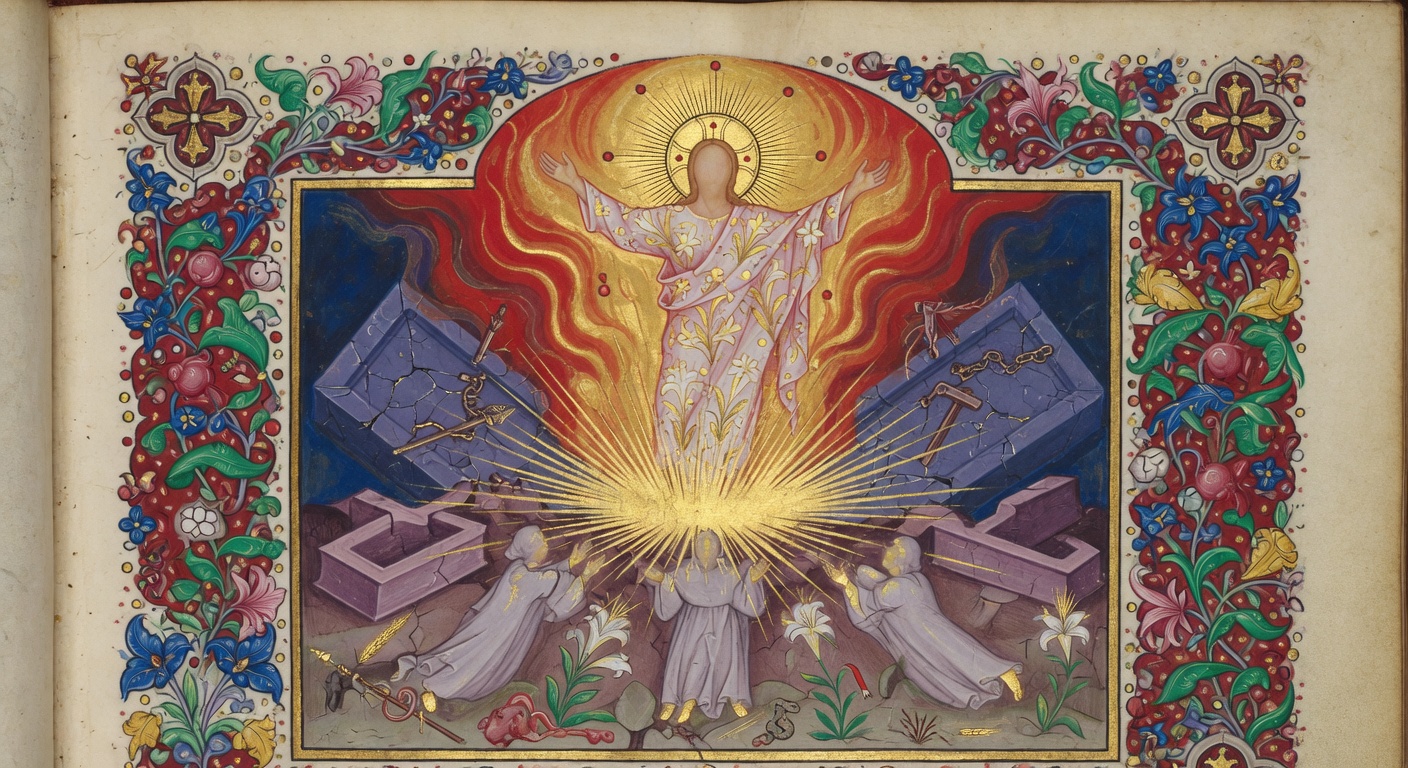
Resurrection
The resurrection of Jesus Christ stands as a pivotal event in the New Testament, where he rose from the dead three days after his crucifixion and burial, conquering sin and death through divine power. This victory fulfills multiple Old Testament prophecies and serves as historical validation of Jesus' identity as the Messiah and Son of God. It matters profoundly for believers because it establishes the promise of their own future bodily resurrection and eternal life, forming the cornerstone of Christian hope. In Scripture, the theme reinforces God's redemptive plan, as seen in passages like 1 Corinthians 15, where Paul links Christ's rising to the defeat of death for all humanity.
-
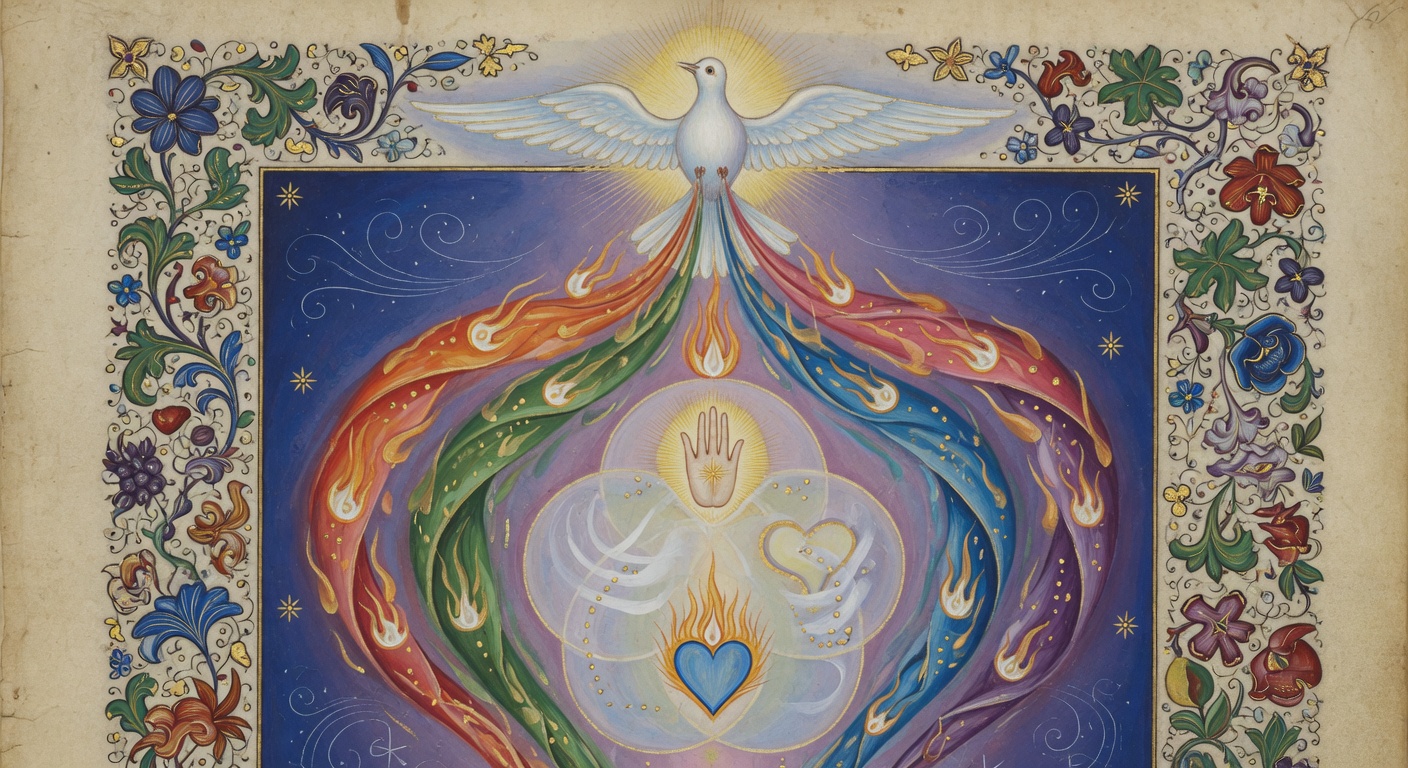
Holy Spirit
The Holy Spirit is the third person of the Trinity, co-equal and co-eternal with the Father and the Son, as affirmed in New Testament passages such as Matthew 28:19 and 2 Corinthians 13:14. Following Jesus' promise in John 14-16, the Spirit was poured out at Pentecost in Acts 2, fulfilling Old Testament prophecies like Joel 2:28-29 and empowering the apostles with visible signs and spiritual gifts to launch the church's mission. This same Spirit now indwells believers at conversion, providing ongoing conviction of sin, empowerment for ministry, and guidance into truth as seen throughout the epistles. Its significance rests in enabling the new covenant community to experience God's presence and continue Christ's work until his return.
-
Creation
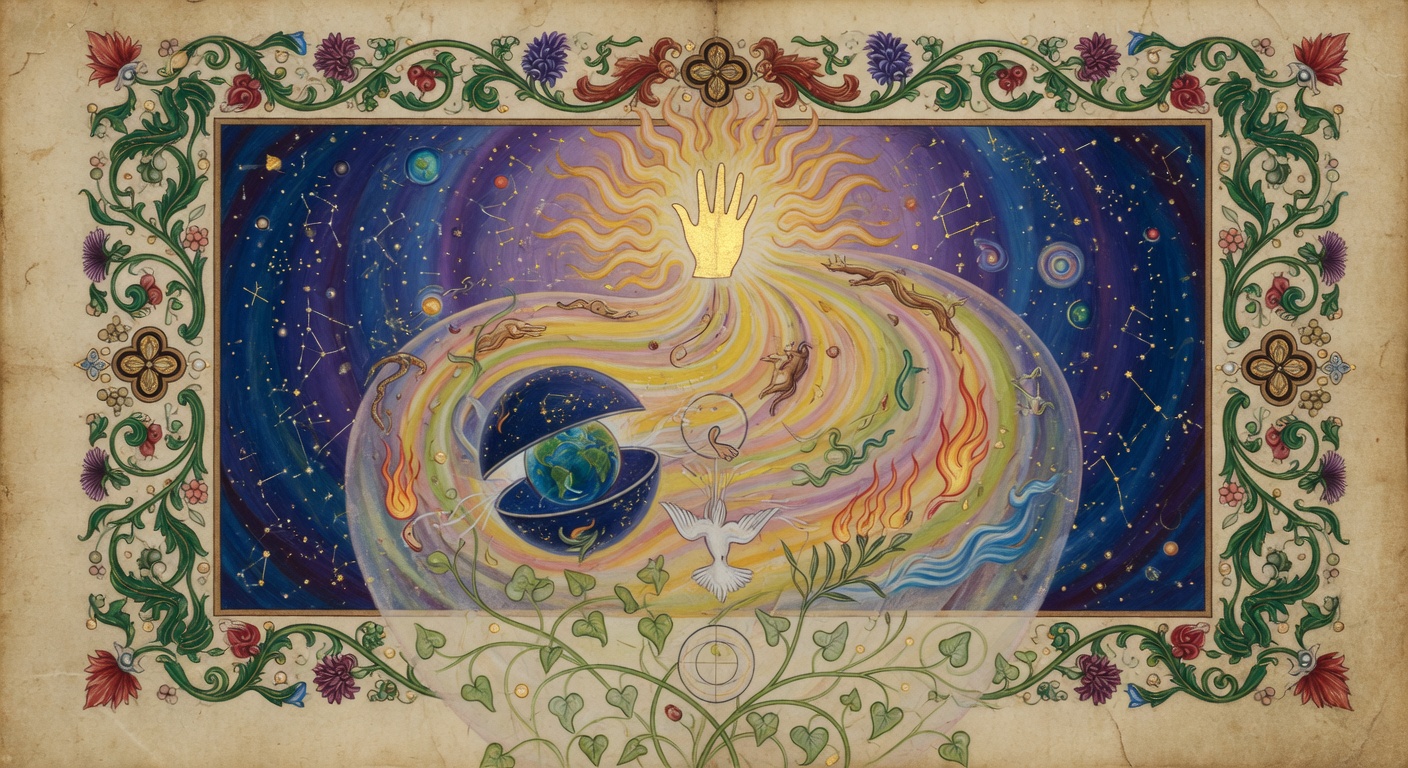
In the opening chapters of Genesis, God creates the heavens and the earth and all that is in them over six days, culminating in the formation of humanity in His image on the sixth day before resting on the seventh. This sovereign act establishes God's authority over all creation and underscores His ongoing role in sustaining the universe through His power and providence. The theme of creation is significant in Scripture as it forms the foundation for understanding human purpose, the sanctity of life, and the need for redemption after the fall, appearing in passages like Psalm 19, Isaiah 40, and John 1. It matters because it affirms that the world is not accidental but purposefully designed by a personal God who maintains a relationship with His creation.
-
Sovereignty of God
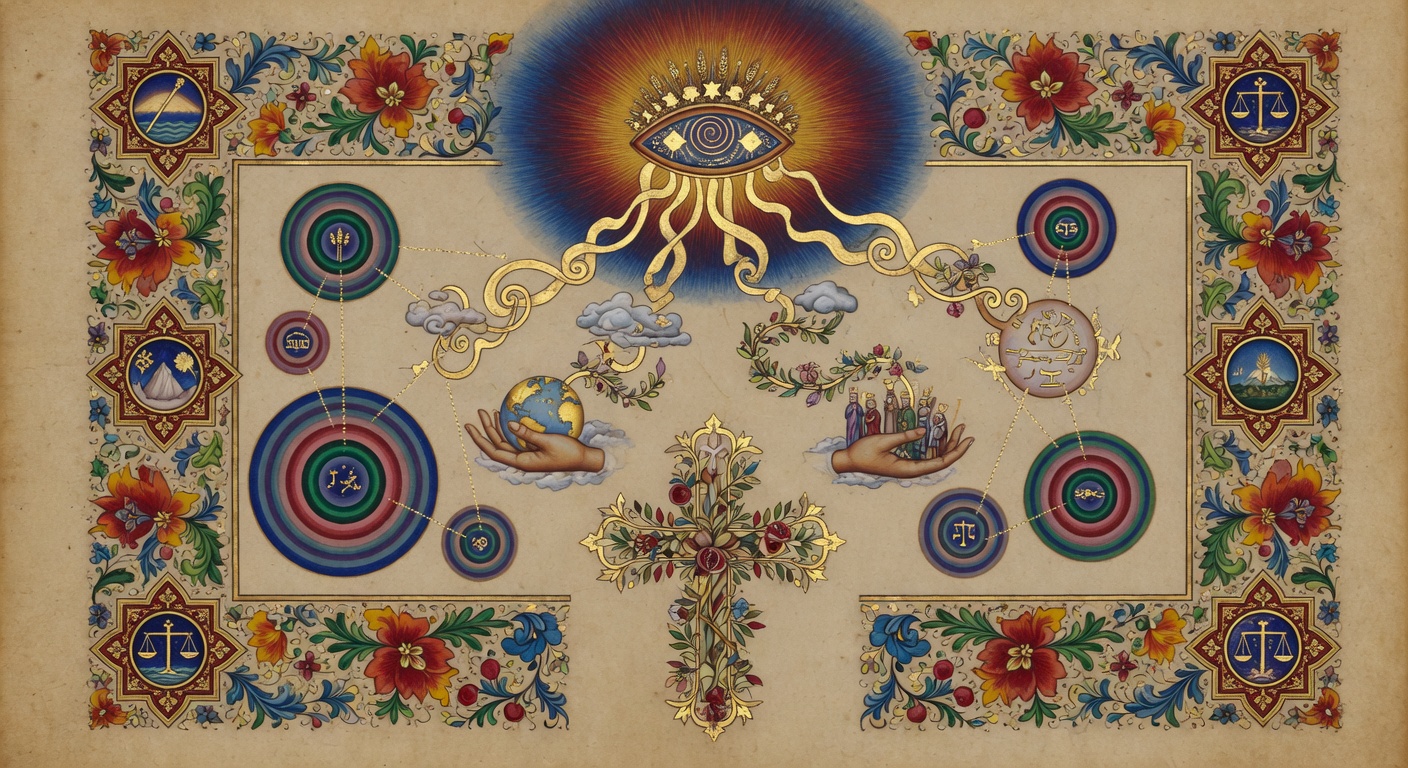
The sovereignty of God refers to His supreme authority and control over all creation, history, and human affairs, as depicted throughout the Bible from the opening chapters of Genesis where He speaks the universe into existence. This theme is illustrated in events such as the Exodus, where God delivers the Israelites from Egypt despite Pharaoh's resistance, demonstrating His power over nations and rulers. It matters because it provides believers with assurance that no event occurs outside of God's plan, encouraging trust and worship even amid suffering or uncertainty. In Scripture, this sovereignty culminates in the New Testament with Christ's victory over sin and death, affirming that God's purposes will ultimately prevail for His glory and the good of His people.
-
Redemption
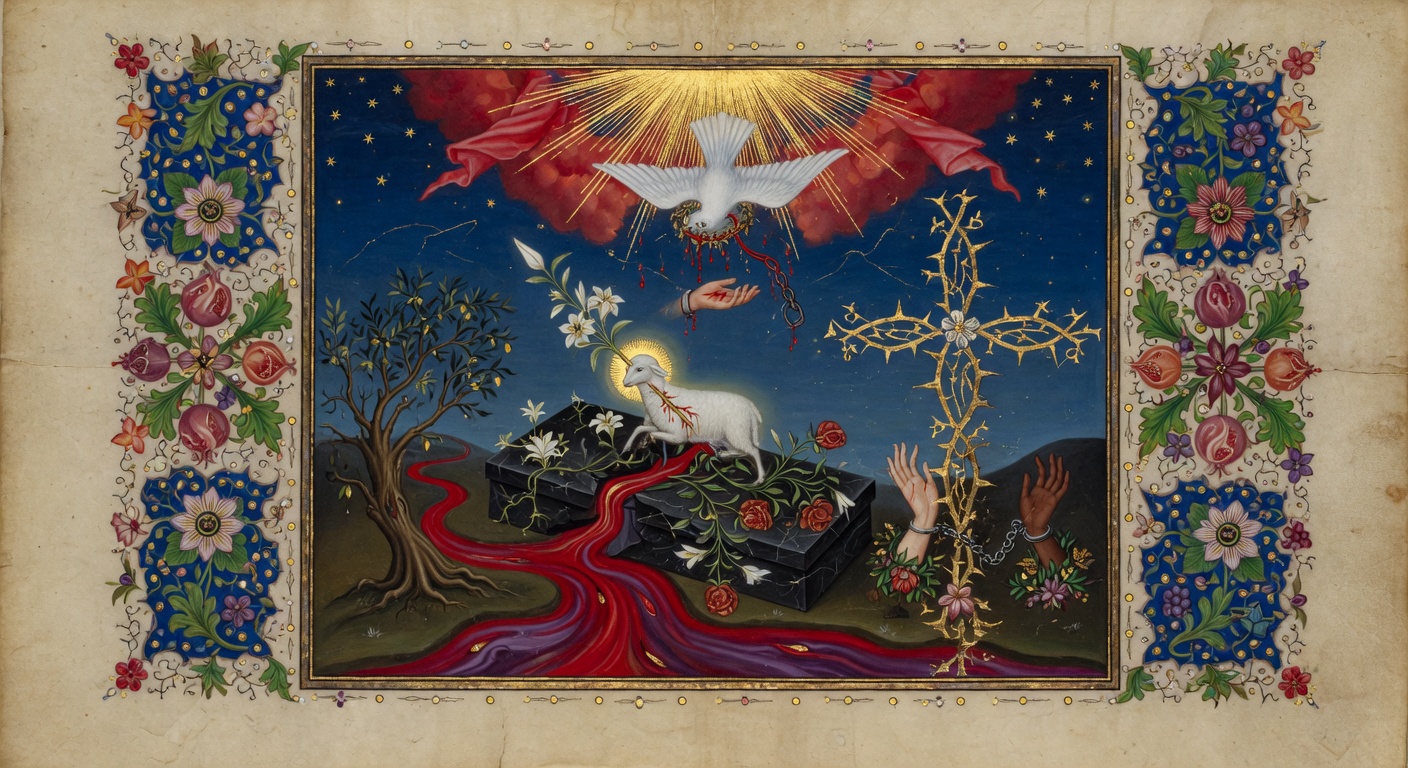
Redemption refers to God's initiative to purchase back and restore humanity, which had become enslaved to sin and separated from its Creator following the fall in the Garden of Eden. This act was accomplished through the sacrificial death and resurrection of Jesus Christ, who paid the ultimate price to satisfy the demands of divine justice. In Scripture, this theme is central to both the Old and New Testaments, illustrated through events like the Exodus from Egypt and fulfilled in the teachings of the apostles regarding salvation by grace. Ultimately, redemption signifies the restoration of fellowship with God and the promise of eternal life for believers.
-
Sanctification
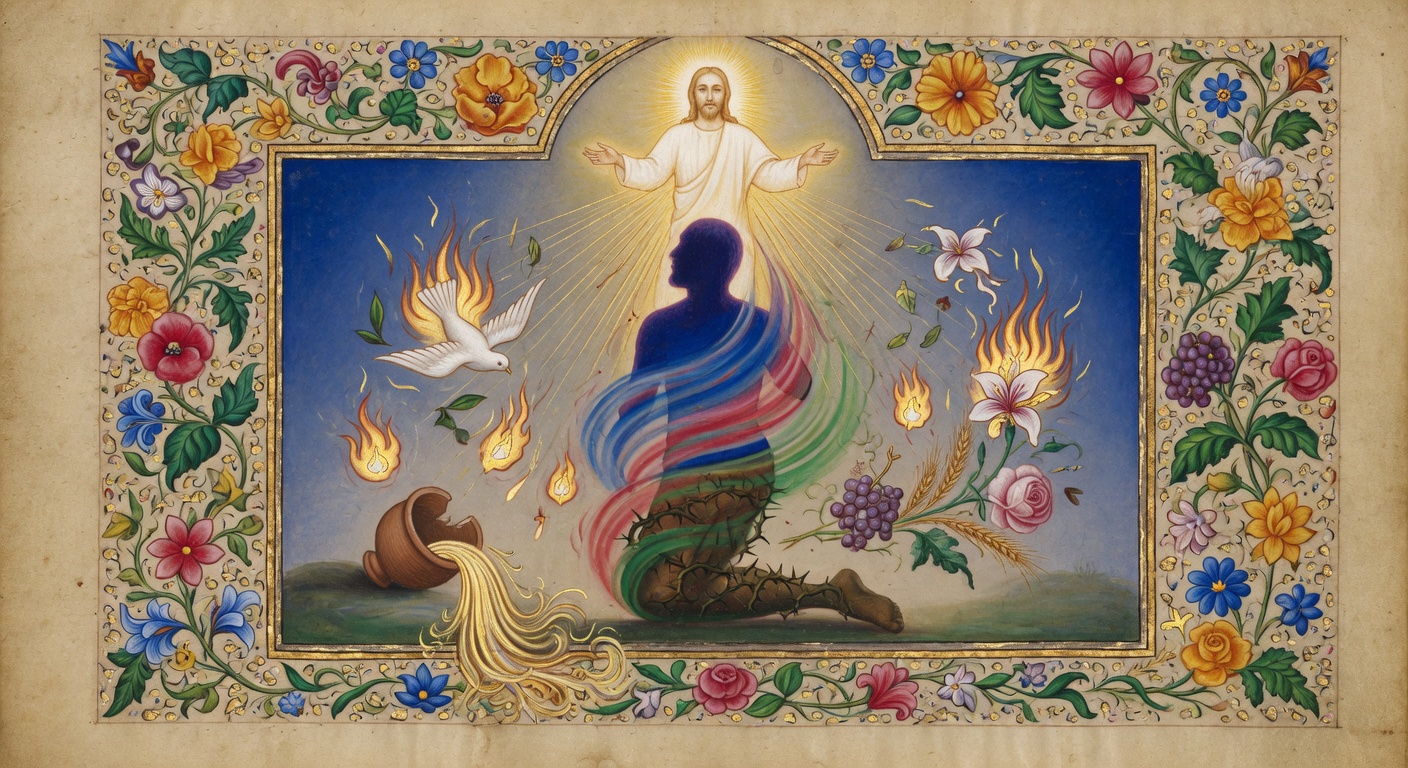
Sanctification is the progressive work of the Holy Spirit whereby believers are set apart from sin and increasingly conformed to the character of Christ after their initial justification. This process begins at conversion and unfolds through the believer's lifetime via Scripture, prayer, trials, and obedience, as God both commands holiness and supplies the grace to pursue it. It matters because it equips Christians to reflect God's image in daily life, resist sin's power, and fulfill their calling as witnesses in the world. Scripture presents sanctification as essential to salvation's outworking, seen in texts such as 1 Thessalonians 4:3, Romans 6:19-22, and Hebrews 12:14, which link it to both present growth and future glorification.
-
The Church
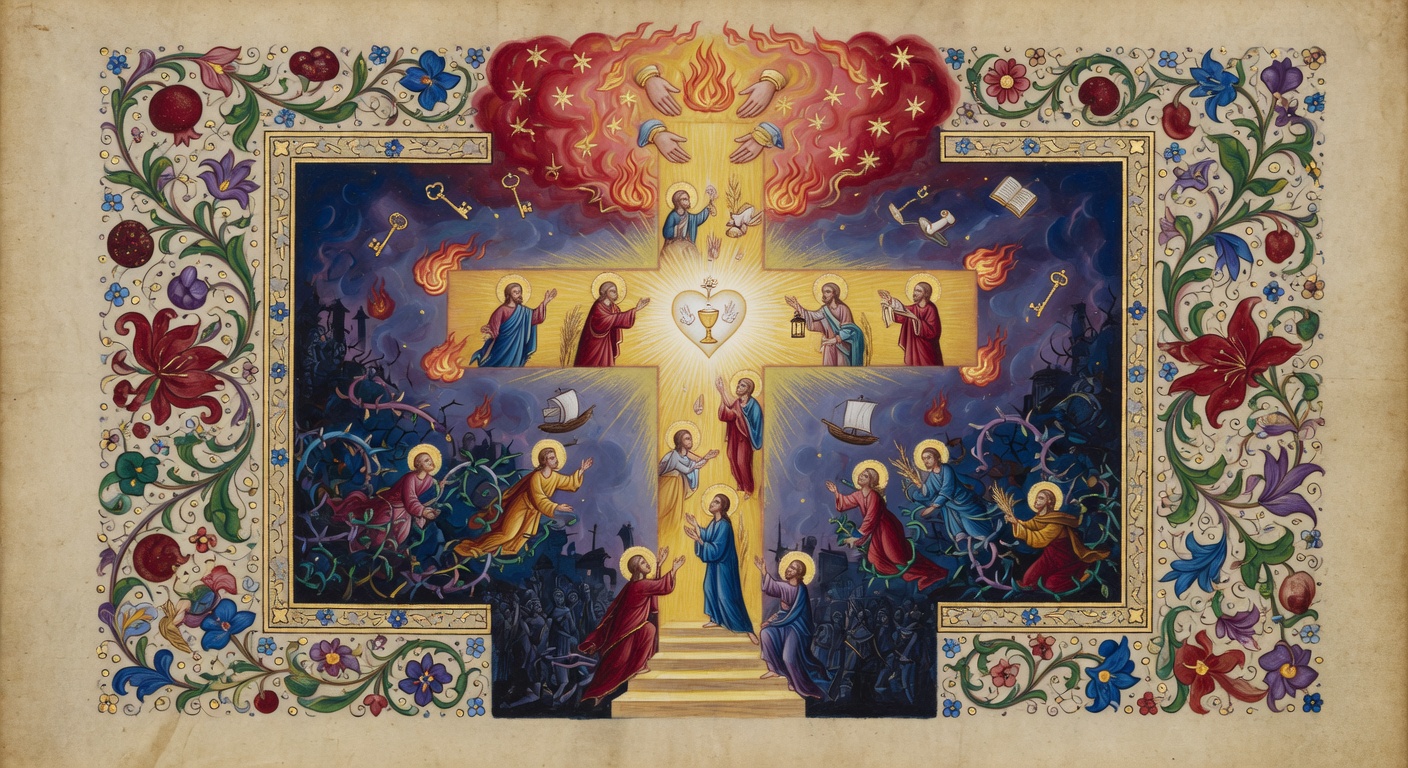
The Church, referred to as the body of Christ in Scripture, consists of believers called out from the world to form a unified community for worshiping God and advancing His purposes. This theme traces to Jesus' promise in Matthew 16:18 to build His church upon the confession of faith, a reality fulfilled through the Holy Spirit's outpouring at Pentecost in Acts 2, which empowered the first believers to proclaim the gospel. Passages such as Ephesians 1:22-23 and 1 Corinthians 12:12-27 further portray the Church as Christ's living extension on earth, equipped with diverse gifts to carry out mission work amid opposition. Its enduring significance rests in demonstrating God's redemptive plan, fostering spiritual growth, and serving as the primary means for believers to participate in divine reconciliation until Christ's return.
-
Second Coming
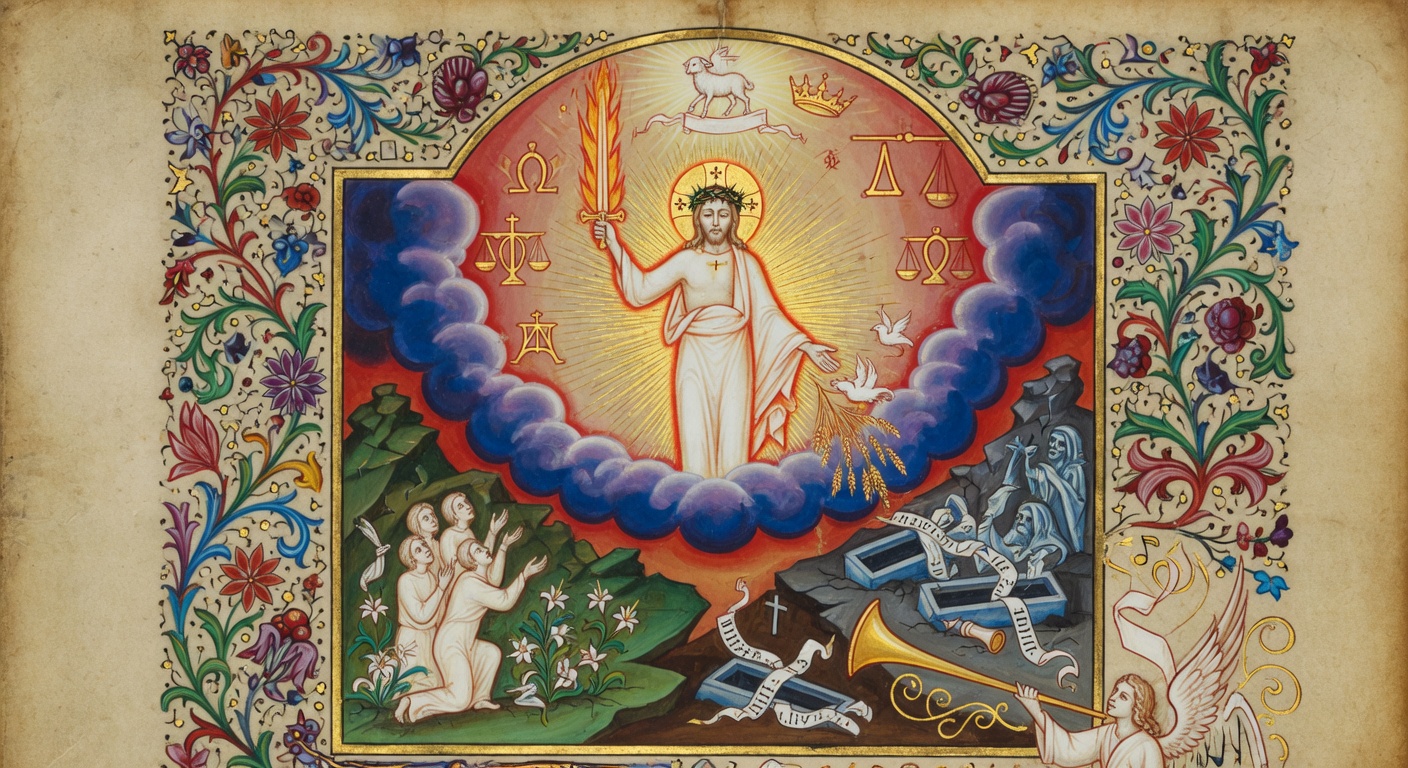
The Second Coming refers to the prophesied return of Jesus Christ at the end of the age, as foretold by angels at his ascension and affirmed throughout the New Testament. Upon his return, Christ will appear in glory to judge both the living and the dead, separating the righteous from the unrighteous according to their deeds and faith. This event holds profound significance in Scripture as it marks the culmination of God's redemptive plan, the defeat of evil, and the establishment of Christ's eternal kingdom where justice and peace will reign forever. Believers are encouraged to live in readiness and hope, anticipating this promise that affirms the ultimate victory of God.
-
Covenant
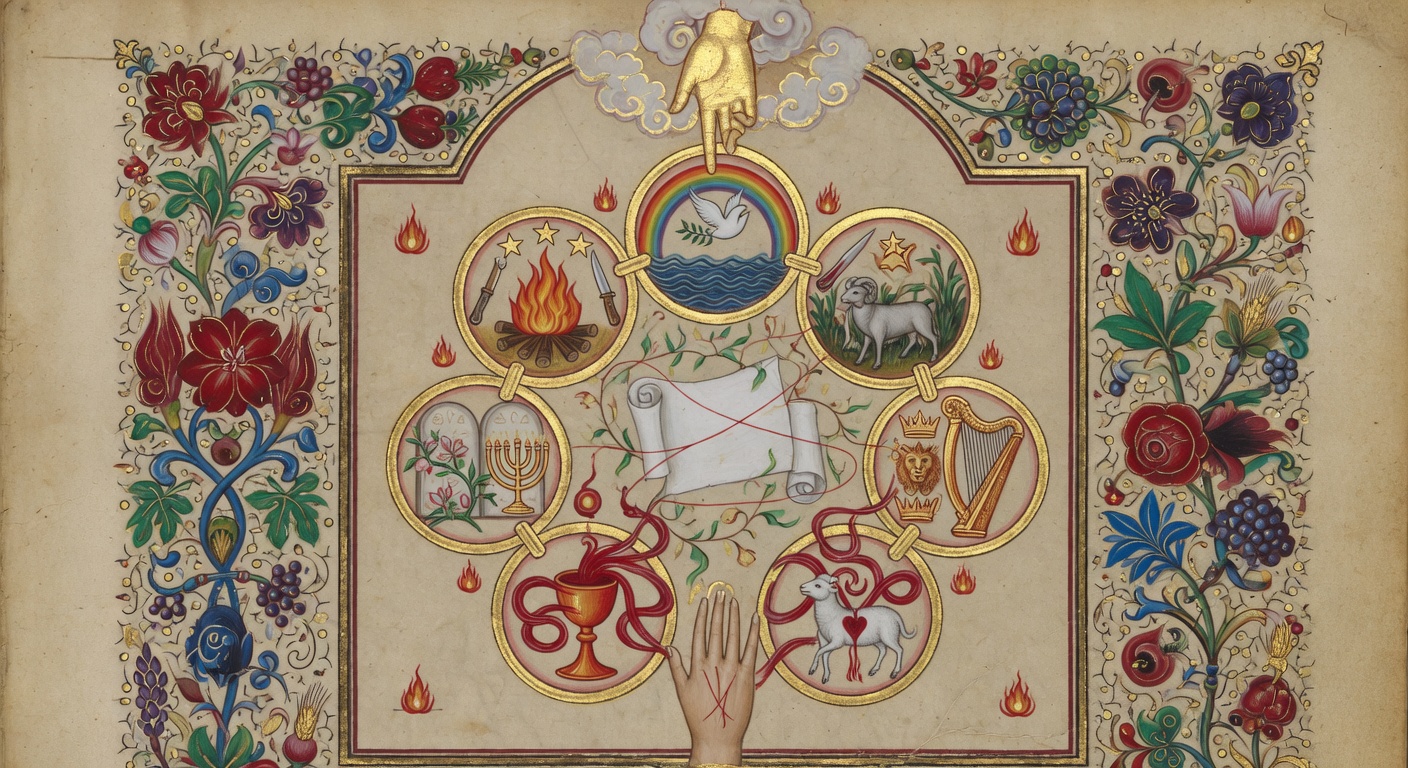
Throughout Scripture, God relates to His people through covenants — solemn, binding agreements that establish the terms of relationship between the Creator and His creation. Beginning with the covenant with Noah after the flood, God progressively revealed His redemptive plan through the Abrahamic covenant promising land, descendants, and blessing to all nations; the Mosaic covenant establishing Israel as a holy nation under divine law at Sinai; the Davidic covenant guaranteeing an eternal throne; and ultimately the New Covenant prophesied by Jeremiah and inaugurated by Jesus Christ through His blood. Each covenant builds upon the previous ones, revealing more of God's character and His unwavering commitment to restore fallen humanity. The concept of covenant is the theological backbone of the Bible, explaining why the Scriptures are divided into Old and New Testaments (covenants) and providing the framework for understanding God's faithfulness across generations despite human failure.
Spiritual Disciplines
-
Prayer
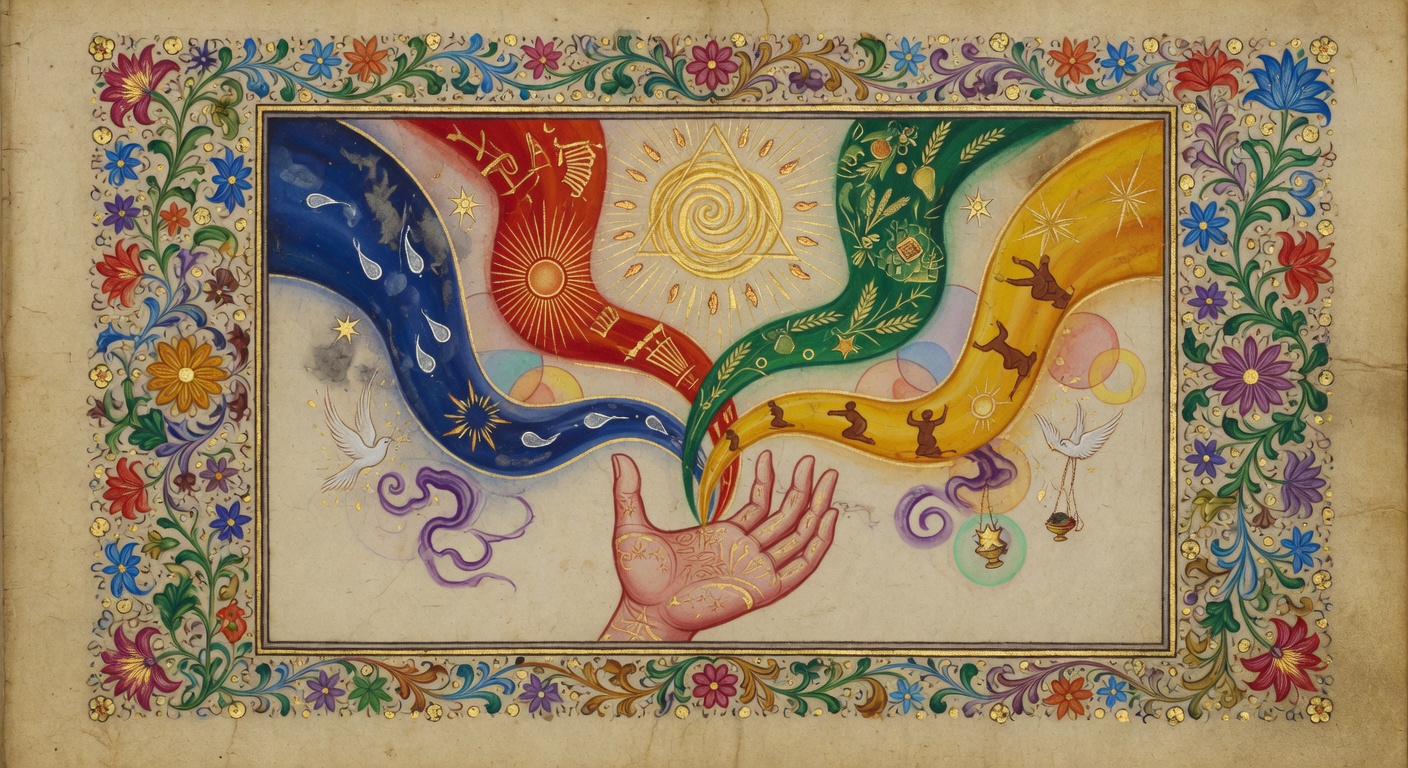
Prayer in the Bible refers to direct communication with God through praise, petition for needs, confession of sins, and expressions of thanksgiving. This practice matters because it enables humans to express dependence on the Creator, seek guidance, and maintain covenant relationship amid life's challenges, as modeled from Genesis onward. Examples include Abraham's intercession for Sodom, Hannah's plea for a child, David's psalms of lament and gratitude, and Jesus teaching the Lord's Prayer while praying in Gethsemane before his crucifixion. Its significance appears in commands to pray continually, promises of answered prayer, and its role in advancing God's redemptive plan through figures like Moses, Elijah, and the early church.
-
Wisdom
In the Bible, wisdom refers to the ability to discern God's will and apply His truth skillfully in daily life, rooted in the fear of the Lord as described in Proverbs. This theme is prominently featured in the wisdom literature, including Proverbs, Job, and Ecclesiastes, where figures like King Solomon exemplify seeking divine wisdom over riches or power. Understanding wisdom matters because it guides believers toward righteous decisions and a flourishing life aligned with God's purposes. Its significance in Scripture underscores that true wisdom originates from God and is essential for navigating life's complexities with moral integrity.
-
Repentance
Repentance in the Bible refers to a profound turning away from sin and a return to God, marked by a genuine change in heart and mind that leads to transformed behavior. This theme appears throughout Scripture, from the Old Testament prophets urging Israel to abandon idolatry and injustice to the New Testament calls by John the Baptist and Jesus for people to repent in preparation for the kingdom of God. It matters because unrepented sin results in separation from God and judgment, while repentance opens the way to forgiveness, restoration, and renewed relationship with the divine. Ultimately, repentance is presented as essential for salvation, as seen in apostolic preaching where it is paired with faith in Christ for the remission of sins.
-
Worship
Worship in the Bible centers on ascribing supreme worth to God through praise, adoration, and a surrendered life, as commanded in passages like Deuteronomy 6 and Psalm 95. This practice emerged prominently after Israel's exodus from Egypt, when God instituted the tabernacle and temple sacrifices to foster communal reverence and remembrance of his deliverance. It matters because Scripture presents worship as humanity's core purpose and response to God's redemptive acts, shifting from ritual observance under the old covenant to heartfelt devotion empowered by the Spirit under the new. Jesus reinforced its significance by teaching that authentic worship occurs in spirit and truth, culminating in the vision of all creation honoring God in Revelation.
Christian Living
-
Forgiveness
In the Bible, forgiveness centers on God's gracious pardon of human sin, which disrupts fellowship with Him and requires atonement through repentance and faith. This divine mercy was ultimately demonstrated in the life, death, and resurrection of Jesus Christ, who bore the penalty for sin to reconcile humanity to God. Scripture further instructs believers to extend the same forgiveness to others, as seen in teachings like the Lord's Prayer and Jesus' parable of the unforgiving servant, to mirror God's character and foster relational healing. This theme matters because it highlights grace over judgment, promoting humility, restoration, and communal unity as essential aspects of faithful living.
-
Courage
In the Bible, courage represents the resolve to confront fear, opposition, and trials through reliance on God's presence and promises rather than human strength alone. This theme appears prominently in accounts such as God's command to Joshua to lead Israel into Canaan with boldness, David's confrontation with Goliath, and the apostles' continued witness amid persecution in Acts. Such examples illustrate why courage matters in Scripture, as it enables obedience to divine purposes despite overwhelming circumstances and demonstrates that God's faithfulness sustains His people. These narratives collectively affirm courage as a faith-driven response that advances God's redemptive plans across both Old and New Testaments.
-
Patience
Patience in the Bible involves enduring hardships and delays while relying on God's sovereign timing rather than human impulses. Biblical accounts illustrate this through Job's prolonged suffering without abandoning faith, Abraham's decades-long wait for promised descendants, and the Israelites' wilderness journey marked by repeated tests of trust. The theme matters because unchecked impatience often leads to disobedience or despair, as warned in Proverbs and demonstrated during Israel's exodus complaints. Scripture presents patience as a core fruit of the Spirit in Galatians 5 and a pathway to spiritual maturity in James 1, underscoring its role in strengthening believers' character and hope.
-
Humility
Humility in the Bible refers to a posture of lowliness before God and others, recognizing our complete dependence on Him rather than our own strength or status. This theme is vividly illustrated through Jesus Christ, who humbled Himself by taking on human form and submitting to death on the cross, as described in Philippians 2. Scripture teaches that God opposes the proud but shows favor to the humble, making this virtue essential for receiving grace and experiencing spiritual growth. Ultimately, humility matters because it aligns believers with God's will, fostering genuine relationships and opening the way for divine exaltation.
-
Gratitude
Gratitude in the Bible centers on a posture of thanksgiving that credits God alone as the origin of every blessing, from daily provisions to salvation itself. This theme appears repeatedly in Scripture, as seen when the Israelites offered praise after the Exodus or when Jesus gave thanks before multiplying loaves and fish, modeling dependence on the Father. It matters because unchecked ingratitude is presented as a root of spiritual decline, while thankful acknowledgment fosters humility, trust, and resilience even in hardship. Its significance lies in commands such as 1 Thessalonians 5:18 and Colossians 3:15-17, which tie ongoing gratitude to worship, obedience, and relational health with God.
-
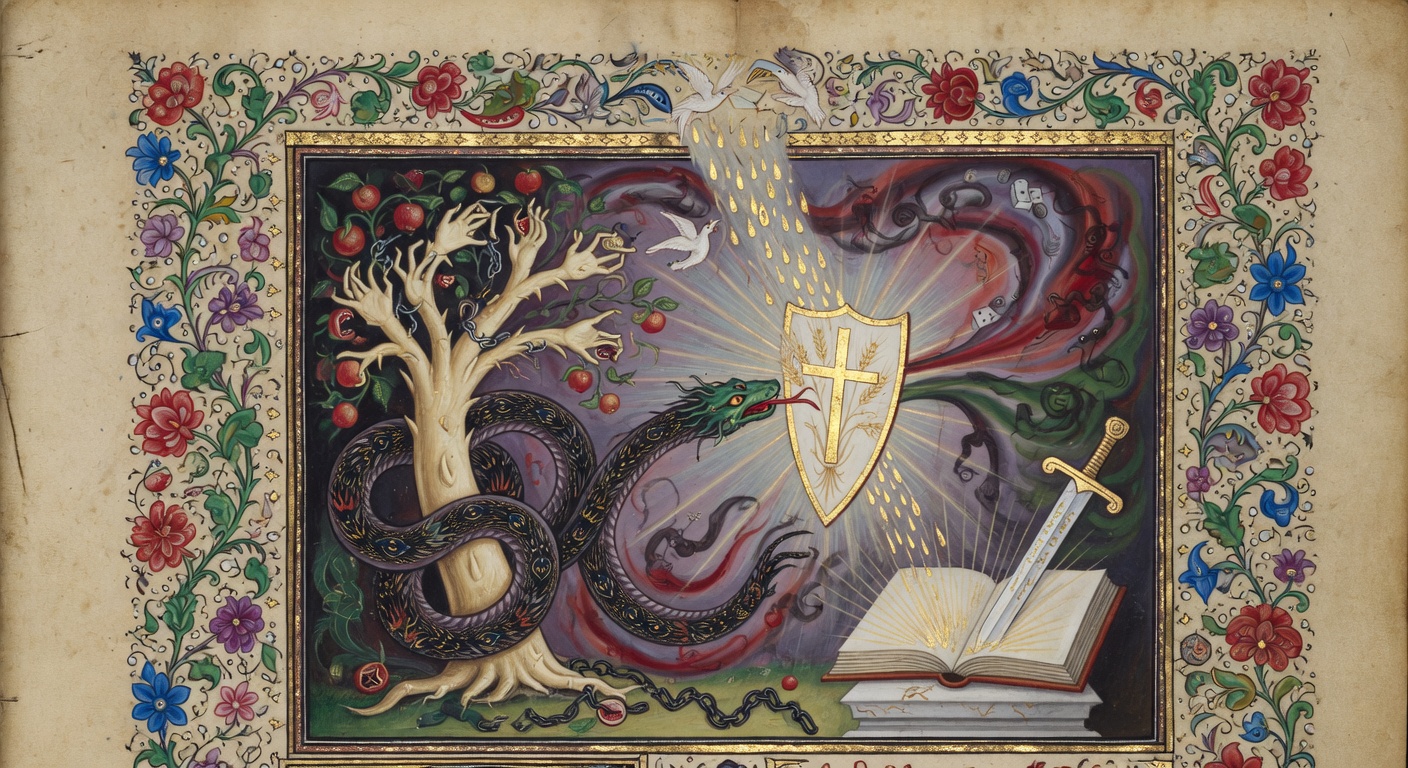
Temptation
Temptation represents the universal human experience of being enticed toward sin, a reality that matters because it tests faith and reveals humanity's dependence on God amid a fallen world. Scripture illustrates this through key events such as the serpent's deception of Eve in Eden, which introduced sin into creation, and Satan's wilderness testing of Jesus, who resisted by relying on God's Word. God equips believers to overcome these struggles through resources like the Holy Spirit's guidance, prayer, Scripture, and the promise of an escape route, as noted in passages such as 1 Corinthians 10:13. This theme ultimately highlights God's faithfulness in preserving His people and points to Christ's victory as the foundation for resisting evil.
-
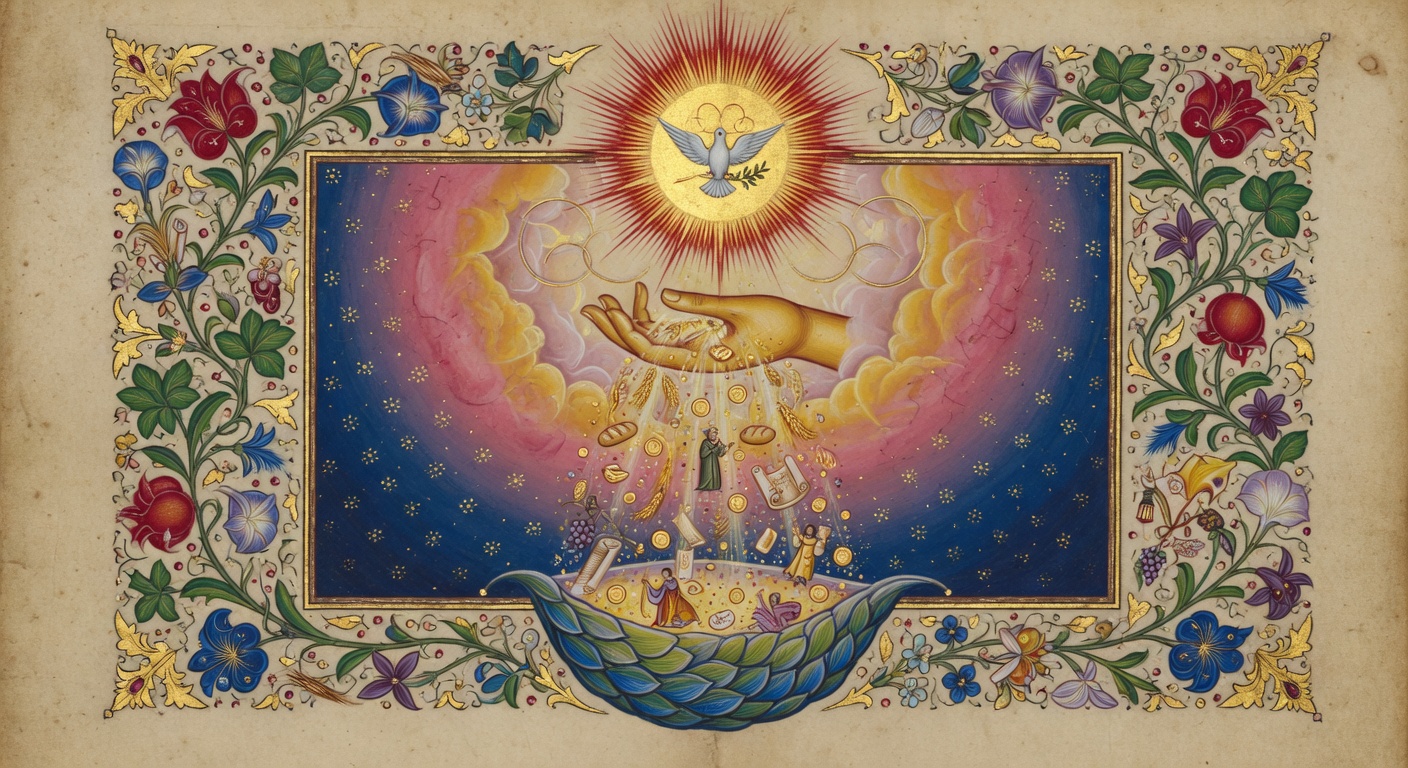
Generosity
Generosity in the Bible refers to the voluntary sharing of time, resources, and personal sacrifice as a direct reflection of God's own abundant provision for creation and humanity. This theme matters because it counters self-centeredness and builds communal support, as illustrated in the early church where believers pooled possessions to ensure no one lacked basic needs. Scriptural accounts highlight examples such as the widow's offering of her last coins and God's gift of His Son, underscoring that true generosity flows from gratitude rather than obligation. Its significance lies in repeated teachings that link cheerful giving to spiritual blessing and alignment with divine character, as noted throughout Proverbs, the Gospels, and the epistles.
-
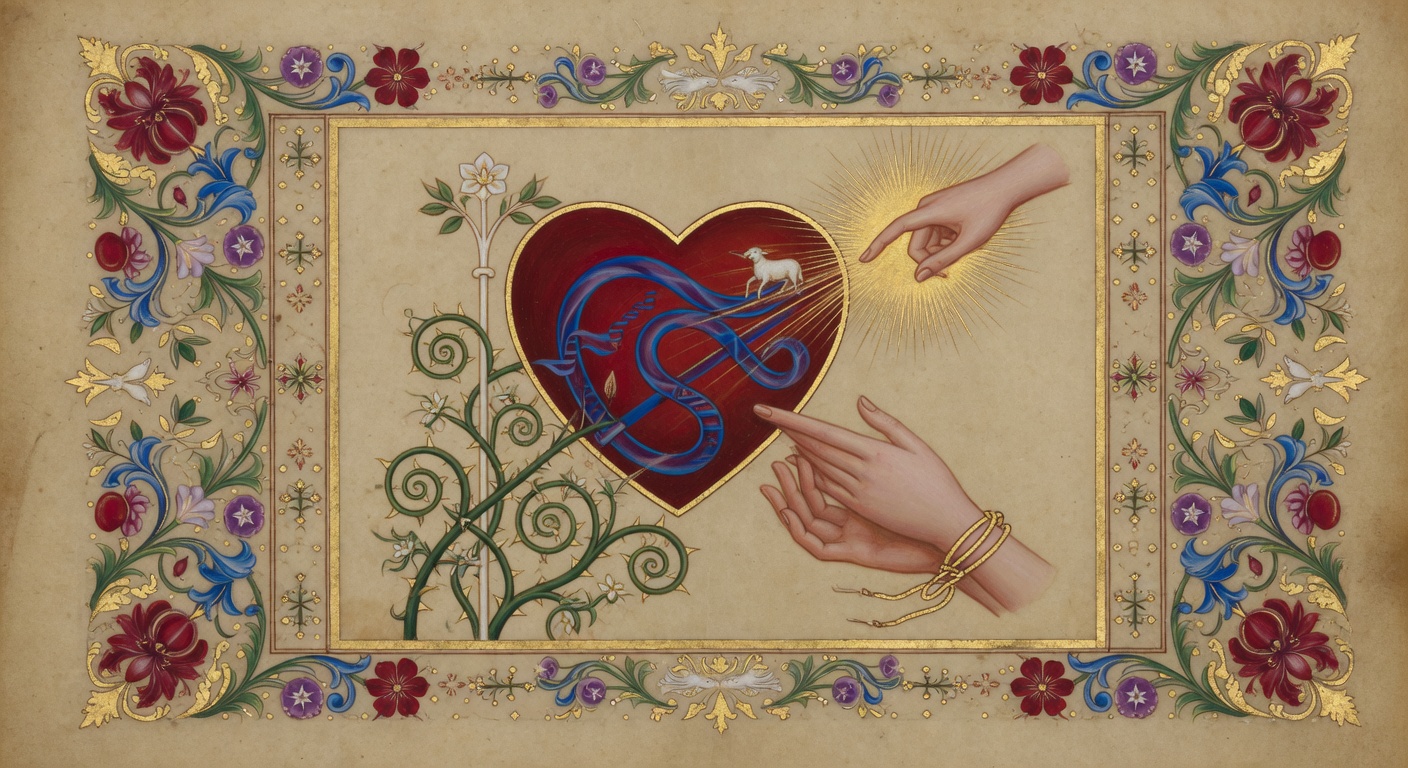
Obedience
Obedience in the Bible refers to the call to follow God's commands as an expression of love and trust in His wisdom. This theme appears throughout Scripture, beginning with Adam and Eve's failure in Eden that introduced sin and separation, contrasted by Abraham's faithful compliance and Israel's covenant obligations at Sinai that promised blessing for adherence. Jesus Christ ultimately fulfilled the theme through his sinless submission to the Father, enabling believers under the new covenant to obey through the Spirit rather than mere external law. Its significance rests in sustaining relationship with God and revealing genuine faith across both Testaments.
-
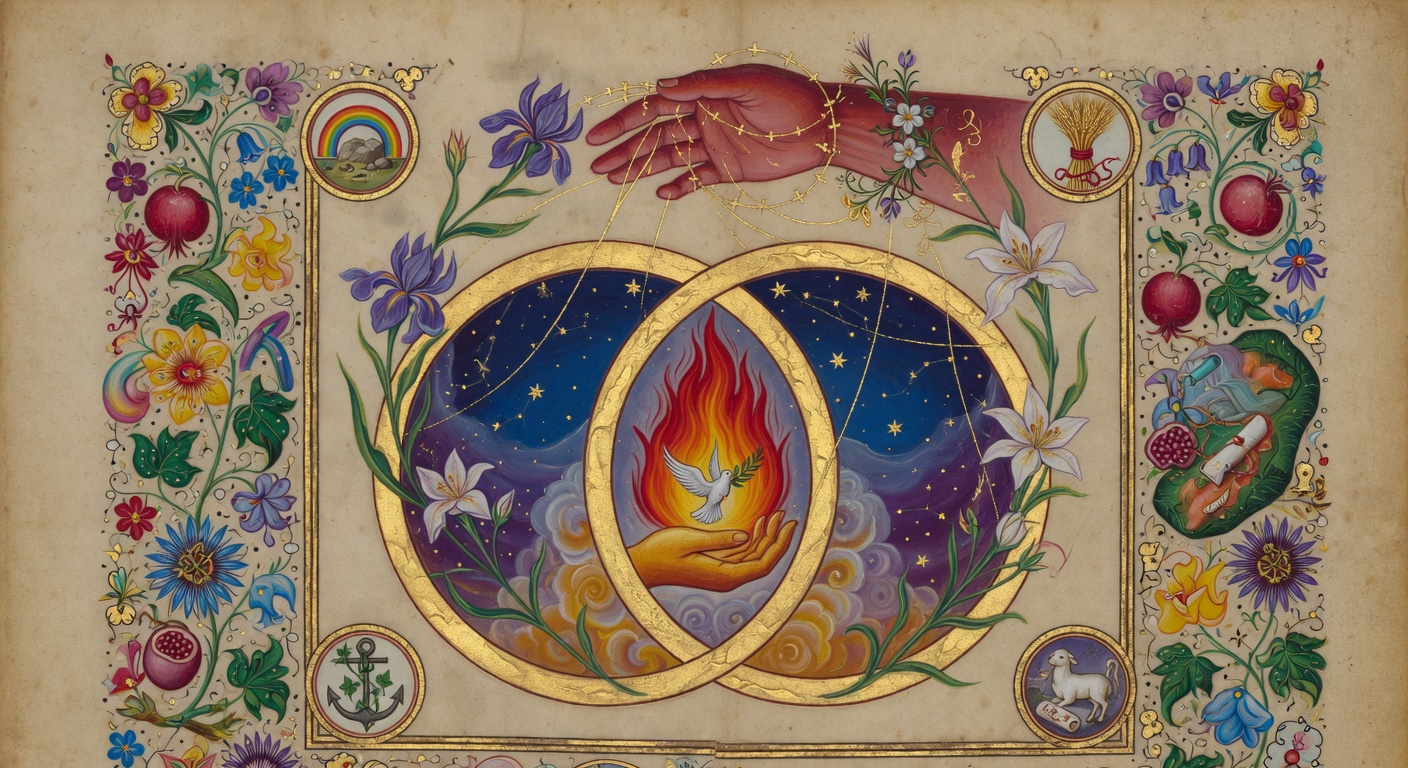
Faithfulness
Throughout the Bible, God demonstrates unwavering faithfulness by fulfilling covenants such as the promise to Abraham of numerous descendants and a land, despite centuries of delay and Israel's repeated failures. This reliability matters because it establishes trust as the basis for the divine-human relationship, assuring believers that God's word endures even when circumstances suggest otherwise. Scripture records both divine consistency, seen in events like the Exodus deliverance and the sending of Jesus as the ultimate promise-keeper, and the corresponding call for human faithfulness through obedience and endurance, as modeled by figures like Noah and Daniel. The theme reaches its fullest expression in the New Testament, where faithfulness is listed among the fruit of the Spirit and tied to eternal reward for those who remain steadfast.
-
Stewardship
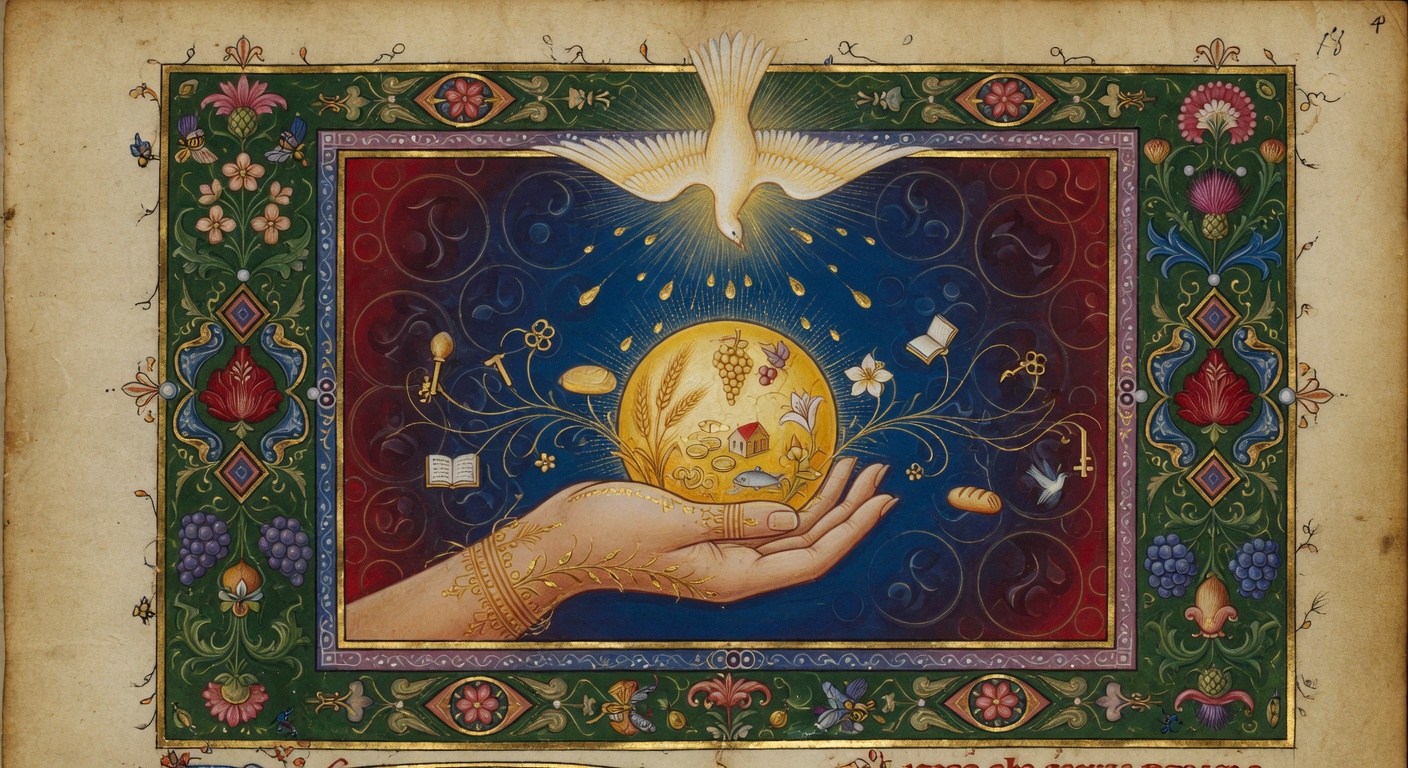
In the Bible, stewardship originates in Genesis where God creates humanity in His image and entrusts them with dominion over the earth, commanding them to cultivate and protect the garden as caretakers rather than owners. This responsibility is reinforced through teachings such as the Parable of the Talents in Matthew 25, in which servants face judgment based on how productively they managed resources given by their master, underscoring accountability for God's gifts. Stewardship matters because it counters human tendencies toward selfishness and hoarding by framing all possessions, abilities, and opportunities as divine loans to be used for God's glory and the good of others. Its significance appears throughout Scripture, including 1 Peter 4:10, which calls believers to administer God's grace faithfully as a reflection of their relationship with the ultimate Owner.
-
Spiritual Warfare
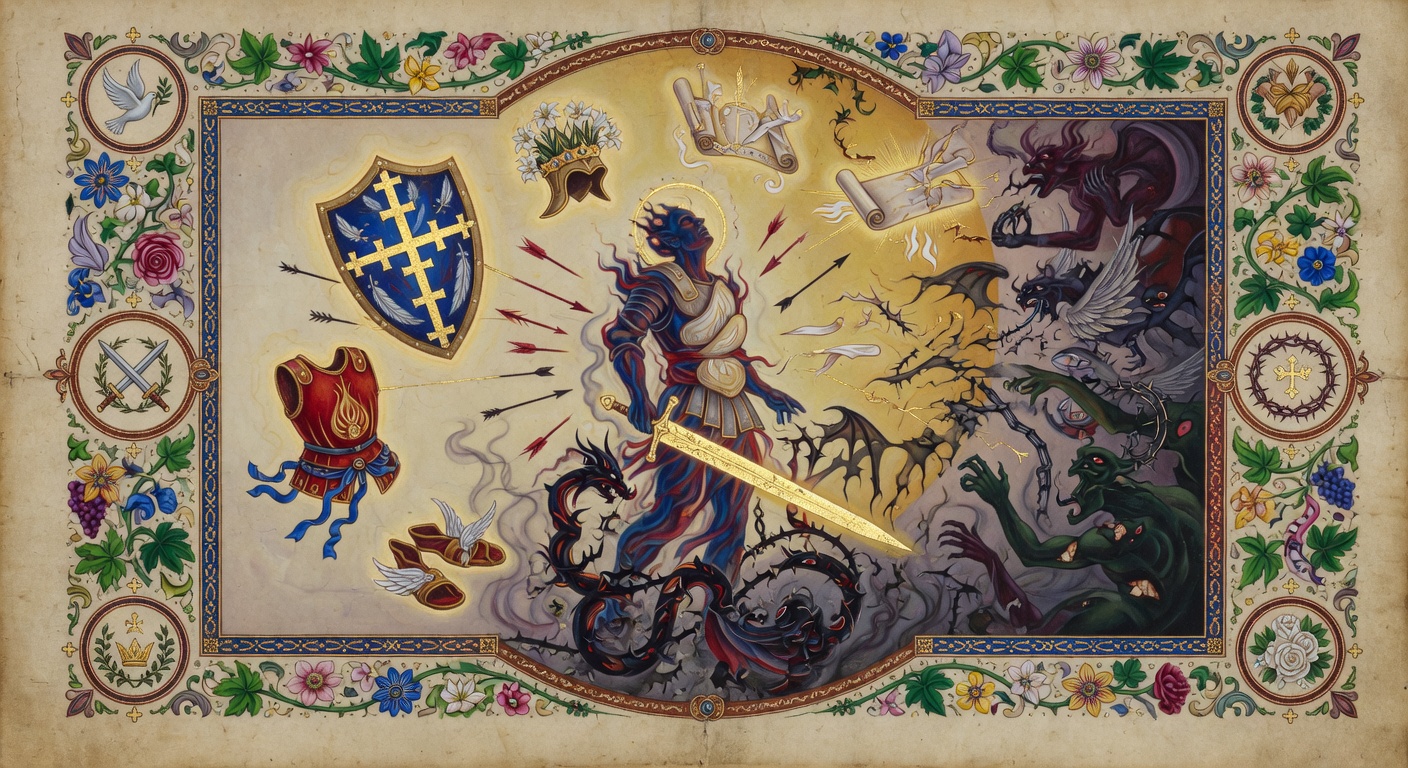
Spiritual warfare describes the cosmic conflict between God's kingdom and evil spiritual forces, including Satan and demonic powers, that seek to oppose divine purposes and deceive humanity. This theme matters because Scripture portrays humans as participants in this unseen battle, which affects moral choices, suffering, and spiritual growth, rather than merely physical circumstances. Key events unfold from the serpent's temptation in Eden and Satan's accusations in Job, through Jesus' wilderness temptations, exorcisms, and ultimate triumph via the cross and resurrection, to the end-time defeat depicted in Revelation. Its significance appears in passages like Ephesians 6, where believers receive divine armor such as faith, truth, and the word of God as weapons for standing firm and achieving victory.
Emotions
-
Peace
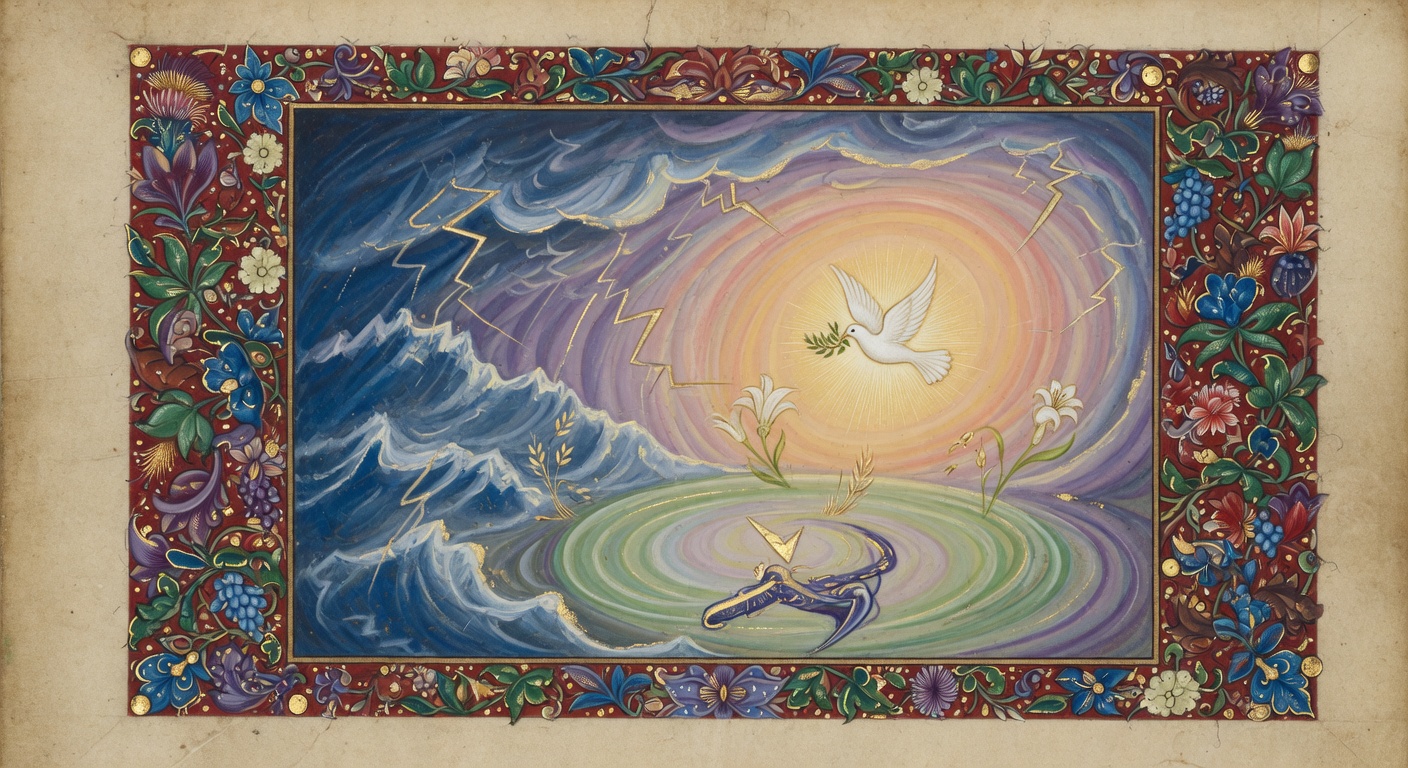
In the Bible, peace refers to the profound sense of tranquility and wholeness known as shalom, which encompasses harmony with God, others, and oneself. This theme matters because humanity's fall into sin disrupted this original state of peace, leading to conflict and separation from God. Through Jesus Christ's sacrificial death and resurrection, believers are reconciled to God and offered a peace that surpasses understanding, as described in Philippians 4:7. This divine peace enables trust in God amid life's storms, providing stability and hope in the midst of trials.
-
Joy
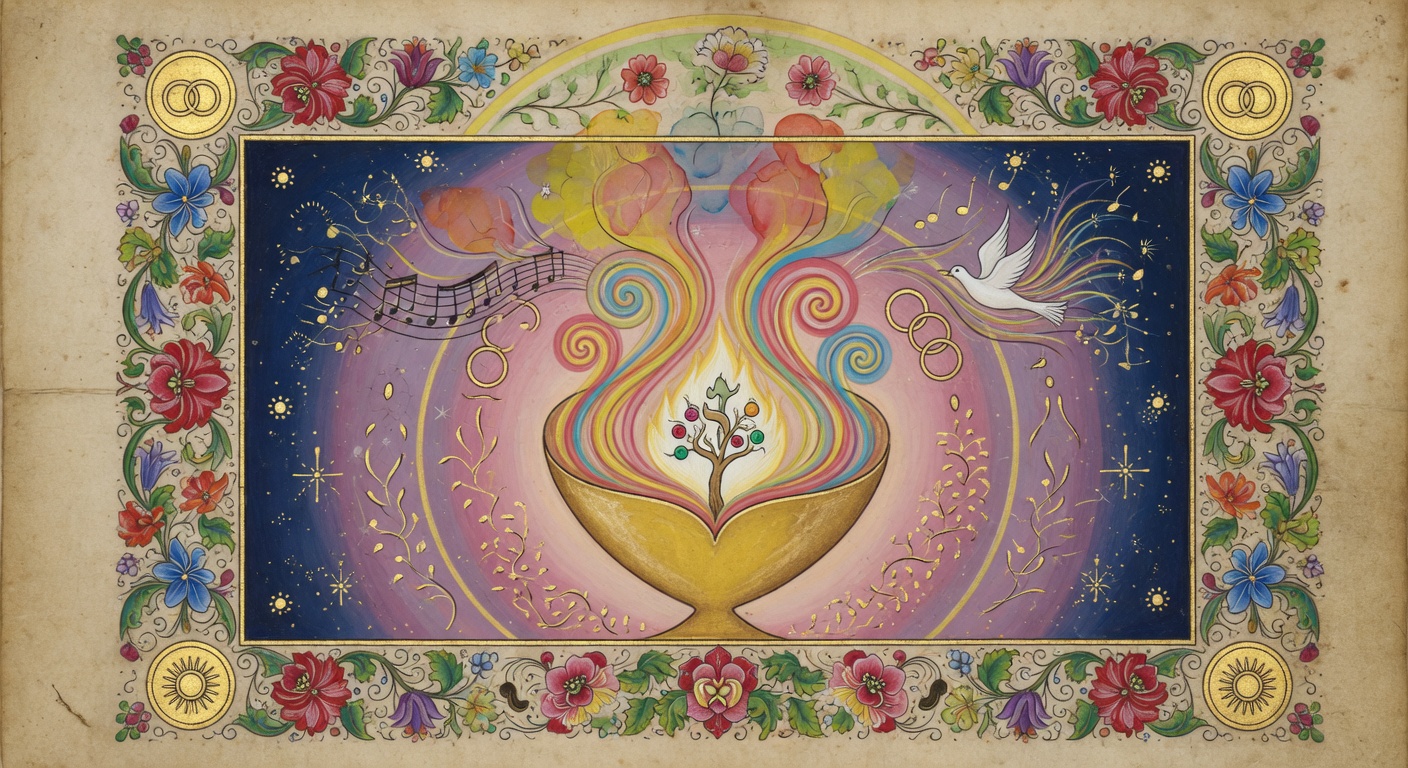
Biblical joy represents a profound sense of gladness that stems from trust in God's unchanging character and His faithful promises rather than from favorable life situations. This theme appears throughout Scripture, as seen in the apostle Paul's letters written from prison where he repeatedly calls believers to rejoice, and in the prophet Habakkuk's declaration of joy amid national calamity. Such joy matters because it sustains believers through trials and serves as evidence of the Holy Spirit's work in their lives, highlighting God's sovereignty and goodness. Its significance is further underscored in passages like James 1:2-3, which encourages counting trials as joy because they produce perseverance and maturity.
-
Suffering
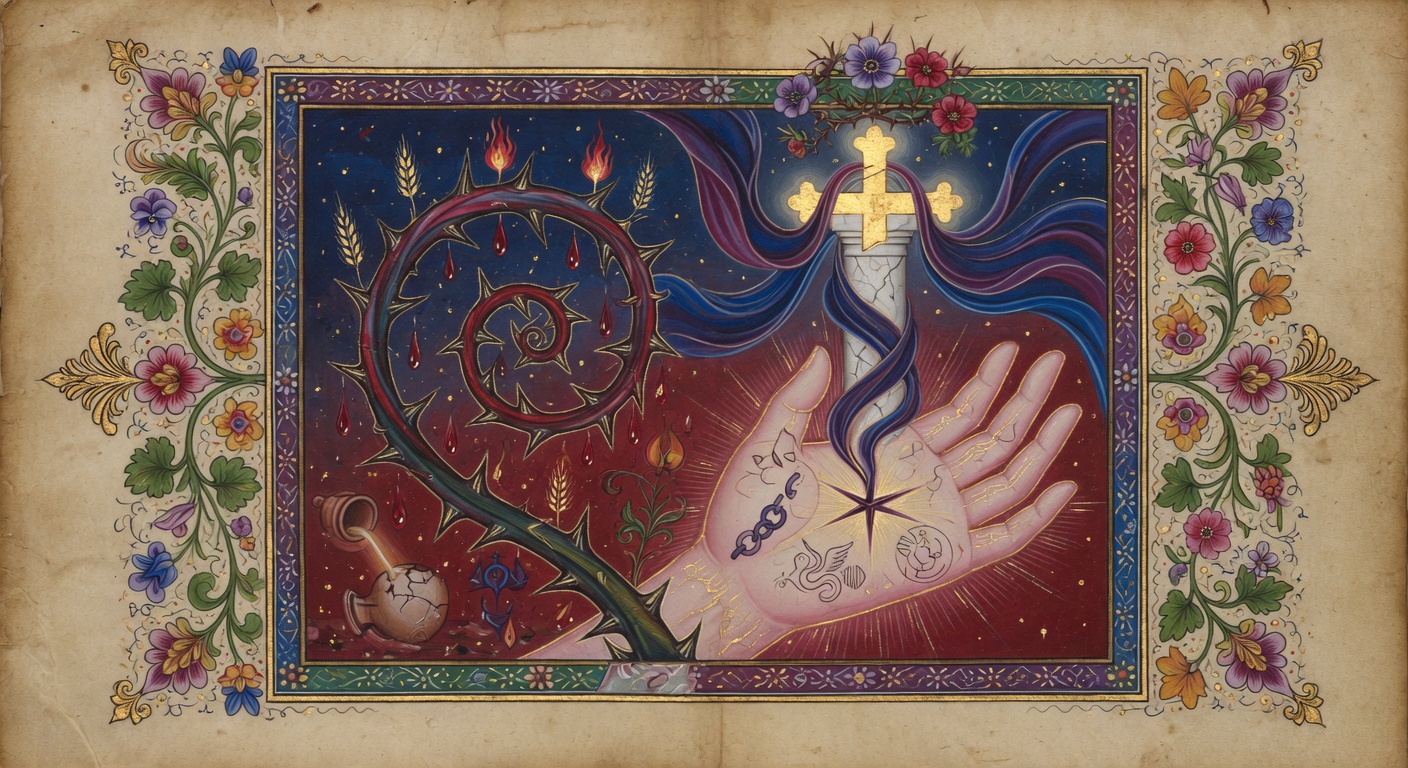
Suffering is a central theme in the Bible, addressing the reality of pain and hardship that all humans encounter. Throughout Scripture, stories like those of Job, the Israelites in Egypt, and Christ's crucifixion illustrate how suffering occurs under God's sovereign oversight. These accounts reveal that God permits or uses suffering for redemptive purposes, such as refining faith, displaying His glory, and accomplishing salvation. Understanding this theme helps believers find meaning and hope, knowing that their trials fit into God's larger plan of restoration and eternal good.
Relationships
-
Marriage
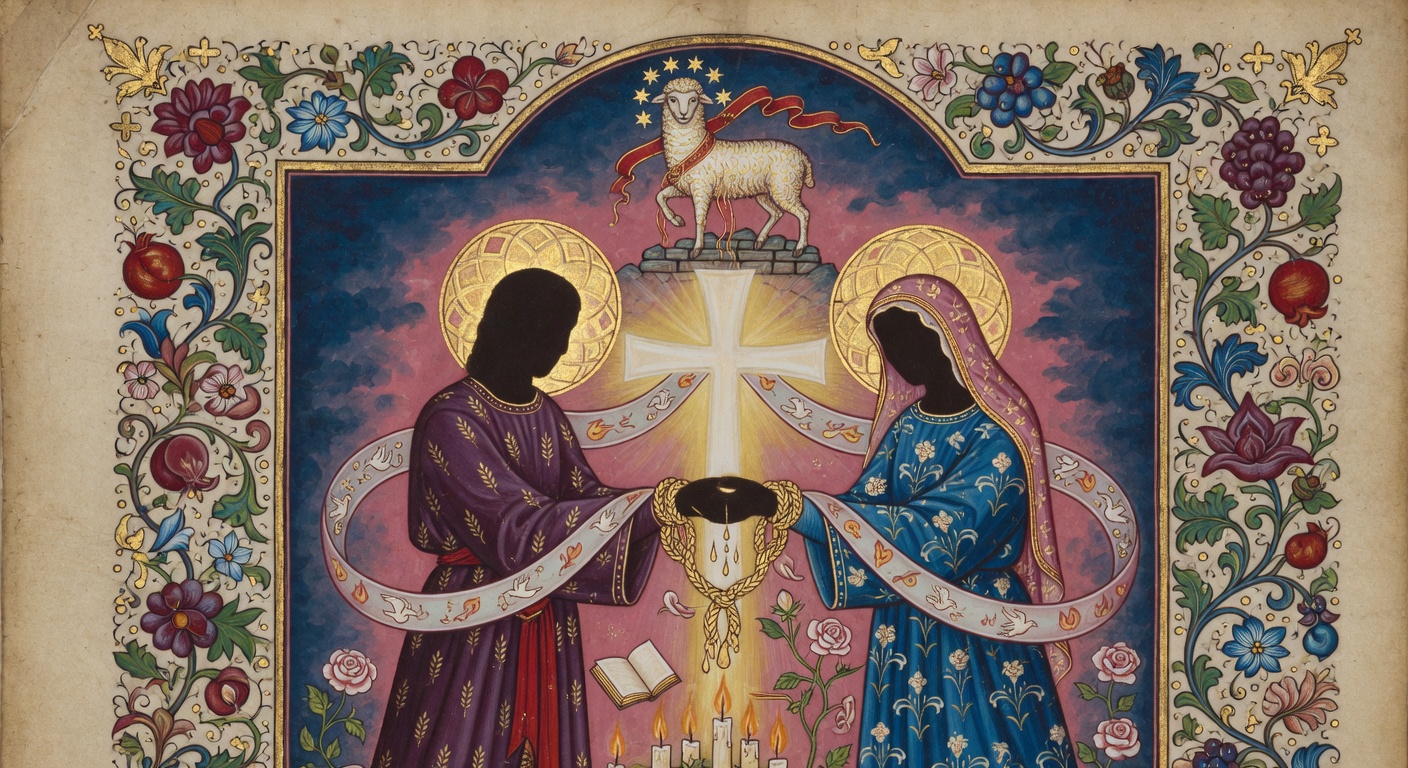
Marriage in the Bible originates in Genesis with God's creation of Eve as a companion for Adam, establishing the first human union as a divine institution rather than a human invention. This sacred covenant between husband and wife is presented as a lifelong commitment of faithfulness and mutual self-giving, mirroring Christ's sacrificial love for the church as taught in Ephesians 5. It matters because it forms the foundation for family, procreation, and social order while illustrating God's covenantal relationship with His people across both Old and New Testaments. Scripture consistently upholds marriage as honorable, warns against its dissolution, and employs it as a key metaphor for spiritual fidelity and redemption.
-
Friendship
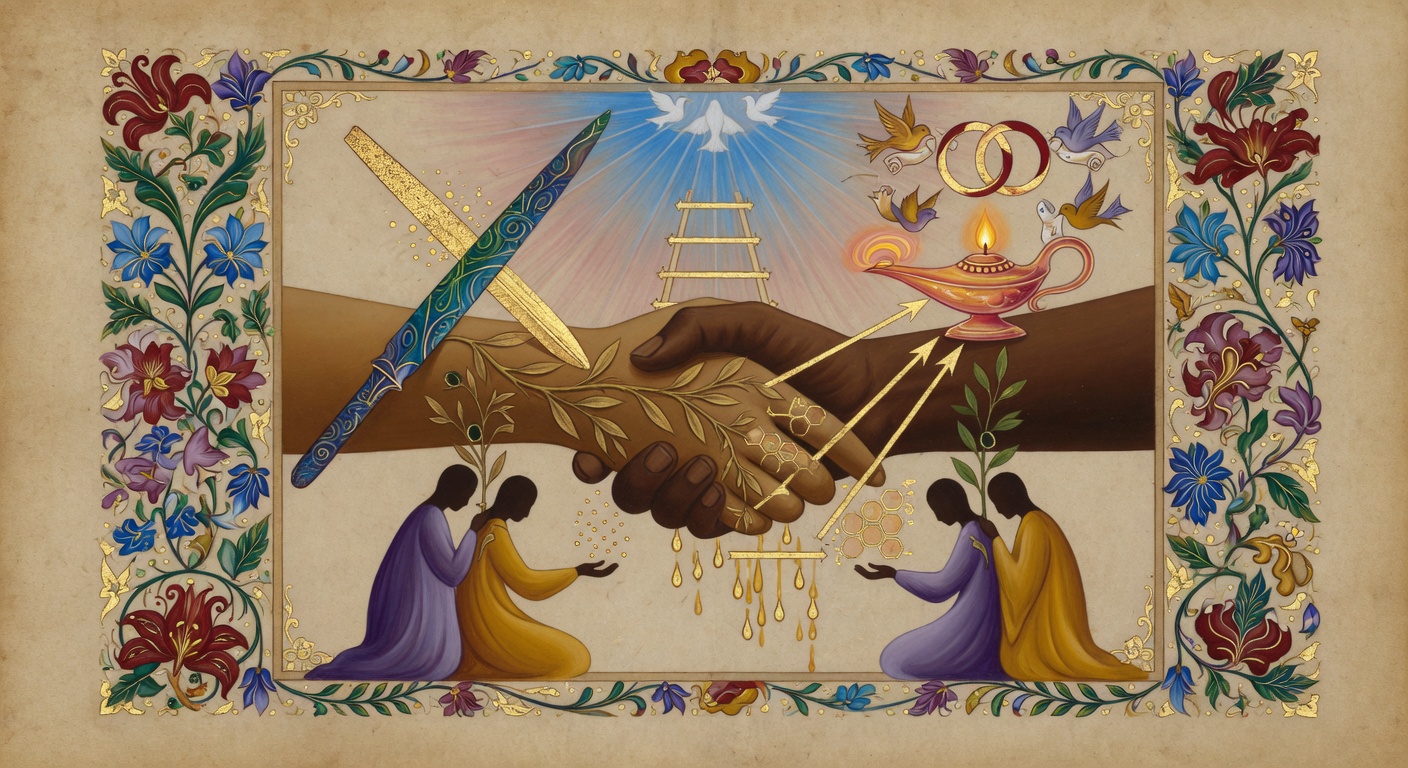
Friendship in the Bible is portrayed as a vital blessing where godly companions sharpen one another like iron sharpens iron, as noted in Proverbs. This theme is exemplified in the deep bond between David and Jonathan, whose loyalty and support transcended personal ambitions and political rivalries. Such relationships encourage spiritual growth, provide strength during trials, and reflect God's design for human connection. Ultimately, these friendships underscore the importance of mutual edification and faithfulness within the community of believers.
-
Leadership
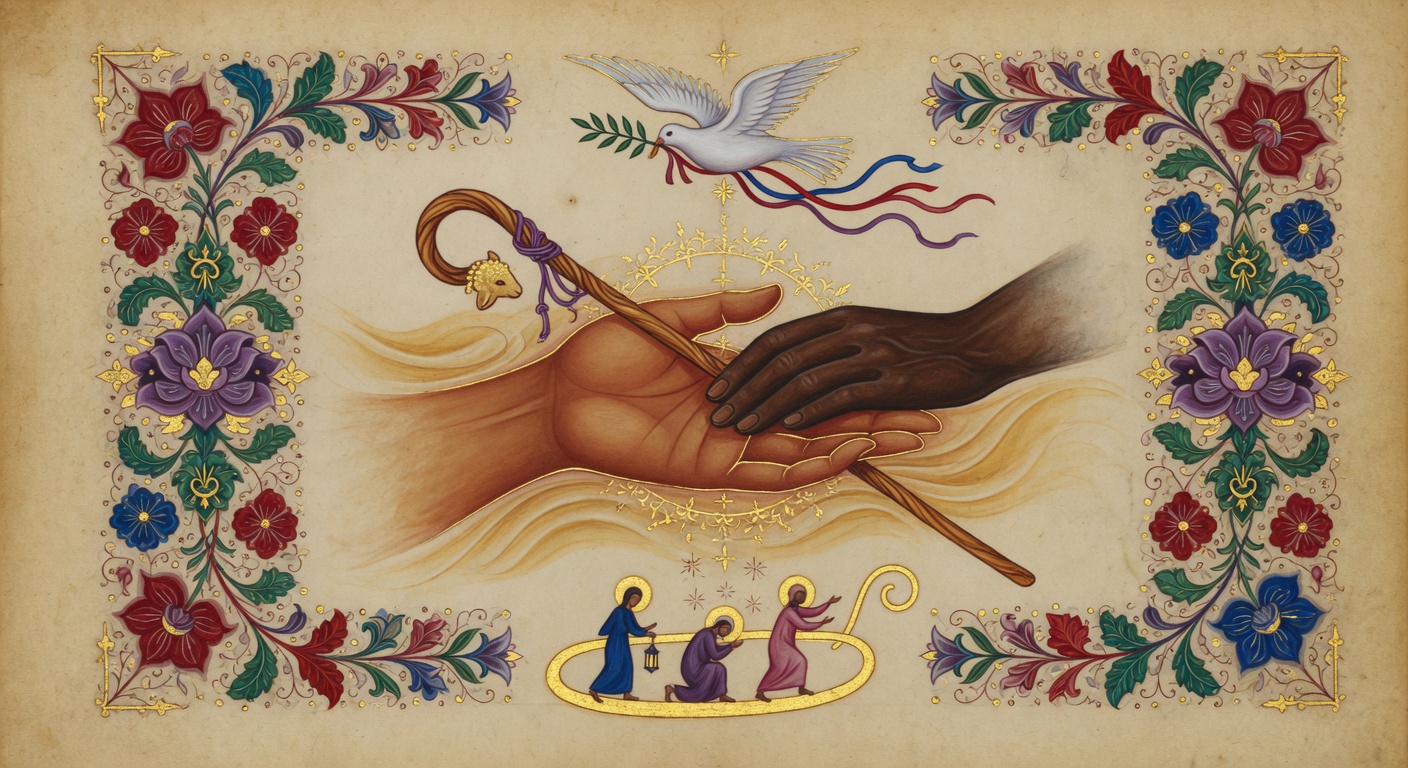
Biblical leadership emphasizes guiding others through integrity, humble servanthood, and a sense of accountability to God rather than personal power. Throughout Scripture, figures like Moses, who led the Israelites out of Egypt while relying on divine guidance, and Jesus, who washed his disciples' feet to model servant leadership, illustrate these principles in action. This approach matters because it prevents abuse of authority and fosters communities rooted in trust and obedience to God. Passages such as 1 Peter 5:2-3 and Mark 10:42-45 highlight how true leaders in the faith prioritize the well-being of those they serve over their own status.
-
Community & Fellowship
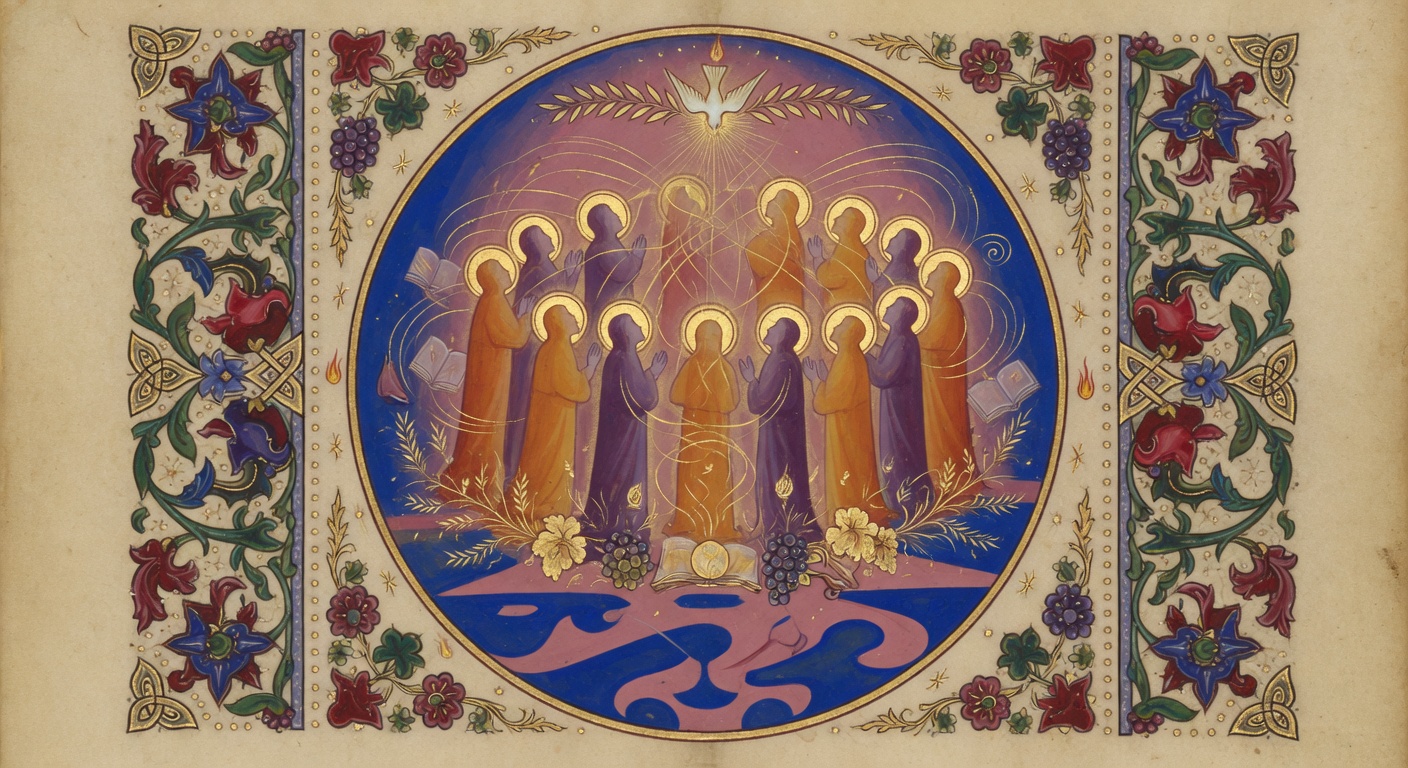
In Scripture, community and fellowship among believers are presented as vital for spiritual growth, mutual encouragement, and collective worship, reflecting God's design for his people to live in relational unity rather than isolation. The early church in Acts 2:42-47 modeled this by devoting themselves to the apostles' teaching, breaking bread, prayer, and sharing possessions, which sustained them through external pressures and enabled the gospel's rapid spread. New Testament passages such as Hebrews 10:24-25 and 1 Corinthians 12 further instruct believers not to forsake assembling together, portraying the church as Christ's body where each member contributes gifts for the edification of all. This emphasis highlights fellowship's role in fulfilling commands to love one another and maintaining doctrinal integrity across generations.