📖 Books of the Bible
Old Testament
39 books · Genesis through Malachi · Written ~1400–400 BC
-
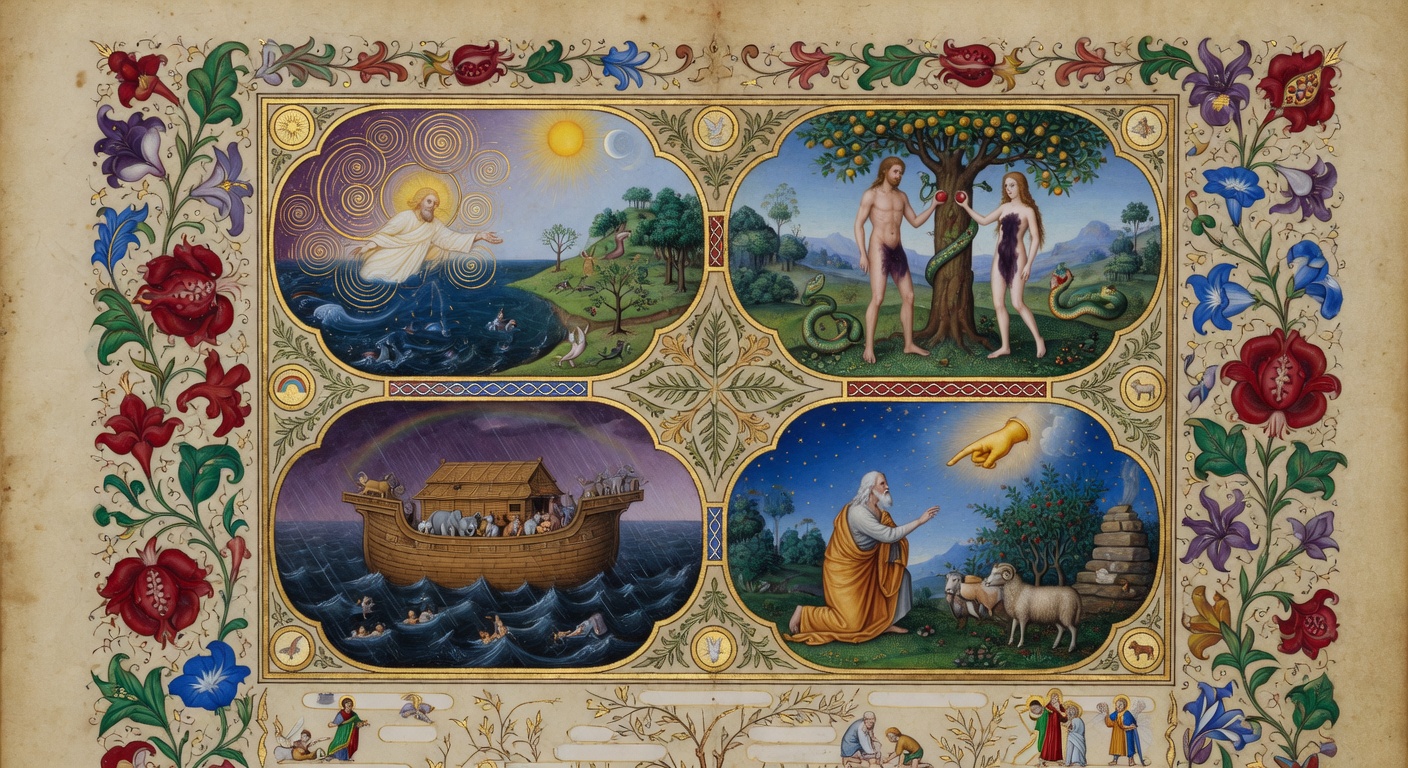 Genesis (50 ch)
The book of beginnings, Genesis records creation, the fall of man, the flood, and God's covenant with Abraham. Written by Moses, it traces the origins of Israel through the patriarchs Abraham, Isaac, Jacob, and Joseph.
-
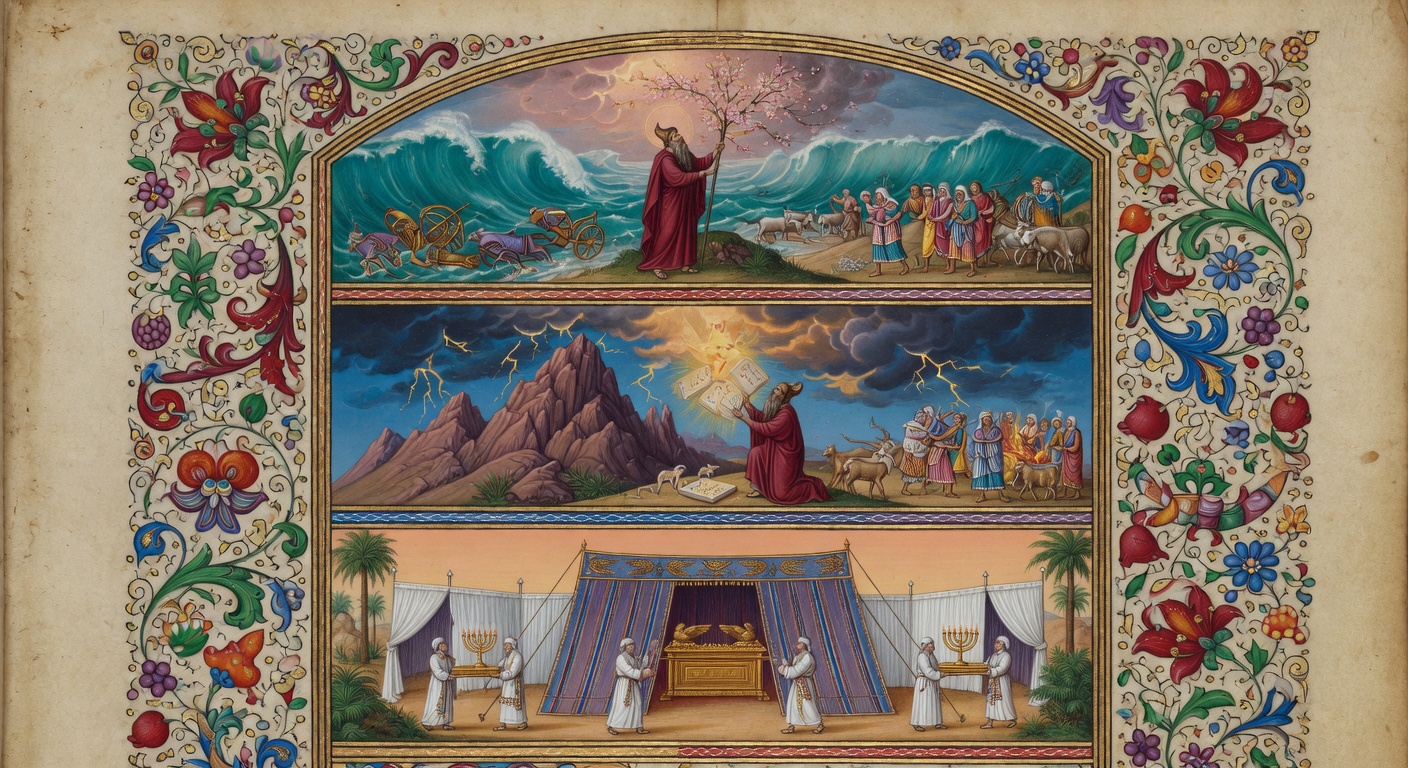 Exodus (40 ch)
Exodus tells the story of Israel's deliverance from slavery in Egypt through Moses, the giving of the Law at Mount Sinai, and the construction of the Tabernacle. Written by Moses, it reveals God as redeemer and lawgiver.
-
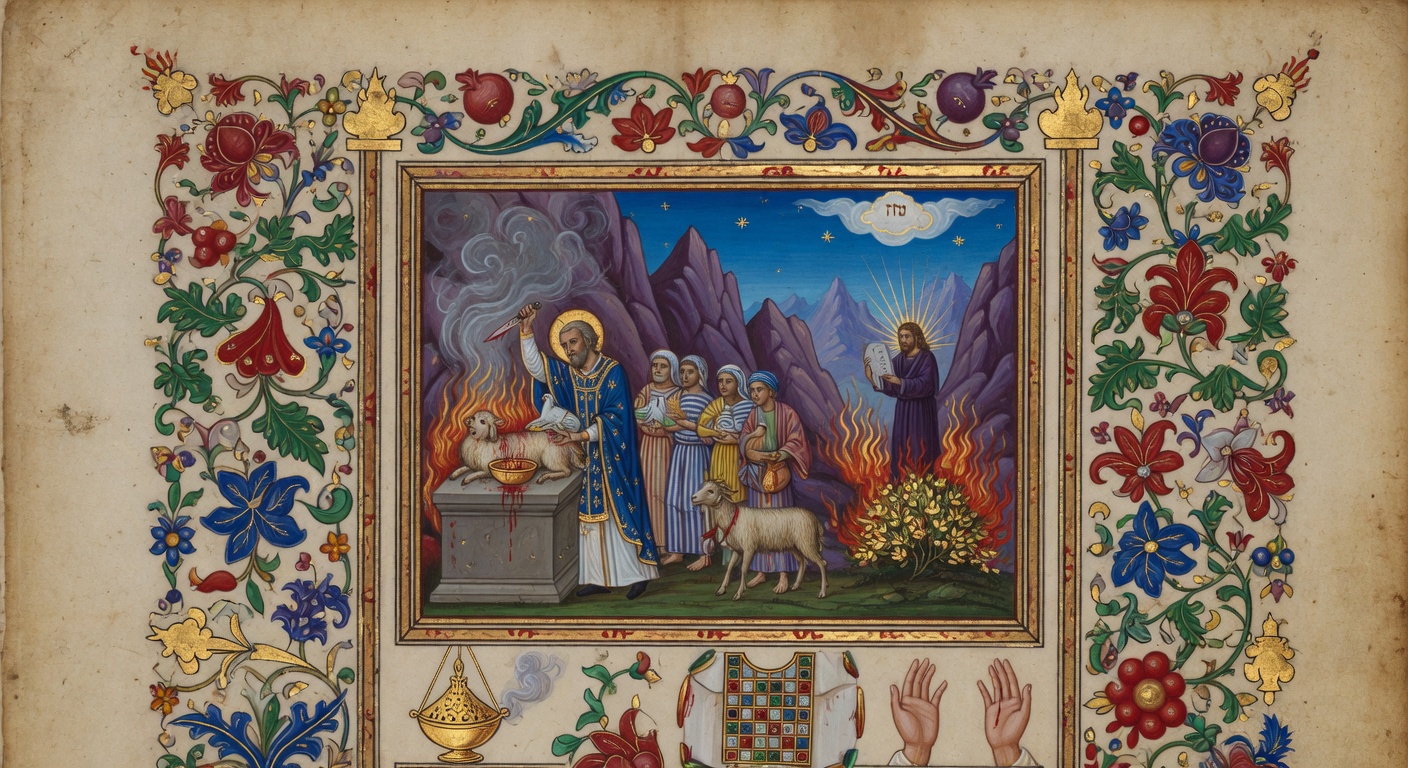 Leviticus (27 ch)
Leviticus contains God's instructions for worship, sacrifice, and holy living given to Israel at Mount Sinai. Written by Moses, it emphasizes holiness, atonement, and the priesthood.
-
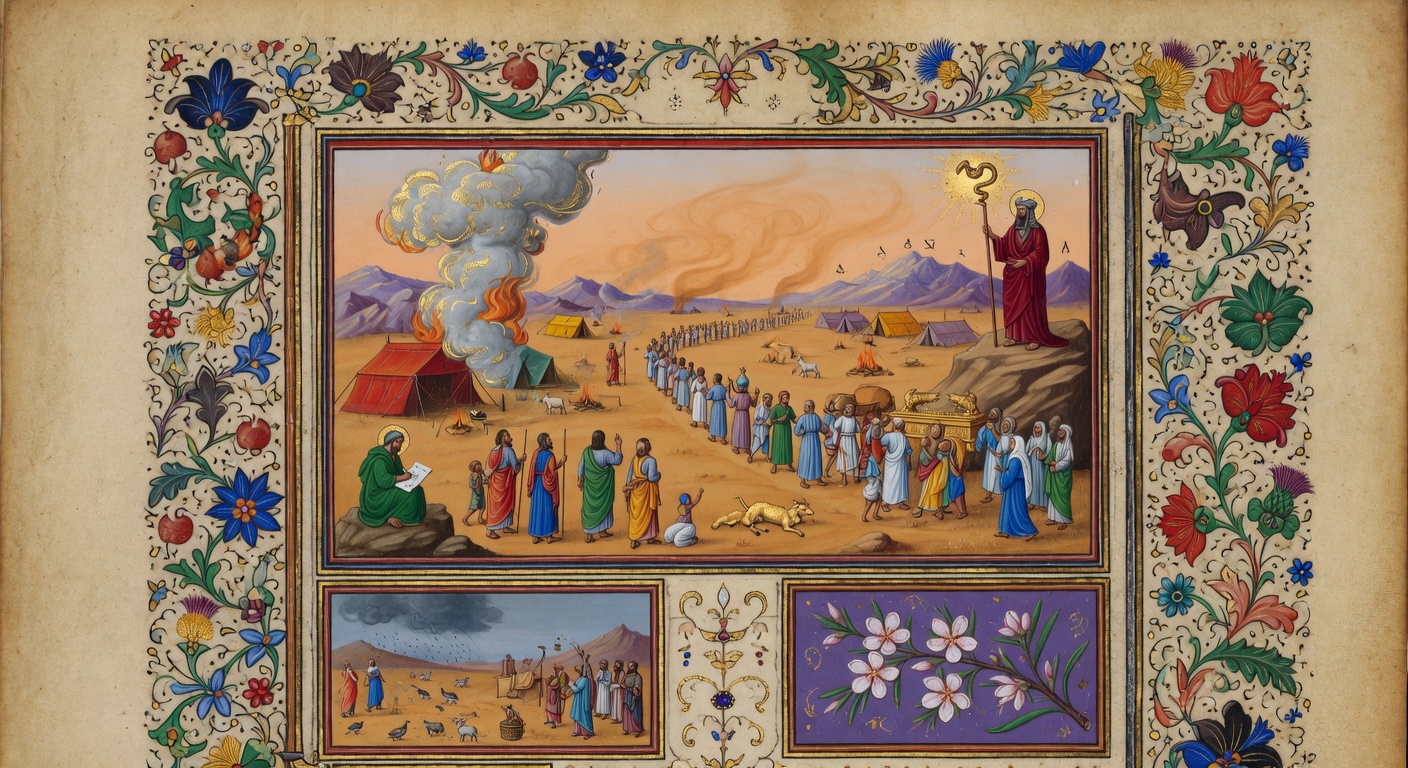 Numbers (36 ch)
Numbers records Israel's forty years of wilderness wandering between Mount Sinai and the Promised Land. Written by Moses, it documents census data, rebellion, and God's faithfulness despite Israel's disobedience.
-
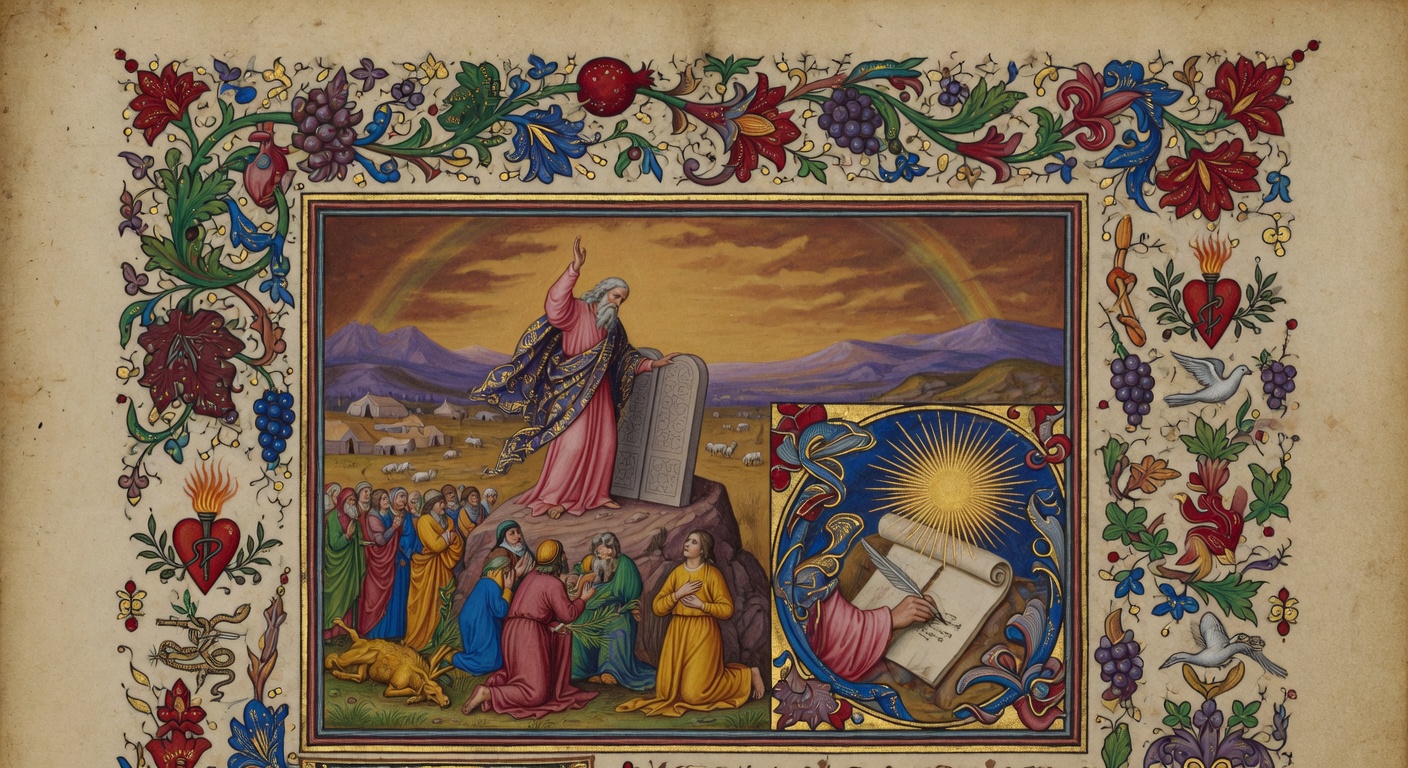 Deuteronomy (34 ch)
Deuteronomy contains Moses' farewell speeches to Israel before entering the Promised Land, restating the Law and calling the people to covenant faithfulness. It emphasizes loving God wholeheartedly and obeying His commands.
-
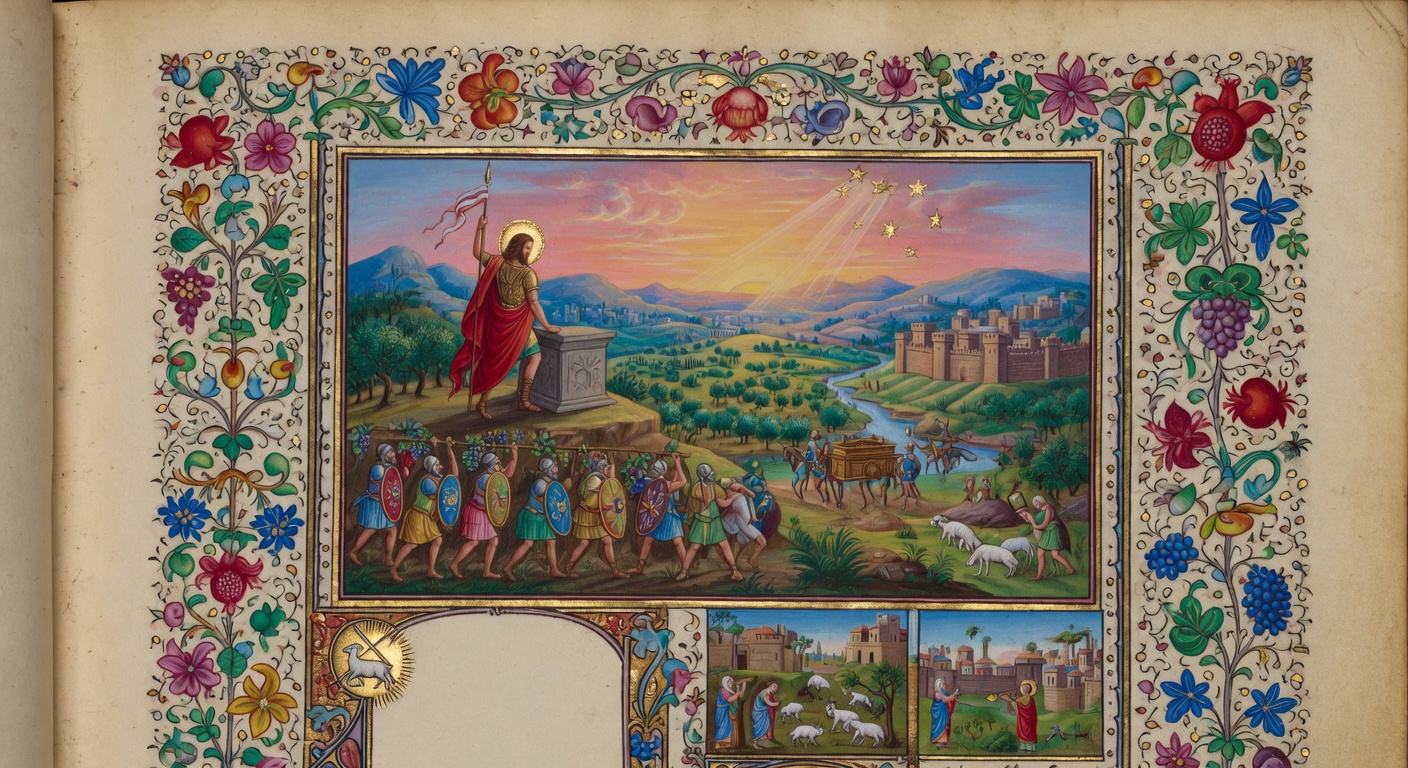 Joshua (24 ch)
Joshua records Israel's conquest and settlement of the Promised Land under Joshua's leadership. It demonstrates God's faithfulness in fulfilling His promises and the importance of obedience.
-
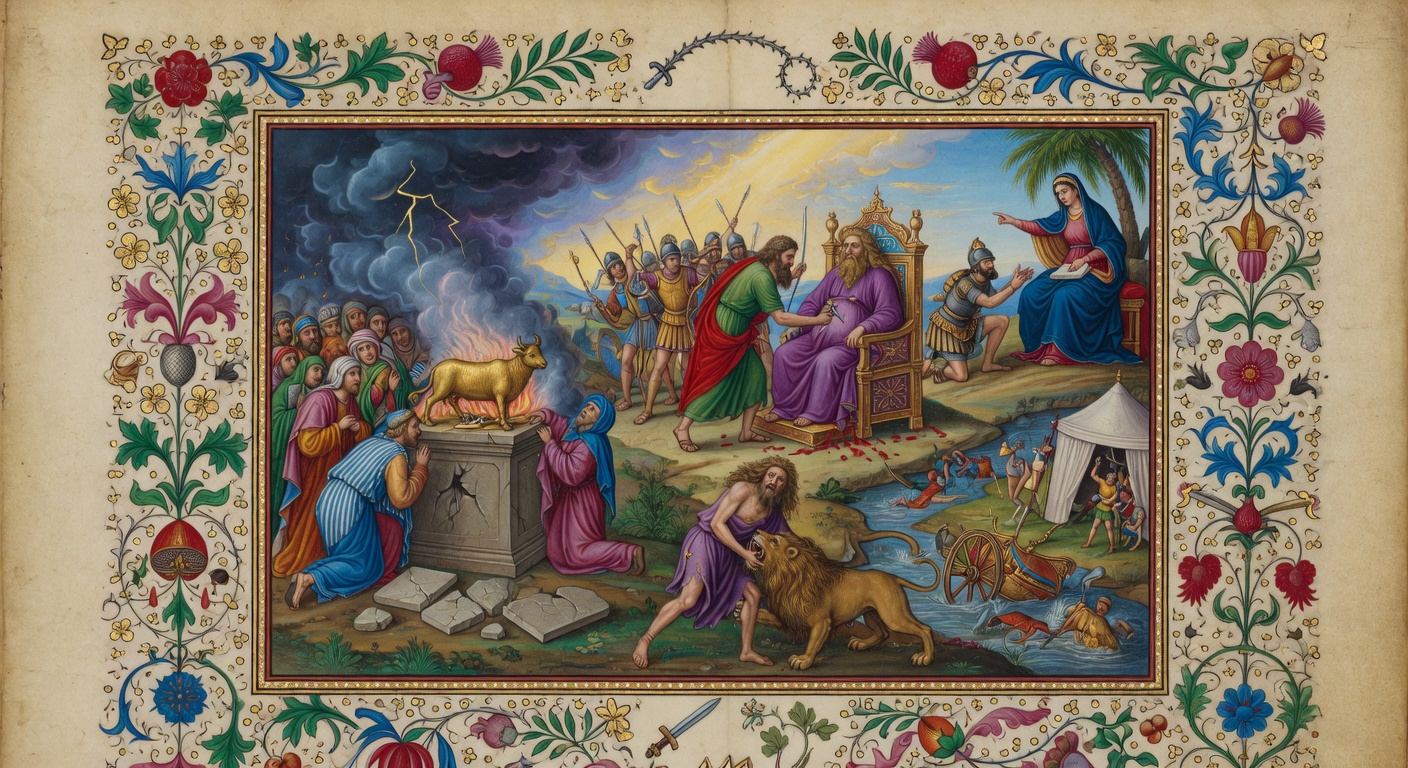 Judges (21 ch)
Judges describes the cycle of sin, oppression, and deliverance during the period between Joshua and the monarchy. It records the exploits of twelve judges whom God raised up to rescue Israel from their enemies.
-
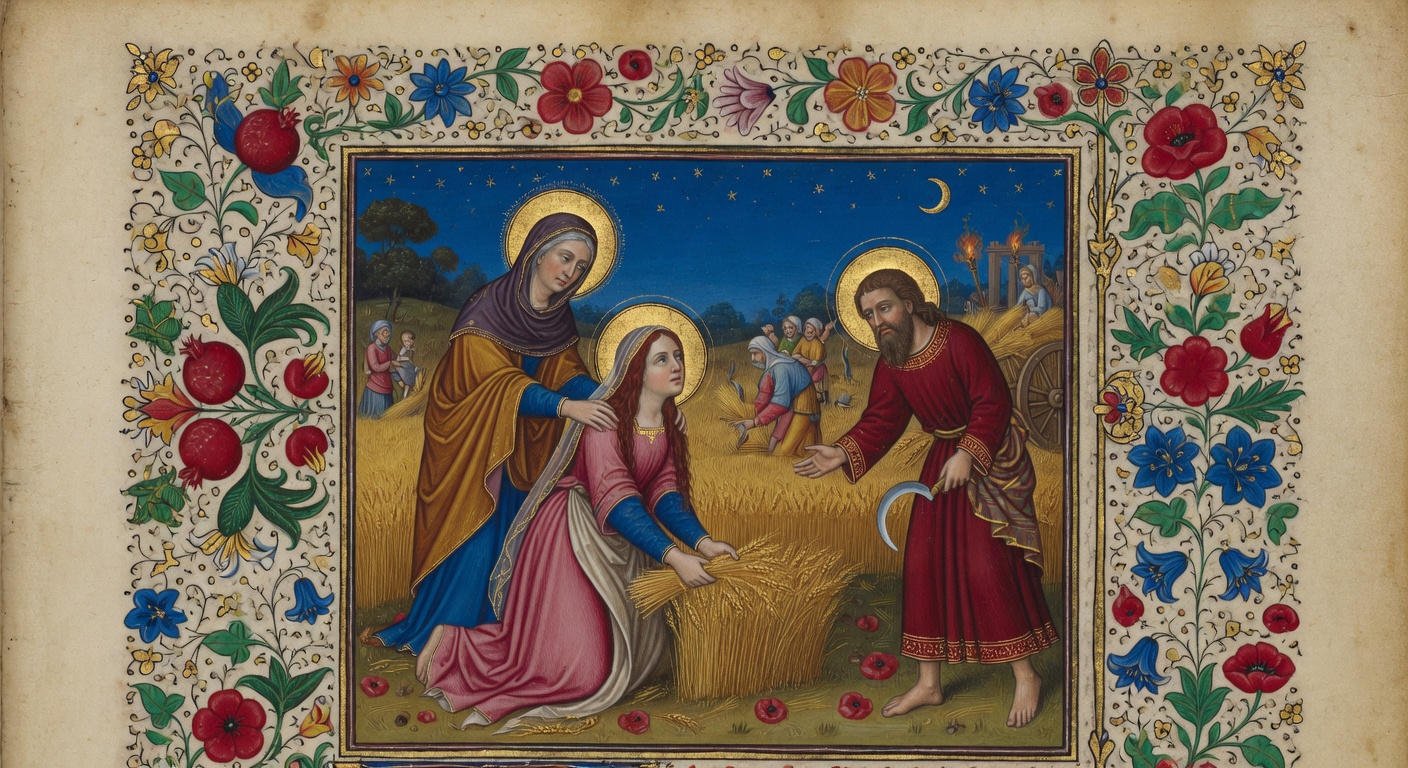 Ruth (4 ch)
Ruth tells the story of a Moabite woman's loyalty to her Israelite mother-in-law and her redemption through Boaz. This short narrative demonstrates God's providence and introduces an ancestor of King David and Jesus Christ.
-
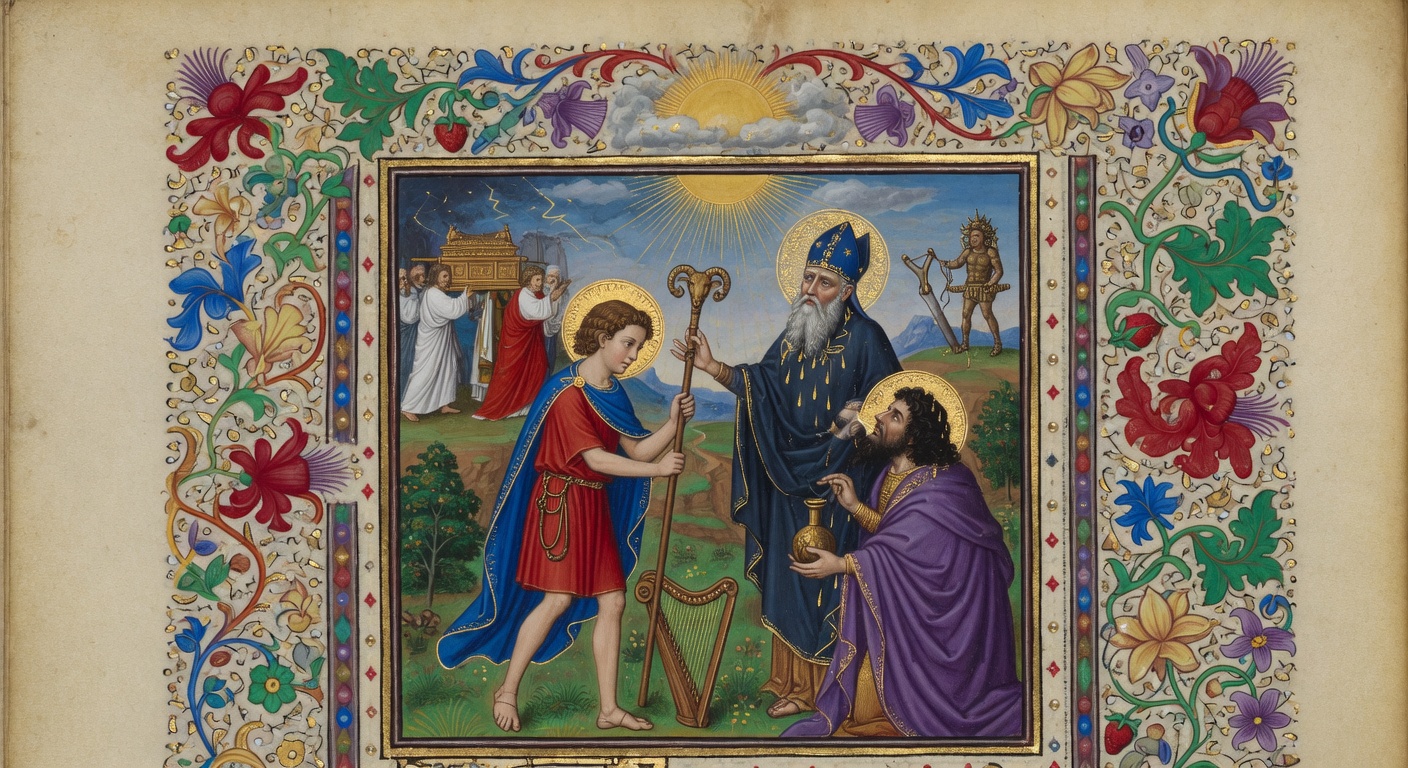 1 Samuel (31 ch)
First Samuel covers the transition from the judges to the monarchy, recording the lives of Samuel, Saul, and the rise of David. It explores themes of obedience, God's sovereignty, and the nature of true leadership.
-
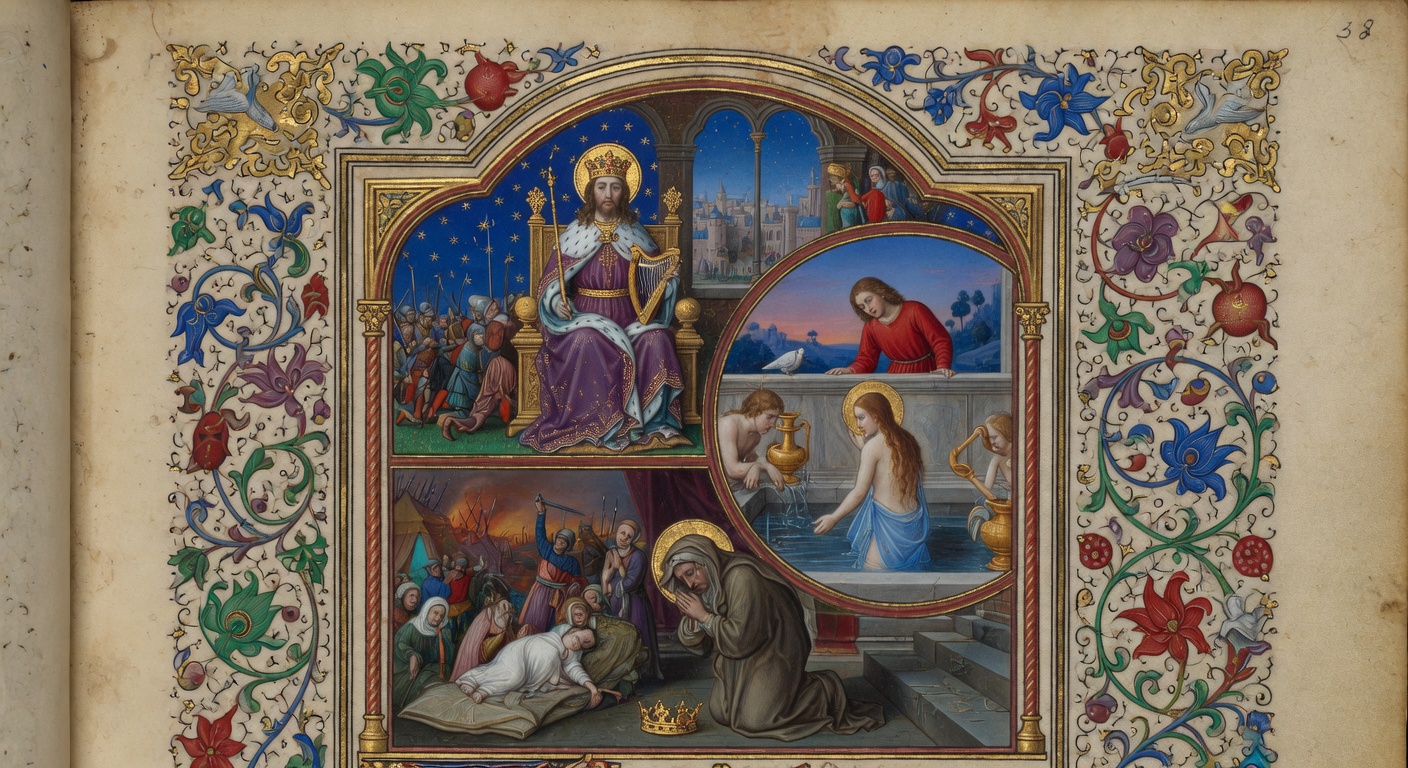 2 Samuel (24 ch)
Second Samuel records David's reign as king over Israel, including his triumphs, his sin with Bathsheba, and the resulting consequences. It reveals both the heights of godly leadership and the devastating effects of sin.
-
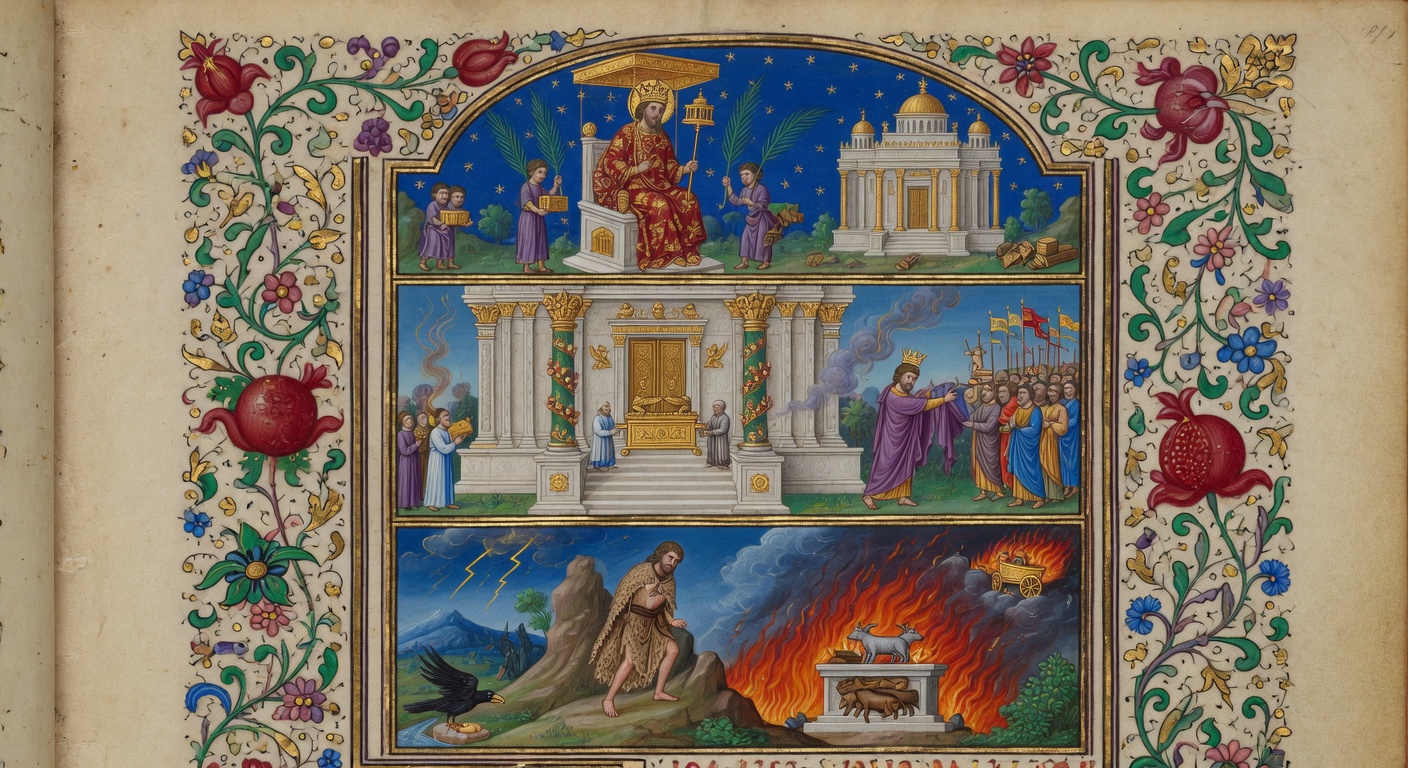 1 Kings (22 ch)
First Kings covers Solomon's glorious reign, the building of the Temple, and the division of the kingdom into Israel and Judah. It traces the history of both kingdoms through the ministry of Elijah.
-
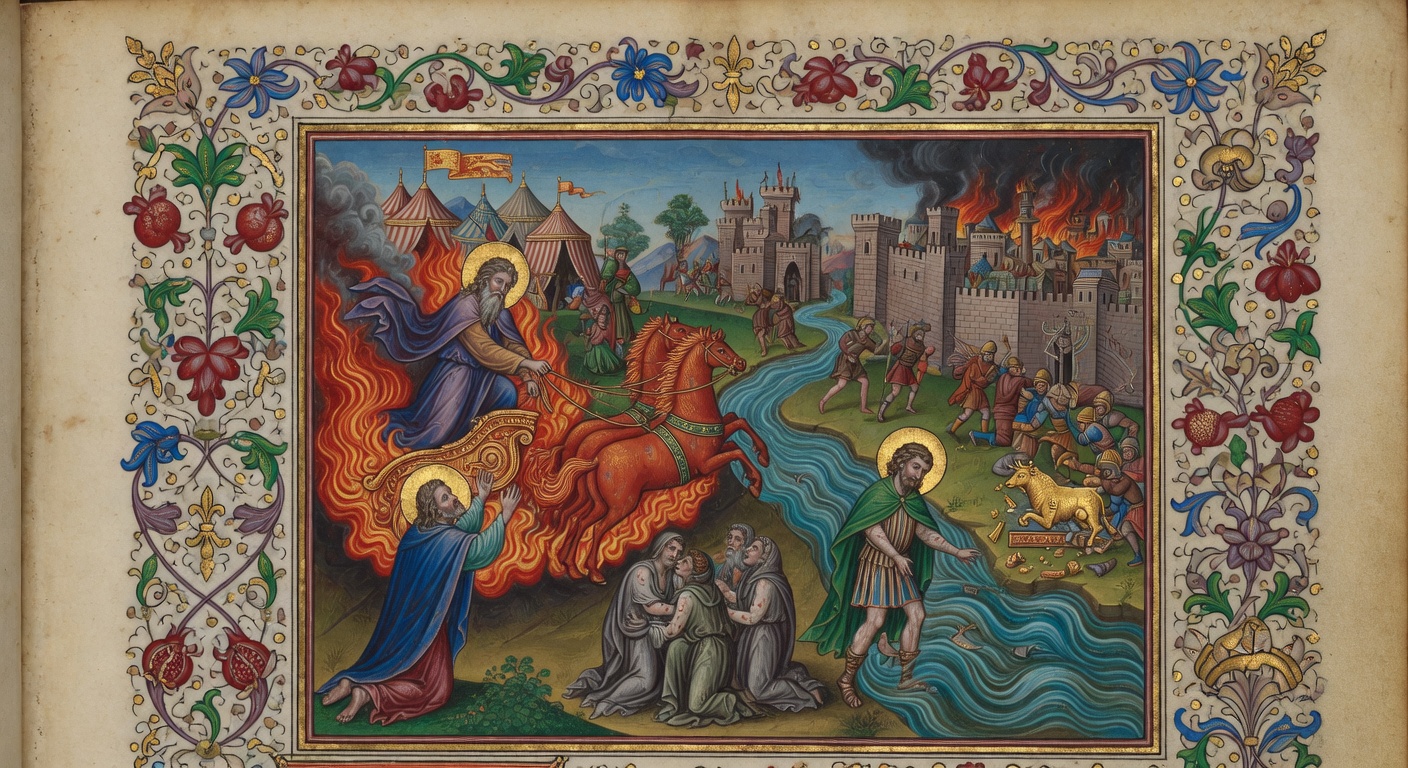 2 Kings (25 ch)
Second Kings continues the history of the divided kingdoms through the ministries of Elijah and Elisha to the fall of both Israel and Judah. It demonstrates the consequences of persistent unfaithfulness to God's covenant.
-
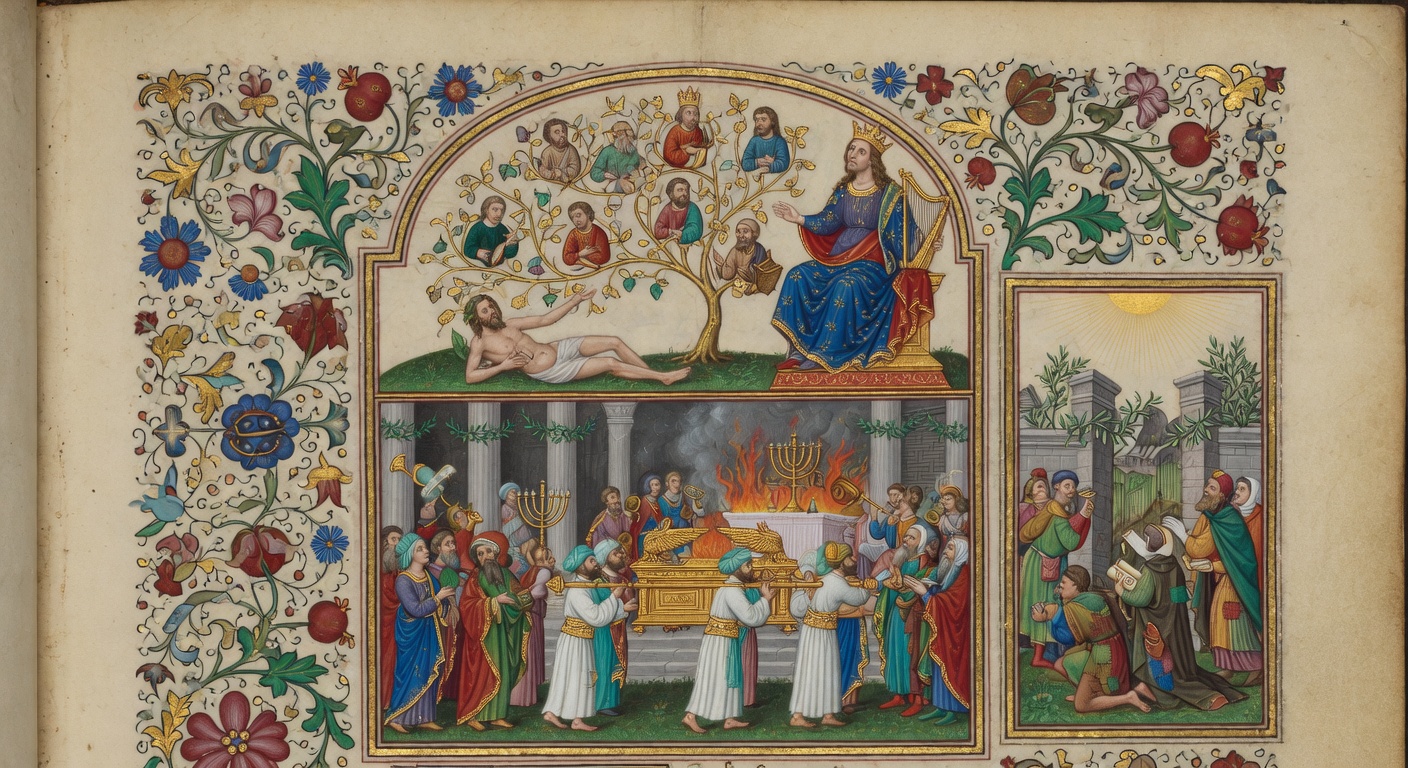 1 Chronicles (29 ch)
First Chronicles retells Israel's history from Adam through David's reign, emphasizing the Davidic line, temple worship, and God's faithfulness. Written after the exile, it encouraged the returned remnant with their spiritual heritage.
-
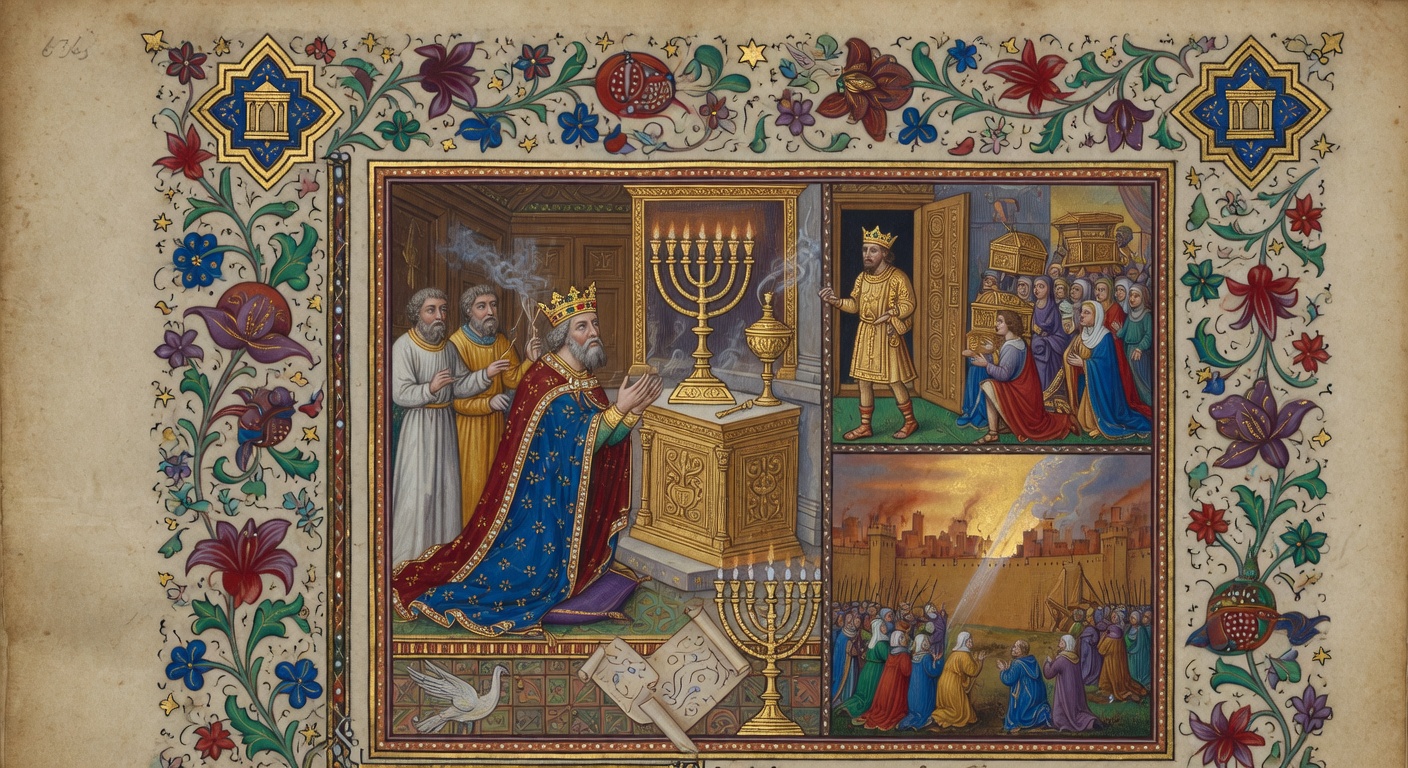 2 Chronicles (36 ch)
Second Chronicles covers Solomon's reign and the history of the southern kingdom of Judah until the Babylonian exile. It emphasizes temple worship, faithful kings, and God's willingness to forgive those who repent.
-
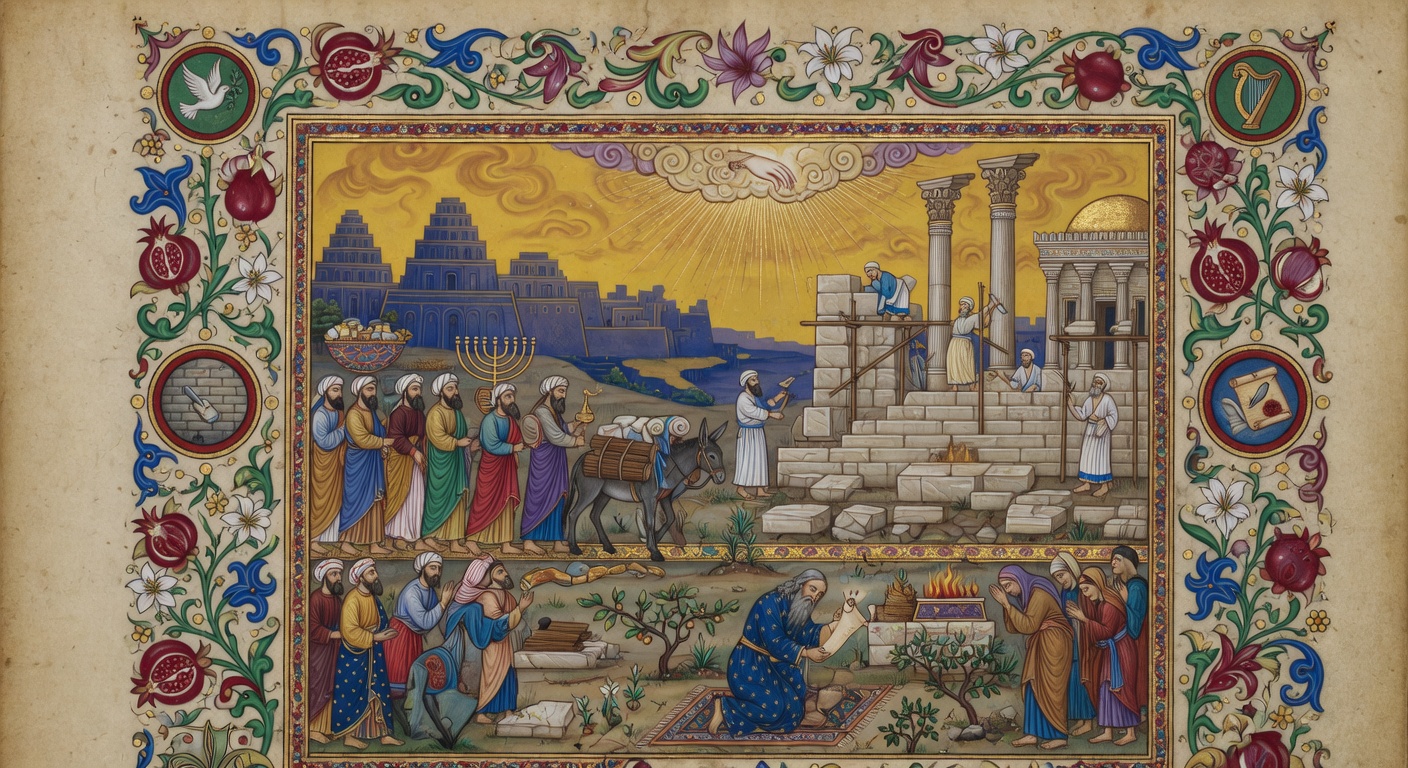 Ezra (10 ch)
Ezra records the return of Jewish exiles from Babylon and the rebuilding of the Temple in Jerusalem. It highlights God's faithfulness in restoring His people and the importance of spiritual renewal.
-
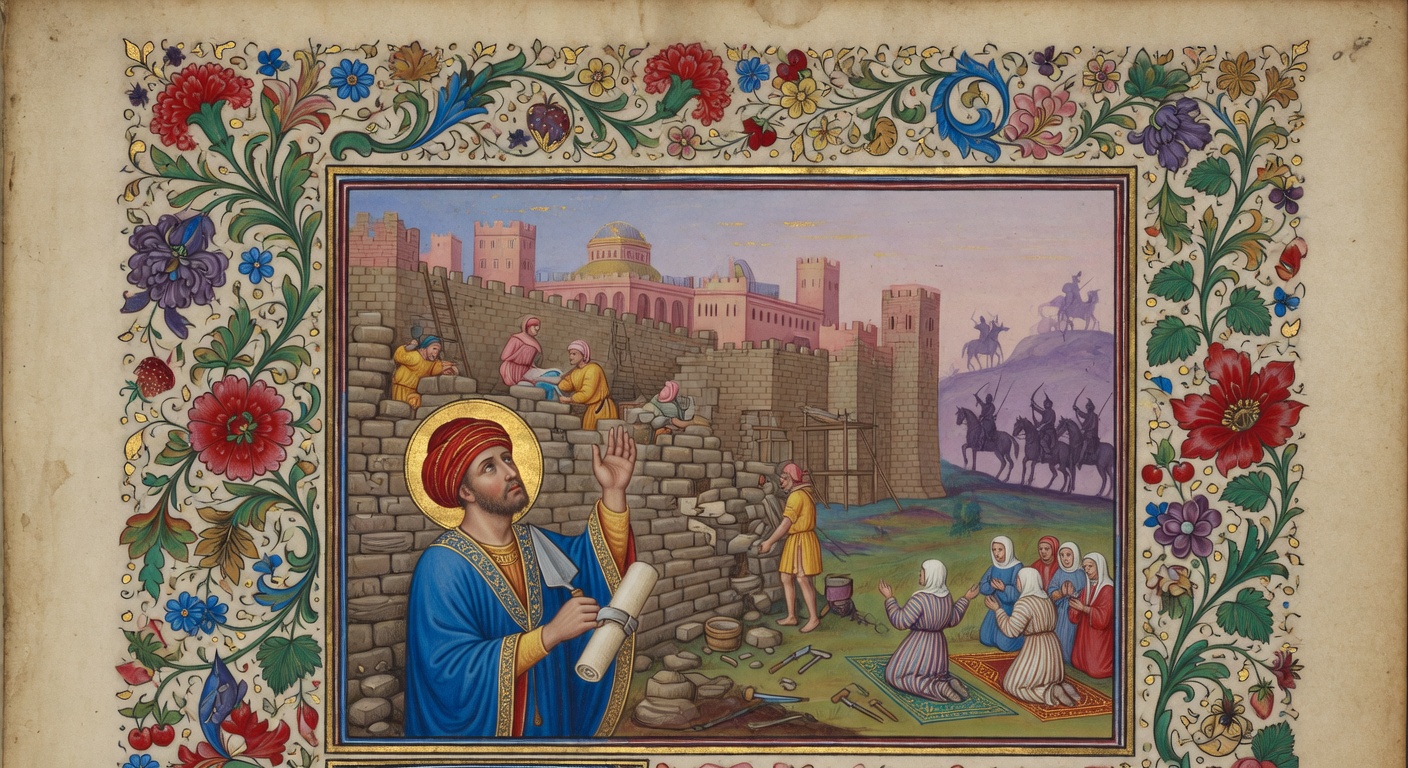 Nehemiah (13 ch)
Nehemiah tells the story of rebuilding Jerusalem's walls under Nehemiah's leadership after the Babylonian exile. It demonstrates faithful leadership, prayer, and community renewal in the face of opposition.
-
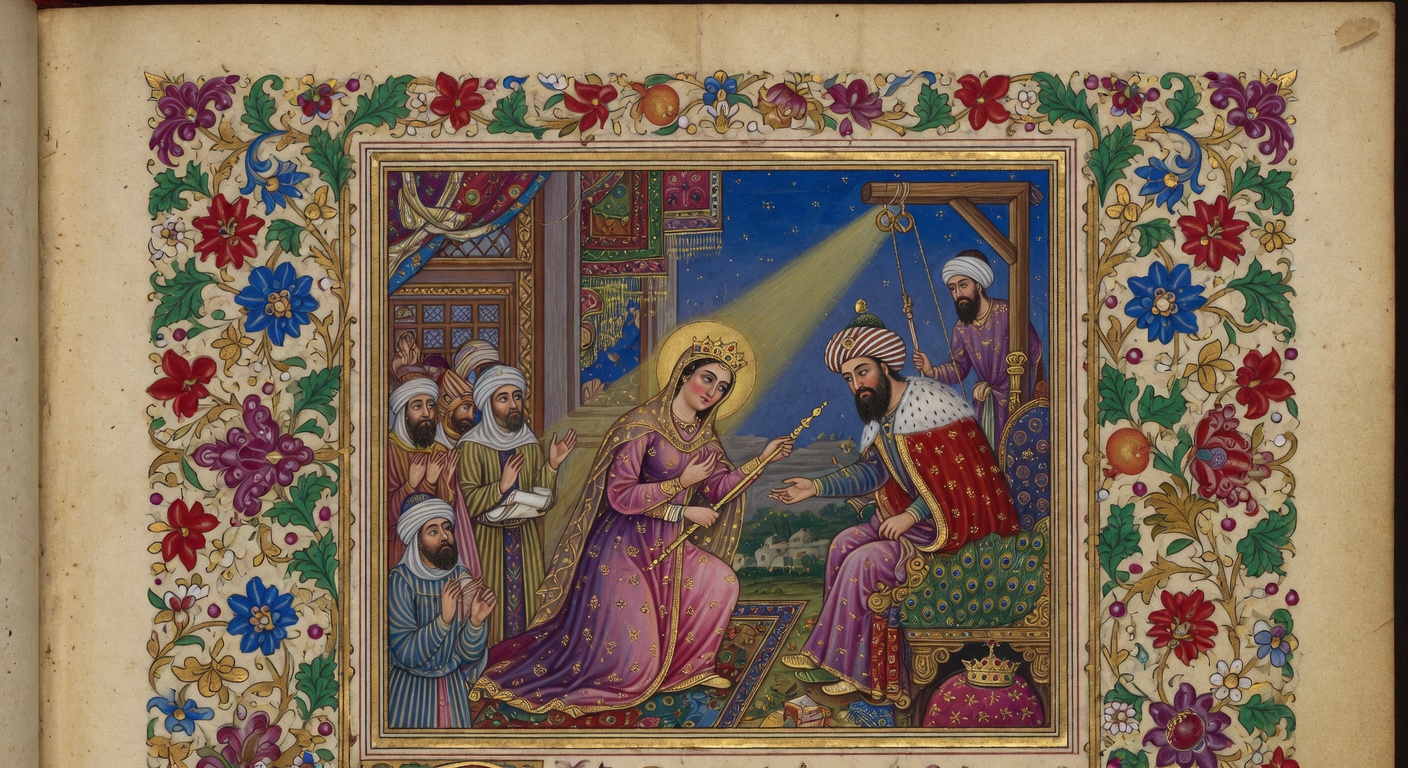 Esther (10 ch)
Esther tells how a Jewish queen in Persia saved her people from a plot of genocide. Though God's name is never mentioned, His providence is evident throughout this dramatic story of courage and deliverance.
-
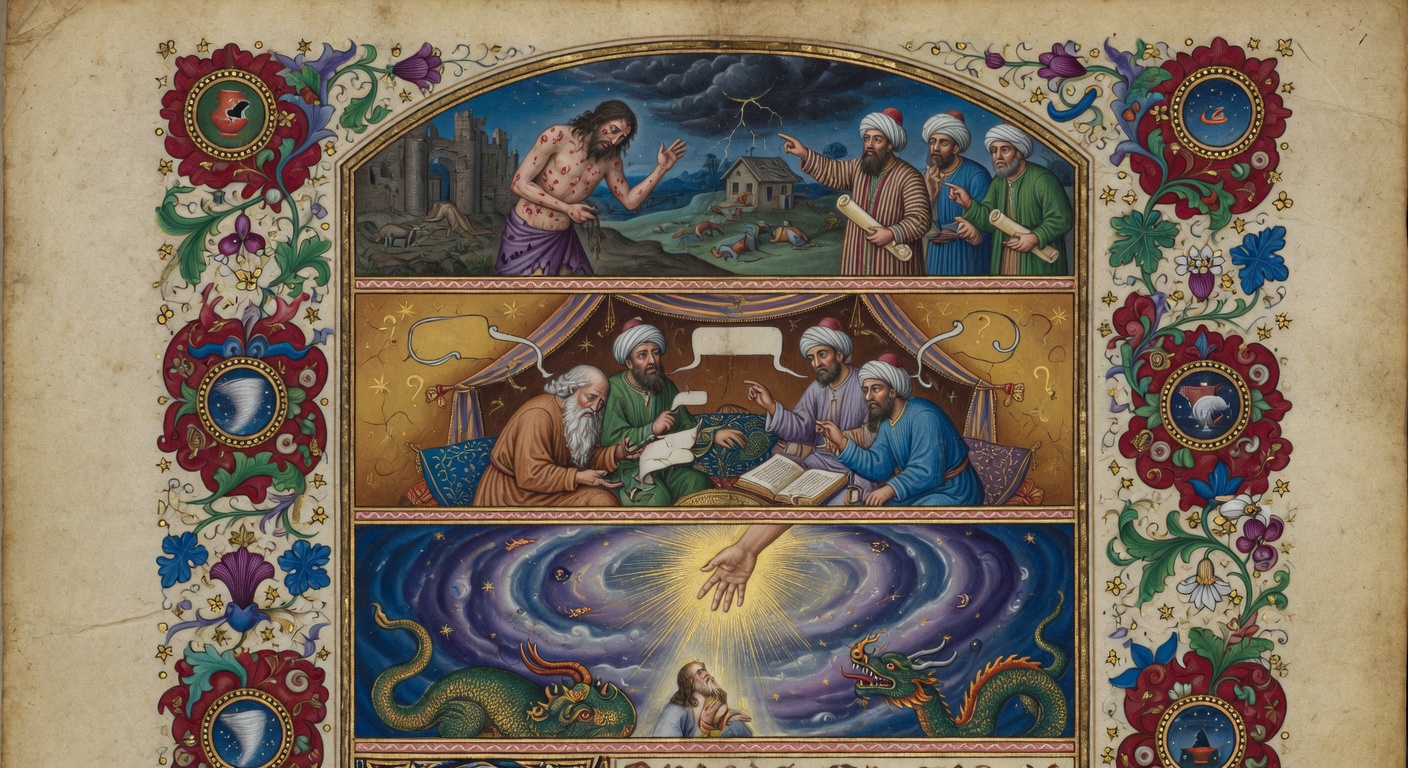 Job (42 ch)
Job explores the problem of suffering through the story of a righteous man who loses everything. Through dialogues with friends and God's final answer, it reveals that God's wisdom transcends human understanding.
-
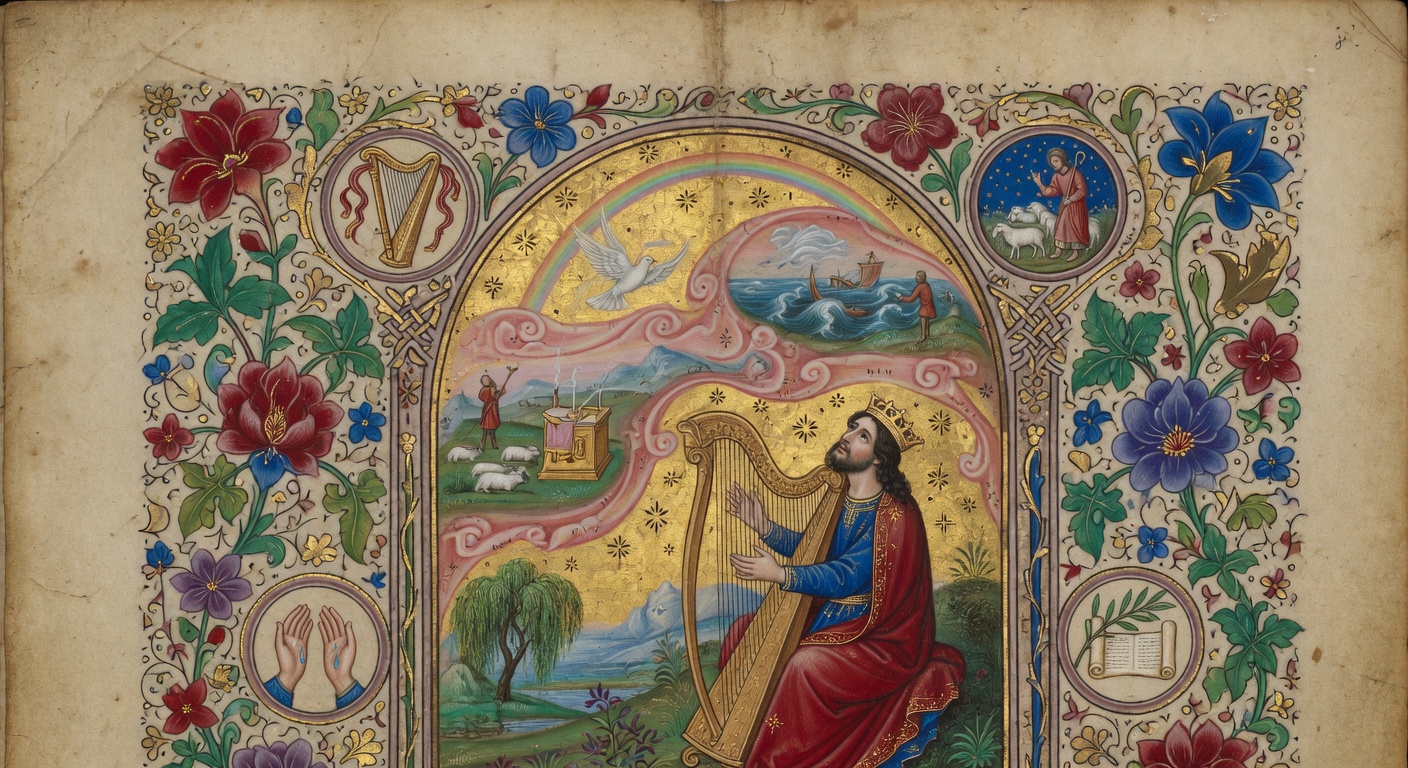 Psalms (150 ch)
The Psalms are a collection of 150 songs and prayers expressing the full range of human emotion before God. Written primarily by David and other worship leaders, they cover praise, lament, thanksgiving, and wisdom.
-
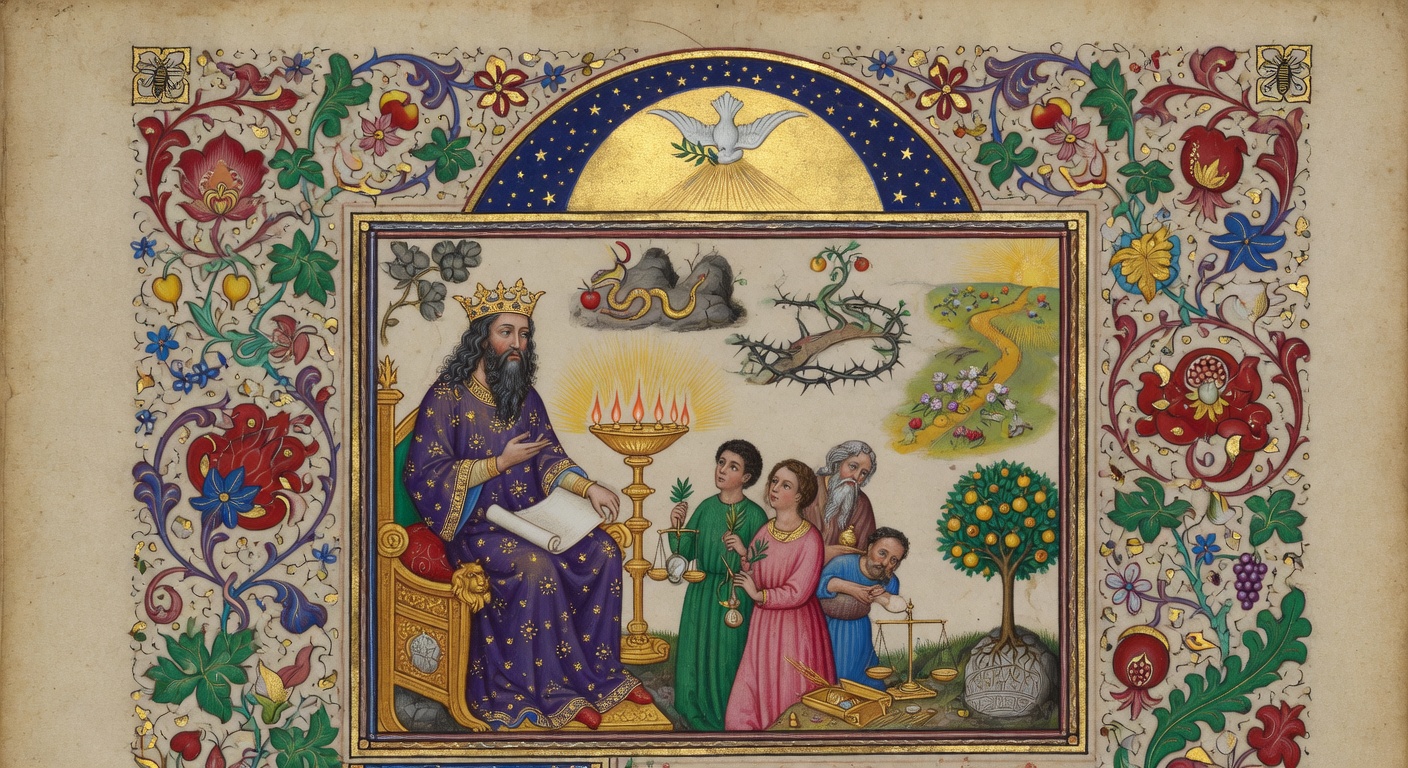 Proverbs (31 ch)
Proverbs is a collection of wise sayings primarily from Solomon, offering practical guidance for daily living. It teaches that the fear of the Lord is the beginning of wisdom and covers topics from relationships to finances.
-
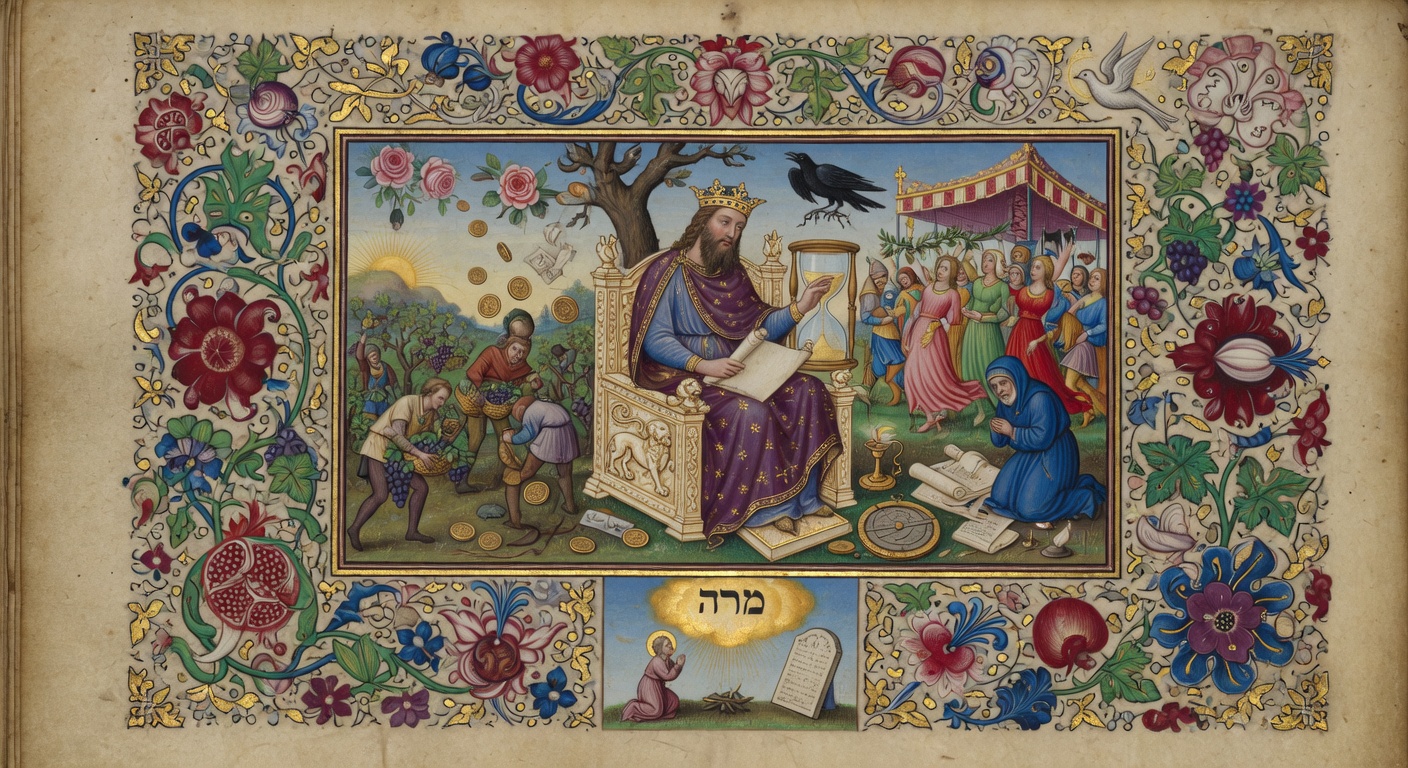 Ecclesiastes (12 ch)
Ecclesiastes is Solomon's philosophical reflection on the meaning of life, concluding that all is vanity apart from God. It explores work, pleasure, wisdom, and ultimately calls readers to fear God and keep His commandments.
-
 Song of Solomon (8 ch)
The Song of Solomon is a poetic celebration of love between a bride and bridegroom, attributed to Solomon. It portrays the beauty of marital love and has been interpreted as an allegory of God's love for His people.
-
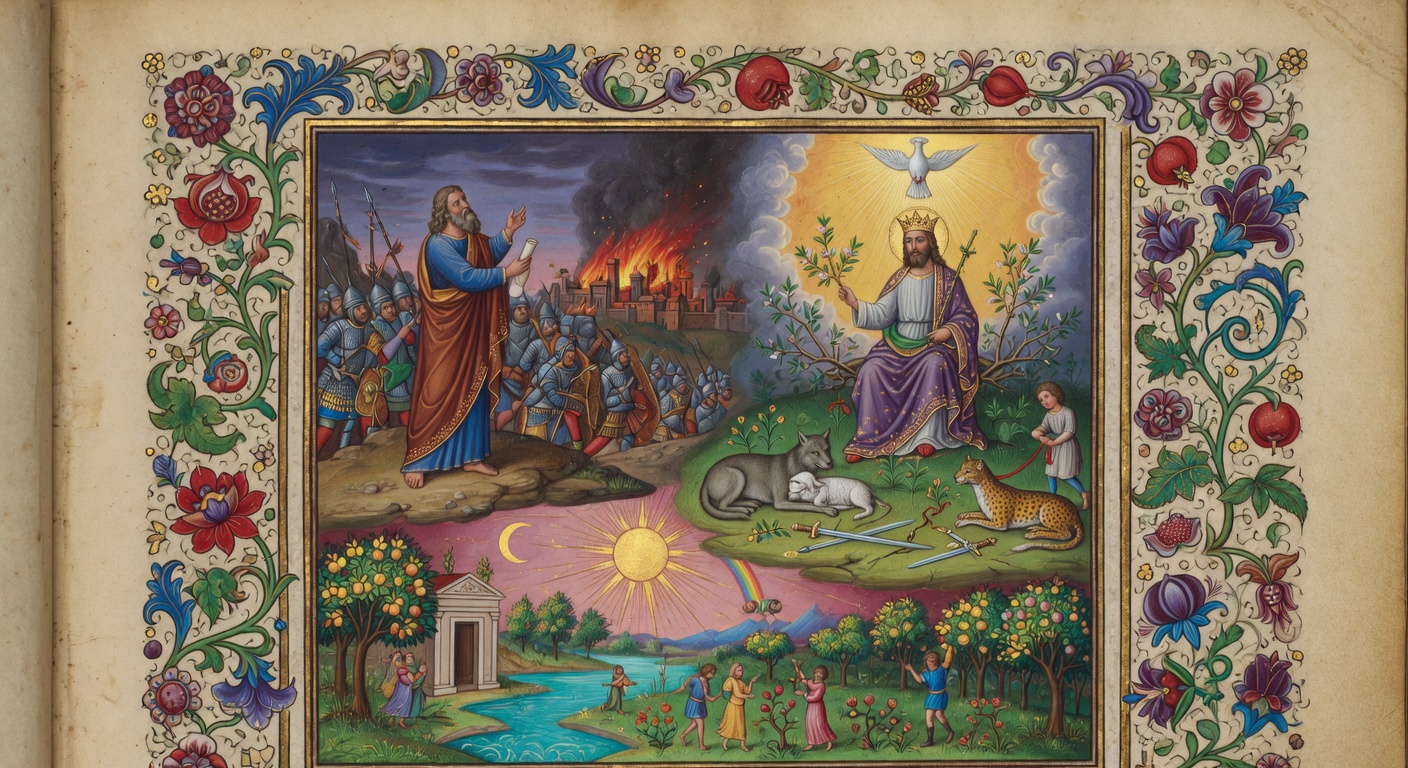 Isaiah (66 ch)
Isaiah contains prophecies of judgment and salvation spanning from the Assyrian crisis to the coming Messiah and the new creation. Written by the prophet Isaiah, it is one of the most quoted Old Testament books in the New Testament.
-
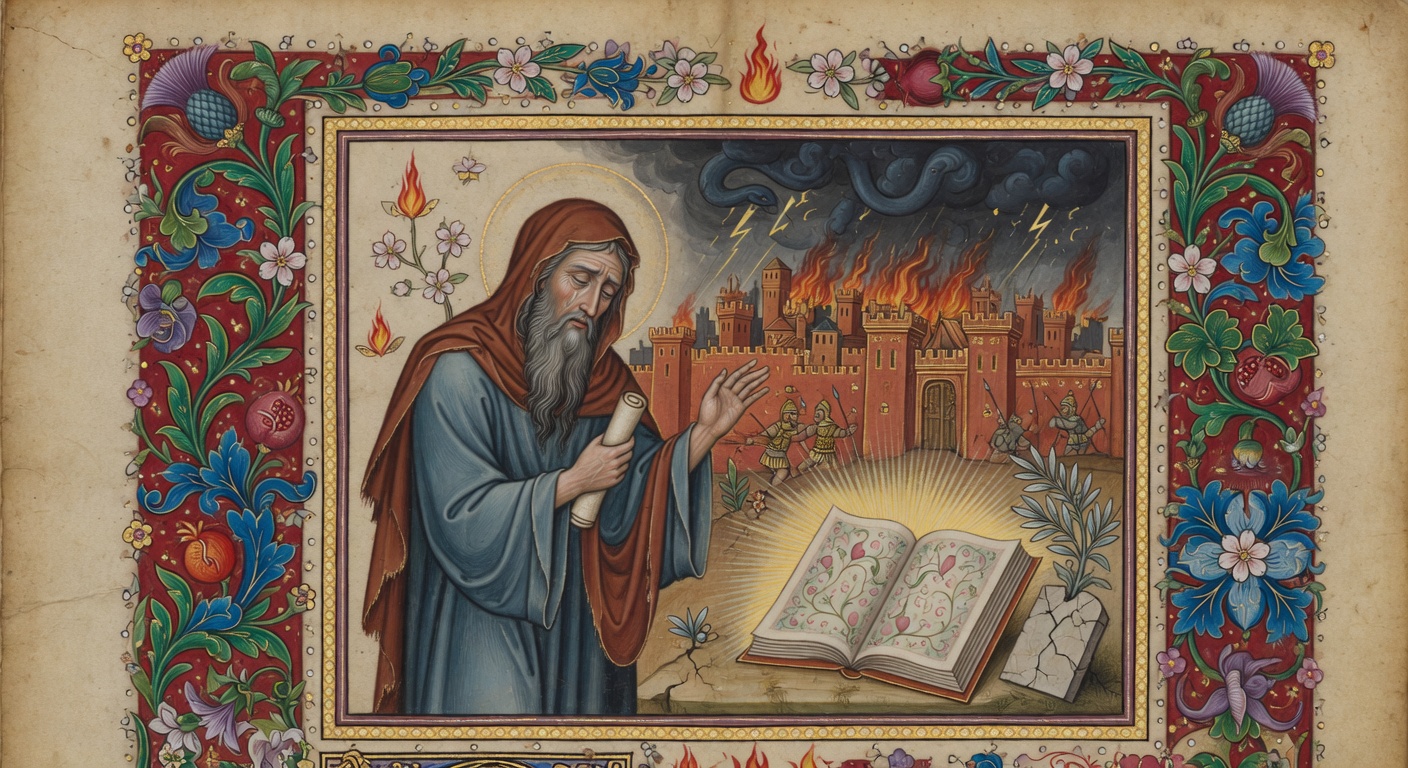 Jeremiah (52 ch)
Jeremiah records the prophecies of the weeping prophet who warned Judah of coming judgment for forty years before the Babylonian exile. His messages combine warnings of destruction with promises of a new covenant.
-
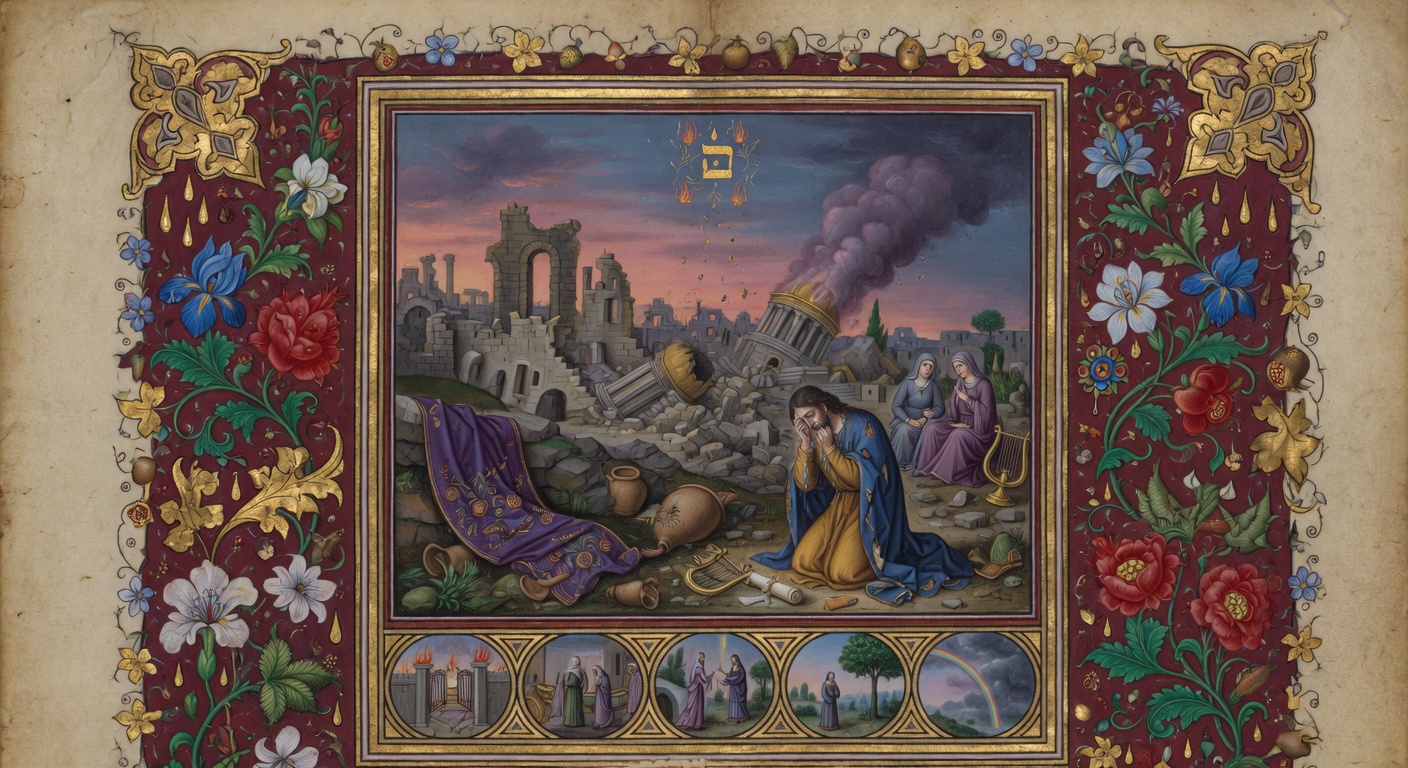 Lamentations (5 ch)
Lamentations is a collection of five poems mourning the destruction of Jerusalem and the Temple by Babylon. Attributed to Jeremiah, it expresses deep grief while affirming God's faithfulness and mercy.
-
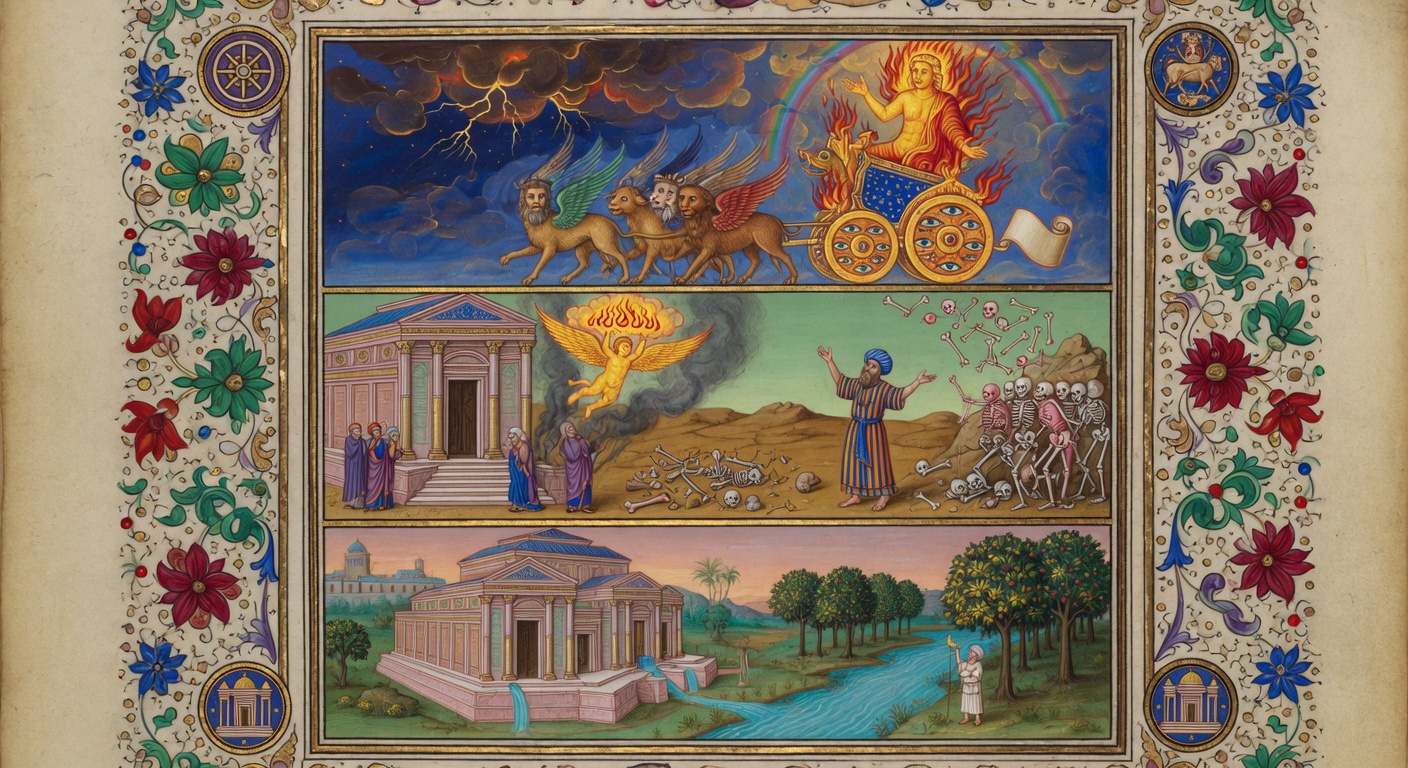 Ezekiel (48 ch)
Ezekiel contains the visions and prophecies of a priest-prophet among the Babylonian exiles. His dramatic messages include judgment on Israel and the nations, the departure and return of God's glory, and the vision of a restored temple.
-
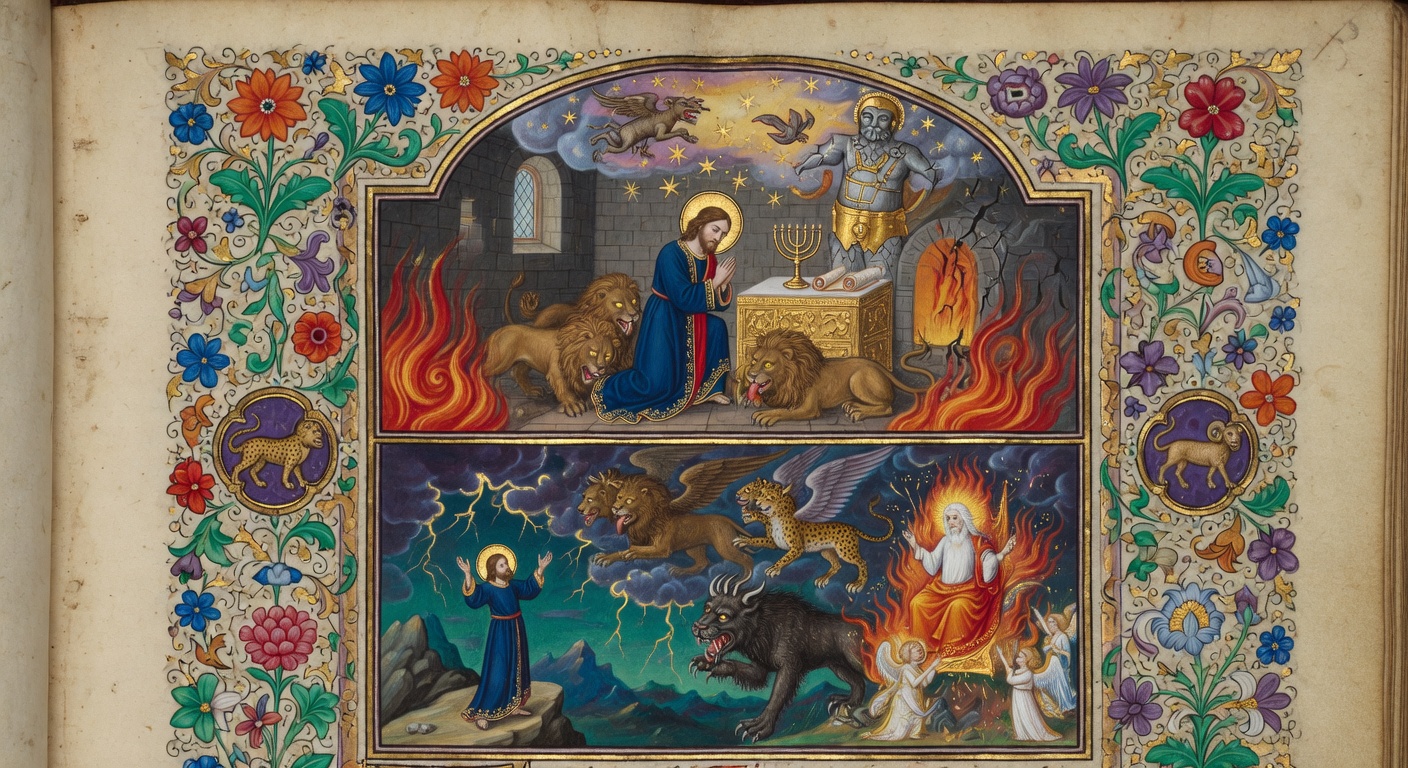 Daniel (12 ch)
Daniel records the experiences of a Jewish exile in Babylon and his apocalyptic visions of future kingdoms. It demonstrates God's sovereignty over all earthly powers and His faithfulness to those who remain loyal to Him.
-
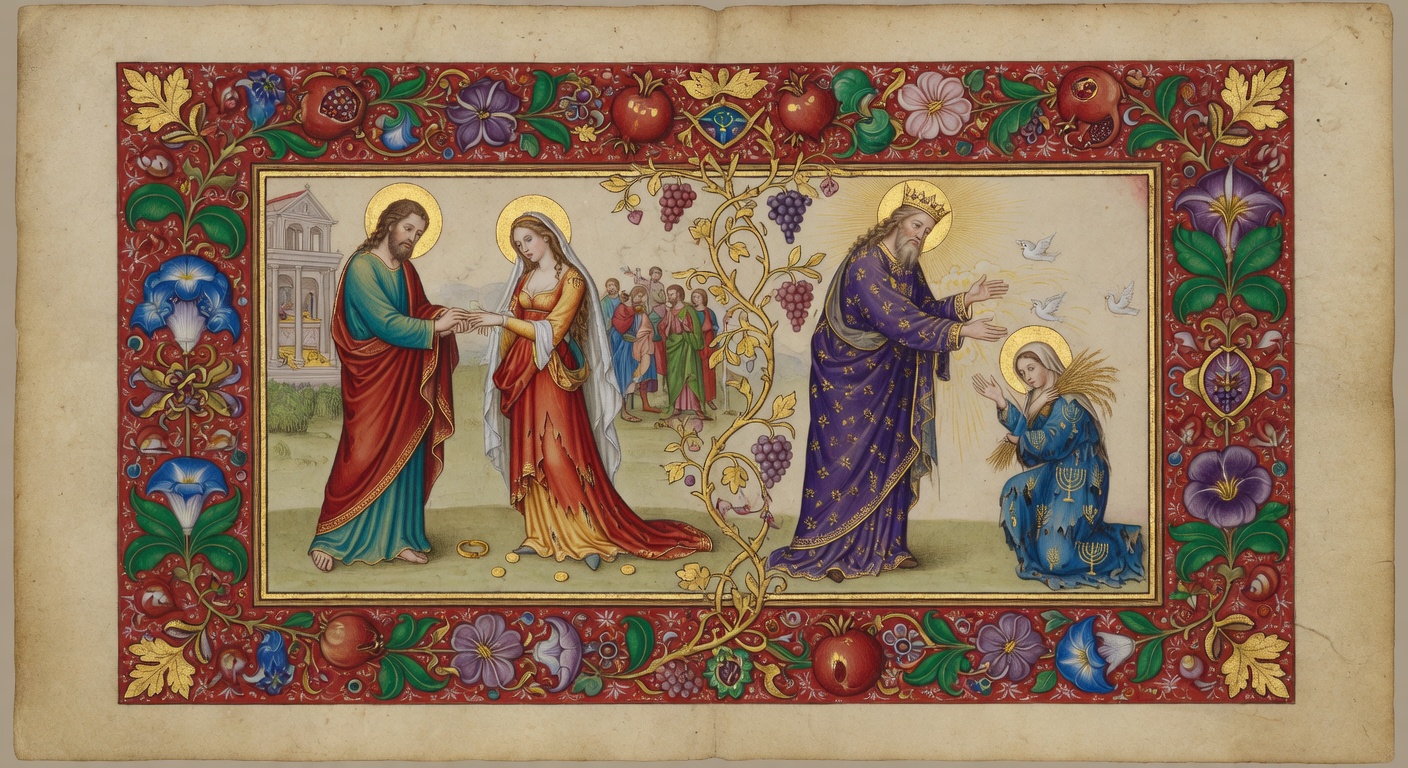 Hosea (14 ch)
Hosea uses the prophet's marriage to an unfaithful wife as a picture of God's relationship with Israel. It powerfully illustrates God's steadfast love and His desire for Israel to return to covenant faithfulness.
-
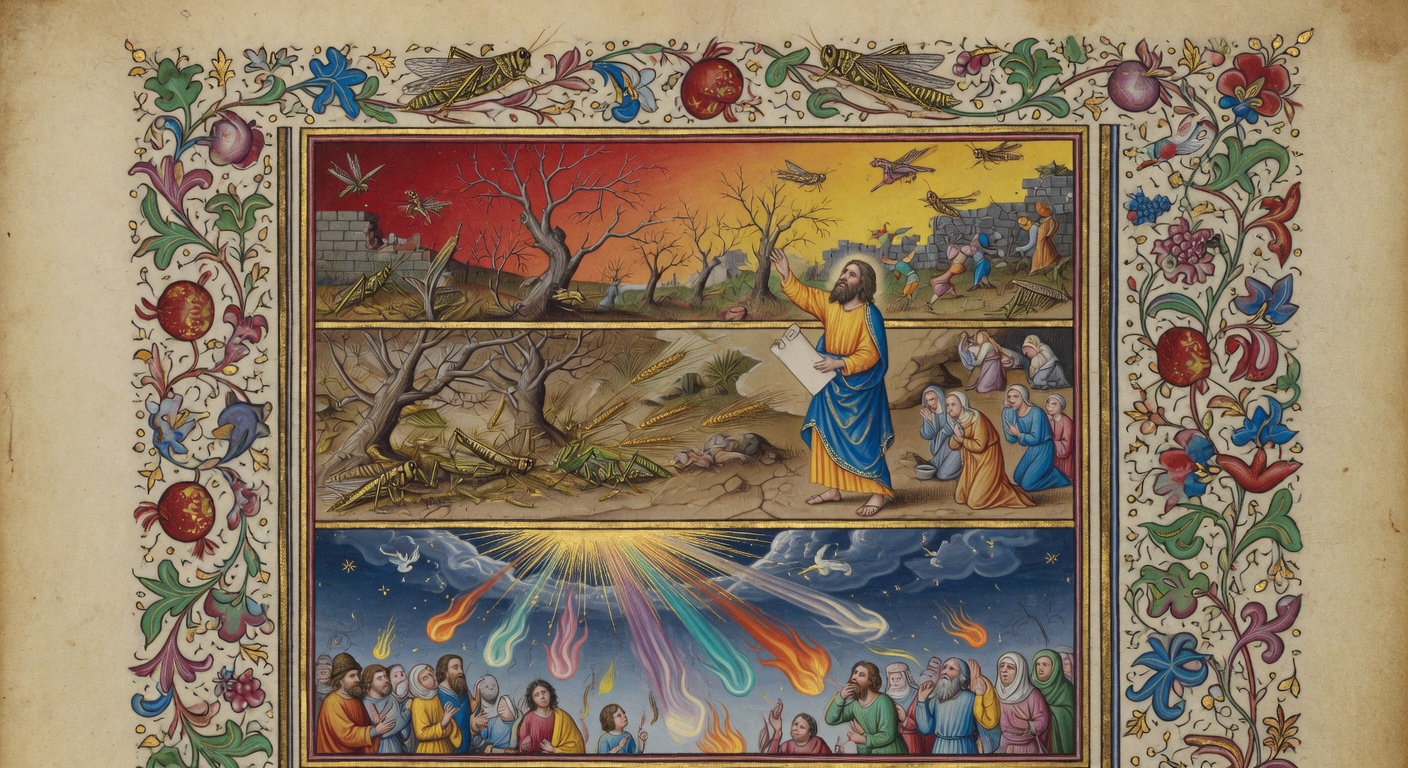 Joel (3 ch)
Joel uses a devastating locust plague as a backdrop to call Judah to repentance and to prophesy about the Day of the Lord. It contains the famous promise of God pouring out His Spirit on all people.
-
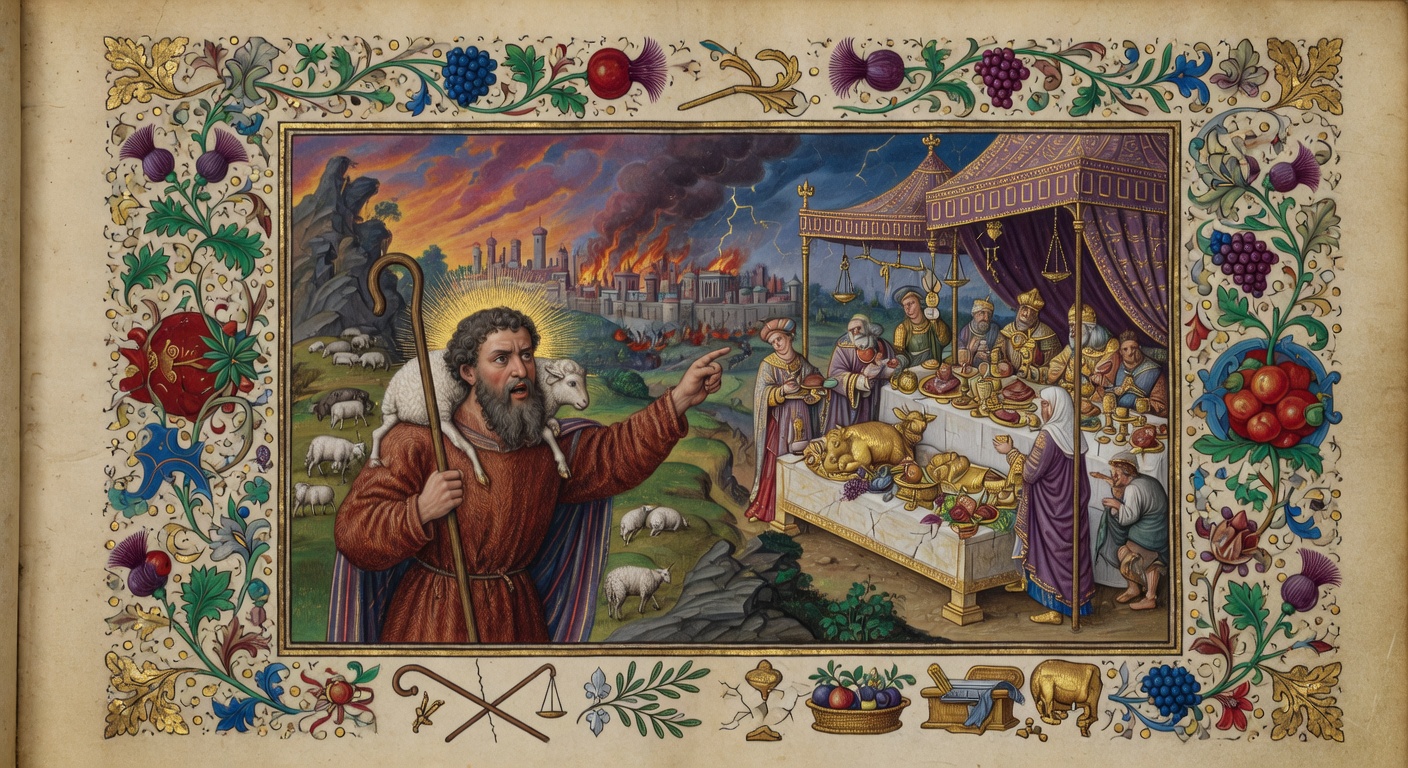 Amos (9 ch)
Amos was a shepherd called to prophesy against Israel's social injustice and religious hypocrisy during a time of prosperity. His messages demand justice, righteousness, and genuine worship of God.
-
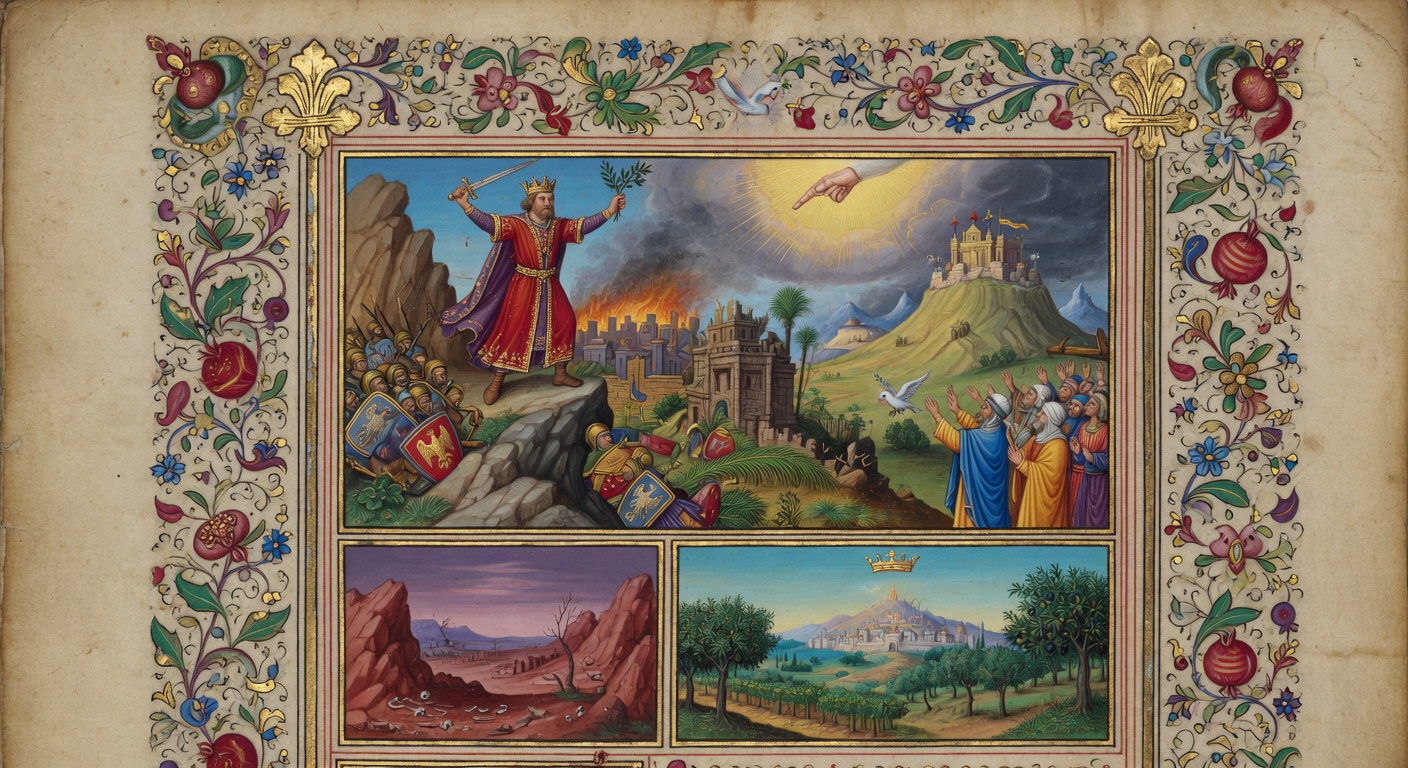 Obadiah (1 ch)
Obadiah is the shortest book in the Old Testament, pronouncing judgment on Edom for its pride and violence against Israel. It affirms that God will vindicate His people and establish His kingdom.
-
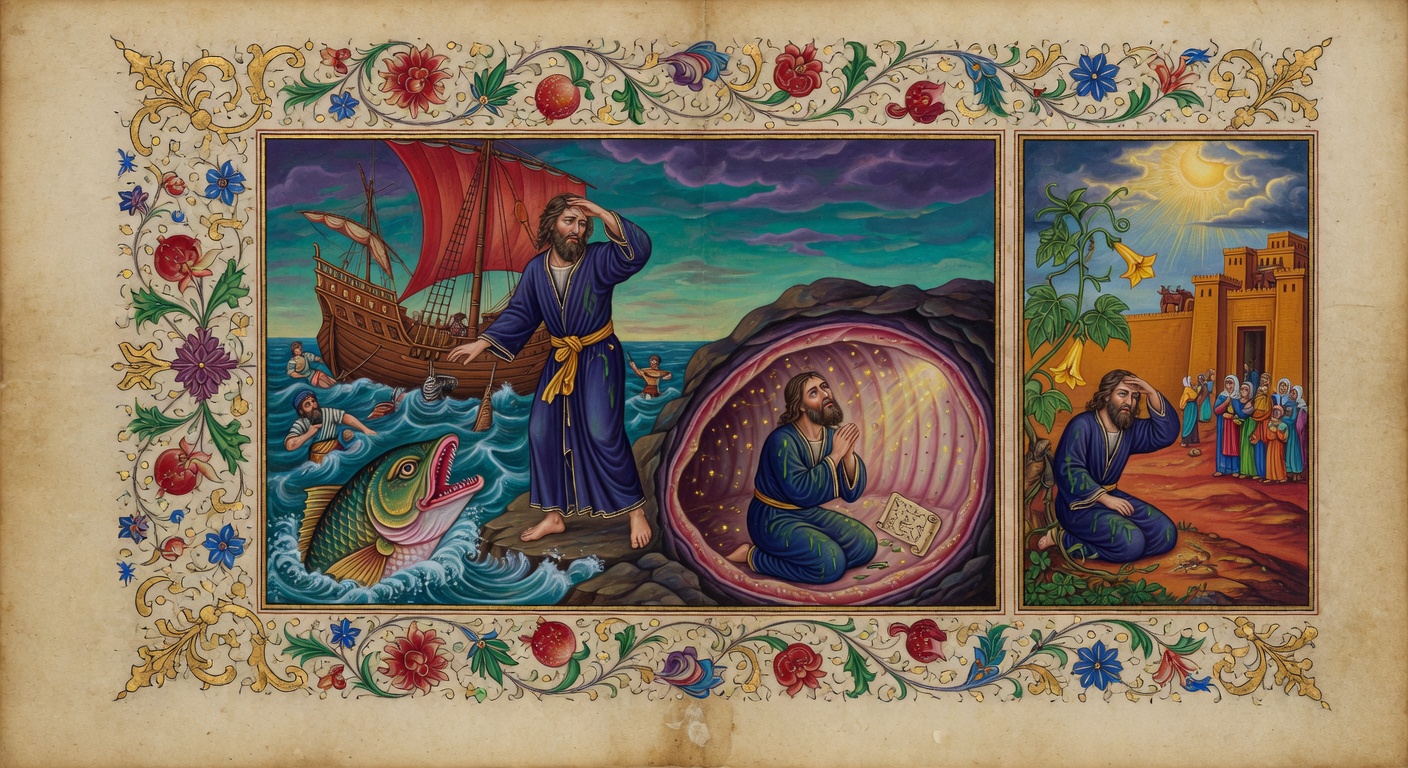 Jonah (4 ch)
Jonah tells the story of a reluctant prophet sent to preach repentance to Nineveh, Israel's enemy. It reveals God's compassion for all nations and challenges narrow views of divine mercy.
-
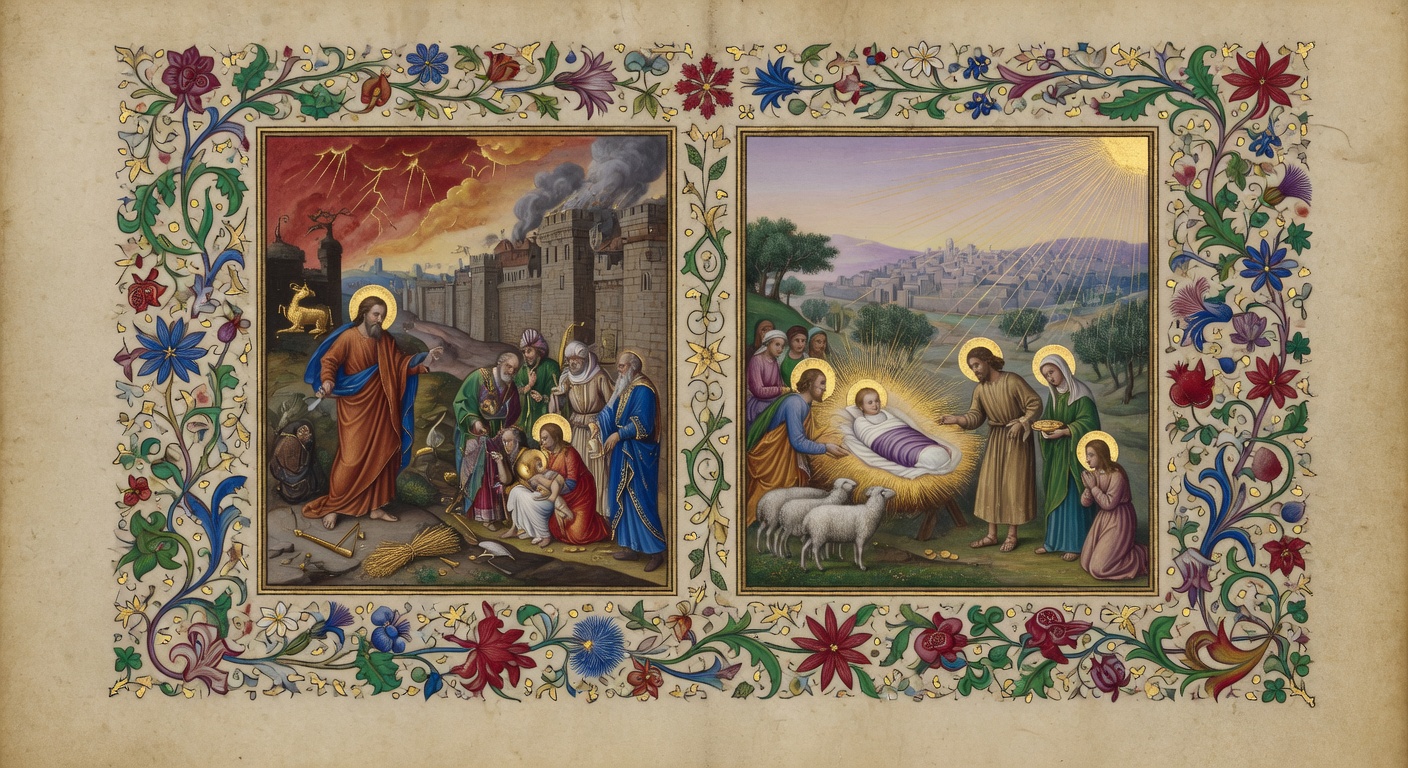 Micah (7 ch)
Micah prophesied against social injustice and corruption in both Israel and Judah while promising a future ruler from Bethlehem. His message balances judgment with hope and defines true religion as justice, mercy, and humility.
-
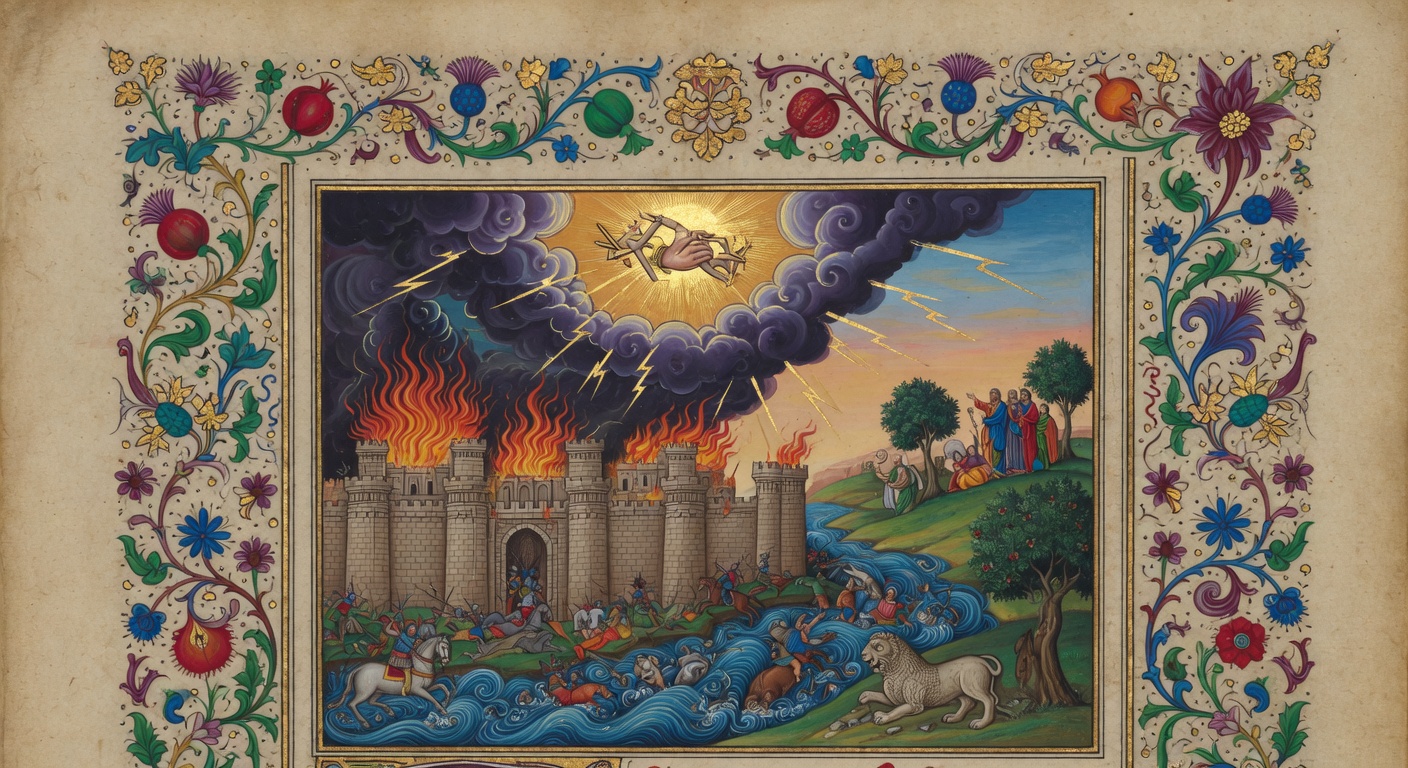 Nahum (3 ch)
Nahum prophesies the destruction of Nineveh, the capital of Assyria, about 150 years after Jonah's mission there. It declares God's justice against oppressive nations while comforting Judah with the promise of deliverance.
-
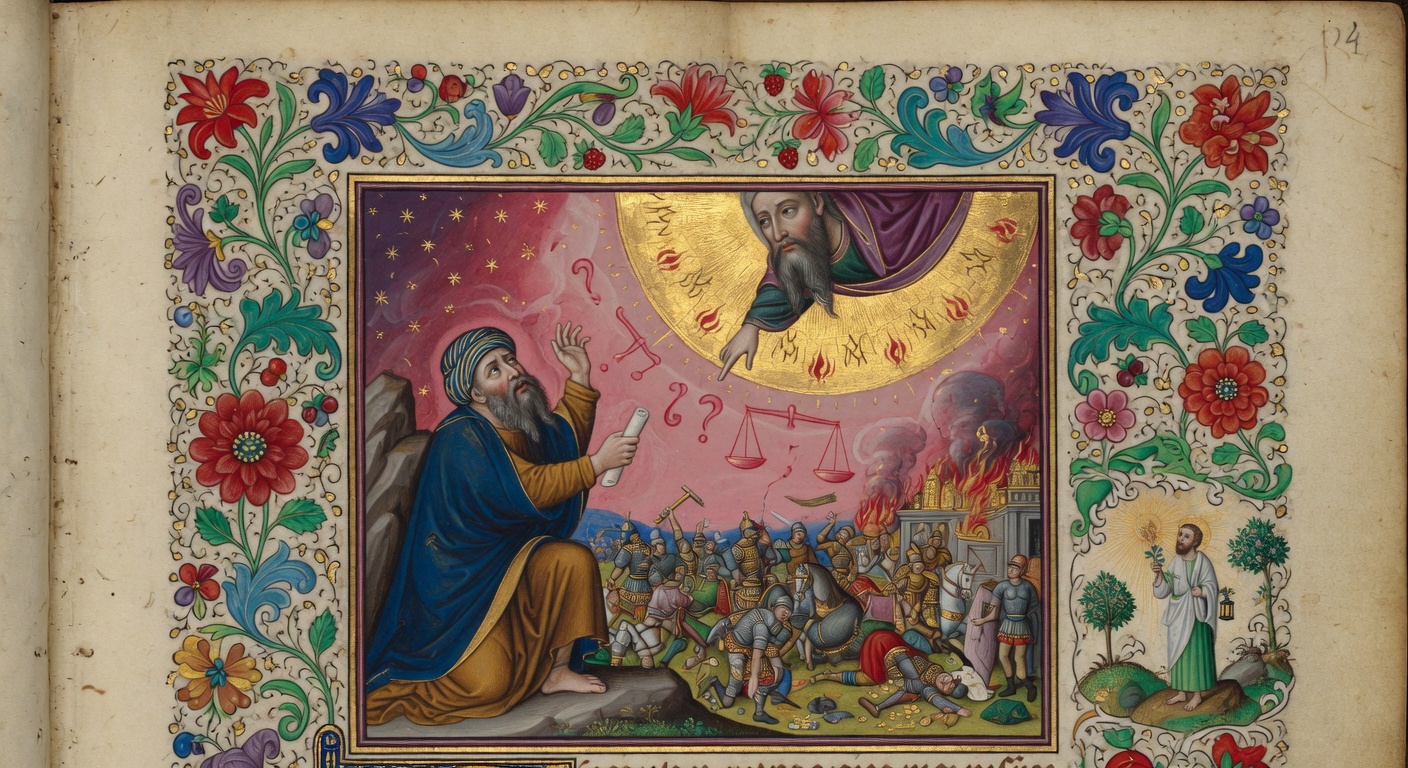 Habakkuk (3 ch)
Habakkuk wrestles with God over the problem of evil and injustice, asking why the wicked prosper. God's answer reveals that the righteous shall live by faith, and judgment will come in God's timing.
-
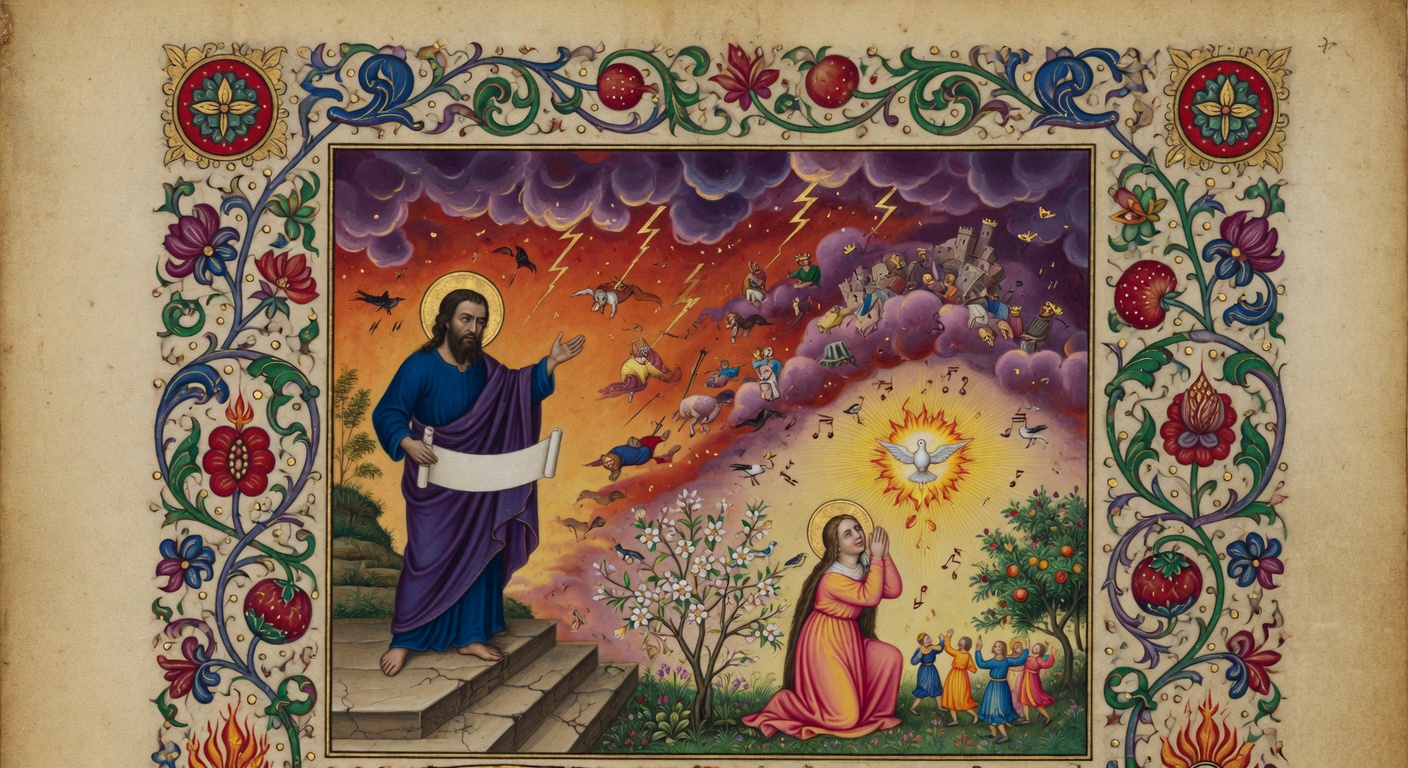 Zephaniah (3 ch)
Zephaniah warns of the coming Day of the Lord as universal judgment on sin, calling Judah to repentance. It concludes with a beautiful promise of restoration and God rejoicing over His people.
-
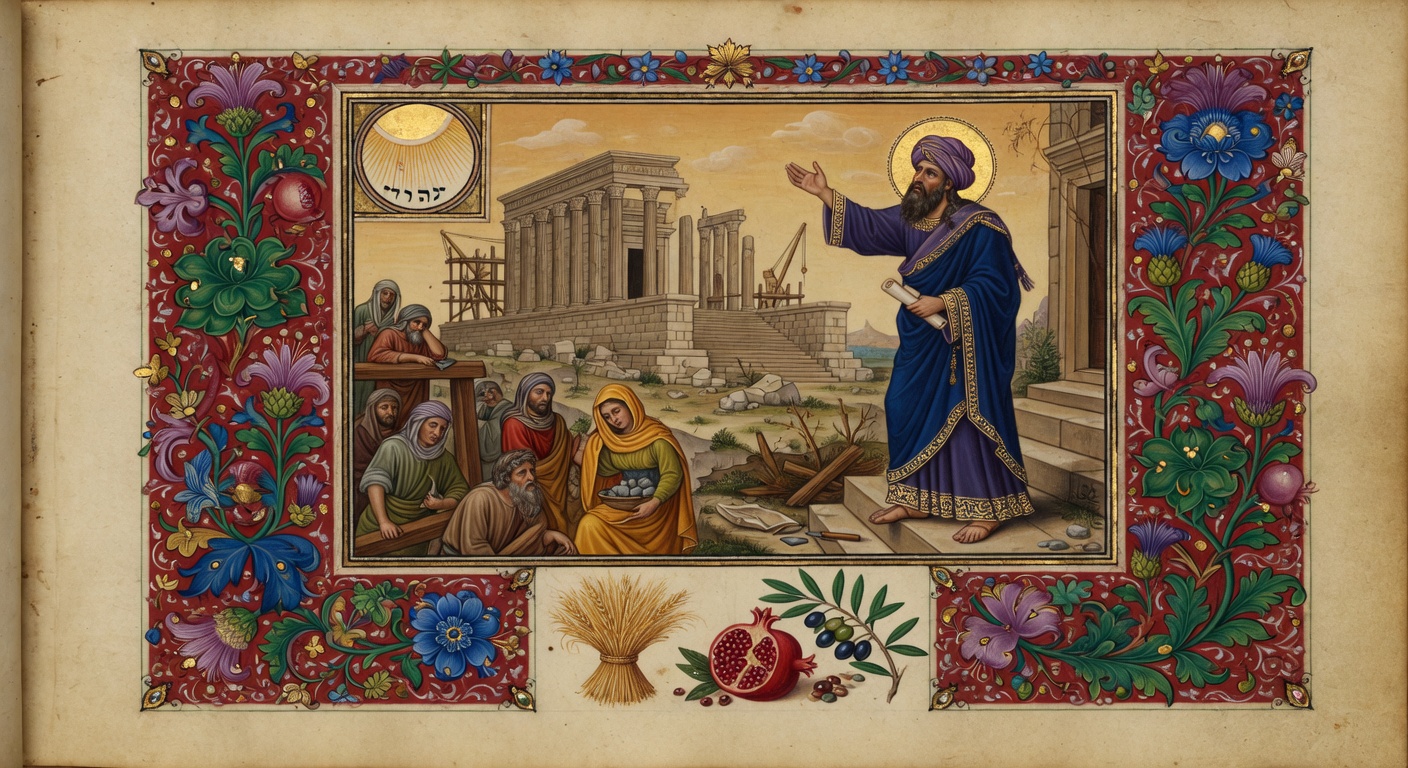 Haggai (2 ch)
Haggai urged the returned exiles to complete the rebuilding of the Temple, which had stalled due to apathy. His short messages challenge misplaced priorities and promise God's blessing on faithful obedience.
-
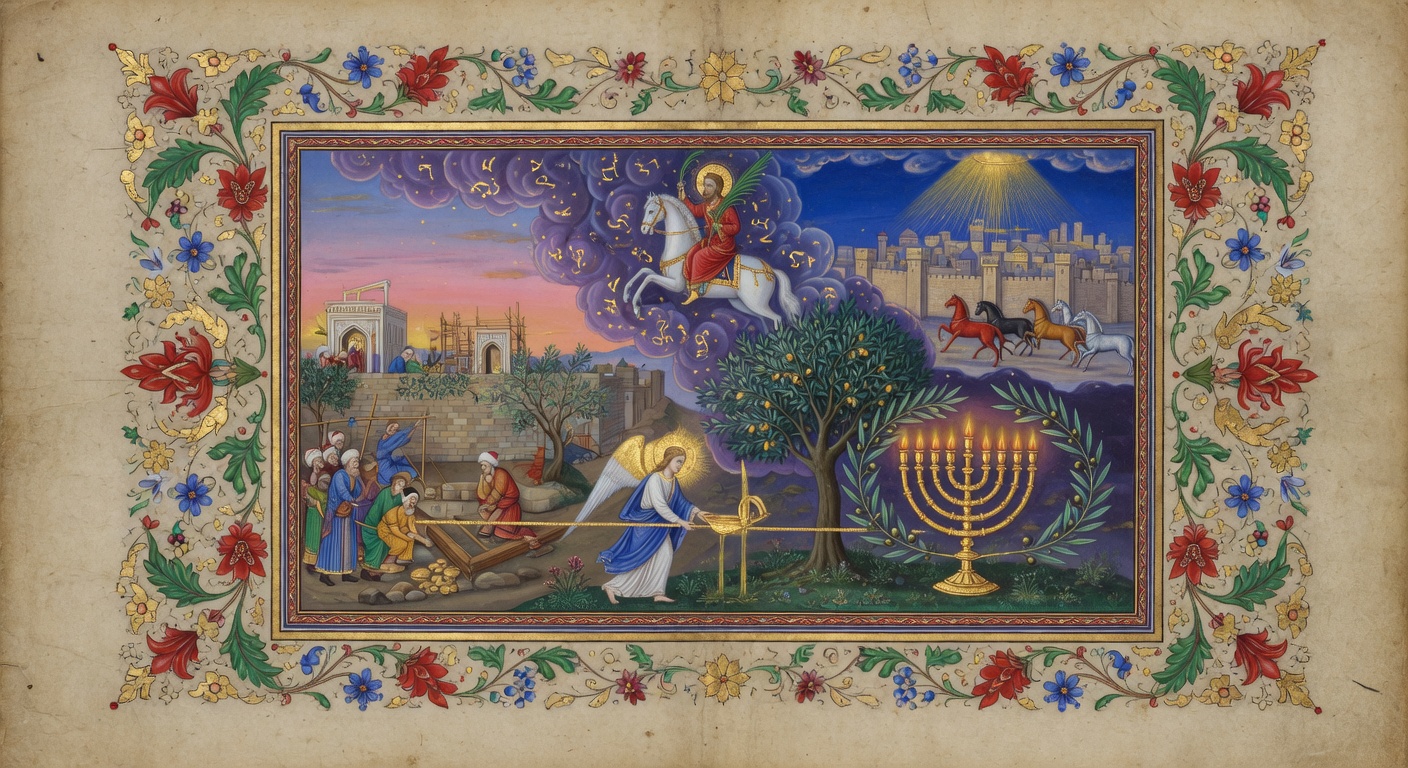 Zechariah (14 ch)
Zechariah encouraged the post-exilic community with visions of God's future plans for Jerusalem and the coming Messiah. His prophecies span from the rebuilding of the Temple to the end times.
-
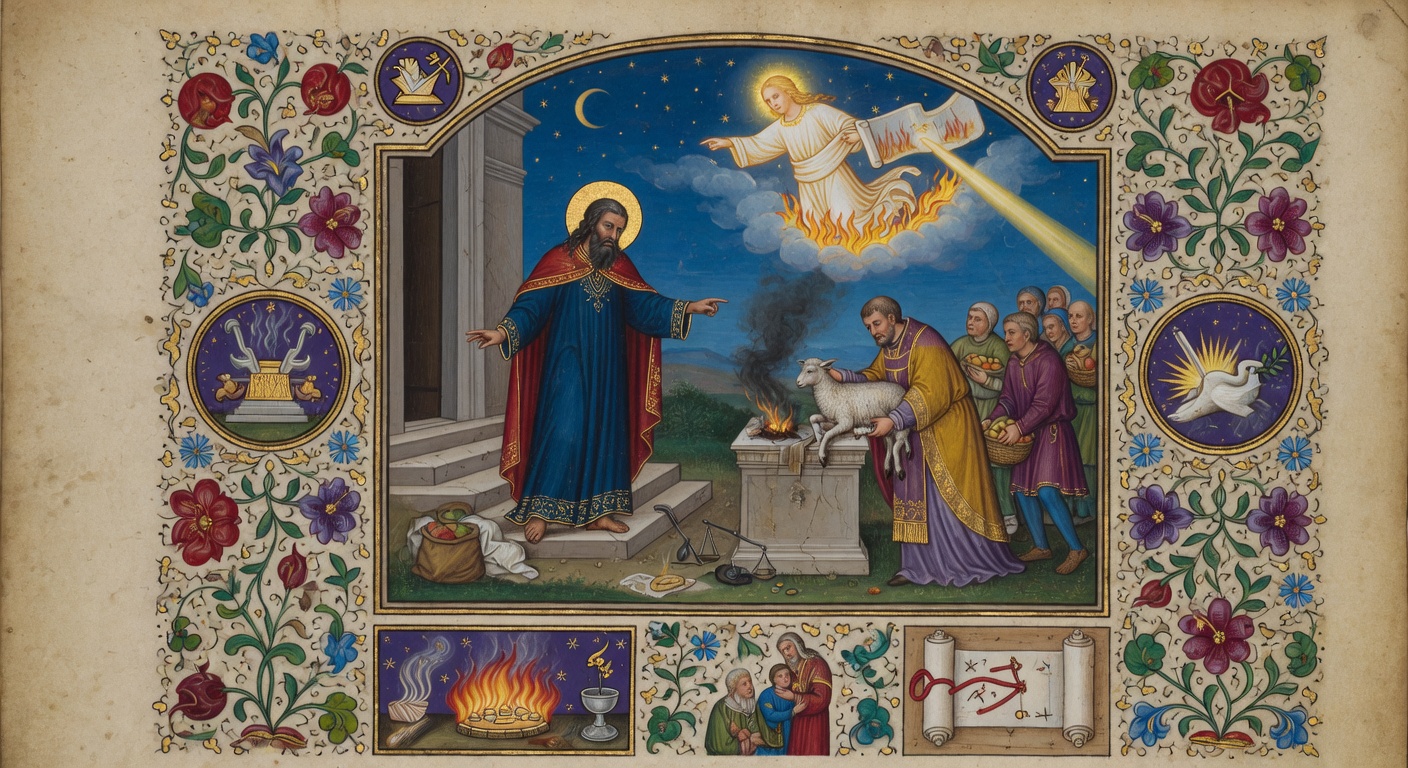 Malachi (4 ch)
Malachi is the last Old Testament prophet, confronting Israel's spiritual apathy, corrupt worship, and social injustice after the exile. He promises the coming of a messenger to prepare the way for the Lord.
New Testament
27 books · Matthew through Revelation · Written ~AD 45–95
-
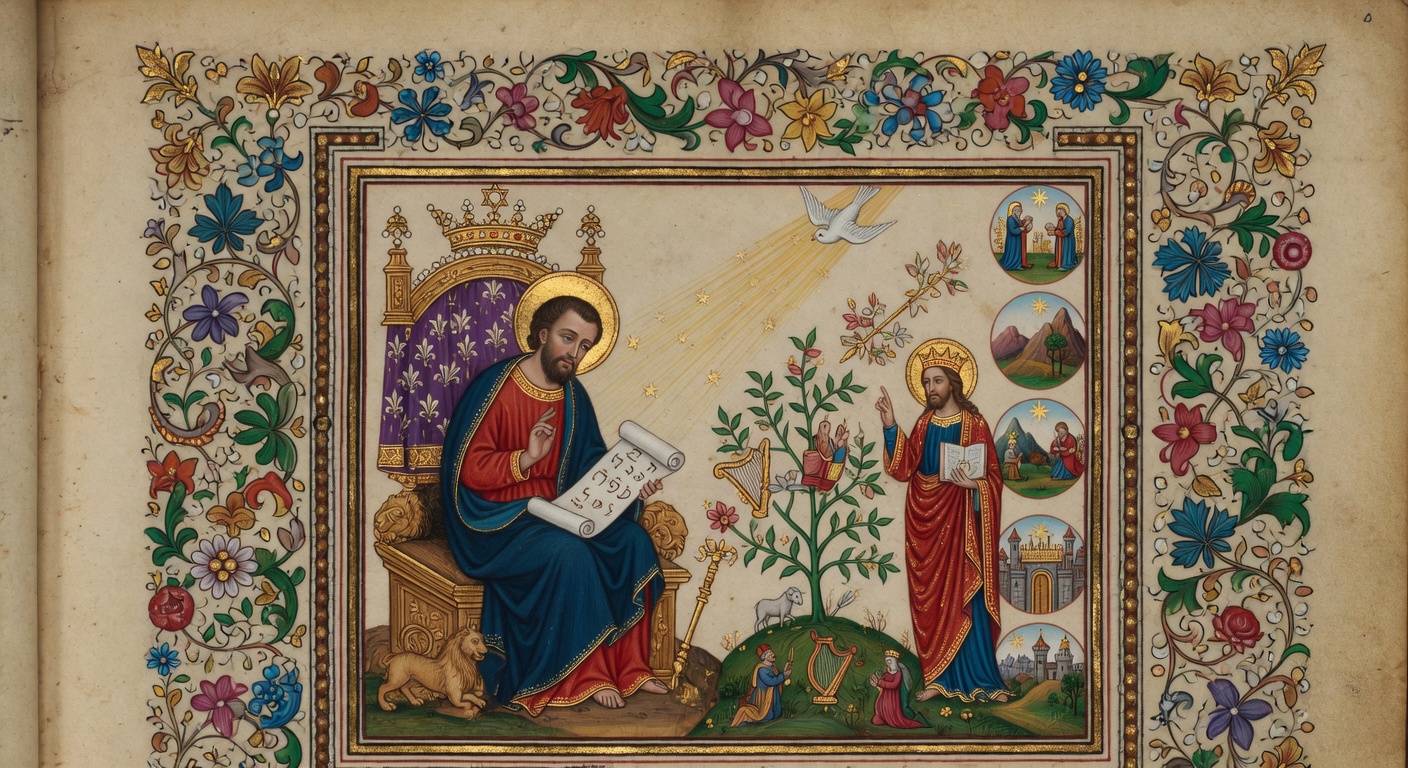 Matthew (28 ch)
Matthew presents Jesus as the promised Messiah and King of Israel, tracing His lineage to Abraham and David. Written for a Jewish audience, it emphasizes fulfilled prophecy, the kingdom of heaven, and Jesus' authoritative teaching.
-
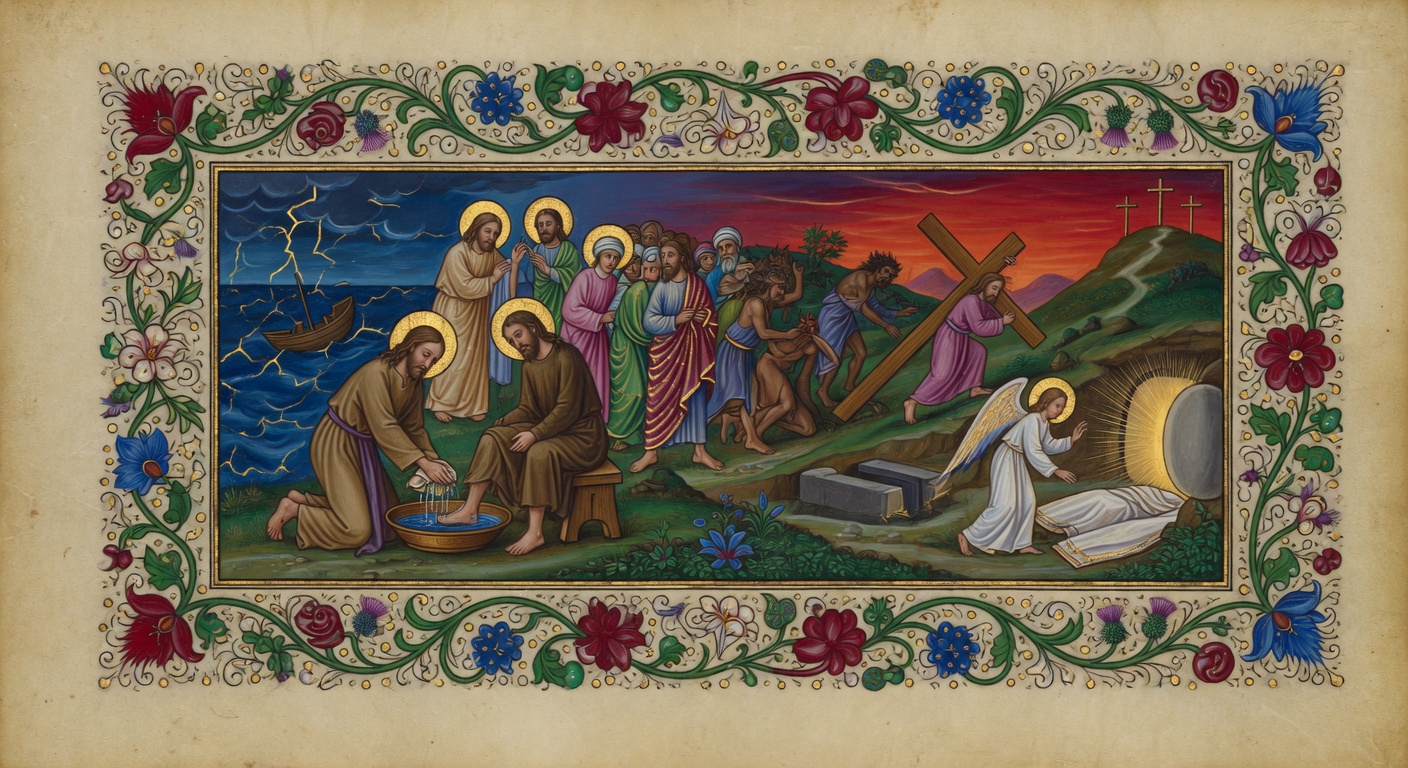 Mark (16 ch)
Mark is the shortest Gospel, presenting Jesus as the suffering Servant of God through fast-paced narrative. It emphasizes Jesus' actions and miracles, moving quickly toward the cross and resurrection.
-
 Luke (24 ch)
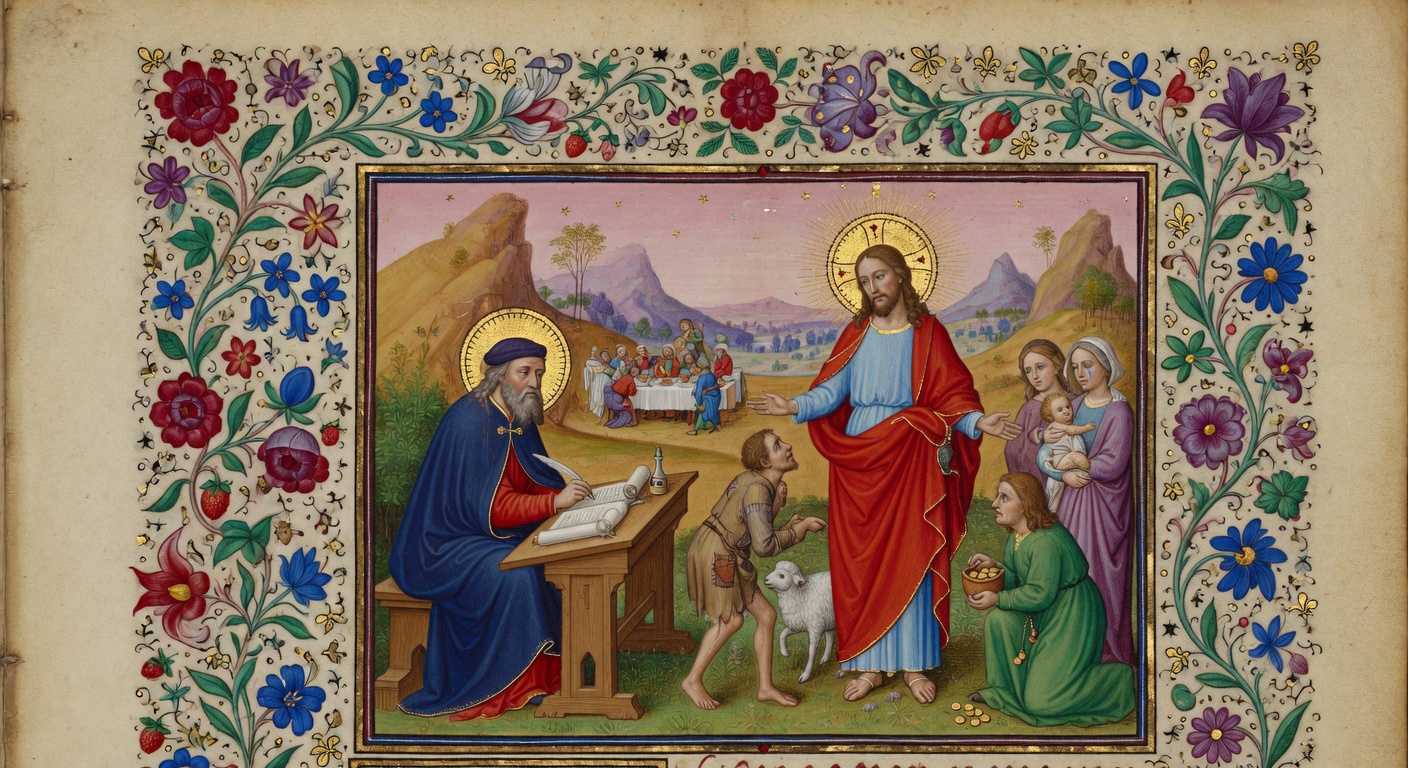
Luke provides the most detailed account of Jesus' life, written by a physician for a Gentile audience. It emphasizes Jesus' compassion for the poor, outcasts, and sinners, and His role as Savior of all people.
-
 John (21 ch)
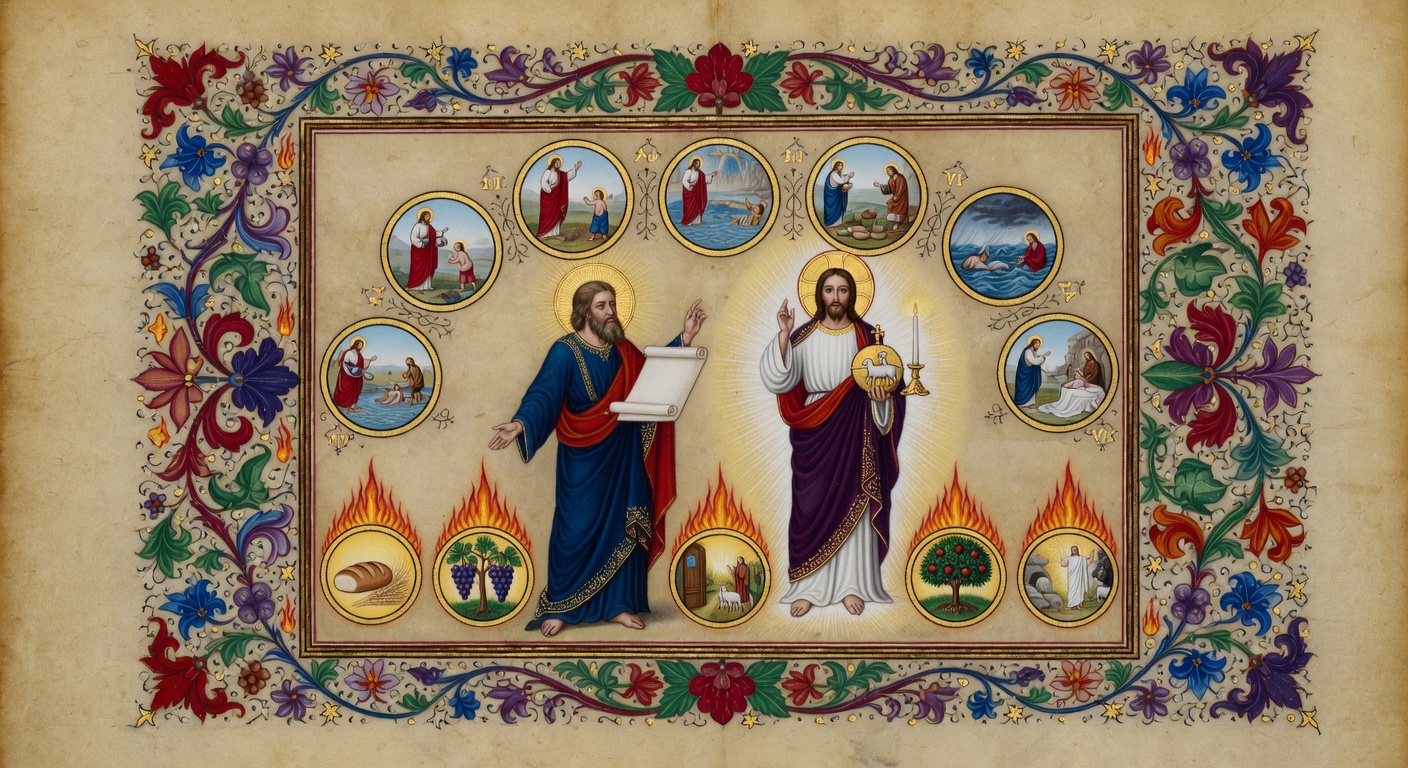
John presents Jesus as the divine Son of God, the Word made flesh, through seven signs and seven 'I am' statements. Written so that readers may believe and have life in His name.
-
 Acts (28 ch)
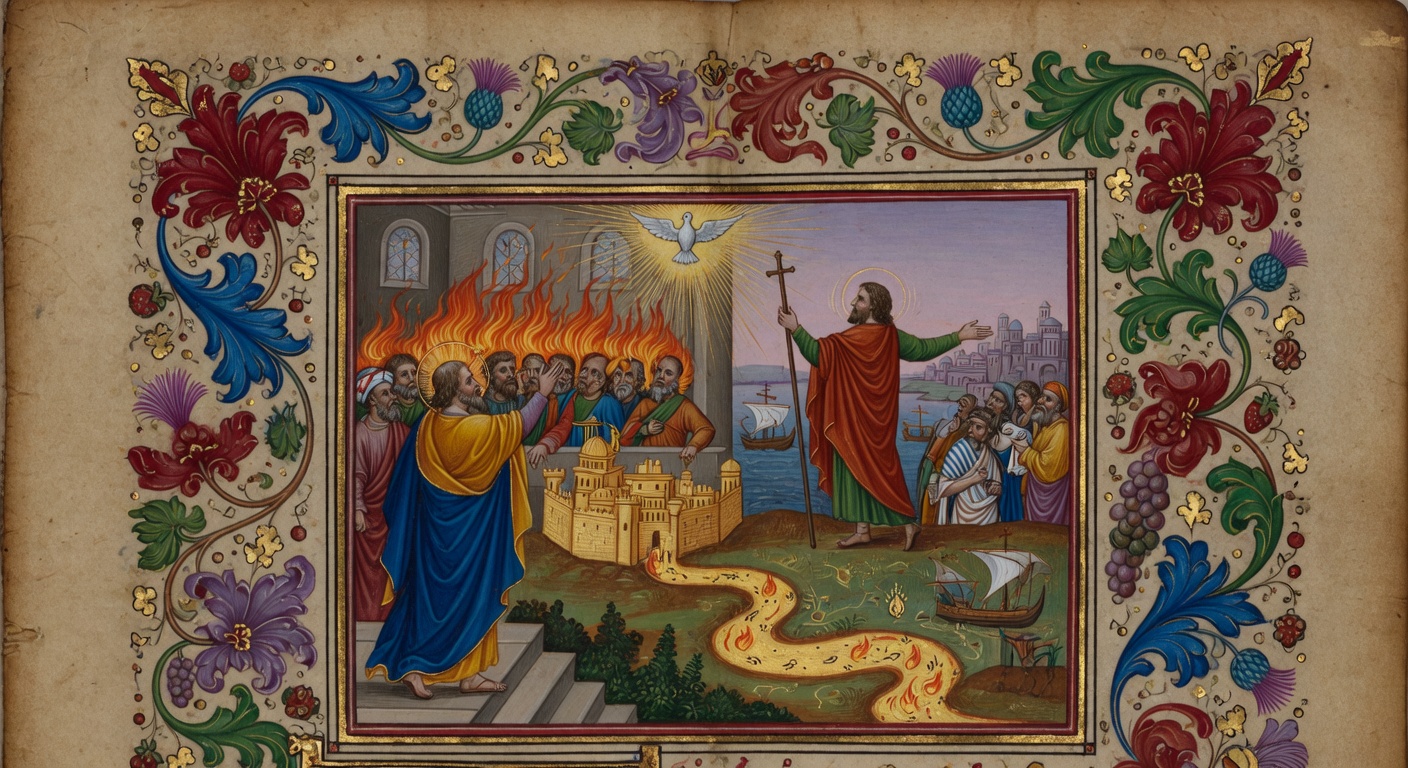
Acts records the birth and growth of the early church from Jerusalem to Rome through the power of the Holy Spirit. Written by Luke, it follows the ministries of Peter and Paul as the gospel spreads to the Gentiles.
-
 Romans (16 ch)
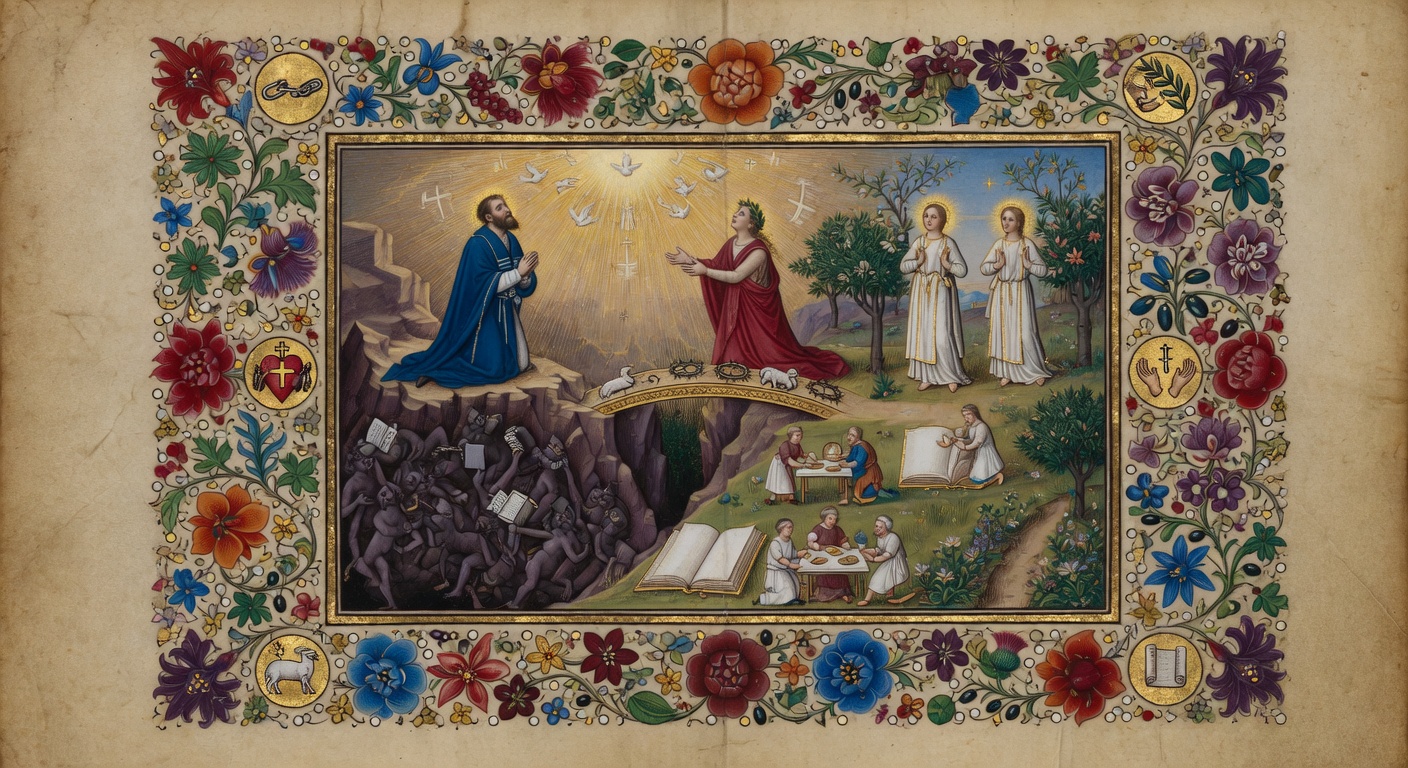
Romans is Paul's most systematic presentation of the gospel, explaining salvation by grace through faith for both Jews and Gentiles. It covers sin, justification, sanctification, and the practical outworking of faith.
-
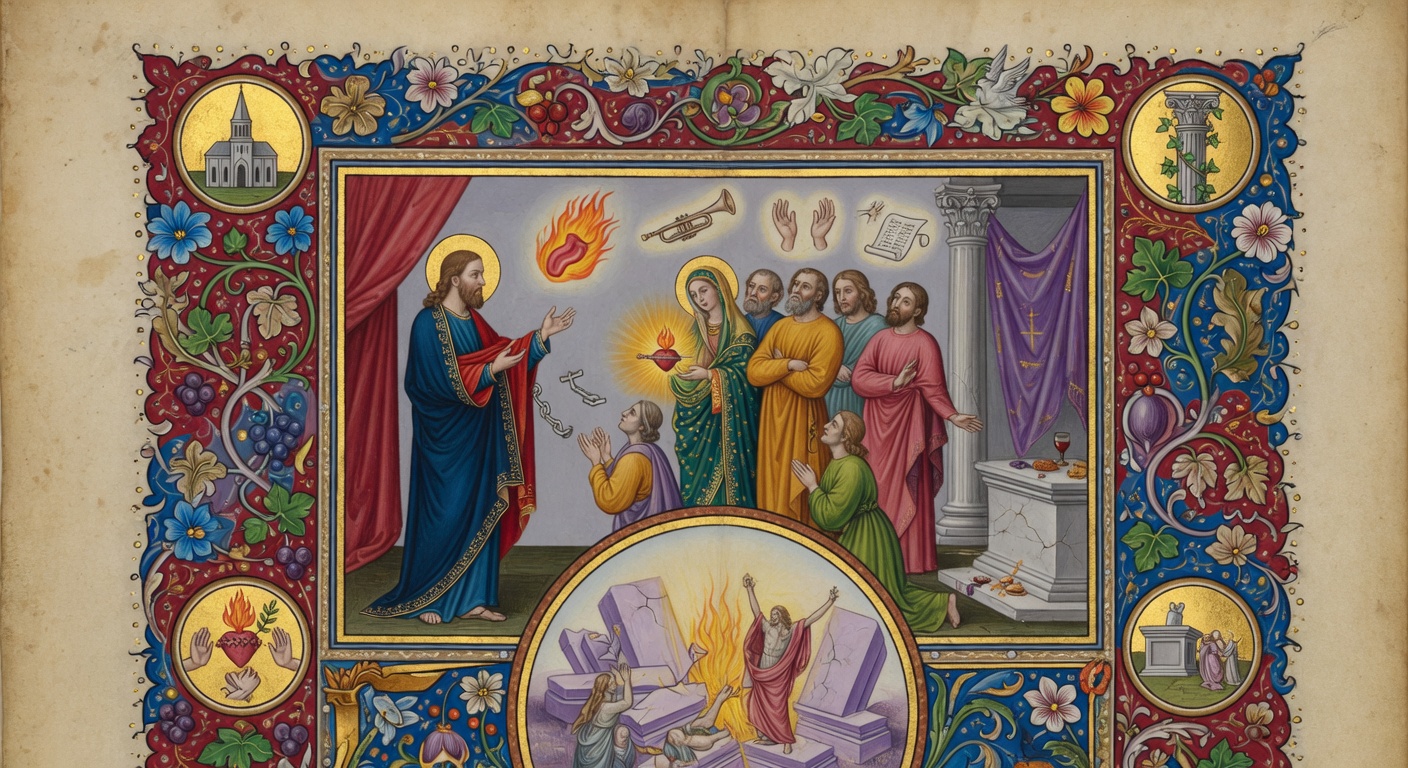 1 Corinthians (16 ch)
First Corinthians addresses divisions, immorality, and doctrinal confusion in the church at Corinth. Paul provides practical guidance on worship, spiritual gifts, love, and the resurrection.
-
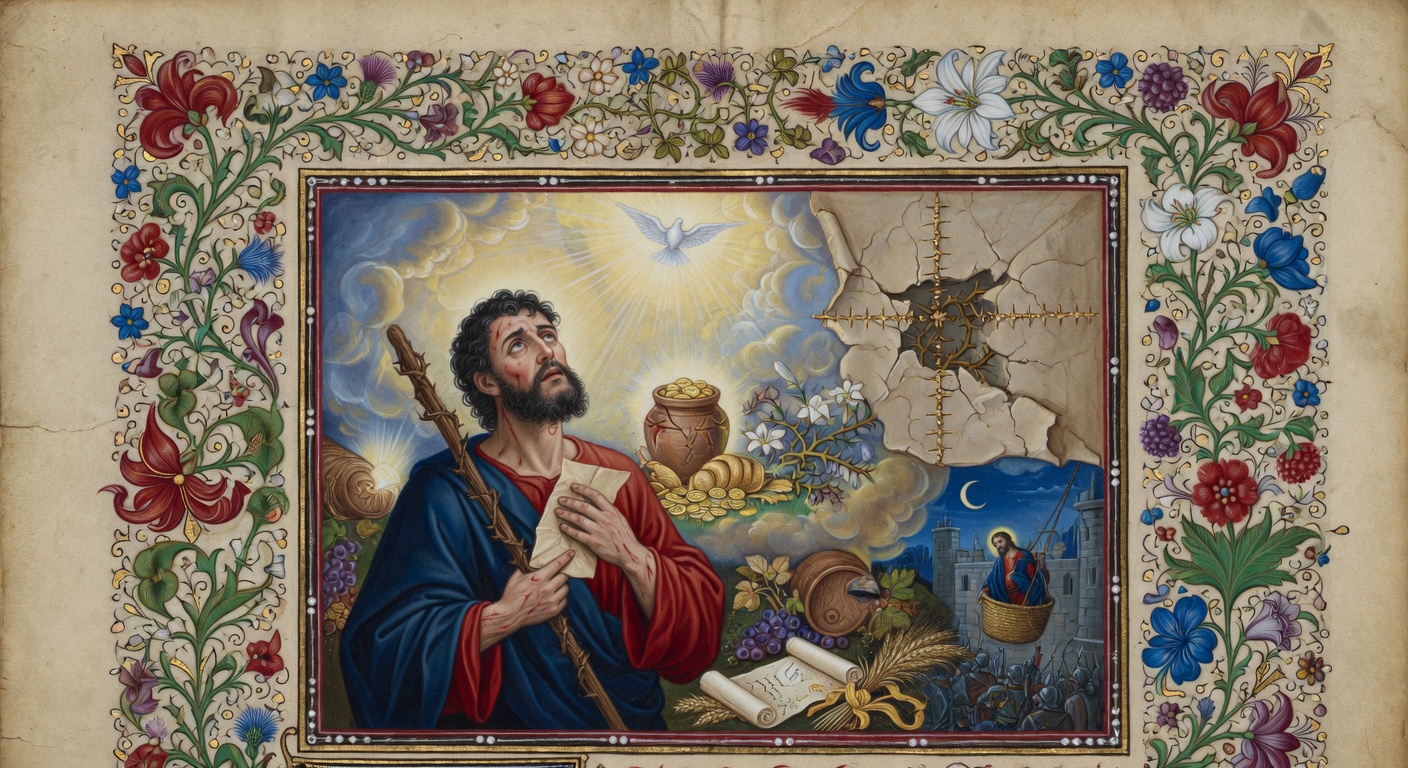 2 Corinthians (13 ch)
Second Corinthians is Paul's most personal letter, defending his apostleship and ministry while revealing his sufferings and God's comfort. It teaches about new covenant ministry, generosity, and strength in weakness.
-
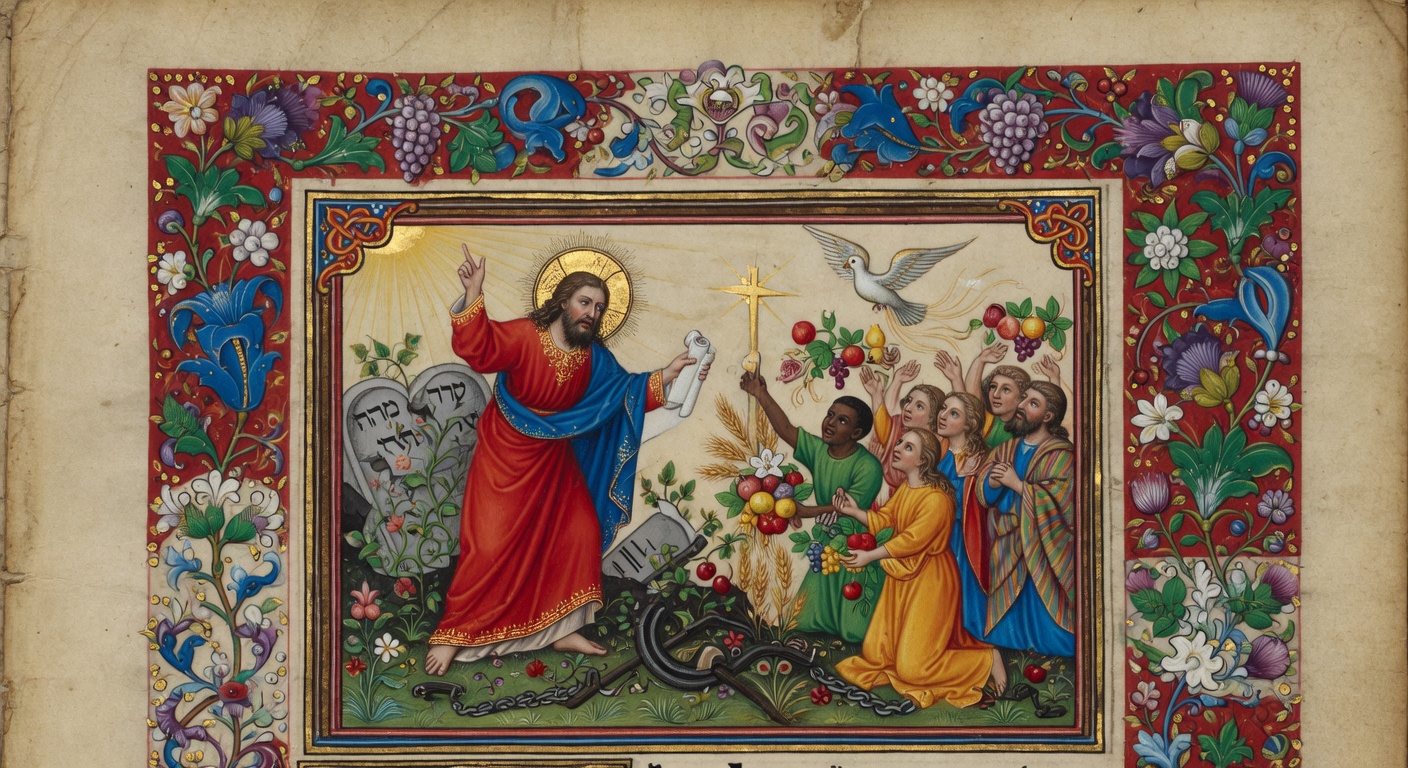 Galatians (6 ch)
Galatians is Paul's passionate defense of justification by faith alone against those requiring Gentile believers to follow the Mosaic Law. It proclaims Christian freedom and the fruit of the Spirit.
-
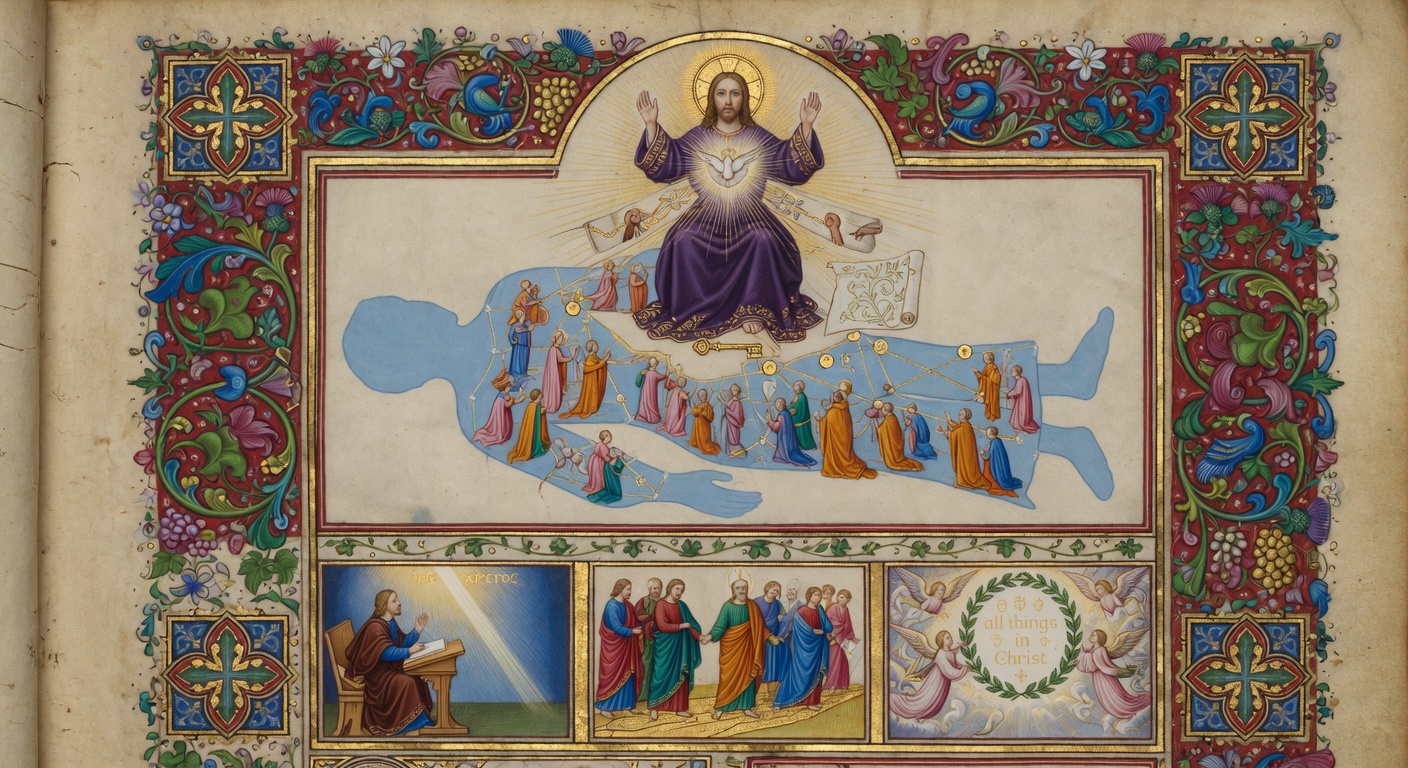 Ephesians (6 ch)
Ephesians presents God's eternal plan to unite all things in Christ and the believer's spiritual blessings. Paul describes the church as Christ's body and calls believers to walk worthy of their calling.
-
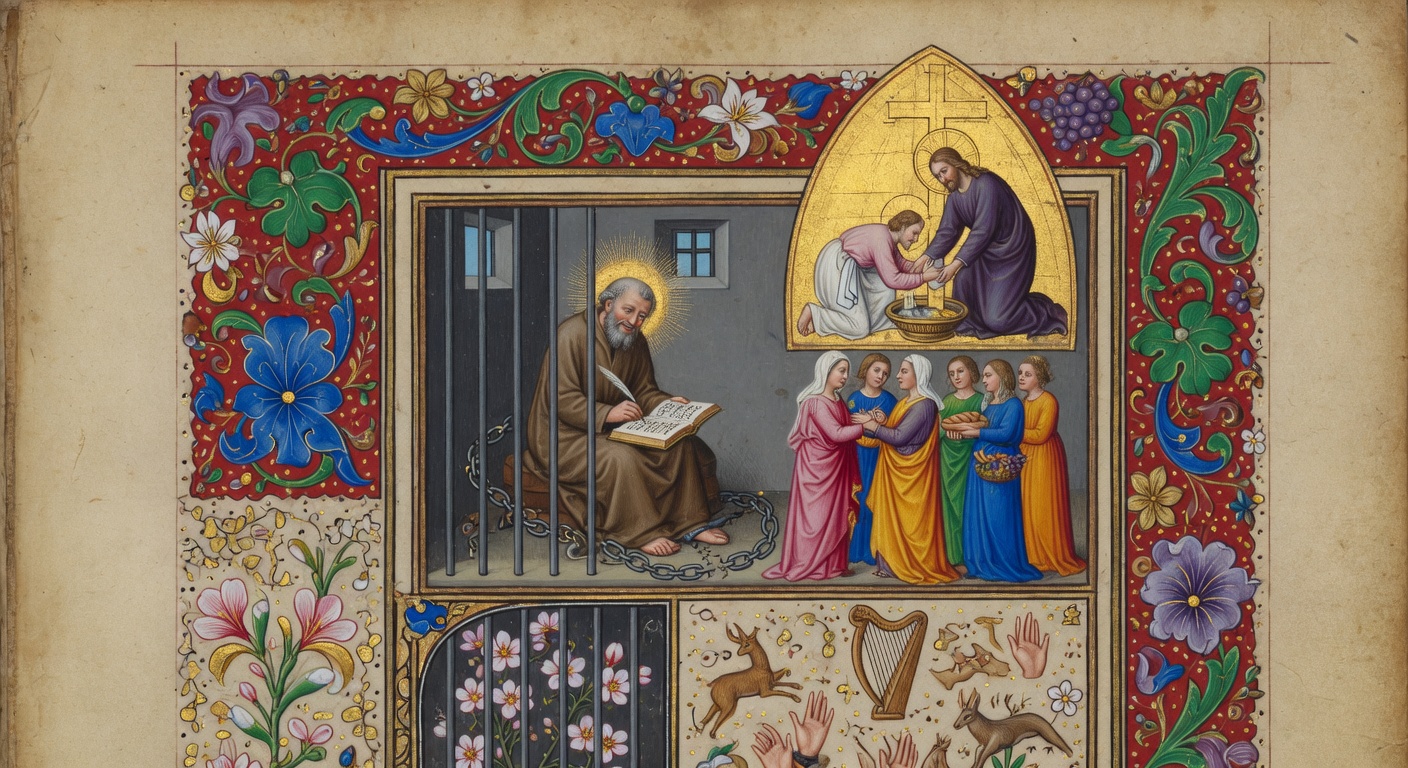 Philippians (4 ch)
Philippians is Paul's joyful letter from prison to the church at Philippi, expressing gratitude and encouraging unity. It presents Christ's humility as the model for Christian living and finds joy in all circumstances.
-
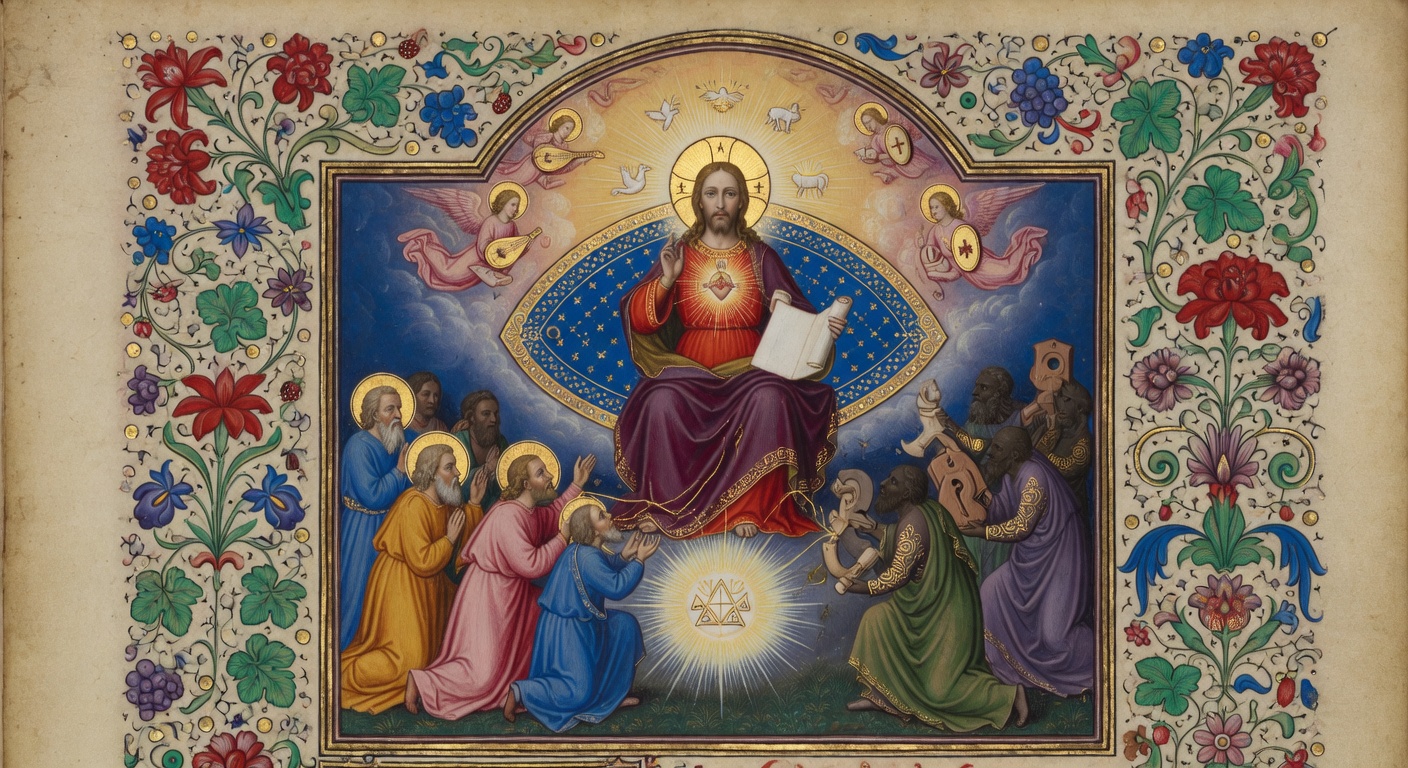 Colossians (4 ch)
Colossians proclaims the supremacy and sufficiency of Christ against false teachings threatening the church. Paul emphasizes that in Christ all the fullness of God dwells and believers are complete in Him.
-
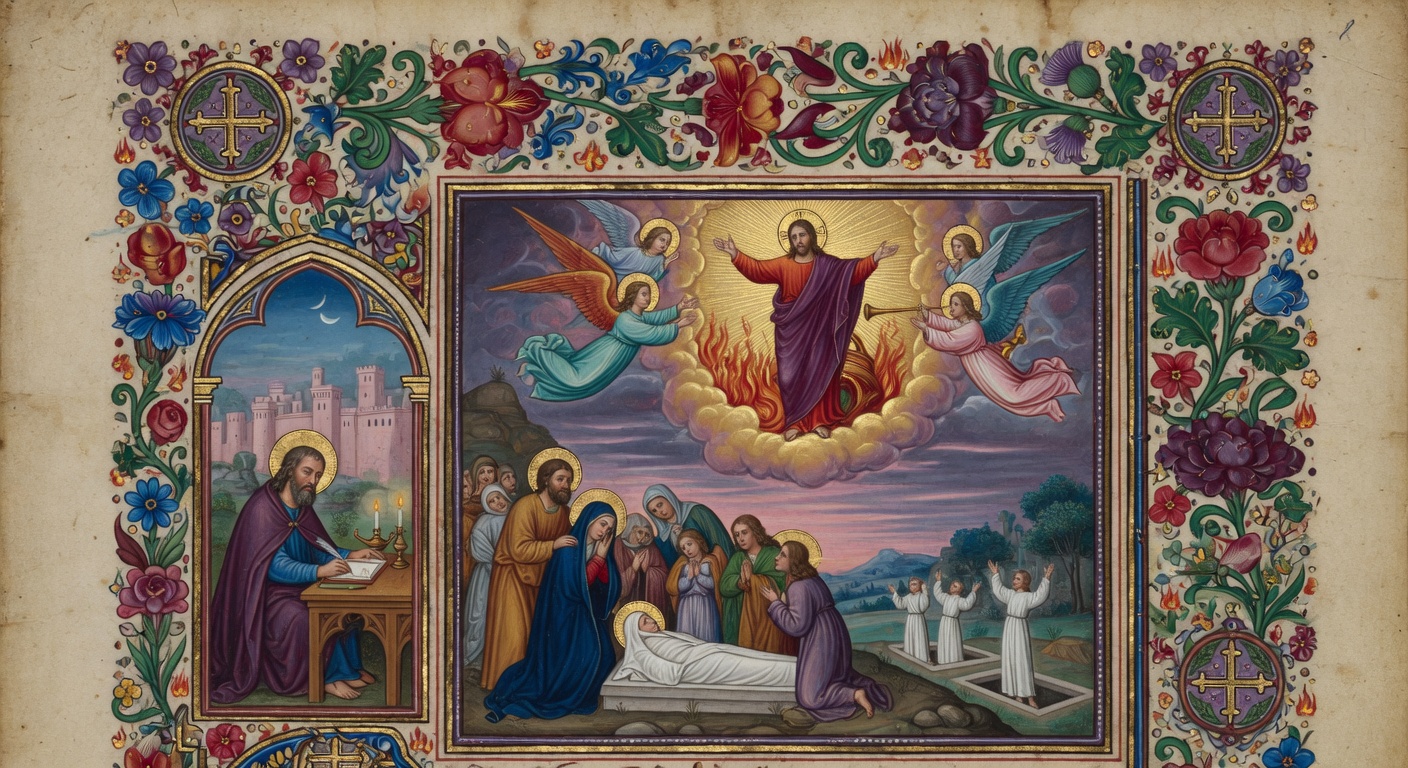 1 Thessalonians (5 ch)
First Thessalonians is one of Paul's earliest letters, encouraging a young church facing persecution. It addresses holy living, the return of Christ, and comfort for those grieving believers who have died.
-
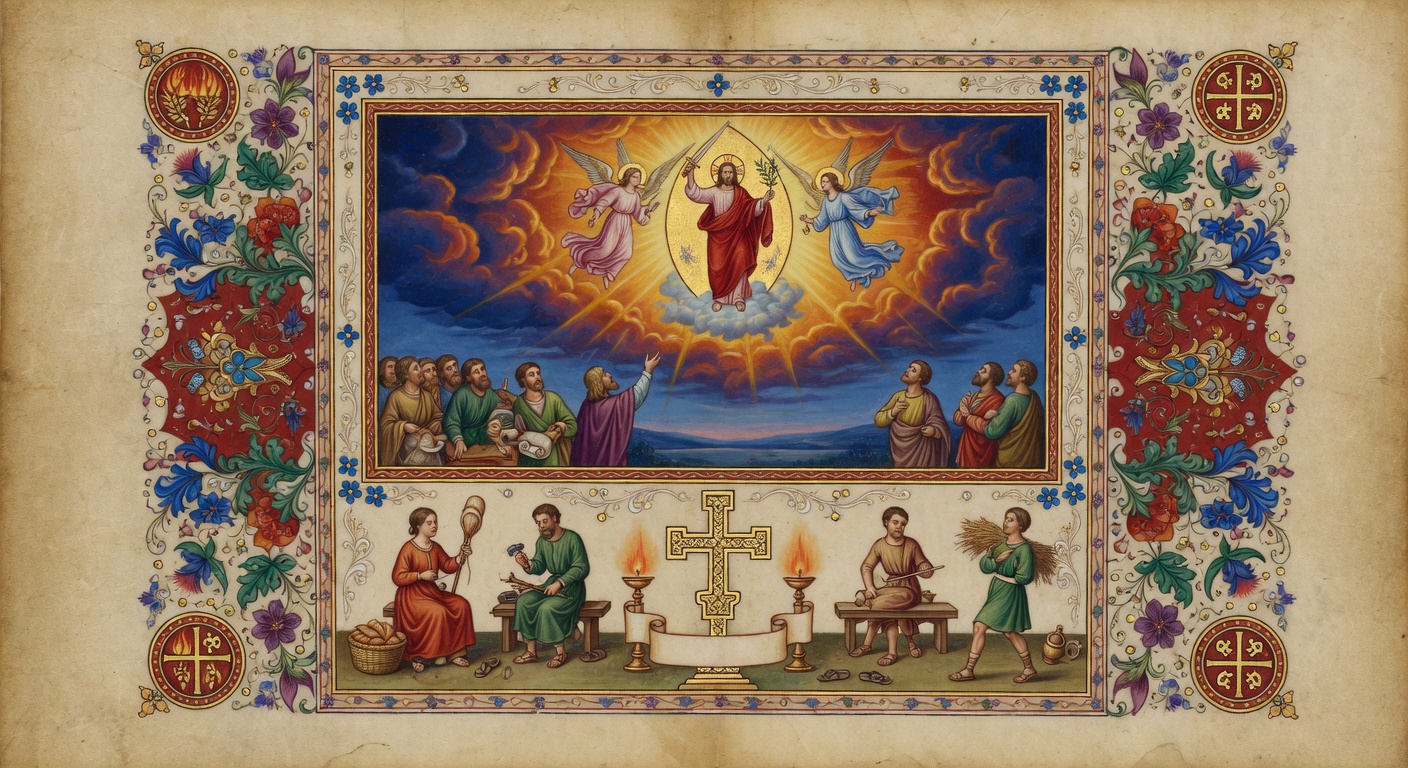 2 Thessalonians (3 ch)
Second Thessalonians corrects misunderstandings about Christ's return and addresses idleness in the church. Paul clarifies end-times events and urges believers to stand firm and keep working.
-
 1 Timothy (6 ch)
First Timothy is Paul's pastoral letter to his young protégé Timothy, providing guidance for church leadership and organization. It addresses false teaching, worship, qualifications for leaders, and godly conduct.
-
 2 Timothy (4 ch)
Second Timothy is Paul's final letter, written from prison before his execution, urging Timothy to remain faithful. It emphasizes endurance, sound doctrine, and the inspiration of Scripture.
-
 Titus (3 ch)
Titus is Paul's letter to his co-worker on the island of Crete, providing instructions for establishing church order. It emphasizes sound doctrine, good works, and the grace of God that transforms lives.
-
 Philemon (1 ch)
Philemon is Paul's brief personal letter appealing to a slave owner to receive back his runaway slave Onesimus as a brother in Christ. It demonstrates the transforming power of the gospel on social relationships.
-
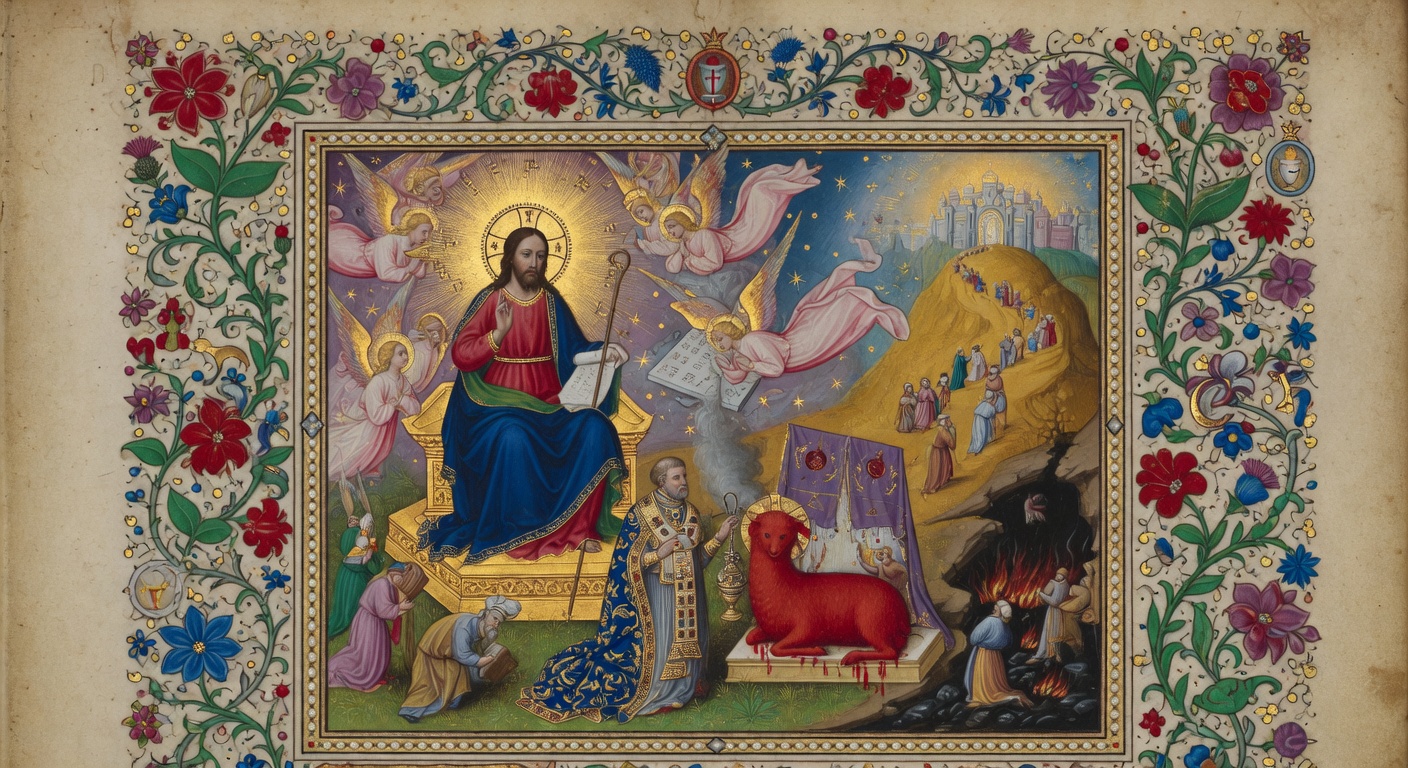 Hebrews (13 ch)
Hebrews demonstrates the superiority of Christ over the old covenant system of angels, Moses, the priesthood, and sacrifices. It encourages perseverance in faith and warns against falling away from the living God.
-
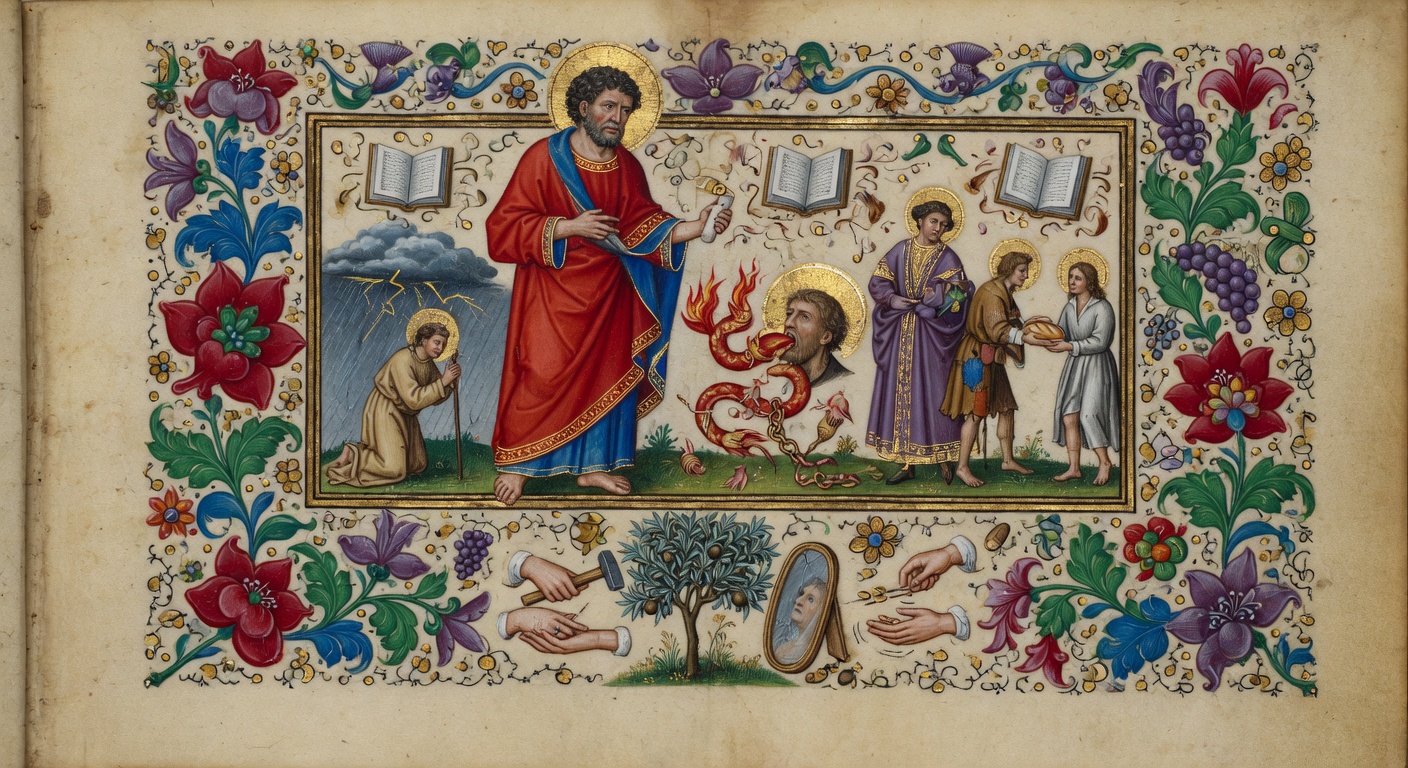 James (5 ch)
James is a practical letter emphasizing that genuine faith produces good works. Written by Jesus' brother, it addresses trials, temptation, favoritism, the tongue, and prayer with direct, wisdom-style teaching.
-
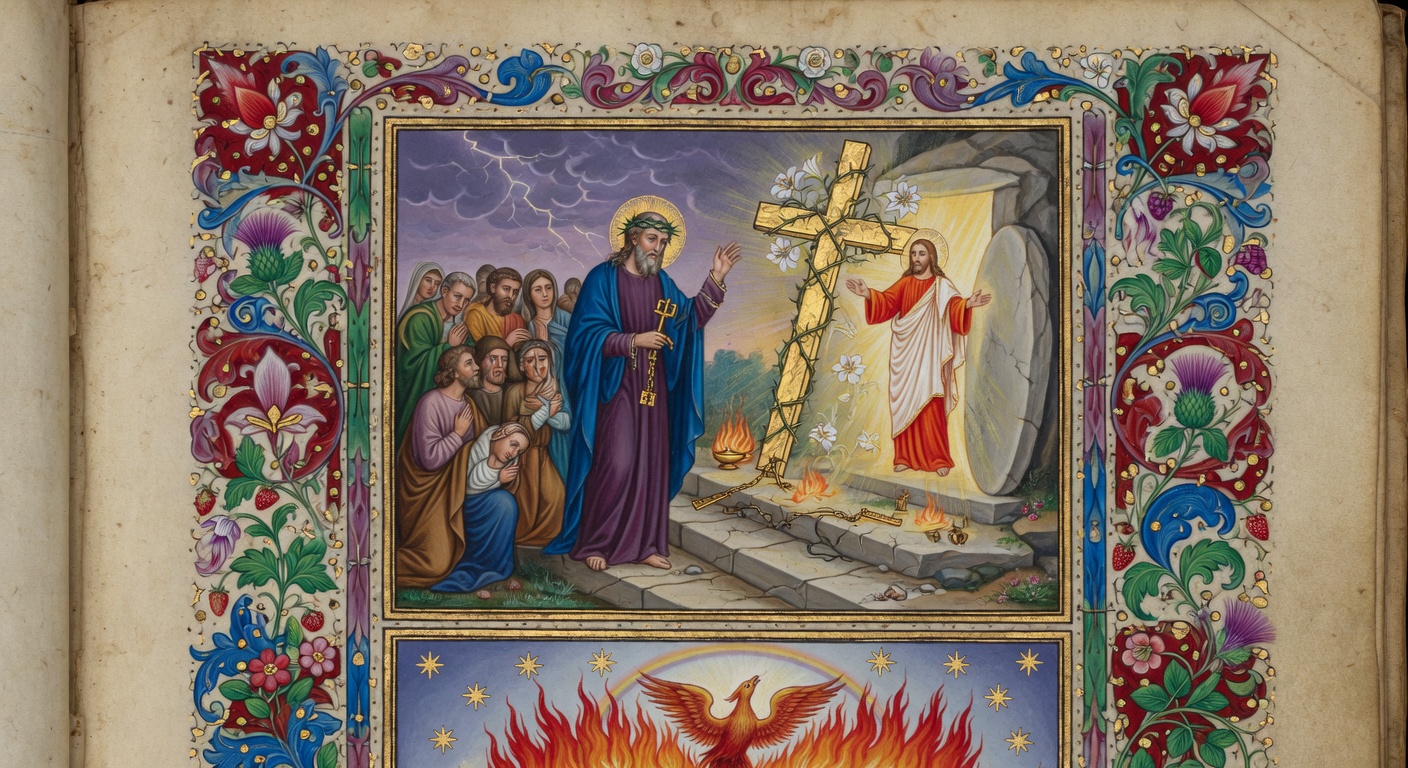 1 Peter (5 ch)
First Peter encourages believers suffering persecution to stand firm in their faith and live holy lives. It presents suffering as a means of sharing in Christ's sufferings and points to the living hope of the resurrection.
-
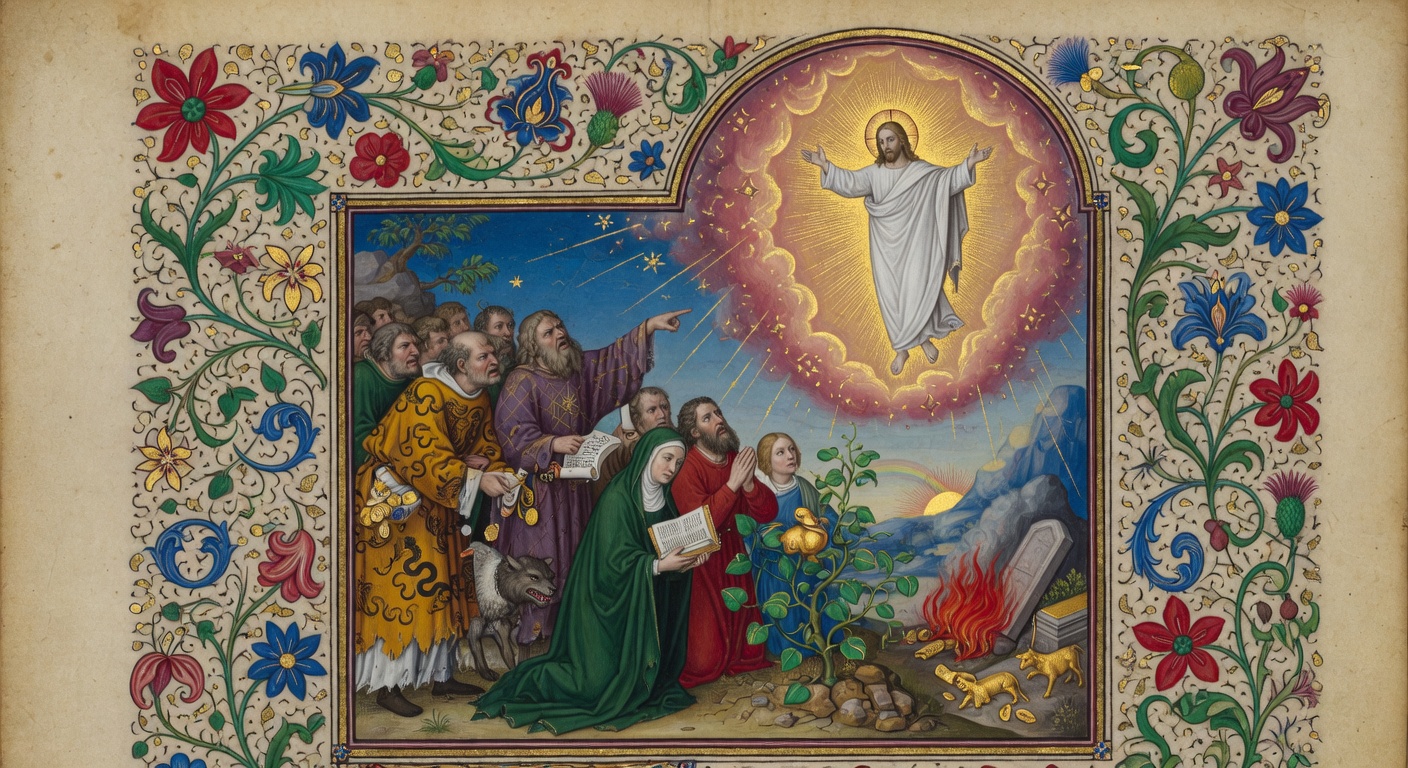 2 Peter (3 ch)
Second Peter warns against false teachers and scoffers who deny Christ's return. It calls believers to grow in knowledge and godliness while affirming the certainty of God's promises and coming judgment.
-
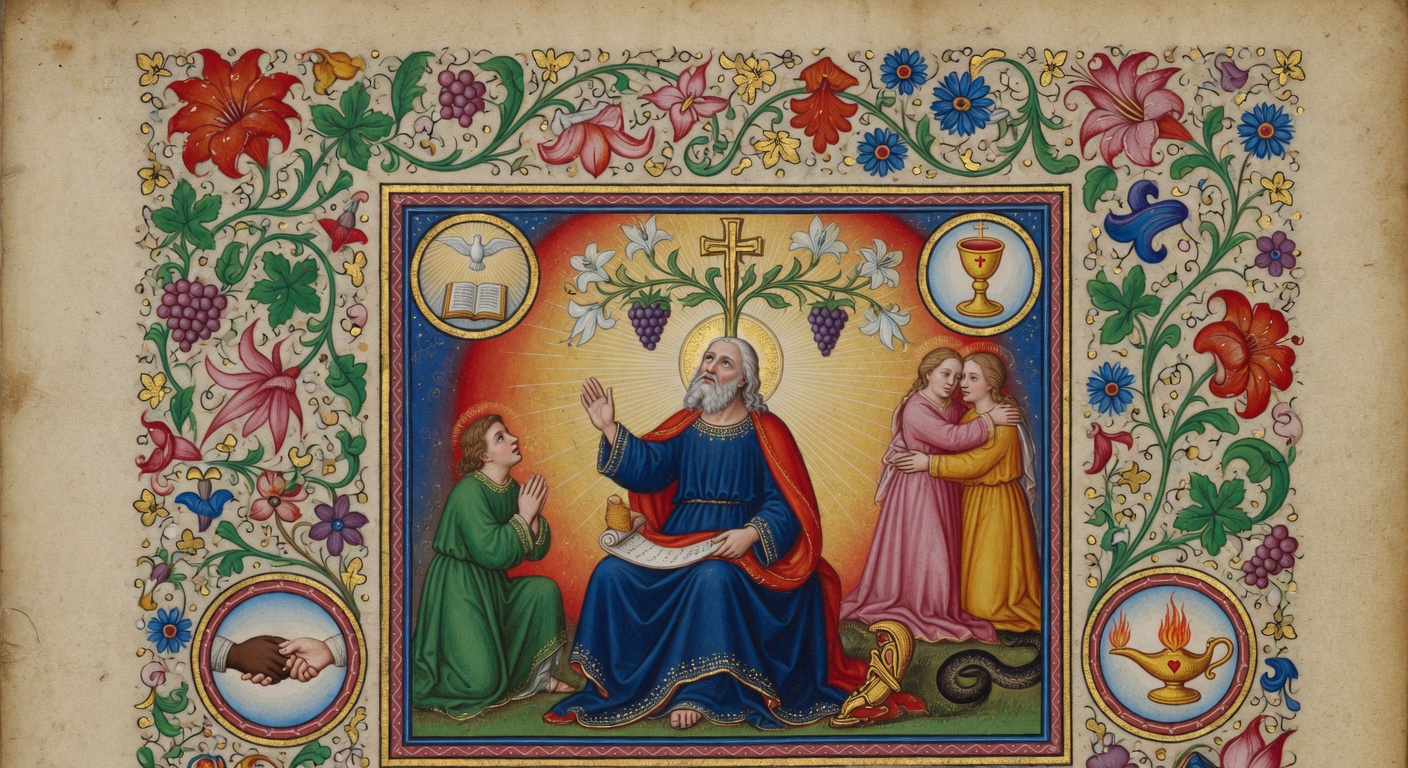 1 John (5 ch)
First John was written to give believers assurance of salvation through tests of faith, obedience, and love. It combats early heresy about Christ's nature and emphasizes fellowship with God and one another.
-
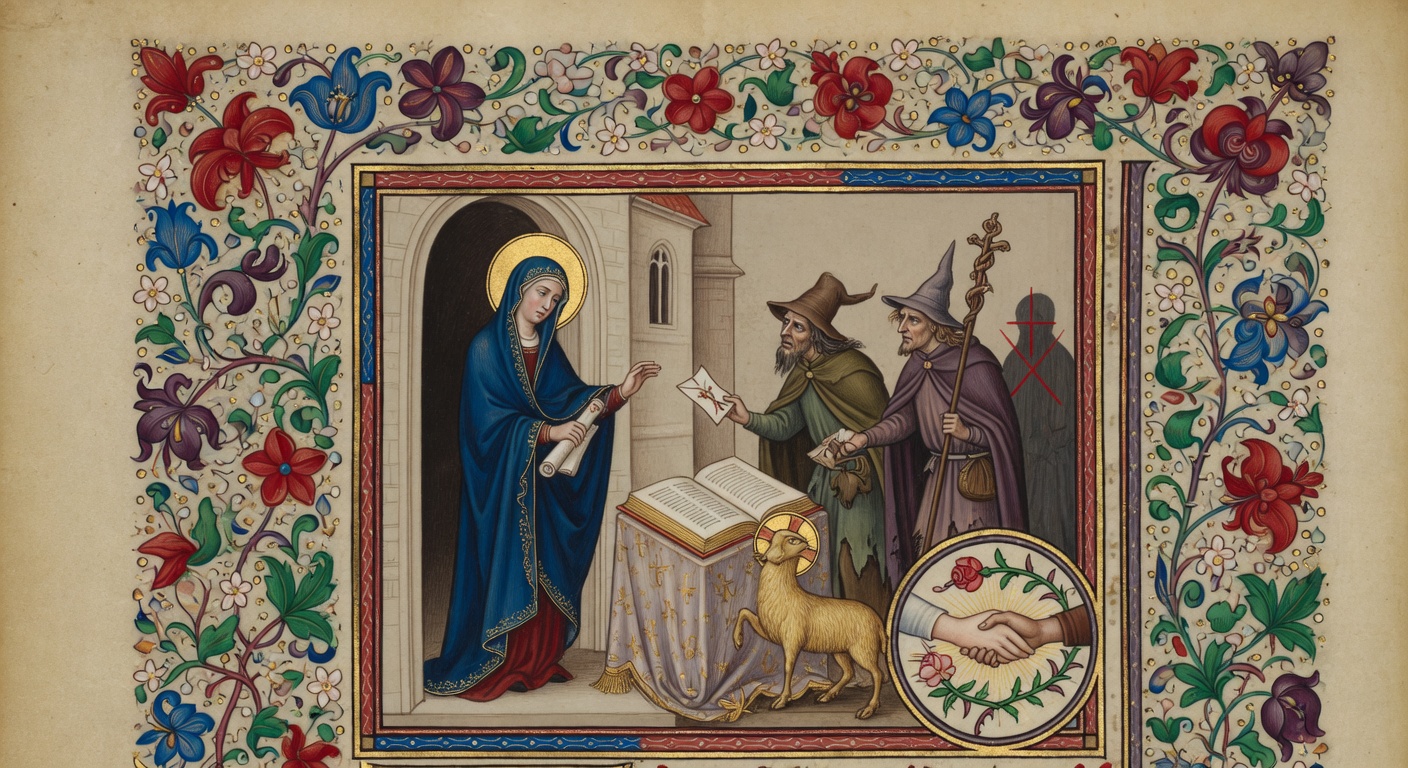 2 John (1 ch)
Second John is a brief letter warning a church against showing hospitality to false teachers who deny Christ's incarnation. It balances truth and love as essential marks of Christian community.
-
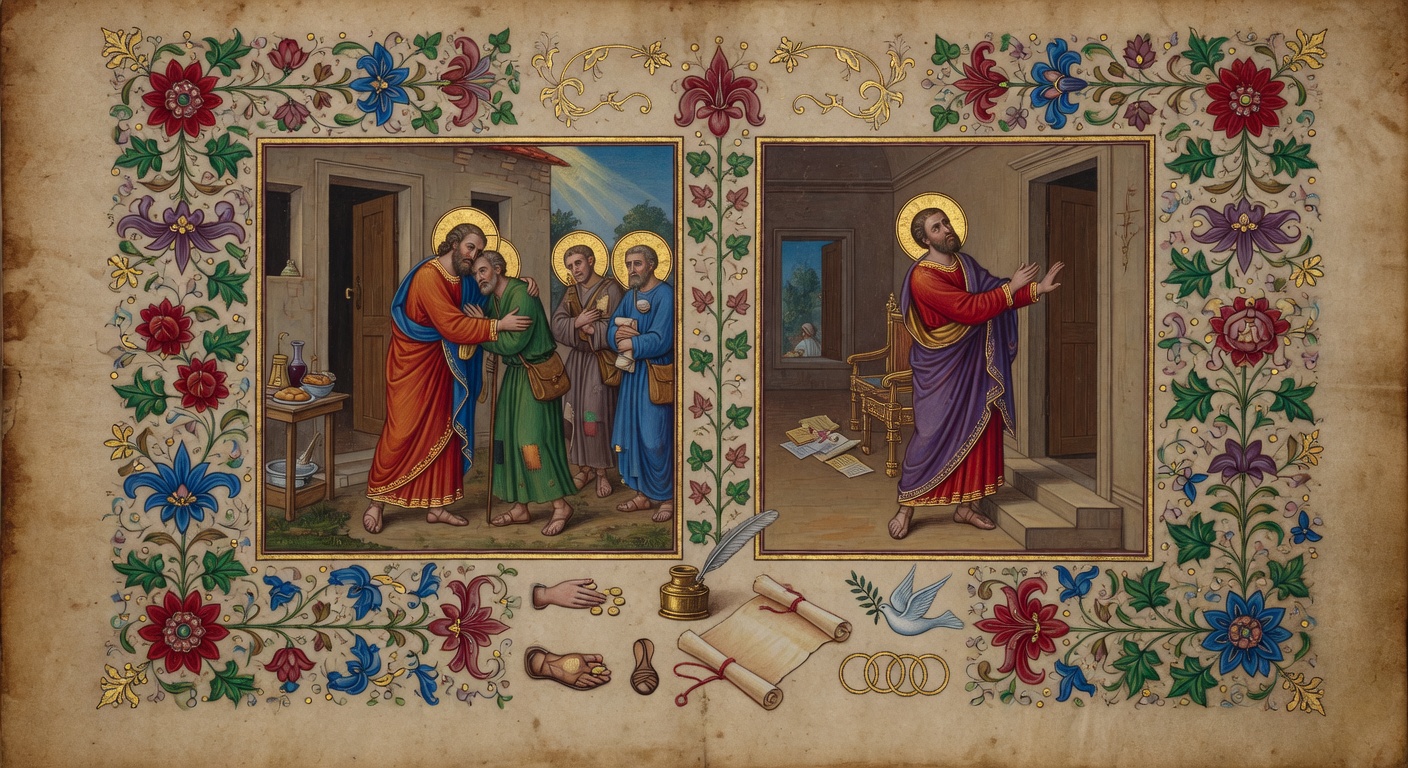 3 John (1 ch)
Third John commends Gaius for his hospitality to traveling missionaries and condemns Diotrephes for his arrogance. It illustrates the importance of supporting gospel workers and living in truth.
-
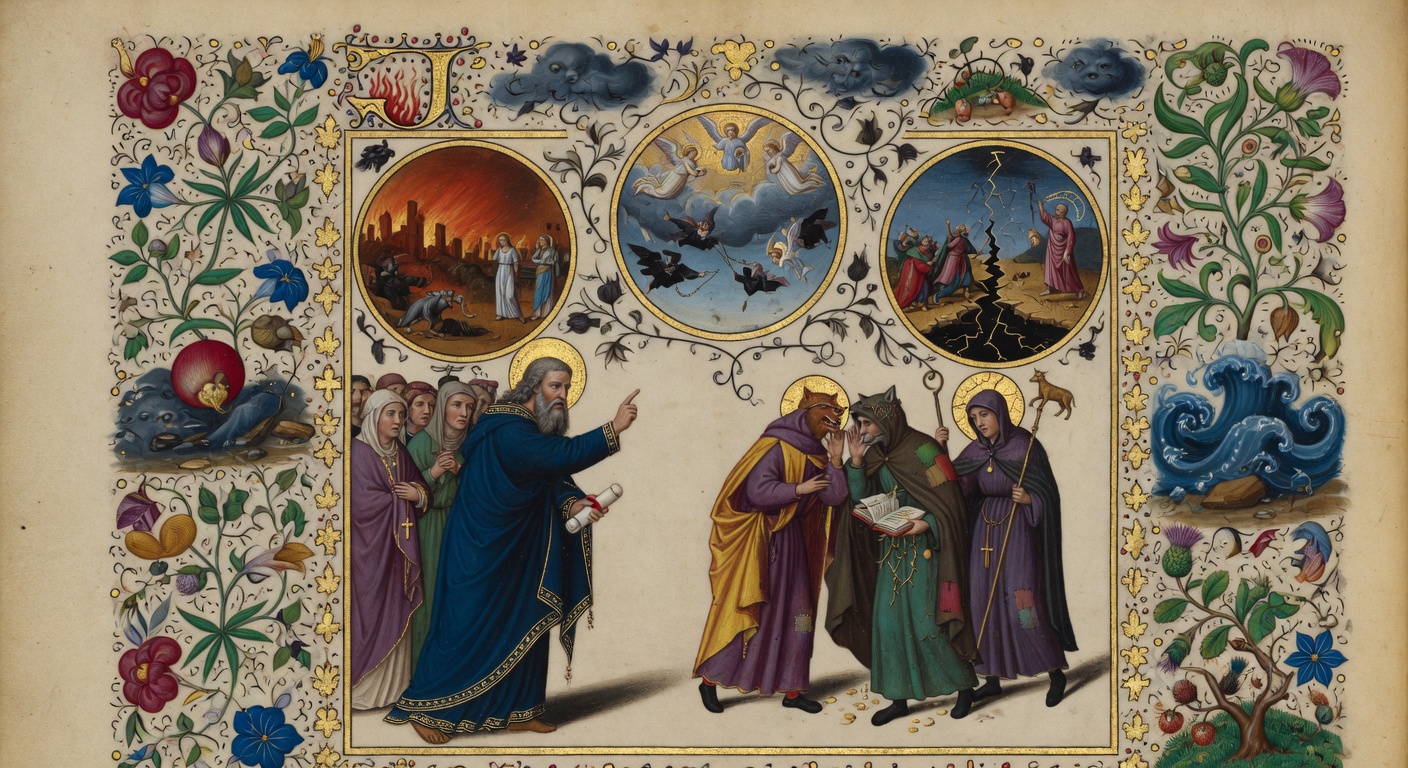 Jude (1 ch)
Jude urgently warns believers to contend for the faith against false teachers who have infiltrated the church. It uses Old Testament examples to illustrate God's judgment on the ungodly.
-
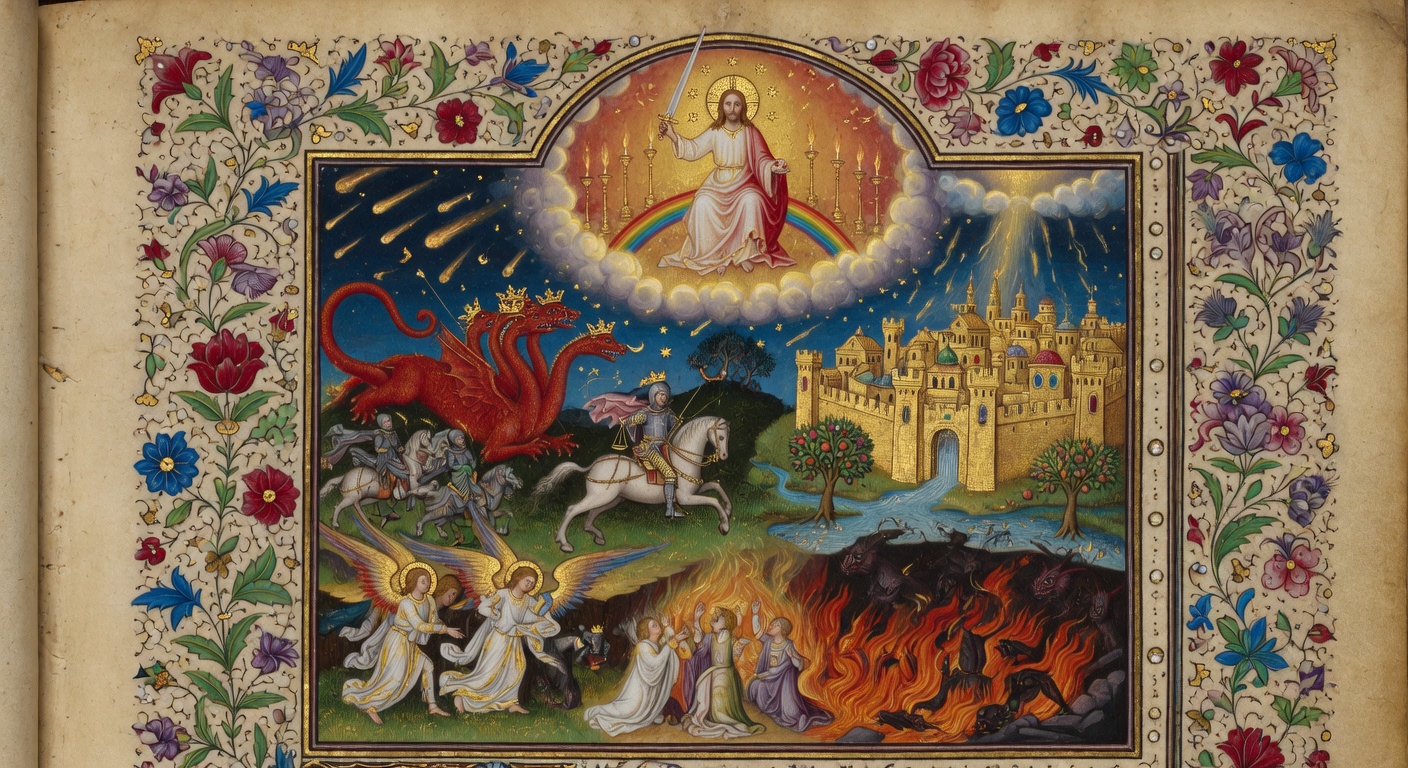 Revelation (22 ch)
Revelation is John's apocalyptic vision of the end times, revealing Christ's ultimate victory over evil and the establishment of a new heaven and earth. It encourages persecuted believers with the promise of God's final triumph.