🏕️ Tribes of Israel
-
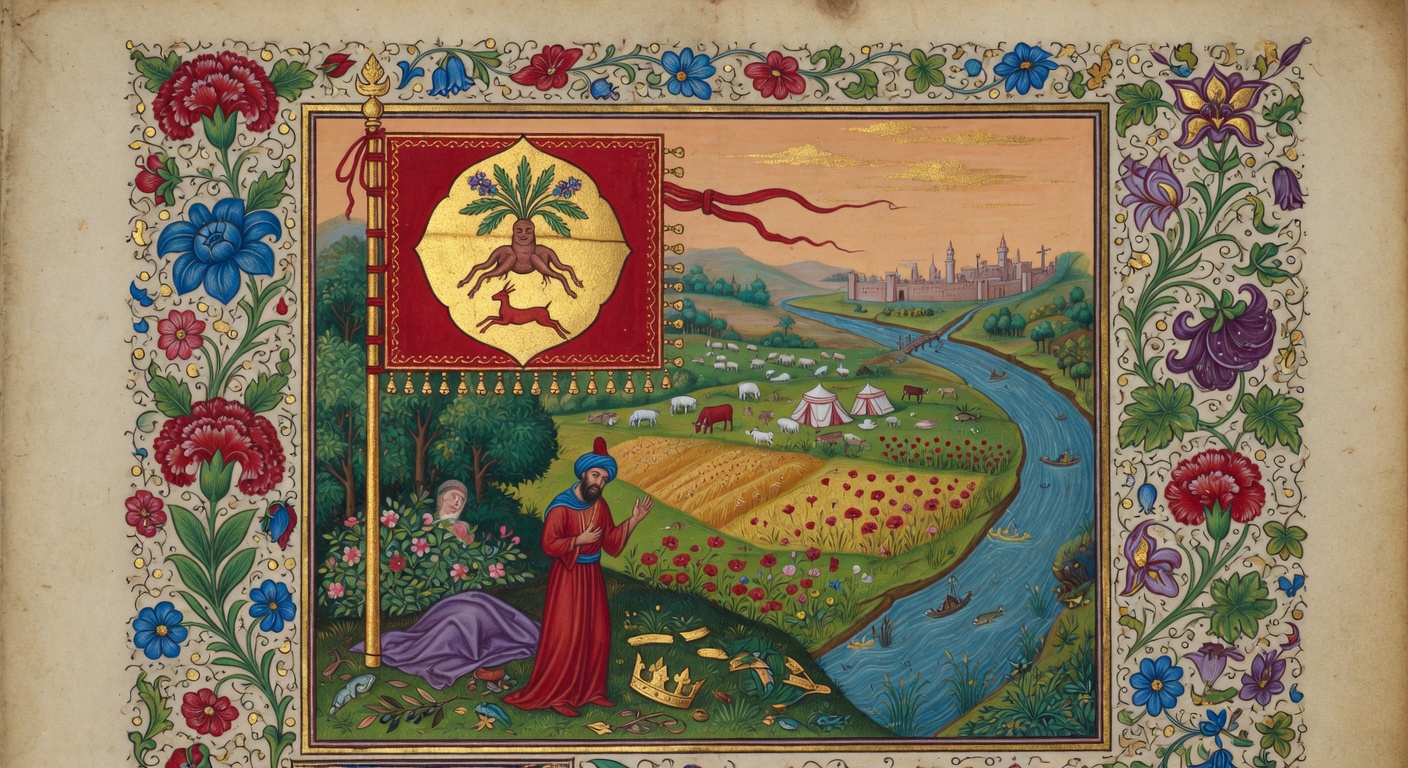
Reuben
East of the Jordan, north of the Dead Sea
Reuben, the firstborn son of Jacob and Leah, forfeited his birthright through his immoral act with Bilhah, his father's concubine, as recorded in Genesis 35:22. Consequently, the privileges of leadership and a double portion of inheritance passed to the descendants of Joseph, while Reuben's tribe received a lesser status among the Israelites. The tribe of Reuben, along with Gad and half of Manasseh, chose to settle in the fertile lands east of the Jordan River after the conquest of the Transjordan region, as described in Numbers 32. This decision and their earlier loss of preeminence highlight themes of divine justice and the enduring impact of individual choices within the broader narrative of Israel's formation and inheritance in the Promised Land.
-
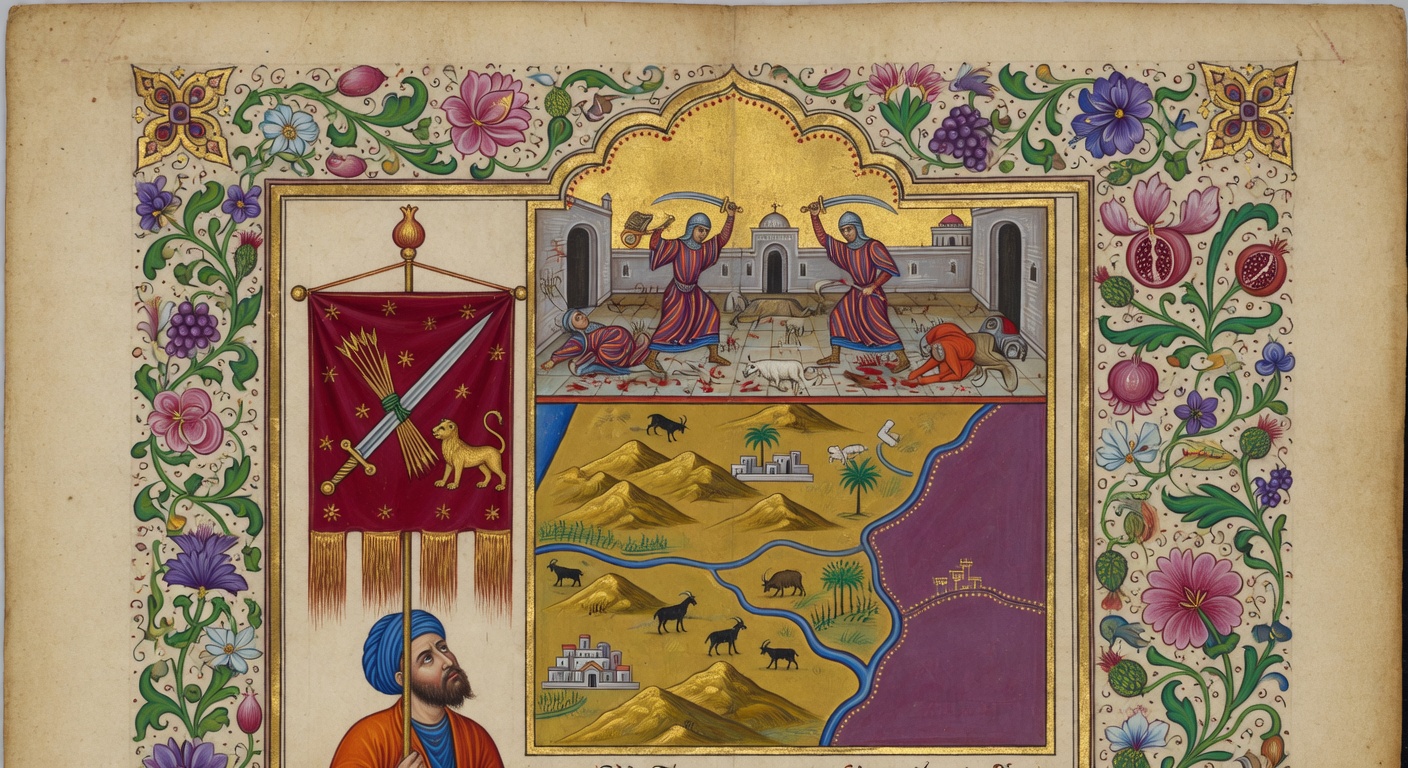
Simeon
Within the territory of Judah in the south
The tribe of Simeon, descended from Jacob’s second son, joined with Levi in the violent massacre at Shechem to avenge the rape of their sister Dinah, an act later condemned by their father. In his deathbed blessing Jacob therefore declared that Simeon and Levi would be scattered throughout Israel, a pronouncement understood as both judgment and prophecy. Consequently the tribe received no independent territory; its allotted cities lay scattered inside the borders of Judah, leading to Simeon’s gradual absorption and loss of distinct identity. This outcome is presented in Scripture as the fulfillment of Jacob’s words and as an enduring illustration of the consequences of unrestrained violence within the covenant community.
-
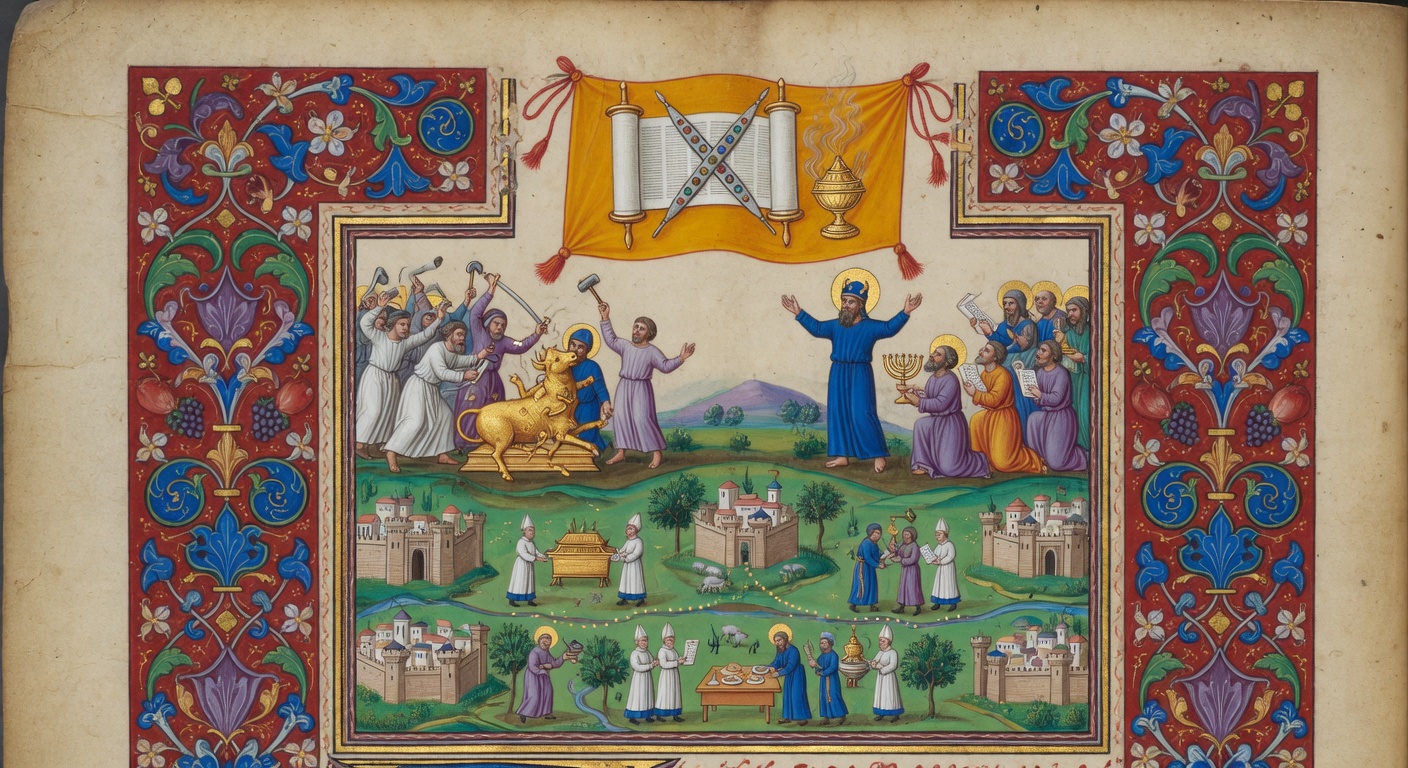
Levi
No territorial inheritance - 48 cities scattered throughout Israel
The tribe of Levi was distinguished in Israel's history following the incident of the golden calf at Mount Sinai. While the people worshiped the idol, the Levites demonstrated their loyalty to God by standing with Moses and executing judgment on the idolaters. In recognition of this zeal, God set the Levites apart for priestly and tabernacle service, with Aaron's descendants serving as priests and the rest assisting in sacred duties. Rather than receiving a single contiguous territory like the other tribes, the Levites were allocated forty-eight cities scattered throughout Israel, underscoring their role in mediating worship and instruction for the entire nation as detailed in the books of Exodus, Numbers, and Joshua.
-
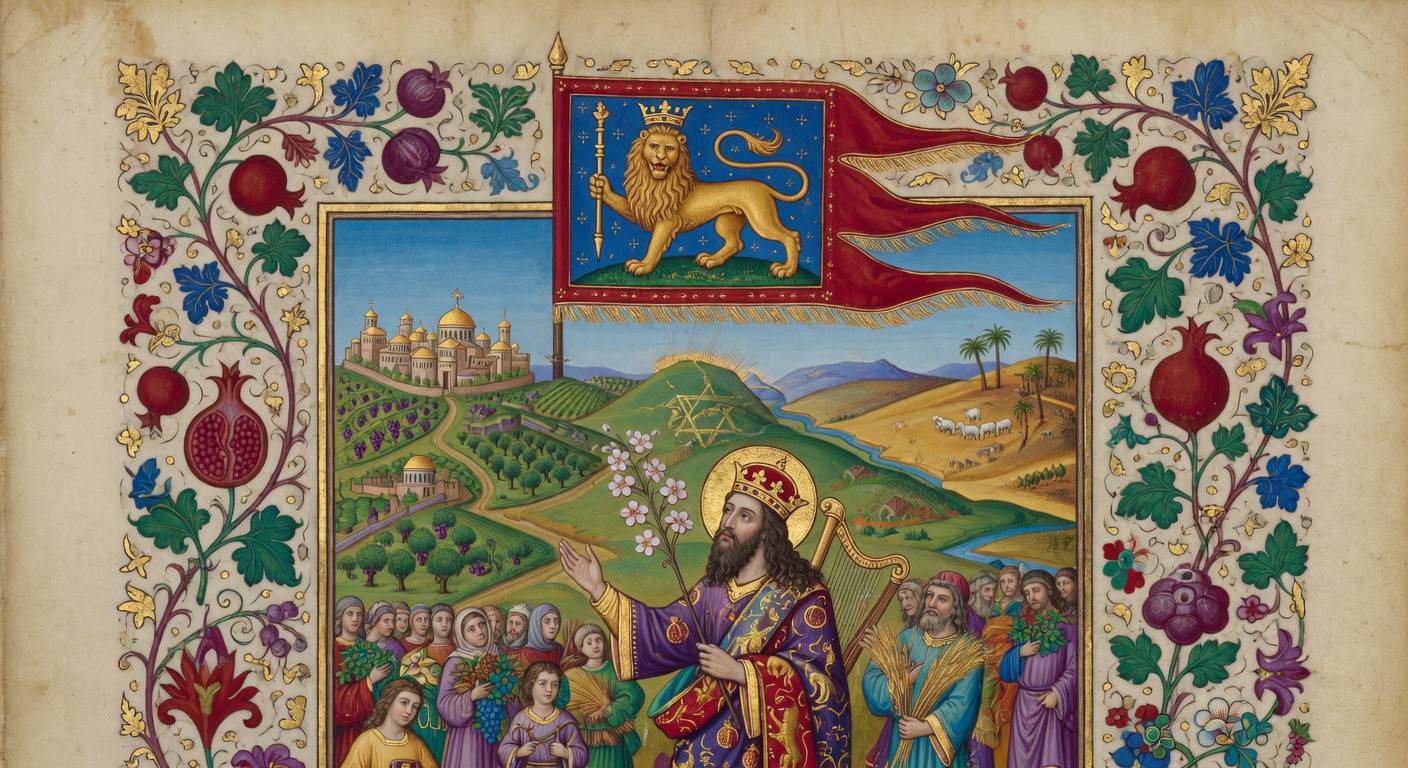
Judah
Southern Israel including Jerusalem, Bethlehem, and Hebron
The tribe of Judah, descended from Jacob’s fourth son, emerged as the royal tribe of Israel through its association with King David, who established the united monarchy and received the divine promise of an eternal dynasty. Following the division of the kingdom after Solomon’s reign, Judah became the dominant tribe in the southern kingdom, which adopted its name and preserved the Davidic line amid the northern tribes’ secession. This tribe holds profound significance in Scripture, as prophecies such as the scepter not departing from Judah pointed to the coming Messiah, fulfilled in Jesus Christ, who is explicitly identified as descending from the line of David and the tribe of Judah.
-
Dan
Originally coastal plain near Philistia, later migrated north to Laish
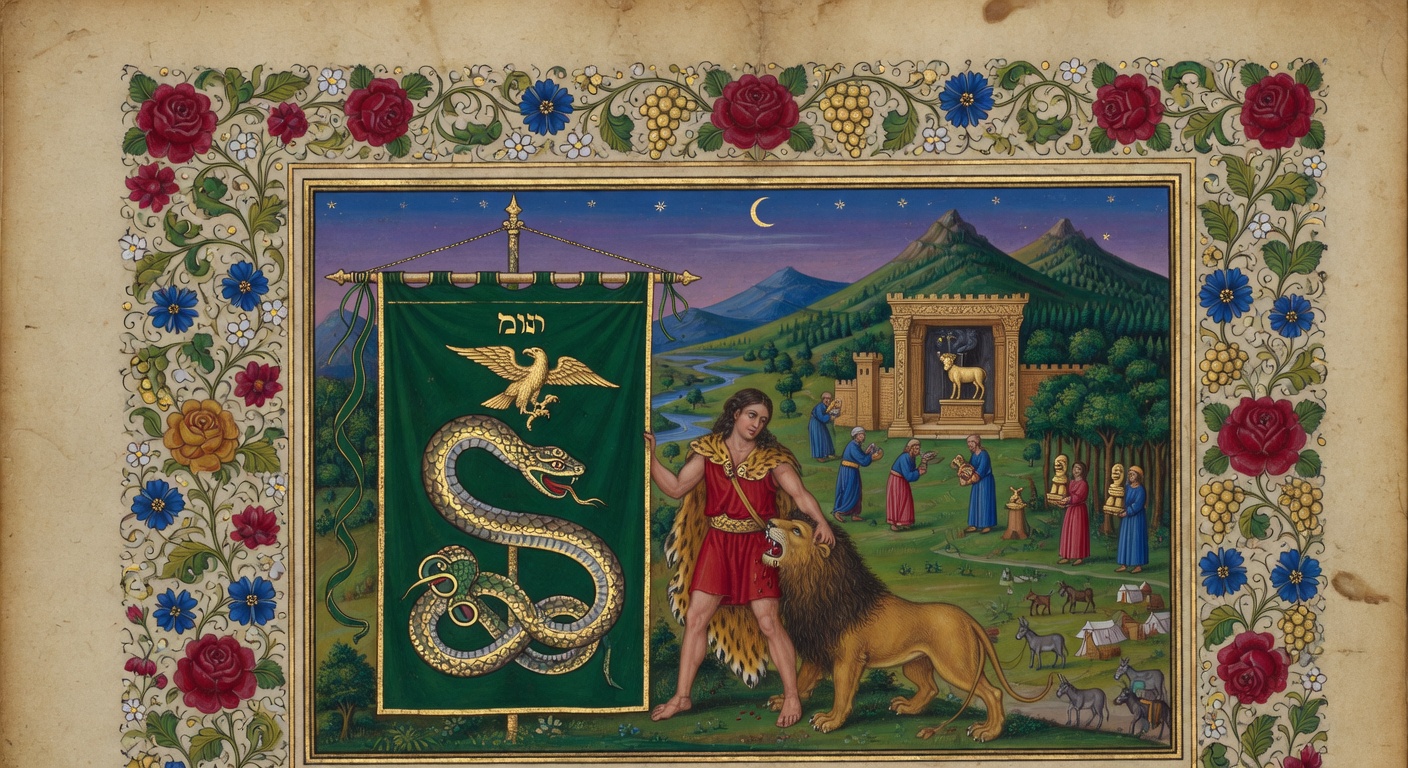
The tribe of Dan, one of the twelve tribes descended from Jacob’s son Dan through his concubine Bilhah, is first noted in Scripture for its allotted territory west of Judah, though the tribe struggled to secure it against the Amorites and Philistines. Its most famous member was the judge Samson, whose Spirit-empowered exploits against the Philistines are recorded in Judges 13–16. Later, part of the tribe migrated north, seized the peaceful city of Laish, renamed it Dan, and installed a shrine containing stolen idols and an unauthorized priesthood, practices that persisted for generations. This northern sanctuary became a focal point of national idolatry when Jeroboam set up one of his golden calves there, illustrating the tribe’s contribution to Israel’s covenant unfaithfulness and the eventual judgment pronounced by the prophets.
-
Naphtali
Northern Galilee, west of the Sea of Galilee
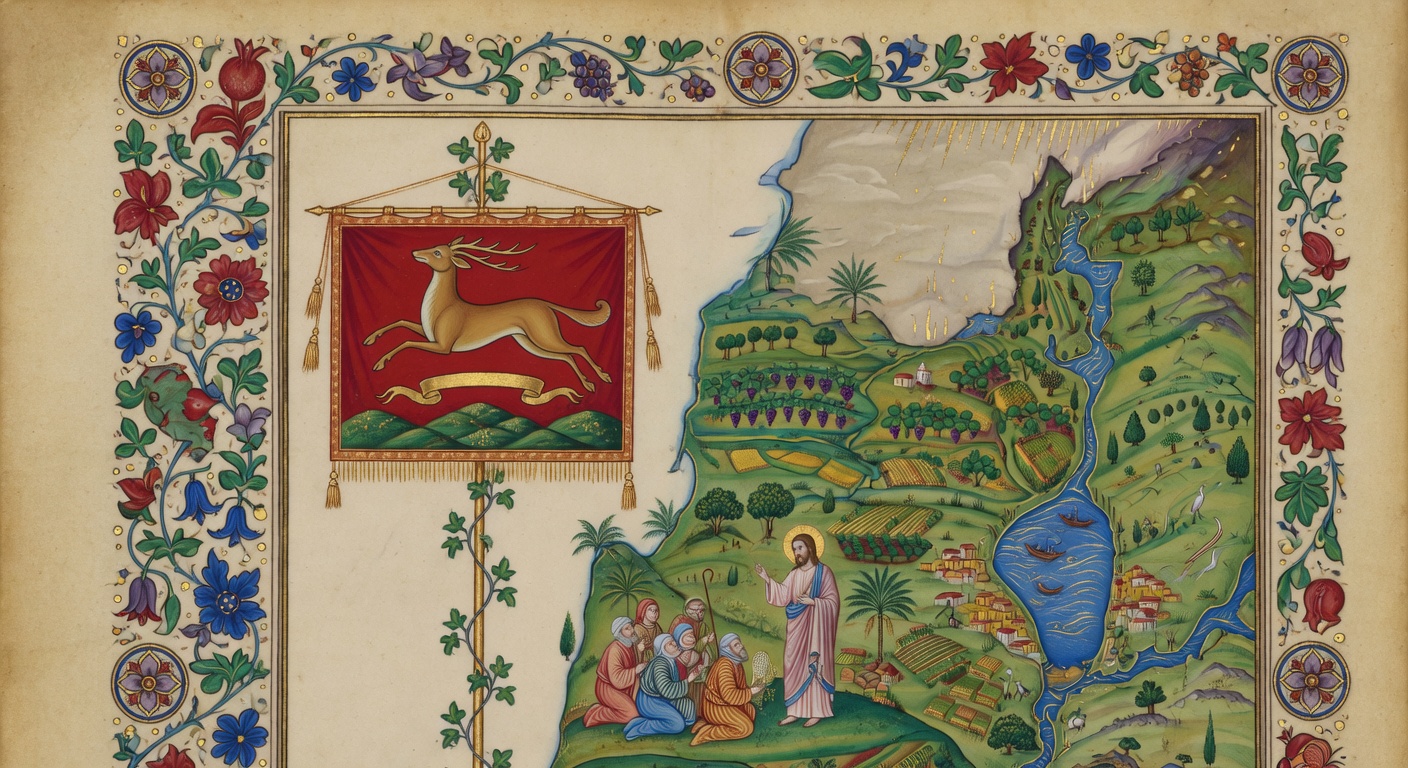
The tribe of Naphtali, descended from Jacob’s sixth son by Bilhah, received its inheritance in the fertile hill country of upper and lower Galilee, encompassing the northwestern shore of the Sea of Galilee and extending toward the Lebanon mountains, as recorded in Joshua 19. This allotment placed the tribe in a strategically important agricultural and trade corridor that later became part of the northern kingdom of Israel and experienced repeated invasions, culminating in the Assyrian conquest under Tiglath-Pileser III. In the New Testament era the same territory formed the setting for much of Jesus’ Galilean ministry, directly fulfilling Isaiah 9:1–2, which foretold that the land of Zebulun and Naphtali would see a great light. The tribe’s geographic legacy therefore illustrates both the fulfillment of ancient land promises and the prophetic preparation for the Messiah’s revelation among the Jewish people.
-
Gad
East of the Jordan, between Reuben and Manasseh
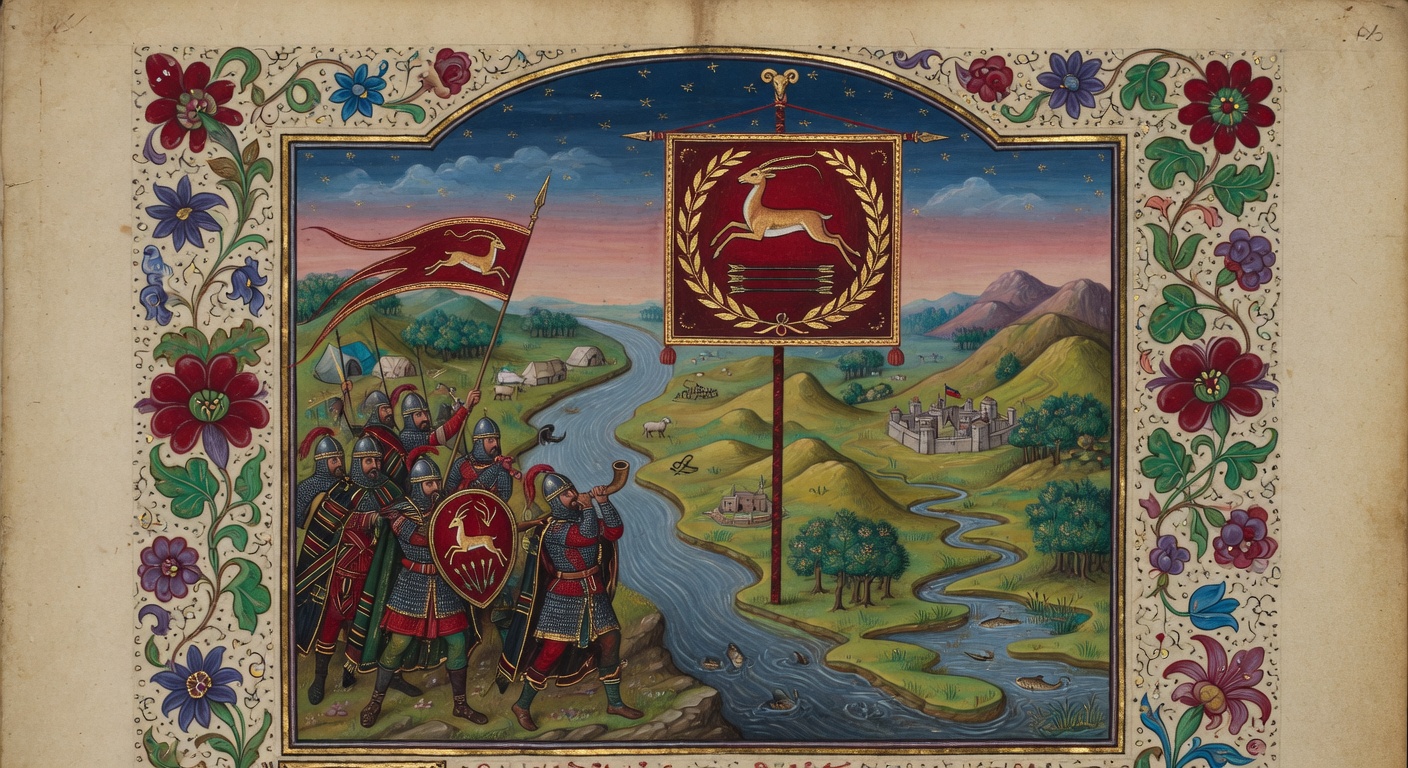
The tribe of Gad, one of the twelve tribes descended from Jacob’s son Gad, received permission from Moses to settle in the fertile region of Gilead east of the Jordan River because of its suitability for their large herds of livestock. Their warriors fulfilled a solemn pledge to cross the Jordan and fight alongside the other tribes until Canaan was subdued under Joshua, after which they returned to their allotted territory while maintaining ties with the western tribes. Scripture portrays the Gadites as fierce and skilled fighters whose military contributions helped secure the Promised Land, as recorded in passages such as Numbers 32 and Joshua 22. This episode illustrates both the unity required among the tribes to claim their inheritance and the enduring significance of covenant faithfulness in Israel’s early history.
-
Asher
Northwestern coastal strip along the Mediterranean
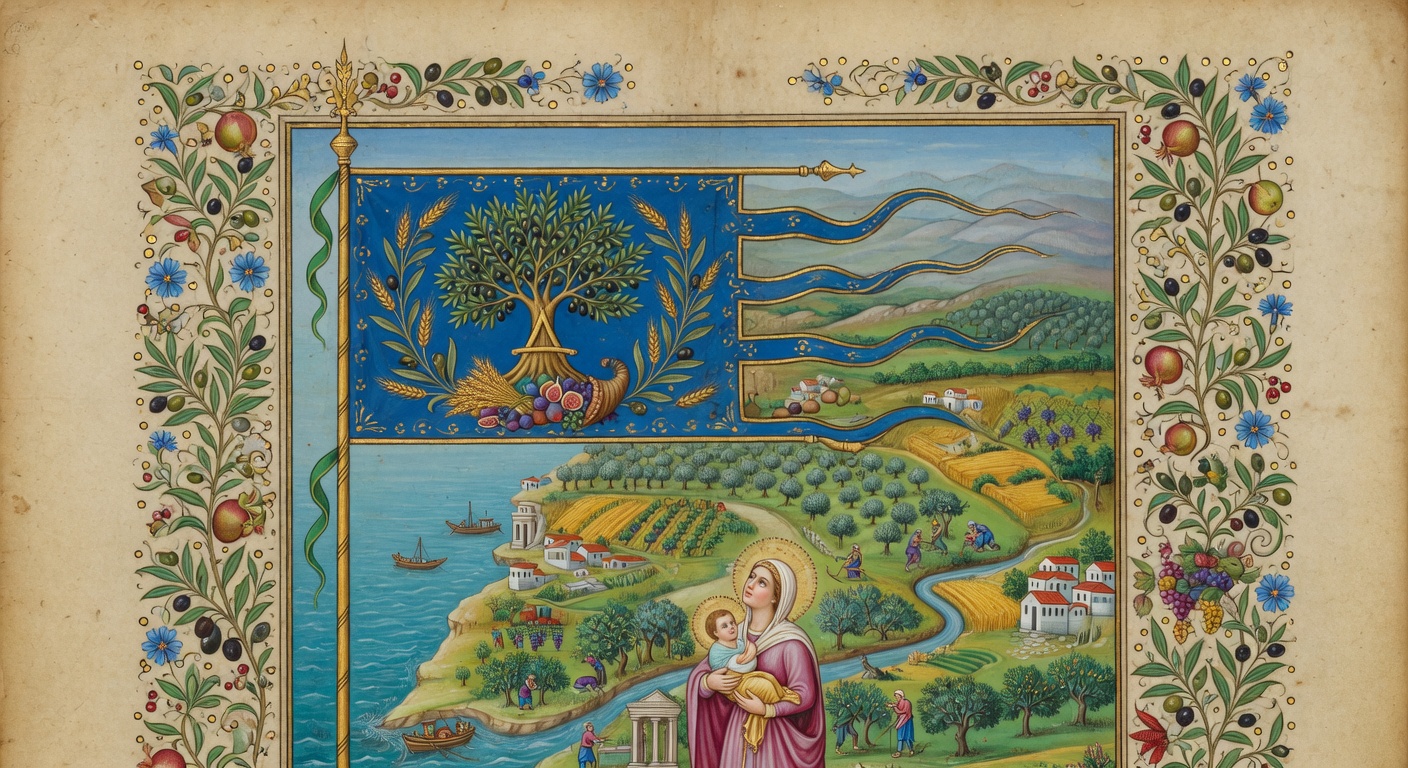
The tribe of Asher, descended from Jacob’s eighth son by Zilpah, received its inheritance along the fertile northern Mediterranean coast after the conquest of Canaan under Joshua. This region’s abundant olive groves and agricultural output matched the patriarchal blessings of Jacob and Moses, which foretold rich food and royal delicacies for Asher’s descendants. Centuries later, the New Testament records that Anna the prophetess, who recognized the infant Jesus in the temple, belonged to this tribe, illustrating the continued identity of the northern tribes into the first century. The tribe’s story thus highlights both the material fulfillment of covenant promises in the land and the preservation of Israel’s tribal lineage until the arrival of the Messiah.
-
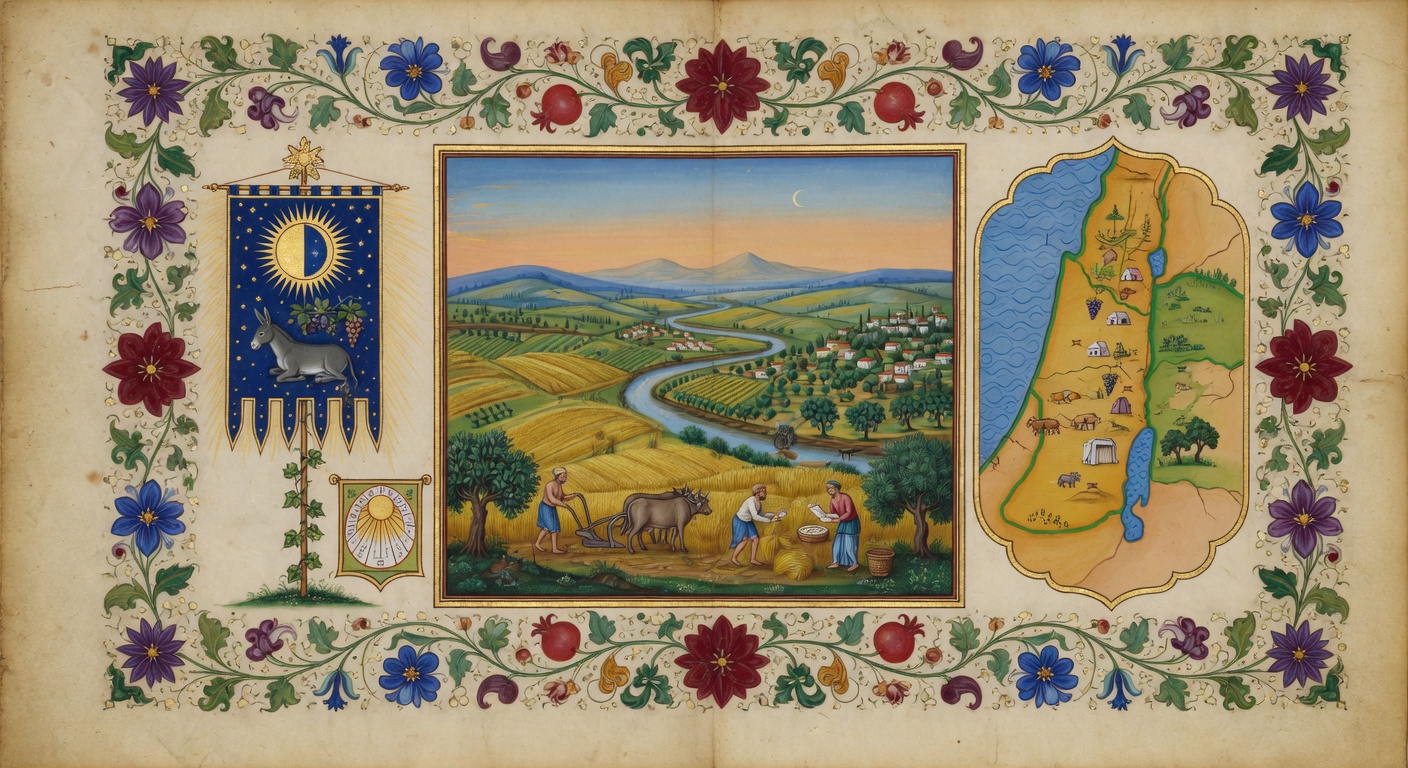
Issachar
Jezreel Valley, south of Galilee
The tribe of Issachar, descended from Jacob’s ninth son, received the fertile Jezreel Valley as its inheritance in Canaan, a strategically valuable and agriculturally rich region that supported its economic stability. Scripture highlights the tribe’s distinctive wisdom in 1 Chronicles 12:32, where its leaders are described as men who understood the times and knew what Israel ought to do, enabling them to give decisive counsel during David’s rise to kingship. This reputation echoes Jacob’s earlier blessing in Genesis 49:14-15, which portrayed Issachar as strong yet willing to bear burdens in exchange for a pleasant land. Their example illustrates the recurring biblical theme that discernment and timely insight are essential for guiding God’s people through political and spiritual transitions.
-
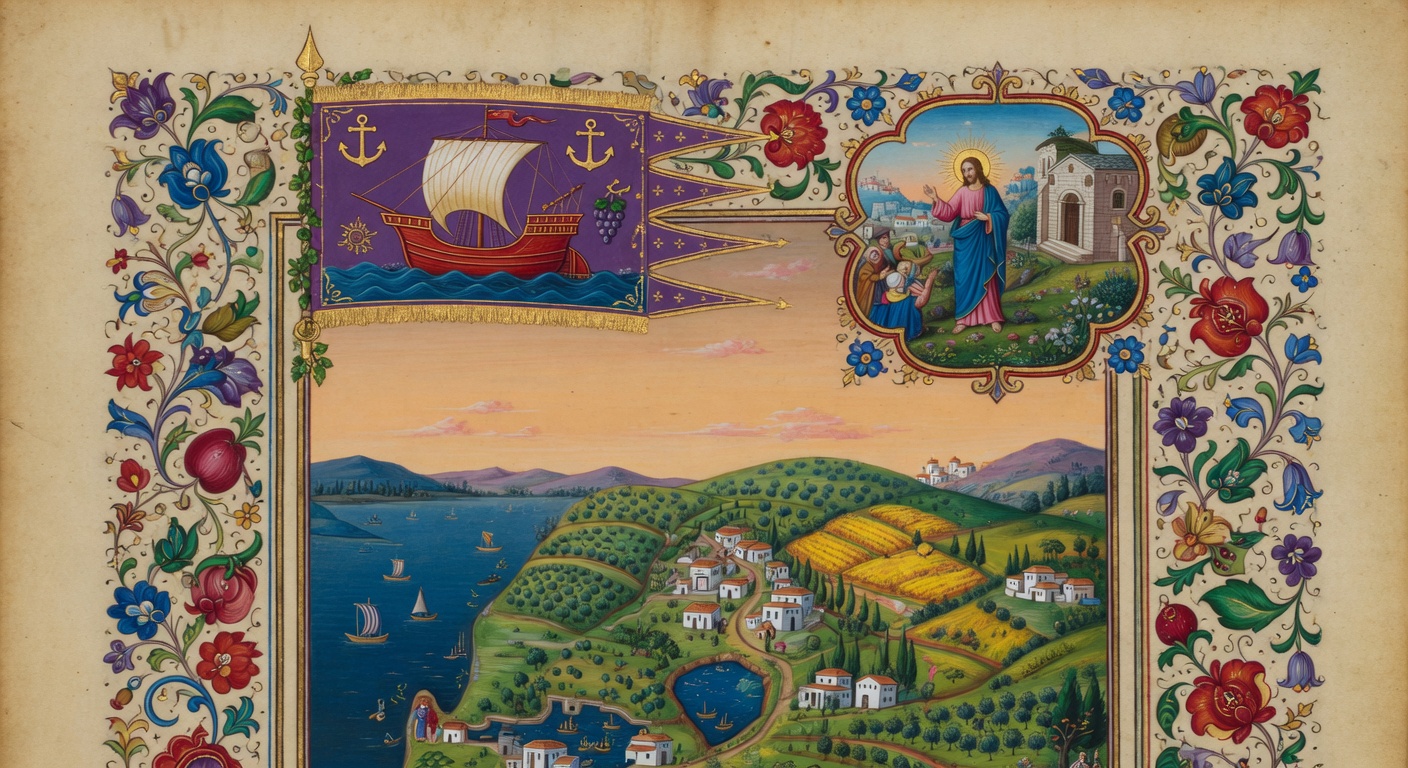
Zebulun
Lower Galilee, between the Sea of Galilee and the Mediterranean
The tribe of Zebulun received its inheritance in lower Galilee during the division of Canaan under Joshua, bordering the territories of Naphtali, Asher, and Issachar. This northern region, described in Isaiah 9:1-2 as having once been humbled, later saw the dawn of Jesus Christ's public ministry, fulfilling the prophecy that its people would see a great light. Nazareth, where Jesus was raised and began his work, stood within Zebulun's ancient boundaries. The connection highlights Scripture's emphasis on God's sovereign choice of geography to reveal the Messiah first in Galilee, extending the promise of salvation beyond Judah to the northern tribes.
-
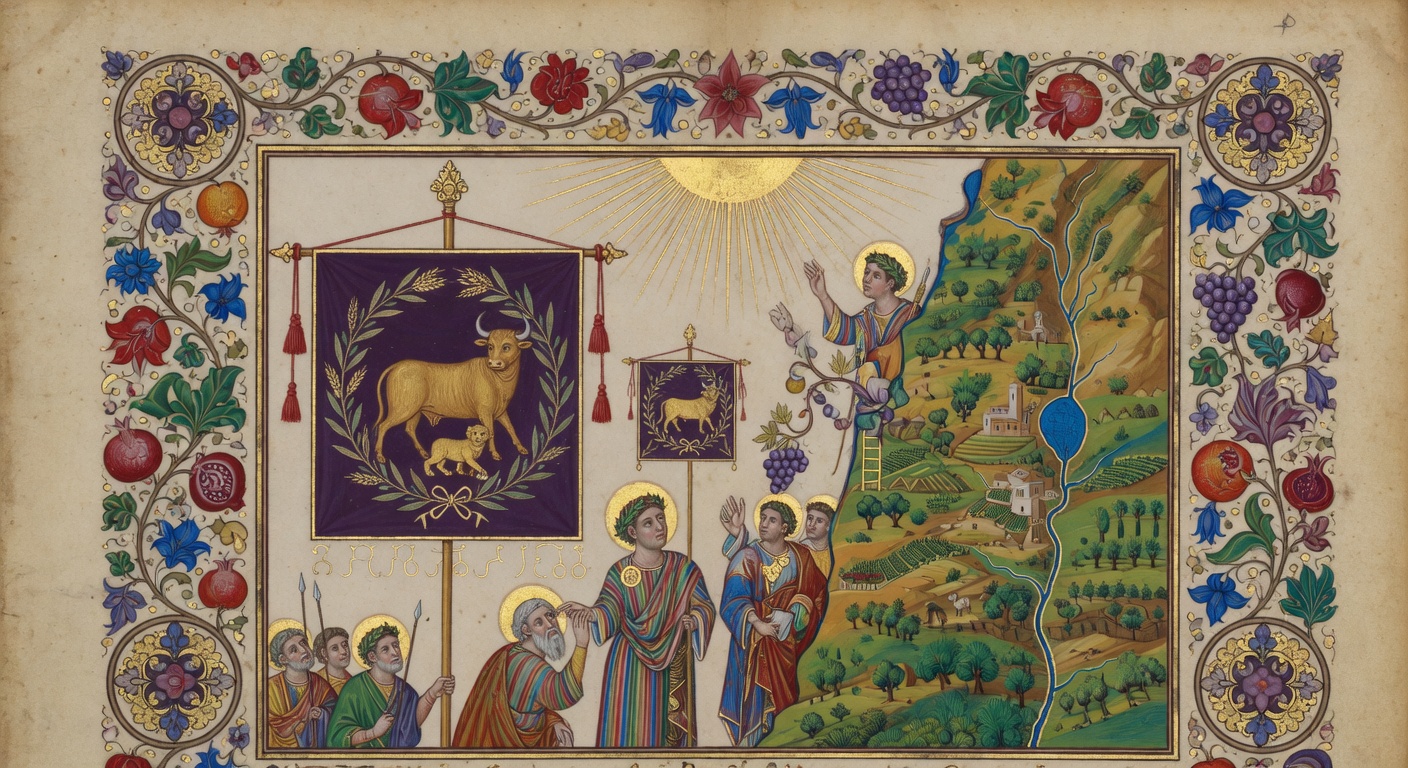
Ephraim (Joseph)
Central hill country, including Shiloh and Shechem
Though the younger of Joseph's sons, Ephraim received the greater blessing when Jacob crossed his hands to lay his right hand upon the boy's head, foretelling that his descendants would become a multitude of nations and a fullness of peoples. This promise of fruitfulness found expression in the tribe's inheritance of the central hill country, where Shiloh became the resting place of the tabernacle and Shechem the site of covenant renewal. Over time Ephraim grew to dominate the northern tribes, its name often standing for the whole house of Israel, though its later pride drew the Lord's rebuke for turning aside from his ways.
-
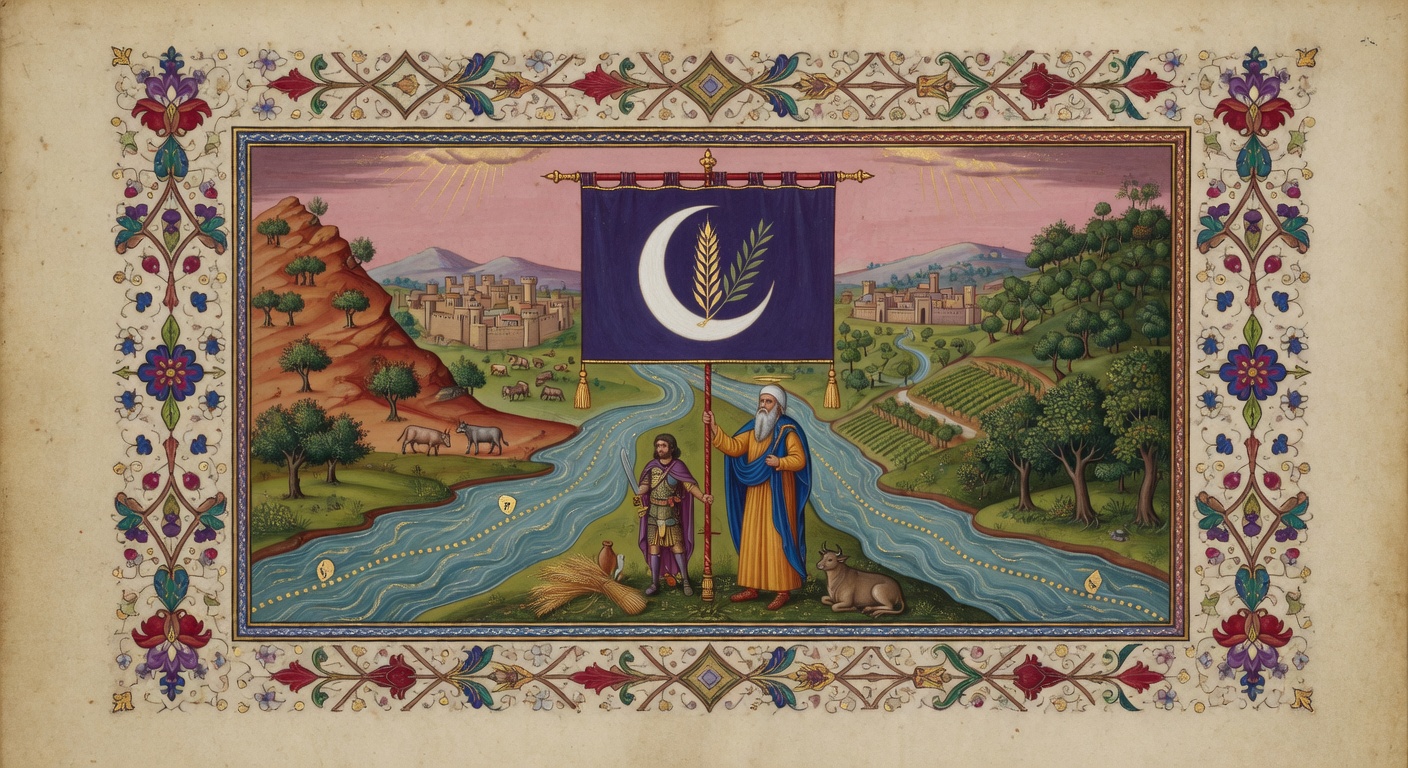
Manasseh (Joseph)
Split territory - half east of Jordan, half west in central Israel
Manasseh, the elder son of Joseph, became the ancestor of one of Israel's twelve tribes, which was allotted extensive territory in the Promised Land as part of the fulfillment of Jacob's patriarchal blessing on Joseph's descendants. The tribe's inheritance was divided, with one half settling east of the Jordan River in the regions of Gilead and Bashan after their conquest under Moses, while the other half received land west of the river through Joshua's allotment alongside the tribe of Ephraim. This geographic split illustrates the practical challenges of tribal unity during the settlement period and is referenced throughout the historical books as the tribes navigated covenant faithfulness, warfare, and eventual exile. Gideon, the judge who delivered Israel from Midianite oppression, emerged from the western half-tribe, highlighting Manasseh's recurring role in key scriptural narratives of leadership and redemption.
-
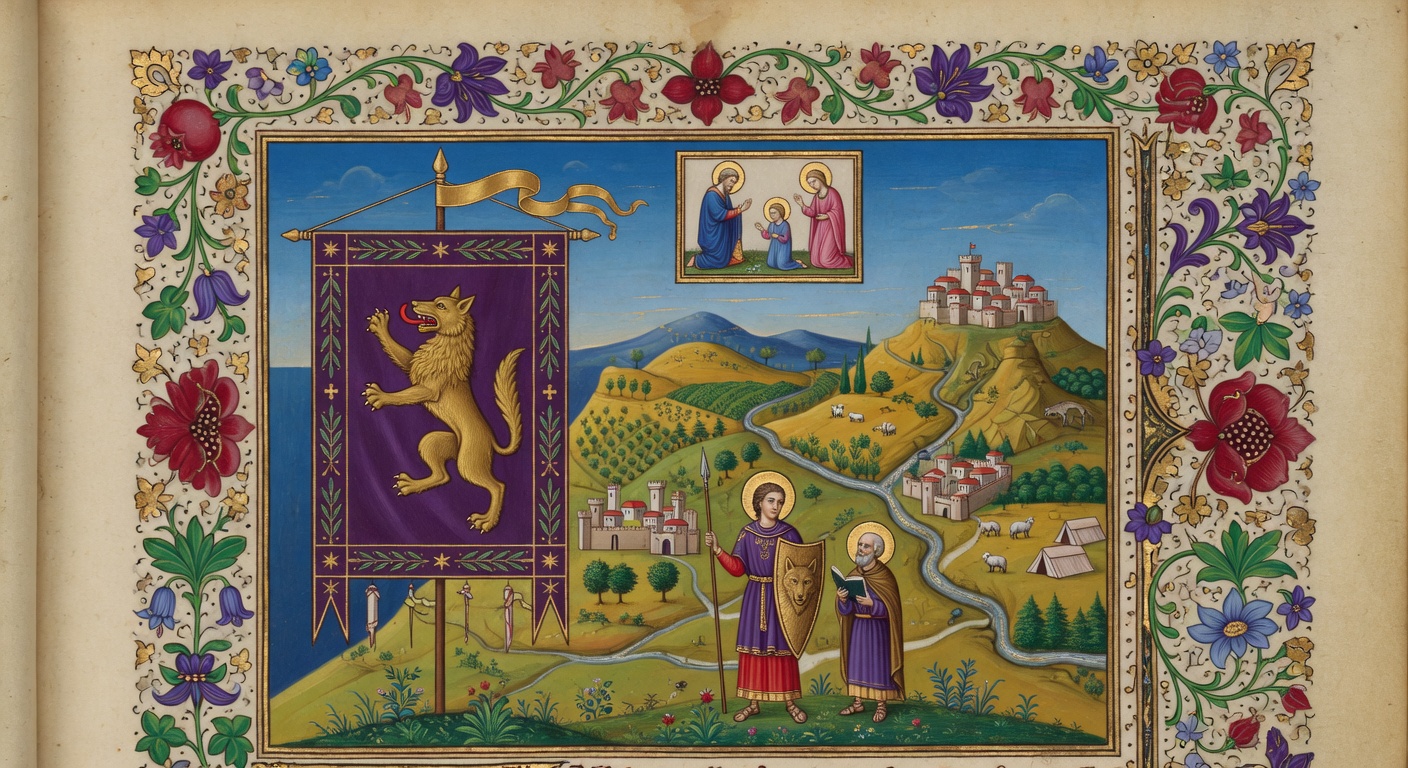
Benjamin
Small territory between Judah and Ephraim, including parts of Jerusalem
Benjamin, the youngest of Jacob's twelve sons and the second born to Rachel, became the progenitor of one of Israel's twelve tribes, allotted a compact territory between the larger tribes of Ephraim and Judah. Though small in size and population, the tribe produced Israel's first king, Saul, whose reign marked the transition from judges to monarchy, and centuries later the apostle Paul, who identified himself as a Benjamite in his epistles. In Scripture the tribe's near extinction during the civil war described in Judges 20–21, followed by its restoration and eventual alignment with the southern kingdom of Judah, illustrates recurring biblical themes of judgment, preservation, and divine purpose within the covenant people.