🕎 Feasts & Festivals
Weekly
Spring Feasts
-
Passover (Pesach)
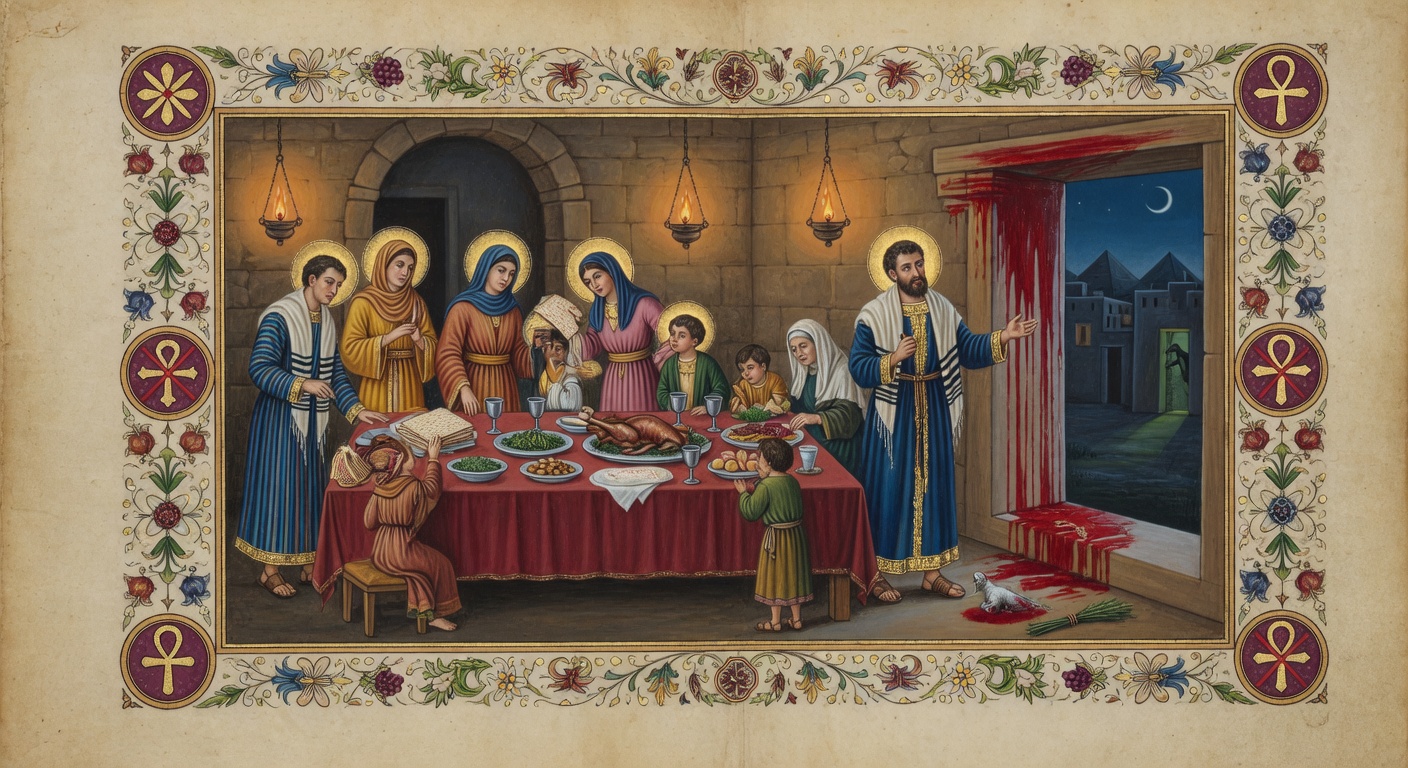
14th of Nisan (March/April)Observed on the fourteenth of Nisan, the Passover recalls how the blood of the lamb protected Israelite homes from judgment in Egypt's tenth plague, marking the start of their redemption from bondage. Known as Pesach, this spring feast serves as the Old Testament's foundational redemption event and points to Christ as our Passover Lamb whose sacrifice delivers from sin. Jesus connected it to the new covenant during the Last Supper, showing its ultimate meaning in his atoning death.
Fulfillment: Jesus was crucified on Passover as the Lamb of God who takes away the sin of the world. The Last Sup...
-
Feast of Unleavened Bread
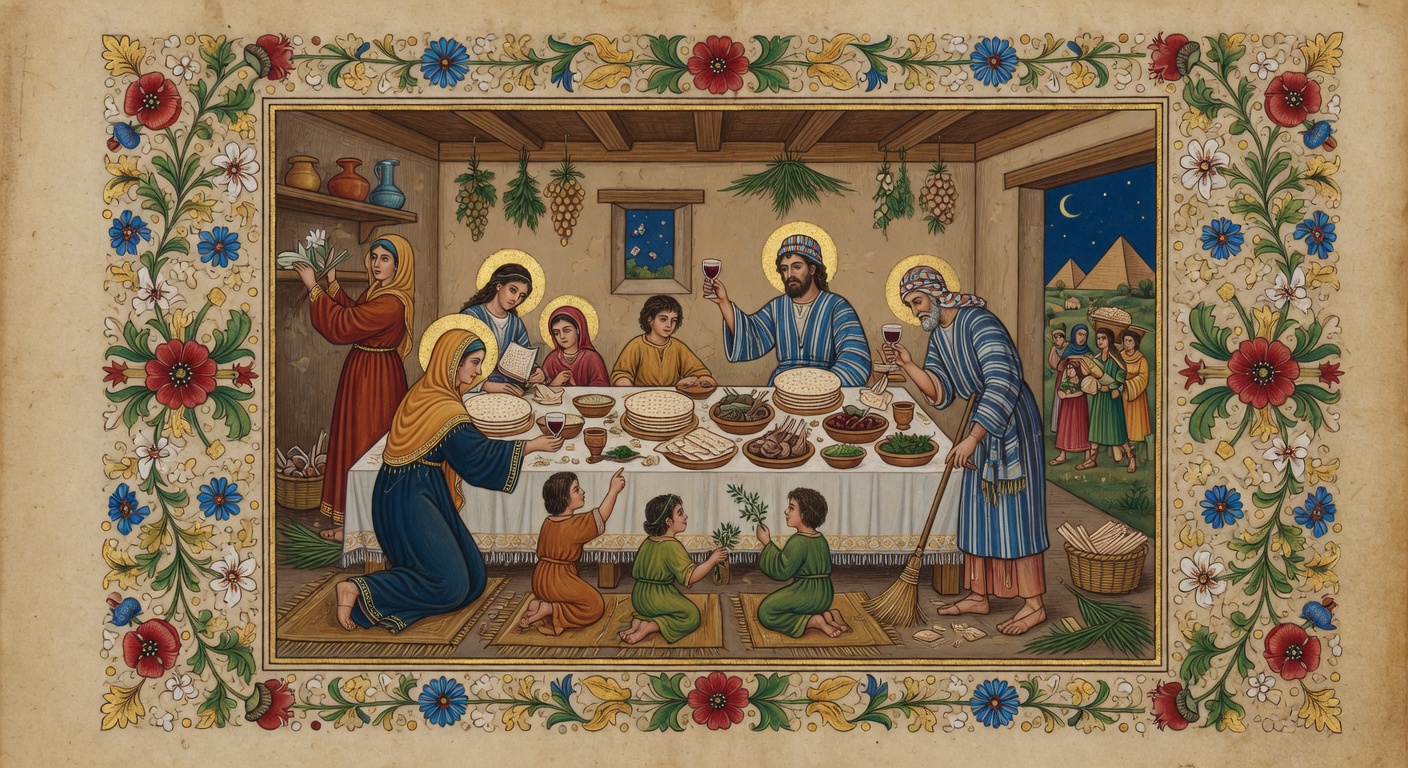
15th-21st of Nisan (7 days following Passover)Right after Passover, the Feast of Unleavened Bread lasts seven days beginning the fifteenth of Nisan, during which no leaven could remain in the homes and only unleavened bread was eaten to mark the hurried exit from Egypt. The removal of leaven, which stands for sin and corruption, vividly portrays the sanctification and separation from sin that redemption demands of God's people. This feast thus highlights the ongoing call to holiness in the redemptive story, finding its true fulfillment in Christ as the sinless Bread of Life.
Fulfillment: Christ's sinless body was buried (the unleavened bread). Believers are called to purge out the old l...
-
Feast of Firstfruits
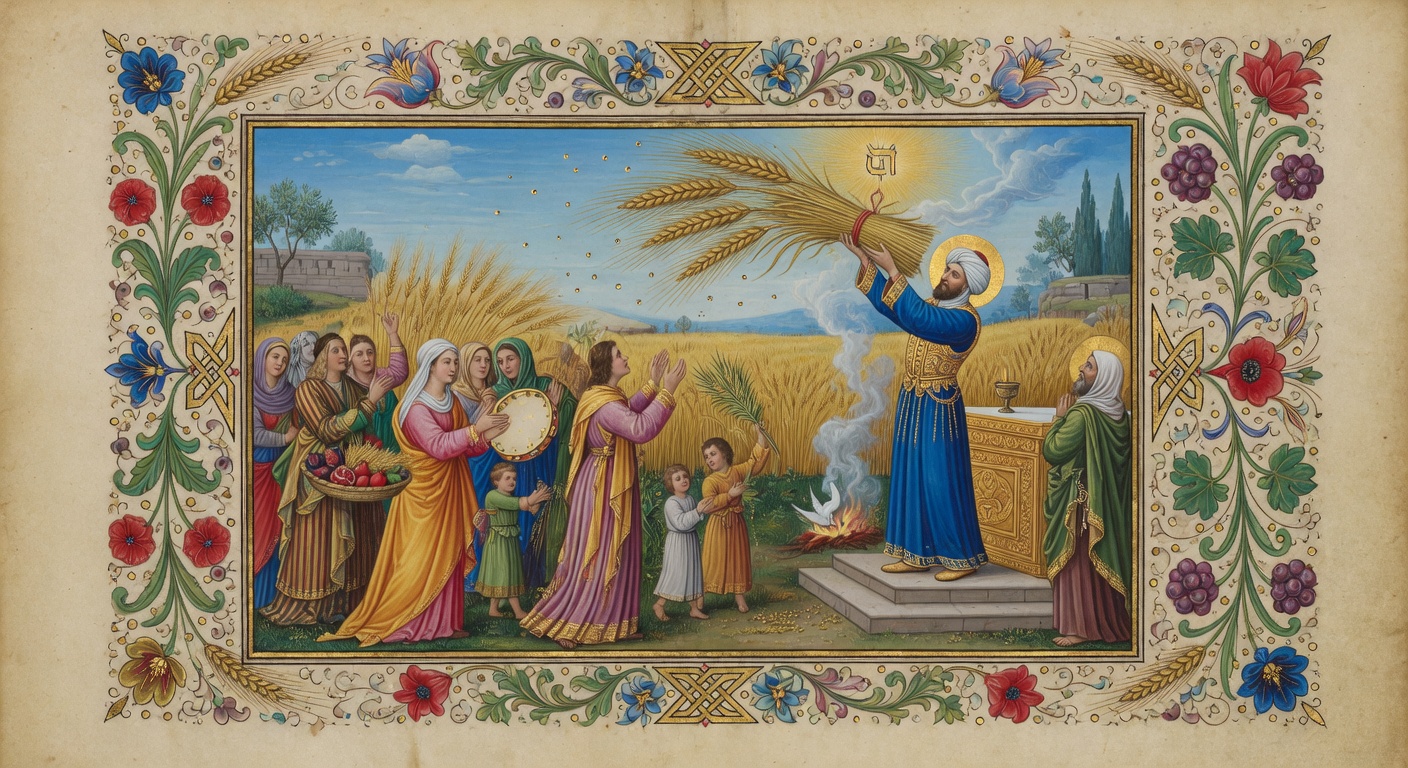
Day after the Sabbath during Unleavened Bread (Sunday)The Feast of Firstfruits was observed in ancient Israel as one of the annual appointed times outlined in Leviticus 23, taking place on the day after the Sabbath during the week of Passover. A priest would present and wave the first sheaf of ripe barley before the Lord at the sanctuary as a wave offering, accompanied by grain, oil, and wine, to consecrate the start of the harvest. This ritual acknowledged God as the true source of all agricultural provision and sought His continued blessing on the crops that followed. In the New Testament, the apostle Paul identifies the festival’s significance as fulfilled in the resurrection of Jesus Christ, who is described as the firstfruits of the dead, guaranteeing the future resurrection of believers.
Fulfillment: Jesus rose from the dead on this exact day - the firstfruits of those who have fallen asleep. His re...
-
Pentecost (Feast of Weeks)
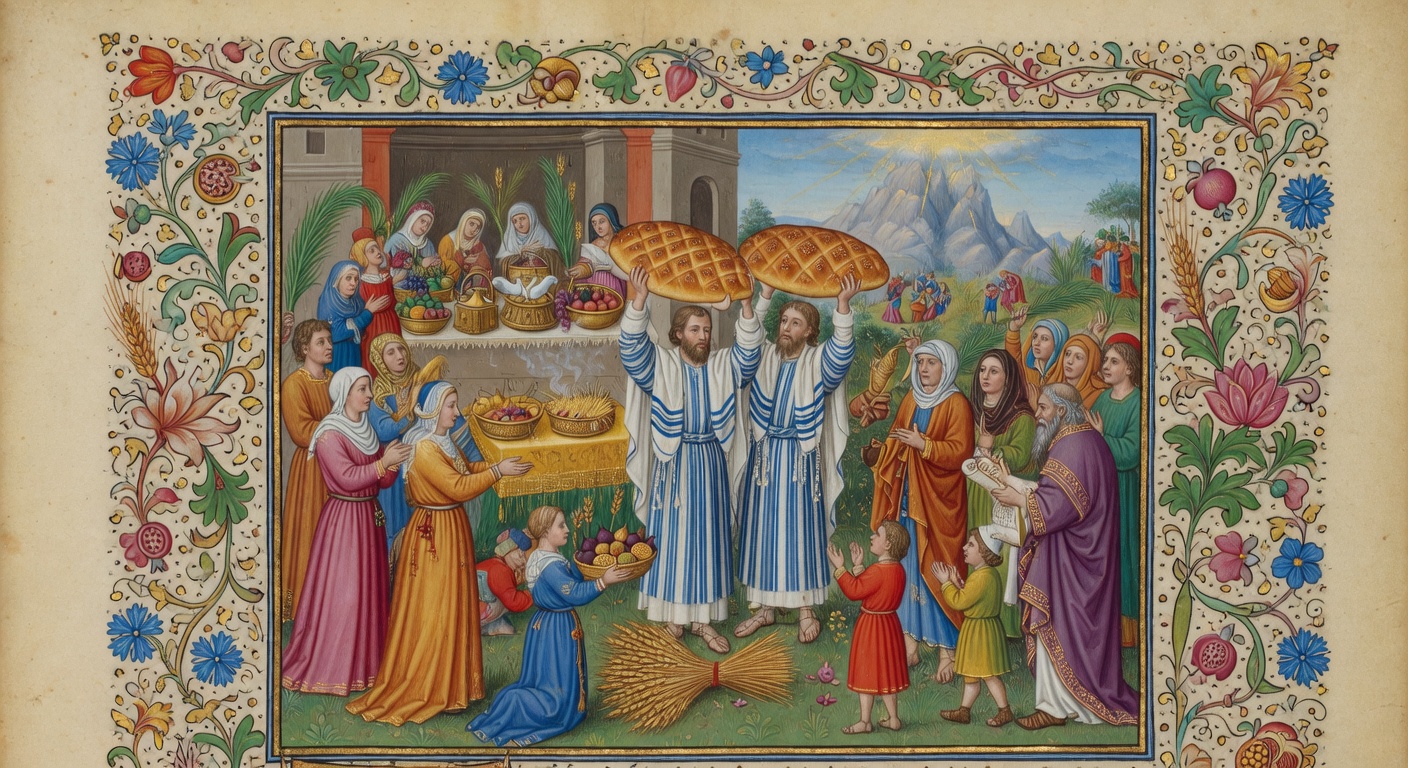
50 days after Firstfruits (May/June)Pentecost, also known as the Feast of Weeks, was observed fifty days after Passover to celebrate the wheat harvest and offer thanks for God's provision in ancient Israel. It traditionally commemorates the giving of the Law at Mount Sinai, where God established His covenant with the Israelites through Moses. As part of the ritual, two loaves of leavened bread were waved before the Lord along with animal sacrifices. In Scripture this festival holds added significance as the day the Holy Spirit descended on the apostles in Acts 2, marking the birth of the church and fulfilling Old Testament promises.
Fulfillment: The Holy Spirit was poured out on the disciples on this exact day, birthing the Church. 3,000 were s...
Fall Feasts
-
Feast of Trumpets
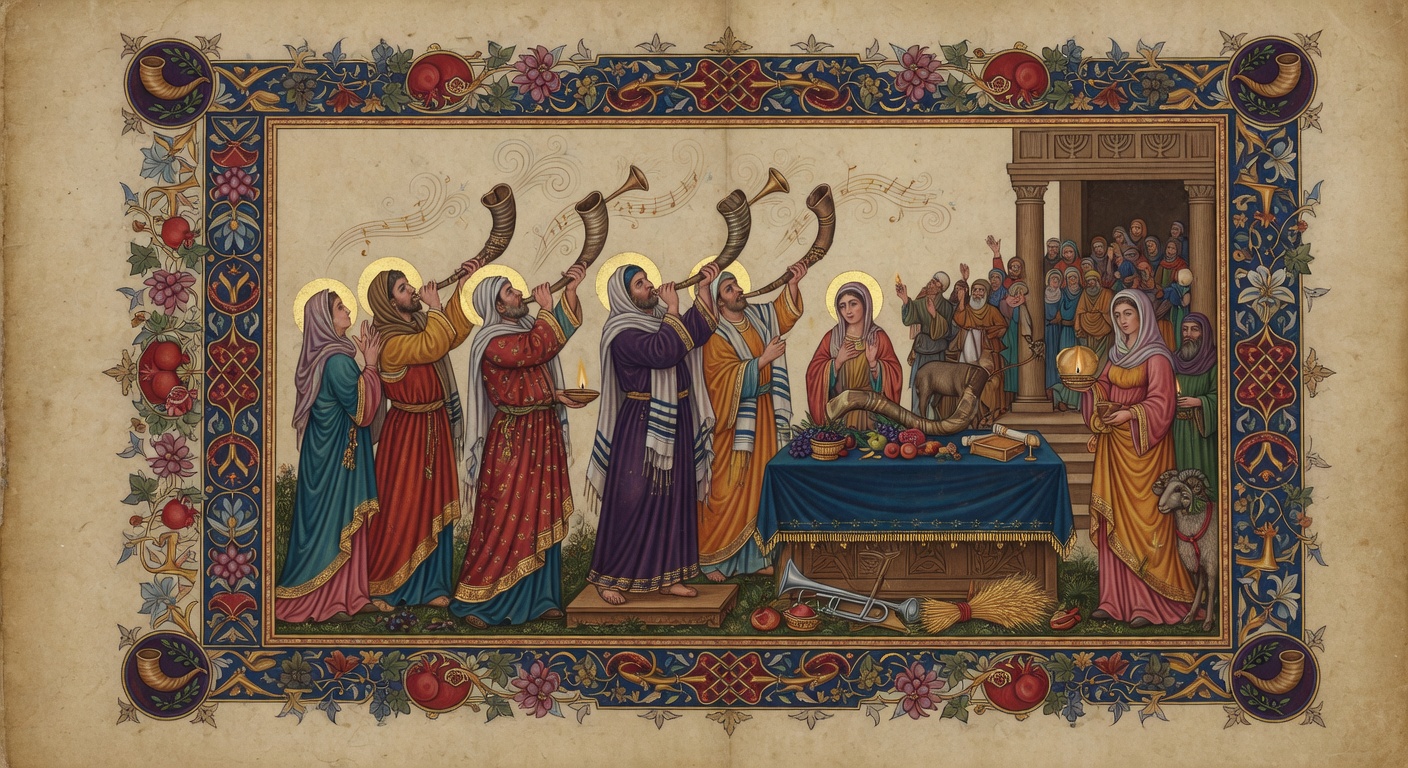
1st of Tishri (September/October)The Feast of Trumpets, commanded in Leviticus 23:23-25 and Numbers 29:1-6, is observed on the first day of the seventh month as a sacred assembly and day of rest marked by the blowing of trumpets or shofars. This festival marks the start of the civil new year in the Hebrew calendar and initiates the ten Days of Awe, a period of repentance and reflection leading to the Day of Atonement. In Scripture the trumpet blasts functioned as a public summons to worship and remembrance before God, highlighting themes of renewal and preparation for judgment. Its enduring significance lies in calling the community to spiritual readiness and reconciliation ahead of the high holy days.
Fulfillment: Many believe this pictures the rapture/return of Christ, announced by the trumpet of God. The dead i...
-
Day of Atonement
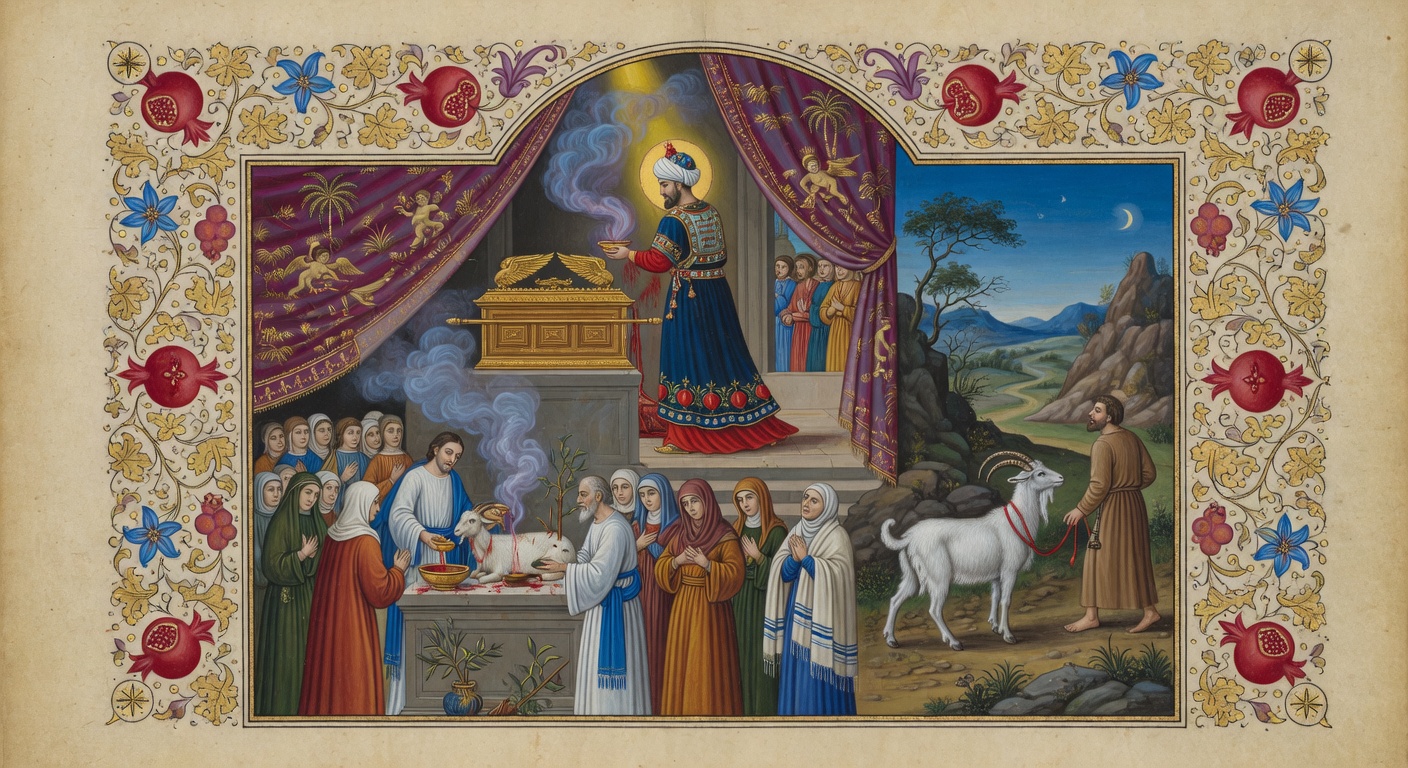
10th of Tishri (September/October)On the tenth day of Tishri Israel paused for this most solemn observance, when the high priest alone passed beyond the veil into the Holy of Holies to sprinkle blood upon the mercy seat and secure national cleansing from sin. Two goats formed the heart of the ritual, one offered in sacrifice and the other sent alive into the wilderness bearing the iniquities of the people far from God's presence. This yearly provision underscored both the gravity of transgression and the promise of a greater atonement accomplished once for all by Christ, who entered the true sanctuary to reconcile sinners to God.
Fulfillment: Christ entered the heavenly Holy of Holies once for all with His own blood, obtaining eternal redemp...
-
Feast of Tabernacles (Booths)
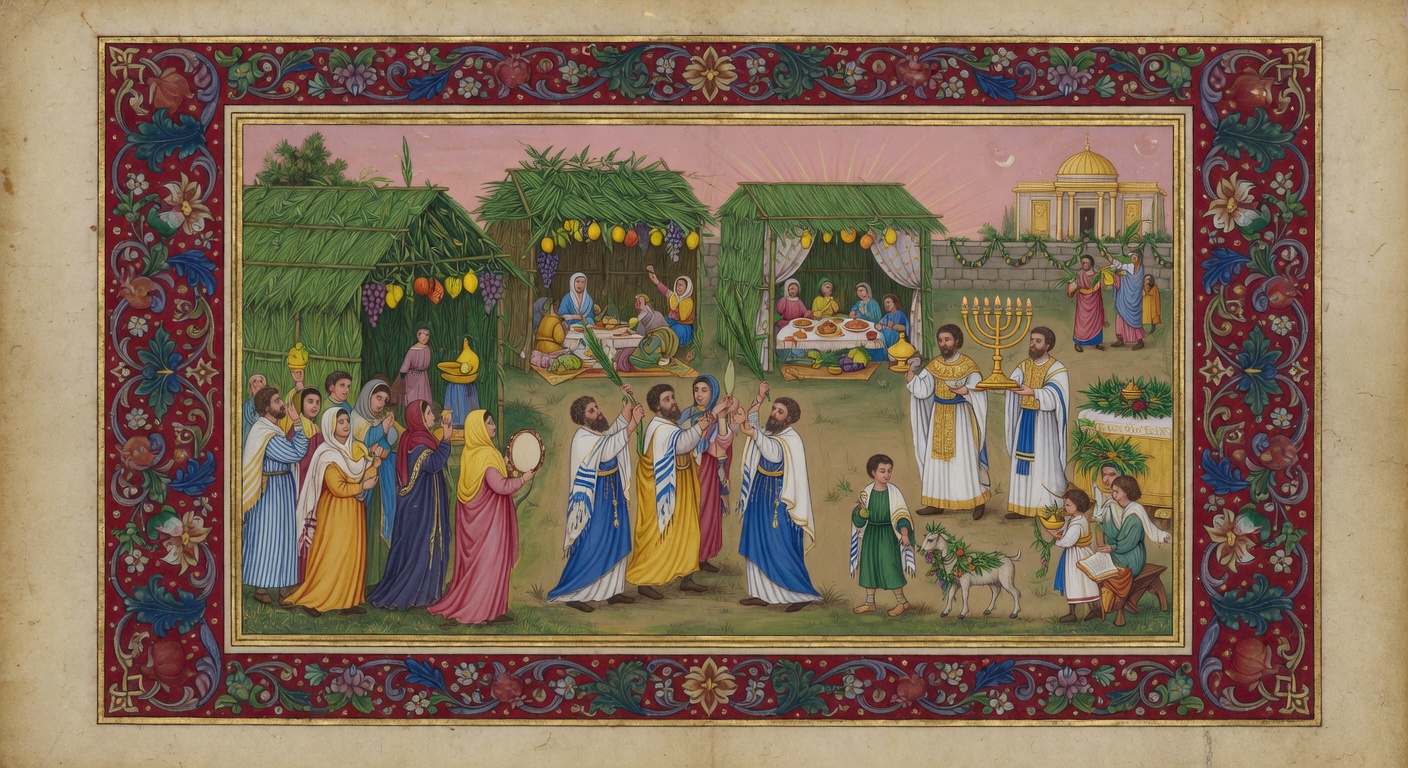
15th-21st of Tishri (September/October)During the Feast of Tabernacles the children of Israel constructed temporary booths and dwelt in them for seven days in the seventh month, recalling how the Lord sheltered them amid the wilderness wanderings after their deliverance from Egypt. This joyful observance, the most celebratory of the annual feasts, highlighted God's faithful provision of food, water, and guidance throughout their journey, while pointing ahead to the time when He would dwell permanently among His redeemed people. In the days of Nehemiah the people renewed this feast with great gladness, and the Savior later used its imagery of living water to invite all who thirst to come unto Him.
Fulfillment: Jesus may have been born during Tabernacles (God tabernacling among us). Points to the Millennium wh...
Historical Feasts
-
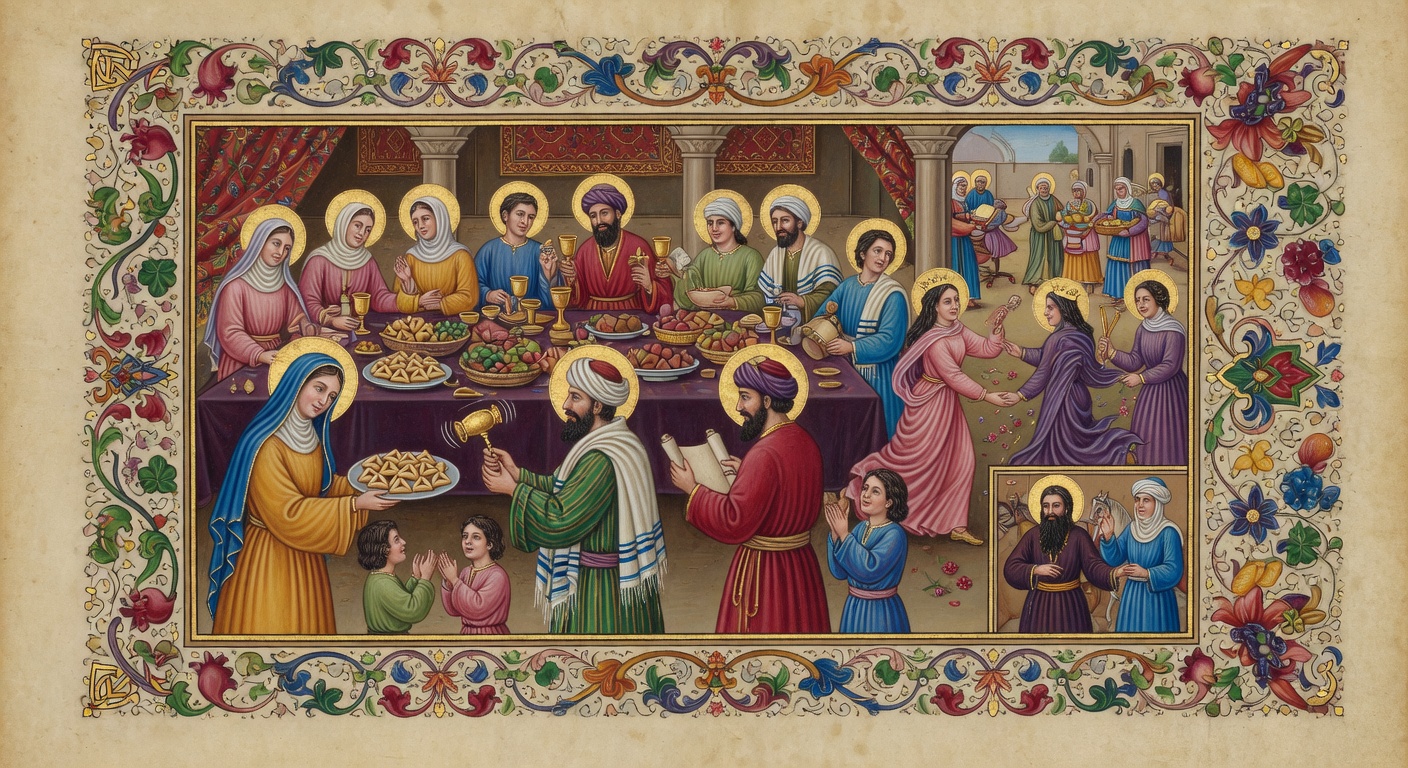
Purim
14th-15th of Adar (February/March)Purim commemorates the deliverance of the Jewish people from a genocidal plot in the Persian Empire, as recorded in the book of Esther. The official Haman cast lots called pur to select the date for destroying the Jews, but Queen Esther and her cousin Mordecai intervened at great personal risk, leading the king to reverse the decree and grant the Jews victory over their enemies. This event underscores God's providential protection of His covenant people, even in a book where His name is never explicitly mentioned. The annual observance reinforces scriptural themes of courage, justice, and divine sovereignty amid human schemes.
Fulfillment: Pictures God's preservation of Israel through all attempts at destruction throughout history....
-
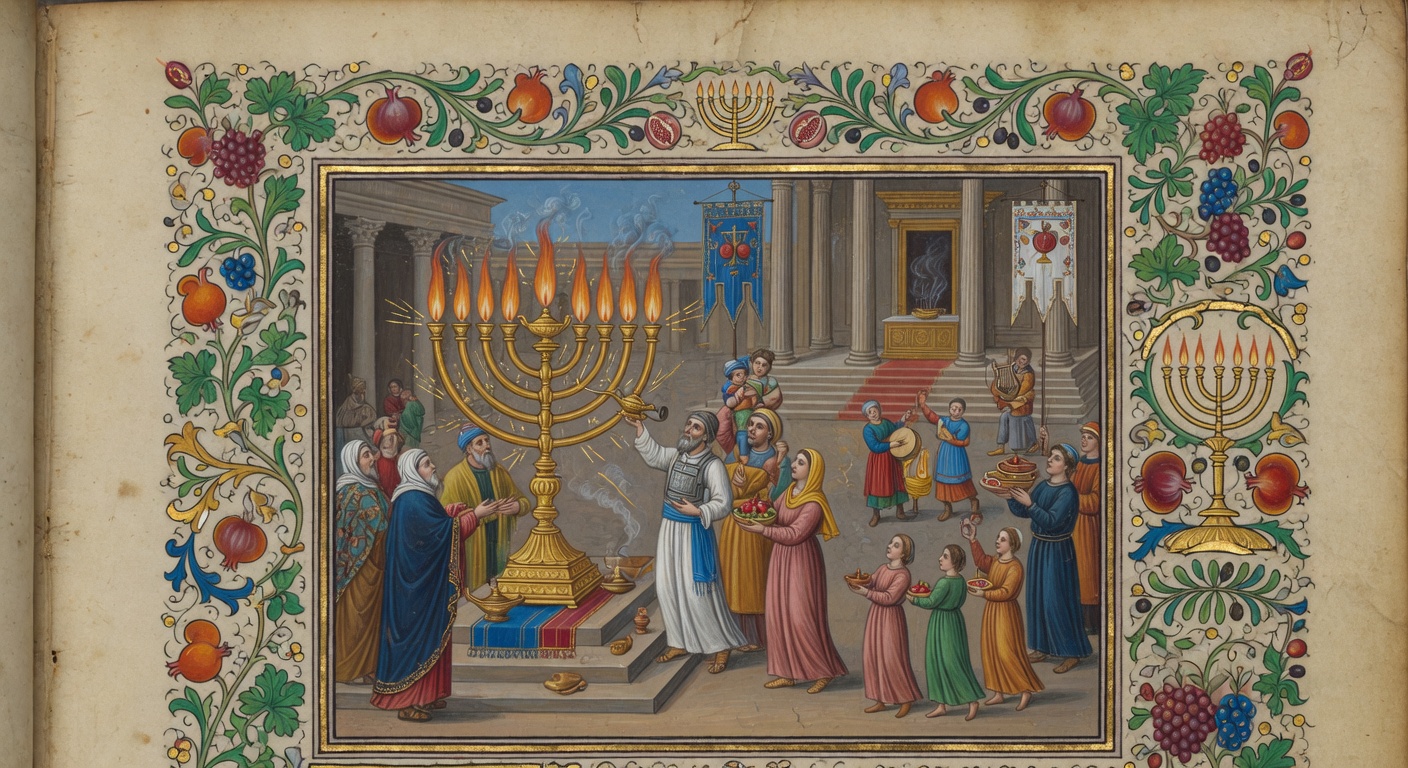
Hanukkah (Feast of Dedication)
25th of Kislev (November/December, 8 days)The Feast of Dedication commemorates the rededication of the temple after the Maccabean revolt restored the freedom to worship according to God's law. Through the miracle of the oil that lasted eight days, it testifies to the Lord's faithfulness in preserving his people's light amid darkness and oppression. Jesus attended this feast in Jerusalem and there declared himself the light of the world, revealing the true source of enduring spiritual freedom.
Fulfillment: Jesus declared Himself the Light of the World during this Festival of Lights. He is the true temple....
Sabbatical Cycles
-
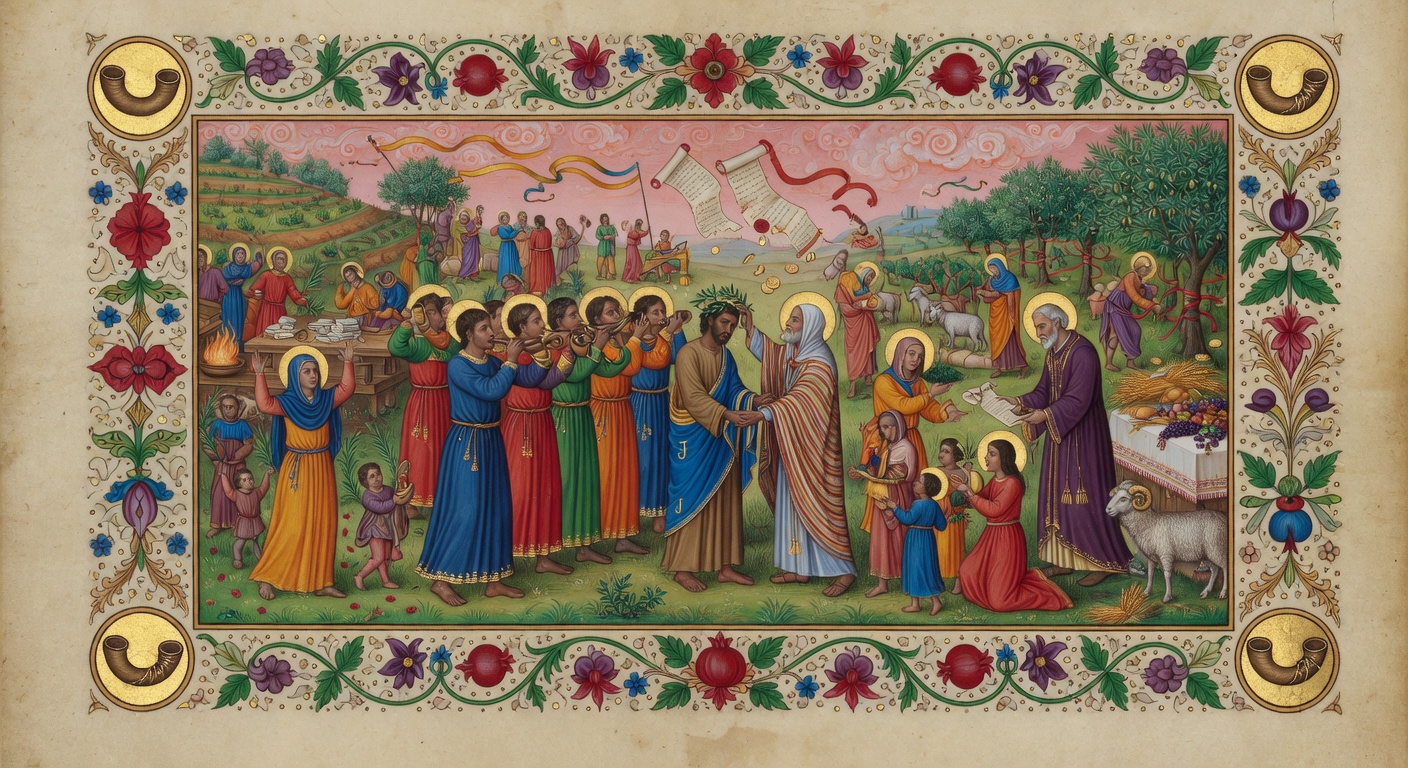
Year of Jubilee
Every 50th year (after 7 cycles of 7 years)The year of jubilee marked the culmination of seven sabbatical cycles, bringing a profound release every fifty years in which debts were forgiven, slaves were set free, and family lands were restored to their original owners. This divine ordinance underscored that the land ultimately belonged to God and that his people were not to be held in perpetual bondage by creditors, thereby preventing the entrenchment of poverty across generations. In the redemptive narrative, it foreshadowed the ultimate liberty proclaimed by Christ when he read from Isaiah concerning the acceptable year of the Lord, pointing to spiritual freedom and restoration for all.
Fulfillment: Jesus announced His ministry by reading the Jubilee passage from Isaiah. He brings ultimate freedom ...
-
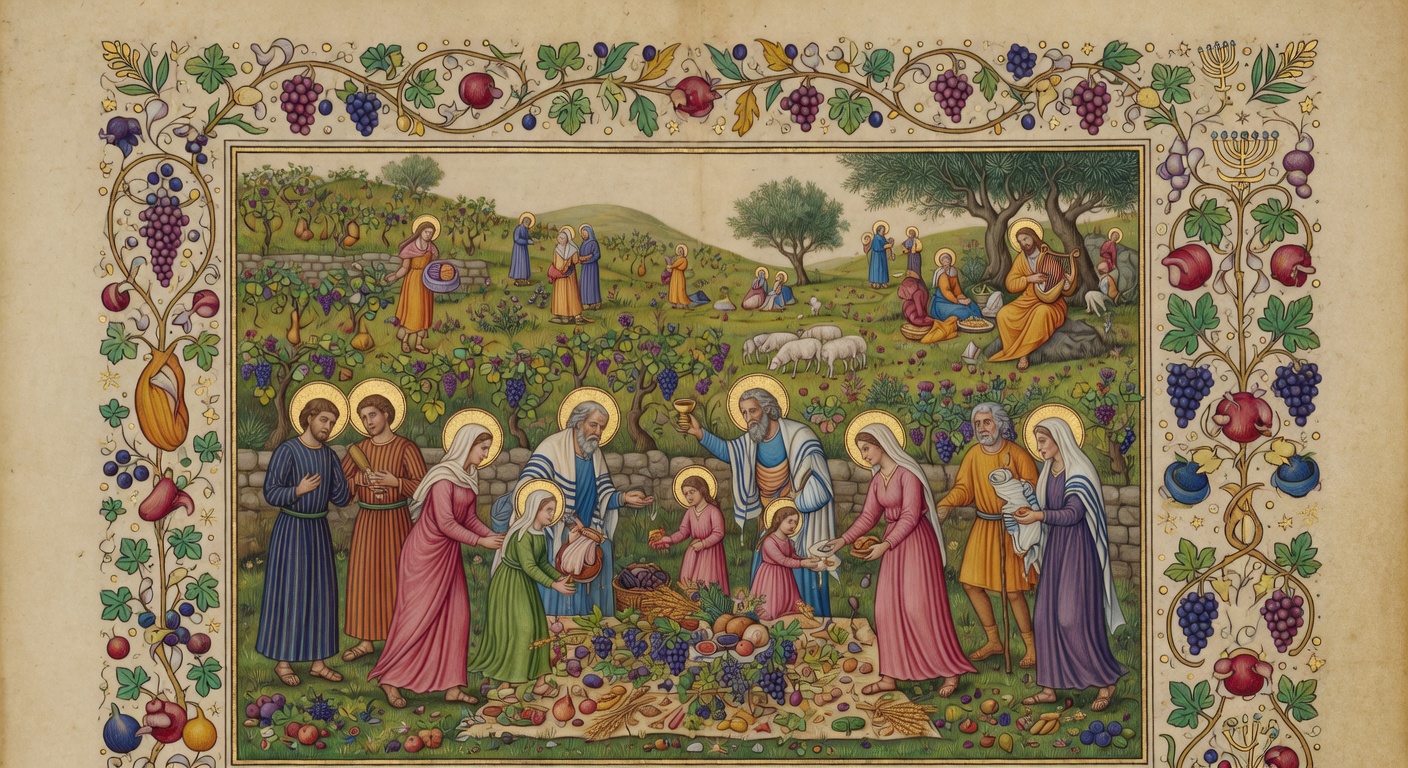
Sabbatical Year (Shmita)
Every 7th yearEvery seventh year the people of Israel were commanded to let their fields lie fallow, refraining from sowing or pruning so that the land itself might enjoy rest and whatever grew of its own accord could be freely gathered by all. This practice cultivated a profound trust in God's promise to provide abundantly from the previous year's harvest, while also releasing debts among fellow Israelites to prevent the cycle of permanent poverty and indebtedness. In this way the Sabbatical Year wove together ecological renewal, communal generosity, and reliance on divine faithfulness within the ongoing story of redemption.
Fulfillment: Points to the ultimate rest and provision found in Christ. God promised a triple harvest in the sixt...