Purim
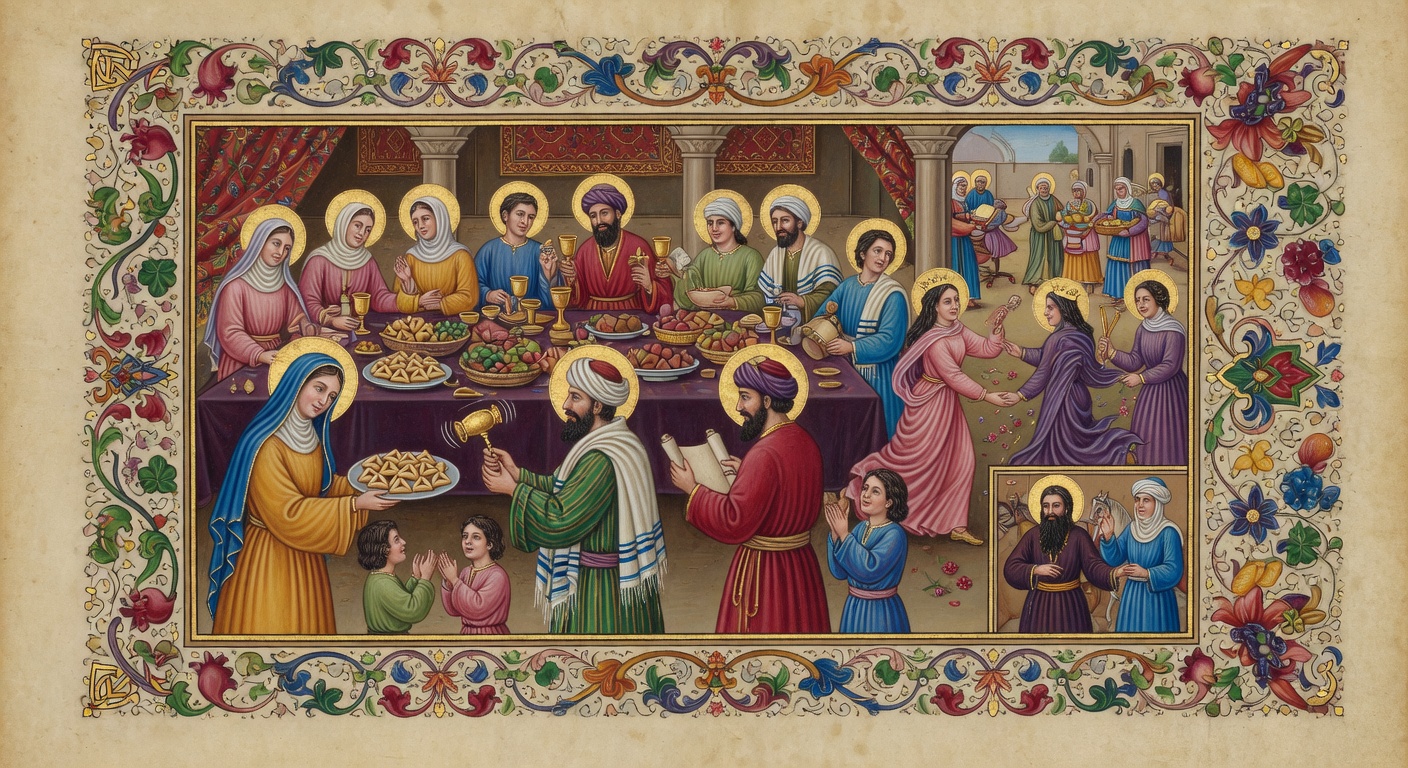
Purim commemorates the deliverance of the Jewish people from a genocidal plot in the Persian Empire, as recorded in the book of Esther. The official Haman cast lots called pur to select the date for destroying the Jews, but Queen Esther and her cousin Mordecai intervened at great personal risk, leading the king to reverse the decree and grant the Jews victory over their enemies. This event underscores God's providential protection of His covenant people, even in a book where His name is never explicitly mentioned. The annual observance reinforces scriptural themes of courage, justice, and divine sovereignty amid human schemes.
Details
- Category
- Historical Feasts
- Hebrew Name
- Purim
- Timing
- 14th-15th of Adar (February/March)
- Calendar
- Adar (12th month), 14th-15th
- Season
- Late Winter
- Observance
- Reading the book of Esther, feasting, giving gifts to the poor, celebration and joy.
Significance
Demonstrates God's providential protection of His people even when His name is not explicitly mentioned (as in Esther).
New Testament Fulfillment
Pictures God's preservation of Israel through all attempts at destruction throughout history.
Key Passages
Purim Established
Esther 9:20-28
 20nd Mordecai wrote these things, and sent letters unto all the Jews that were in all the provinces of the king Ahasuerus, both nigh and far,
Haman's Plot
Esther 3:7-13
 7n the first month, that is, the month Nisan, in the twelfth year of king Ahasuerus, they cast Pur, that is, the lot, before Haman from day to day, and from month to month, to the twelfth month, that is, the month Adar.
Esther's Courage
Esther 4:14-16
 14or if thou altogether holdest thy peace at this time, then shall there enlargement and deliverance arise to the Jews from another place; but thou and thy father’s house shall be destroyed: and who knoweth whether thou art come to the kingdom for such a time as this?
Did You Know?
Purim celebrates the events of the book of Esther. The only biblical book that never mentions God by name.
The name comes from 'pur' (lot). Haman cast lots to choose the date for destroying the Jews.
It is the most festive Jewish holiday. Traditionally celebrated with costumes, plays, and feasting.
The story shows God's providence working through 'coincidences' even when He seems silent.