
Conquest of Canaan (Southern Campaign)
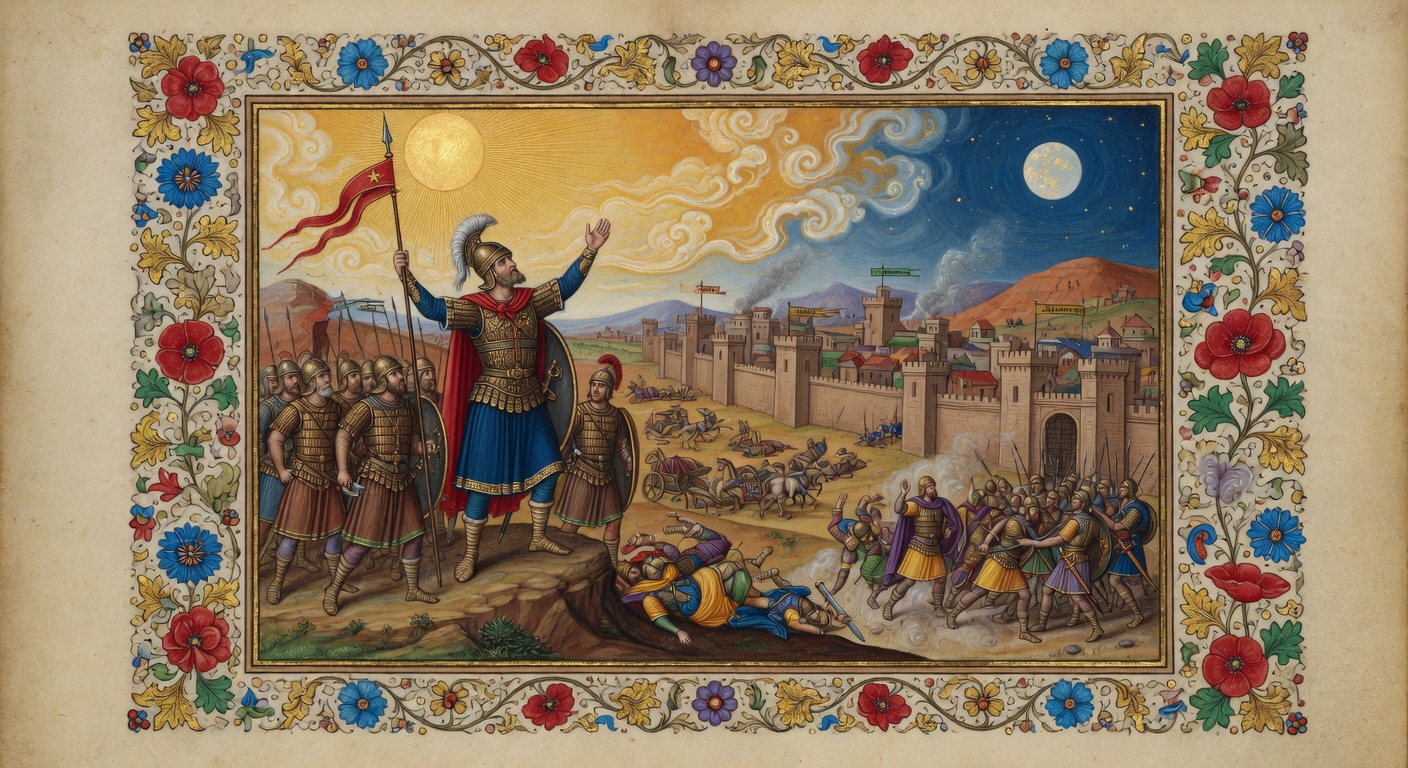
Illustration of Conquest of Canaan (Southern Campaign)

The southern campaign of the Conquest of Canaan involved Joshua leading the Israelite forces in a swift series of victories against a coalition of southern Canaanite city-states, prompted by the Gibeonite alliance and following the miraculous event where the sun stood still. After defeating the Amorite kings at Gibeon, Joshua pursued and captured key cities including Makkedah, Libnah, Lachish, Hebron, and Debir, utterly destroying their inhabitants as commanded by God. This campaign was crucial in securing the southern portion of the Promised Land for the Israelites, fulfilling God's covenant promises to Abraham and demonstrating His power through supernatural interventions in battle. In Scripture, it underscores themes of obedience, divine warfare, and the establishment of Israel in Canaan as recorded in the Book of Joshua.

0:00

Details

Era
Exodus & Conquest
Category
Conquest
Participants
Israel vs. Southern Canaanite Coalition
Outcome
Five southern kings defeated in one day
Divine Intervention
Yes

Key Passages

The Campaign

Joshua 10:28-43
A28nd that day Joshua took Makkedah, and smote it with the edge of the sword, and the king thereof he utterly destroyed, them, and all the souls that were therein; he let none remain: and he did to the king of Makkedah as he did unto the king of Jericho.

29 Then Joshua passed from Makkedah, and all Israel with him, unto Libnah, and fought against Libnah: 30 And the LORD delivered it also, and the king thereof, into the hand of Israel; and he smote it with the edge of the sword, and all the souls that were therein; he let none remain in it; but did unto the king thereof as he did unto the king of Jericho. 31 And Joshua passed from Libnah, and all Israel with him, unto Lachish, and encamped against it, and fought against it: 32 And the LORD delivered Lachish into the hand of Israel, which took it on the second day, and smote it with the edge of the sword, and all the souls that were therein, according to all that he had done to Libnah. 33 Then Horam king of Gezer came up to help Lachish; and Joshua smote him and his people, until he had left him none remaining. 34 And from Lachish Joshua passed unto Eglon, and all Israel with him; and they encamped against it, and fought against it: 35 And they took it on that day, and smote it with the edge of the sword, and all the souls that were therein he utterly destroyed that day, according to all that he had done to Lachish. 36 And Joshua went up from Eglon, and all Israel with him, unto Hebron; and they fought against it: 37 And they took it, and smote it with the edge of the sword, and the king thereof, and all the cities thereof, and all the souls that were therein; he left none remaining, according to all that he had done to Eglon; but destroyed it utterly, and all the souls that were therein. 38 And Joshua returned, and all Israel with him, to Debir; and fought against it: 39 And he took it, and the king thereof, and all the cities thereof; and they smote them with the edge of the sword, and utterly destroyed all the souls that were therein; he left none remaining: as he had done to Hebron, so he did to Debir, and to the king thereof; as he had done also to Libnah, and to her king. 40 So Joshua smote all the country of the hills, and of the south, and of the vale, and of the springs, and all their kings: he left none remaining, but utterly destroyed all that breathed, as the LORD God of Israel commanded. 41 And Joshua smote them from Kadeshbarnea even unto Gaza, and all the country of Goshen, even unto Gibeon. 42 And all these kings and their land did Joshua take at one time, because the LORD God of Israel fought for Israel. 43 And Joshua returned, and all Israel with him, unto the camp to Gilgal.

Did You Know?

1

The entire conquest of Canaan took approximately 7 years.

2

31 kings were defeated during the conquest. Showing how fragmented Canaan was politically.

3

Archaeological evidence shows many Canaanite cities were destroyed in a short period around 1400-1200 BC.