1 John 4 KJV
God Is Love
1 John Chapter 4: God Is Love
This chapter explores themes of Love, Spiritual Warfare. The chapter's criterion for testing spirits. Explicit confession that Jesus Christ 'is come in the flesh'. Functions as a direct rebuttal to docetic tendencies that would separate the divine Christ from physical incarnation, grounding orthodoxy in embodied reality.
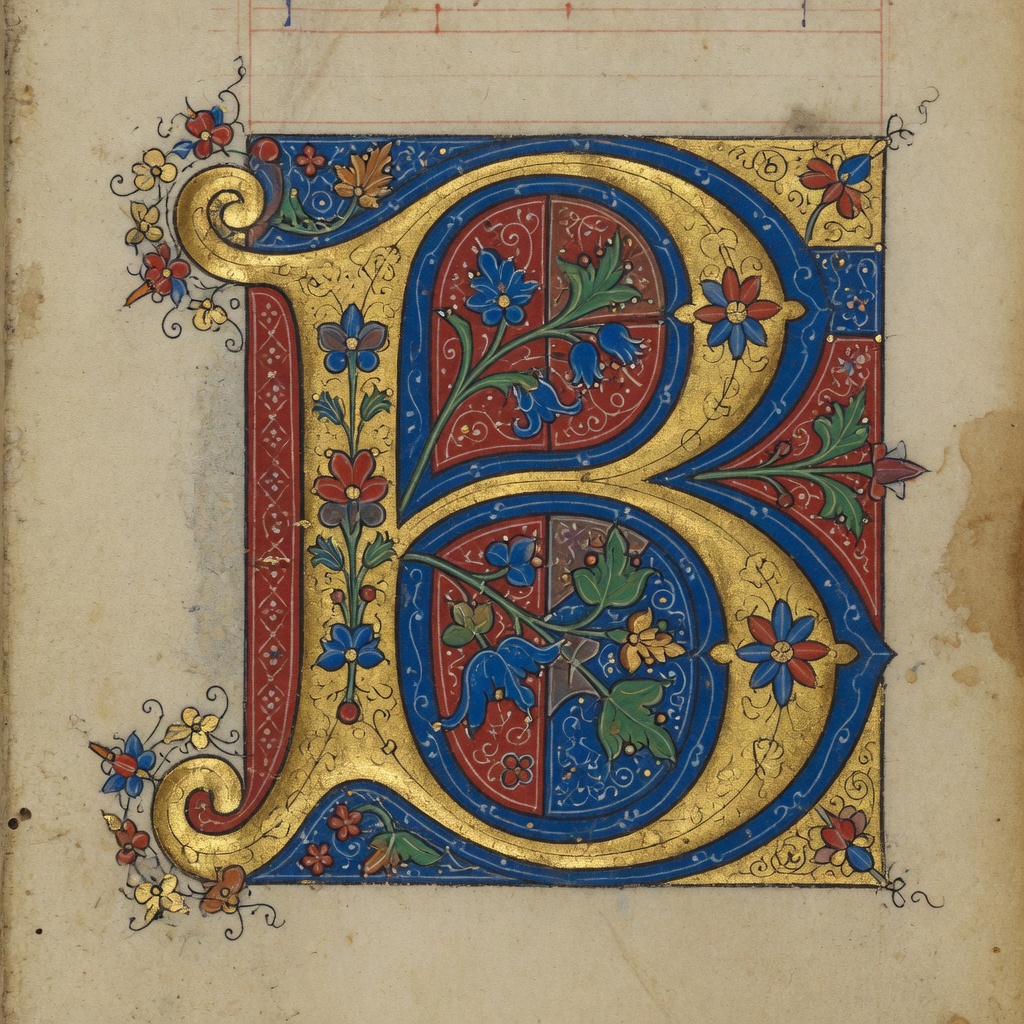 1eloved, believe not every spirit, but try the spirits whether they are of God: because many false prophets are gone out into the world.
2 Hereby know ye the Spirit of God: Every spirit that confesseth that Jesus Christ is come in the flesh is of God:
3 And every spirit that confesseth not that Jesus Christ is come in the flesh is not of God: and this is that spirit of antichrist, whereof ye have heard that it should come; and even now already is it in the world.
4 Ye are of God, little children, and have overcome them: because greater is he that is in you, than he that is in the world.
5 They are of the world: therefore speak they of the world, and the world heareth them.
6 We are of God: he that knoweth God heareth us; he that is not of God heareth not us. Hereby know we the spirit of truth, and the spirit of error.
7 Beloved, let us love one another: for love is of God; and every one that loveth is born of God, and knoweth God.
8 He that loveth not knoweth not God; for God is love.
9 In this was manifested the love of God toward us, because that God sent his only begotten Son into the world, that we might live through him.
10 Herein is love, not that we loved God, but that he loved us, and sent his Son to be the propitiation for our sins.
11 Beloved, if God so loved us, we ought also to love one another.
12 No man hath seen God at any time. If we love one another, God dwelleth in us, and his love is perfected in us.
13 Hereby know we that we dwell in him, and he in us, because he hath given us of his Spirit.
14 And we have seen and do testify that the Father sent the Son to be the Saviour of the world.
15 Whosoever shall confess that Jesus is the Son of God, God dwelleth in him, and he in God.
16 And we have known and believed the love that God hath to us. God is love; and he that dwelleth in love dwelleth in God, and God in him.
17 Herein is our love made perfect, that we may have boldness in the day of judgment: because as he is, so are we in this world.
18 There is no fear in love; but perfect love casteth out fear: because fear hath torment. He that feareth is not made perfect in love.
19 We love him, because he first loved us.
20 If a man say, I love God, and hateth his brother, he is a liar: for he that loveth not his brother whom he hath seen, how can he love God whom he hath not seen?
21 And this commandment have we from him, That he who loveth God love his brother also.
← → arrow keys to navigate chapters · spacebar to play/pause audio
Did You Know?
The chapter's criterion for testing spirits. Explicit confession that Jesus Christ 'is come in the flesh'. Functions as a direct rebuttal to docetic tendencies that would separate the divine Christ from physical incarnation, grounding orthodoxy in embodied reality.
By declaring twice that 'God is love' within a single discourse on mutual love, the text presents divine essence itself as inherently relational and outgoing, rather than an abstract attribute that believers merely imitate.
The assertion that 'no man hath seen God at any time' is immediately followed by the claim that God is visibly manifested when believers love one another, creating a theology of mediated divine presence through human community.
The phrase 'perfect love casteth out fear' is tied specifically to eschatological confidence 'in the day of judgment,' transforming an emotional assurance into a legal and forensic reality based on abiding in love.
The statement 'we love him, because he first loved us' reverses the expected direction of ancient religious reciprocity, positioning divine initiative as the sole origin of human love and eliminating any possibility of meriting God's affection.