Abel
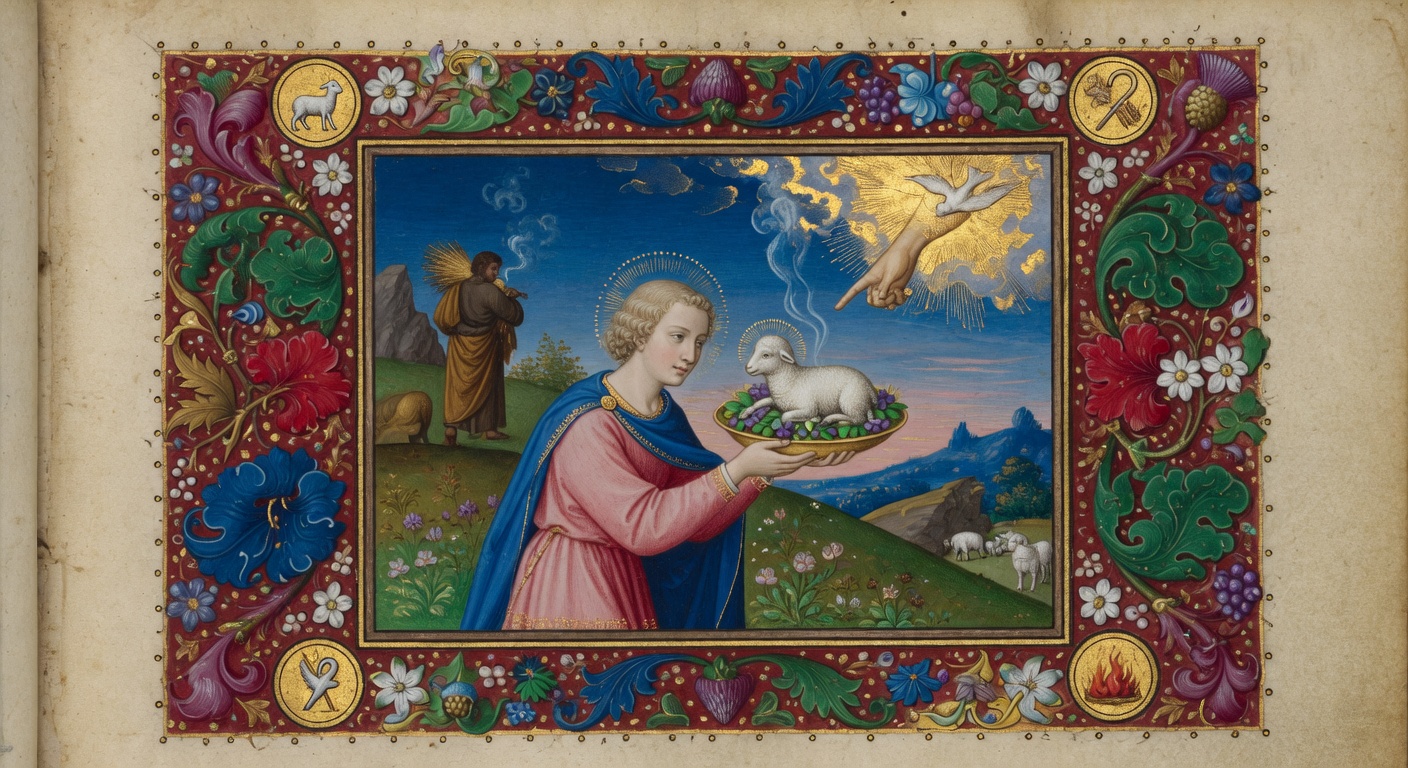
Abel, the second son of Adam and Eve, presented an offering from the firstborn of his flock that found favor with God, in contrast to his brother Cain’s fruit of the ground. Envious of this acceptance, Cain lured Abel into a field and killed him, committing the first murder recorded in Scripture and illustrating the rapid spread of sin after humanity’s fall. The account in Genesis 4 underscores themes of genuine worship, divine justice, and the consequences of unchecked anger, while Abel’s blood is later described as crying out to God. In the New Testament, Abel is cited as an exemplar of faith whose righteous death points forward to the ultimate sacrifice of Christ.
Biography
- Occupation
- Shepherd
- Father
- Adam
- Mother
- Eve
- Era
- Pre-Flood
Family
Did You Know?
Abel's Hebrew name Hevel means vapor or breath, a word later central to Ecclesiastes' theme of life's transience and likely chosen to underscore how briefly he lived before his murder.
Genesis presents Abel as the first person explicitly called a shepherd, whose practice of selecting firstborn animals and their fat portions for sacrifice reflects an early preference for blood offerings over produce that later shaped Israelite ritual law.
The text states that Abel's blood cried out from the ground to God, an image that portrays the earth itself as a witness and participant in human violence rather than a passive setting.
Jesus identifies Abel as the first righteous martyr whose blood stands at the head of a line of innocent victims extending to Zechariah, thereby linking a pre-Flood figure to first-century concerns about prophetic rejection.
Although Cain is the elder brother, the narrative grants Abel narrative priority by recording God's acceptance of his offering before any detail is given about Cain's, signaling that divine favor rather than birth order determines blessing in the earliest generations.
Key Passages
Abel's Acceptable Offering
Genesis 4:1-7
This passage shows that God values offerings brought with sincere faith and a right heart.
 1nd Adam knew Eve his wife; and she conceived, and bare Cain, and said, I have gotten a man from the LORD.
Abel's Murder
Genesis 4:8-12
This passage reveals how unchecked anger destroys relationships while showing God's justice and care for the innocent.
8nd Cain talked with Abel his brother: and it came to pass, when they were in the field, that Cain rose up against Abel his brother, and slew him.
Faith of Abel
Hebrews 11:4
Abel's example shows that sincere faith offers God our best and leaves an enduring witness that still inspires others today.
 4y faith Abel offered unto God a more excellent sacrifice than Cain, by which he obtained witness that he was righteous, God testifying of his gifts: and by it he being dead yet speaketh.