Dorcas
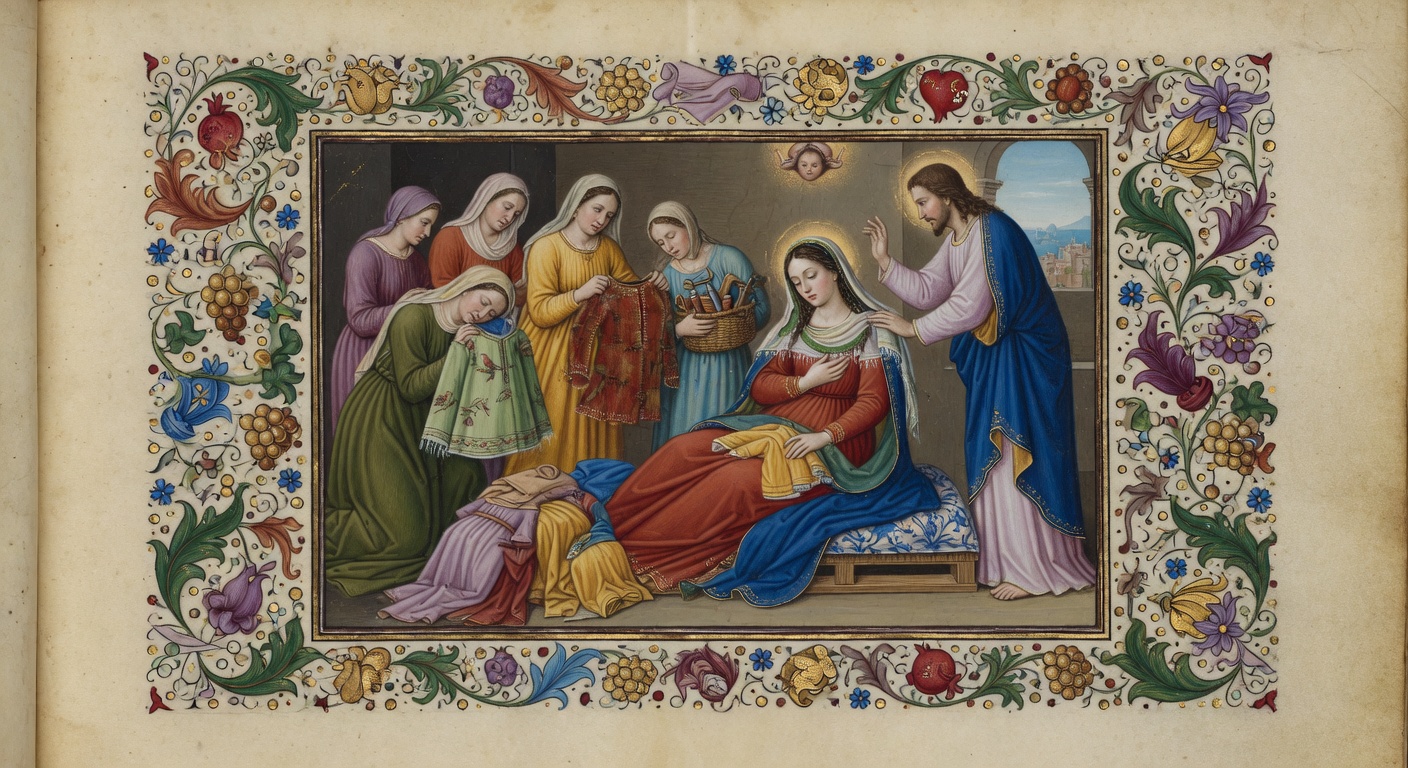
Dorcas, also known as Tabitha, was a Christian disciple living in Joppa who was renowned for her acts of charity and for making clothing for the poor. She is significant in the New Testament as one of the few individuals raised from the dead through apostolic ministry, highlighting the power of prayer and faith in the early church.
Biography
- Occupation
- seamstress and charitable worker
- Era
- 1st century
- Nationality
- Jewish
Did You Know?
Dorcas is the only woman in the entire New Testament explicitly called a "disciple" using the feminine Greek term mathetria in Acts 9:36.
Both her names Tabitha (Aramaic) and Dorcas (Greek) mean "gazelle," a detail underscoring the bilingual Jewish-Greek culture of first-century coastal Judea.
The widows mourning her death personally displayed the coats and garments she had sewn for them to Peter, highlighting her hands-on role in direct charity rather than mere patronage.
Her resurrection by Peter is one of only three such miracles recorded in Acts and led directly to many conversions in Joppa, amplifying the early church's witness beyond the event itself.
Joppa's location as a key Mediterranean port meant Dorcas's charitable network likely served both local Jewish poor and travelers, reflecting the strategic role of port cities in spreading early Christianity.
Key Passages
Dorcas Raised to Life
Acts 9:36-42
This passage recounts Dorcas falling sick and dying, followed by her miraculous restoration to life through Peter's prayer.
 36ow there was at Joppa a certain disciple named Tabitha, which by interpretation is called Dorcas: this woman was full of good works and almsdeeds which she did.
Widows Show Garments
Acts 9:39-40
The widows display the tunics and garments Dorcas made, underscoring her reputation for good works before Peter raises her.
 39hen Peter arose and went with them. When he was come, they brought him into the upper chamber: and all the widows stood by him weeping, and shewing the coats and garments which Dorcas made, while she was with them.