The Prodigal Son
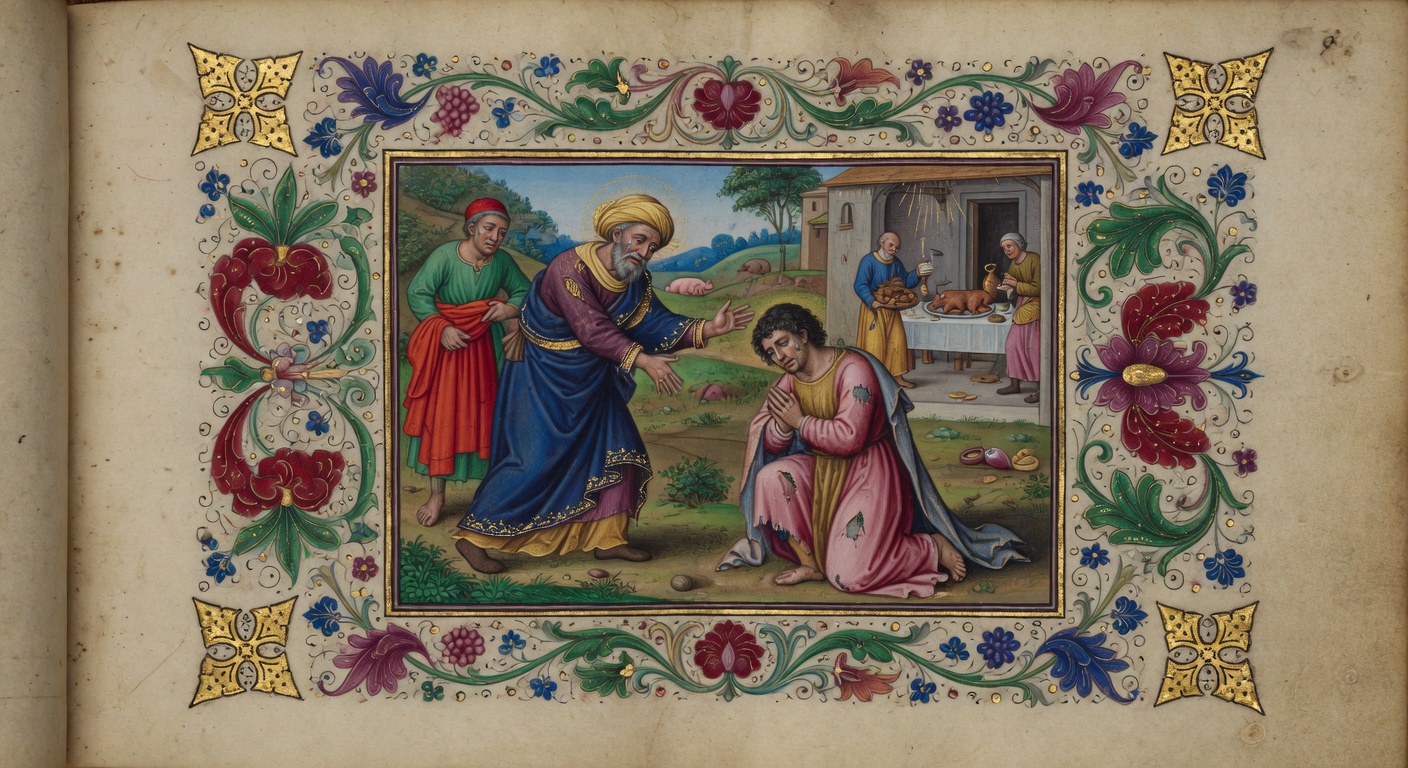
The Prodigal Son appears in Jesus' parable in Luke 15, told to explain God's attitude toward sinners and the joy that accompanies repentance. In the account, a younger son requests his inheritance early, leaves home, and wastes the money on reckless living until he faces starvation and returns seeking only a servant's position. His father instead runs to meet him, restores his status, and holds a feast, while the older brother objects to the unearned welcome. The narrative highlights themes of unconditional forgiveness and grace that remain central to Christian teaching on salvation and the Father's heart toward the lost.
Biography
- Occupation
- Son (parable character)
- Father
- The Father in the parable
- Era
- New Testament (c. AD 30)
- Also Known As
- The Lost Son, The Younger Son
Family
Did You Know?
In first-century Jewish culture, a younger son requesting his inheritance while his father lived was equivalent to wishing him dead, an unprecedented act of dishonor that would have left listeners stunned.
The father's undignified sprint toward the returning prodigal violated ancient Mediterranean norms, where elderly patriarchs maintained solemn dignity and never ran in public.
Restoration symbols like the robe, signet ring, and sandals reinstated the son with honor, legal authority, and freedom, reversing his self-imposed status as a hired servant.
The parable ends abruptly with the elder brother's refusal to enter the feast, leaving the narrative open-ended to challenge Pharisees who mirrored his resentment toward Jesus' outreach to sinners.
Feeding pigs represented the ultimate degradation for a Jewish man, as swine were unclean animals whose care violated Torah purity laws and reduced him to subhuman labor.
Key Passages
Parable of the Prodigal Son
Luke 15:11-32
This parable shows God's boundless love and forgiveness, always ready to welcome home anyone who turns back to Him.
 11nd he said, A certain man had two sons: