Ecclesiastes 10 KJV
Wisdom and Foolishness
Ecclesiastes Chapter 10: Wisdom and Foolishness
The opening metaphor of dead flies spoiling the perfumer's oil (v.1) echoes ancient Egyptian and Mesopotamian wisdom texts on how minor ritual impurities could invalidate priestly or royal status, underscoring Qoheleth's point that even established reputation offers no buffer against folly's contagion.
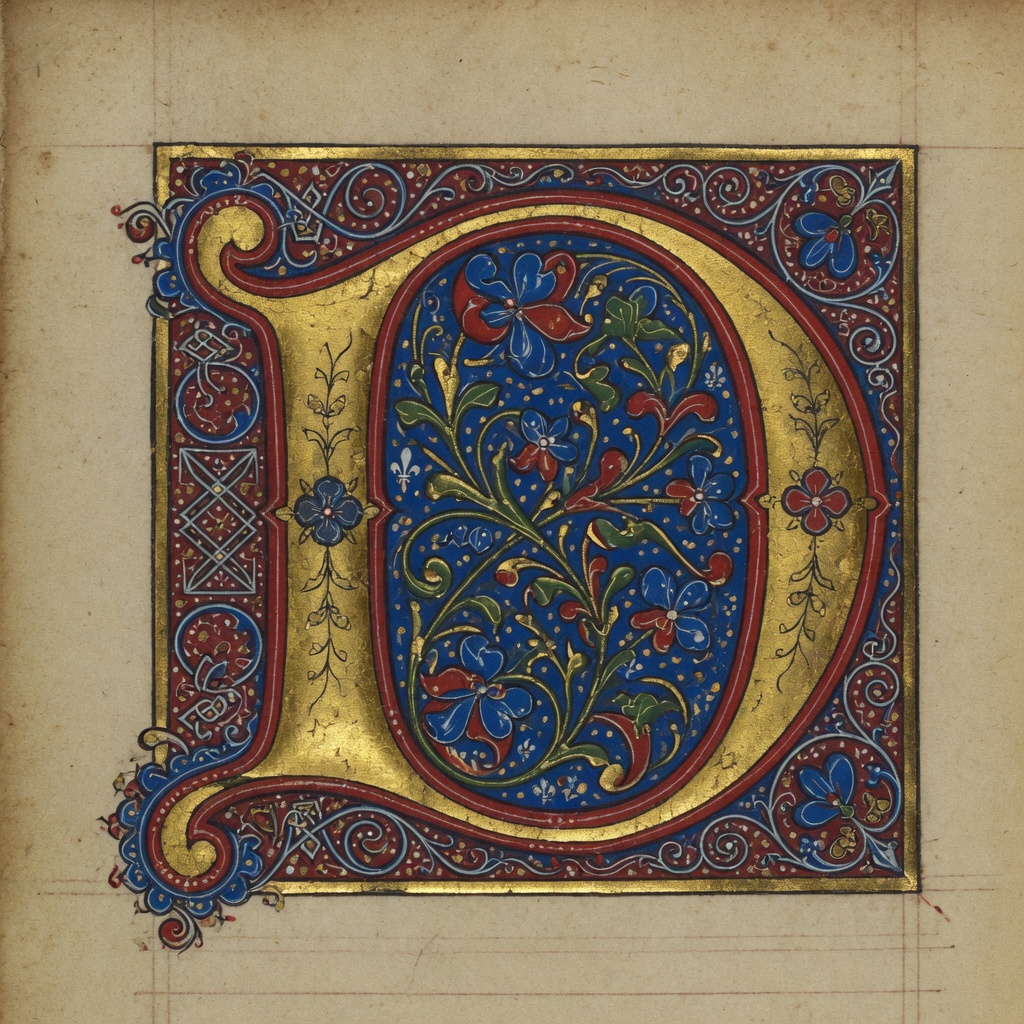 1ead flies cause the ointment of the apothecary to send forth a stinking savour: so doth a little folly him that is in reputation for wisdom and honour.
2 A wise man’s heart is at his right hand; but a fool’s heart at his left.
3 Yea also, when he that is a fool walketh by the way, his wisdom faileth him, and he saith to every one that he is a fool.
4 If the spirit of the ruler rise up against thee, leave not thy place; for yielding pacifieth great offences.
5 There is an evil which I have seen under the sun, as an error which proceedeth from the ruler:
6 Folly is set in great dignity, and the rich sit in low place.
7 I have seen servants upon horses, and princes walking as servants upon the earth.
8 He that diggeth a pit shall fall into it; and whoso breaketh an hedge, a serpent shall bite him.
9 Whoso removeth stones shall be hurt therewith; and he that cleaveth wood shall be endangered thereby.
10 If the iron be blunt, and he do not whet the edge, then must he put to more strength: but wisdom is profitable to direct.
11 Surely the serpent will bite without enchantment; and a babbler is no better.
12 The words of a wise man’s mouth are gracious; but the lips of a fool will swallow up himself.
13 The beginning of the words of his mouth is foolishness: and the end of his talk is mischievous madness.
14 A fool also is full of words: a man cannot tell what shall be; and what shall be after him, who can tell him?
15 The labour of the foolish wearieth every one of them, because he knoweth not how to go to the city.
16 Woe to thee, O land, when thy king is a child, and thy princes eat in the morning!
17 Blessed art thou, O land, when thy king is the son of nobles, and thy princes eat in due season, for strength, and not for drunkenness!
18 By much slothfulness the building decayeth; and through idleness of the hands the house droppeth through.
19 A feast is made for laughter, and wine maketh merry: but money answereth all things.
20 Curse not the king, no not in thy thought; and curse not the rich in thy bedchamber: for a bird of the air shall carry the voice, and that which hath wings shall tell the matter.
← → arrow keys to navigate chapters · spacebar to play/pause audio
Did You Know?
The opening metaphor of dead flies spoiling the perfumer's oil (v.1) echoes ancient Egyptian and Mesopotamian wisdom texts on how minor ritual impurities could invalidate priestly or royal status, underscoring Qoheleth's point that even established reputation offers no buffer against folly's contagion.
The right/left heart imagery in v.2 draws on ancient Near Eastern bodily symbolism where the right hand represented order, blessing, and divine favor while the left evoked chaos and rejection, framing moral orientation as a cosmic rather than merely psychological reality.
Verse 4's counsel not to abandon one's post under an angry ruler reflects courtly protocol in Persian and Hellenistic administrations, where abrupt departure could be interpreted as disloyalty, aligning with Ecclesiastes' pragmatic navigation of imperial power structures.
The chain of mishaps in vv.8-9 (pit, serpent, stones, wood) forms a subtle chiasm that inverts the expected cause-effect of labor, theologically illustrating how human attempts to master creation boomerang due to the world's inherent brokenness rather than mere accident.
The warning against cursing the king even in private thought (v.20), with its bird-as-informer motif, parallels both ancient spy networks in Achaemenid courts and folklore about avian tattletales, reinforcing the chapter's theme that no interior space escapes ultimate accountability.