Proverbs 9 KJV
Wisdom's Feast
Proverbs Chapter 9: Wisdom's Feast
This chapter explores themes of Wisdom. The seven pillars of Wisdom's house evoke the cosmic temple motif from ancient Near Eastern literature, portraying divine wisdom as the architect of universal order rather than merely a domestic hostess.
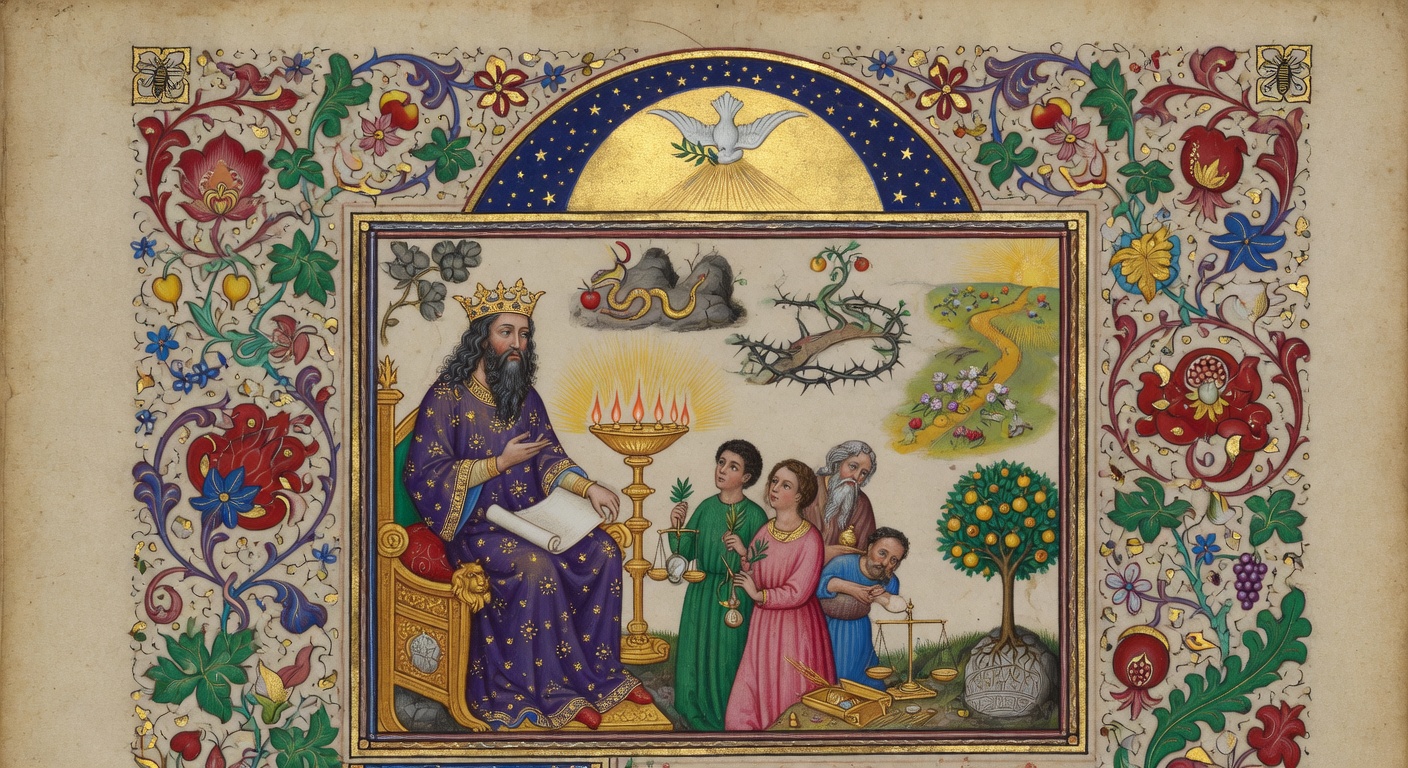
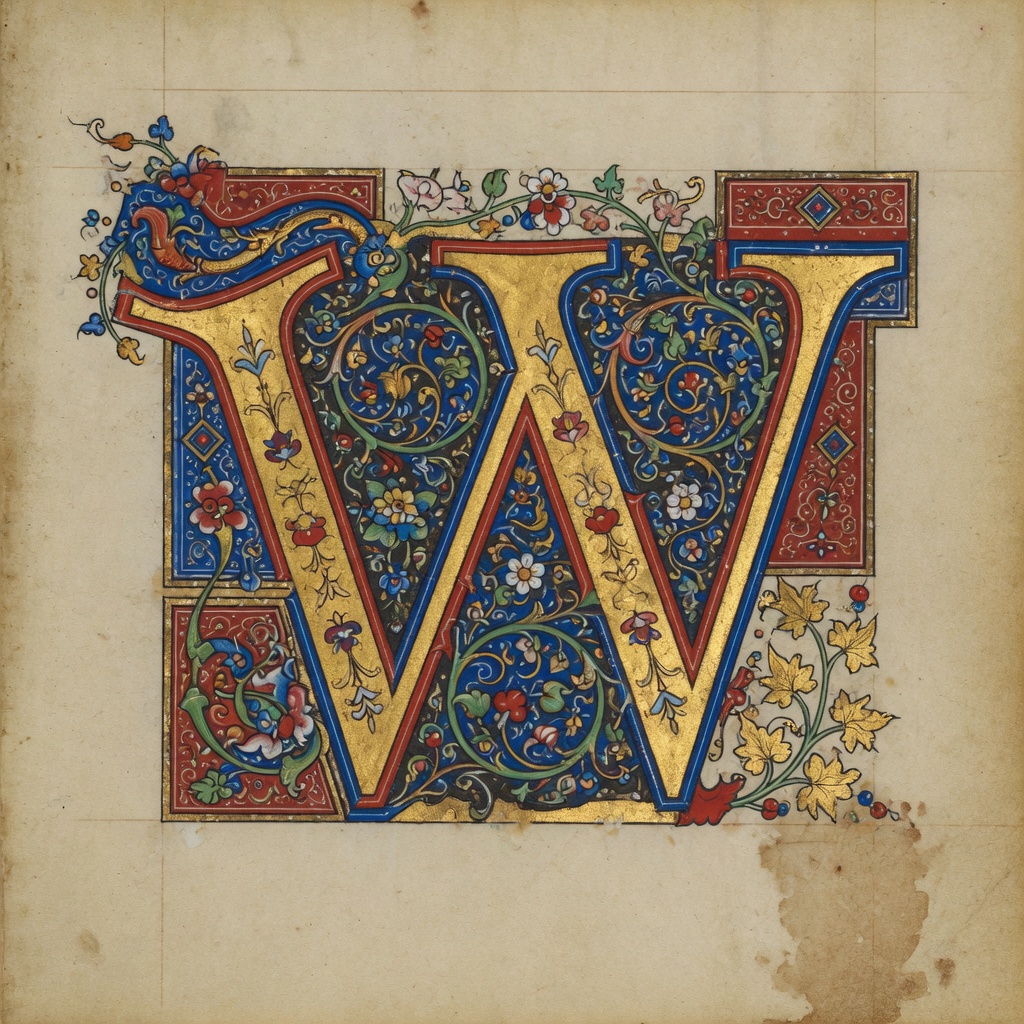 1isdom hath builded her house, she hath hewn out her seven pillars:
2 She hath killed her beasts; she hath mingled her wine; she hath also furnished her table.
3 She hath sent forth her maidens: she crieth upon the highest places of the city,
4 Whoso is simple, let him turn in hither: as for him that wanteth understanding, she saith to him,
5 Come, eat of my bread, and drink of the wine which I have mingled.
6 Forsake the foolish, and live; and go in the way of understanding.
7 He that reproveth a scorner getteth to himself shame: and he that rebuketh a wicked man getteth himself a blot.
8 Reprove not a scorner, lest he hate thee: rebuke a wise man, and he will love thee.
9 Give instruction to a wise man, and he will be yet wiser: teach a just man, and he will increase in learning.
10 The fear of the LORD is the beginning of wisdom: and the knowledge of the holy is understanding.
11 For by me thy days shall be multiplied, and the years of thy life shall be increased.
12 If thou be wise, thou shalt be wise for thyself: but if thou scornest, thou alone shalt bear it.
13 A foolish woman is clamorous: she is simple, and knoweth nothing.
14 For she sitteth at the door of her house, on a seat in the high places of the city,
15 To call passengers who go right on their ways:
16 Whoso is simple, let him turn in hither: and as for him that wanteth understanding, she saith to him,
17 Stolen waters are sweet, and bread eaten in secret is pleasant.
18 But he knoweth not that the dead are there; and that her guests are in the depths of hell.
← → arrow keys to navigate chapters · spacebar to play/pause audio
Did You Know?
The seven pillars of Wisdom's house evoke the cosmic temple motif from ancient Near Eastern literature, portraying divine wisdom as the architect of universal order rather than merely a domestic hostess.
Lady Wisdom's slaughter of beasts and mixing of wine deliberately mirrors covenant ratification rituals and temple sacrifices, transforming her banquet into an invitation to participate in sacred communion with God.
Verse 10's repetition of 'the fear of the LORD is the beginning of wisdom' functions as a deliberate inclusio with Proverbs 1:7, bookending the entire opening section on personified Wisdom.
The chapter's chiastic structure places the two rival invitations at the outer edges and the central call to 'forsake the foolish, and live' at the heart, emphasizing moral choice as the pivot between life and Sheol.
Folly's description as sitting 'on a seat in the high places of the city' directly inverts Wisdom's elevated position, presenting a demonic parody of sacred space that lures the simple into the underworld.
Commentary & Study Notes Jamieson-Fausset-Brown (1871) · Public Domain house — (compare Pr 8:34). her — or, "its" (the house). seven pillars — the number seven for many, or a sufficiency (Pr 6:31).
Classic verse-by-verse commentary on Proverbs 9 from Jamieson, Fausset & Brown (1871). Covers: The commendation of wisdom is continued, under the figure of a liberal host, and its provisions under that of a feast (compare lu 14:16-24). The character of those who are invited is followed by a contrasted description of the rejectors of good counsel; And with the invitations of wisdom are contrasted the allurement of the wicked woman.
- 1
- house — (compare Pr 8:34). her — or, "its" (the house). seven pillars — the number seven for many, or a sufficiency (Pr 6:31).
- 2
- mingled — to enhance the flavor (Pr 23:30; Isa 5:22). furnished — literally, "set out," "arranged."
Read all 14 notes on Proverbs 9 →