Obadiah (Prophet)
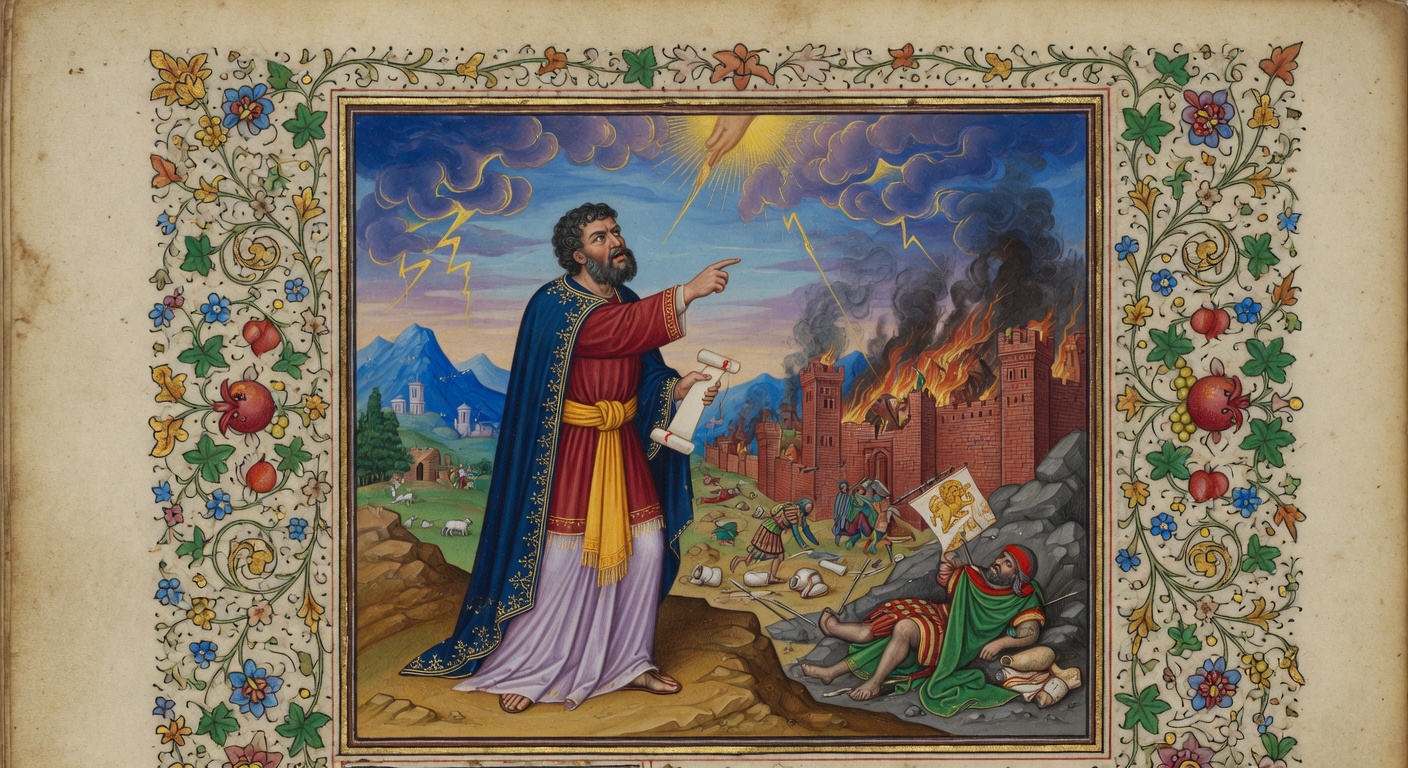
Obadiah, whose name means "servant of the Lord," is traditionally credited with authoring the shortest book in the Old Testament, consisting of just twenty-one verses. In this prophetic oracle, he pronounces divine judgment upon the nation of Edom for its arrogance and for exploiting Judah's vulnerability during the Babylonian invasion, rather than coming to the aid of their kin. This message underscores the biblical theme of God's sovereignty over all nations and His commitment to justice, serving as a reminder that betrayal and pride will ultimately lead to downfall while offering hope for the restoration of God's people.
Biography
- Occupation
- Prophet
- Era
- Exile (c. 586 BC)
Did You Know?
The prophet Obadiah shares his name with at least a dozen other figures in the Hebrew Bible, including an official in King Ahab's court who risked his life to protect one hundred prophets of Yahweh from Jezebel's persecution.
Obadiah's vision of Edom's downfall specifically mentions their inhabitation of "the clefts of the rock," referring to the mountainous strongholds like Sela that made Edom seem impregnable to ancient armies.
Although dated to the Babylonian exile around 586 BCE, Obadiah's book concludes with a promise that "the kingdom shall be the Lord's," a universalistic note rare in oracles focused solely on foreign nations.
Textual scholars note that verses 1-9 of Obadiah closely parallel Jeremiah 49:7-22, indicating that both prophets likely drew from an earlier common source concerning Edom's judgment.
Obadiah uniquely employs the Hebrew term "nekar" to describe Edom's betrayal as "strangers" carrying off Judah's wealth, highlighting the familial treachery since Edomites were considered kin through Esau.
Key Passages
Edom's Judgment
Obadiah 1:1-4
This passage reminds us that God lovingly humbles the proud who trust in their own strength instead of Him.
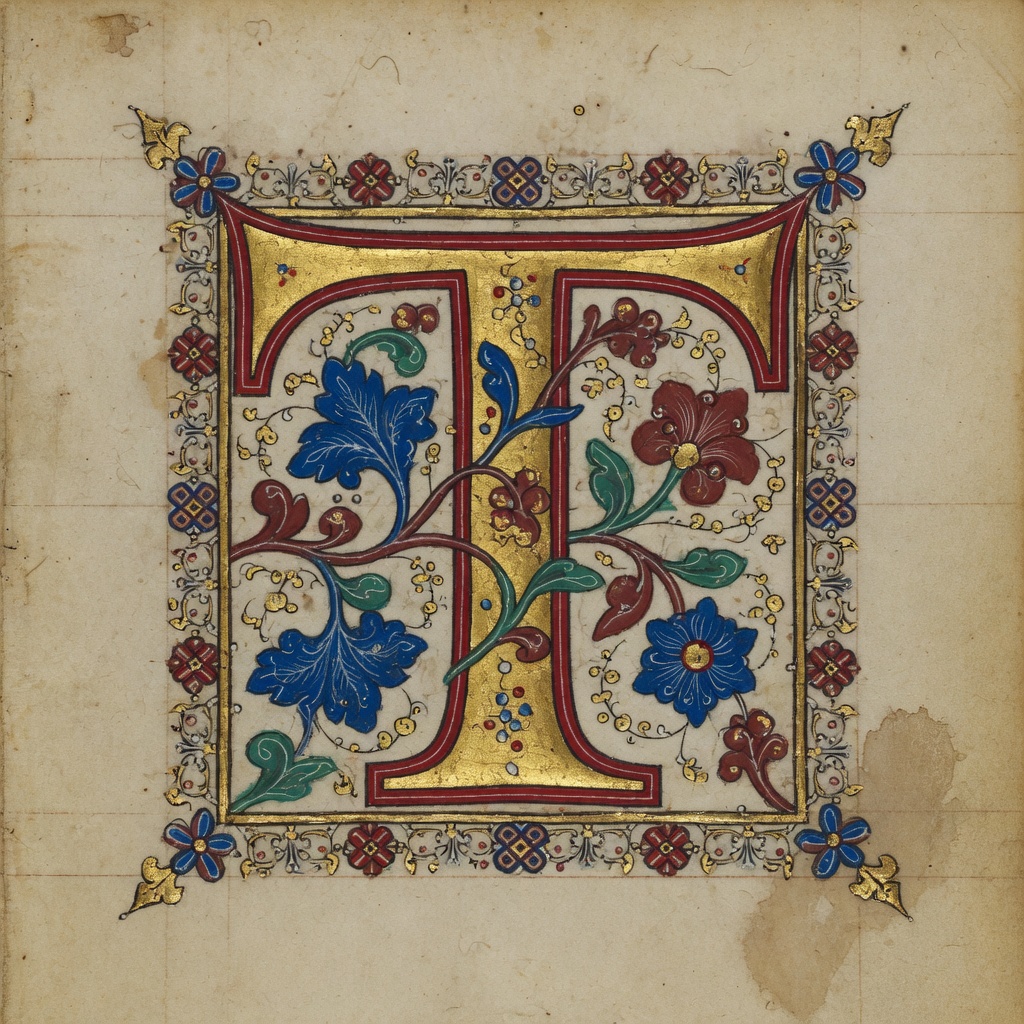 1he vision of Obadiah. Thus saith the Lord GOD concerning Edom; We have heard a rumour from the LORD, and an ambassador is sent among the heathen, Arise ye, and let us rise up against her in battle.