Jabesh-gilead
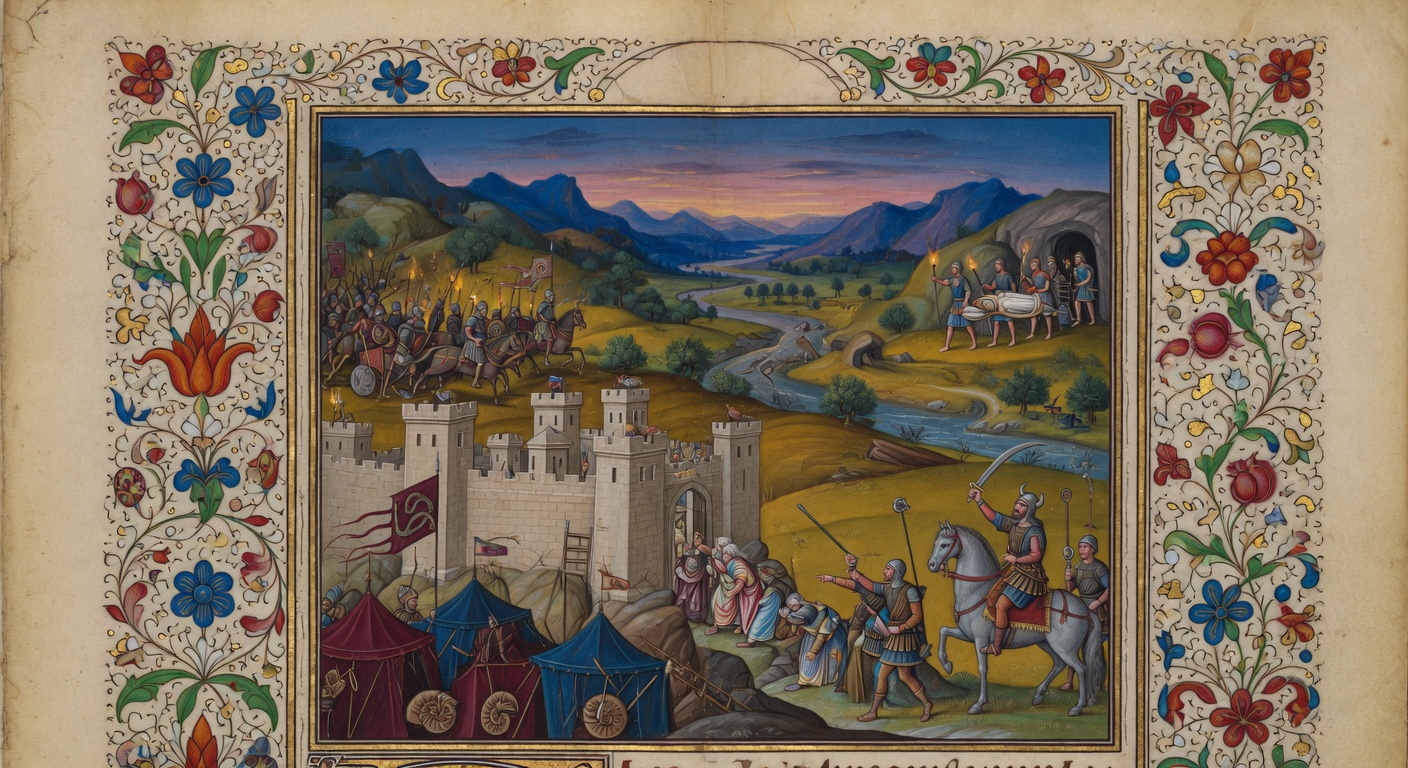
Jabesh-gilead was an Israelite city located east of the Jordan River in the region of Gilead, notable for its close relationship with the tribe of Benjamin and its pivotal role in the early monarchy. The city first appears in Judges 21, where its inhabitants were attacked for failing to join the assembly against Benjamin, with surviving virgins given as wives to the decimated tribe. Its most significant moment came when the Ammonite king Nahash besieged the city and threatened to gouge out the right eye of every inhabitant as a condition of surrender. The desperate plea of Jabesh-gilead's elders reached Saul at Gibeah, who rallied all Israel and delivered the city in a decisive night attack, establishing his military reputation and solidifying his kingship. The gratitude of Jabesh-gilead's people endured beyond Saul's death; when the Philistines displayed his body on the walls of Beth-shan, valiant men of Jabesh-gilead marched through the night to recover and honorably bury the remains of Saul and his sons.
Details
- Region
- Transjordan
- Modern Location
- Tell Abu al-Kharaz or Tell el-Maqlub, east of the Jordan River in modern Jordan
Key Passages
Saul Rescues Jabesh-gilead
1 Samuel 11:1-11
Saul's rescue of Jabesh-gilead demonstrates his early courage and God's empowerment, uniting Israel behind their new king.
 1hen Nahash the Ammonite came up, and encamped against Jabeshgilead: and all the men of Jabesh said unto Nahash, Make a covenant with us, and we will serve thee.
Men of Jabesh Recover Saul's Body
1 Samuel 31:11-13
The loyalty of Jabesh-gilead's warriors in recovering Saul's body shows enduring gratitude and honor even in defeat.
 11nd when the inhabitants of Jabeshgilead heard of that which the Philistines had done to Saul;