Lebanon
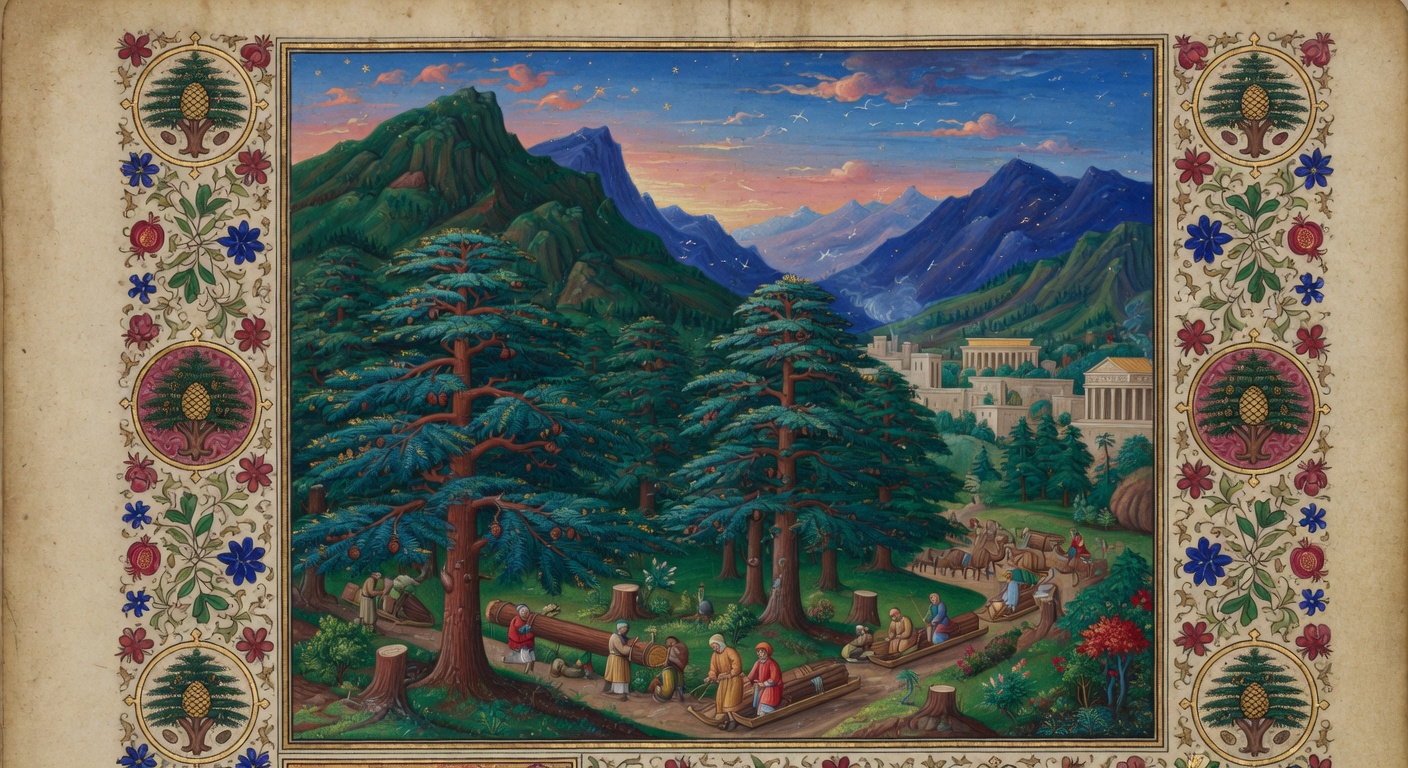
Lebanon held a prominent place in biblical history due to its abundant and high-quality cedar forests, which were highly sought after for major construction projects. King Solomon partnered with King Hiram of Tyre to obtain these cedars for building the First Temple in Jerusalem, as well as his royal palace, highlighting the region's economic and diplomatic ties with Israel. In Scripture, the cedars of Lebanon often symbolize strength, grandeur, and divine blessing, as seen in passages like Psalm 92 where the righteous are compared to flourishing cedars, while also representing human pride that God humbles in prophetic texts. This underscores Lebanon's role not only as a source of valuable resources but also as a metaphor for both prosperity and the consequences of arrogance in the biblical narrative.
Details
- Region
- Western Asia
- Modern Location
- Lebanon
Key Passages
Cedars for the Temple
1 Kings 5:6
Solomon requests cedar trees from Lebanon for building the temple.
 6ow therefore command thou that they hew me cedar trees out of Lebanon; and my servants shall be with thy servants: and unto thee will I give hire for thy servants according to all that thou shalt appoint: for thou knowest that there is not among us any that can skill to hew timber like unto the Sidonians.
Flourishing like Cedars
Psalms 92:12
The righteous are compared to the strong cedars of Lebanon.
 12he righteous shall flourish like the palm tree: he shall grow like a cedar in Lebanon.
Northern Boundary
Joshua 1:4
Lebanon marks the northern limit of the promised land.
 4rom the wilderness and this Lebanon even unto the great river, the river Euphrates, all the land of the Hittites, and unto the great sea toward the going down of the sun, shall be your coast.