Ur
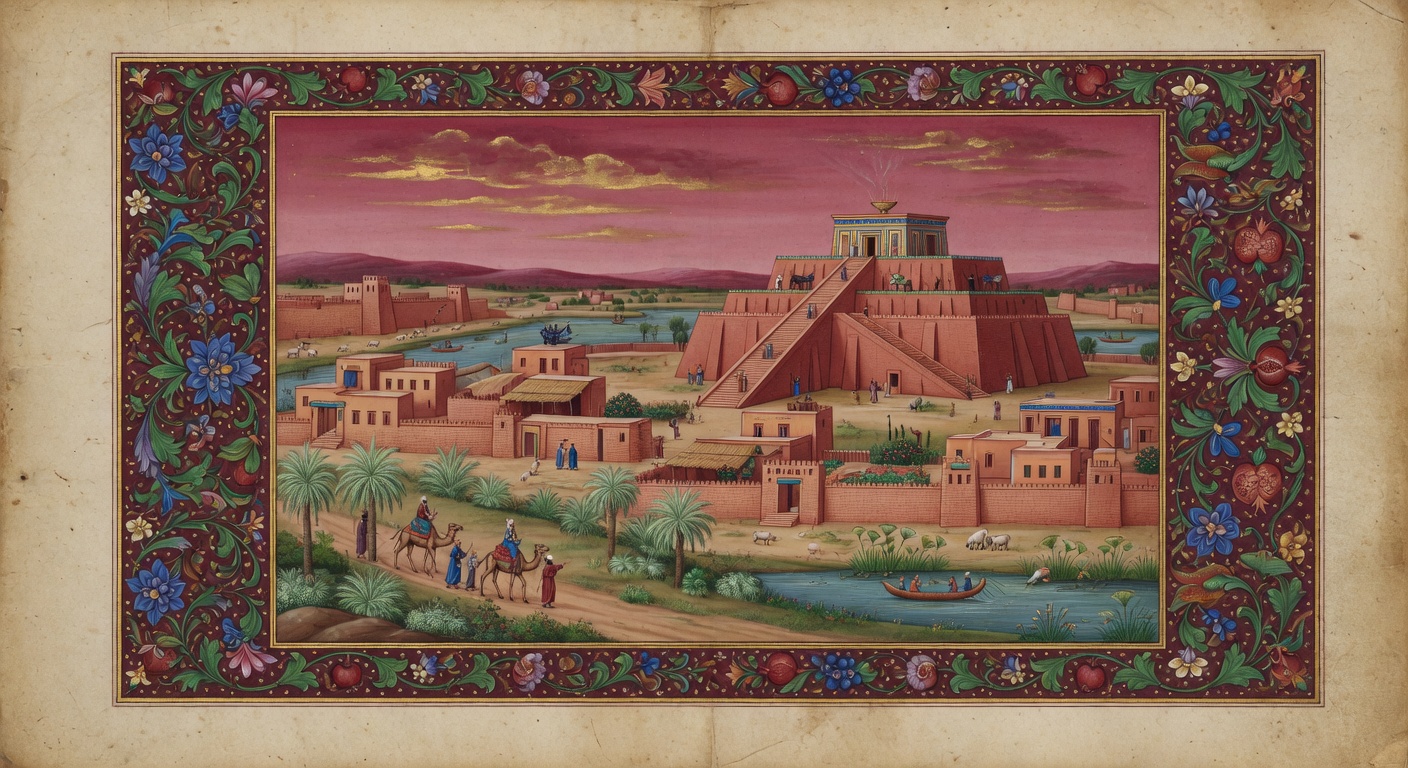
Ur was an important ancient Sumerian city in southern Mesopotamia, known for its advanced urban culture, ziggurat temples, and role as a center of trade and worship in the third millennium BCE. According to Genesis, it served as the birthplace of Abraham, from which he departed with his family after God called him to leave his homeland and journey toward Canaan. This divine summons initiated the patriarchal narratives and established the Abrahamic covenant, promising land, descendants, and blessing to his lineage. The account highlights core scriptural themes of faith, obedience, and God's redemptive plan beginning with one man's response.
Details
- Region
- Mesopotamia
- Modern Location
- Tell el-Muqayyar, southern Iraq
Journey Paths
Key Passages
Abraham's Origin
Genesis 11:28-31
Ur was a sophisticated pagan city - God's call to Abraham required leaving not just a place but an entire worldview and religious system.
 28nd Haran died before his father Terah in the land of his nativity, in Ur of the Chaldees.
God's Call to Abraham
Genesis 12:1-4
From this prosperous Mesopotamian city, God calls one man to an unknown destination - the journey that launches the entire story of redemption.
 1ow the LORD had said unto Abram, Get thee out of thy country, and from thy kindred, and from thy father’s house, unto a land that I will shew thee:
Did You Know?
Archaeological excavations revealed Ur had flush toilets and a sophisticated sewage system by 2000 BC.
Abraham left one of the most advanced cities in the ancient world to follow God into the unknown.
The Great Ziggurat of Ur still stands today in modern Iraq.