Abraham
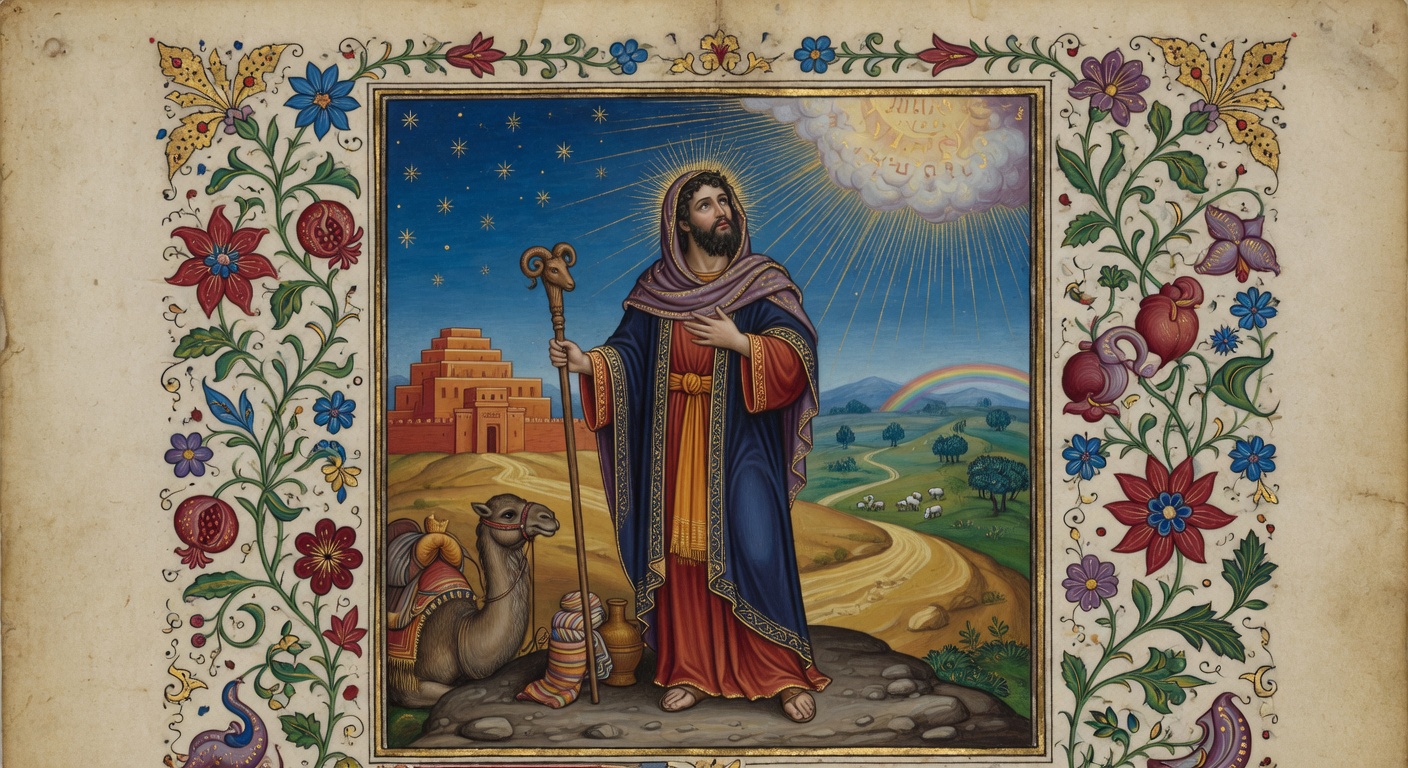
Abraham is revered as the father of the Jewish nation, chosen by God to leave his homeland in Ur of the Chaldeans and journey to the land of Canaan, which God promised to his descendants. This divine call marked the beginning of the covenant relationship between God and the people of Israel, establishing Abraham as a model of obedience and trust. Despite facing challenges such as the delay in the birth of his son Isaac, Abraham believed God's promises, and his faith was credited to him as righteousness, a concept later emphasized in the New Testament writings of Paul. This account underscores the importance of faith in God's redemptive plan throughout Scripture.
Video from BibleProject
Genesis Overview (Part 2: Ch. 12-50)
God calls Abraham and promises to bless all nations through his family.
BibleProject is the author and owner of this content. To find more BibleProject resources, visit bibleproject.com. Bible Navigator is not affiliated with BibleProject.
Biography
- Born
- c. 2166 BC, Ur of the Chaldees
- Died
- c. 1991 BC, Hebron, Canaan
- Age
- 175 years
- Occupation
- Patriarch, Nomadic Herdsman
- Father
- Terah
- Spouse
- Sarah, Hagar, Keturah
- Children
- Isaac, Ishmael, and others
- Era
- Patriarchs
- Nationality
- Hebrew
- Also Known As
- Abram
Family
Did You Know?
Abraham was originally named Abram, meaning "exalted father," until God renamed him Abraham, meaning "father of many nations," at age 99 as part of the covenant of circumcision in Genesis 17.
Abraham led a military raid with only 318 trained servants from his household to defeat a coalition of four Mesopotamian kings and rescue his nephew Lot, as recorded in Genesis 14.
Abraham purchased the Cave of Machpelah near Hebron for 400 shekels of silver from Ephron the Hittite, marking the first recorded land transaction in the Bible and serving as the burial site for Sarah, himself, Isaac, Rebekah, Jacob, and Leah.
Abraham's wife Sarah was his half-sister, sharing the same father Terah but different mothers, a detail Abraham revealed to Abimelech in Genesis 20:12 to justify his earlier deception about their relationship.
Before the birth of Isaac, Abraham's chief servant Eliezer of Damascus stood to inherit his entire estate under ancient Near Eastern custom if he remained childless, a concern addressed in the covenant promise of Genesis 15.
Key Passages
God's Call
Genesis 12:1-9
This is the foundational moment of Israel's story - God calls one man to leave everything familiar and trust a promise. Abraham's obedient response becomes the model of faith for all generations.
 1ow the LORD had said unto Abram, Get thee out of thy country, and from thy kindred, and from thy father’s house, unto a land that I will shew thee:
The Covenant
Genesis 15:1-21
God makes an unconditional promise of land, descendants, and blessing, sealing it with a covenant ceremony. This becomes the bedrock of Israel's identity and hope.
 1fter these things the word of the LORD came unto Abram in a vision, saying, Fear not, Abram: I am thy shield, and thy exceeding great reward.
The Binding of Isaac
Genesis 22:1-19
The ultimate test of faith - Abraham's willingness to sacrifice his promised son foreshadows God the Father offering His own Son, while God's provision of a ram points to substitutionary atonement.
1nd it came to pass after these things, that God did tempt Abraham, and said unto him, Abraham: and he said, Behold, here I am.
Commentary
Covenants: God's Unbreakable Promises
God made a covenant with Abraham, promising to make his descendants into a great nation.
The God Who Sees You
Hagar, Abraham's servant, was rejected and alone. But God found her.
Abraham: Faith in the Unknown
God called Abraham to leave the familiar and step into the unknown with only a promise.
Commentary by Bible Navigator.
This commentary is for inspirational and educational purposes only. It is not professional counseling, therapy, medical advice, or a substitute for professional help. If you are in crisis or need support, please reach out to a licensed professional or call 988 (Suicide & Crisis Lifeline).