The Seed
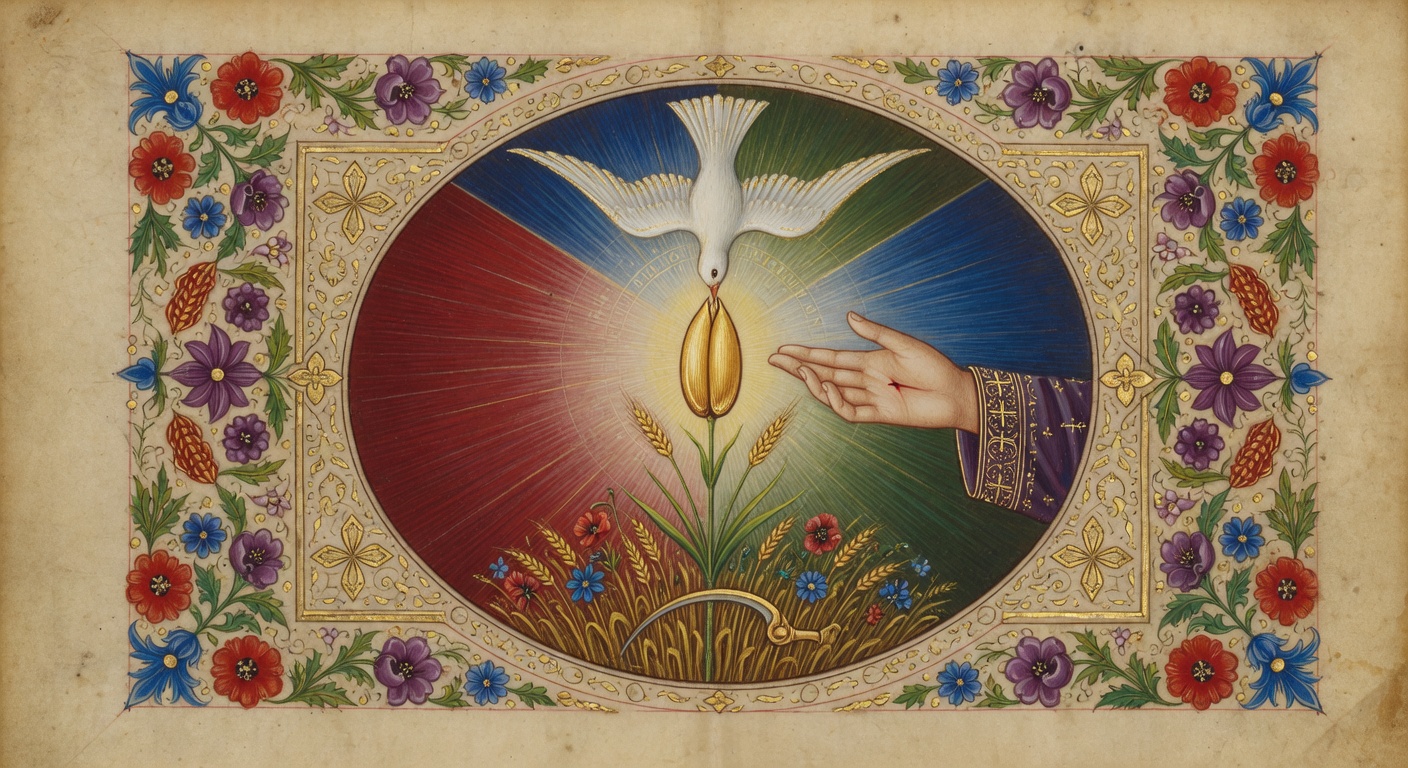
The image of the seed weaves through scripture as a testament to God's promises that begin small yet grow into mighty realities in the story of redemption. It appears in the seed of the woman destined to crush the serpent's head and in the seed of Abraham bringing blessing to the nations, both pointing toward Christ and his people. Further, the grain of wheat illustrates sacrificial death leading to multiplied life, while the parable of the sower shows how the word takes root and produces fruit in prepared hearts.
Details
- Symbolizes
- Christ, the Word of God, faith, future harvest
Old Testament Type
The 'seed of the woman' that would crush the serpent's head (Genesis 3:15)
New Testament Fulfillment
Christ is the seed of Abraham (Galatians 3:16); the Word is seed sown in hearts (Luke 8:11); Christ is the grain that dies to bear fruit (John 12:24)
Key Passages
Seed of the Woman
Genesis 3:15
 15nd I will put enmity between thee and the woman, and between thy seed and her seed; it shall bruise thy head, and thou shalt bruise his heel.
Seed of Abraham
Galatians 3:16
 16ow to Abraham and his seed were the promises made. He saith not, And to seeds, as of many; but as of one, And to thy seed, which is Christ.
Grain of Wheat
John 12:24
 24erily, verily, I say unto you, Except a corn of wheat fall into the ground and die, it abideth alone: but if it die, it bringeth forth much fruit.
Parable of the Sower
Luke 8:11
11ow the parable is this: The seed is the word of God.
Did You Know?
The seed is small, hidden, and full of life. Jesus compared the kingdom to a mustard seed that grows into a tree where birds nest. The gospel often begins small and hidden but produces disproportionate fruit.
The parable of the sower is about the condition of the soil, not the quality of the seed. The same seed produces different results depending on the heart that receives it.
We sow the seed. God gives the growth. Our job is not to force fruit. It is to faithfully scatter the word of the kingdom and trust the Lord of the harvest.