Dorcas (Tabitha)
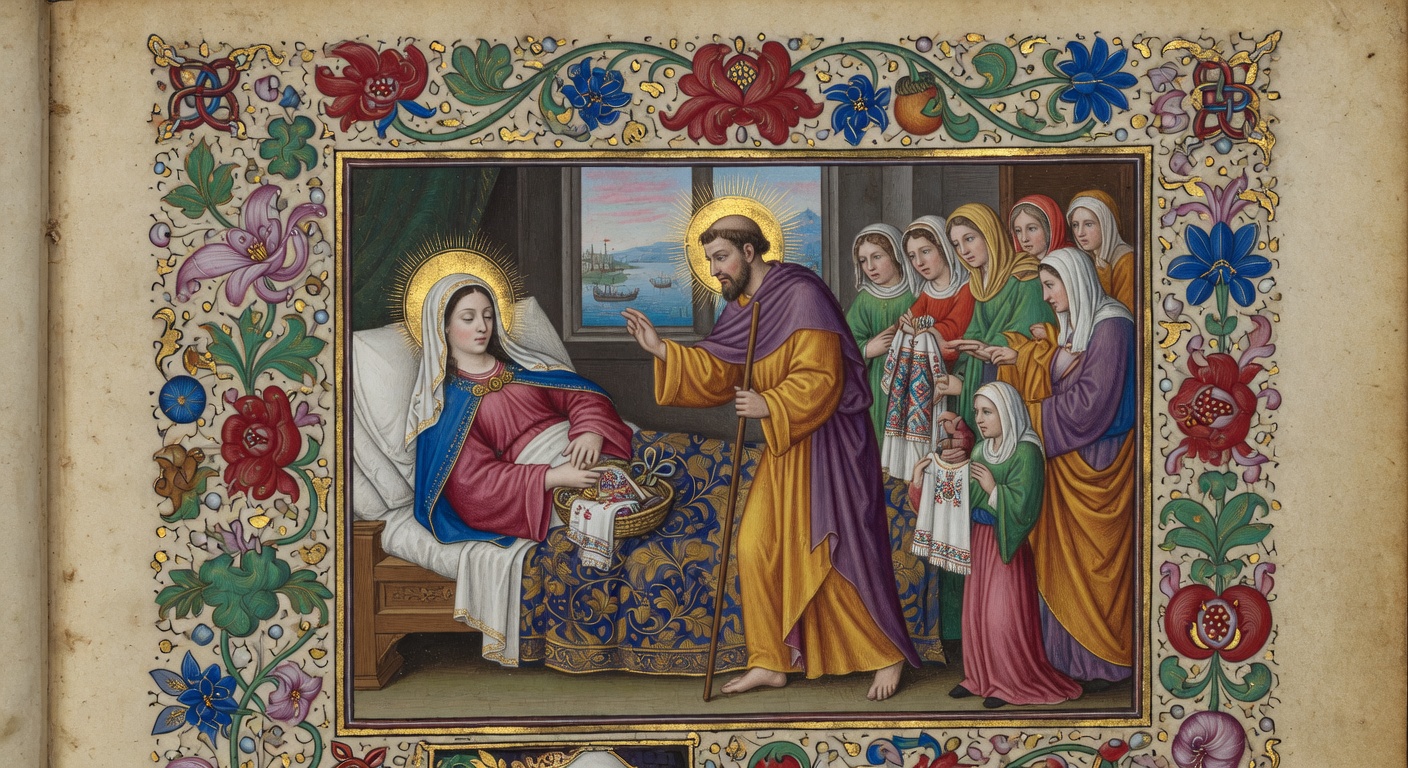
Dorcas, also known as Tabitha, was a disciple in the coastal town of Joppa whose life exemplified Christian charity through her constant good works and the clothing she made for widows and the needy. When she fell ill and died, local believers sent urgently for the apostle Peter, who was nearby in Lydda; upon arriving, he prayed and commanded her to arise, restoring her to life in a direct echo of Jesus’ earlier miracles. The resurrection prompted many residents of Joppa to believe in the Lord, visibly advancing the spread of the gospel in the early church as recorded in Acts 9. This event underscores the apostolic authority given to Peter and illustrates how personal acts of mercy, empowered by faith, served as a witness that drew others to Christ.
Biography
- Occupation
- Seamstress, Disciple
- Era
- New Testament (c. AD 40)
- Nationality
- Jewish
- Also Known As
- Tabitha (Aramaic), Dorcas (Greek)
Did You Know?
Tabitha's dual name reflects the bilingual Hellenistic Jewish culture of first-century coastal Judea, where Tabitha (Aramaic for gazelle) was rendered Dorcas in Greek, suggesting she navigated both Aramaic-speaking synagogue communities and Greek-speaking trade networks in the port of Joppa.
The widows' public display of the tunics and cloaks Tabitha had sewn for them (Acts 9:39) reveals her charity targeted a particularly vulnerable group in Roman-era Palestine, where widows often lacked legal inheritance rights and relied on handmade garments as both practical aid and economic currency.
Tabitha is the sole woman in the New Testament explicitly labeled a mathetria (female disciple), a term indicating recognized status in the early Jesus movement rather than mere informal follower, at a time when most named disciples were men.
Peter's private command Talitha koum (Aramaic for little girl, arise) to the deceased Tabitha deliberately mirrors Jesus' words to Jairus' daughter, demonstrating how apostles consciously replicated Christ's Aramaic phrasing and methods in a Gentile-adjacent setting like Joppa around AD 40.
Her resurrection prompted mass conversions specifically in Joppa, a strategic Mediterranean harbor linking Judea to the broader Roman world, positioning the miracle as a catalyst for Christianity's spread beyond strictly Jewish enclaves.
Key Passages
Death and Resurrection of Dorcas
Acts 9:36-42
This story shows how a life of quiet kindness can spark faith and reveal God's power to restore hope.
 36ow there was at Joppa a certain disciple named Tabitha, which by interpretation is called Dorcas: this woman was full of good works and almsdeeds which she did.