Agabus
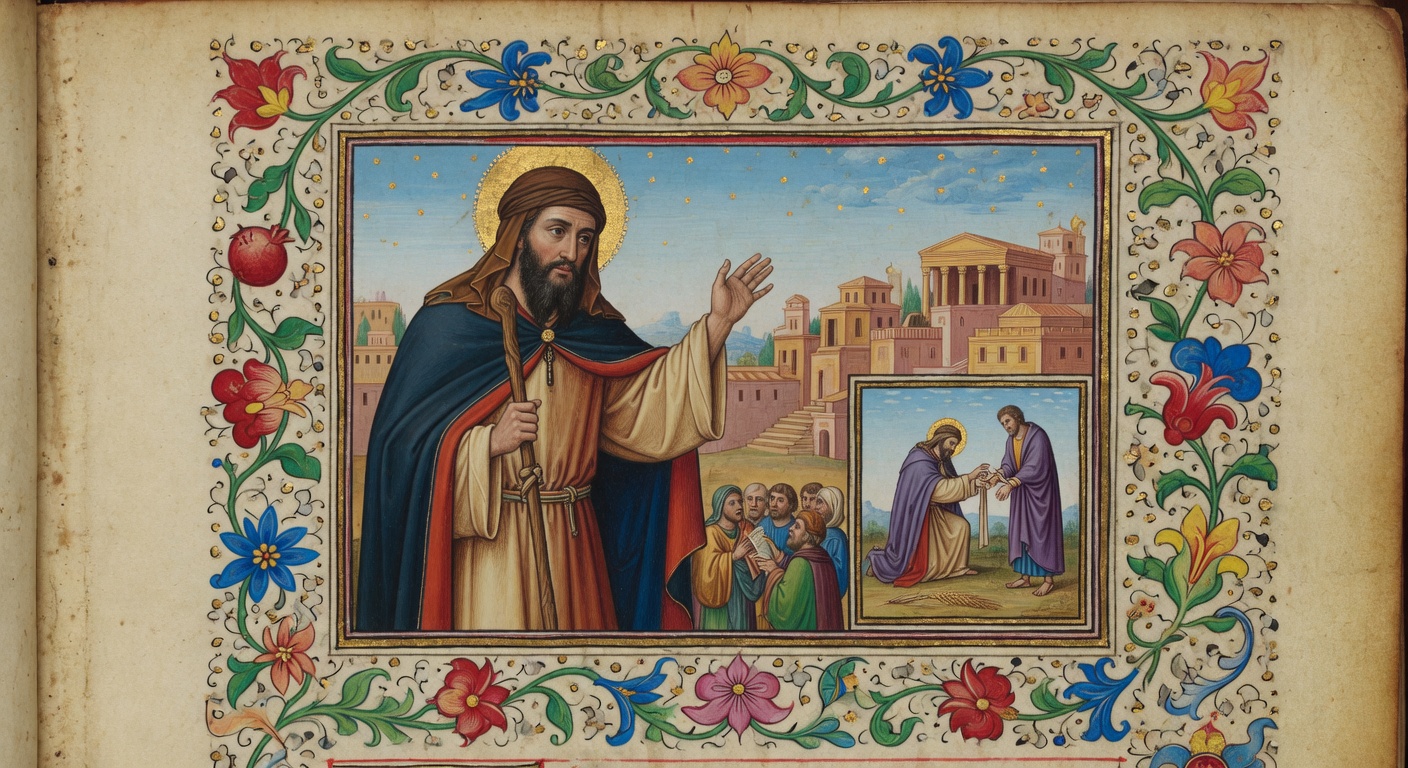
Agabus was a prophet in the early Christian church who, according to the Book of Acts, foretold a severe famine that would affect the entire Roman Empire during the reign of Emperor Claudius. This prediction prompted the believers in Antioch to organize a collection and send relief to the Christians in Judea, demonstrating the practical outworking of prophetic ministry. Later, Agabus encountered the Apostle Paul in Caesarea and dramatically prophesied Paul's impending arrest in Jerusalem by binding himself with Paul's belt, an event that came to pass when Paul was seized by a mob in the temple. These accounts underscore the role of prophecy in guiding and preparing the early church for challenges, while also illustrating Paul's resolve to fulfill his mission despite foreknown dangers.
Biography
- Occupation
- Prophet
- Era
- New Testament (c. AD 44-58)
- Nationality
- Jewish
Did You Know?
Agabus's famine prediction in Acts 11 coincided with the reign of Emperor Claudius (41-54 AD), when Josephus and other Roman records document multiple regional food shortages that strained Judea and surrounding areas, prompting the Antioch church to organize relief for believers in Jerusalem.
Agabus employed a dramatic symbolic act in Acts 21 by using Paul's belt to bind his own hands and feet, a method directly paralleling the enacted prophecies of Old Testament figures such as Jeremiah (ch. 27) and Ezekiel rather than simple verbal announcement.
Although Agabus traveled from Judea to Caesarea as part of an established network of early Christian prophets linking Jerusalem with Gentile churches, Luke records no personal background, family, or further ministry for him beyond these two brief appearances.
Agabus's warning accurately foresaw Paul's arrest by Roman authorities after Jewish opposition in Jerusalem, yet the prophecy notably omitted any instruction for Paul to avoid the city, underscoring the early church's discernment that such messages required interpretation alongside personal divine leading.
Agabus is one of only two named prophets in Acts whose words are quoted directly, yet unlike Barnabas or Silas he receives no ongoing role in Paul's journeys, leaving scholars to note his function as a mobile Jerusalem emissary rather than a resident leader in Antioch or Caesarea.
Key Passages
Agabus Predicts Famine
Acts 11:27-30
This passage reveals how the Spirit prompts believers to generously care for one another when hardship is foretold.
 27nd in these days came prophets from Jerusalem unto Antioch.
Agabus Warns Paul
Acts 21:10-14
This passage shows how the Spirit prepares believers for trials while calling them to trust God's will with courageous surrender.
10nd as we tarried there many days, there came down from Judaea a certain prophet, named Agabus.