Paul
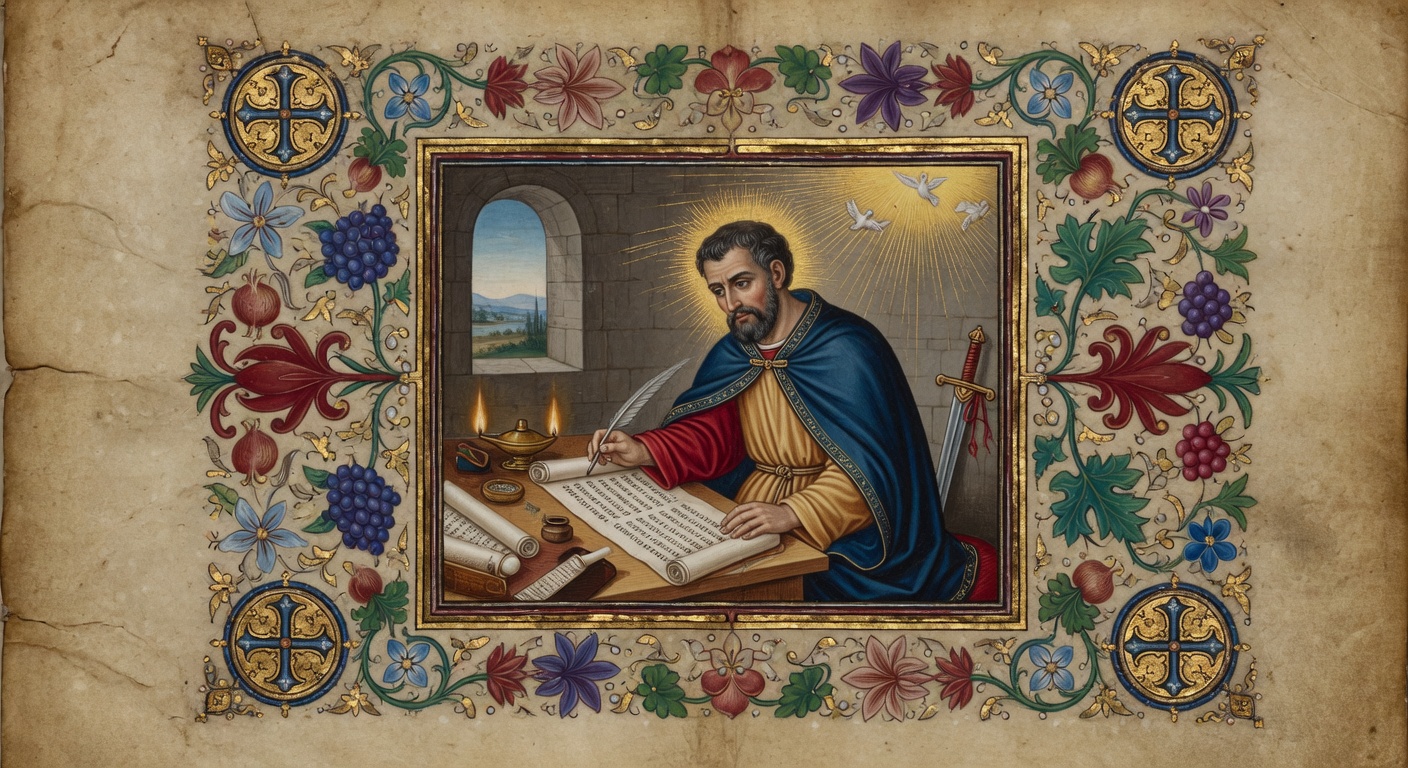
Paul, originally known as Saul of Tarsus, was a zealous Pharisee who actively persecuted early Christians before his dramatic conversion on the road to Damascus, where he encountered the risen Christ. This transformation led him to undertake extensive missionary journeys throughout the Roman Empire, establishing churches among Gentiles and proclaiming the gospel despite repeated hardships and imprisonment. He authored a significant portion of the New Testament through letters such as Romans, Corinthians, and Ephesians, which articulate core doctrines on salvation by grace, the role of faith, and Christian community life. His story illustrates the theme of redemption and remains central to understanding the spread of Christianity beyond its Jewish origins in Scripture.
Videos from BibleProject
Acts Overview (Part 2: Ch. 13-28)
Paul carries the gospel across the Roman Empire despite opposition and hardship.
Romans Overview (Part 1: Ch. 1-4)
Paul explains how God's righteousness is revealed through faith in Jesus.
BibleProject is the author and owner of this content. To find more BibleProject resources, visit bibleproject.com. Bible Navigator is not affiliated with BibleProject.
Biography
- Born
- c. AD 5, Tarsus, Cilicia
- Died
- c. AD 64-67, Rome (executed)
- Occupation
- Tentmaker, Apostle, Missionary
- Tribe
- Benjamin
- Father
- Unnamed Pharisee
- Era
- New Testament
- Nationality
- Roman citizen, Jewish
- Also Known As
- Saul
Family
Did You Know?
Paul's Roman citizenship, acquired through his birth in the prominent city of Tarsus, granted him the rare legal privilege to appeal directly to Caesar, which he exercised during his trial before Festus and ultimately led to his voyage to Rome.
While supporting his missionary work, Paul practiced the trade of tentmaking alongside Priscilla and Aquila in Corinth, a skill he leveraged to remain financially independent from many churches and avoid charges of exploiting converts for money.
Paul studied under the renowned Pharisee Gamaliel in Jerusalem, receiving advanced training in Jewish law that he later referenced when defending his background before the Sanhedrin and in his epistles.
In 2 Corinthians, Paul details surviving three shipwrecks, a night and day adrift at sea, and being stoned and left for dead at Lystra, hardships that underscore the physical dangers of his travels beyond the more commonly recounted imprisonments.
Paul's nephew, the son of his sister in Jerusalem, uncovered an assassination plot against him and alerted Roman authorities, an intervention recorded in Acts that facilitated Paul's transfer to Caesarea under heavy guard.
Key Passages
Conversion on the Road to Damascus
Acts 9:1-19
The church's greatest persecutor becomes its greatest missionary. Paul's dramatic encounter with the risen Christ demonstrates that no one is beyond God's reach and that grace can transform anyone.
 1nd Saul, yet breathing out threatenings and slaughter against the disciples of the Lord, went unto the high priest,
First Missionary Journey
Acts 13:1-12
Paul and Barnabas carry the gospel beyond Jewish boundaries into the Gentile world - a pivotal moment that transforms Christianity from a Jewish sect into a universal faith.
 1ow there were in the church that was at Antioch certain prophets and teachers; as Barnabas, and Simeon that was called Niger, and Lucius of Cyrene, and Manaen, which had been brought up with Herod the tetrarch, and Saul.
Speech in Athens
Acts 17:22-34
Paul engages Greek philosophy on its own terms, finding common ground before proclaiming the resurrection - modeling how to communicate the gospel across cultural barriers.
 22hen Paul stood in the midst of Mars’ hill, and said, Ye men of Athens, I perceive that in all things ye are too superstitious.
Love Chapter
1 Corinthians 13:1-13
Paul's hymn to love in 1 Corinthians 13 elevates love above all spiritual gifts and achievements - defining the character that should mark every believer and community.
1hough I speak with the tongues of men and of angels, and have not charity, I am become as sounding brass, or a tinkling cymbal.