James (Brother of Jesus)
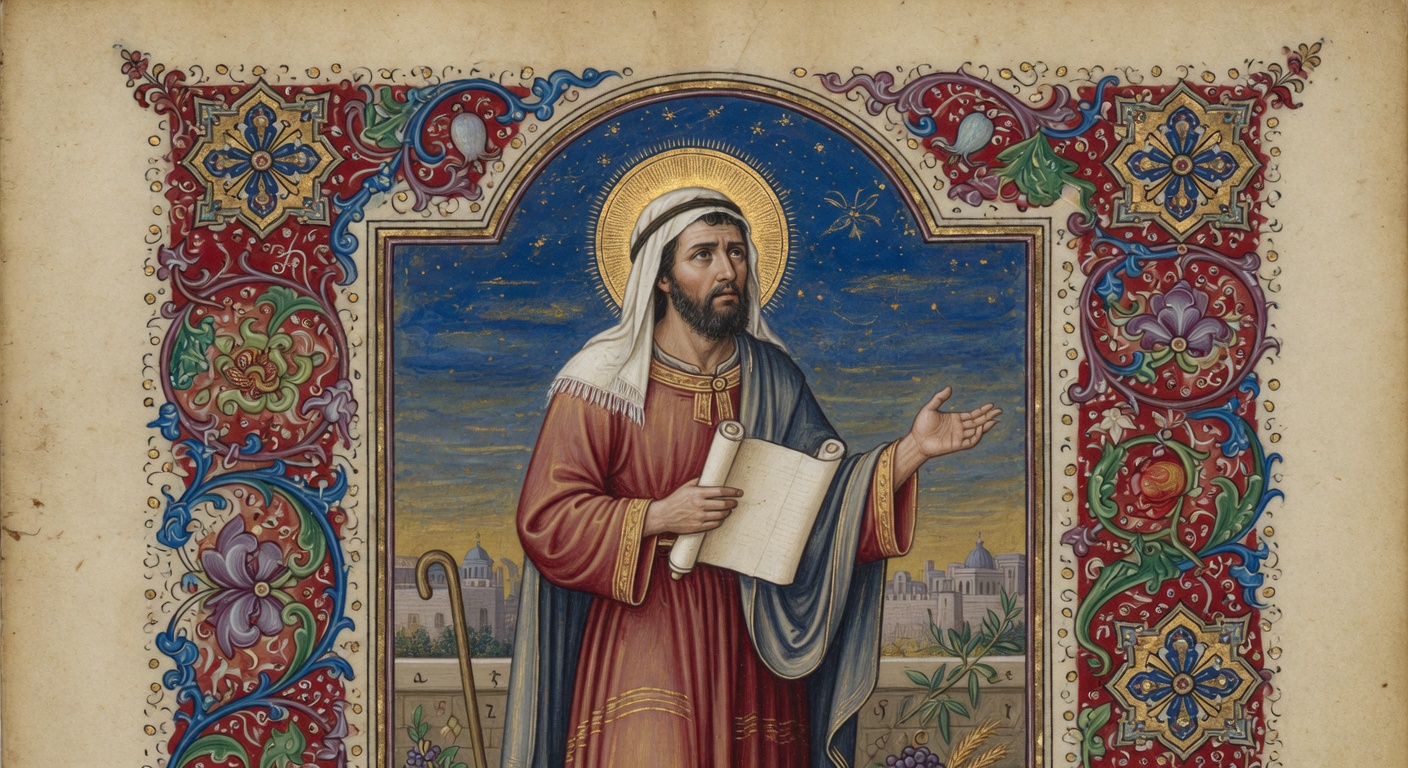
James, identified in the New Testament as a half-brother of Jesus through Mary, initially did not believe in his brother's messianic claims during his earthly ministry. Following the resurrection, he became a leader of the Jerusalem church, presiding over the Council of Jerusalem in Acts 15 to affirm the inclusion of Gentiles without full adherence to Jewish law. He is traditionally credited with authoring the Epistle of James, which emphasizes practical faith expressed through works, ethical living, and endurance amid trials. This account illustrates the transformative effect of the resurrection on Jesus' family and provides scriptural instruction on authentic Christian conduct within the early church's Jewish context.
Biography
- Born
- c. AD 1, Nazareth
- Died
- c. AD 62, Jerusalem (martyred)
- Occupation
- Leader of Jerusalem Church
- Tribe
- Judah
- Father
- Joseph
- Mother
- Mary
- Era
- New Testament
- Nationality
- Jewish
- Also Known As
- James the Just
Family
Did You Know?
Although initially skeptical of Jesus' ministry as recorded in John 7:5, James became a prominent leader after a post-resurrection appearance noted in 1 Corinthians 15:7, shifting from family doubter to pillar of the early church.
James presided over the Council of Jerusalem in Acts 15, quoting Amos to argue against mandating circumcision for Gentile converts, a decision that shaped Christianity's separation from full Jewish legal observance.
First-century historian Josephus records James' execution by stoning around 62 AD under High Priest Ananus, an event that exposed fractures between emerging Christian groups and traditional Jewish leadership in Jerusalem.
Early church writer Hegesippus describes James as so devoted to Temple prayer that his knees grew calloused like a camel's, earning him the nickname "the Just" among both Jewish and Christian communities.
The Epistle of James uniquely refers to Christian gatherings as "synagogues" in 2:2, underscoring its roots in Jewish-Christian practice and its emphasis on ethical living over ritual alone.
Key Passages
James at the Jerusalem Council
Acts 15:13-21
This passage shows James leading the early church with wisdom, using Scripture to welcome Gentiles into God's family with grace and unity.
 13nd after they had held their peace, James answered, saying, Men and brethren, hearken unto me:
Faith and Works
James 2:14-26
This passage shows that genuine faith comes alive through loving actions, proving our trust in God is real and fruitful.
 14hat doth it profit, my brethren, though a man say he hath faith, and have not works? can faith save him?
Prayer of Faith
James 5:13-18
This passage reveals prayer's power to bring healing, forgiveness, and strength, inviting us to turn to God in every circumstance.
 13s any among you afflicted? let him pray. Is any merry? let him sing psalms.