Silas
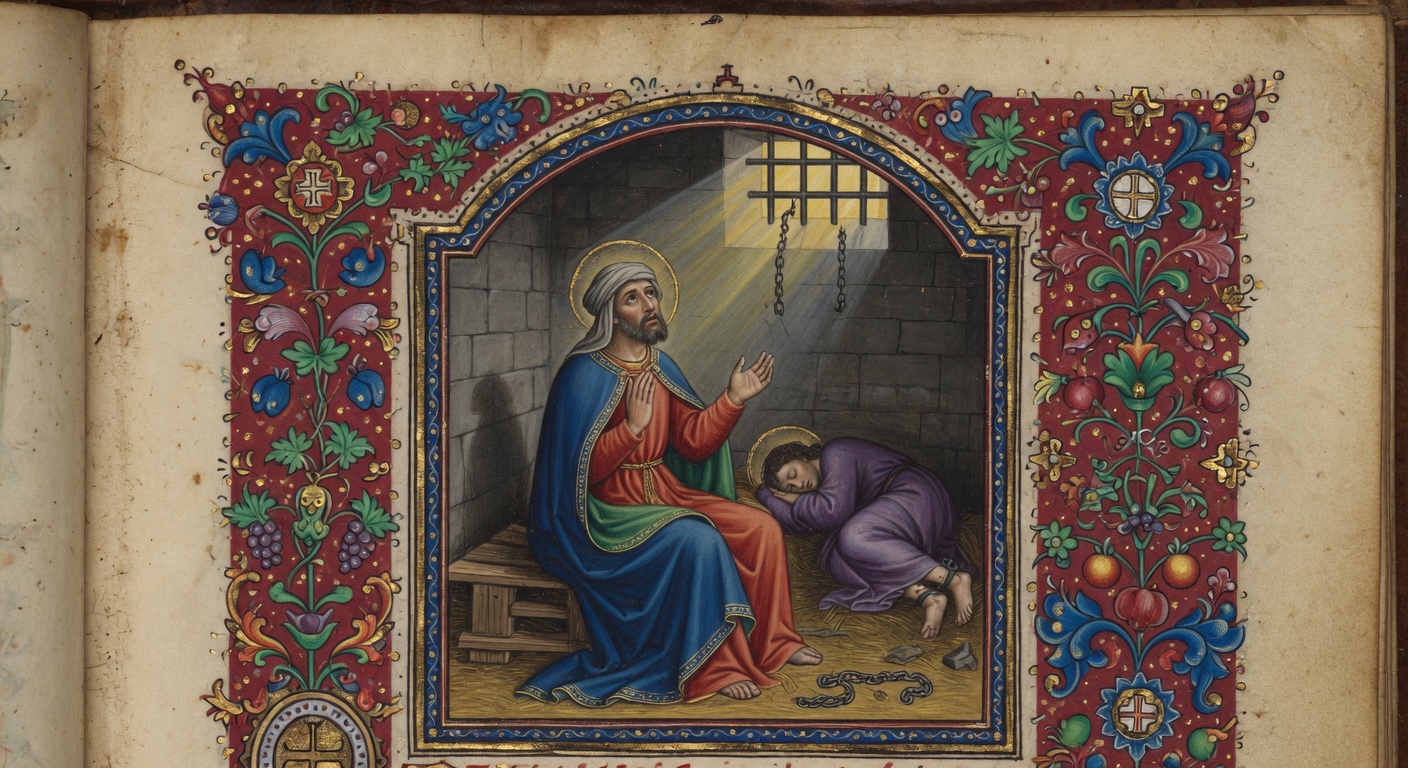
Silas served as a respected leader in the Jerusalem church and was selected to deliver the apostolic letter from the Jerusalem Council to Gentile believers in Antioch. He later joined the apostle Paul on his second missionary journey, traveling through Asia Minor and into Macedonia, where the two men were arrested in Philippi after casting out a demon from a slave girl, beaten, and thrown into prison. While chained in their cell, Silas and Paul prayed and sang hymns, prompting a divine earthquake that opened the doors and led to the conversion of the jailer and his family. This narrative in Acts underscores the early church’s resilience under persecution and illustrates how faithful witness amid suffering advanced the spread of the Gospel.
Biography
- Occupation
- Prophet, Missionary
- Era
- New Testament
- Nationality
- Jewish, Roman citizen
- Also Known As
- Silvanus
Did You Know?
Silas, also referred to as Silvanus in the epistles, likely served as the scribe or letter carrier for 1 Peter, as the text itself notes in 5:12 that the letter was written through him to encourage scattered believers.
As a recognized prophet in the Jerusalem church, Silas was chosen alongside Judas Barsabbas to deliver the apostolic decree from the Council to Gentile congregations in Antioch, underscoring his role in mediating the inclusion of non-Jews without requiring full circumcision.
Both Paul and Silas held Roman citizenship, a status that authorities in Philippi violated by beating and imprisoning them without trial, prompting an official apology once their rights were invoked after the earthquake.
The Thessalonian epistles open with greetings from Paul, Silas, and Timothy together, revealing Silas's collaborative involvement in composing and delivering foundational letters that addressed persecution and eschatological questions in a young European church.
Following their release in Philippi, Silas and Paul accepted hospitality from a newly converted jailer whose entire household was baptized, illustrating how early missionary imprisonments often became unexpected catalysts for household conversions across social classes.
Key Passages
Silas Chosen by Paul
Acts 15:40-41
This passage shows how God provides faithful companions to help leaders keep strengthening churches after painful separations.
 40nd Paul chose Silas, and departed, being recommended by the brethren unto the grace of God.
Paul and Silas in Prison
Acts 16:22-34
This passage shows how joyful trust in God amid suffering can open doors to freedom and bring salvation to others.
22nd the multitude rose up together against them: and the magistrates rent off their clothes, and commanded to beat them.