Thessalonica
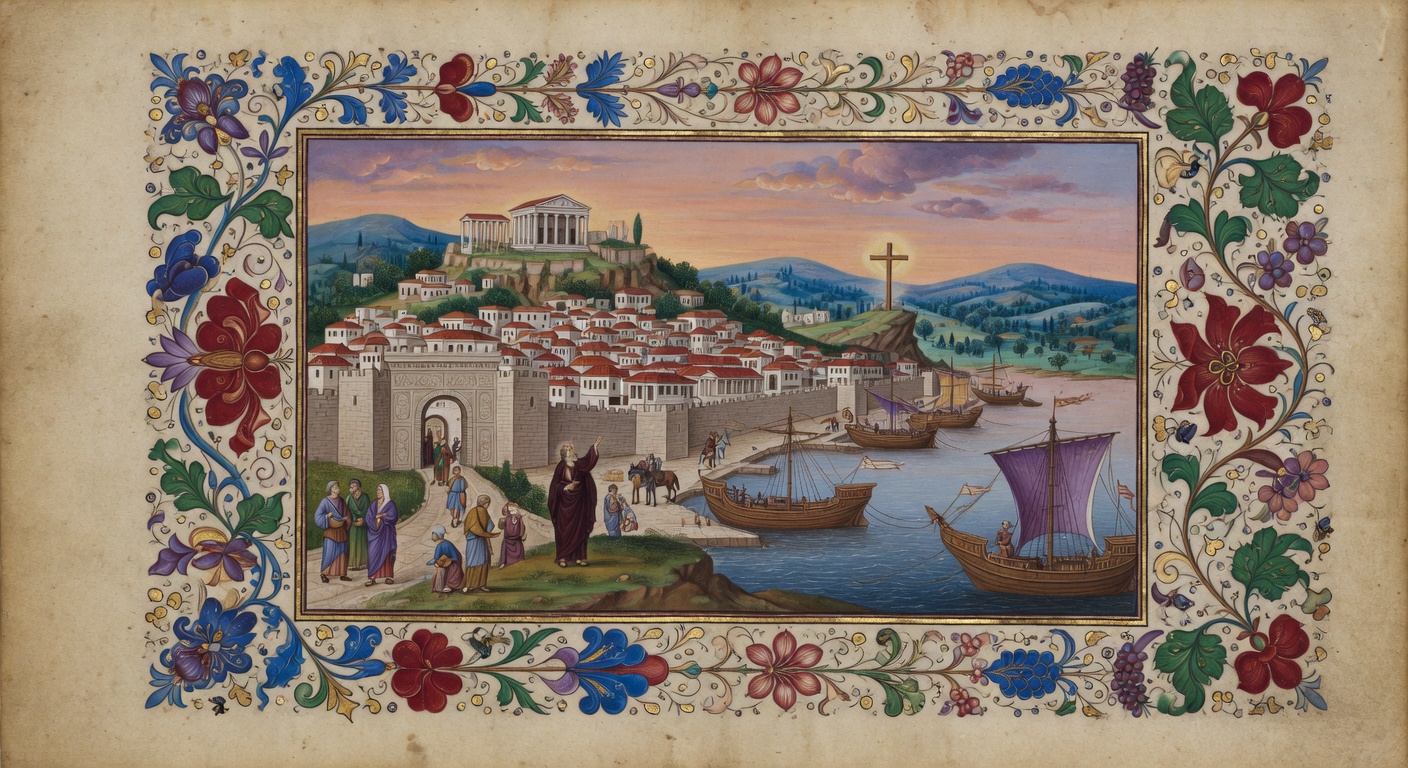
Thessalonica was a prominent seaport city and the capital of the Roman province of Macedonia during the first century. On his second missionary journey, the apostle Paul preached in the local synagogue there, leading to the conversion of some Jews and a large number of God-fearing Greeks, thus establishing one of the earliest Christian churches in Europe. Despite facing intense opposition from jealous Jewish leaders who incited a riot, Paul and his companions were forced to leave for Berea, but he later wrote two letters from Corinth to encourage the young believers facing persecution and to clarify teachings about Christ's return. These epistles, known as 1 and 2 Thessalonians, hold significant importance in Scripture as they offer valuable insights into early Christian doctrine, eschatology, and pastoral encouragement for faithful living amid trials.
Details
- Region
- Greece/Rome
- Modern Location
- Thessaloniki, Greece
Journey Paths
Key Passages
Paul Preaches in Thessalonica
Acts 17:1-9
Paul's brief ministry in Thessalonica produces a vibrant church despite fierce opposition - demonstrating that the gospel's power does not depend on lengthy presence.
 1ow when they had passed through Amphipolis and Apollonia, they came to Thessalonica, where was a synagogue of the Jews:
The Lord's Return
1 Thessalonians 4:13-18
Paul writes to Thessalonica about Christ's return - comforting grieving believers with the promise of resurrection and reunion at the Lord's coming.
 13ut I would not have you to be ignorant, brethren, concerning them which are asleep, that ye sorrow not, even as others which have no hope.