Ananias the High Priest
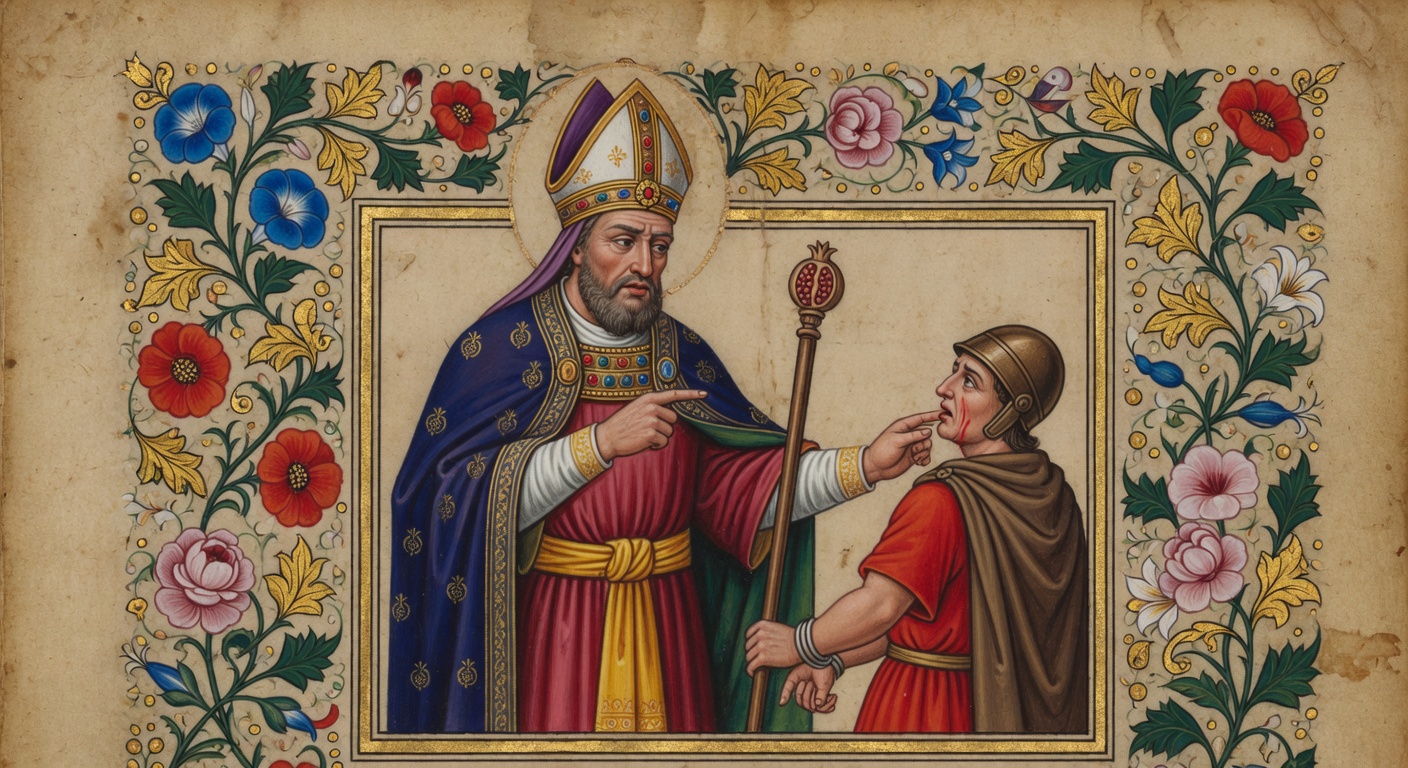
Ananias served as high priest in Jerusalem from approximately AD 47 to 59 and presided over the Sanhedrin during the apostle Paul's arrest in the city. When Paul was brought before the council in Acts 23, Ananias ordered him struck on the mouth after his initial defense, an act that led Paul to rebuke the high priest before apologizing for unintentionally violating the scriptural command in Exodus 22:28 against speaking evil of a ruler of the people. The episode highlights the tensions between early Christian leaders and Jewish authorities under Roman oversight, while also demonstrating Paul's commitment to both prophetic boldness and legal respect. It forms part of the broader narrative tracing Paul's trials, appeals to Caesar, and eventual journey to Rome as recorded in the Book of Acts.
Biography
- Died
- c. AD 66, Jerusalem
- Occupation
- High Priest
- Father
- Nedebaeus
- Era
- New Testament (c. AD 47-59)
- Nationality
- Jewish
Family
Did You Know?
Ananias was appointed high priest around AD 47 by Herod of Chalcis, the brother of Agrippa I, marking a rare instance of Herodian control over the office rather than direct Roman appointment.
Historical sources like Josephus describe Ananias as exceptionally wealthy and corrupt, frequently using temple tithes to bribe Roman officials and even sending assassins against rivals.
After ordering Paul struck in Acts 23, Ananias personally led a delegation to Caesarea and later to Rome to press charges against the procurator Felix, demonstrating his aggressive political maneuvering beyond religious duties.
Paul's rebuke calling Ananias a 'whitewashed wall' proved prophetic when the high priest was murdered by Sicarii rebels in AD 66 at the start of the First Jewish Revolt, his body hidden to conceal the killing.
Ananias's son Eleazar later became captain of the temple guard and halted the daily sacrifices offered on behalf of the Roman emperor, an act that directly precipitated the outbreak of war in AD 66.
Key Passages
Paul Before the Sanhedrin
Acts 23:1-5
This passage shows how honoring God-given authority with humility strengthens our witness even amid injustice.
 1nd Paul, earnestly beholding the council, said, Men and brethren, I have lived in all good conscience before God until this day.
Ananias Accuses Paul
Acts 24:1-2
This passage shows how religious leaders can misuse authority to oppose truth, yet God sustains His faithful servants through every trial.
1nd after five days Ananias the high priest descended with the elders, and with a certain orator named Tertullus, who informed the governor against Paul.