Herod Antipas
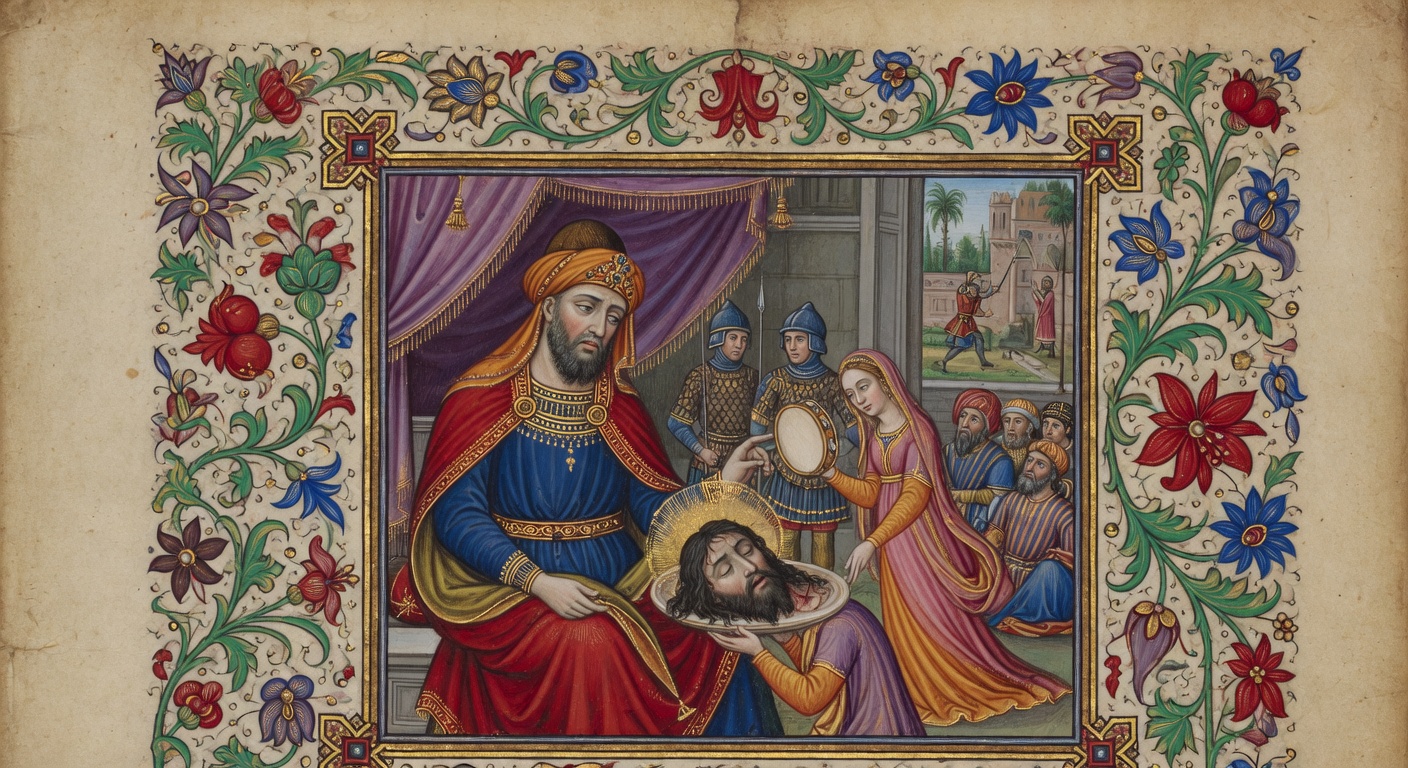
Herod Antipas, son of Herod the Great, ruled as tetrarch of Galilee and Perea from around 4 BC to AD 39, overseeing the region during the ministries of John the Baptist and Jesus. He ordered John’s execution by beheading after the prophet publicly denounced Antipas’s marriage to Herodias, his brother’s former wife, an act prompted by the ruler’s fear of unrest and personal offense as detailed in the Gospels. Later, during Jesus’ trial, Pontius Pilate sent the prisoner to Antipas, who was in Jerusalem at the time; the tetrarch questioned Jesus, allowed his soldiers to mock him, and returned him to Pilate without issuing a judgment. These events illustrate the intersecting political powers and moral failures that opposed God’s messengers, providing essential context for the New Testament accounts of John’s martyrdom and Jesus’ path to crucifixion.
Biography
- Born
- c. 20 BC
- Died
- c. AD 39, Gaul (exile)
- Occupation
- Tetrarch of Galilee and Perea
- Father
- Herod the Great
- Mother
- Malthace
- Spouse
- Phasaelis, then Herodias
- Children
- Salome (stepdaughter)
- Era
- New Testament (c. 4 BC - AD 39)
- Nationality
- Idumaean/Jewish
Family
Did You Know?
Herod Antipas is the ruler who ordered John the Baptist's execution after promising his stepdaughter Salome anything she wanted, up to half his kingdom, following her dance at his birthday banquet (Mark 6:21-28).
During Jesus' trial, Antipas finally met the miracle-worker he had long wanted to see but received only silence, leading him to mock Jesus by dressing him in a splendid robe before returning him to Pilate (Luke 23:8-11).
Jesus referred to Antipas dismissively as "that fox" when warned of the tetrarch's threats, a term highlighting both the ruler's cunning political maneuvering and his lesser status compared to a lion-like king (Luke 13:32).
Antipas feared Jesus was John the Baptist raised from the dead, a belief sparked by reports of miracles that echoed his guilty conscience over the prophet's execution (Mark 6:14-16).
As tetrarch of Galilee and Perea, Antipas maintained a separate jurisdiction from Roman prefect Pilate, which is why Jesus' Galilean ministry largely avoided direct Roman oversight until the trial in Jerusalem (Luke 23:6-7).
Key Passages
Execution of John the Baptist
Mark 6:17-29
This passage shows how fear and pride can silence truth, reminding us that faithfulness may cost dearly yet still honors God.
 17or Herod himself had sent forth and laid hold upon John, and bound him in prison for Herodias’ sake, his brother Philip’s wife: for he had married her.
Jesus Before Herod
Luke 23:6-12
This passage shows Jesus quietly enduring Herod’s mockery, reminding us that God’s redemptive plan moves forward even when earthly powers dismiss him.
 6hen Pilate heard of Galilee, he asked whether the man were a Galilaean.