Jehoshaphat
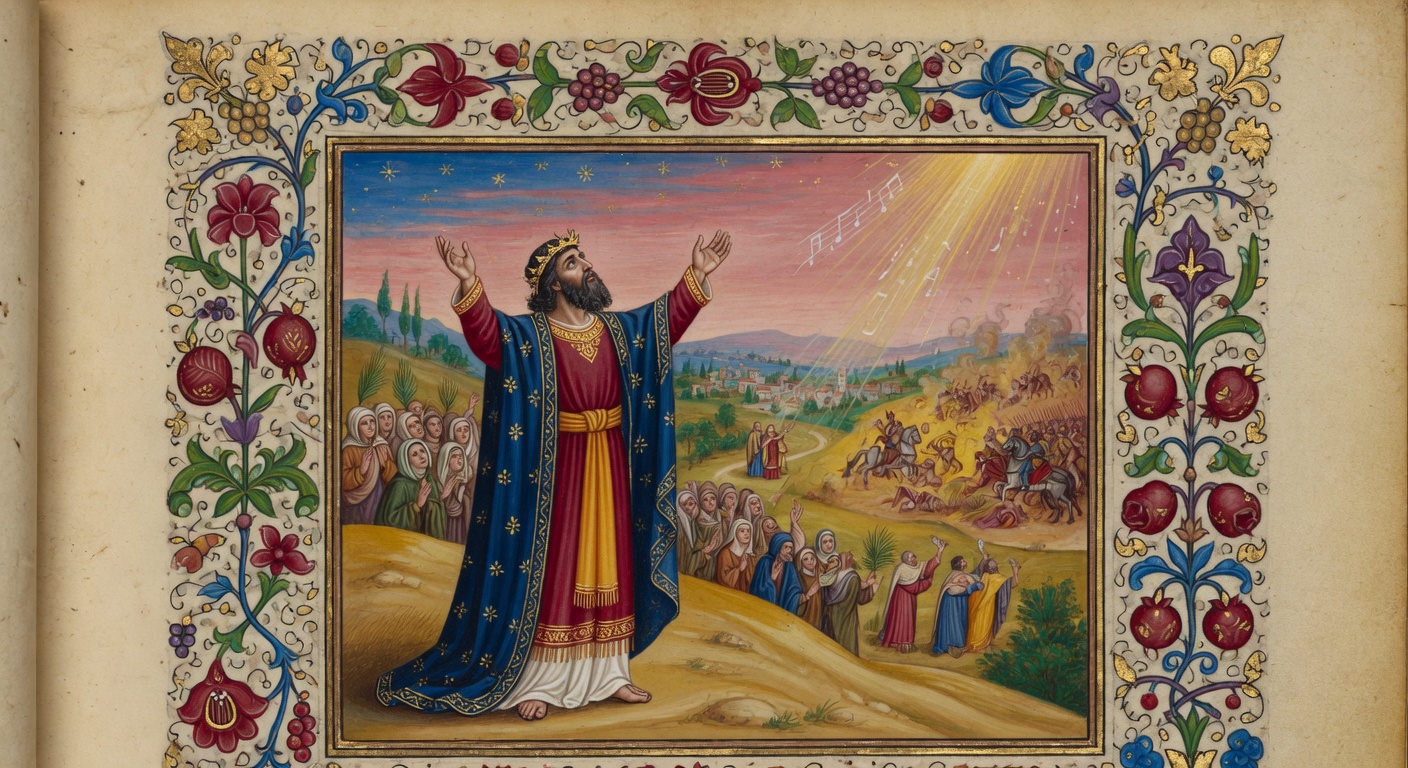
Jehoshaphat ruled as king of Judah in the ninth century BC and distinguished himself by actively seeking the Lord, removing idols, and strengthening the nation's spiritual foundations during a time of widespread apostasy in the divided kingdom. He commissioned officials, Levites, and priests to travel throughout Judah teaching the Book of the Law, which led to widespread revival and national stability. When a massive coalition of Moabite, Ammonite, and Edomite forces invaded, Jehoshaphat responded with prayer and fasting; as the people worshiped, God caused the enemy armies to turn on one another, granting Judah victory without combat. This account in 2 Chronicles 17–20 underscores the scriptural principle that dependence on God through his Word and corporate worship brings deliverance and serves as a model for faithful leadership under threat.
Biography
- Died
- c. 848 BC, Jerusalem
- Occupation
- King of Judah
- Tribe
- Judah
- Father
- Asa
- Mother
- Azubah
- Children
- Jehoram
- Era
- Divided Kingdom (c. 873-848 BC)
- Nationality
- Judean
Family
Did You Know?
Jehoshaphat dispatched teams of royal officials, Levites, and priests across Judah with copies of the Book of the Law to instruct the people, an organized royal education campaign without precedent among earlier kings.
Before facing a coalition of Moabite, Ammonite, and Meunite forces, he positioned temple singers at the head of his army; as they sang, the enemy coalition turned on itself, leaving the Judahites to collect the spoils without combat.
He established both local judges in Judah's fortified cities and a supreme tribunal in Jerusalem staffed by Levites, priests, and family heads to handle religious and civil cases, formalizing a two-tier legal system.
Despite his reforms, Jehoshaphat allied with Ahab through the marriage of his son Jehoram to Athaliah, importing Baal worship into the Judahite court and enabling Athaliah's later purge of the Davidic line.
After the joint shipbuilding venture with Israel's Ahaziah at Ezion-geber failed, the prophet Eliezer condemned the partnership and the fleet was wrecked, underscoring Jehoshaphat's repeated rebuke for entangling Judah with the northern kingdom.
Key Passages
Jehoshaphat Seeks the Lord
2 Chronicles 17:3-6
Seeking the Lord wholeheartedly, as Jehoshaphat did, brings strength, removes distractions, and steadies our walk with God.
 3nd the LORD was with Jehoshaphat, because he walked in the first ways of his father David, and sought not unto Baalim;
Victory Through Worship
2 Chronicles 20:15-22
This passage shows that choosing worship over fear invites God's power to bring victory in impossible battles.
15nd he said, Hearken ye, all Judah, and ye inhabitants of Jerusalem, and thou king Jehoshaphat, Thus saith the LORD unto you, Be not afraid nor dismayed by reason of this great multitude; for the battle is not yours, but God’s.
Jehoshaphat's Prayer
2 Chronicles 20:5-12
This passage shows how humbly seeking God in overwhelming crises invites His guidance and powerful deliverance.
5nd Jehoshaphat stood in the congregation of Judah and Jerusalem, in the house of the LORD, before the new court,