Nahum

Nahum was an Old Testament prophet whose writings focus on the impending judgment against the Assyrian city of Nineveh. Approximately 150 years after the people of Nineveh repented in response to Jonah's preaching, Nahum declared that God's patience had reached its limit due to the city's renewed violence and idolatry. The prophecy was fulfilled when Nineveh fell to a coalition of Babylonians and Medes in 612 BC, demonstrating that divine mercy does not preclude eventual accountability for persistent wickedness. This message serves as a reminder in Scripture of God's justice and sovereignty over all nations.
Biography
- Occupation
- Prophet
- Era
- Divided Kingdom (c. 650-612 BC)
Did You Know?
Nahum's name means "comfort" in Hebrew, offering ironic consolation to Judah by vividly depicting Nineveh's ruin as divine justice after centuries of Assyrian terror.
The prophet cites the 663 BC fall of Egyptian Thebes to Assyrian forces as proof that Nineveh's massive fortifications would likewise fail against God's judgment.
Nahum's terse three-chapter book is written entirely as poetry with no narrative prose or calls for repentance, unlike most other prophetic texts.
His hometown of Elkosh is otherwise unknown in Scripture and may have lain inside Assyrian territory, suggesting the oracle originated near the empire it condemned.
The prophecy was fulfilled when a coalition of Babylonians and Medes destroyed Nineveh in 612 BC, ending Assyrian dominance exactly as Nahum described.
Key Passages
God's Vengeance on Nineveh
Nahum 1:2-7
This passage assures us that God justly confronts evil while offering refuge and care to all who trust in Him.
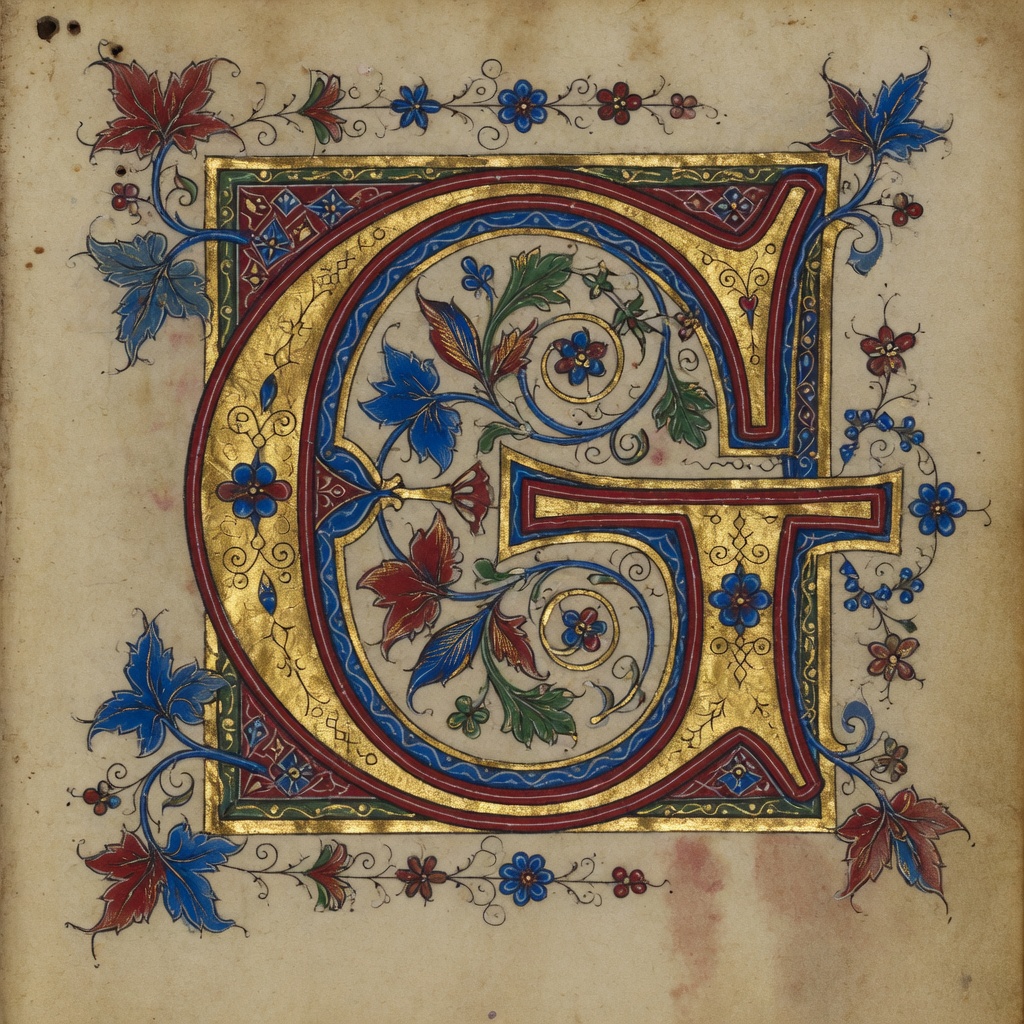 2od is jealous, and the LORD revengeth; the LORD revengeth, and is furious; the LORD will take vengeance on his adversaries, and he reserveth wrath for his enemies.