Vashti
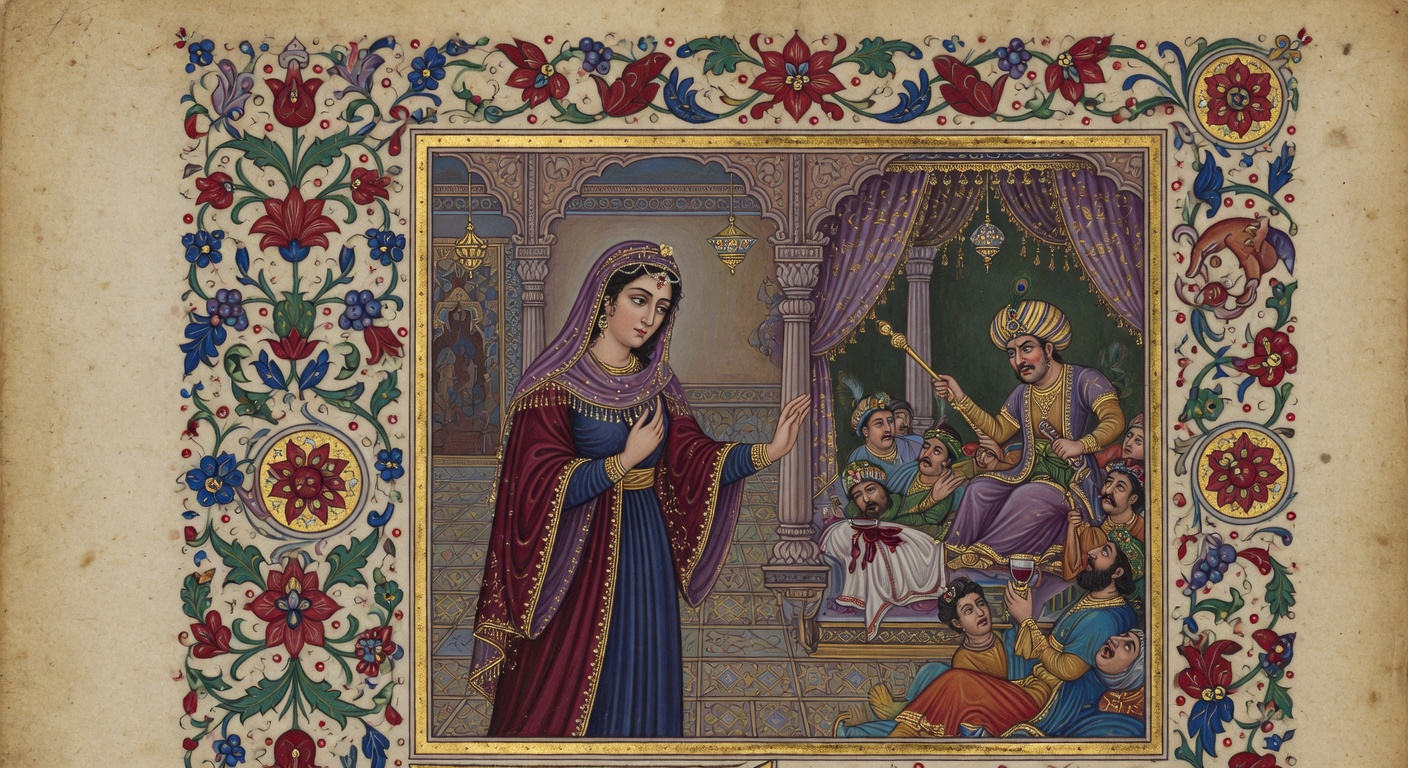
In the opulent court of the Persian king Ahasuerus, Queen Vashti embodied a moment of quiet defiance when she refused his command to appear unveiled before his wine-soaked nobles and display her beauty at the height of a prolonged royal feast. Her decision, rooted in personal dignity amid the excesses of imperial power, led the king's advisors to fear its broader influence on the women of the realm and to urge her swift removal through an irrevocable decree. This deposition cleared the path for Esther's elevation, allowing divine providence to work through the unlikeliest of turns to preserve the Jewish people from destruction.
Biography
- Occupation
- Queen of Persia
- Era
- Post-Exile (c. 483 BC)
Did You Know?
Vashti hosted her own banquet for the women of the palace at the same time as the king's seven-day feast for officials, reflecting the strict gender segregation in Achaemenid court protocol that kept royal women apart from male revelry.
The biblical text specifies that Ahasuerus commanded Vashti to appear before him wearing her royal crown after he had been drinking for a week, an unusual public summons that violated Persian customs reserving the queen's visibility for private or ceremonial settings.
Vashti's refusal prompted the king's seven advisors, including Memucan, to issue an empire-wide decree that every man should be ruler in his own house, a legal response rooted in fears of widespread domestic upheaval rather than personal insult alone.
Unlike later Persian queens who wielded significant behind-the-scenes influence, Vashti's abrupt deposition after just one recorded act of defiance underscores the precarious, largely symbolic role of royal consorts under Xerxes I.
The narrative timing places Vashti's removal in the third year of Ahasuerus's reign, aligning with historical records of Xerxes's early consolidation of power after suppressing revolts in Egypt and Babylon.
Key Passages
Vashti Refuses the King
Esther 1:10-12
Vashti's brave stand for dignity shows how one courageous choice can quietly prepare the way for God's greater purposes.
 10n the seventh day, when the heart of the king was merry with wine, he commanded Mehuman, Biztha, Harbona, Bigtha, and Abagtha, Zethar, and Carcas, the seven chamberlains that served in the presence of Ahasuerus the king,
Vashti Deposed
Esther 1:19-21
This event reveals how one queen's stand unexpectedly opened the way for Esther to rise and protect God's people.
 19f it please the king, let there go a royal commandment from him, and let it be written among the laws of the Persians and the Medes, that it be not altered, That Vashti come no more before king Ahasuerus; and let the king give her royal estate unto another that is better than she.