Crete
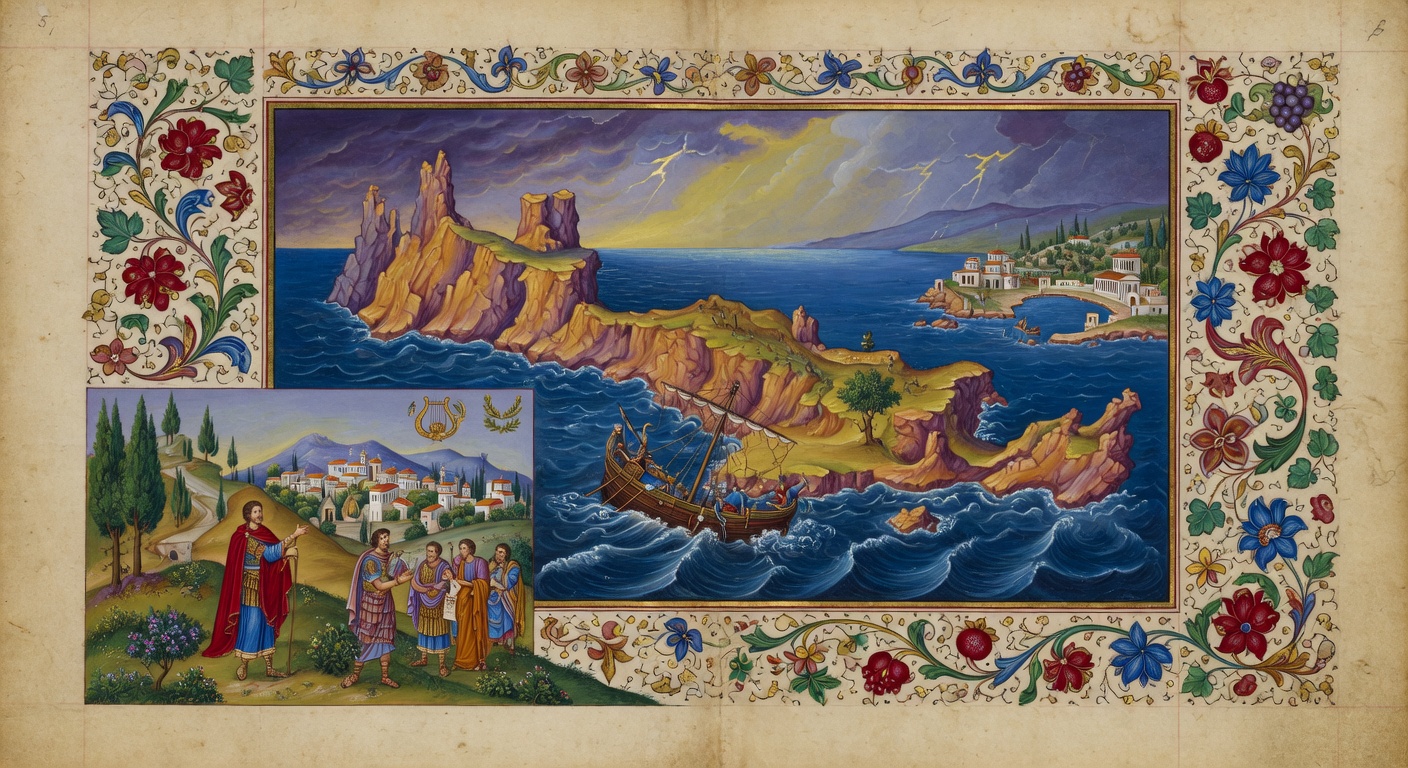
Crete is a large island in the eastern Mediterranean Sea that appears in the New Testament as a location of early Christian ministry and church planting. The apostle Paul sailed past Crete during his voyage to Rome as a prisoner, and the ship's ill-fated attempt to reach the harbor of Phoenix on Crete's southern coast led to the disastrous storm and shipwreck described in Acts 27. More significantly, Paul left his associate Titus on Crete to organize the fledgling churches there, appointing elders in every town and addressing the particular challenges of ministry in Cretan culture. In his letter to Titus, Paul quotes the Cretan poet Epimenides and instructs Titus to rebuke sharply and establish sound doctrine among believers who faced cultural pressures toward dishonesty and self-indulgence. Crete thus represents the early church's expansion into diverse cultural contexts and the need for strong local leadership to maintain doctrinal integrity.
Details
- Region
- Mediterranean
- Modern Location
- Crete, Greece (the largest Greek island in the Mediterranean Sea)
Key Passages
Titus Left in Crete
Titus 1:5-9
Paul's instructions to Titus reveal the importance of qualified local leadership for churches in challenging cultural environments.
 5or this cause left I thee in Crete, that thou shouldest set in order the things that are wanting, and ordain elders in every city, as I had appointed thee:
Paul's Ship Near Crete
Acts 27:7-13
The failed attempt to winter safely at Crete sets the stage for the dramatic shipwreck that demonstrates God's sovereignty over Paul's journey.
 7nd when we had sailed slowly many days, and scarce were come over against Cnidus, the wind not suffering us, we sailed under Crete, over against Salmone;