Persia
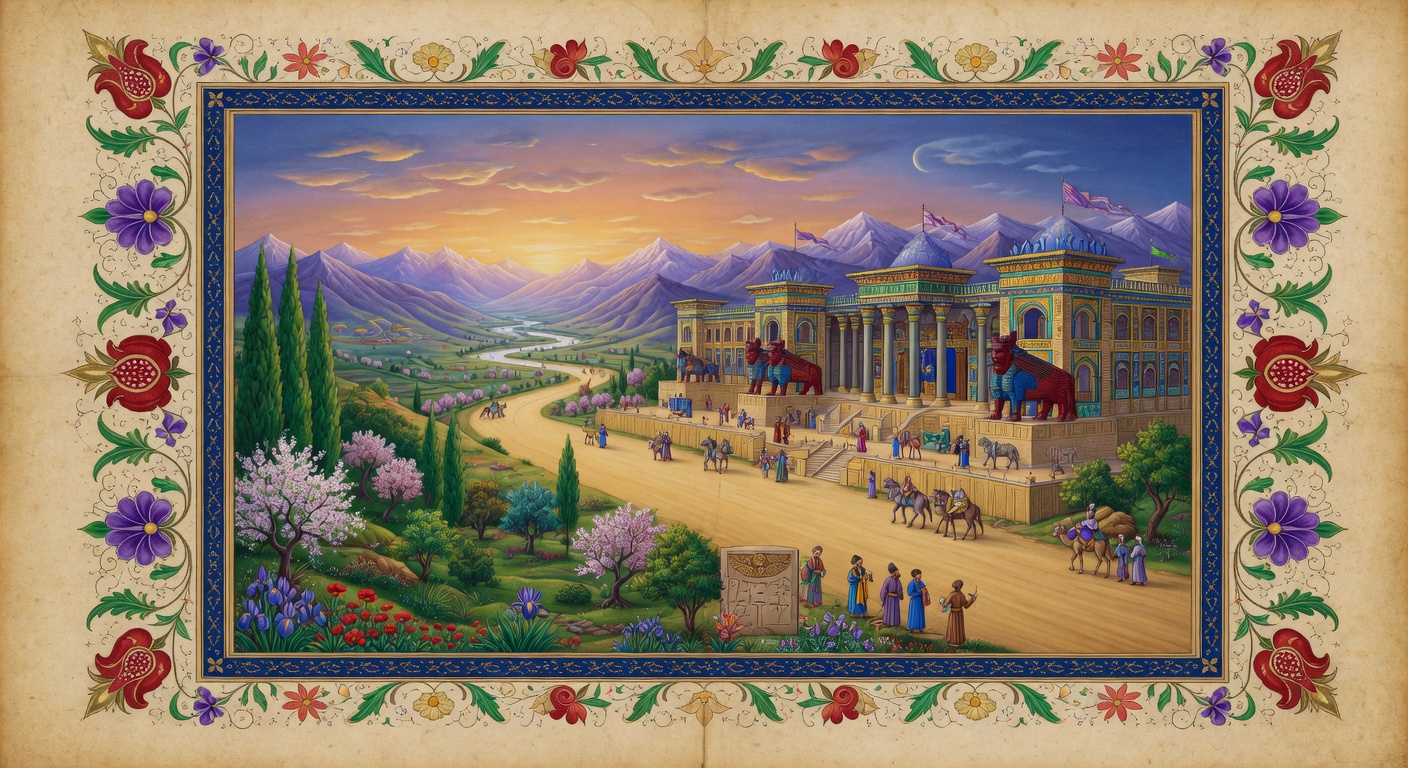
In the unfolding of God's redemptive purposes, Persia rose as the empire that subdued Babylon and issued the decree enabling the Jewish exiles to return and rebuild the temple in Jerusalem. This same realm provides the backdrop for Esther's story of courageous intercession and hidden providence within the royal court, while Daniel's vision portrays it as the ram with two horns that charges across the earth until its appointed time ends. Through these accounts Persia reveals how the Lord sovereignly directs even mighty Gentile kingdoms to preserve his people and advance the promises of restoration.
Details
- Region
- Western Asia
- Modern Location
- Iran
Key Passages
Cyrus's Decree
Ezra 1:1-2
Cyrus king of Persia issues a proclamation allowing the Jews to return and rebuild the temple in Jerusalem.
 1ow in the first year of Cyrus king of Persia, that the word of the LORD by the mouth of Jeremiah might be fulfilled, the LORD stirred up the spirit of Cyrus king of Persia, that he made a proclamation throughout all his kingdom, and put it also in writing, saying,
Esther in the Persian Court
Esther 1:1-3
The narrative of Esther takes place in the Persian empire during the reign of Ahasuerus.
1ow it came to pass in the days of Ahasuerus, (this is Ahasuerus which reigned, from India even unto Ethiopia, over an hundred and seven and twenty provinces:)
Vision of the Ram
Daniel 8:20
The ram with two horns symbolizes the kings of Media and Persia in Daniel's vision.
 20he ram which thou sawest having two horns are the kings of Media and Persia.