The Lamb
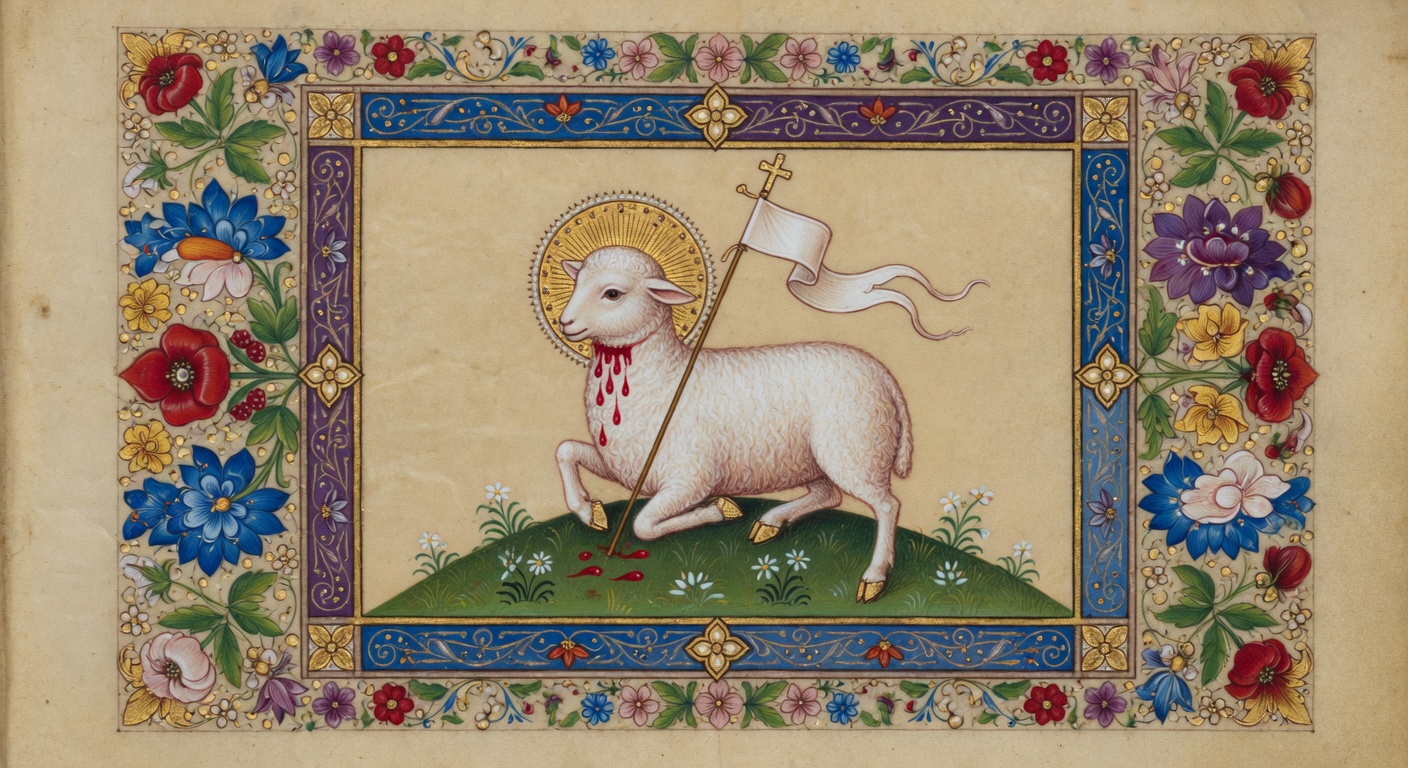
The lamb serves as Scripture's enduring emblem of substitutionary atonement, seen first in Abel's offering that pleased God and then in the Passover where its blood delivered the people from destruction. John the Baptist points to Jesus as the Lamb of God whose perfect sacrifice takes away the sin of the world, fulfilling what earlier lambs could only foreshadow. In heaven the saints worship this Lamb as worthy because his blood has purchased redemption for all who believe, revealing the heart of God's redemptive work.
Details
- Symbolizes
- Innocence, substitutionary sacrifice, Christ
Old Testament Type
The Passover lamb whose blood protected Israel from death (Exodus 12)
New Testament Fulfillment
Jesus Christ, 'the Lamb of God, which taketh away the sin of the world' (John 1:29)
Key Passages
Abel's Lamb
Genesis 4:4
 4nd Abel, he also brought of the firstlings of his flock and of the fat thereof. And the LORD had respect unto Abel and to his offering:
Passover Lamb
Exodus 12:3-7
 3peak ye unto all the congregation of Israel, saying, In the tenth day of this month they shall take to them every man a lamb, according to the house of their fathers, a lamb for an house:
Lamb of God
John 1:29
 29he next day John seeth Jesus coming unto him, and saith, Behold the Lamb of God, which taketh away the sin of the world.
Worthy is the Lamb
Revelation 5:12
12aying with a loud voice, Worthy is the Lamb that was slain to receive power, and riches, and wisdom, and strength, and honour, and glory, and blessing.
Did You Know?
The Lamb is one of the most powerful symbols of Jesus in Scripture, appearing from Genesis to Revelation.
In the Old Testament, the Passover lamb's blood protected Israel from the angel of death.
John the Baptist called Jesus 'the Lamb of God who takes away the sin of the world.'