Isaiah 29 KJV
Woe to Jerusalem
Isaiah Chapter 29: Woe to Jerusalem
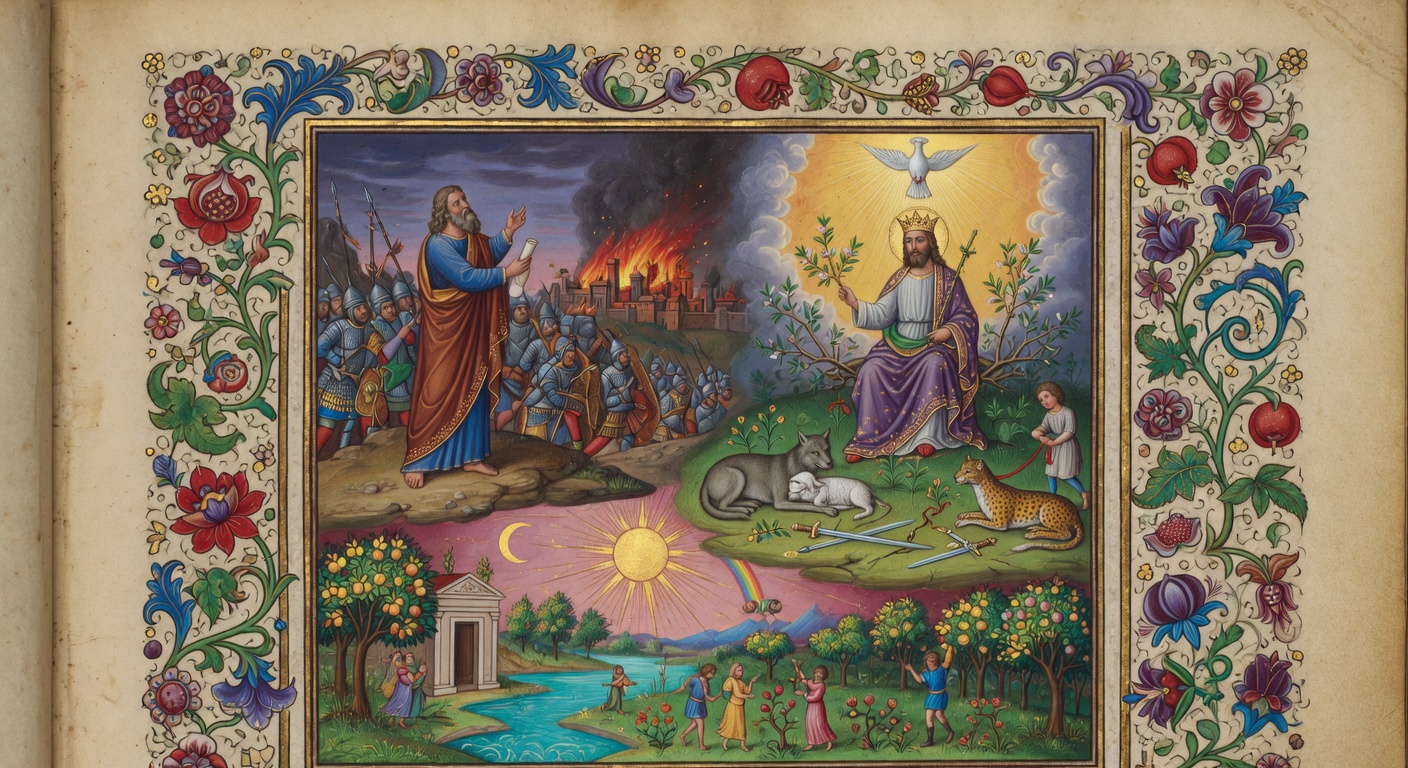
The chapter opens by addressing Jerusalem as "Ariel" (lion of God or hearth of God), a double entendre that frames the city itself as both a fierce predator and the very altar upon which its inhabitants will be consumed in judgment.
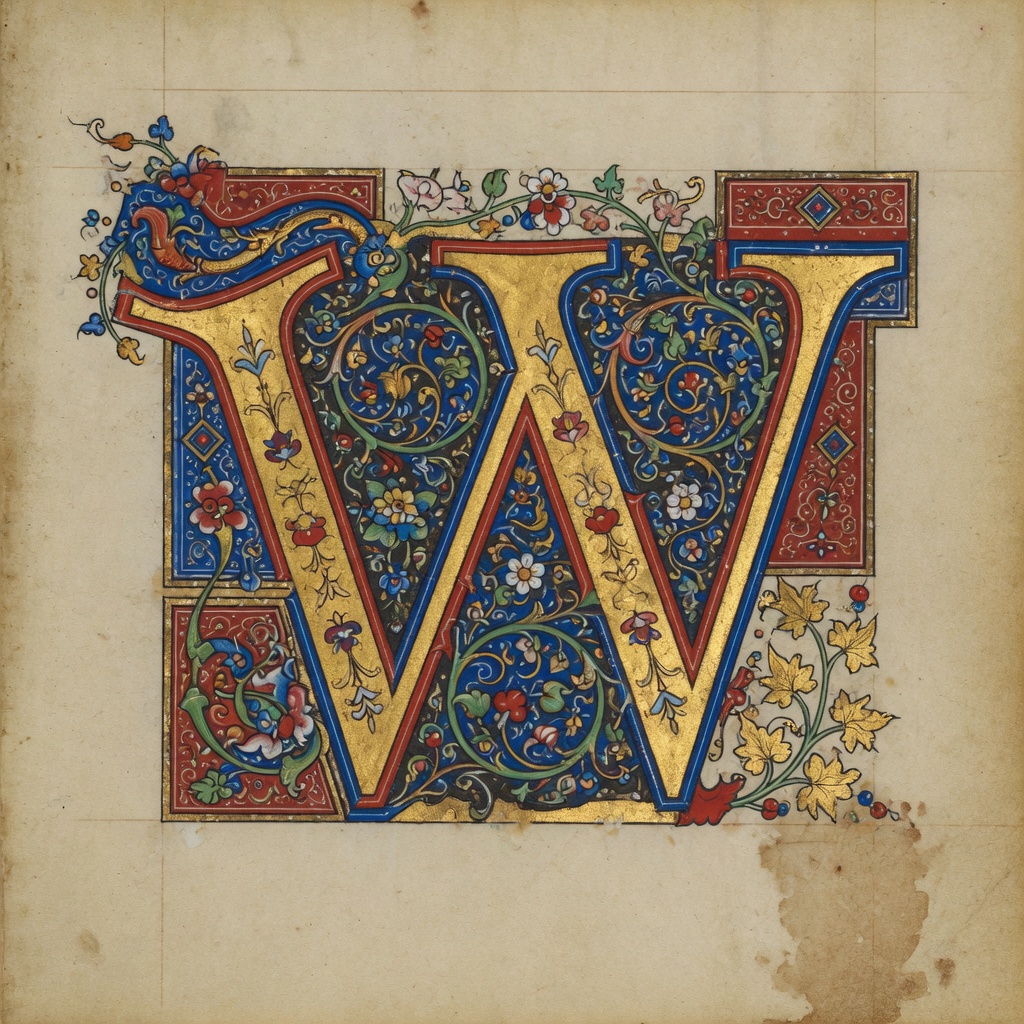 1oe to Ariel, to Ariel, the city where David dwelt! add ye year to year; let them kill sacrifices.
2 Yet I will distress Ariel, and there shall be heaviness and sorrow: and it shall be unto me as Ariel.
3 And I will camp against thee round about, and will lay siege against thee with a mount, and I will raise forts against thee.
4 And thou shalt be brought down, and shalt speak out of the ground, and thy speech shall be low out of the dust, and thy voice shall be, as of one that hath a familiar spirit, out of the ground, and thy speech shall whisper out of the dust.
5 Moreover the multitude of thy strangers shall be like small dust, and the multitude of the terrible ones shall be as chaff that passeth away: yea, it shall be at an instant suddenly.
6 Thou shalt be visited of the LORD of hosts with thunder, and with earthquake, and great noise, with storm and tempest, and the flame of devouring fire.
7 And the multitude of all the nations that fight against Ariel, even all that fight against her and her munition, and that distress her, shall be as a dream of a night vision.
8 It shall even be as when an hungry man dreameth, and, behold, he eateth; but he awaketh, and his soul is empty: or as when a thirsty man dreameth, and, behold, he drinketh; but he awaketh, and, behold, he is faint, and his soul hath appetite: so shall the multitude of all the nations be, that fight against mount Zion.
9 Stay yourselves, and wonder; cry ye out, and cry: they are drunken, but not with wine; they stagger, but not with strong drink.
10 For the LORD hath poured out upon you the spirit of deep sleep, and hath closed your eyes: the prophets and your rulers, the seers hath he covered.
11 And the vision of all is become unto you as the words of a book that is sealed, which men deliver to one that is learned, saying, Read this, I pray thee: and he saith, I cannot; for it is sealed:
12 And the book is delivered to him that is not learned, saying, Read this, I pray thee: and he saith, I am not learned.
13 Wherefore the Lord said, Forasmuch as this people draw near me with their mouth, and with their lips do honour me, but have removed their heart far from me, and their fear toward me is taught by the precept of men:
14 Therefore, behold, I will proceed to do a marvellous work among this people, even a marvellous work and a wonder: for the wisdom of their wise men shall perish, and the understanding of their prudent men shall be hid.
15 Woe unto them that seek deep to hide their counsel from the LORD, and their works are in the dark, and they say, Who seeth us? and who knoweth us?
16 Surely your turning of things upside down shall be esteemed as the potter’s clay: for shall the work say of him that made it, He made me not? or shall the thing framed say of him that framed it, He had no understanding?
17 Is it not yet a very little while, and Lebanon shall be turned into a fruitful field, and the fruitful field shall be esteemed as a forest?
18 And in that day shall the deaf hear the words of the book, and the eyes of the blind shall see out of obscurity, and out of darkness.
19 The meek also shall increase their joy in the LORD, and the poor among men shall rejoice in the Holy One of Israel.
20 For the terrible one is brought to nought, and the scorner is consumed, and all that watch for iniquity are cut off:
21 That make a man an offender for a word, and lay a snare for him that reproveth in the gate, and turn aside the just for a thing of nought.
22 Therefore thus saith the LORD, who redeemed Abraham, concerning the house of Jacob, Jacob shall not now be ashamed, neither shall his face now wax pale.
23 But when he seeth his children, the work of mine hands, in the midst of him, they shall sanctify my name, and sanctify the Holy One of Jacob, and shall fear the God of Israel.
24 They also that erred in spirit shall come to understanding, and they that murmured shall learn doctrine.
← → arrow keys to navigate chapters · spacebar to play/pause audio
Did You Know?
The chapter opens by addressing Jerusalem as "Ariel" (lion of God or hearth of God), a double entendre that frames the city itself as both a fierce predator and the very altar upon which its inhabitants will be consumed in judgment.
Isaiah 29:13 is quoted verbatim by Jesus in Matthew 15:8-9 (and Mark 7:6-7) to indict Pharisaic tradition, demonstrating how this single prophetic critique of lip-service religion bridges eighth-century BCE Judah and first-century CE conflicts.
Verses 11-12 depict a sealed scroll that neither the literate nor the illiterate can read, a motif of divinely imposed incomprehension that later resonates with the sealed book in Daniel 12 and the Lamb's scroll in Revelation 5.
The abrupt ecological reversal in v. 17, where Lebanon becomes a fruitful field and the field a forest, functions as an Isaianic "sign" anticipating the messianic age's inversion of natural and political orders rather than a literal forecast.
Verse 16's potter-clay rebuke, which accuses the people of treating the Creator as clay rather than potter, supplies the precise imagery Paul reworks in Romans 9 to defend God's sovereign right to judge and elect.
Commentary & Study Notes Jamieson-Fausset-Brown (1871) · Public Domain Ariel — Jerusalem; Ariel means "Lion of God," that is, city rendered by God invincible: the lion is emblem of a mighty hero (2Sa 23:20). Otherwise "Hearth of God," that is, place w…
Classic verse-by-verse commentary on Isaiah 29 from Jamieson, Fausset & Brown (1871). Covers: Coming invasion of Jerusalem: its failure: unbelief of the jews.
- 1
- Ariel — Jerusalem; Ariel means "Lion of God," that is, city rendered by God invincible: the lion is emblem of a mighty hero (2Sa 23:20). Otherwise "Hearth of God," that is, place where the altar-fire continually burns to God (Isa 31:9; Eze 43:15, 16). add... year to year — ironically; suffer one year after another to glide on in the round of formal, heartless "sacrifices." Rather, "add yet another year" to the one just closed [MAURER]. Let a year elapse and a little more (Isa 32:10, Margin). let... kill sacrifices — rather, "let the beasts (of another year) go round" [MAURER]; that is, after the completion of a year "I will distress Ariel."
- 2
- Yet — rather, "Then." heaviness... sorrow — rather, preserving the Hebrew paronomasia, "groaning" and "moaning." as Ariel — either, "the city shall be as a lion of God," that is, it shall emerge from its dangers unvanquished; or "it shall be as the altar of burnt offering," consuming with fire the besiegers (Isa 29:6; Isa 30:30; 31:9; Le 10:2); or best, as Isa 29:3 continues the threat, and the promise of deliverance does not come till Isa 29:4, "it shall be like a hearth of burning," that is, a scene of devastation by fire [G. V. SMITH]. The prophecy, probably, contemplates ultimately, besides the affliction and deliverance in Sennacherib's time, the destruction of Jerusalem by Rome, the dispersion of the Jews, their restoration, the destruction of the enemies that besiege the city (Zec 14:2), and the final glory of Israel (Isa 29:17-24).
Read all 24 notes on Isaiah 29 →