Ahasuerus (Xerxes)
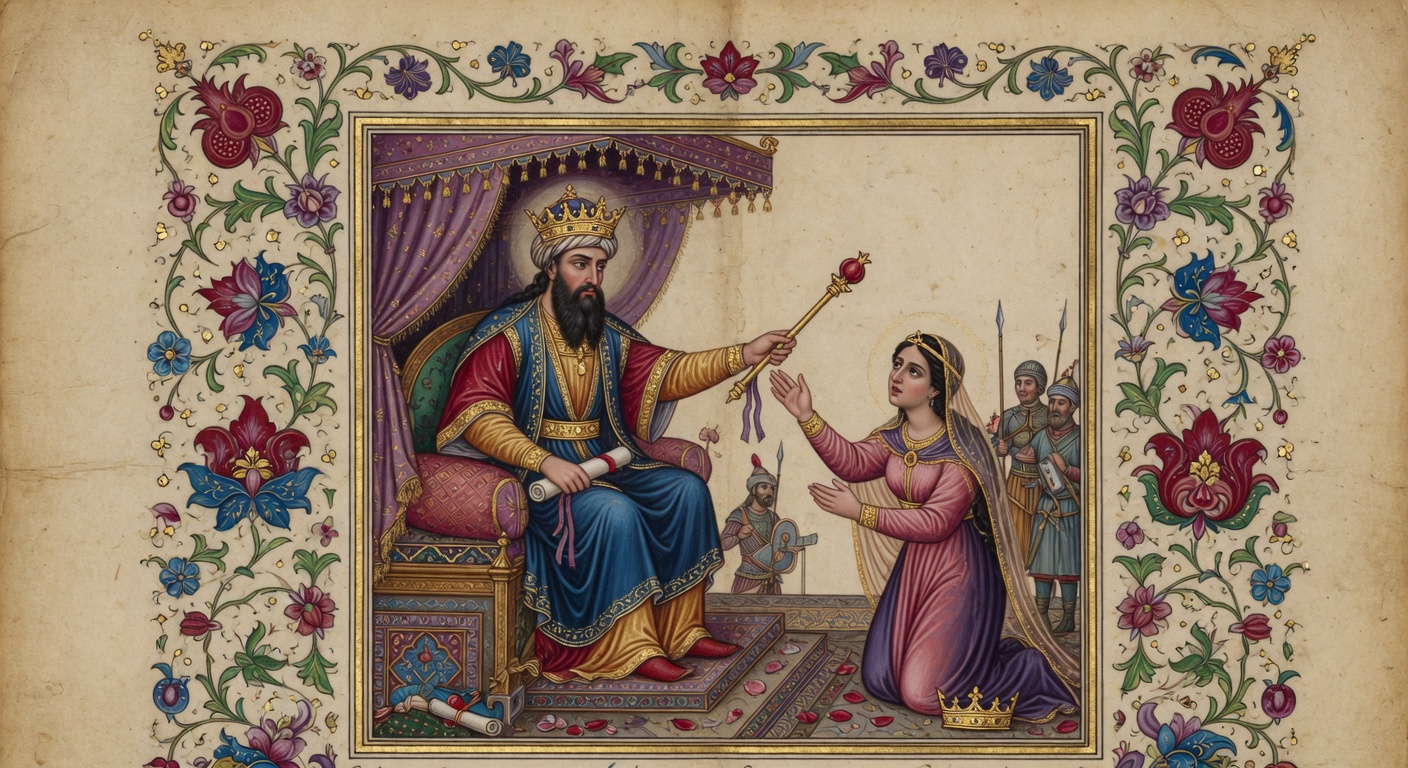
Ahasuerus, identified with the Persian ruler Xerxes I who reigned from 486 to 465 BC, ruled over a vast empire stretching from India to Ethiopia. After deposing his queen Vashti for refusing to appear at a royal banquet, he selected the Jewish woman Esther as her replacement, unaware of her heritage. Influenced by his advisor Haman, the king issued an irrevocable decree authorizing the slaughter of all Jews throughout the empire on a designated day, but Esther’s courageous intervention at the risk of her own life prompted a counter-decree that allowed the Jews to defend themselves and ultimately reversed their fate. The Book of Esther presents these events as a demonstration of divine providence working through human courage, establishing the annual festival of Purim to commemorate the deliverance of the Jewish people.
Biography
- Occupation
- King of Persia
- Era
- Post-Exile (c. 486-465 BC)
- Nationality
- Persian
Did You Know?
Ahasuerus displayed his wealth and the splendor of his empire for 180 consecutive days to officials from 127 provinces stretching from India to Cush, an extravagant display recorded in Esther 1:4 that underscores the unprecedented scale of Persian courtly propaganda during the post-exilic era.
After Queen Vashti refused his summons, Ahasuerus issued an irrevocable decree in multiple languages declaring that every man should be ruler in his household, a measure aimed at preventing similar acts of defiance from spreading across the empire as noted in Esther 1:22.
Young women selected for the king's harem, including Esther, underwent a mandatory twelve-month beauty regimen consisting of six months with oil of myrrh followed by six months with perfumes and cosmetics, reflecting documented ancient Persian practices of prolonged preparation before entering the royal presence.
Unable to sleep one night, Ahasuerus ordered the book of memorable deeds to be read aloud, which led to the belated recognition and reward of Mordecai's earlier service in foiling an assassination plot, directly reversing Haman's plans in Esther 6.
Historically identified with Xerxes I, Ahasuerus's reign saw the construction of gallows fifty cubits high for Mordecai, a detail highlighting the extreme vertical scale of Persian execution methods used to publicly deter rebellion.
Key Passages
Ahasuerus' Feast
Esther 1:1-4
This passage introduces the vast power and splendor of a worldly ruler, reminding us that God sovereignly directs even mighty kings for His people's good.
 1ow it came to pass in the days of Ahasuerus, (this is Ahasuerus which reigned, from India even unto Ethiopia, over an hundred and seven and twenty provinces:)
The King's Decree Reversed
Esther 8:7-8
This passage shows how God can sovereignly redirect even a king's flawed authority to protect and deliver His people from destruction.
 7hen the king Ahasuerus said unto Esther the queen and to Mordecai the Jew, Behold, I have given Esther the house of Haman, and him they have hanged upon the gallows, because he laid his hand upon the Jews.