Belshazzar
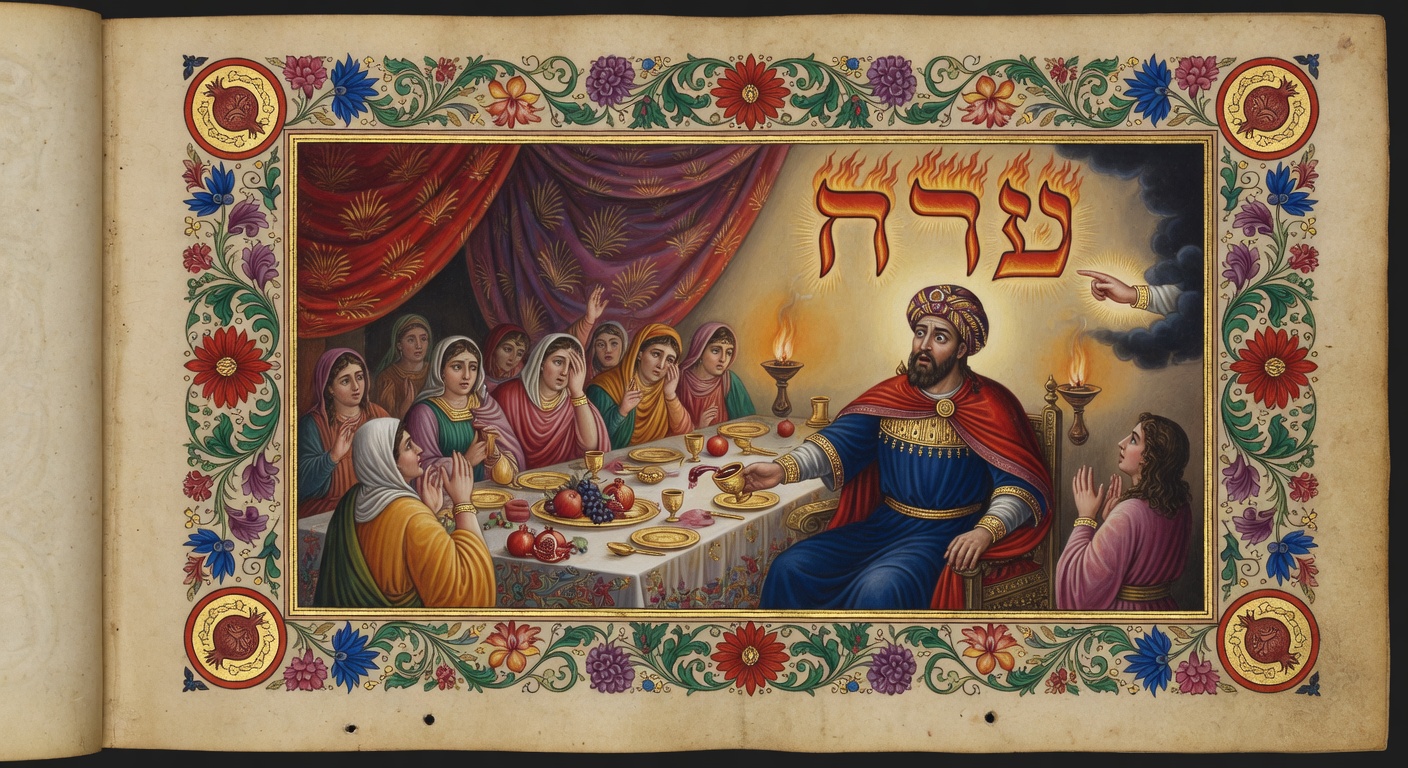
Belshazzar served as the last king of Babylon, the son of Nabonidus, and ruled during the final years of the Neo-Babylonian Empire in the sixth century BC. According to the Book of Daniel, he hosted a great feast using sacred vessels looted from the Jerusalem temple, an act of sacrilege that prompted the appearance of a divine hand writing the words Mene, Tekel, Upharsin on the palace wall. The prophet Daniel interpreted the message as God's judgment that Belshazzar's kingdom had been numbered, weighed, and found deficient, resulting in its imminent division between the Medes and Persians. That same night the city fell to invading forces, Belshazzar was killed, and the event marked the transition of world empires foretold in Scripture while illustrating divine sovereignty over proud rulers.
Biography
- Died
- c. 539 BC, Babylon (night of conquest)
- Occupation
- Co-regent of Babylon
- Father
- Nabonidus
- Era
- Exile (c. 553-539 BC)
- Nationality
- Babylonian
Family
Did You Know?
Belshazzar offered the position of third ruler in the kingdom to Daniel, a detail that aligns with his historical role as co-regent under his father Nabonidus rather than sole king.
Although the biblical text calls Nebuchadnezzar his father, cuneiform records show Belshazzar was the son of Nabonidus, with the term likely indicating a dynastic predecessor in ancient royal rhetoric.
The wall inscription Mene, Tekel, Upharsin used terms for ancient weight measures, which Daniel repurposed to prophesy the kingdom being numbered, weighed, and divided between the Medes and Persians.
Belshazzar's feast deliberately profaned sacred vessels looted from the Jerusalem temple decades earlier, an act of sacrilege that triggered the divine handwriting foretelling Babylon's fall that very night.
Archaeological tablets confirm Belshazzar managed Babylon's affairs while Nabonidus resided in Tema, Arabia, explaining his authority to host state banquets and issue royal decrees in 539 BC.
Key Passages
Belshazzar's Feast
Daniel 5:1-9
This passage shows how God holds leaders accountable for pride and irreverence, reminding us to walk humbly before Him.
 1elshazzar the king made a great feast to a thousand of his lords, and drank wine before the thousand.
The Writing on the Wall
Daniel 5:25-31
This passage shows God's sovereign justice in humbling the proud, inviting us to live with reverence and humility before Him.
 25nd this is the writing that was written, MENE, MENE, TEKEL, UPHARSIN.