Babylon
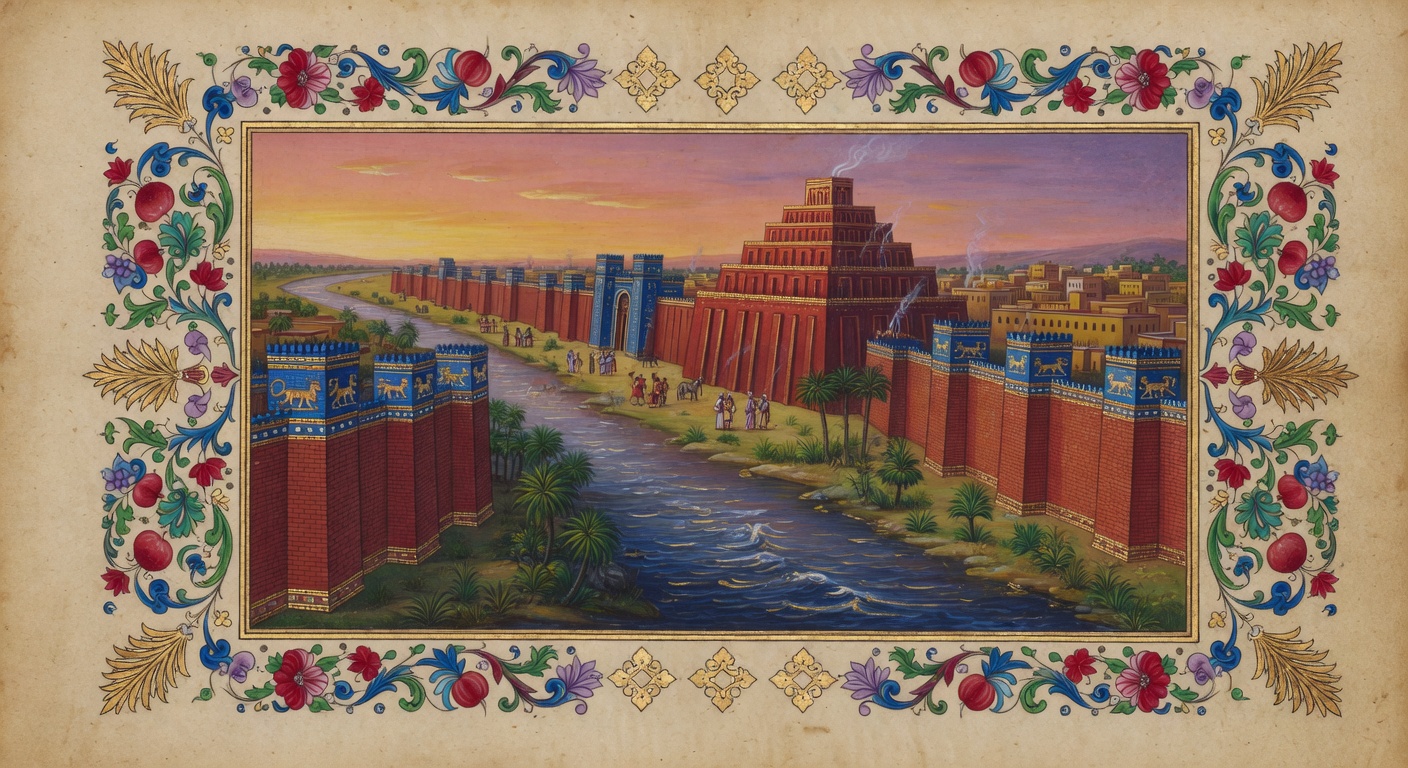
Babylon served as the capital of the Neo-Babylonian Empire and rose to prominence under rulers such as Nebuchadnezzar II in the sixth century BCE. Its armies conquered the southern kingdom of Judah, destroyed Jerusalem and the First Temple, and deported a significant portion of the population to Babylon, initiating a seventy-year period of exile that fulfilled prophetic warnings of judgment for covenant unfaithfulness. This event holds central importance in Scripture because it marked a pivotal moment of divine discipline while also preserving a faithful remnant, as recorded in books such as 2 Kings, Jeremiah, and Daniel. The return from exile under Persian permission later enabled the rebuilding of the Temple and reinforced themes of restoration, covenant renewal, and hope that echo throughout the Old Testament and into New Testament imagery of Babylon as a symbol of worldly opposition to God.
Video from BibleProject
Daniel Overview
Daniel and his friends remain faithful to God during exile in Babylon.
BibleProject is the author and owner of this content. To find more BibleProject resources, visit bibleproject.com. Bible Navigator is not affiliated with BibleProject.
Details
- Region
- Mesopotamia
- Modern Location
- Hillah, Babil Governorate, Iraq
Journey Paths
Key Passages
Fall of Jerusalem
2 Kings 25:1-12
Babylon destroys Jerusalem and the temple in 586 BC - the darkest moment in Israel's history, yet God uses exile to purify and preserve His people.
 1nd it came to pass in the ninth year of his reign, in the tenth month, in the tenth day of the month, that Nebuchadnezzar king of Babylon came, he, and all his host, against Jerusalem, and pitched against it; and they built forts against it round about.
Daniel in Babylon
Daniel 1:1-7
Daniel thrives in Babylon's hostile culture while maintaining faithfulness - proving that God's servants can influence pagan empires without compromising their convictions.
 1n the third year of the reign of Jehoiakim king of Judah came Nebuchadnezzar king of Babylon unto Jerusalem, and besieged it.
By the Rivers of Babylon
Psalms 137:1-6
The exiles weep by Babylon's rivers, unable to sing the Lord's song in a foreign land - one of Scripture's most poignant expressions of spiritual homesickness.
 1y the rivers of Babylon, there we sat down, yea, we wept, when we remembered Zion.
Did You Know?
The Hanging Gardens of Babylon were one of the Seven Wonders of the Ancient World.
Babylon's walls were reportedly wide enough for two chariots to pass side by side.
The city fell to Persia in 539 BC exactly as Daniel prophesied. Conquered without a battle.