Ezra
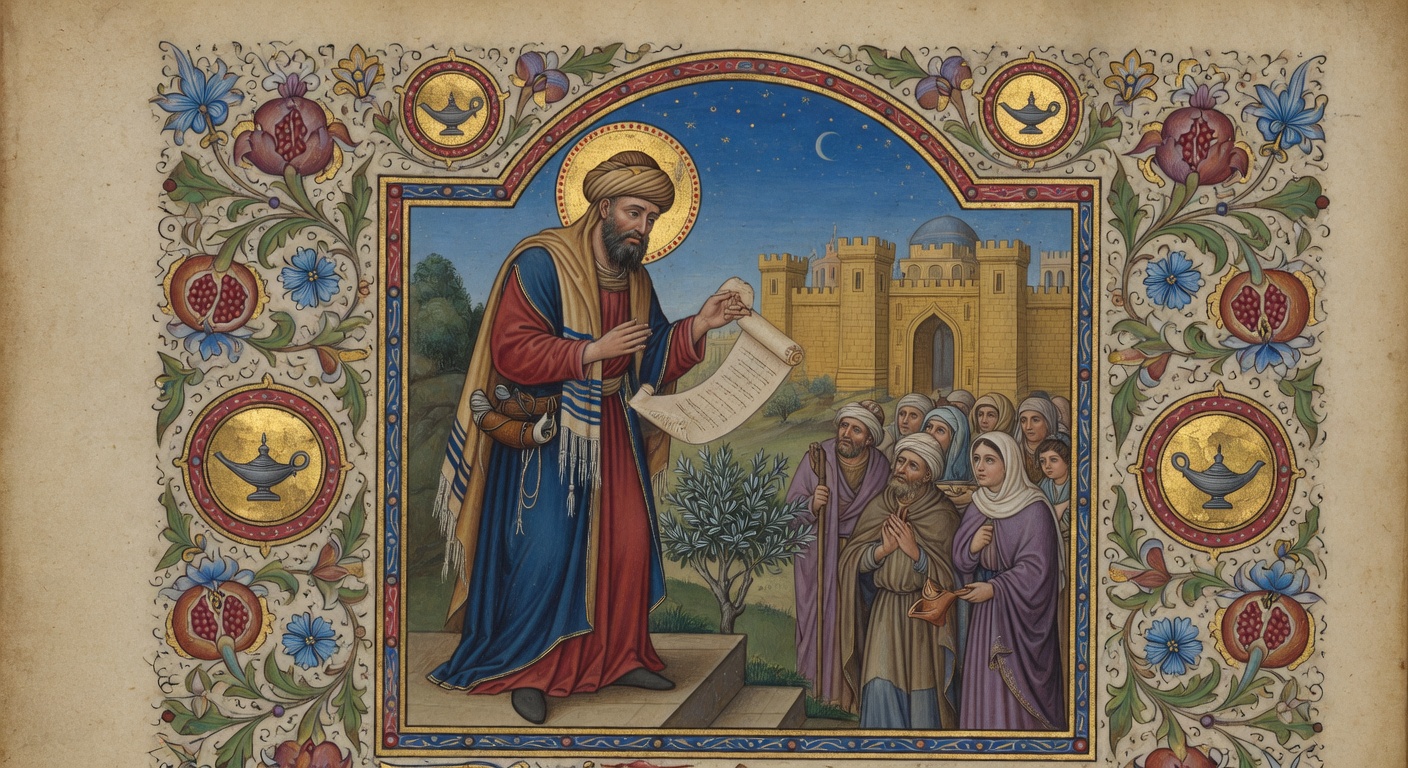
Ezra was a Jewish priest and scribe active in the fifth century BC during the Persian Empire's rule over the former Babylonian territories. He led a second wave of exiles from Babylon to Jerusalem under royal authorization from Artaxerxes I, bringing temple vessels and resources to support worship. Upon arrival, Ezra enforced the teaching of the Mosaic Law through public readings, addressed widespread intermarriage with surrounding peoples, and guided the community in covenant renewal and repentance. These events matter in Scripture because they illustrate the post-exilic restoration of Israel's religious identity and fidelity to God's Word, as detailed in the Book of Ezra.
Biography
- Occupation
- Priest, Scribe
- Tribe
- Levi (priestly family)
- Father
- Seraiah
- Era
- Post-Exile (c. 458 BC)
- Nationality
- Judean
Family
Did You Know?
Ezra traced his priestly ancestry directly back to Aaron through sixteen generations listed in Ezra 7:1-5, a detail underscoring his unique authority to reform worship practices among the returned exiles.
Before departing Babylon, Ezra refused a military escort from King Artaxerxes and instead proclaimed a fast beside the Ahava River, relying solely on divine protection for the caravan of nearly 5,000 people carrying temple treasures.
After discovering extensive intermarriage with foreign women, Ezra remained in stunned silence until the evening sacrifice, then oversaw the divorce of 113 Israelite men from their non-Jewish wives in a public assembly.
Ezra's marathon public reading of the Torah over seven days in Jerusalem prompted the people to celebrate the Feast of Tabernacles with unprecedented joy, unmatched since the time of Joshua.
Jewish tradition credits Ezra with helping form the Great Assembly, standardizing the Hebrew canon, and shifting the sacred script from paleo-Hebrew to the square Aramaic letters still used today.
Key Passages
Ezra's Mission
Ezra 7:6-10
Ezra leads a second wave of exiles back to Jerusalem, carrying the king's authority and God's law - embodying the principle that spiritual renewal requires both divine word and human courage.
 6his Ezra went up from Babylon; and he was a ready scribe in the law of Moses, which the LORD God of Israel had given: and the king granted him all his request, according to the hand of the LORD his God upon him.
Ezra's Prayer of Confession
Ezra 9:5-15
Ezra tears his garments and prays on behalf of the people's sin - modeling intercessory leadership that identifies with the community's failure rather than standing apart in judgment.
 5nd at the evening sacrifice I arose up from my heaviness; and having rent my garment and my mantle, I fell upon my knees, and spread out my hands unto the LORD my God,
Reading the Law
Nehemiah 8:1-8
When Ezra reads God's law publicly, the people weep in conviction - demonstrating the power of Scripture to pierce hearts and initiate genuine spiritual revival.
1nd all the people gathered themselves together as one man into the street that was before the water gate; and they spake unto Ezra the scribe to bring the book of the law of Moses, which the LORD had commanded to Israel.