Nebuchadnezzar
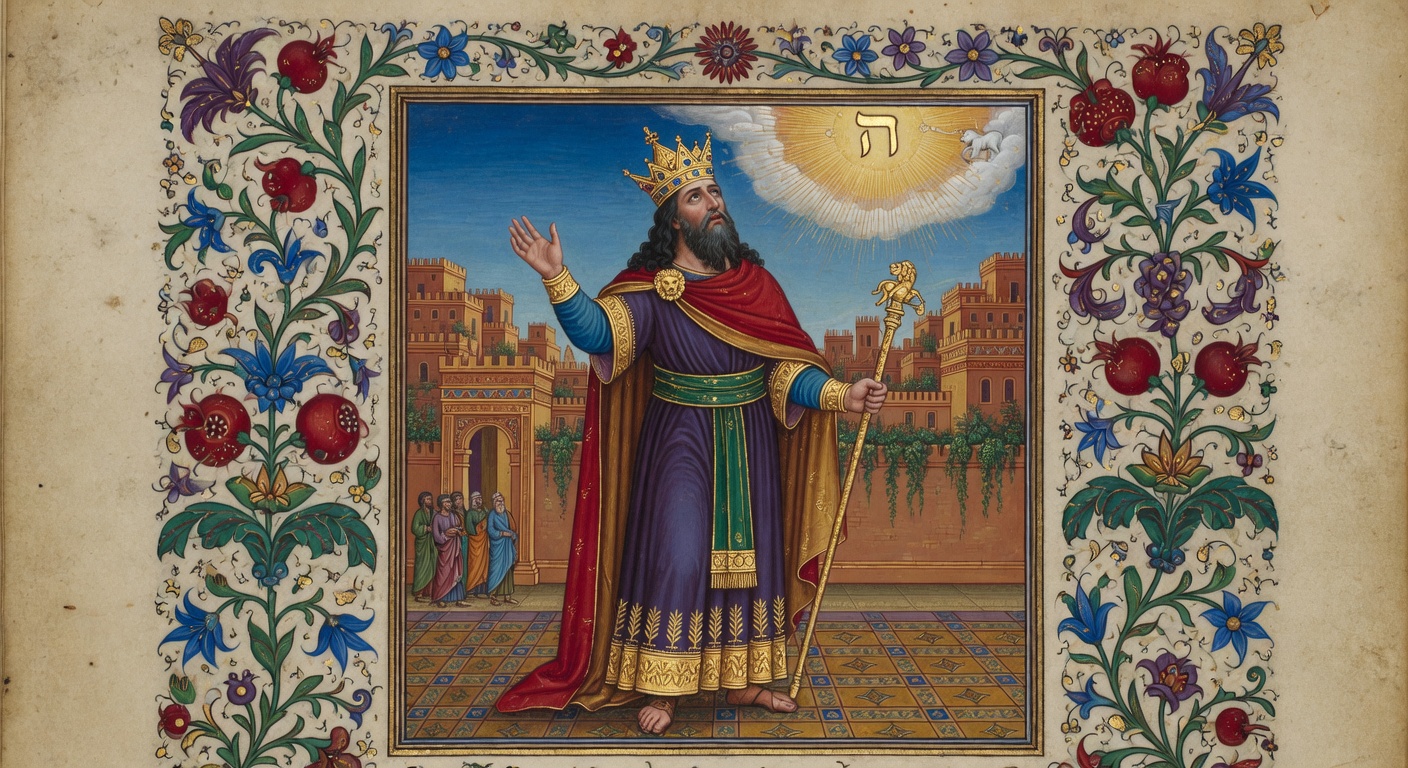
Nebuchadnezzar II ruled the Neo-Babylonian Empire in the sixth century BCE and led the conquest of Jerusalem, destroying the First Temple and deporting much of Judah’s population to Babylon in fulfillment of prophetic warnings recorded in 2 Kings and Jeremiah. The Book of Daniel depicts his encounters with the exiled Jewish officials, including the interpretation of his troubling dreams and the fiery furnace ordeal of Shadrach, Meshach, and Abednego. Following a divinely imposed period of madness that reduced him to animal-like behavior, Nebuchadnezzar regained his throne and issued a public decree acknowledging the supremacy of Israel’s God. These accounts illustrate Scripture’s emphasis on divine sovereignty over earthly empires and the call for rulers to recognize God’s authority.
Biography
- Born
- c. 634 BC, Babylon
- Died
- c. 562 BC, Babylon
- Occupation
- King of Babylon
- Father
- Nabopolassar
- Children
- Amel-Marduk (Evil-Merodach)
- Era
- Exile (c. 605-562 BC)
- Nationality
- Babylonian
Family
Did You Know?
In the Book of Daniel, Nebuchadnezzar erected a 90-foot golden statue on the plain of Dura and required all officials to worship it, an event that led to the fiery furnace ordeal for Daniel's companions and his subsequent decree protecting their God.
Nebuchadnezzar is uniquely called God's "servant" in Jeremiah's prophecies, portraying the Babylonian king as an unwitting instrument of divine judgment on Judah and neighboring nations despite his pagan status.
The Babylonian Chronicles corroborate the biblical account of Nebuchadnezzar's 597 BC siege of Jerusalem, during which he deported King Jehoiachin and installed Zedekiah, marking the first major wave of exile.
Ezekiel records Nebuchadnezzar using divination with arrows, idols, and livers at a crossroads to decide whether to attack Jerusalem or Rabbah of Ammon, reflecting ancient Mesopotamian military practices integrated into the prophetic narrative.
After his seven-year period of madness described in Daniel 4, Nebuchadnezzar issued a public proclamation across the empire acknowledging the sovereignty of the Most High God, an unprecedented royal confession in the biblical text.
Key Passages
Nebuchadnezzar's Dream
Daniel 2:1-13
This passage shows that human wisdom falls short before God's hidden mysteries, reminding us to seek His revelation with humble trust.
 1nd in the second year of the reign of Nebuchadnezzar Nebuchadnezzar dreamed dreams, wherewith his spirit was troubled, and his sleep brake from him.
The Golden Image
Daniel 3:1-7
This passage warns how pride fuels false worship, urging us to stand loyal to God amid pressure to conform.
 1ebuchadnezzar the king made an image of gold, whose height was threescore cubits, and the breadth thereof six cubits: he set it up in the plain of Dura, in the province of Babylon.
Nebuchadnezzar's Humbling
Daniel 4:28-37
This passage shows how God humbles the proud to reveal His sovereign rule, leading to genuine repentance and restored blessing.
28ll this came upon the king Nebuchadnezzar.