Urim and Thummim
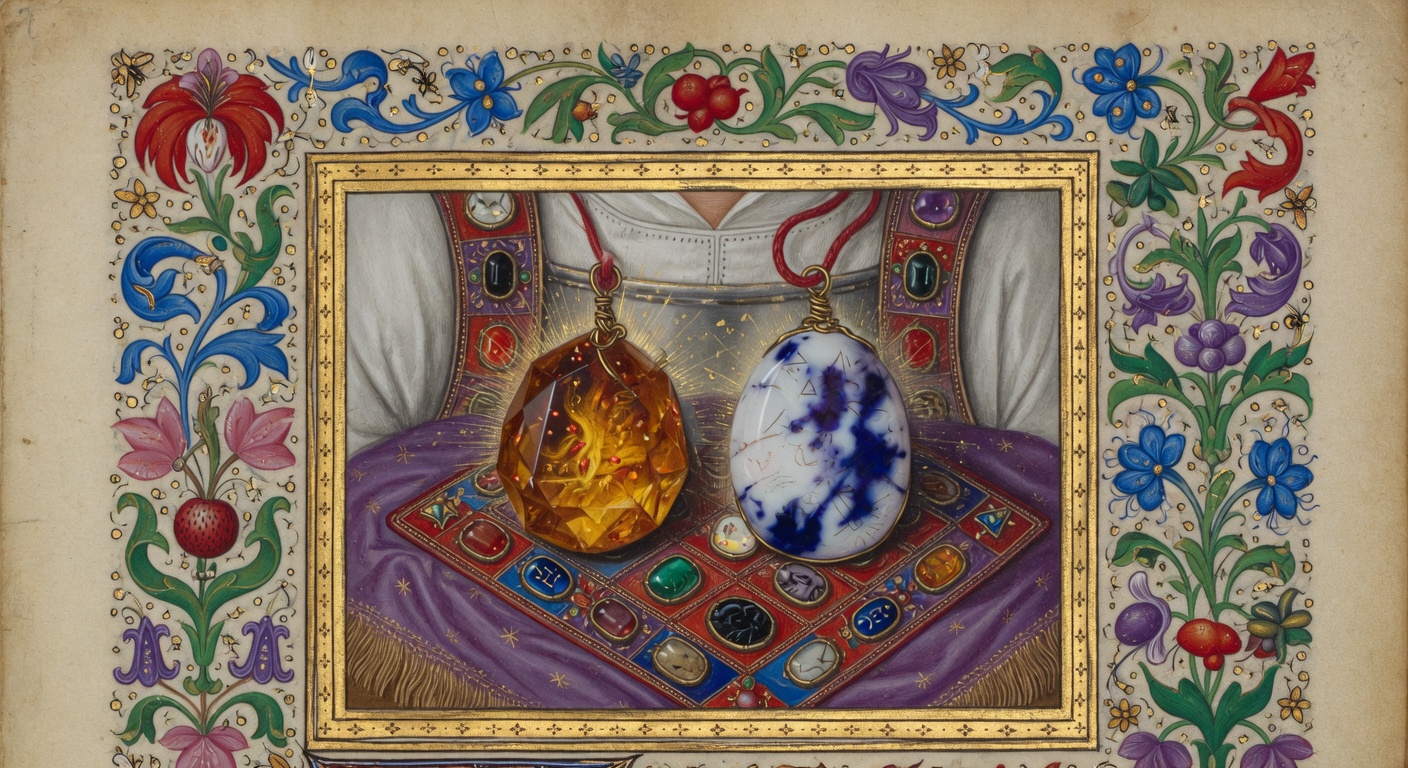
The Urim and Thummim were sacred objects placed within the breastplate of the high priest's ephod, as described in Exodus 28, and functioned as a divinely sanctioned means to discern God's will on critical national matters through yes-or-no or oracular responses. Biblical accounts record their use by figures such as Joshua before military campaigns, the priest Eleazar during the settlement of Canaan, and King Saul in seeking guidance, illustrating their role in Israel's theocratic governance. Their significance lies in underscoring the high priest's mediatory function and the broader scriptural theme of dependence on divine direction rather than human initiative alone. Though their exact composition remains unknown and they disappear from the record after the early post-exilic period, they exemplify the Old Testament's emphasis on God's active involvement in the affairs of His covenant people.
Details
- Significance
- Represented God's guidance for His people through the priesthood. Used for major national decisions.
- Materials
- Unknown - possibly precious stones
Key Passages
Placed in Breastplate
Exodus 28:30
 30nd thou shalt put in the breastplate of judgment the Urim and the Thummim; and they shall be upon Aaron’s heart, when he goeth in before the LORD: and Aaron shall bear the judgment of the children of Israel upon his heart before the LORD continually.
Joshua to Use Them
Numbers 27:21
21nd he shall stand before Eleazar the priest, who shall ask counsel for him after the judgment of Urim before the LORD: at his word shall they go out, and at his word they shall come in, both he, and all the children of Israel with him, even all the congregation.
No Answer for Saul
1 Samuel 28:6
6nd when Saul enquired of the LORD, the LORD answered him not, neither by dreams, nor by Urim, nor by prophets.
Did You Know?
No one knows exactly what the Urim and Thummim looked like or how they worked.
The names mean 'lights' and 'perfections' (or 'revelation' and 'truth').
They were used to determine God's will in major national decisions.
After the Babylonian exile, they were lost. And Israel had to rely on prophets and Scripture alone.