Psalms 16 KJV
A Psalm of Confidence
About This Psalm
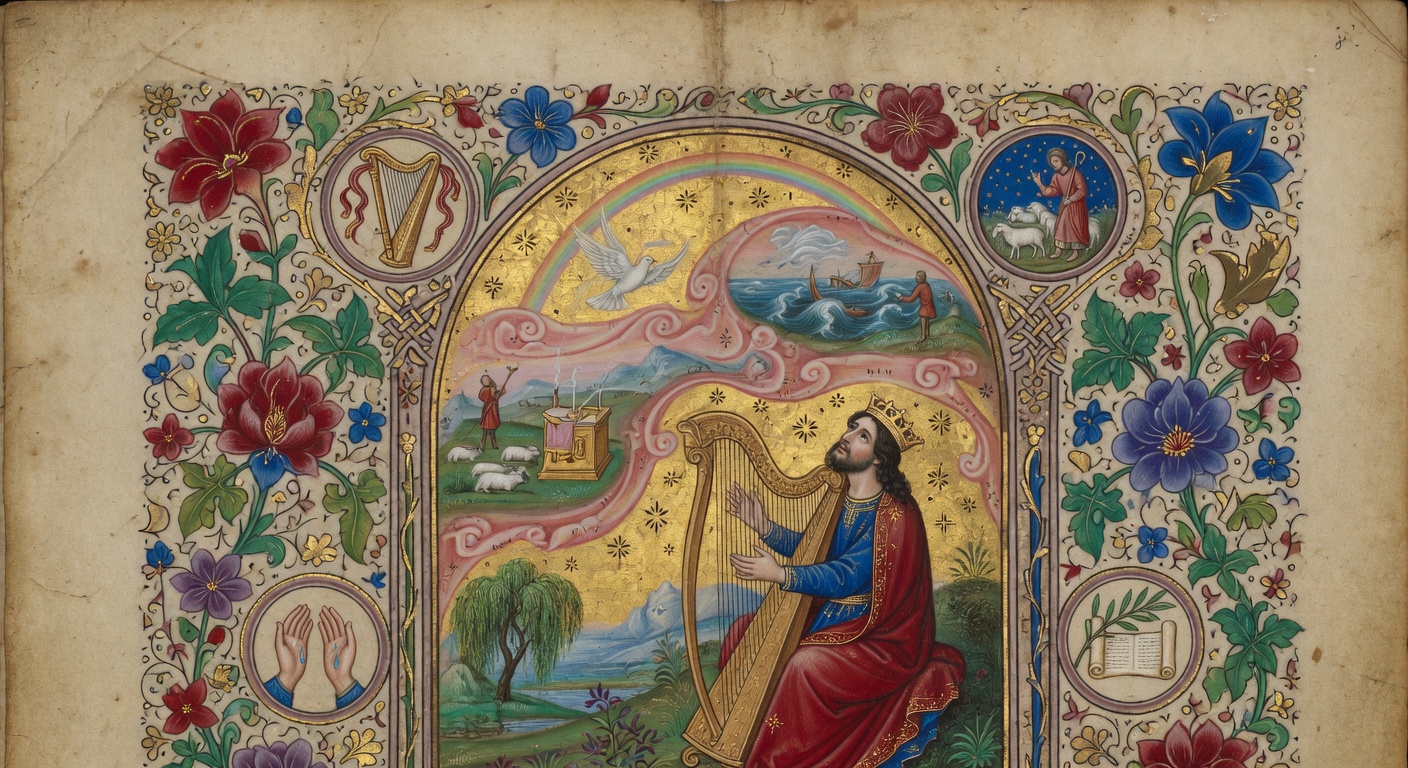
Pure contentment and joy in God's presence. David has found that God himself is the ultimate inheritance - better than any possession.
 1reserve me, O God: for in thee do I put my trust.
2 O my soul, thou hast said unto the LORD, Thou art my Lord: my goodness extendeth not to thee;
3 But to the saints that are in the earth, and to the excellent, in whom is all my delight.
4 Their sorrows shall be multiplied that hasten after another god: their drink offerings of blood will I not offer, nor take up their names into my lips.
5 The LORD is the portion of mine inheritance and of my cup: thou maintainest my lot.
6 The lines are fallen unto me in pleasant places; yea, I have a goodly heritage.
7 I will bless the LORD, who hath given me counsel: my reins also instruct me in the night seasons.
8 I have set the LORD always before me: because he is at my right hand, I shall not be moved.
9 Therefore my heart is glad, and my glory rejoiceth: my flesh also shall rest in hope.
10 For thou wilt not leave my soul in hell; neither wilt thou suffer thine Holy One to see corruption.
11 Thou wilt shew me the path of life: in thy presence is fulness of joy; at thy right hand there are pleasures for evermore.
← → arrow keys to navigate chapters · spacebar to play/pause audio
Did You Know?
Psalm 16 belongs to the rare category of Miktam psalms (along with 56-60), a term possibly denoting 'golden' or atonement-related compositions associated with David's periods of peril.
Verse 10's declaration that God will not allow His Holy One to see corruption is directly applied in the New Testament (Acts 2:27, 13:35) as a prophecy of Christ's resurrection rather than David's own experience.
The psalm reinterprets the Levitical inheritance principle. Where priests received no land allotment but God as their portion (Numbers 18:20). By applying it universally to all believers who find their ultimate inheritance in the Lord.
It contrasts the 'sorrows' multiplied for those chasing other gods with the 'fullness of joy' at God's right hand, highlighting a theological pivot from idolatry's consequences to eschatological bliss.
The imagery of the 'cup' in verse 5 connects to both the land division lots in Joshua and later Eucharistic themes, symbolizing one's divinely appointed destiny or portion in life.