Psalms 4 KJV
An Evening Prayer of Trust
About This Psalm
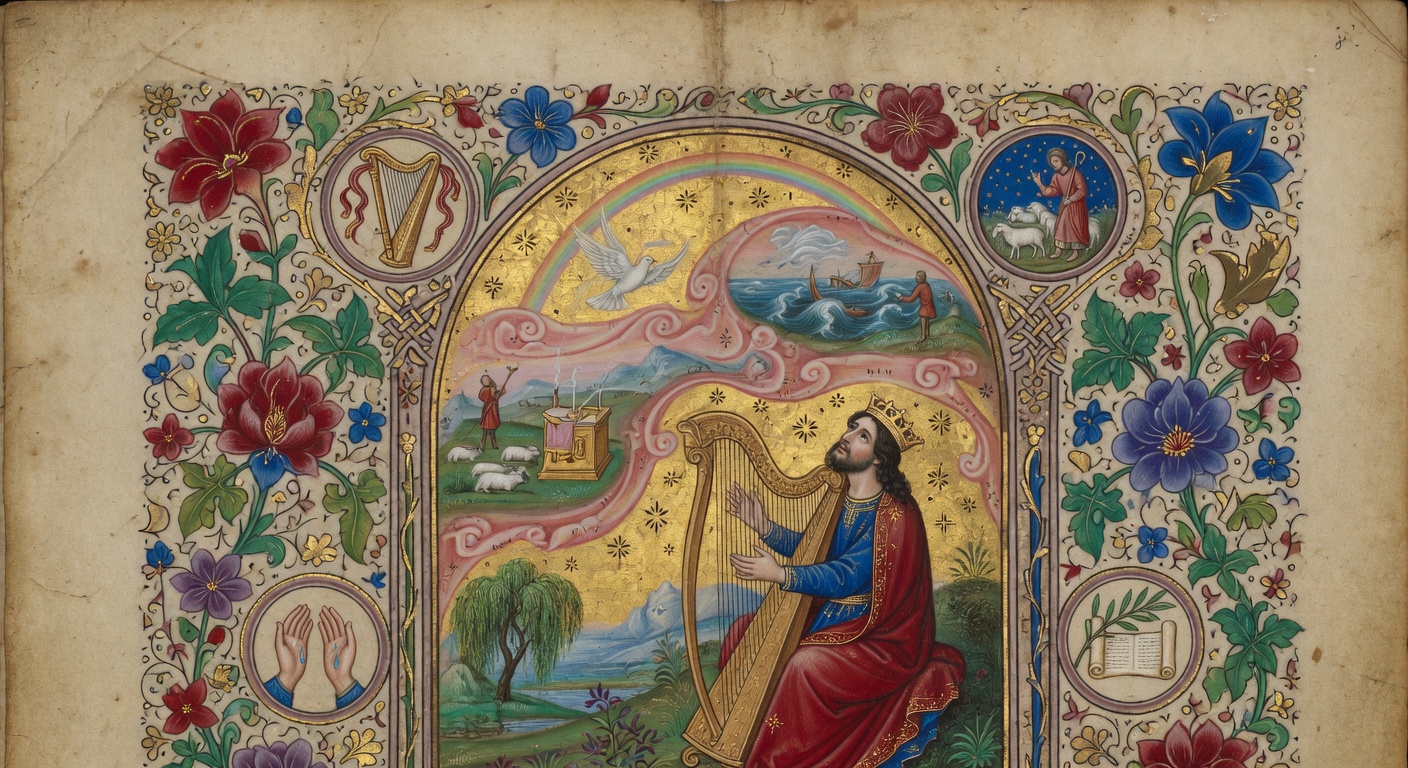
An evening prayer of trust. When others doubt God's goodness, David chooses confidence. A psalm for anxious nights.
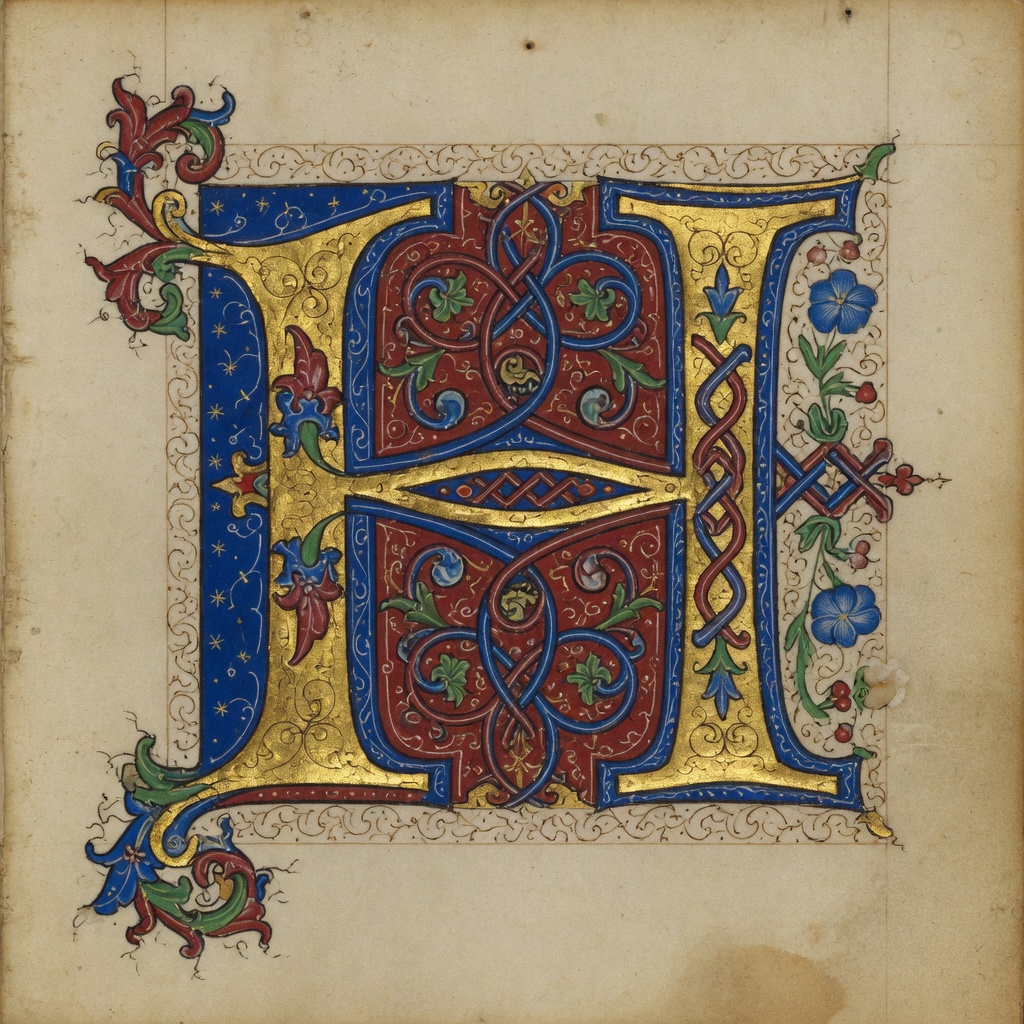 1ear me when I call, O God of my righteousness: thou hast enlarged me when I was in distress; have mercy upon me, and hear my prayer.
2 O ye sons of men, how long will ye turn my glory into shame? how long will ye love vanity, and seek after leasing? Selah.
3 But know that the LORD hath set apart him that is godly for himself: the LORD will hear when I call unto him.
4 Stand in awe, and sin not: commune with your own heart upon your bed, and be still. Selah.
5 Offer the sacrifices of righteousness, and put your trust in the LORD.
6 There be many that say, Who will shew us any good? LORD, lift thou up the light of thy countenance upon us.
7 Thou hast put gladness in my heart, more than in the time that their corn and their wine increased.
8 I will both lay me down in peace, and sleep: for thou, LORD, only makest me dwell in safety.
← → arrow keys to navigate chapters · spacebar to play/pause audio
Did You Know?
The phrase 'Be ye angry, and sin not' (v.4) is quoted verbatim by Paul in Ephesians 4:26, transforming an ancient call to nocturnal self-examination into a directive for Christian community ethics.
Verse 6's appeal for 'the light of thy countenance' directly echoes the Aaronic blessing of Numbers 6:25, repurposing priestly liturgy as a personal petition that elevates divine favor above agricultural abundance.
The psalm's superscription 'To the chief Musician on Neginoth' indicates performance on stringed instruments, situating it within temple music traditions that likely accompanied evening offerings.
Its probable composition during Absalom's revolt links the 'many that say, Who will shew us any good?' (v.6) to the political despair of David's court, contrasting material security with covenant trust.
The progression from rebuke of 'vanity' and 'leasing' (v.2) to sacrificial righteousness (v.5) subtly critiques empty ritual, anticipating prophetic emphases on ethical worship found in Hosea and Amos.