Psalms 90 KJV
The Eternity of God
About This Psalm
Moses reflects on God's eternity versus human brevity. Teach us to number our days. The oldest psalm in the collection.
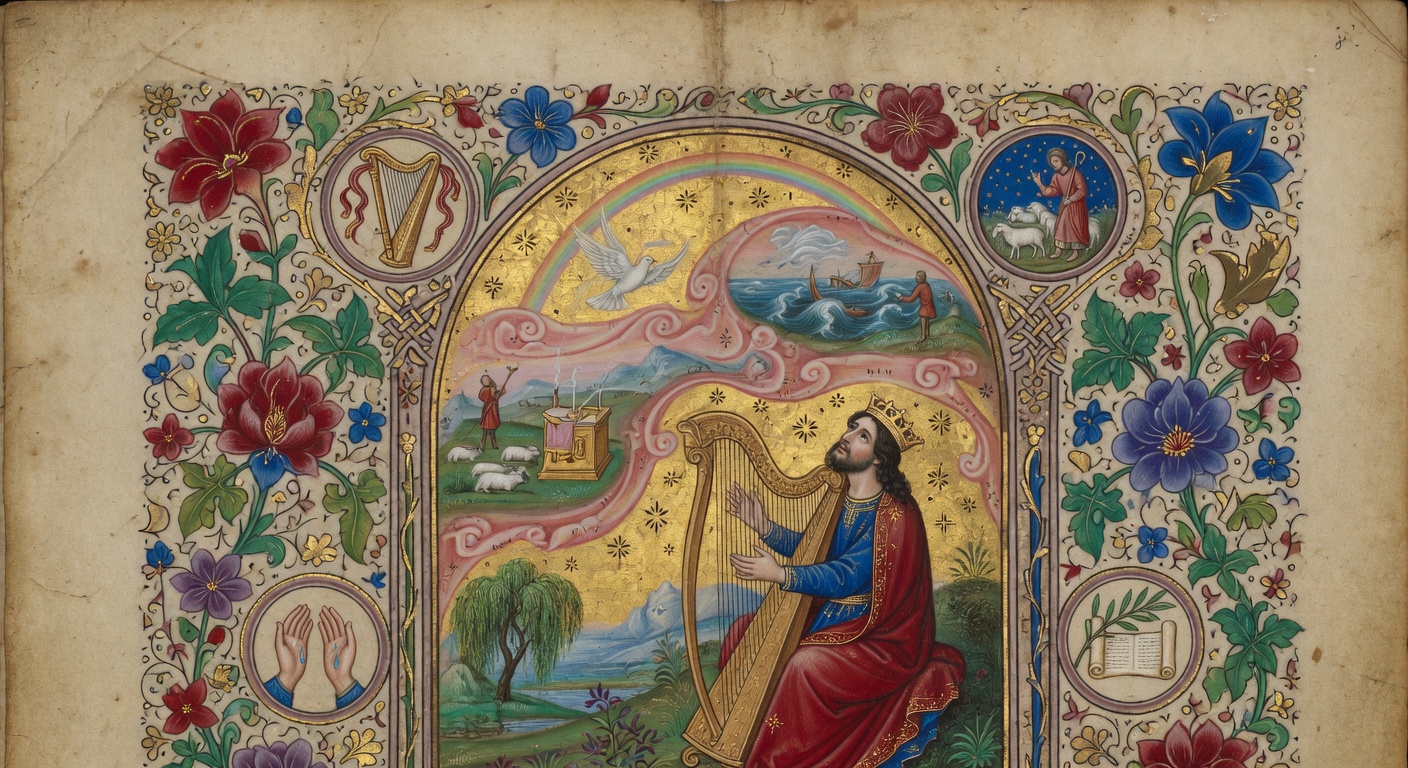
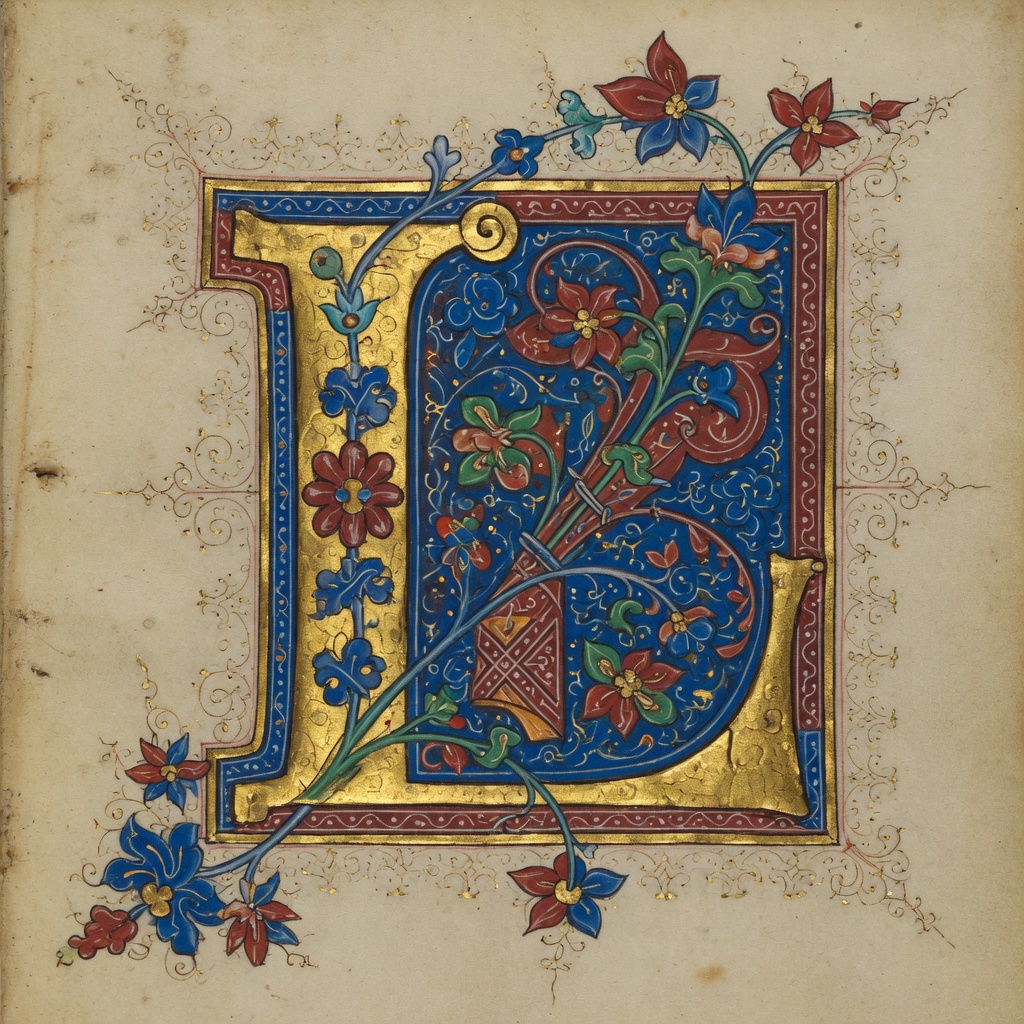 1ord, thou hast been our dwelling place in all generations.
2 Before the mountains were brought forth, or ever thou hadst formed the earth and the world, even from everlasting to everlasting, thou art God.
3 Thou turnest man to destruction; and sayest, Return, ye children of men.
4 For a thousand years in thy sight are but as yesterday when it is past, and as a watch in the night.
5 Thou carriest them away as with a flood; they are as a sleep: in the morning they are like grass which groweth up.
6 In the morning it flourisheth, and groweth up; in the evening it is cut down, and withereth.
7 For we are consumed by thine anger, and by thy wrath are we troubled.
8 Thou hast set our iniquities before thee, our secret sins in the light of thy countenance.
9 For all our days are passed away in thy wrath: we spend our years as a tale that is told.
10 The days of our years are threescore years and ten; and if by reason of strength they be fourscore years, yet is their strength labour and sorrow; for it is soon cut off, and we fly away.
11 Who knoweth the power of thine anger? even according to thy fear, so is thy wrath.
12 So teach us to number our days, that we may apply our hearts unto wisdom.
13 Return, O LORD, how long? and let it repent thee concerning thy servants.
14 O satisfy us early with thy mercy; that we may rejoice and be glad all our days.
15 Make us glad according to the days wherein thou hast afflicted us, and the years wherein we have seen evil.
16 Let thy work appear unto thy servants, and thy glory unto their children.
17 And let the beauty of the LORD our God be upon us: and establish thou the work of our hands upon us; yea, the work of our hands establish thou it.
← → arrow keys to navigate chapters · spacebar to play/pause audio
Did You Know?
Psalm 90 uniquely frames God as Israel's eternal 'dwelling place' (ma'on), a rare divine epithet that echoes Deuteronomy 33:27 and positions the psalm as a Mosaic reflection on refuge amid the wilderness judgments rather than temple worship.
The psalm's structure subtly mirrors the creation account in Genesis 1 by moving from God's pre-temporal existence ('before the mountains were brought forth') through human mortality to a plea for renewed 'work' and 'beauty,' suggesting a theological reversal of the fall's curse.
Its reference to human life as 'a tale that is told' (or 'a sigh') draws on ancient Near Eastern scribal imagery of fleeting cuneiform records, contrasting ephemeral human memory with the enduring divine word that outlasts generations.
The numerical lifespan of seventy or eighty years subtly alludes to the post-flood patriarchal ages in Genesis while also evoking the forty-year wilderness period, implying that even extended life remains under the shadow of exodus-era wrath and covenant testing.
Verse 1's shift from 'Lord' (Adonai) to 'God' (Elohim) within the superscription's Mosaic attribution creates a deliberate theological tension between covenant intimacy and transcendent sovereignty, a pattern rarely sustained across a single psalm.